Fragrance / Parfum
Scent additive
'Parfum' or 'fragrance' on a label stands for a blend of scent ingredients that doesn't have to be listed individually. Fragrance is one of the most common causes of allergic reactions to cosmetics, but most people use fragranced products without any problem.
What is Fragrance / Parfum?
Added for scent. Can be synthetic or natural. Some people with sensitive skin prefer to avoid fragrance as it can be a source of irritation.
In skincare terms, Fragrance / Parfum is an ingredient some people find can be sensitising, depending on their skin.
Why fragrance causes reactions
Some scent ingredients can cause contact allergy. A clinical review estimated that around 1% of the general population is allergic to fragrance, which makes it one of the most common causes of reactions to cosmetics; on the face, eyelids and neck the reaction usually shows as itchy, red, dry patches (de Groot 1997).
Fragrance allergens on labels
Certain known allergens — such as linalool, limonene, citronellol and geraniol — must be named separately in the ingredient list when they are above 0.001% in leave-on products or 0.01% in rinse-off products. In the EU, Regulation (EU) 2023/1545 expands this from 24 to around 80 allergens, applying to new products from 31 July 2026 and to all products on sale from 31 July 2028. Cosmetics law in Great Britain is set separately, but many products here carry EU labels.
Who should avoid it
- People with a diagnosed fragrance allergy — follow your patch-test results.
- Anyone with eczema, rosacea or very reactive skin may do better with fragrance-free products.
- For everyone else, fragrance is mainly a matter of preference.
'Unscented' vs 'fragrance-free'
These words aren't legally defined. 'Unscented' products sometimes contain masking fragrance, and products marketed as fragrance-free can contain essential oils or plant extracts with scent ingredients. Checking the ingredient list for parfum, fragrance, essential oils and named allergens is more reliable than the front of the pack.
Where you'll find it
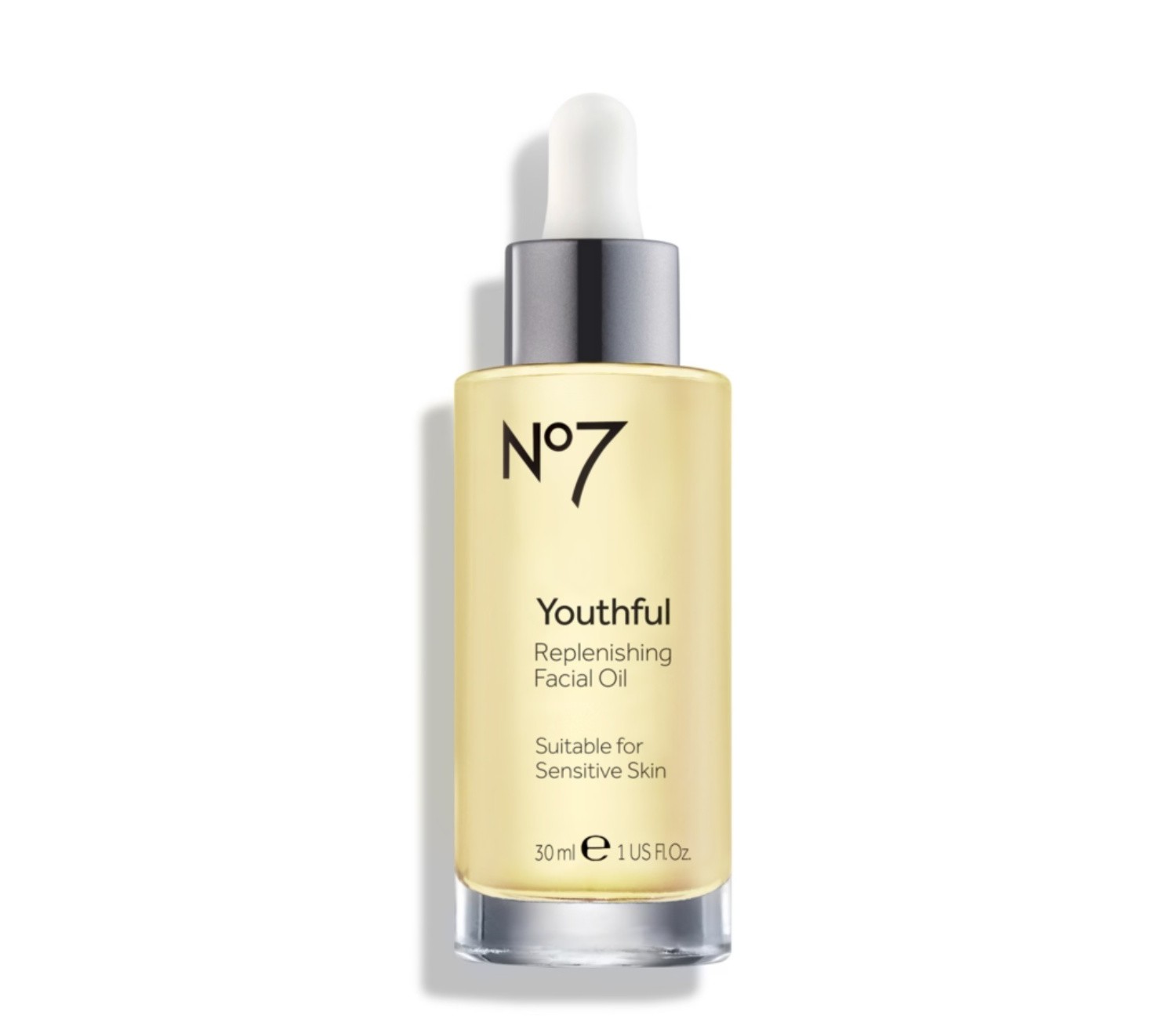
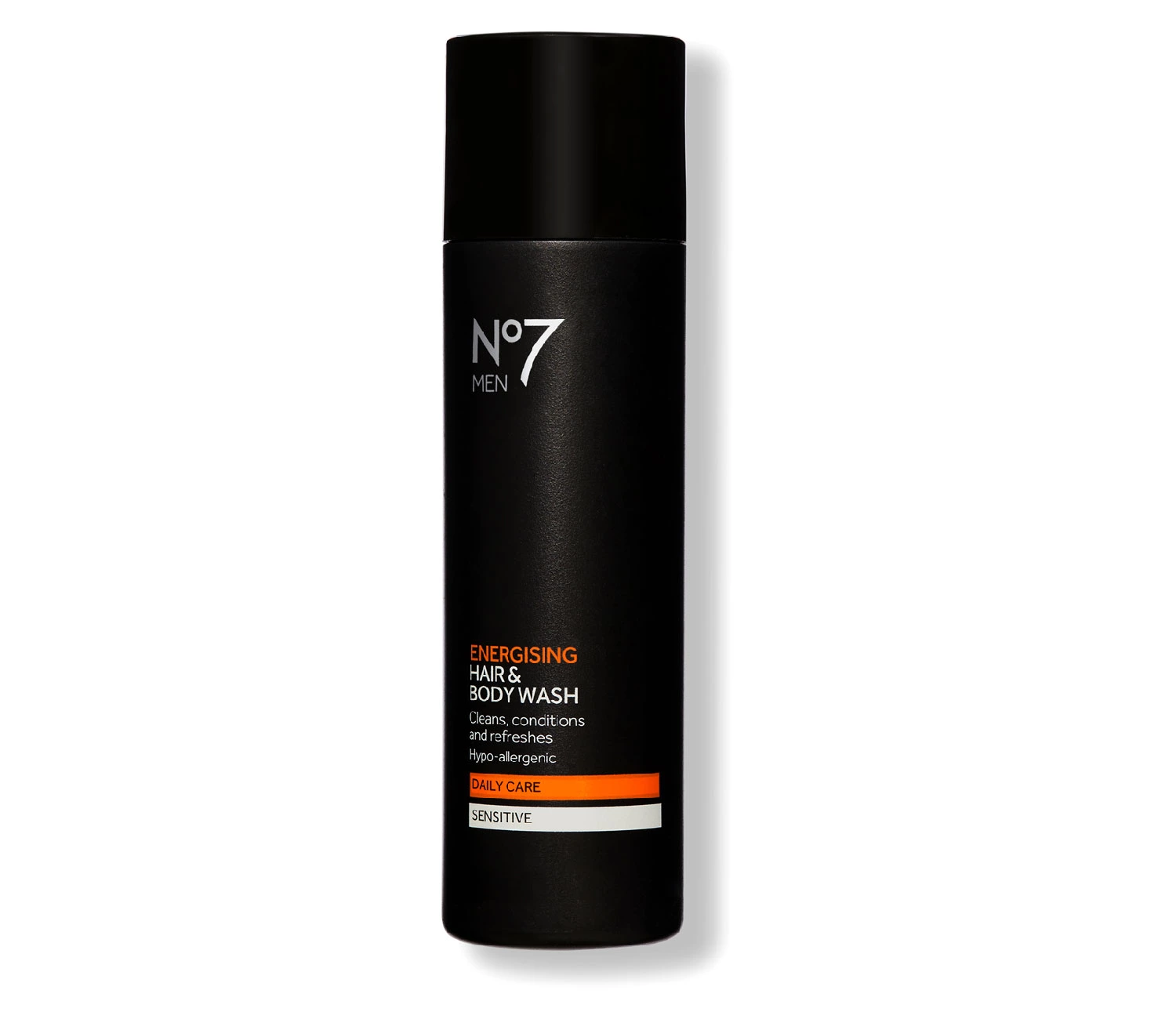
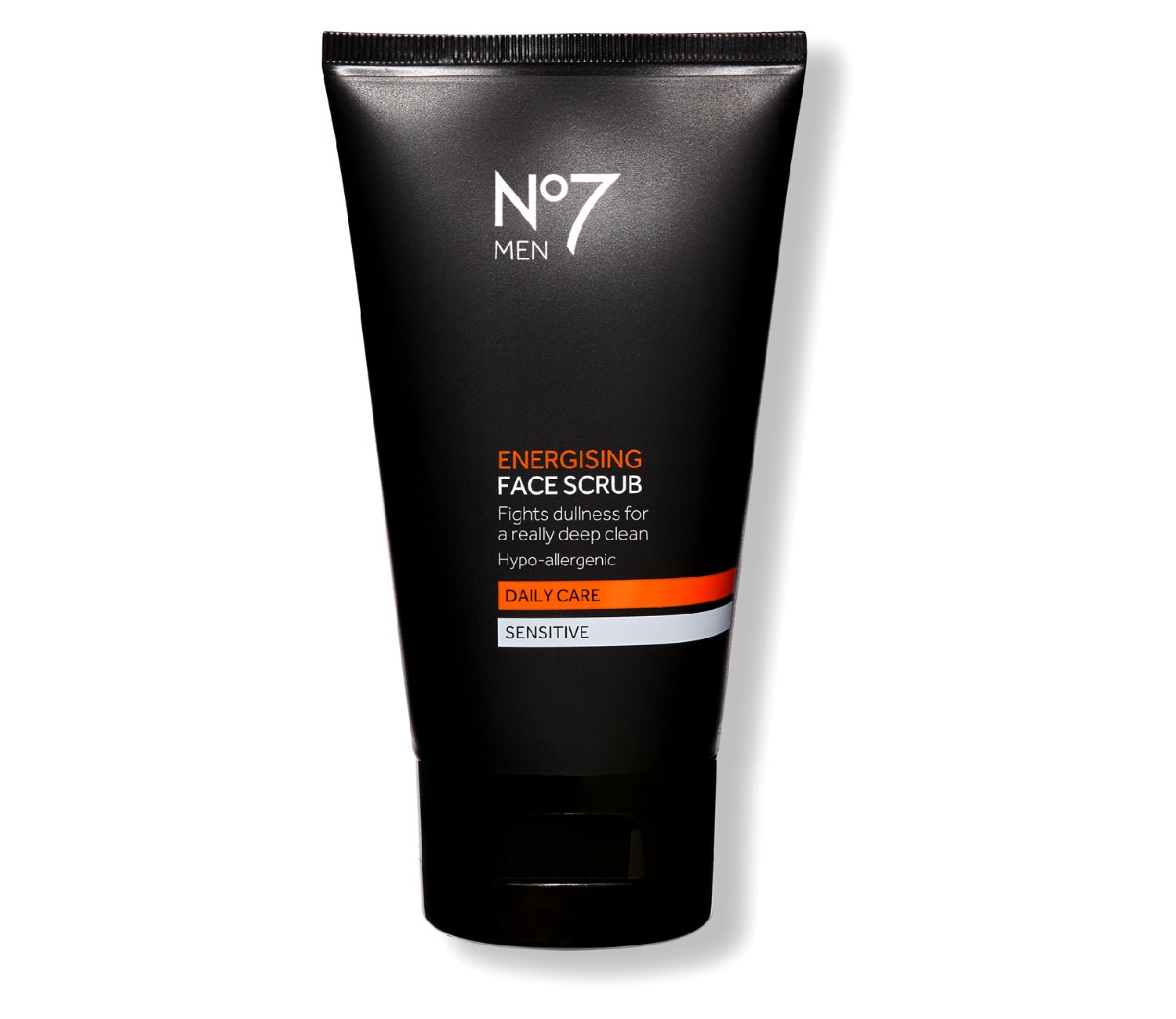
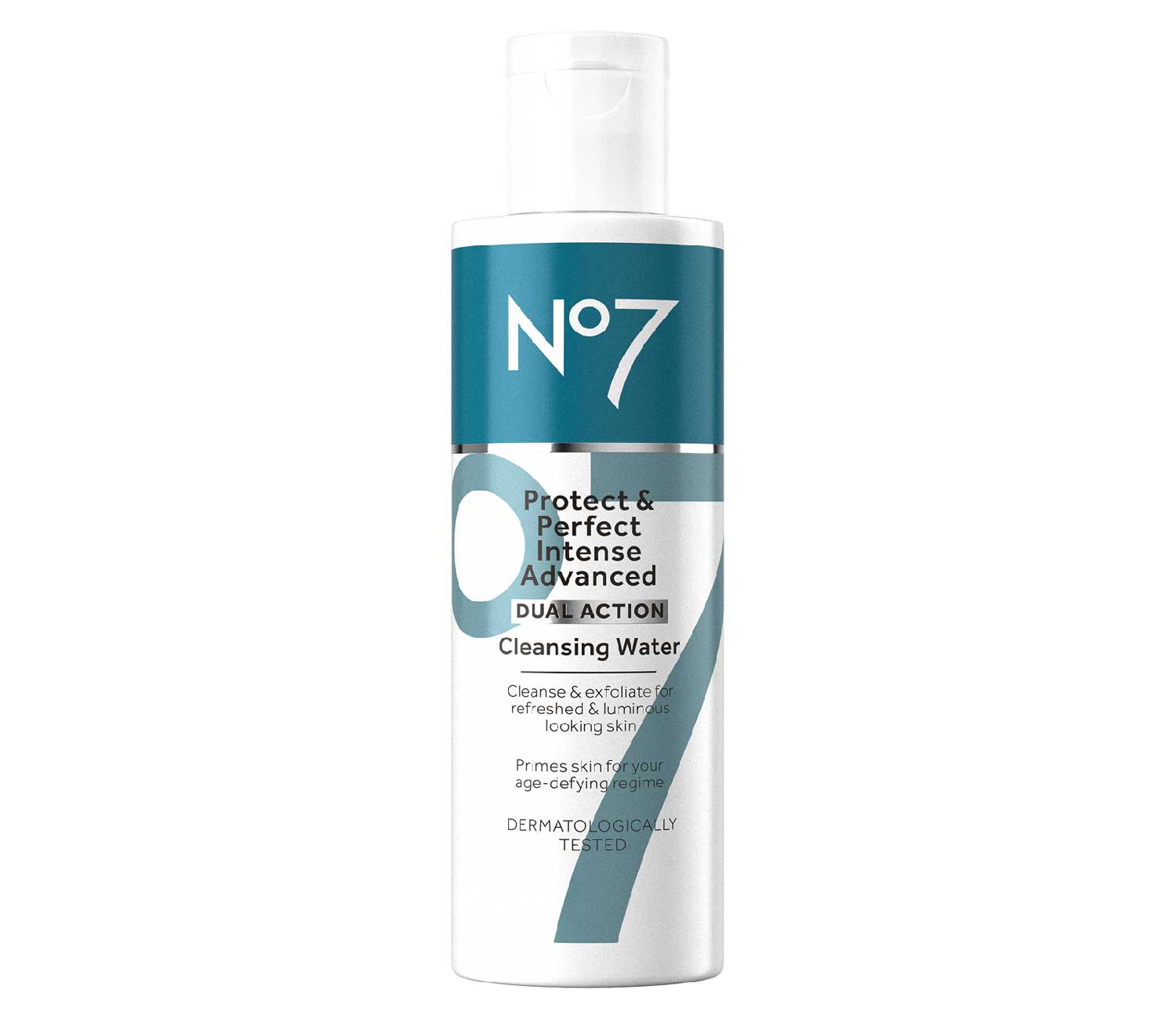
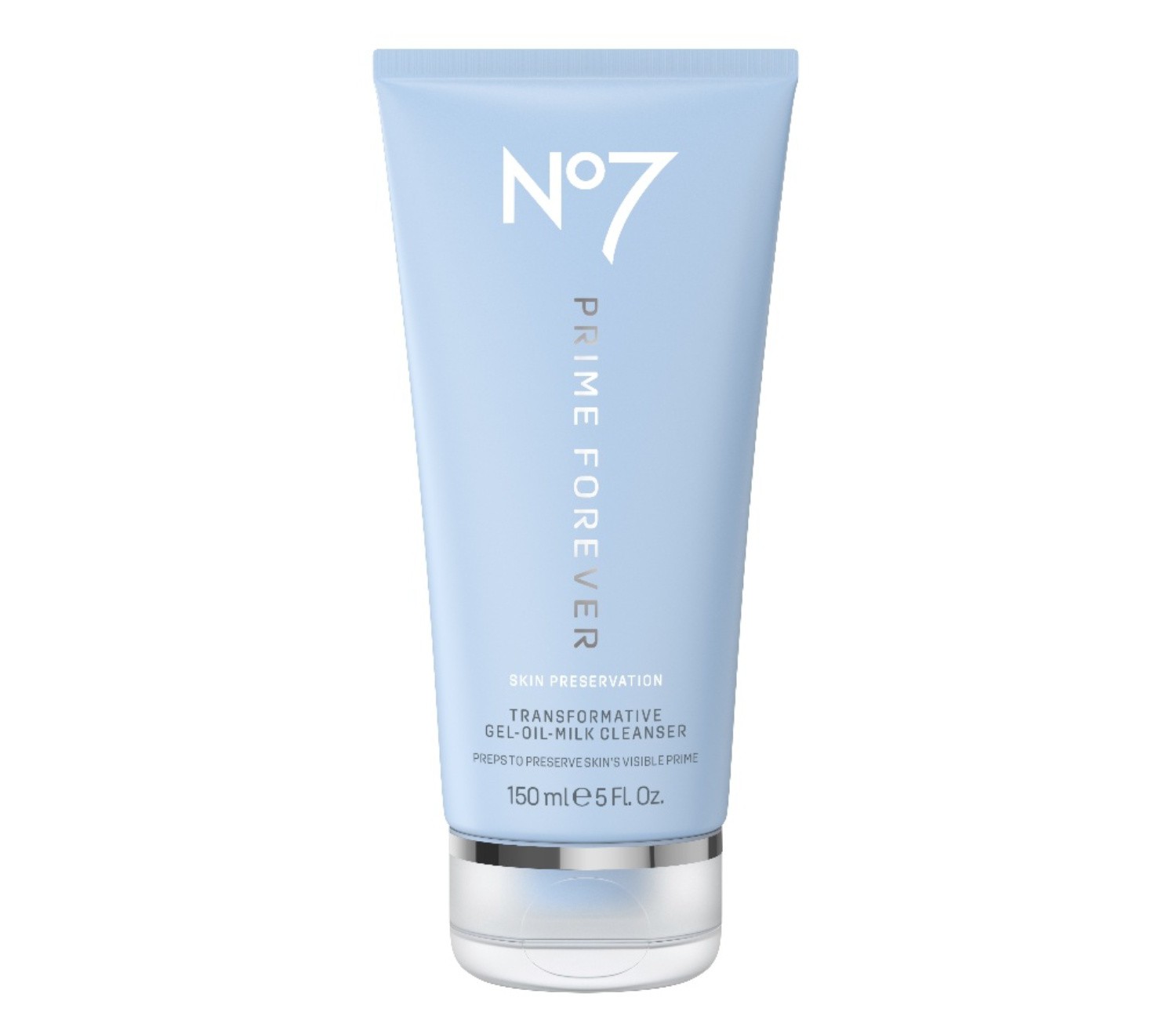
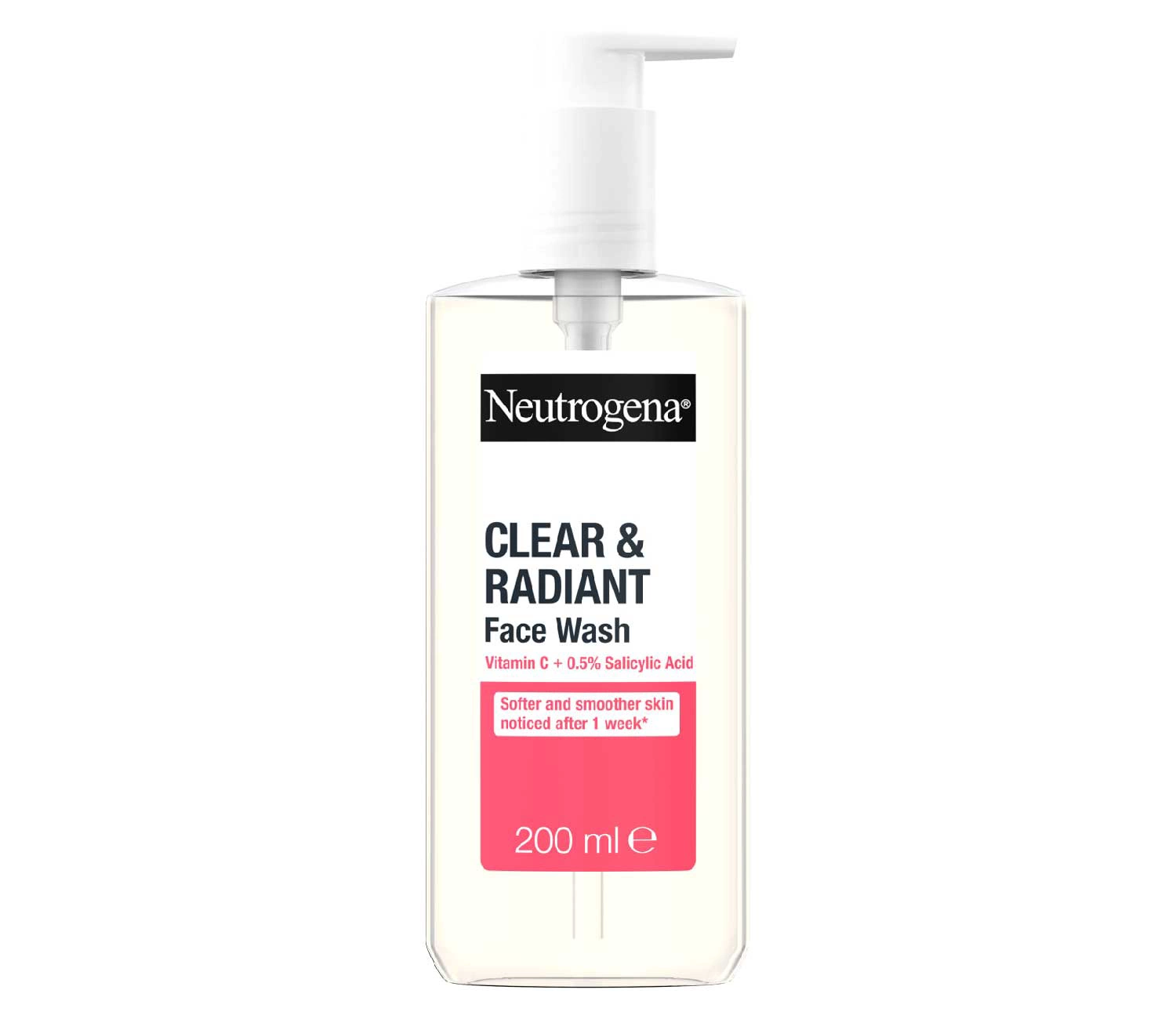
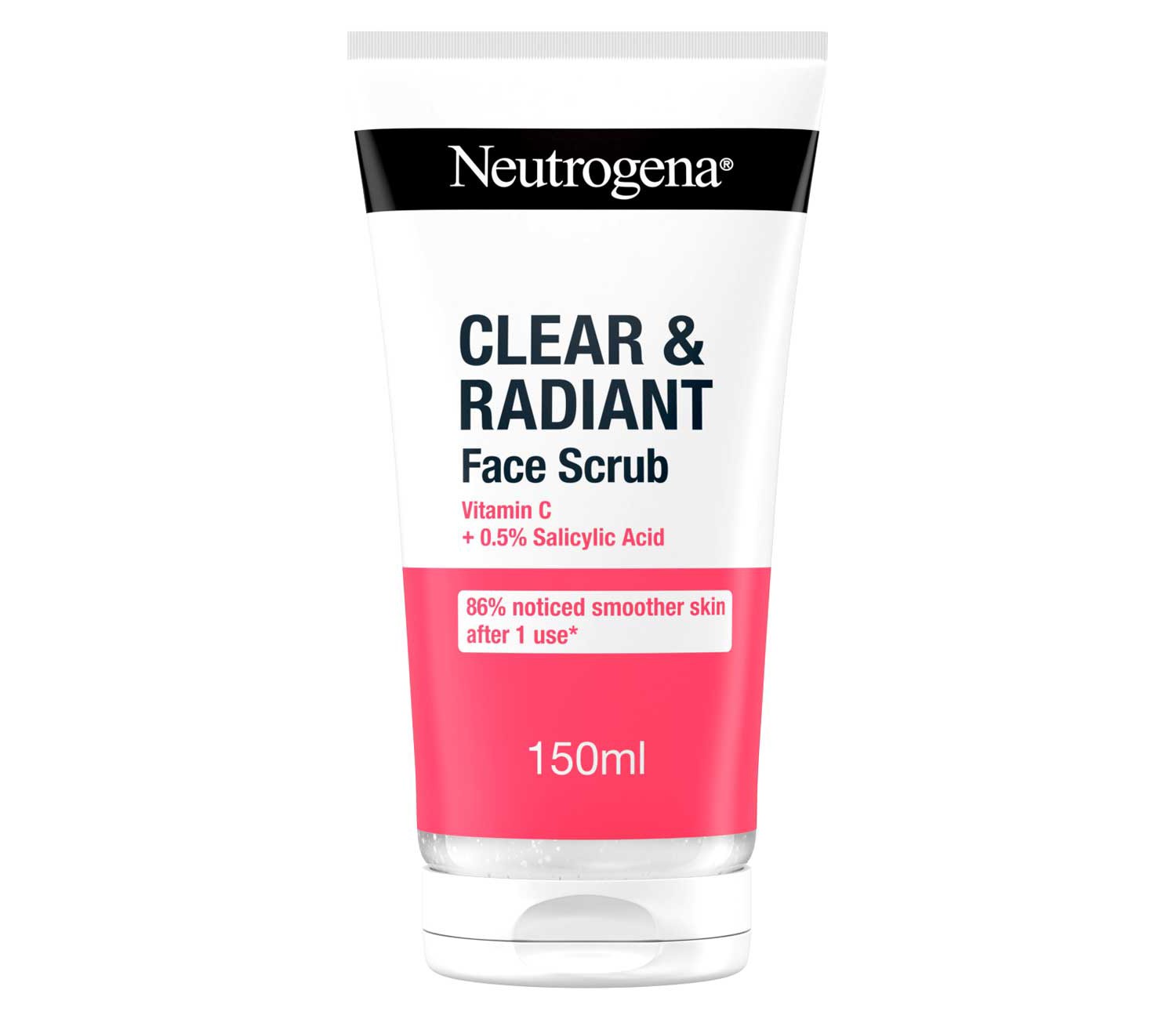
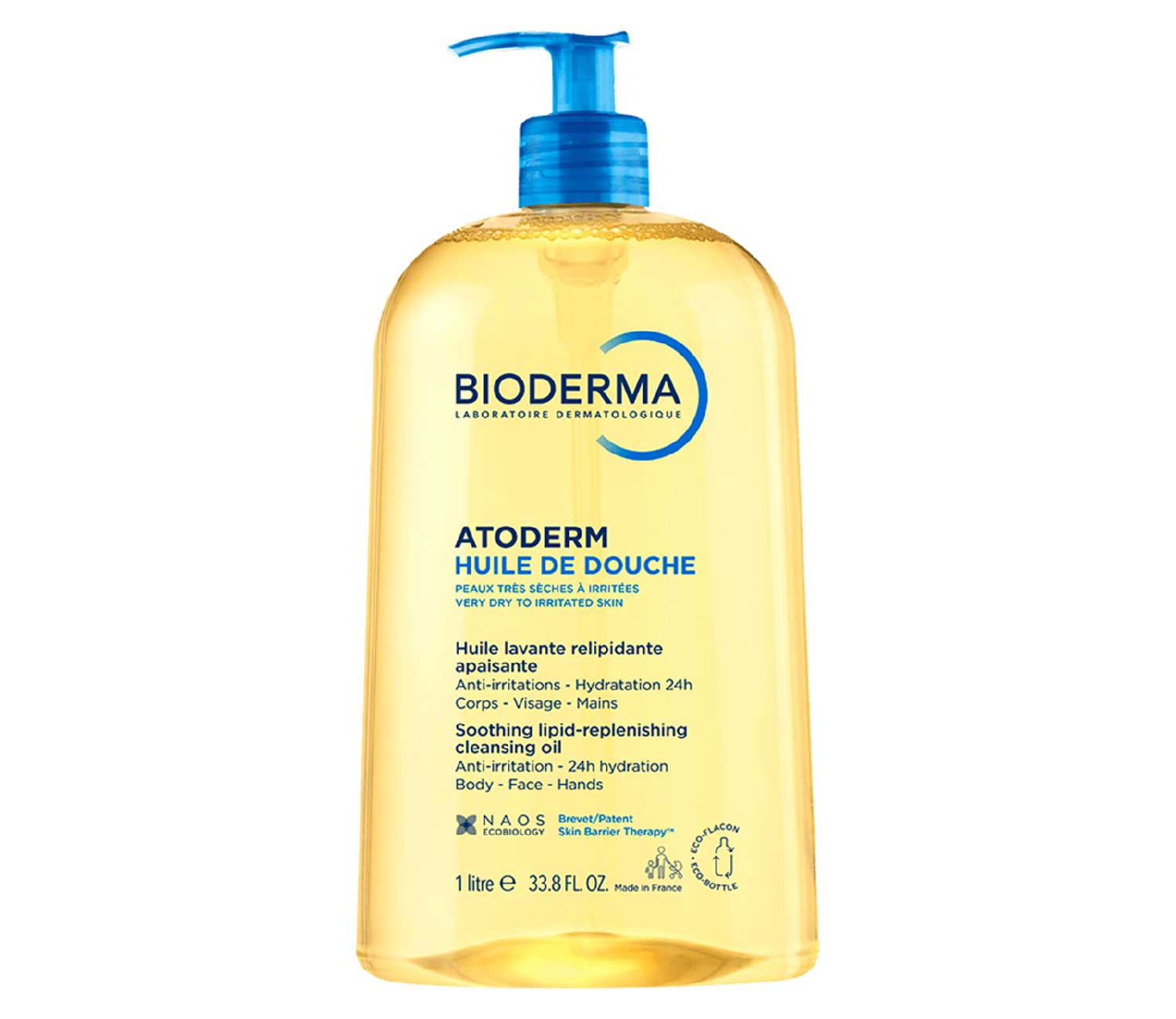
In our catalogue, Fragrance / Parfum appears in moisturisers, spf, serums, cleansers and more.
Also listed as
On an ingredients label (INCI), Fragrance / Parfum may appear as: fragrance, parfum, aroma, methyldihydrojasmonate, tetramethyl acetyloctahydronaphthalenes, parfum/fragrance.
Prefer to avoid fragrance? See our fragrance-free picks, checked against full ingredient lists.
Related ingredients
Common questions about fragrance / parfum
Is natural fragrance safer than synthetic?
Not necessarily. Essential oils contain many of the same allergens, such as limonene and linalool, as synthetic fragrances.
How do I know if I'm allergic to fragrance?
A dermatologist can confirm it with patch testing. Recurring itchy, red patches where you apply products are a reason to ask your GP for a referral.
Why does SkinChecker flag fragrance?
Because it is a common trigger for sensitive skin. A flag isn't a sign the product is unsafe — just something to know if your skin reacts.
Sources
- de Groot AC, Frosch PJ. Adverse reactions to fragrances. A clinical review. Contact Dermatitis, 1997.
- Commission Regulation (EU) 2023/1545 amending the Cosmetics Regulation (labelling of fragrance allergens).
Last reviewed 19 Oct 2026.