What is fungal acne?
"Fungal acne" is the everyday name for Malassezia folliculitis: an itchy rash of small, same-sized red bumps and pus spots, usually on the chest and upper back, and sometimes on the forehead, hairline, chin, neck or upper arms. Unlike regular acne, it doesn't cause blackheads or whiteheads. Heat, sweating, recent antibiotics and heavy, occlusive creams or sunscreens make it more likely (DermNet).
It is caused by Malassezia, a yeast that lives on everyone's skin, overgrowing in the hair follicles, and it usually doesn't respond to standard acne treatments. A GP or dermatologist can confirm it, sometimes by testing a skin scraping, and it's treated with antifungal washes, creams or tablets.
What this checker flags
Malassezia can't make its own fats, so it depends on oils from its surroundings and releases enzymes that break down skin oils (Wu 2015). That's why fungal-acne guides focus on ingredients that can feed it. The checker flags:
- Fatty acids with 11–24 carbons, such as lauric, myristic, palmitic, stearic and oleic acid (see fatty acids).
- Esters and glycerides of those fatty acids, such as glyceryl stearate, isopropyl myristate, PEG-100 stearate and ascorbyl palmitate (see emollient esters).
- Polysorbates, such as polysorbate 20 and 80, which are fatty-acid esters too.
- Most plant oils and butters, such as olive, jojoba, sunflower and coconut oil, and shea butter.
- Ferments, such as galactomyces and bifida ferment. These are flagged separately because the evidence is weaker.
It does not flag squalane, mineral oil, caprylic/capric triglyceride (made from shorter, 8–10 carbon fatty acids), fatty alcohols such as cetearyl alcohol, waxes, or essential oils. These are generally considered safe for fungal-acne-prone skin.
How much to trust the result
These rules follow the approach most fungal-acne guides use. The evidence comes mainly from lab studies of yeast growth, not from trials of finished skincare, so a flagged ingredient isn't guaranteed to cause problems. How much it matters depends on the amount, where it sits on the list, and the rest of the formula, and people react differently. Ingredients the checker doesn't recognise can't be checked, so look over anything marked "not in our glossary yet".
Common questions
Is fungal acne actually acne?
No. It's an infection of the hair follicles caused by yeast, not the clogged pores and bacteria behind regular acne. That's why antibiotics and many acne products don't help, and antibiotics can make it worse.
Are fatty alcohols like cetyl or cetearyl alcohol a problem?
Not by these rules. Despite the name they aren't fatty acids or oils, so they aren't flagged.
Do I need to avoid every flagged ingredient?
Not necessarily. Leave-on products used on affected areas, such as moisturiser and sunscreen, are the ones to look at first, because they stay on the skin for hours. A wash-off cleanser is only there briefly. If you're unsure, ask your GP, pharmacist or dermatologist.
Can I check a whole routine?
Check each product separately. Pasting several lists together mixes up their order, and the position of an ingredient on its own label tells you roughly how much is in it.
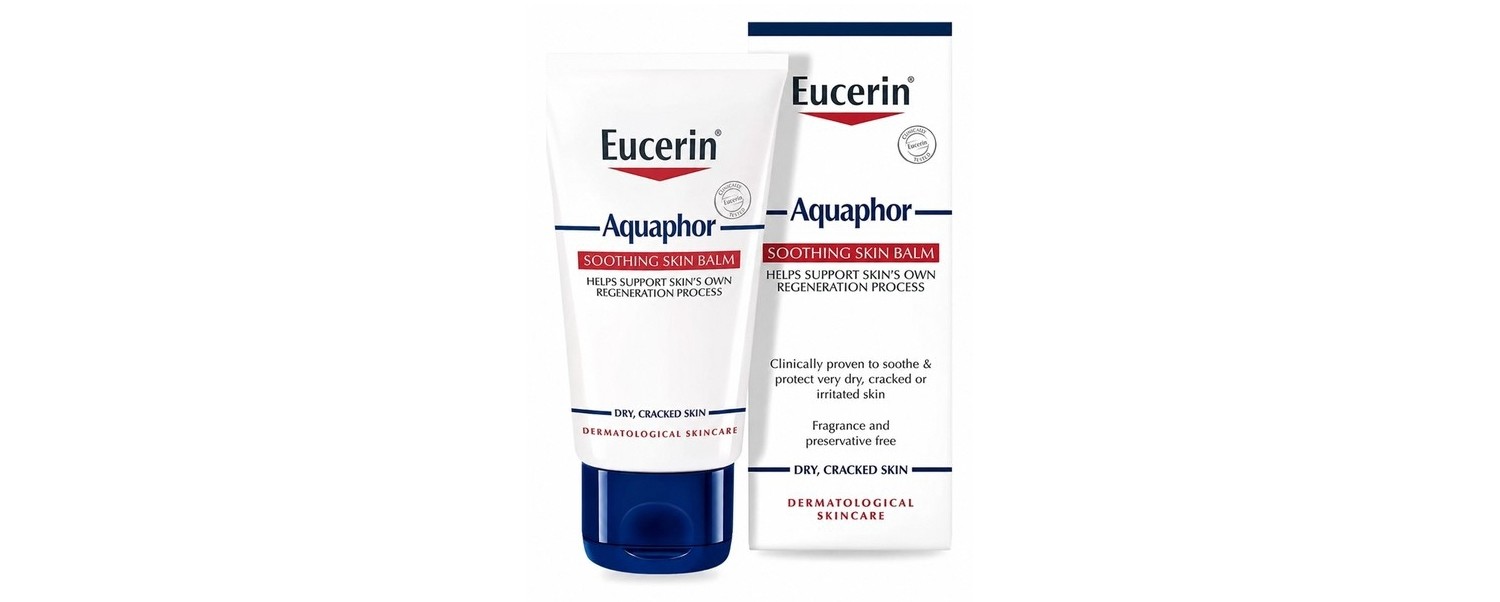
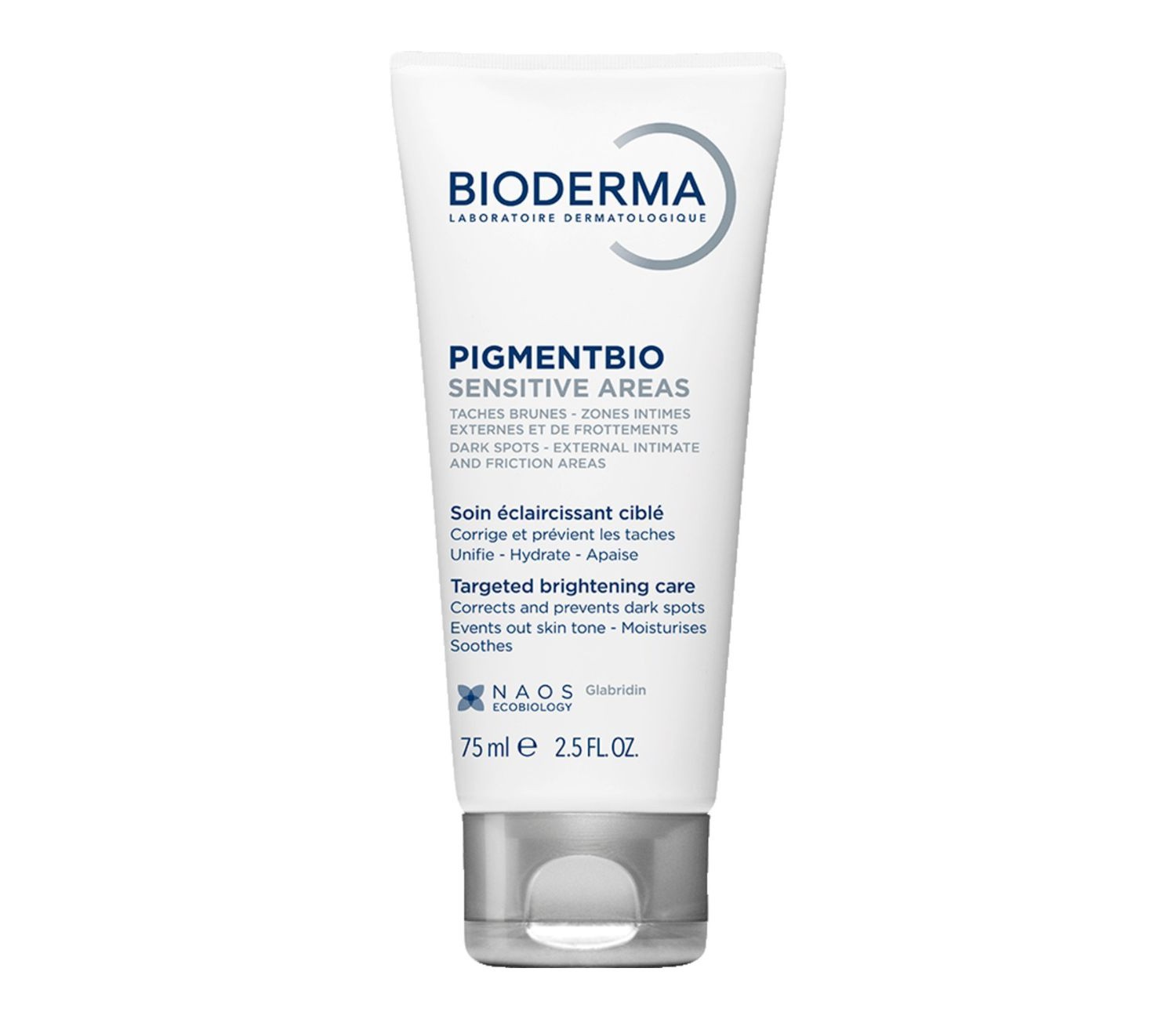
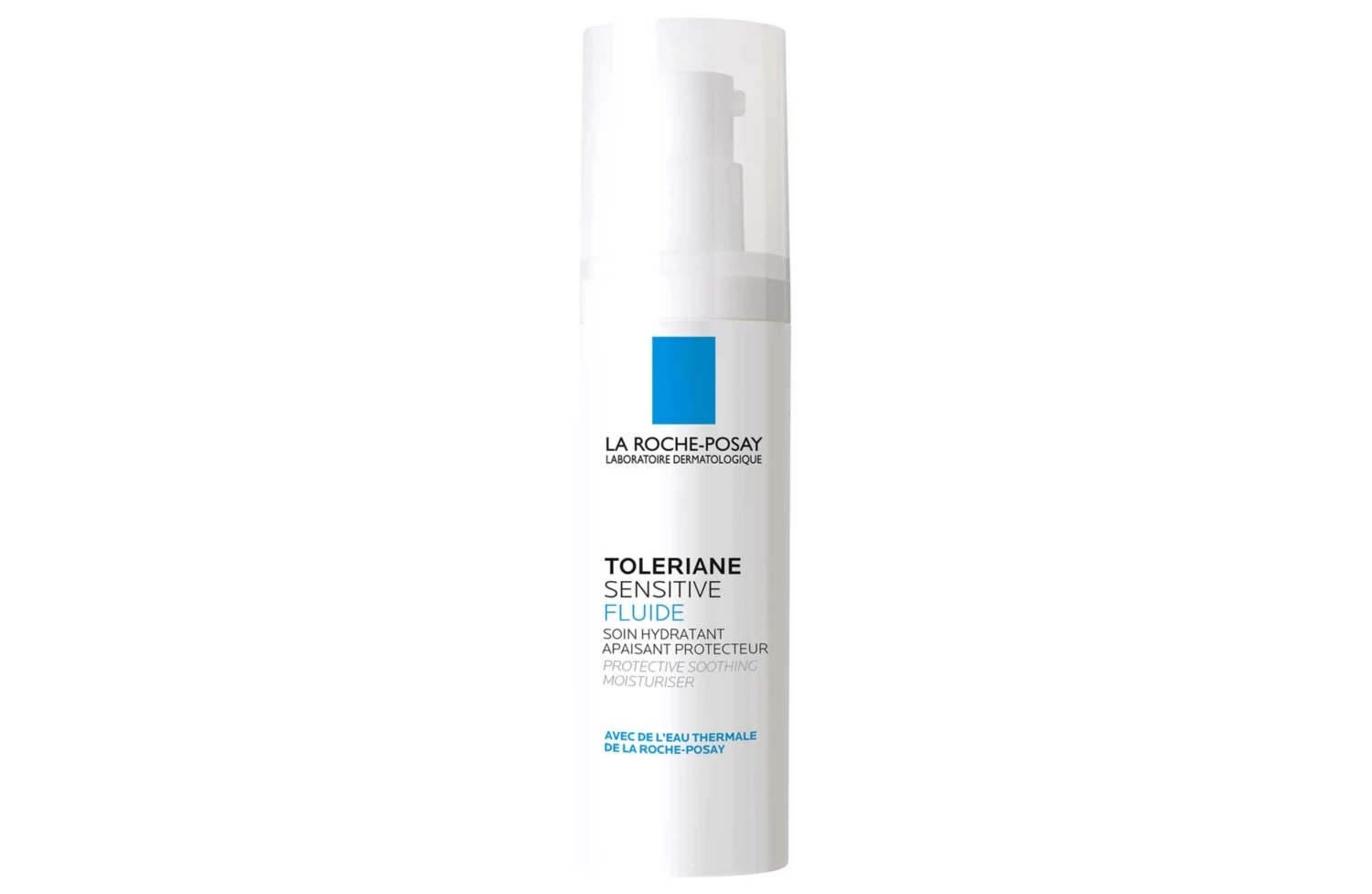
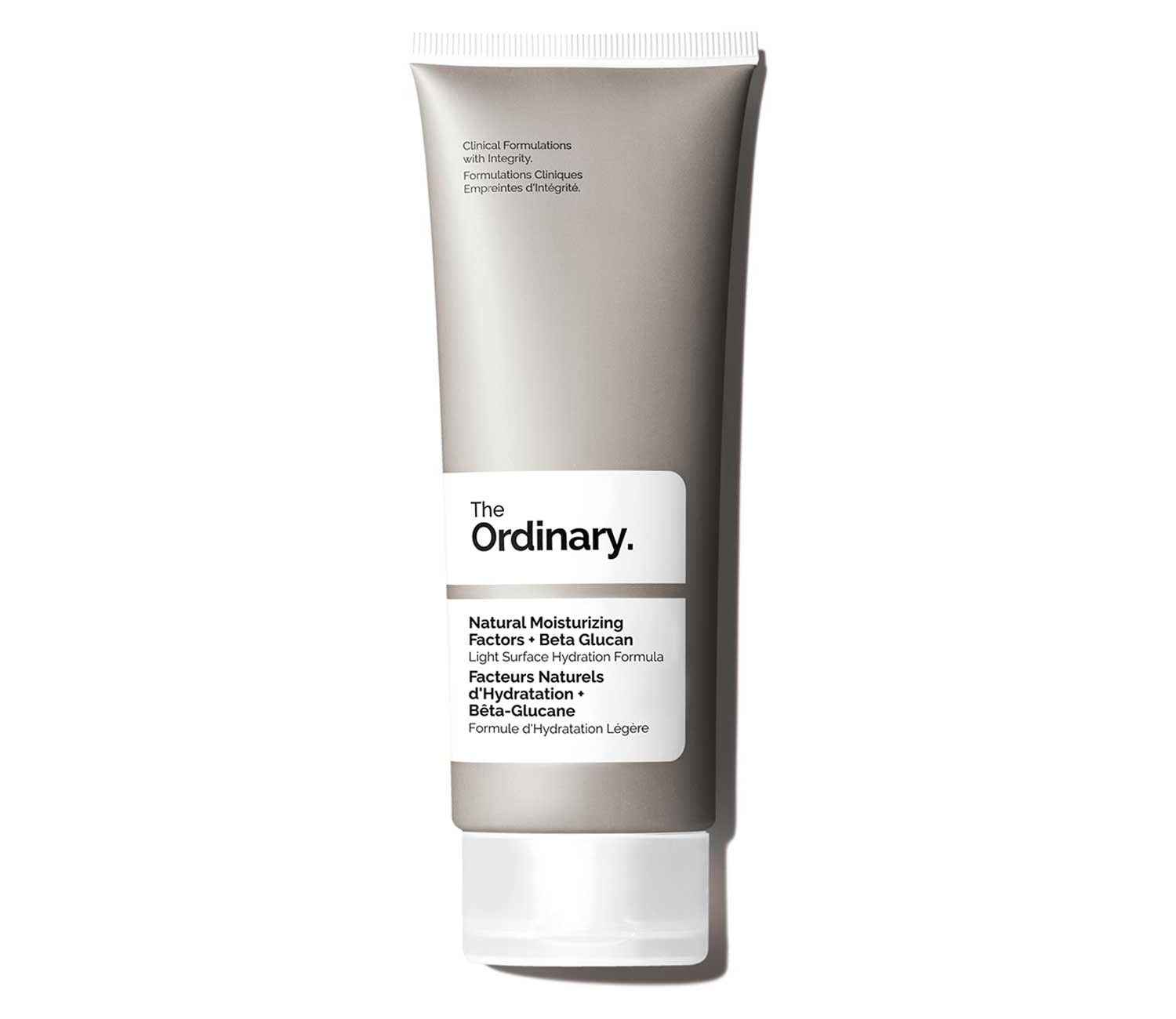
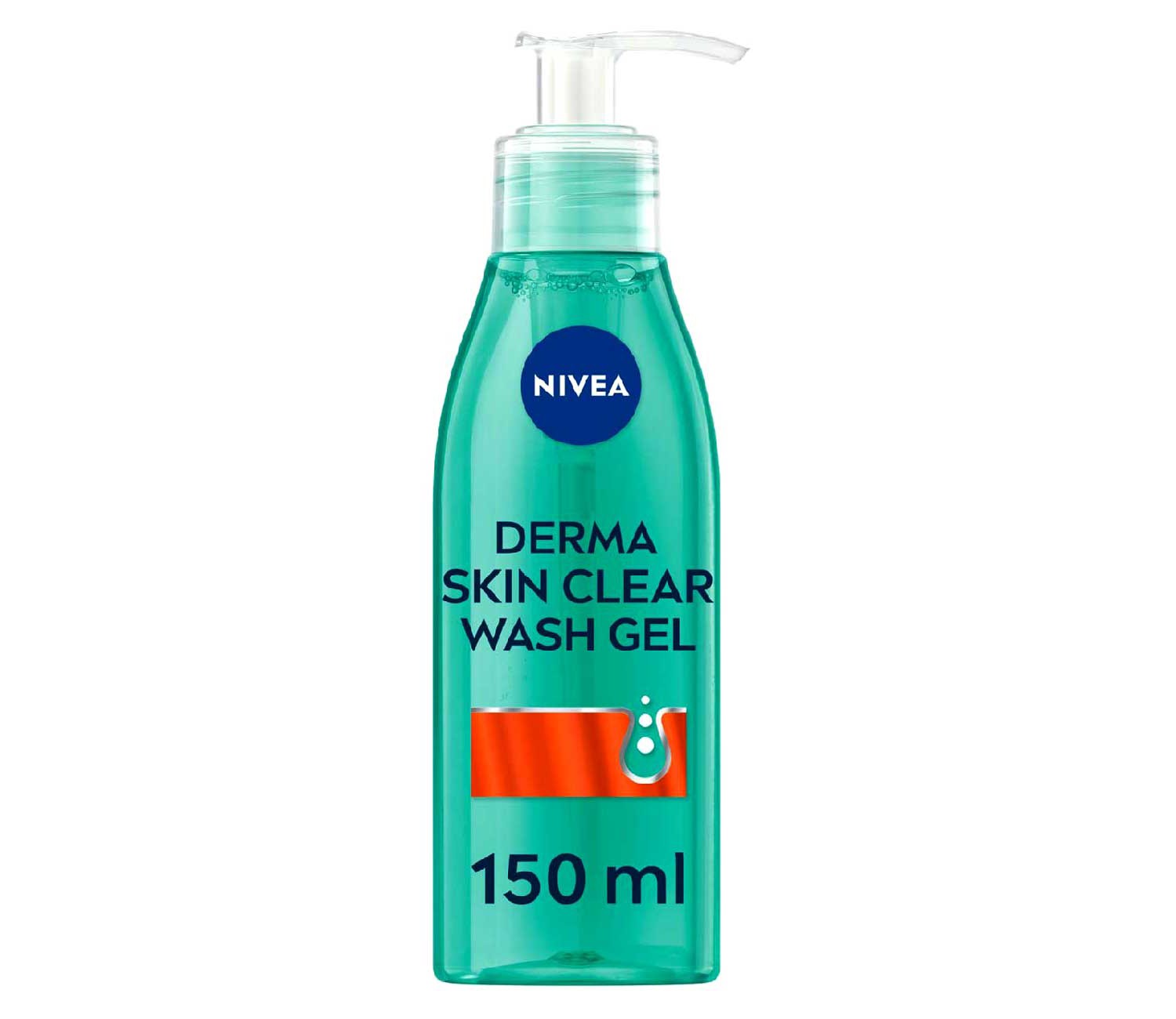
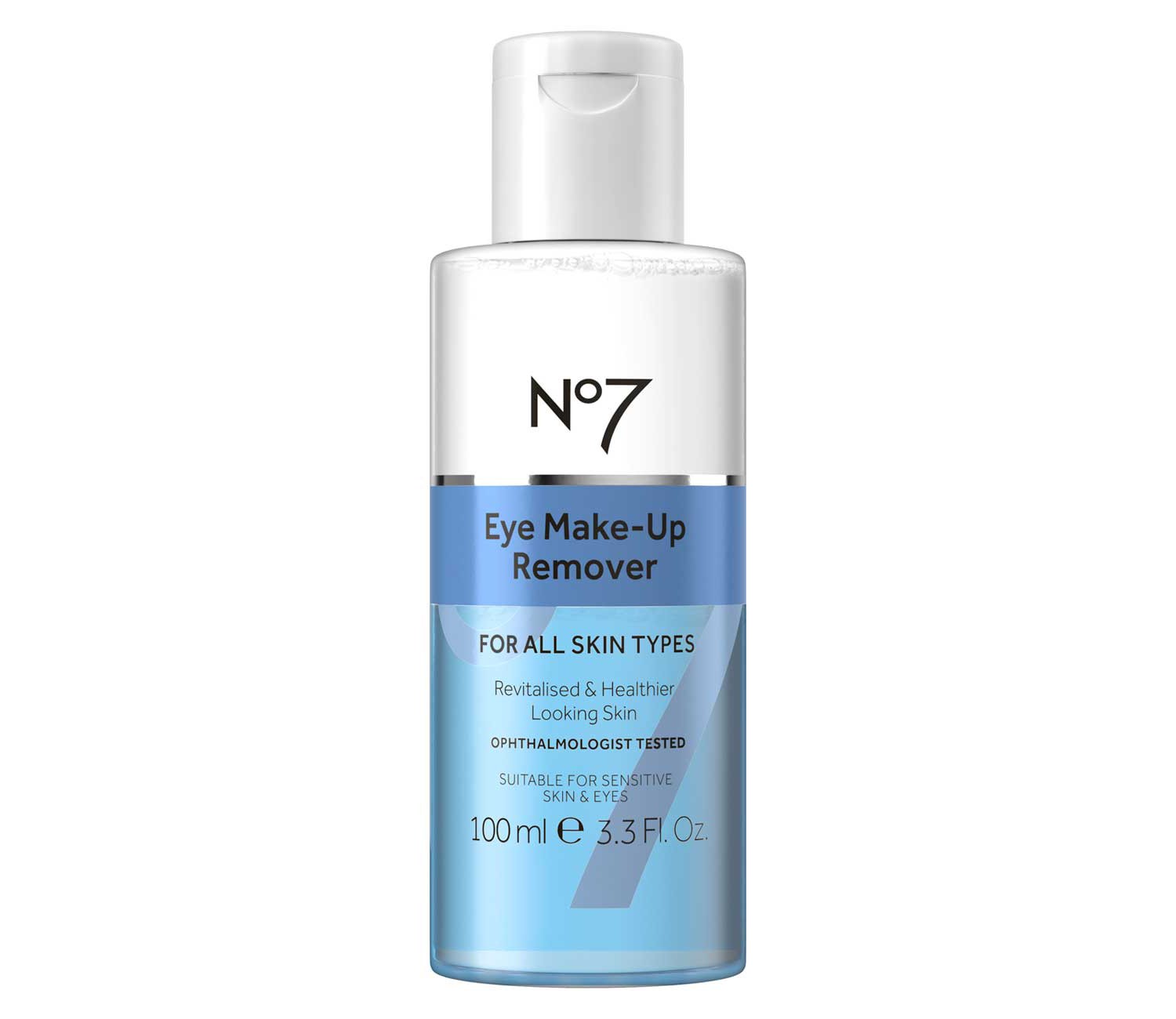
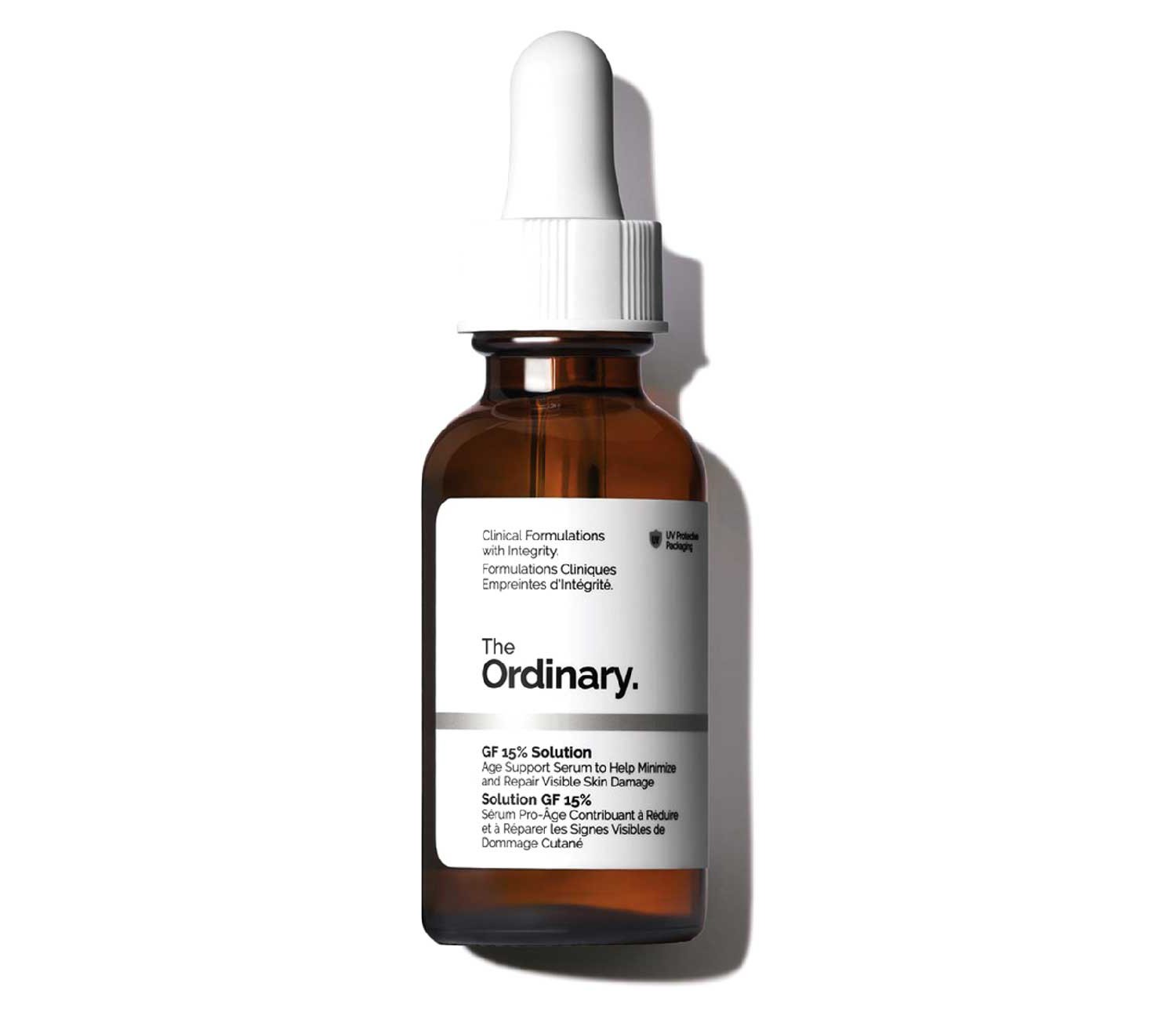
Products in our catalogue with none of these ingredients
Products whose full ingredient list contains none of the ingredients above, with fragrance-free ones first. That isn't a guarantee: formulas change, so check the label of the version you buy.