Retinol
Cell turnover & anti-ageing
Retinol is a form of vitamin A and one of the best-studied ingredients for the visible signs of ageing. It speeds up skin renewal, which over months can soften fine lines and improve texture and uneven tone. It's also the active most likely to irritate, so how you introduce it matters.
What is Retinol?
A form of Vitamin A that supports skin cell renewal, improving texture and tone. Can cause initial sensitivity — best introduced gradually.
In skincare terms, Retinol is an ingredient associated with the appearance of firmer, smoother, more even skin over time.
What retinol does
In the skin, retinol is converted step by step into retinoic acid, the form that acts on skin cells. In a 24-week study of older adults, a 0.4% retinol lotion visibly reduced fine wrinkles and increased markers of collagen production (Kafi 2007).
Because it has to be converted first, retinol is gentler — and slower — than prescription retinoids such as tretinoin (Mukherjee 2006).
Retinol and its relatives on labels
We group these vitamin A ingredients under Retinol. Roughly from gentlest to strongest:
- Retinyl palmitate and retinyl acetate — esters that need several conversion steps; the mildest and the weakest.
- Retinol — the standard over-the-counter option.
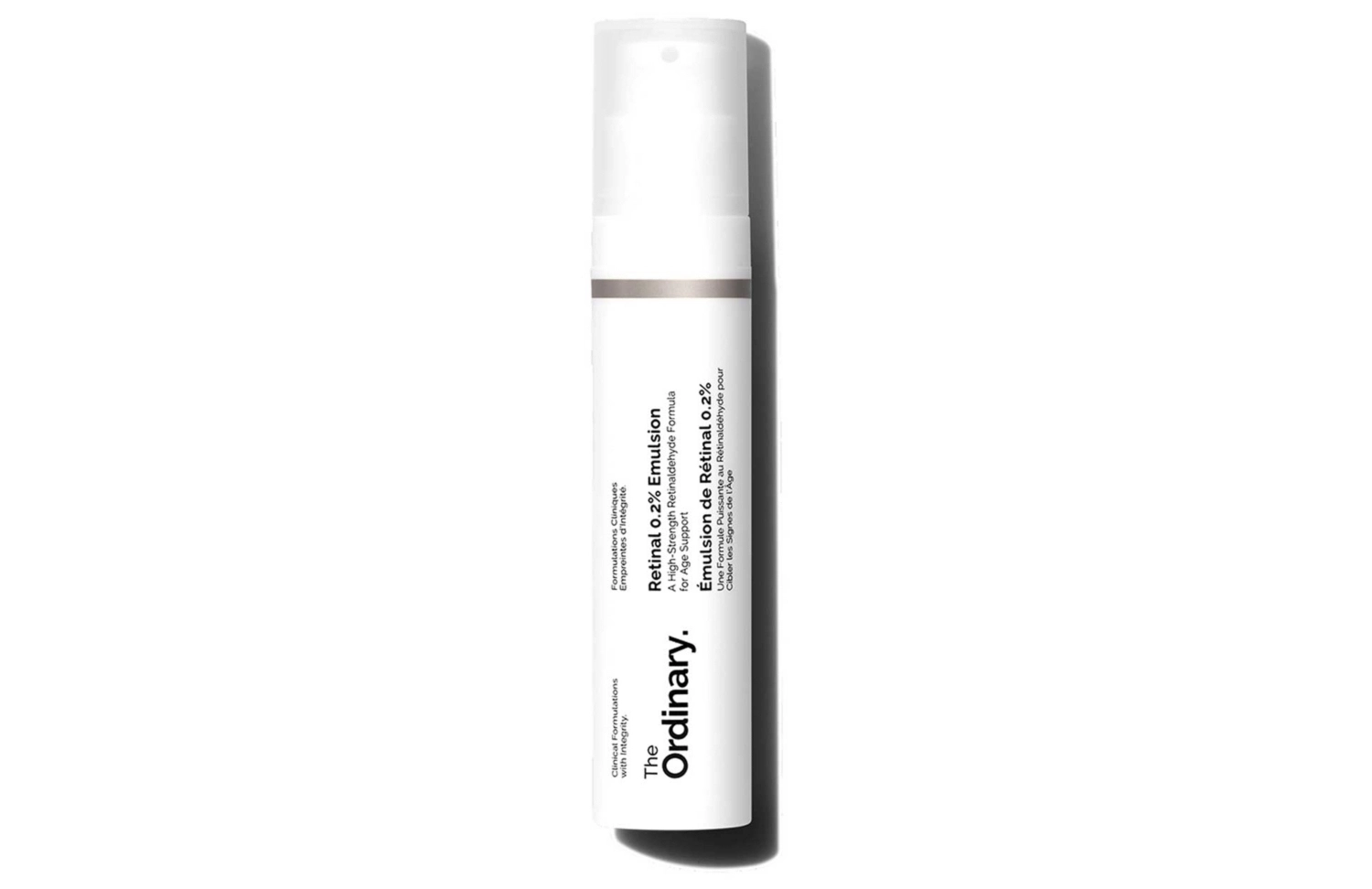
- Retinal (retinaldehyde) — one step closer to retinoic acid, so usually works faster than retinol at the same strength.
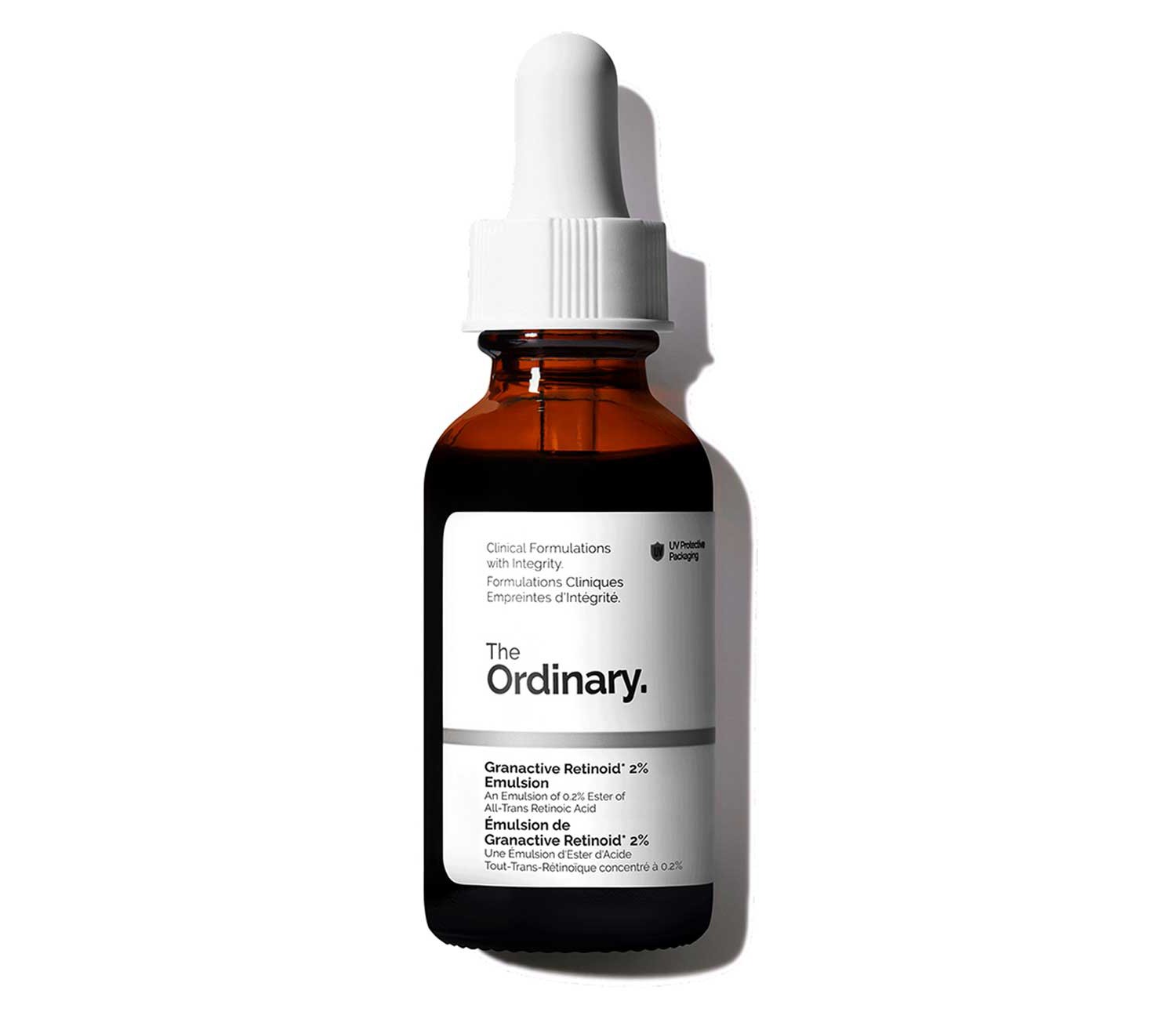
- Hydroxypinacolone retinoate (sometimes sold as "granactive retinoid") — a newer ingredient marketed as gentler, with less independent research behind it.
How to start using retinol
- Start with a low strength two or three nights a week.
- Use a pea-sized amount for the whole face, on dry skin, at night.
- Apply a moisturiser afterwards; improving the barrier with a moisturiser has been shown to make retinoids easier to tolerate (Draelos 2006).
- Increase to every other night, then nightly, over several weeks if your skin is comfortable.
- Wear sunscreen every morning — retinoids can make skin more sensitive to the sun.
Strength and EU limits
Over-the-counter products usually contain between about 0.01% and 1%. If you're new to retinol, a low strength used consistently is a better start than a high one used occasionally.
In the EU, Regulation (EU) 2024/996 limits retinol, retinyl acetate and retinyl palmitate to 0.3% (as retinol equivalent) in face and most other products and 0.05% in body lotions, for products placed on the market from 1 November 2025, and requires a label warning about total vitamin A intake. Cosmetics law in Great Britain is separate, but many products sold here use the same formulas as in the EU.
Side effects
Dryness, flaking, redness and stinging are common in the first few weeks and usually settle as skin adjusts (Mukherjee 2006). Some people also see breakouts at first. Avoid applying it to broken or sunburnt skin, and don't use it on the same night as strong exfoliating acids.
Retinoids are not recommended during pregnancy, and the usual advice is to avoid retinol products while pregnant or breastfeeding. Check with your GP or pharmacist if you're unsure.
Where you'll find it
In our catalogue, Retinol appears in serums, moisturisers, eye care, spf and more.
Also listed as
On an ingredients label (INCI), Retinol may appear as: retinol, retinyl palmitate, retinyl retinoate, hydroxypinacolone retinoate, retinal, retinaldehyde.
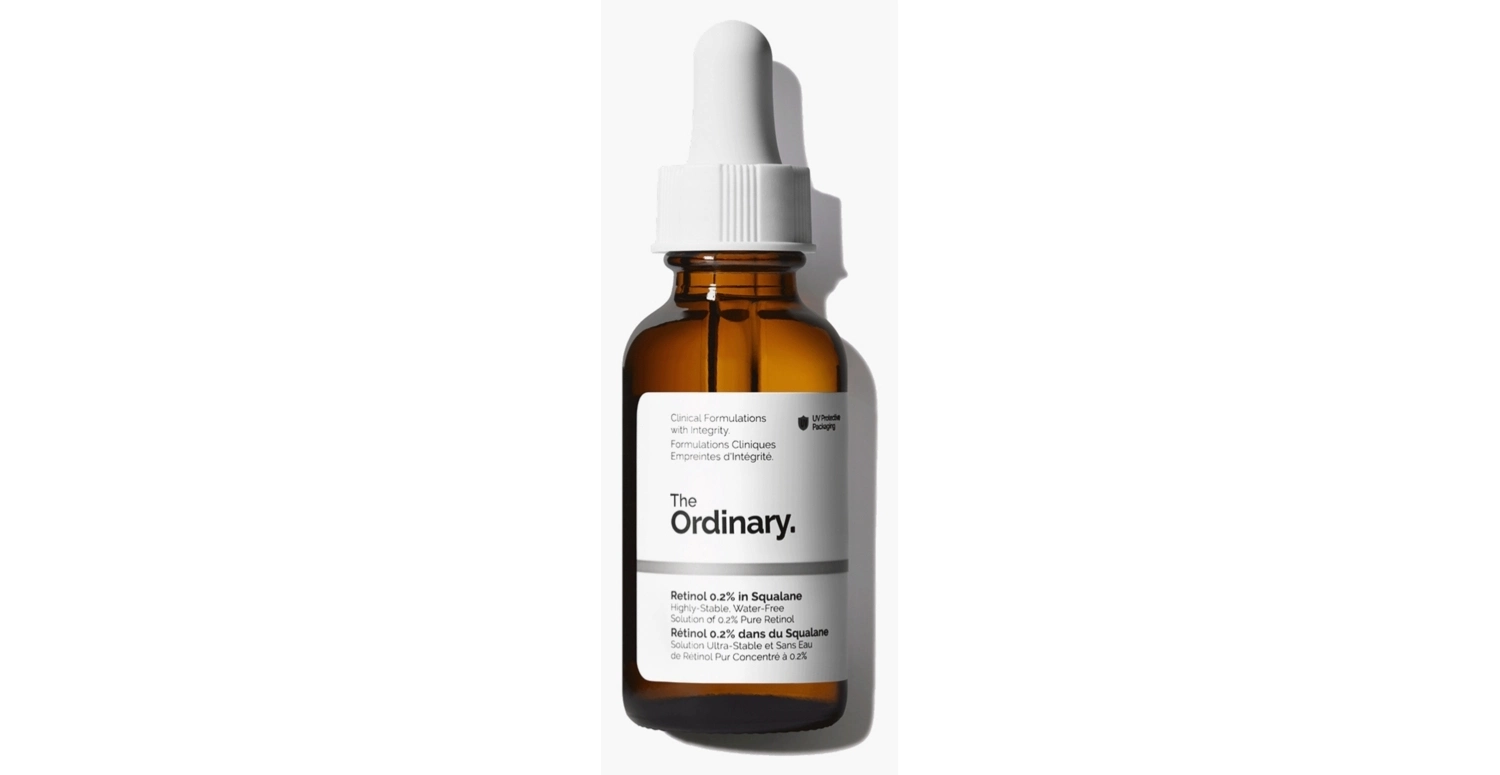
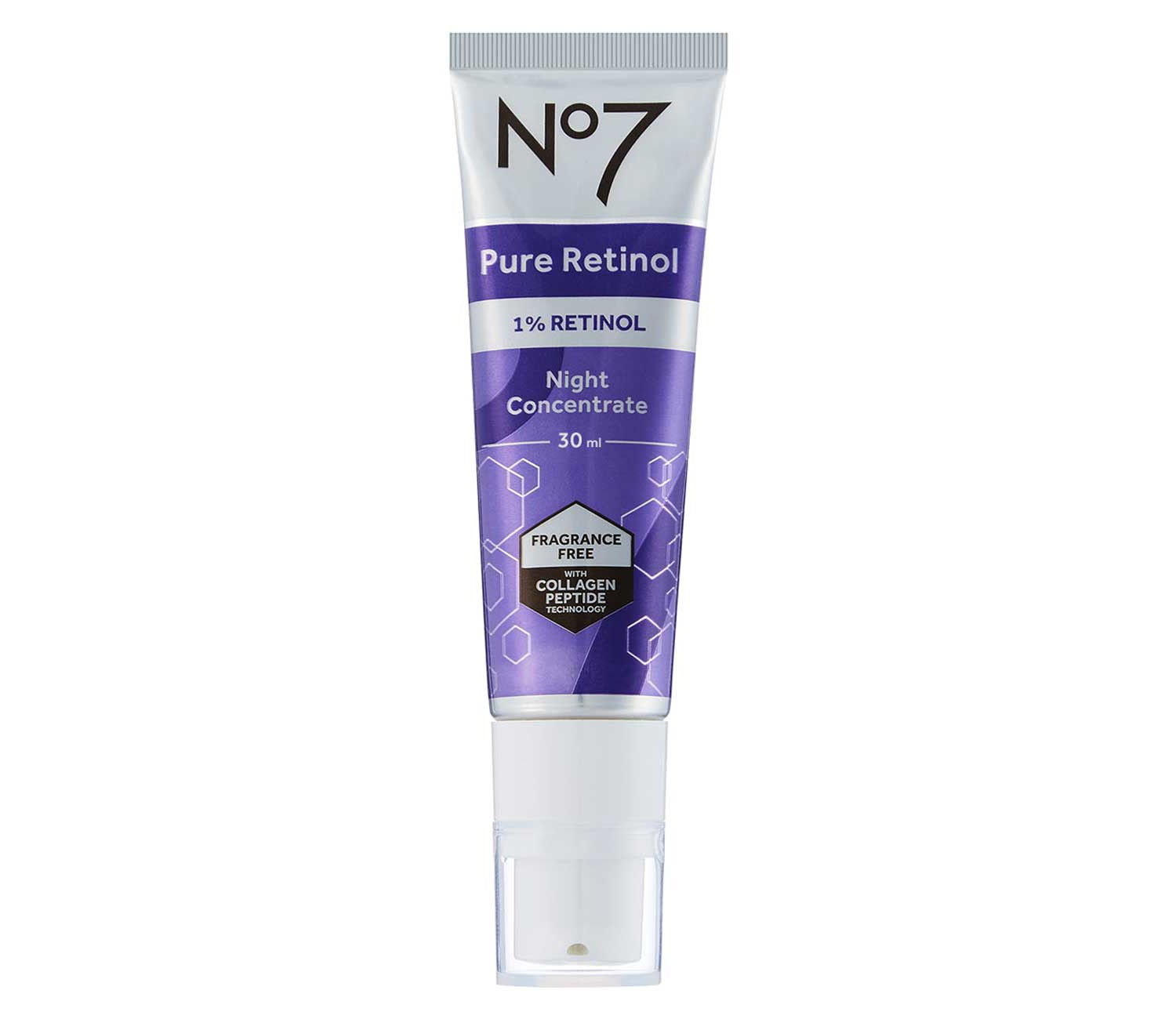
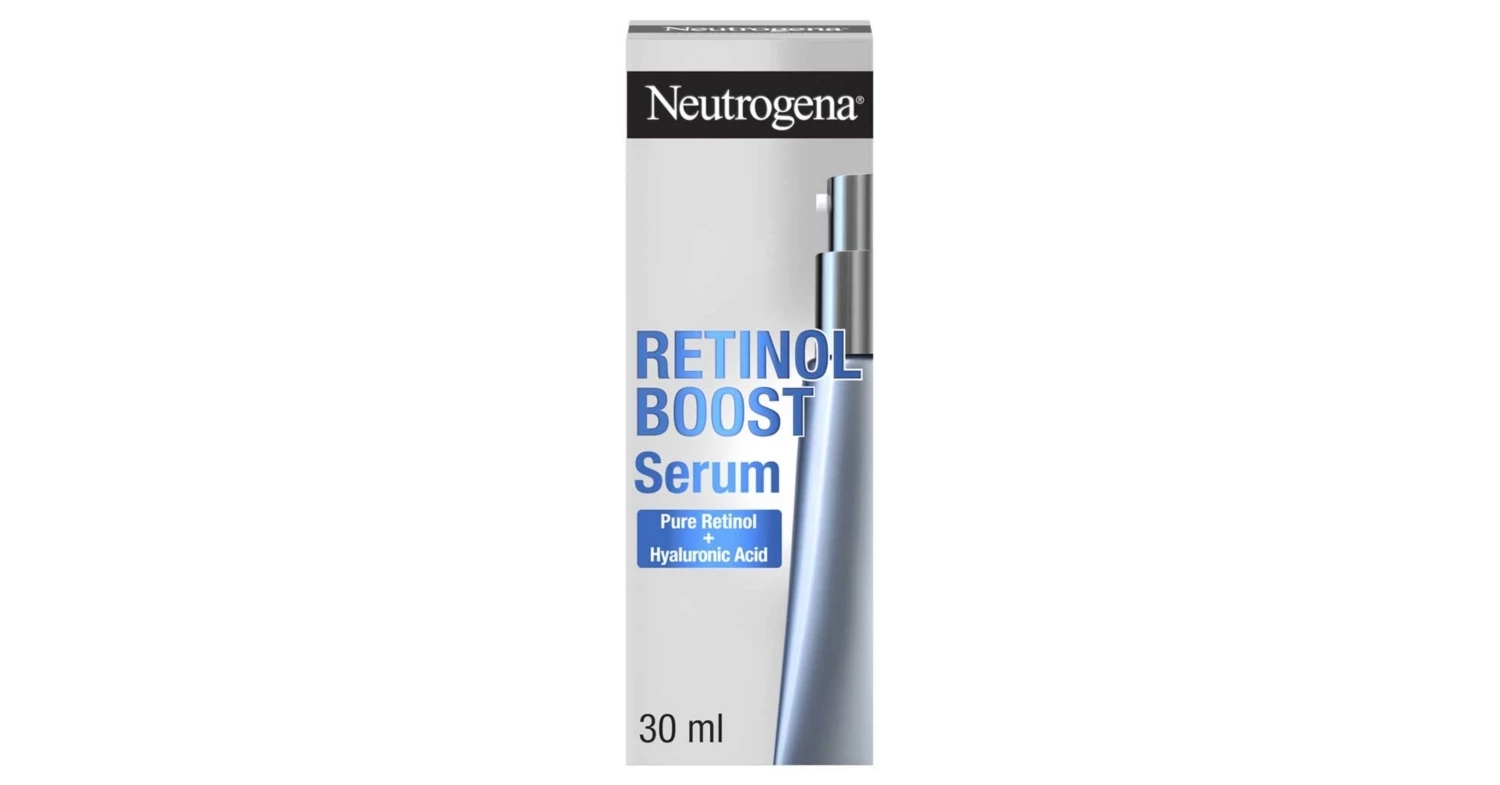
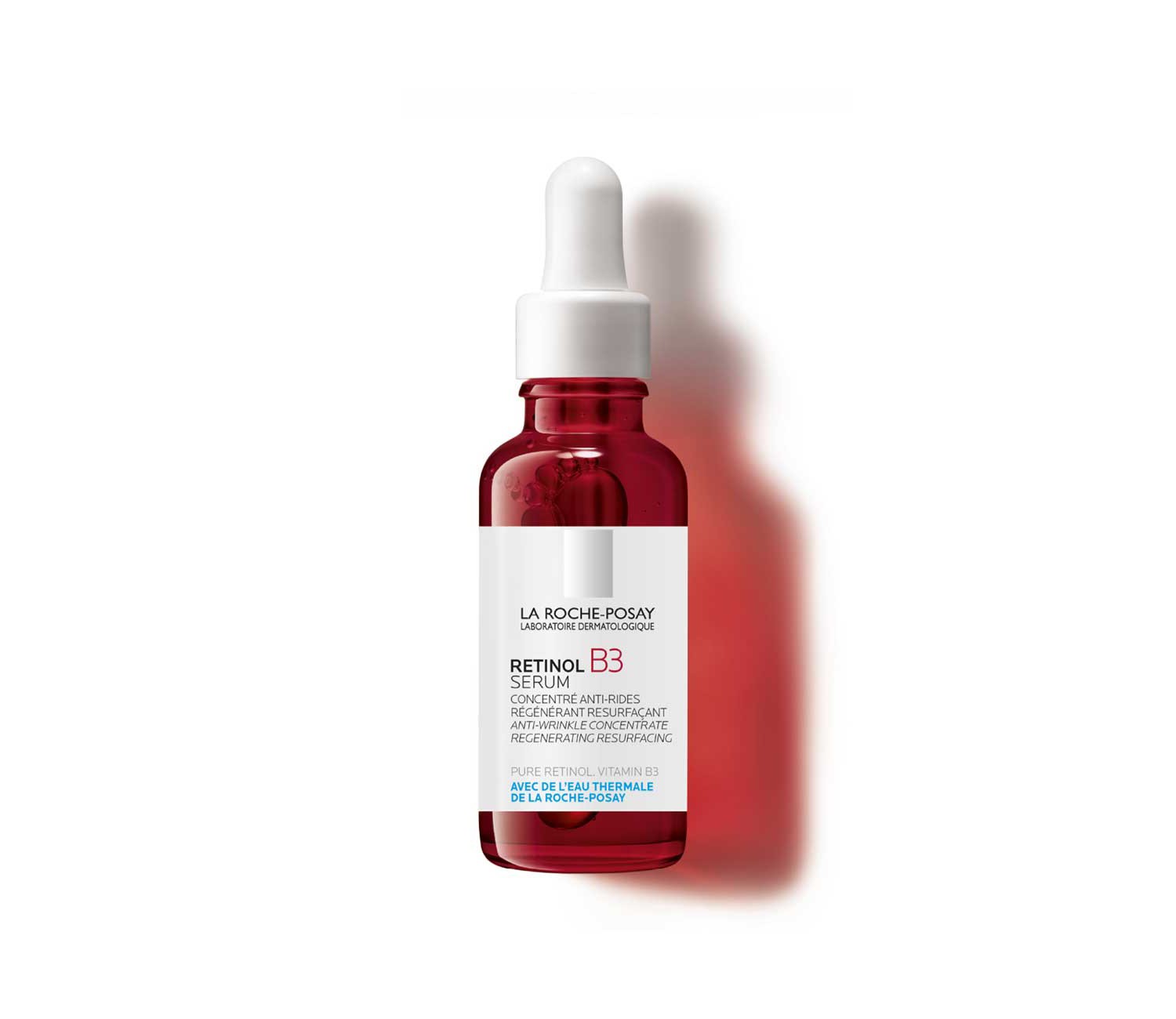
Looking for a product with retinol? See our best retinol serums & creams, compared by ingredients.
Using retinol with other ingredients
- Can you use retinol and vitamin C together? — use at different times
- Can you use retinol and AHAs together? — use at different times
- Can you use retinol and salicylic acid together? — use at different times
- Can you use retinol and niacinamide together? — works well together
- Can you use retinol and hyaluronic acid together? — works well together
- Can you use retinol and benzoyl peroxide together? — use at different times
- Can you use azelaic acid and retinol together? — yes, with care
Related ingredients
Common questions about retinol
Can I use retinol every night?
Many people can once their skin has adjusted, but there's no need to rush. Using it a few nights a week still gives results.
How long does retinol take to work?
Expect around three months for changes in texture and tone, and longer for fine lines — the study above ran for 24 weeks.
Can I use retinol with vitamin C or AHAs?
It's safest to separate them: vitamin C in the morning and retinol at night, and exfoliating acids on nights you skip retinol.
What's a gentler alternative to retinol?
Retinyl esters are milder vitamin A options. Bakuchiol is a plant-derived ingredient often suggested as an alternative, though it has far less research behind it.
Sources
- Kafi R et al. Improvement of naturally aged skin with vitamin A (retinol). Arch Dermatol, 2007.
- Mukherjee S et al. Retinoids in the treatment of skin aging: an overview of clinical efficacy and safety. Clin Interv Aging, 2006.
- Draelos ZD et al. Facilitating facial retinization through barrier improvement. Cutis, 2006.
- Commission Regulation (EU) 2024/996 amending the Cosmetics Regulation (vitamin A limits).
Last reviewed 19 Oct 2026.