Zinc Oxide
Mineral UV filter & skin protectant
Zinc oxide is a mineral UV filter that protects against UVB and much of the UVA range, which is why it is a staple of mineral and sensitive-skin sunscreens. It is also the white paste in many nappy rash and barrier creams. It is one of the best-tolerated sunscreen filters; the main downside is a white cast.
What is Zinc Oxide?
A white mineral used as a broad-spectrum sunscreen filter, covering UVB and much of the UVA range. It is also the main ingredient in many nappy rash and barrier creams. Very well tolerated, including by sensitive skin; the main downside is a white cast.
In skincare terms, Zinc Oxide is a UV filter that helps protect skin from the sun’s rays.
How zinc oxide protects your skin
Mineral sunscreens are often described as a shield that bounces sunlight away. Measurements show that zinc oxide and titanium dioxide actually reflect only about 4–5% of UV light; most of their protection comes from absorbing it (Cole 2016). The real difference from other filters is that they are insoluble mineral particles that stay on the skin's surface.
Zinc oxide is valued for its range. Titanium dioxide is stronger against UVB, which causes burning, while zinc oxide covers more of the UVA range, which drives skin ageing. That is why many mineral sunscreens combine the two (Smijs 2011).
Nano zinc oxide
Larger zinc oxide particles leave skin looking white, so many sunscreens use much smaller "nano" particles that rub in more clearly. UK and EU labelling rules require these to be marked "(nano)" in the ingredient list.
When volunteers applied a nano zinc oxide sunscreen repeatedly over five days, the particles stayed on the skin's surface and in skin folds and did not reach living skin cells. A small amount of zinc was released into the skin, without signs of harm (Mohammed 2019).
Limits in the UK and EU
Zinc oxide, in regular or nano form, can make up to 25% of a sunscreen. Neither form is allowed in products that could expose your lungs through inhalation, such as some sprays, because breathing it in can harm the lungs. These limits come from Regulation (EU) 2016/621, which was kept in UK law after Brexit.
Beyond sunscreen
Zinc oxide is the main ingredient in many nappy rash and barrier creams, where its thick white film helps protect sore skin from wetness and rubbing. Calamine lotion is mostly zinc oxide too. In everyday skincare it also turns up in tinted products and some spot treatments.
How to use it
- Use enough: the NHS suggests around 2 teaspoons to cover your head, arms and neck. Mineral sunscreens can take a little more rubbing in.
- Apply as the last step of your morning routine, and reapply after swimming, sweating or towelling, and every two hours in strong sun.
- Look for SPF 30 or higher plus a UVA rating, such as a UVA logo or a high star rating.
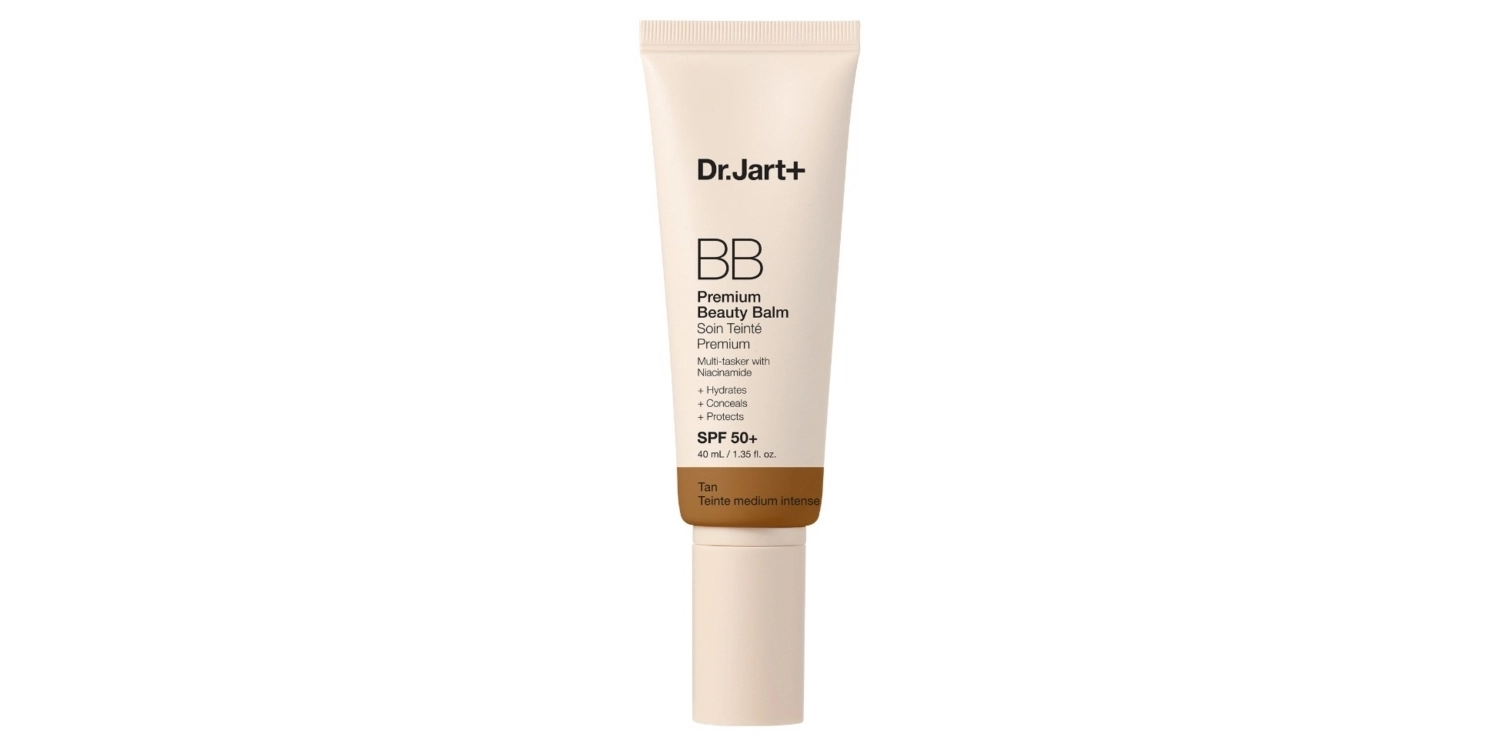
- On medium and deeper skin tones, a tinted mineral sunscreen avoids most of the white cast.
Side effects
Allergy to zinc oxide is very rare, which is why it features in so many sensitive-skin and children's sunscreens. The usual complaints are cosmetic: a white or grey cast, a thicker feel, marks on clothing, and a heavy finish on oily skin.
Where you'll find it
In our catalogue, Zinc Oxide appears in spf, sets.
Also listed as
On an ingredients label (INCI), Zinc Oxide may appear as: zinc oxide, zinc oxide nano, zinc oxide [nano], ci 77947, ci 77947/zinc oxide, zinc oxide/ci 77947.
Related ingredients
Common questions about zinc oxide
Is zinc oxide a physical or a chemical sunscreen?
It is usually called physical or mineral, but it protects mostly by absorbing UV, like chemical filters do. What sets it apart is that it is a mineral particle that stays on the skin.
Is zinc oxide good for sensitive skin?
Yes. It is one of the least irritating sunscreen filters, and mineral-only sunscreens are often recommended if chemical filters sting your skin or eyes.
Is nano zinc oxide safe?
Studies on human skin found the particles stay on the surface rather than reaching living skin cells. The main safety restriction is on inhaling it, which is why it is not allowed in sprays that could be breathed in.
Can zinc oxide help with spots?
It is sometimes added to spot treatments and soothing creams, but the evidence for treating acne with it on the skin is limited. Its main proven job in skincare is sun protection.
Sources
- Cole C et al. Metal oxide sunscreens protect skin by absorption, not by reflection or scattering. Photodermatol Photoimmunol Photomed, 2016.
- Smijs TG, Pavel S. Titanium dioxide and zinc oxide nanoparticles in sunscreens: focus on their safety and effectiveness. Nanotechnol Sci Appl, 2011.
- Mohammed YH et al. Support for the safe use of zinc oxide nanoparticle sunscreens: lack of skin penetration or cellular toxicity after repeated application in volunteers. J Invest Dermatol, 2019.
- Commission Regulation (EU) 2016/621 amending Annex VI to the Cosmetics Regulation (zinc oxide), as retained in UK law.
Last reviewed 20 Oct 2026.