Glycerin
Humectant & moisturiser
Glycerin (glycerol) is one of the most effective and widely used moisturising ingredients. It is a humectant that draws water into the outer layer of the skin and holds it there, and it also helps the skin barrier work properly. It is cheap, gentle and studied for decades, which is why it appears near the top of so many ingredient lists.
What is Glycerin?
One of the most common and effective humectants in skincare. Draws water to the skin and helps maintain its moisture levels.
In skincare terms, Glycerin is a hydrating ingredient that helps the skin attract and hold on to water.
What glycerin does
Glycerin occurs naturally in the skin. Applied in products, it improves hydration of the outer layer, supports barrier function, makes skin more supple and helps protect against irritation. Glycerin-containing products help dry skin conditions such as eczema and winter dryness (Fluhr 2008).
How much glycerin do you need?
Glycerin is often one of the first few ingredients, which usually means several percent. Very high amounts can feel sticky, so many products combine it with other humectants and emollients. We group glycerin, glycerol, diglycerin and polyglycerin-3 together.
Glycerin vs hyaluronic acid
Both are humectants. Hyaluronic acid gets more attention, but glycerin has a longer track record and is used at much higher levels. Many good moisturisers rely mainly on glycerin, with hyaluronic acid as a supporting ingredient.
Who it suits and side effects
Glycerin suits every skin type, including sensitive and acne-prone skin. Reactions are very rare.
Where you'll find it
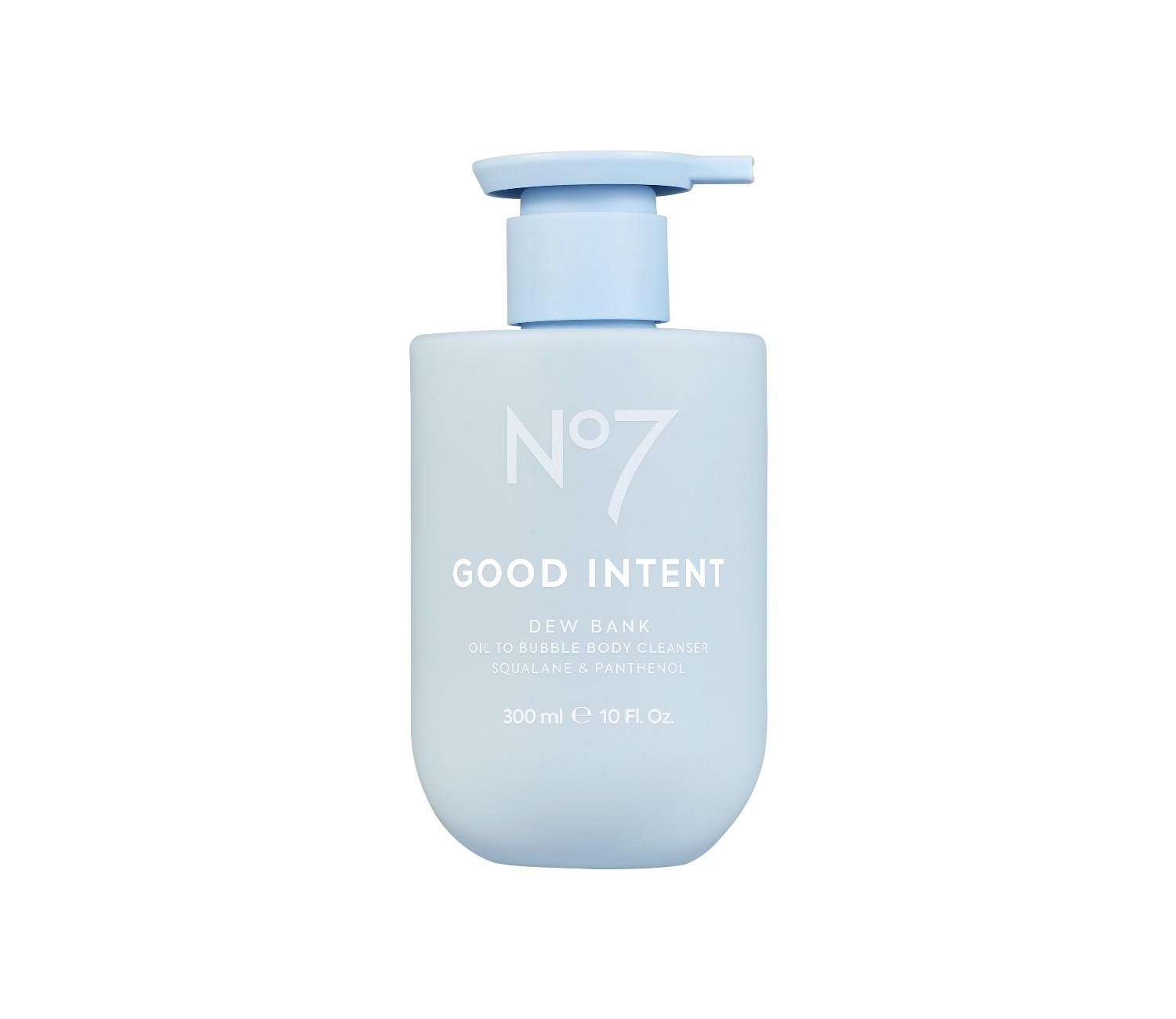
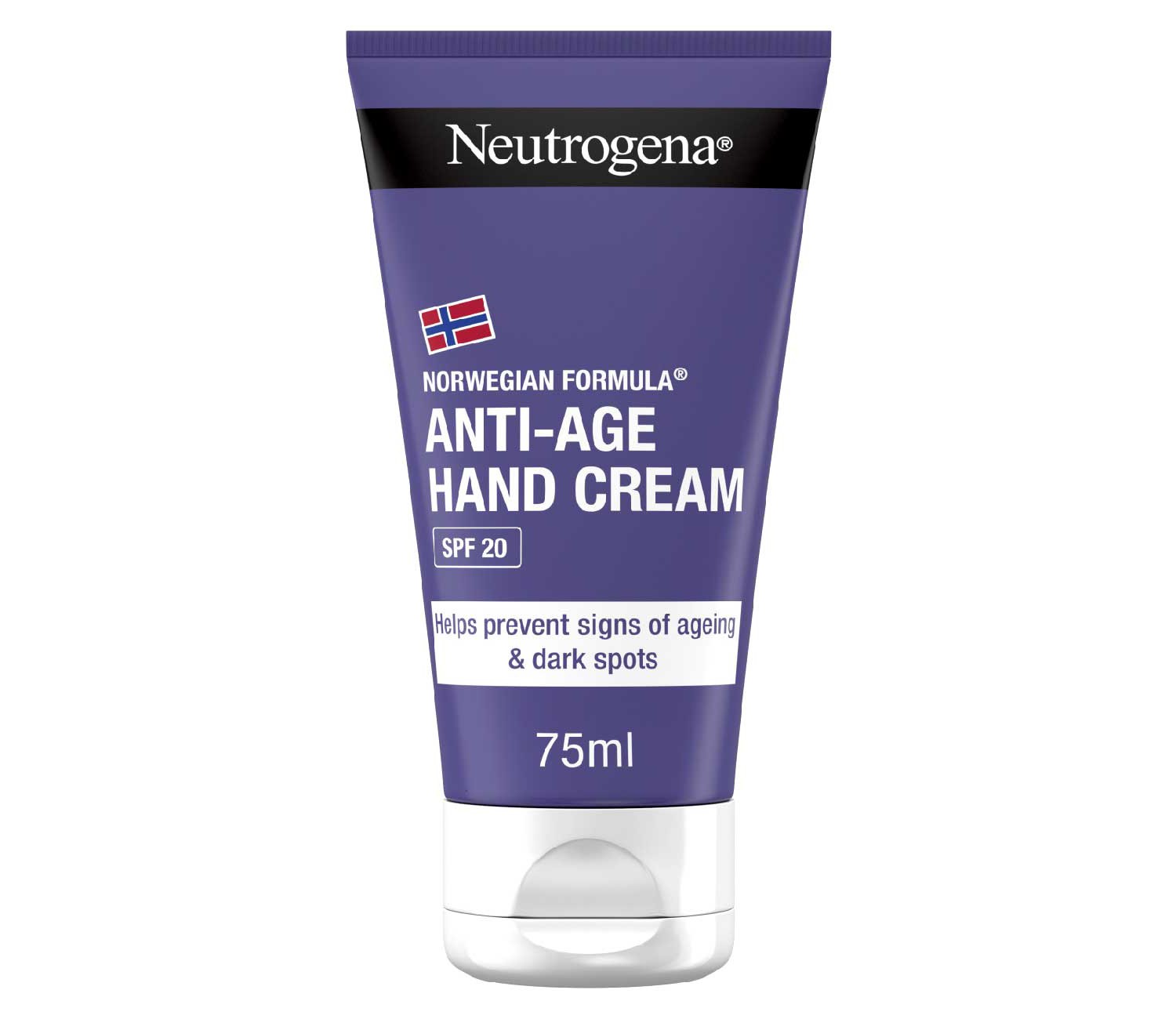
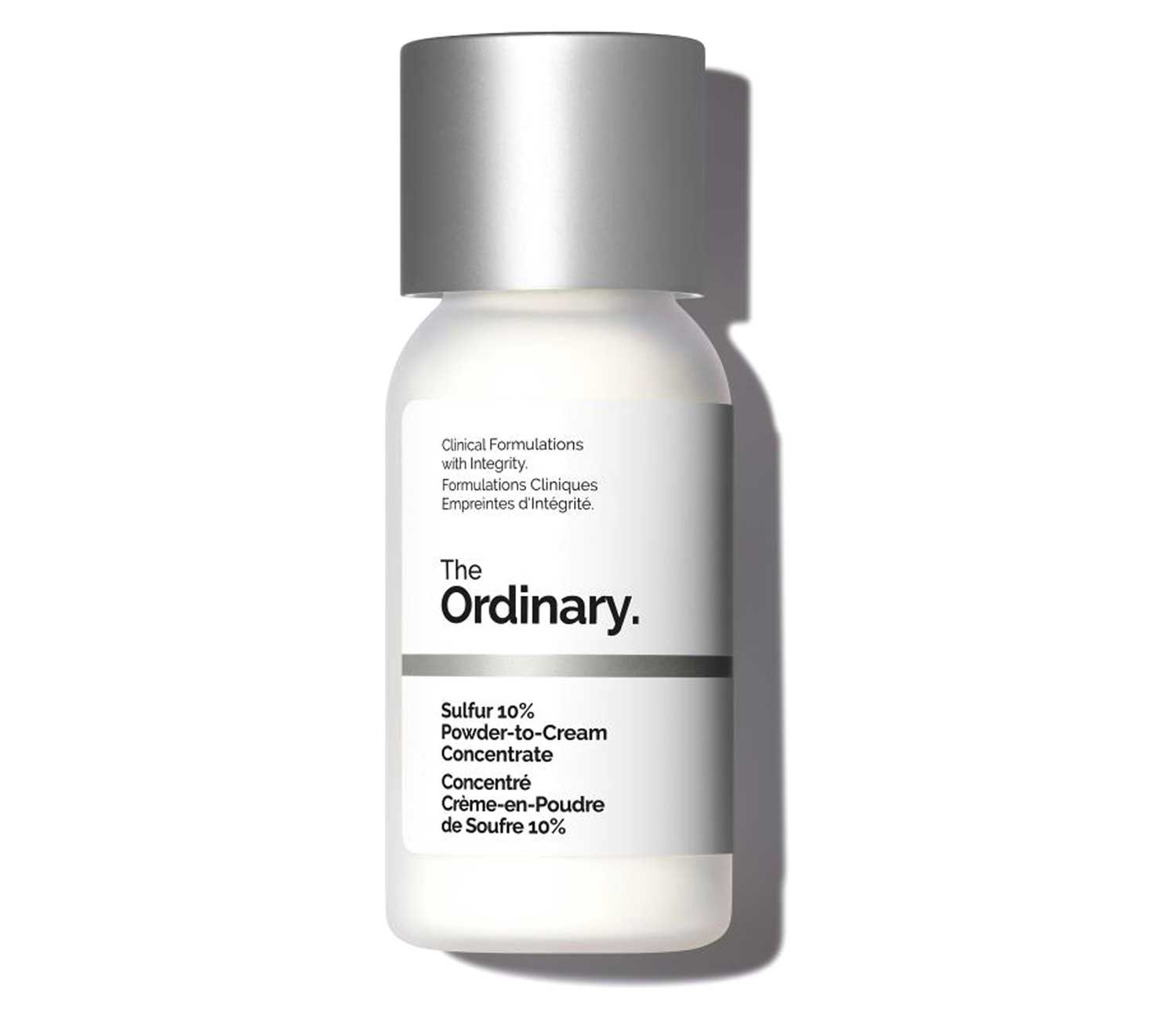
In our catalogue, Glycerin appears in moisturisers, serums, spf, cleansers and more.
Also listed as
On an ingredients label (INCI), Glycerin may appear as: glycerin, glycerol, diglycerin, polyglycerin-3.
Related ingredients
Common questions about glycerin
Is glycerin good for oily skin?
Yes. It hydrates without adding oil, and dehydration can make oily skin feel tight and uncomfortable.
Is glycerin comedogenic?
No. Glycerin isn't considered pore-clogging.
Is vegetable glycerin different?
Chemically it's the same molecule. 'Vegetable' describes where it was sourced, not how it behaves on skin.
Sources
Last reviewed 19 Oct 2026.