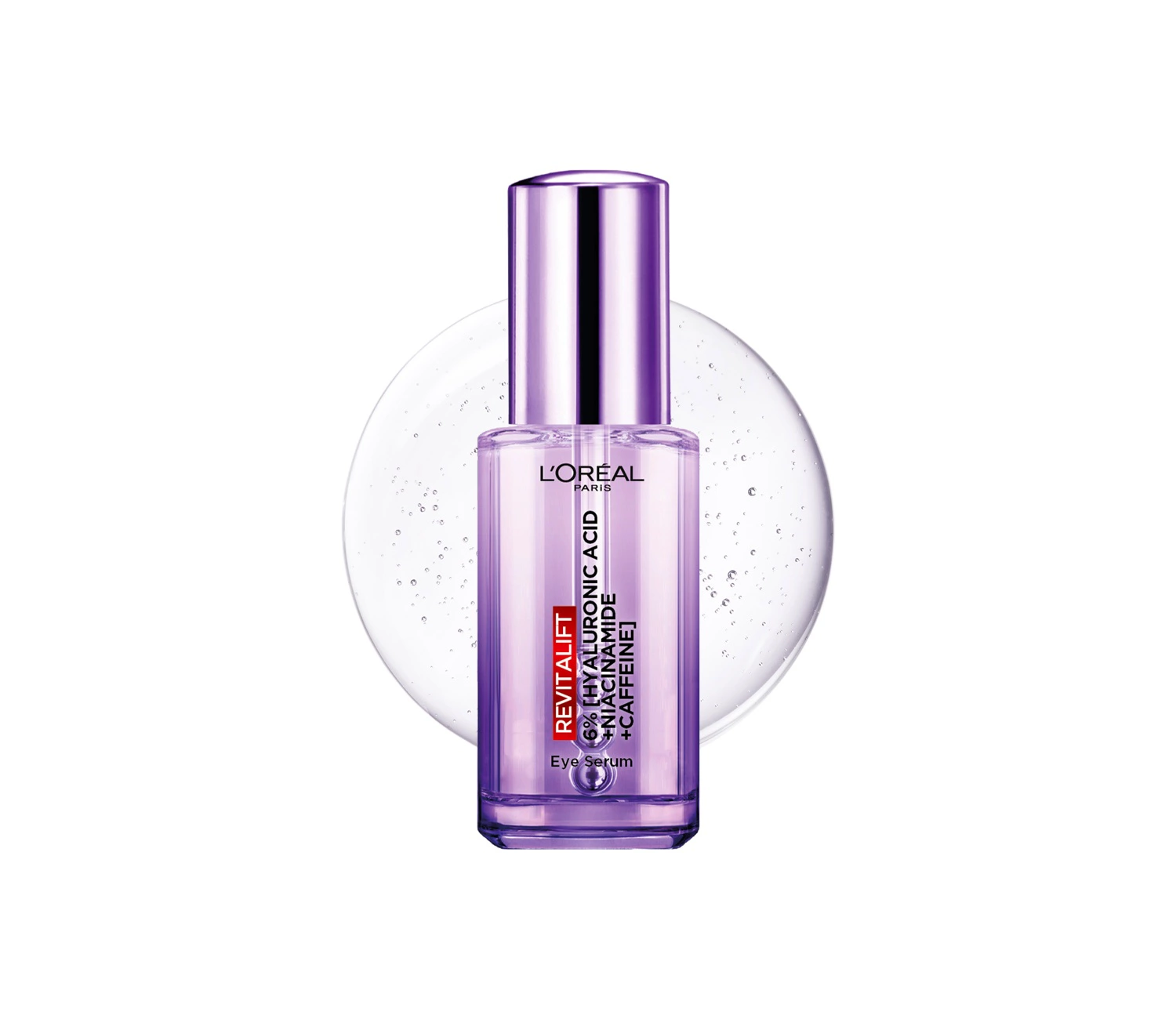
Hyaluronic Acid
Hydration & moisture retention
Hyaluronic acid is a humectant: it attracts water and holds it in the top layers of the skin, so skin looks plumper and feels less tight. Your skin makes its own, and levels fall with age (Papakonstantinou 2012). It is one of the gentlest skincare ingredients and suits almost every skin type.
What is Hyaluronic Acid?
A powerful humectant that draws and holds moisture in the skin. Found naturally in the body, it helps keep skin looking plump and hydrated. Sodium hyaluronate is its smaller, more easily absorbed salt form.
In skincare terms, Hyaluronic Acid is a hydrating ingredient that helps the skin attract and hold on to water.
What does hyaluronic acid do for skin?
In short: it hydrates. Hyaluronic acid pulls water into the top layer of the skin and holds it there, so skin feels softer and less tight and fine, dry-looking lines look smoother for a few hours. It doesn't exfoliate, clear spots or fade dark marks: its job is moisture, and it works best under a moisturiser.
Applied to the skin, hyaluronic acid works mainly at the surface. It draws in water, softens the look of fine dehydration lines and leaves skin feeling smoother. The effect is temporary, so it needs regular use.
In a 60-day study, creams containing 0.1% hyaluronic acid of different molecular weights all improved skin hydration and elasticity, and the lower-weight forms also reduced wrinkle depth (Pavicic 2011).
Sodium hyaluronate vs hyaluronic acid: the names on labels
For skincare, sodium hyaluronate and hyaluronic acid do the same job. Sodium hyaluronate is the salt form, and it is the name you'll see most often because it is more stable and easier to put into a formula. These are the names to look for:
- Sodium hyaluronate — the salt form and the most common. It is smaller and easier to formulate with.
- Hydrolysed hyaluronic acid — broken into smaller fragments.
- Sodium hyaluronate crosspolymer — linked into a network that forms a longer-lasting film on the skin.
- Many products combine several sizes and describe this as "multi-weight" or "multi-molecular" hyaluronic acid.
How much do you need?
Studies have shown benefits at concentrations as low as 0.1%, and most products contain well under 2%. A higher percentage isn't automatically better: a moisturiser with a little hyaluronic acid plus emollients often does more for dry skin than a strong hyaluronic acid serum on its own.
How to use it
- Apply serums to slightly damp skin after cleansing.
- Follow with a moisturiser to seal the water in — especially in winter or air-conditioned rooms.
- It can be used morning and night and sits well under sunscreen and make-up.
Who it suits and side effects
Almost everyone, including sensitive, oily and acne-prone skin. Reactions to hyaluronic acid itself are rare; if a hyaluronic acid product stings, another ingredient such as fragrance, alcohol or a preservative is a more likely cause.
Where you'll find it
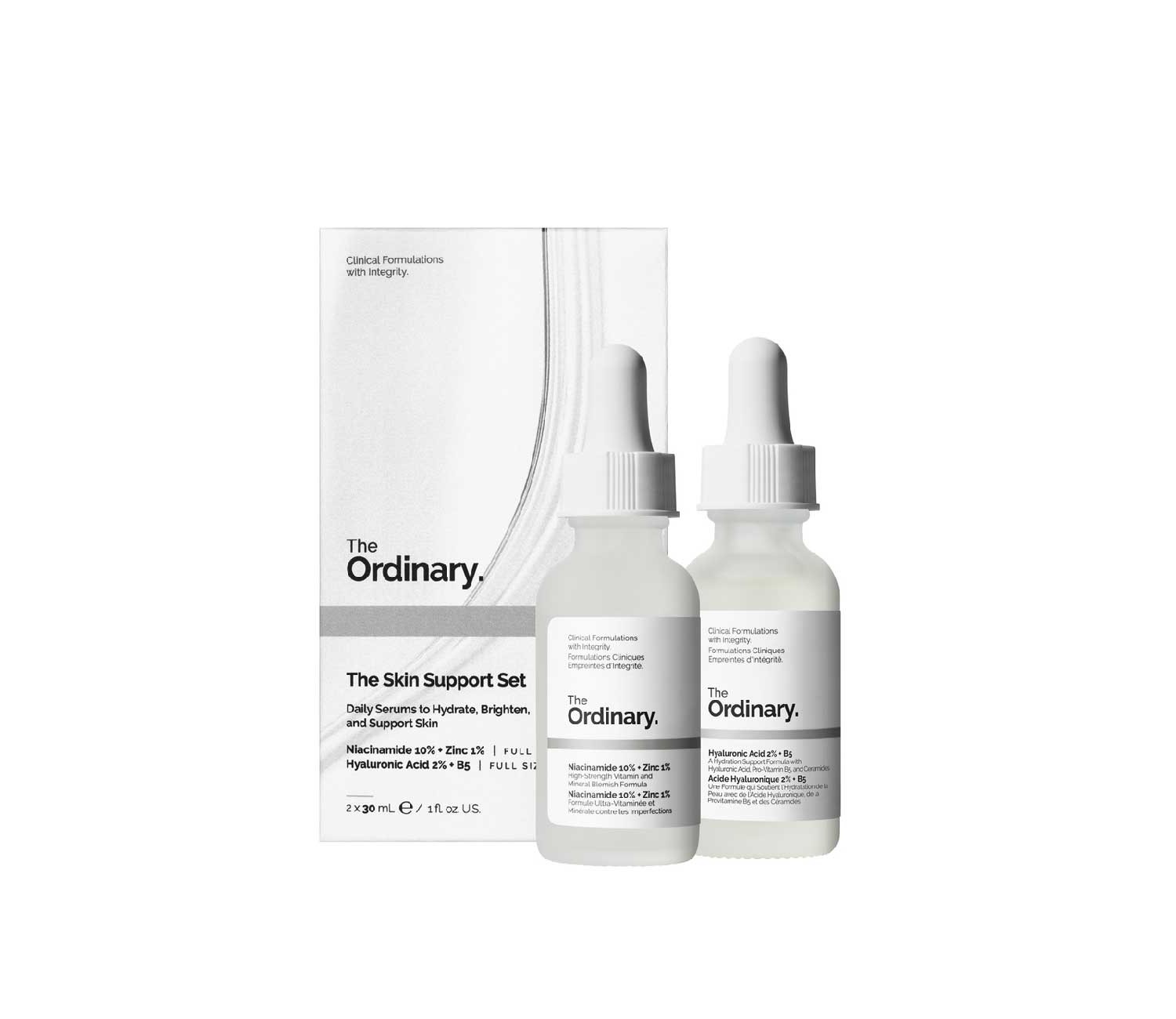
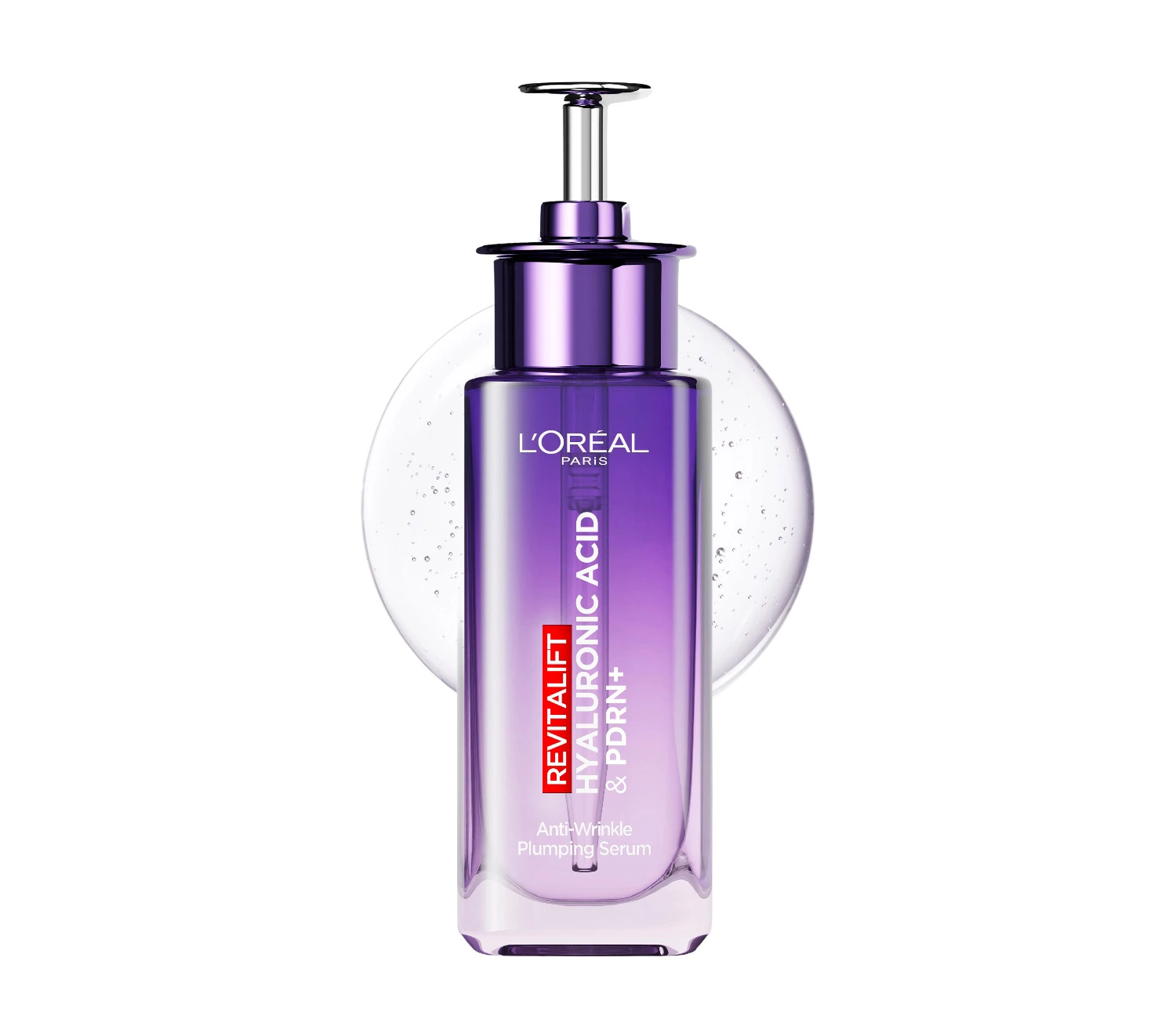
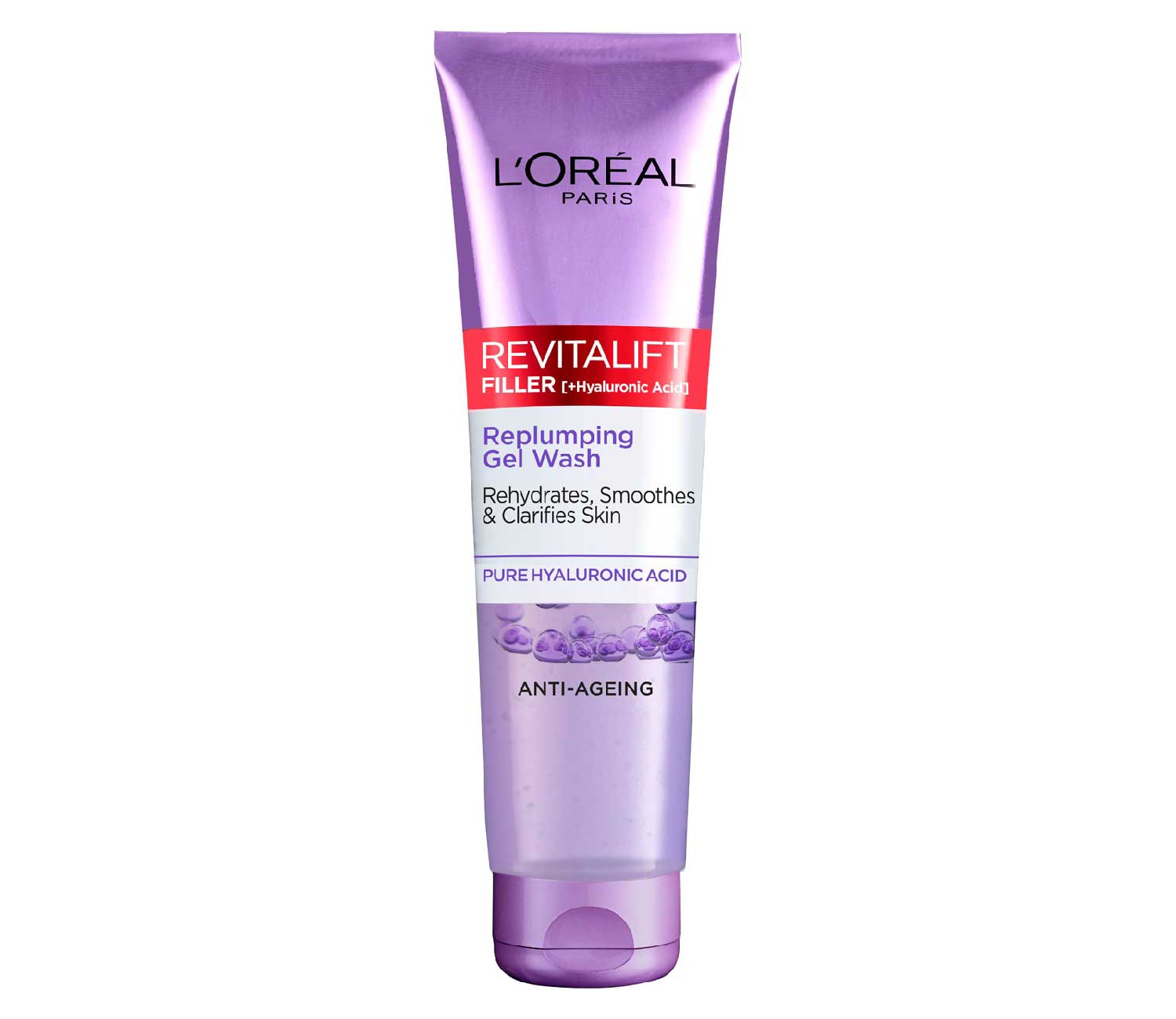
In our catalogue, Hyaluronic Acid appears in moisturisers, serums, spf, sets and more.
Also listed as
On an ingredients label (INCI), Hyaluronic Acid may appear as: hyaluronic acid, sodium hyaluronate, sodium acetylated hyaluronate, hydrolyzed hyaluronic acid, hydrolyzed sodium hyaluronate, potassium hyaluronate, sodium hyaluronate crosspolymer, hyaluronate.
Looking for a product with hyaluronic acid? See our best hyaluronic acid serums, compared by ingredients.
Using hyaluronic acid with other ingredients
- Can you use retinol and hyaluronic acid together? — works well together
Related ingredients
Common questions about hyaluronic acid
Is hyaluronic acid good for your skin?
Yes, for almost everyone. It is one of the gentlest hydrating ingredients, suits every skin type including sensitive and acne-prone skin, and rarely causes reactions. It won't change your skin long term on its own, but it reliably makes skin feel more hydrated while you use it.
Can hyaluronic acid dry out your skin?
Not in normal use. The idea is that in very dry air it could draw water out of the skin instead of from the air, but there is little direct evidence for this. If your skin feels tighter after a hyaluronic acid serum, apply it to damp skin and follow with a moisturiser to seal the water in.
Is hyaluronic acid good for oily skin?
Yes. It hydrates without adding oil, so it suits oily and combination skin, usually in a light gel or serum.
Should I use hyaluronic acid or niacinamide?
They do different jobs — hyaluronic acid adds water, niacinamide supports the barrier and evens tone — and they work well together.
Can I use hyaluronic acid with retinol?
Yes. Hydrating ingredients like hyaluronic acid can make the dryness that retinol often causes more comfortable.
Where does the hyaluronic acid in skincare come from?
Almost all of it is now made by bacterial fermentation. It used to be extracted from rooster combs, so fermentation-made hyaluronic acid is usually suitable for vegans, but check with the brand if that matters to you.
Sources
- Pavicic T et al. Efficacy of cream-based novel formulations of hyaluronic acid of different molecular weights in anti-wrinkle treatment. J Drugs Dermatol, 2011.
- Papakonstantinou E et al. Hyaluronic acid: a key molecule in skin aging. Dermatoendocrinol, 2012.
Last reviewed 20 Oct 2026.