Vitamin C (Ascorbic Acid)
Antioxidant & brightening
Vitamin C is an antioxidant that helps protect skin from damage caused by sunlight and pollution, and over time can brighten dull skin and fade uneven tone. Its pure form, L-ascorbic acid, is the best studied but also the least stable, so how a product is made matters as much as the percentage.
What is Vitamin C (Ascorbic Acid)?
A potent antioxidant that can help brighten skin, support collagen production, and protect against environmental damage. Can be unstable in some formulations.
In skincare terms, Vitamin C (Ascorbic Acid) is an antioxidant that helps defend the skin against environmental stress.
What vitamin C does
Skin naturally contains high levels of vitamin C, which it uses to make collagen and to neutralise damage caused by UV light (Pullar 2017). Topical vitamin C is used to top this up, with the aim of a brighter, more even tone and some protection alongside sunscreen.
There's good laboratory evidence for these effects, but fewer high-quality studies in people than for ingredients like retinol, and results vary a lot between formulas (Telang 2013).
The forms you'll see on labels
We group these under Vitamin C:
- Ascorbic acid (L-ascorbic acid) — the pure form. Most studied; also the most likely to tingle and to go off.
- Sodium ascorbyl phosphate and magnesium ascorbyl phosphate — more stable salts, usually gentler.
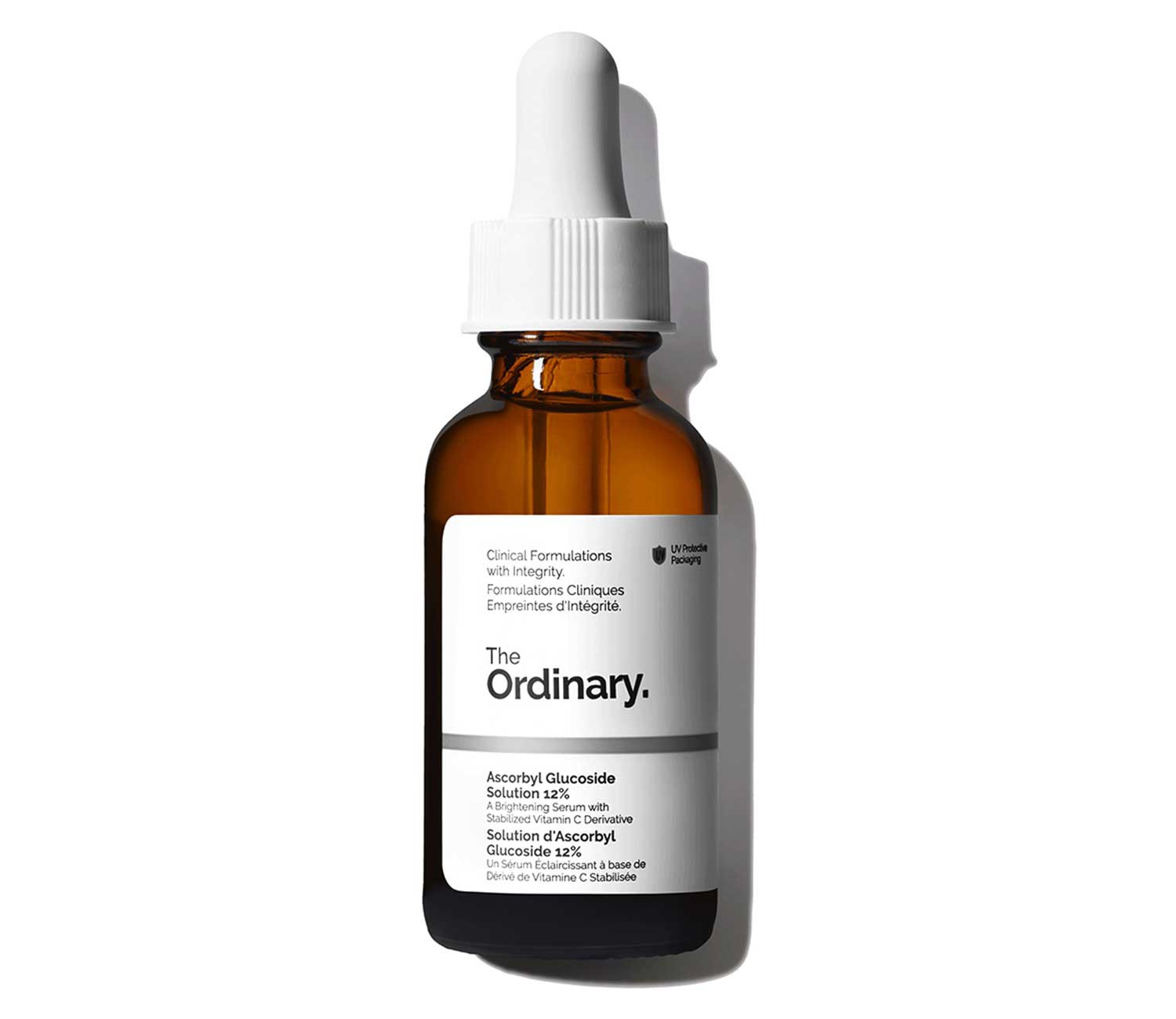
- Ascorbyl glucoside and 3-O-ethyl ascorbic acid — stable forms often used in brightening products.
- Tetrahexyldecyl ascorbate and ascorbyl palmitate — oil-soluble forms used in creams and oils.
How much vitamin C do you need?
For pure ascorbic acid, a frequently cited pig-skin study found the product had to be acidic (pH below 3.5) to get into the skin, and absorption peaked at 20%; higher strengths didn't add more (Pinnell 2001). The same study found that the derivatives it tested didn't raise skin levels of vitamin C, though they may still work in other ways. For derivatives, the percentage isn't comparable with pure vitamin C.
How to use it
- Use it in the morning, before moisturiser and sunscreen — it works alongside SPF, not instead of it.
- Keep it closed and away from heat and light. A serum that has turned dark yellow or brown has oxidised and is past its best.
- If pure ascorbic acid stings, try a lower strength or a gentler derivative.
Side effects
Tingling is common with acidic, high-strength ascorbic acid serums and usually fades. Redness or itching that lasts is a sign to stop or switch to a gentler form. Derivatives are generally well tolerated by sensitive skin.
Where you'll find it
In our catalogue, Vitamin C (Ascorbic Acid) appears in moisturisers, serums, spf, eye care and more.
Also listed as
On an ingredients label (INCI), Vitamin C (Ascorbic Acid) may appear as: ascorbic acid, l-ascorbic acid, tetrahexyldecyl ascorbate, ascorbyl glucoside, sodium ascorbyl phosphate, ascorbyl palmitate, aminopropyl ascorbyl phosphate, 3-o-ethyl ascorbic acid, ethyl ascorbic acid, ascorbyl tetraisopalmitate, ascorbyl tocopheryl maleate.
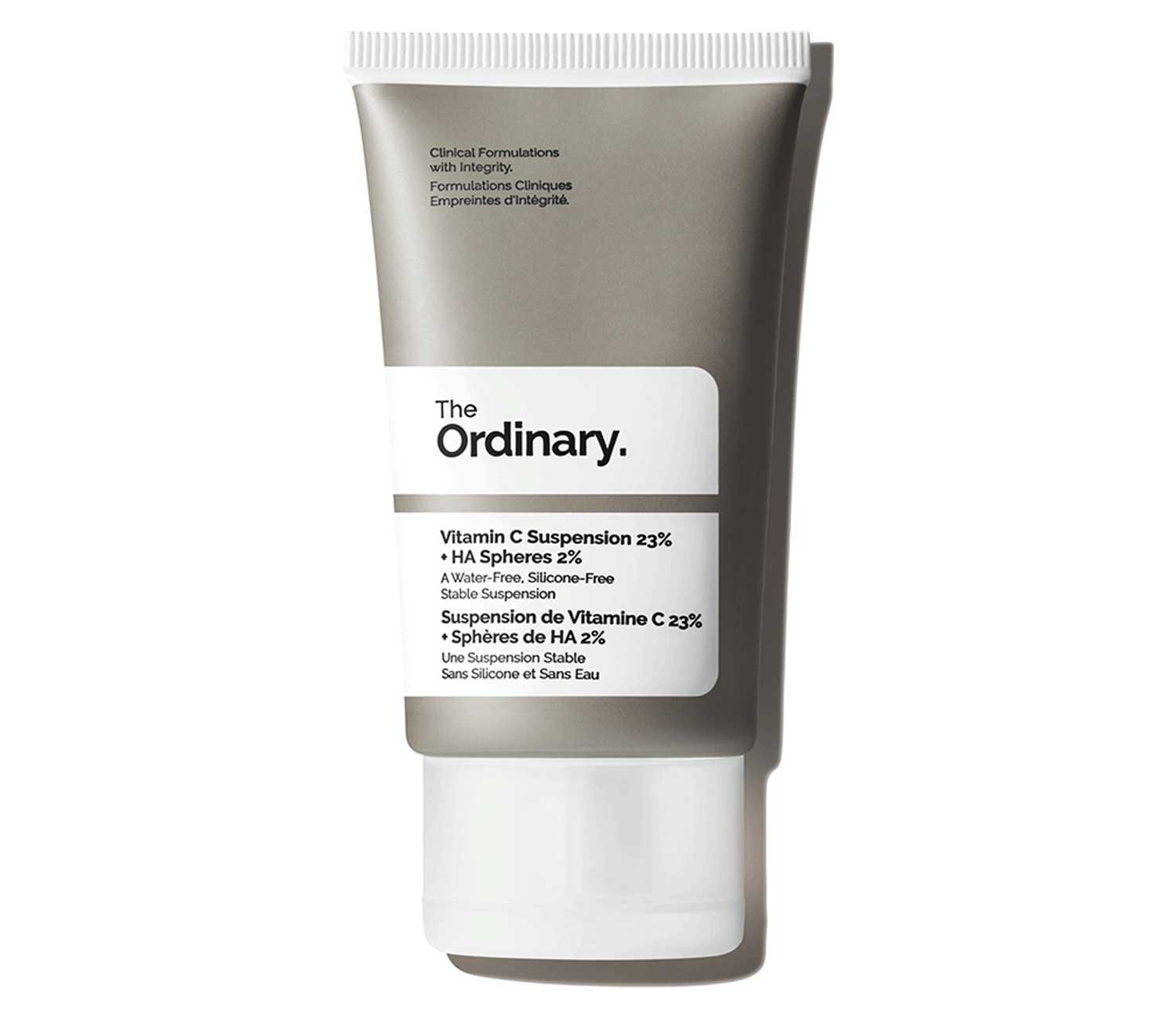
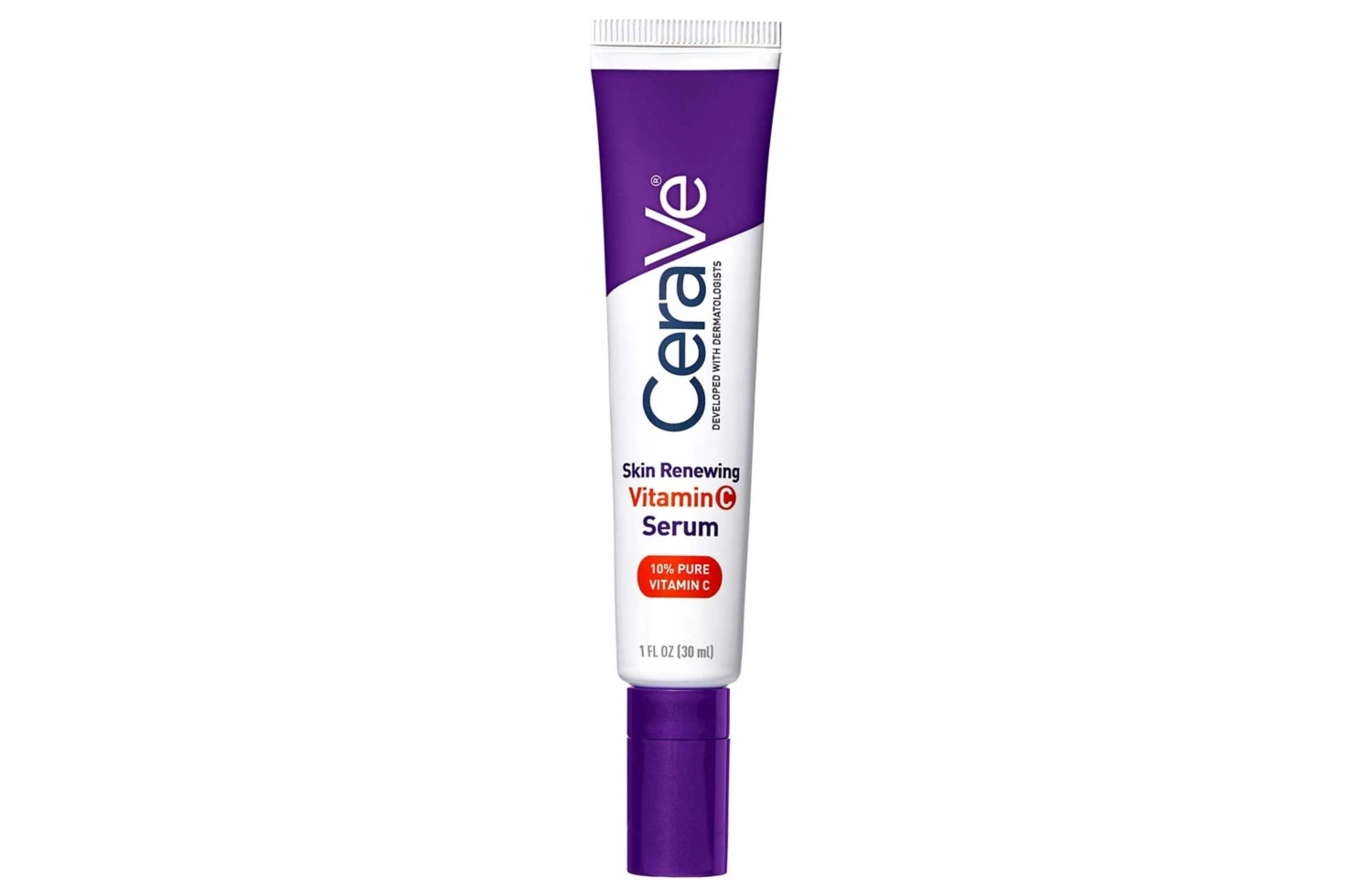
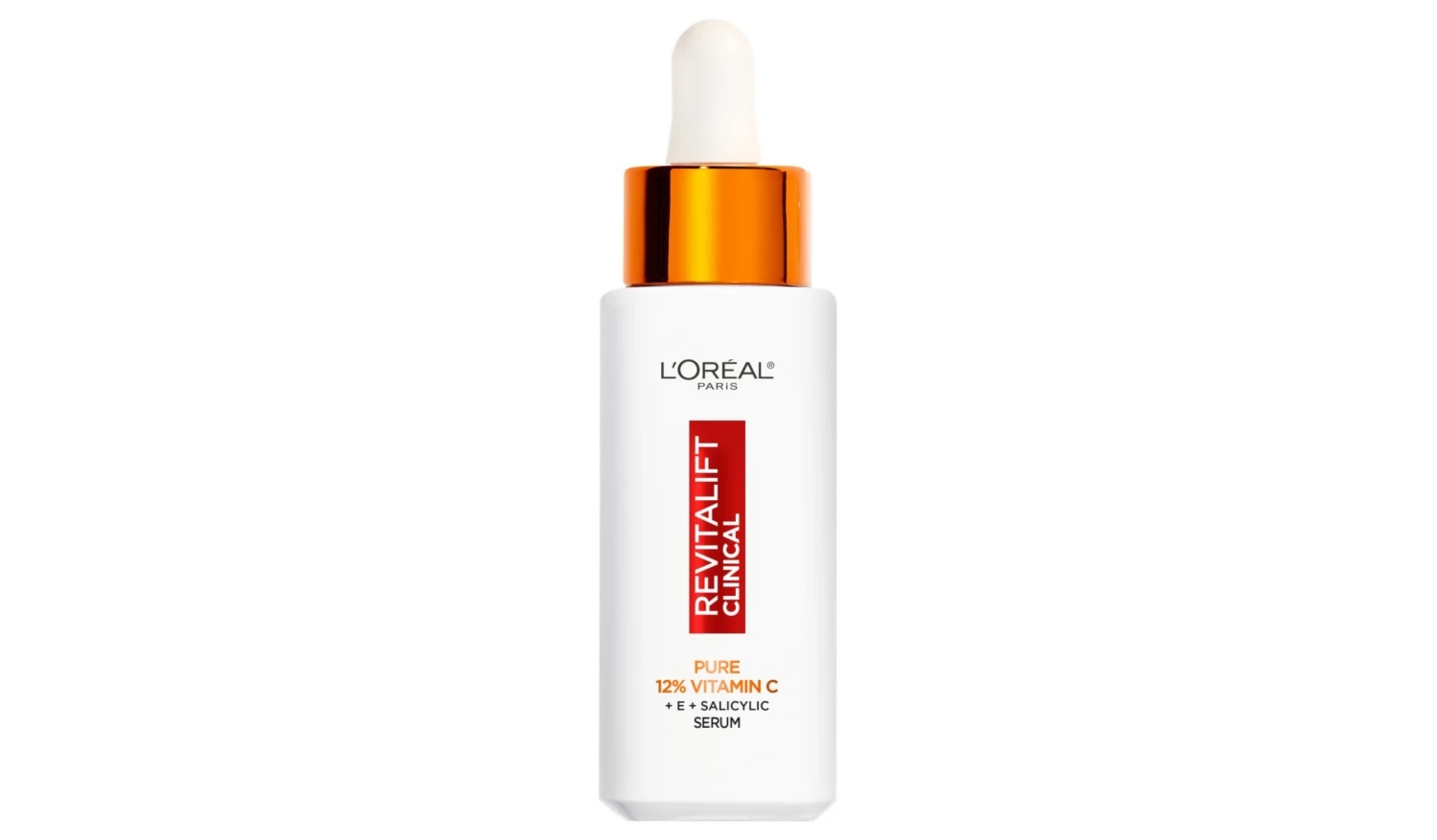
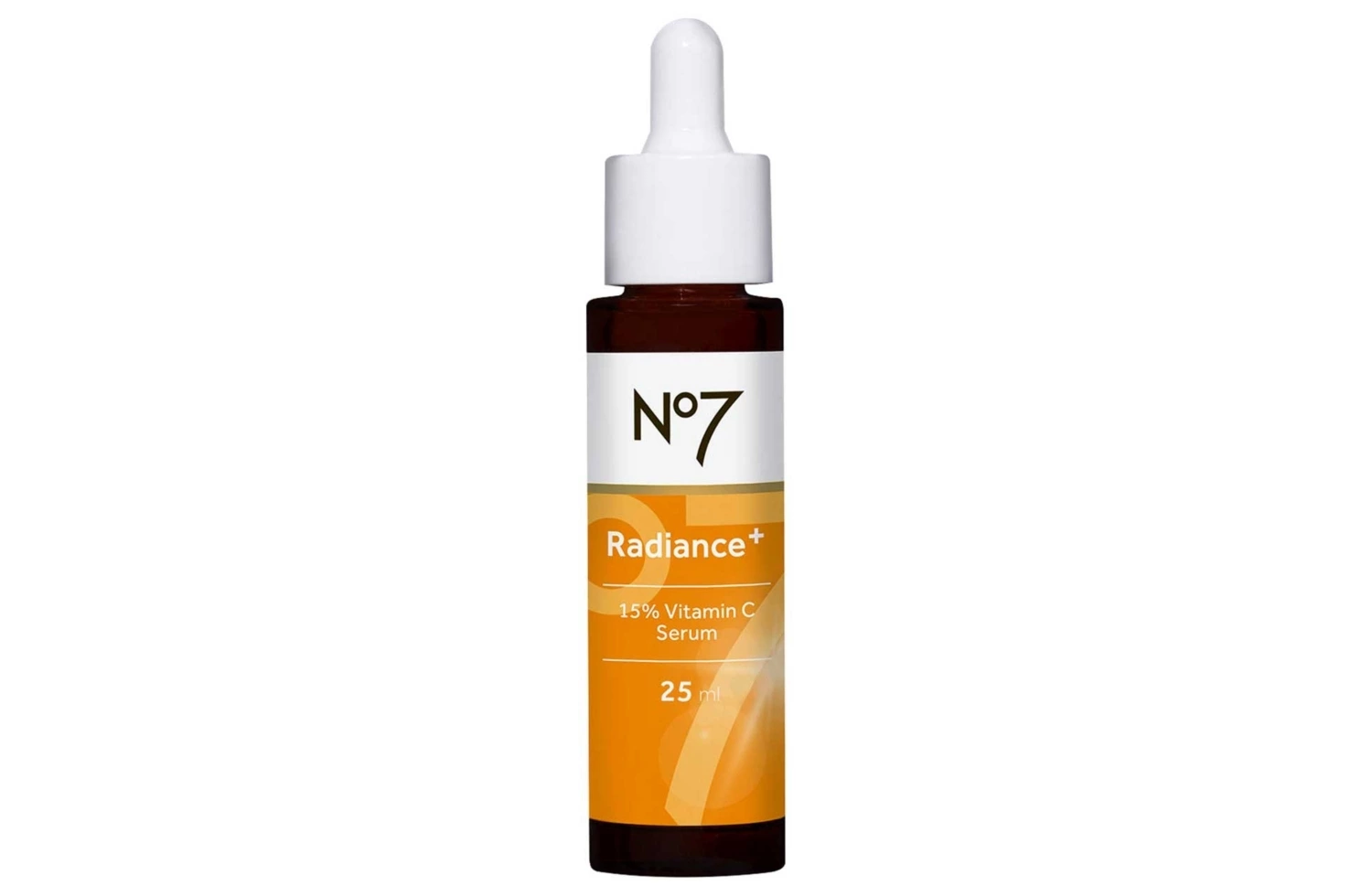
Looking for a product with vitamin c (ascorbic acid)? See our best vitamin c serums, compared by ingredients.
Using vitamin c (ascorbic acid) with other ingredients
- Can you use retinol and vitamin C together? — use at different times
- Can you use vitamin C and niacinamide together? — works well together
- Can you use vitamin C with AHAs or BHA? — yes, with care
- Can you use vitamin C and benzoyl peroxide together? — use at different times
- Can you use vitamin C and copper peptides together? — use at different times
- Can you use vitamin C with vitamin E and ferulic acid? — works well together
Related ingredients
Common questions about vitamin c (ascorbic acid)
Should I use vitamin C in the morning or at night?
Most people use it in the morning, under sunscreen, because its antioxidant role is most useful during the day. Night use is fine too.
Can I use vitamin C with niacinamide?
Yes. The old advice against it came from tests on pure chemicals at high temperatures. If the combination stings, use them at different times of day.
Can I use vitamin C with retinol?
Yes, but it is gentlest to separate them: vitamin C in the morning and retinol at night.
Why has my vitamin C serum turned orange?
Ascorbic acid oxidises when exposed to air, light and heat. A darker colour means it has broken down and is likely to be less effective.
Sources
- Pullar JM et al. The roles of vitamin C in skin health. Nutrients, 2017.
- Telang PS. Vitamin C in dermatology. Indian Dermatol Online J, 2013.
- Pinnell SR et al. Topical L-ascorbic acid: percutaneous absorption studies. Dermatol Surg, 2001.
Last reviewed 19 Oct 2026.