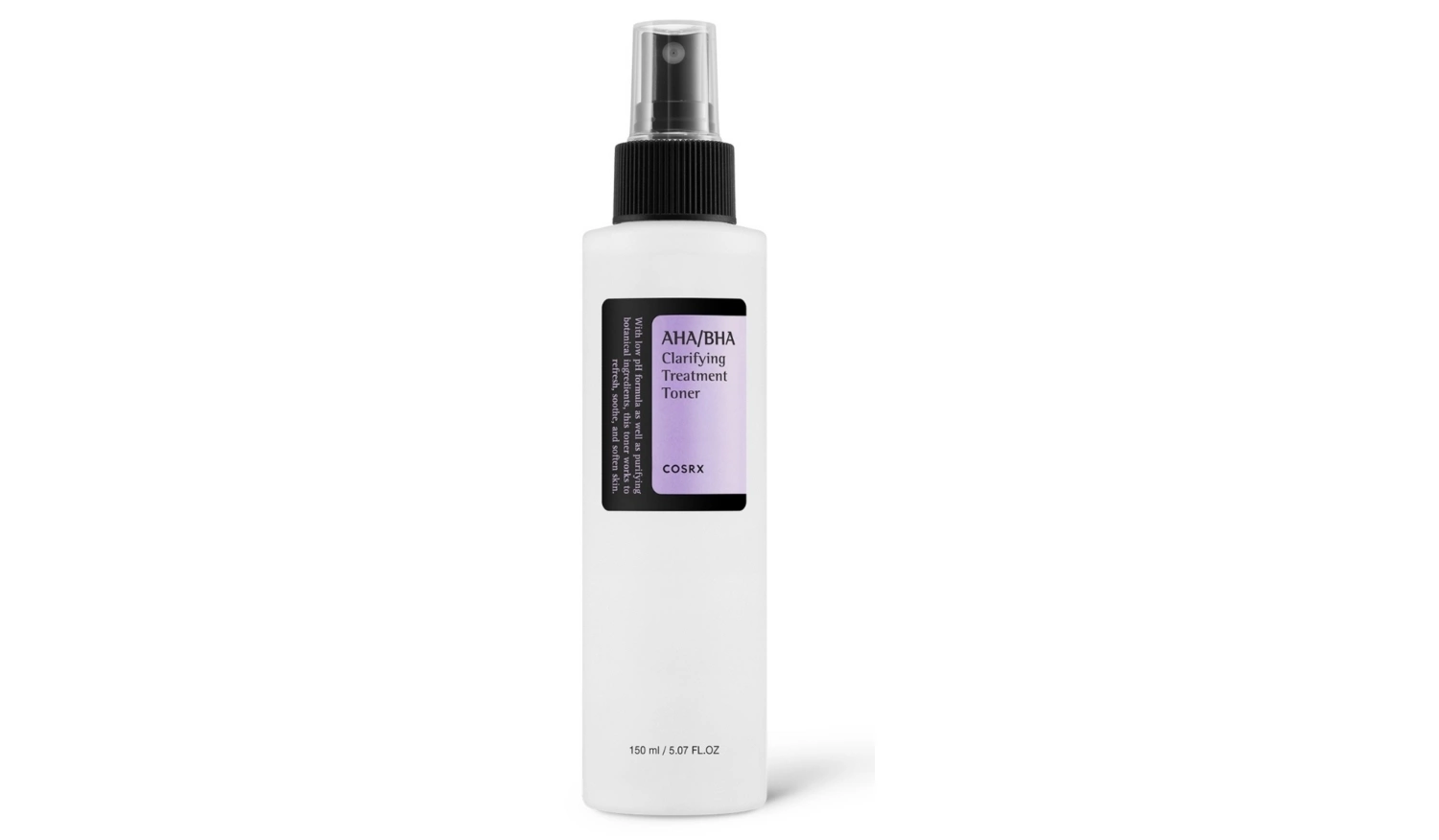
Glycolic Acid
Exfoliant & resurfacing
Glycolic acid is an alpha-hydroxy acid (AHA) and the smallest of the common skincare acids. It exfoliates the surface of the skin, which can smooth rough texture and brighten dull or uneven tone. It's also one of the more likely acids to sting, and it makes skin more sensitive to the sun while you use it.
What is Glycolic Acid?
An alpha-hydroxy acid (AHA) that exfoliates the skin's surface, improving texture and tone. Sun sensitivity may increase with regular use.
In skincare terms, Glycolic Acid is an exfoliating ingredient that helps lift away dead surface skin cells.
What glycolic acid does
AHAs loosen the bonds that hold dead cells to the surface of the skin, so they shed more evenly. Over weeks this can leave skin smoother and brighter, and AHAs are used for rough texture, dullness and uneven pigmentation (Kornhauser 2010; Tang 2018).
Glycolic acid is the smallest AHA molecule, which means it acts quickly but is also more likely to tingle than larger AHAs such as lactic or mandelic acid.
How much glycolic acid do you need?
Everyday toners and serums usually contain around 5–10%. Strength isn't only about the percentage: a lower pH makes the same percentage more active and more irritating. Higher-strength peels are best done by a professional.
Glycolic acid and the sun
In a controlled study, four weeks of 10% glycolic acid made skin burn more easily, with more sunburn cells after UV exposure. The effect wore off within a week of stopping (Kaidbey 2003). Use sunscreen every day while using glycolic acid and for a week afterwards.
How to use it
- Start two or three evenings a week on clean, dry skin.
- Follow with a moisturiser.
- Don't use it on the same night as retinol or other exfoliants until you know how your skin reacts.
- Skip it on broken, sunburnt or freshly shaved or waxed skin.
Side effects
Brief tingling is common. Ongoing stinging, redness, peeling or a tight, shiny look are signs of over-exfoliation — stop for a few days and then use it less often. Very sensitive skin or skin with rosacea may do better with lactic or mandelic acid, or with none at all.
Where you'll find it
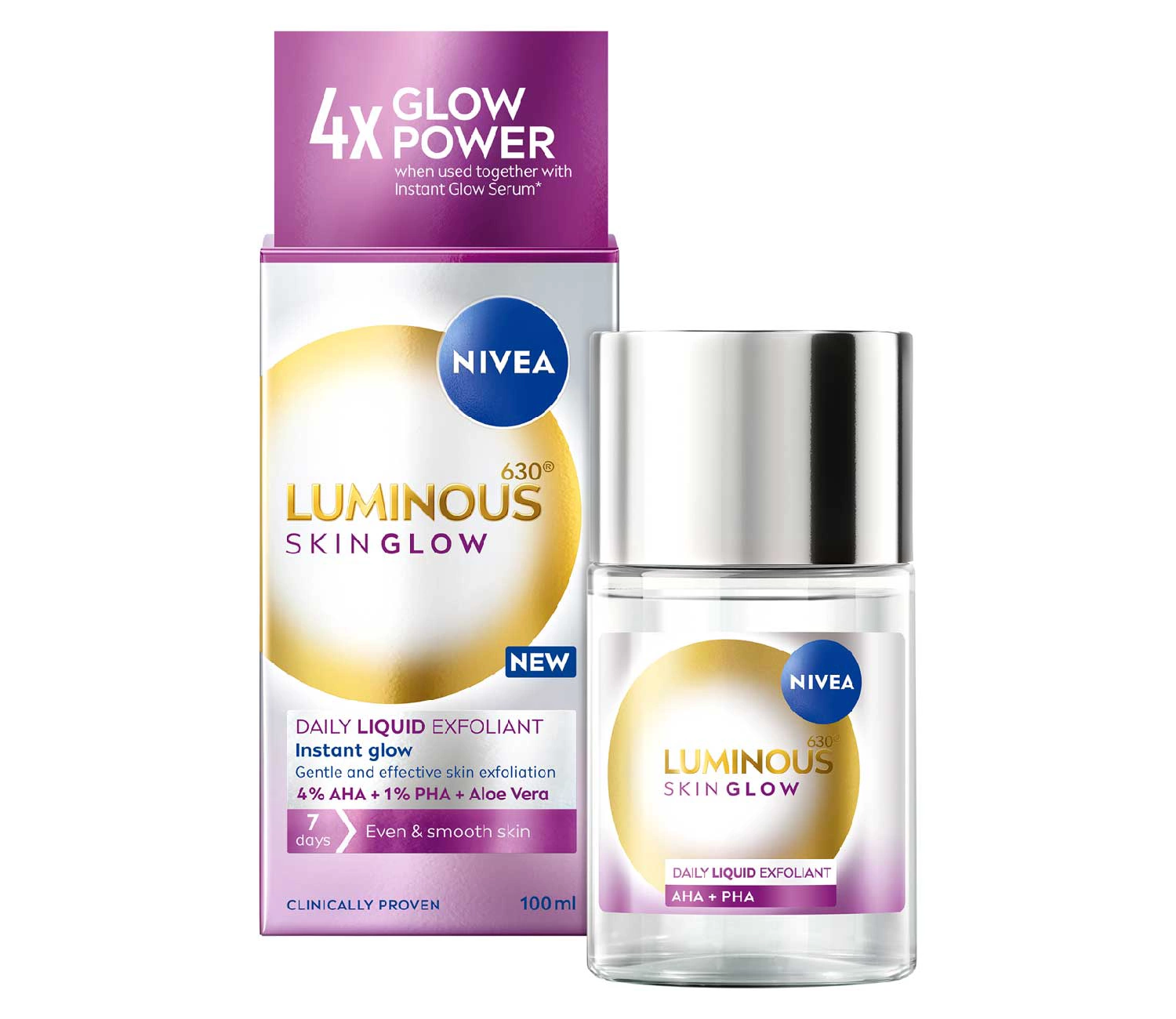
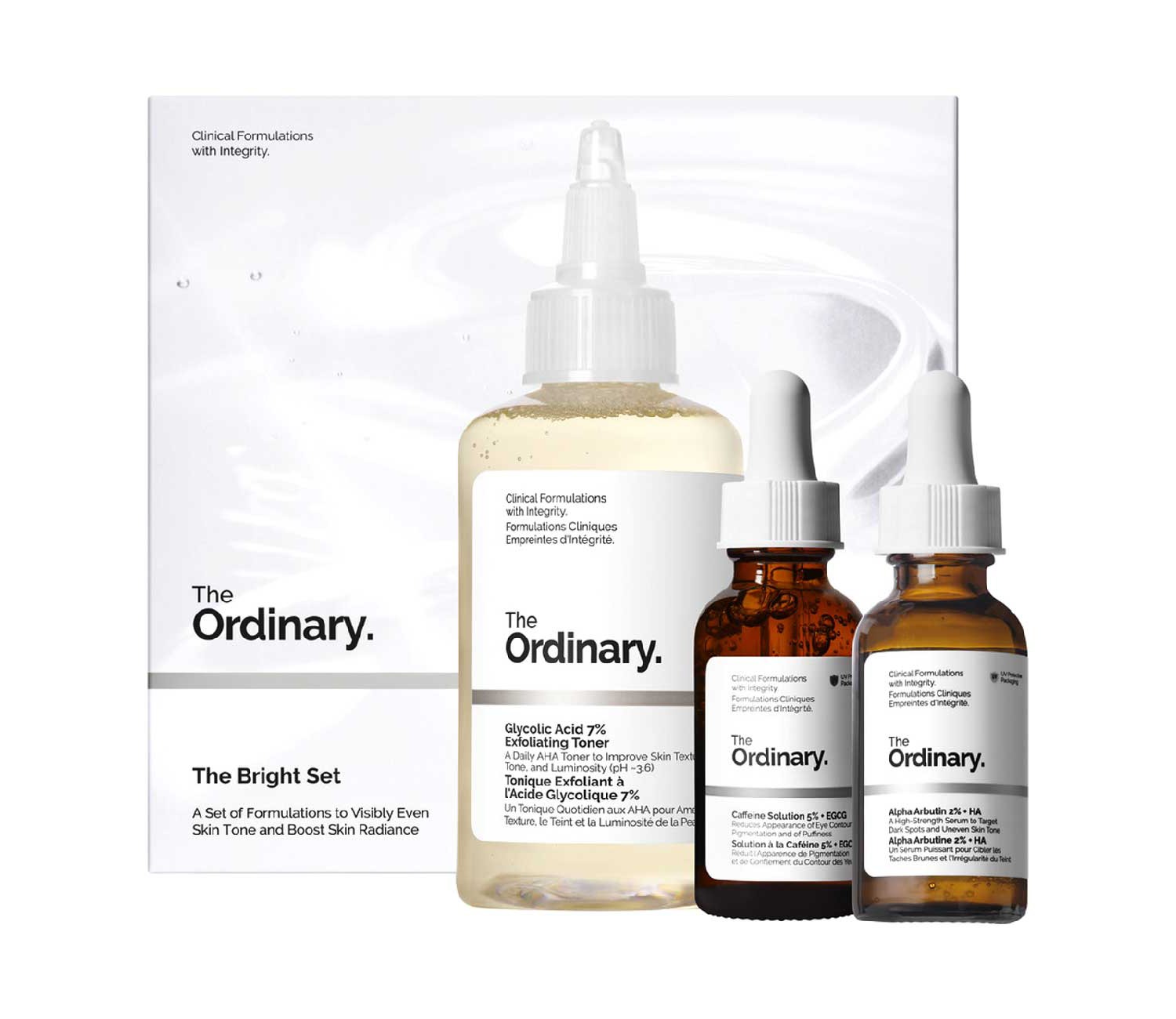
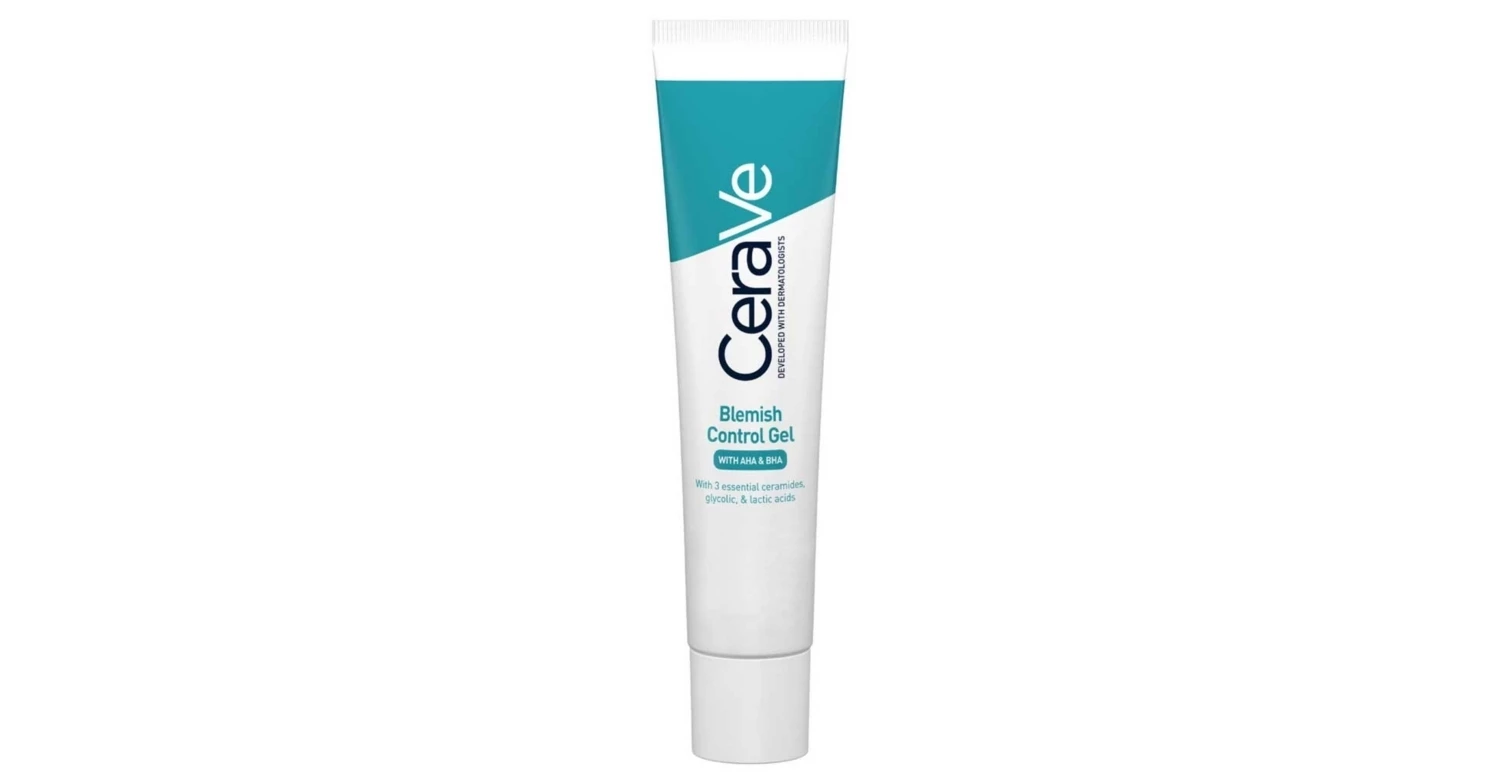
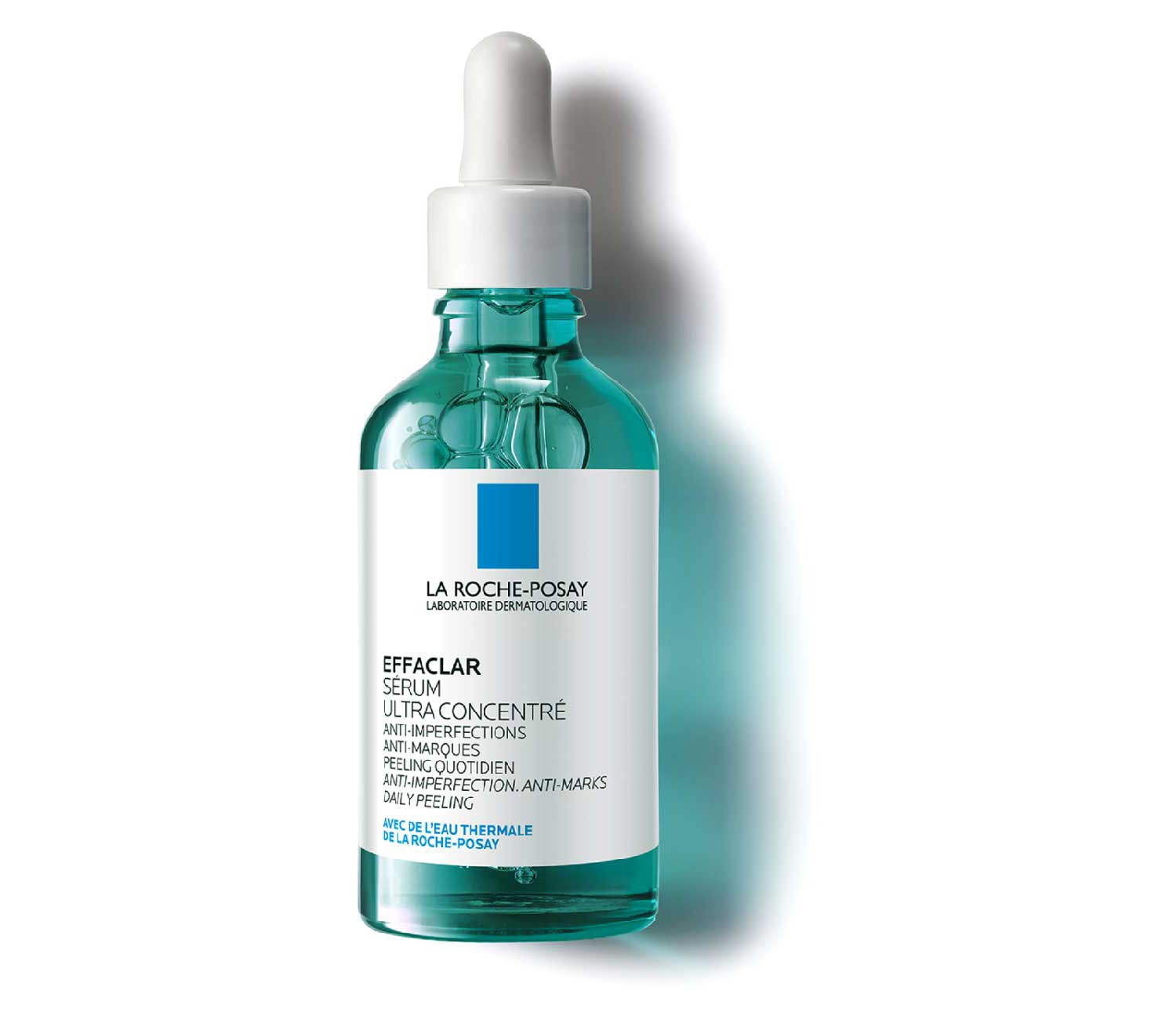
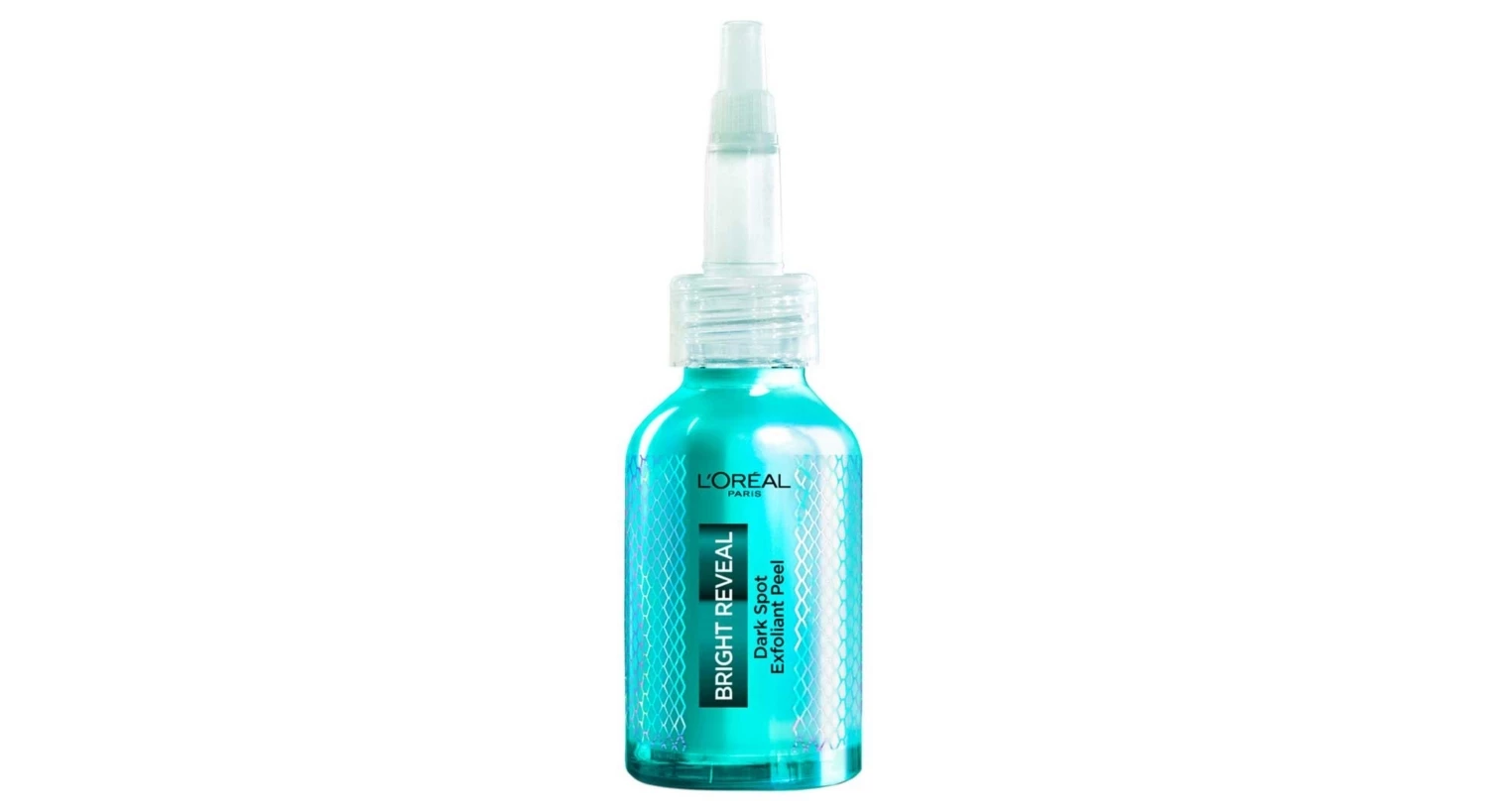
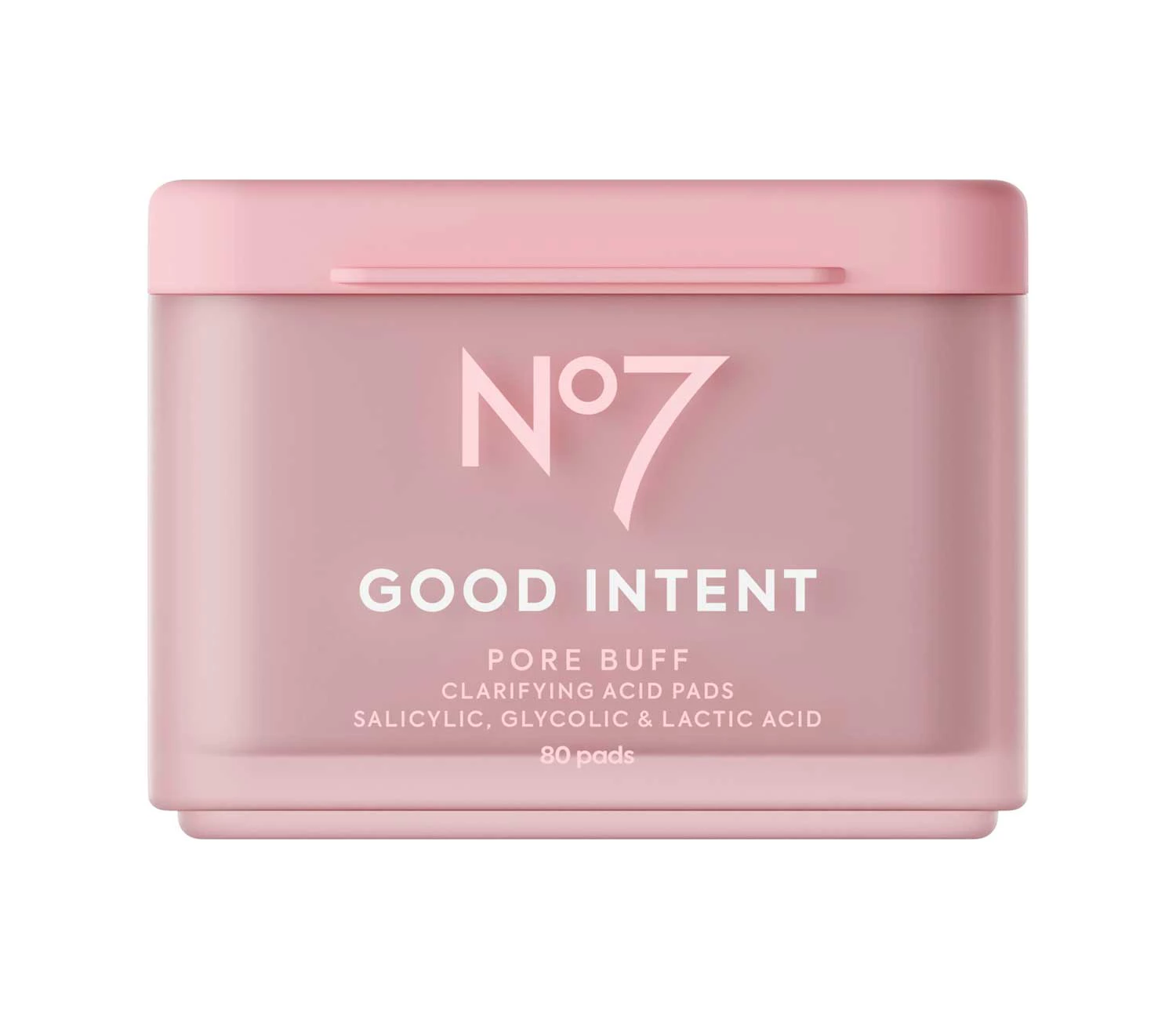
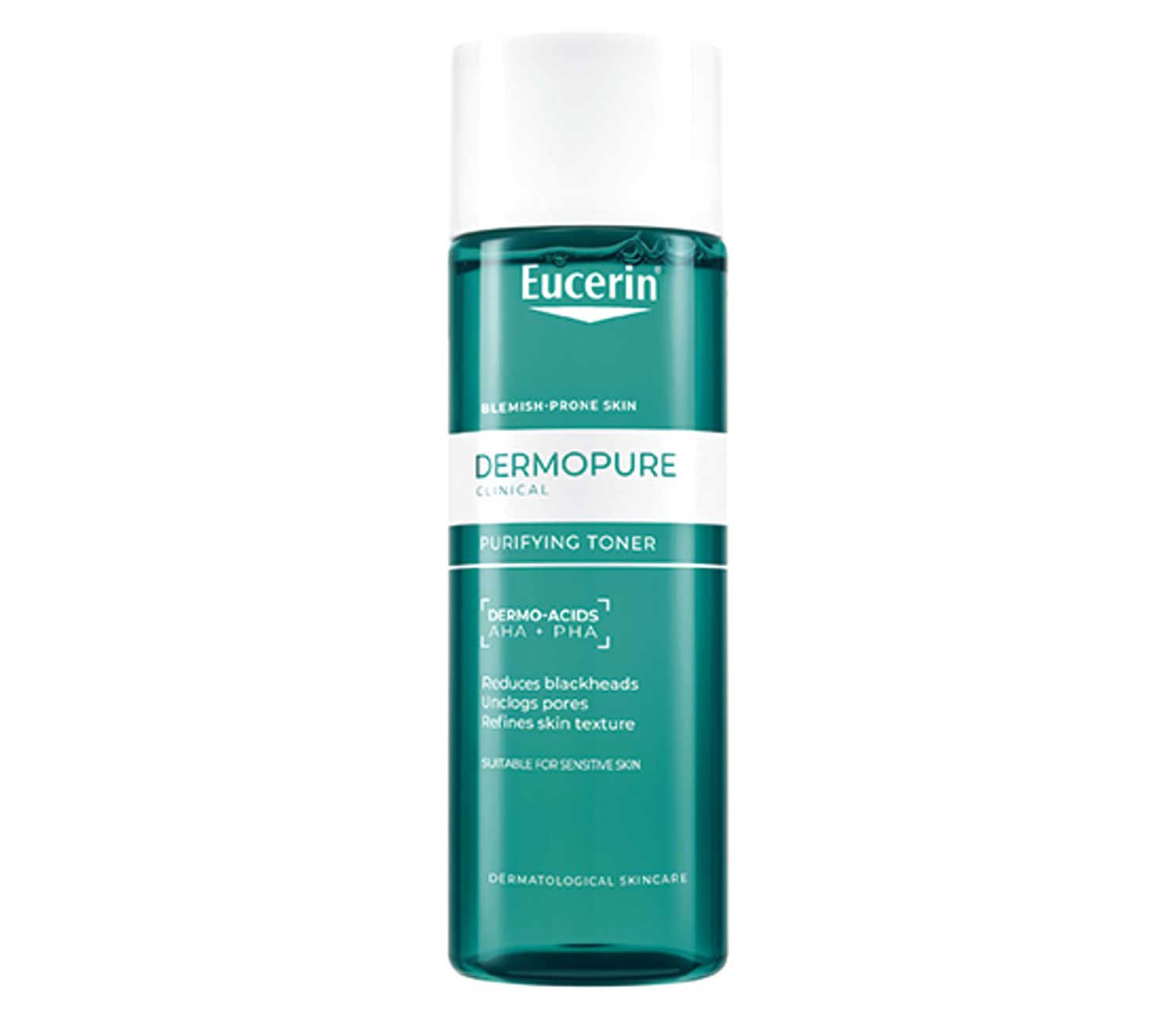
In our catalogue, Glycolic Acid appears in masks, serums, toners, cleansers and more.
Also listed as
On an ingredients label (INCI), Glycolic Acid may appear as: glycolic acid.
Looking for a product with glycolic acid? See our best exfoliating acid toners, compared by ingredients.
Using glycolic acid with other ingredients
- Can you use retinol and AHAs together? — use at different times
- Can you use vitamin C with AHAs or BHA? — yes, with care
- Can you use niacinamide and AHAs together? — works well together
- Can you use AHAs and BHA together? — yes, with care
Related ingredients
Common questions about glycolic acid
Can I use glycolic acid every day?
Some people can at lower strengths, but most get good results with two or three times a week. More often isn't necessarily better.
Glycolic or lactic acid — which is better?
Glycolic acid works faster but tingles more. Lactic acid is gentler and also hydrating, so it is often the better first acid for dry or sensitive skin.
Is glycolic acid good for acne?
It can help with rough texture and the marks left by spots. For clogged pores, salicylic acid (a BHA) is usually a better fit.
Sources
- Kornhauser A et al. Applications of hydroxy acids: classification, mechanisms, and photoactivity. Clin Cosmet Investig Dermatol, 2010.
- Tang SC, Yang JH. Dual effects of alpha-hydroxy acids on the skin. Molecules, 2018.
- Kaidbey K et al. Topical glycolic acid enhances photodamage by ultraviolet light. Photodermatol Photoimmunol Photomed, 2003.
Last reviewed 19 Oct 2026.