Lactic Acid
Gentle AHA exfoliant
Lactic acid is an alpha-hydroxy acid (AHA) that exfoliates the surface of the skin while also helping it hold water. It is a larger molecule than glycolic acid, so it tends to be gentler, which makes it a common first acid for dry or easily irritated skin.
What is Lactic Acid?
An alpha-hydroxy acid (AHA) that exfoliates the surface while also being mildly hydrating — generally gentler than glycolic acid. Sun sensitivity may increase with use.
In skincare terms, Lactic Acid is an exfoliating ingredient that helps lift away dead surface skin cells, and a hydrating ingredient that helps the skin attract and hold on to water.
What lactic acid does
Like other AHAs, lactic acid loosens dead cells on the surface so skin looks smoother and brighter (Kornhauser 2010). Lactic acid and its salt, sodium lactate, are also part of the skin's own natural moisturising factor, so at low levels they act as humectants.
In a three-month study, 5% and 12% lactic acid both improved smoothness and the look of lines; only 12% also thickened and firmed the deeper layer of the skin (Smith 1996).
How much lactic acid do you need?
Leave-on exfoliating products typically use 5–10%. Low amounts of lactic acid or sodium lactate in a moisturiser are mostly there to hydrate or to adjust pH, not to exfoliate. We group lactic acid, sodium lactate and ammonium lactate together.
How to use it
- Start two or three evenings a week on clean, dry skin, then moisturise.
- Use sunscreen in the daytime — AHAs make skin more sensitive to the sun while you use them.
- Alternate rather than layer with retinol or other acids at first.
Side effects
Lactic acid is usually better tolerated than glycolic acid, but it can still sting, especially on broken or very dry skin. If redness or flaking lasts, use it less often or switch to a lower strength.
Where you'll find it
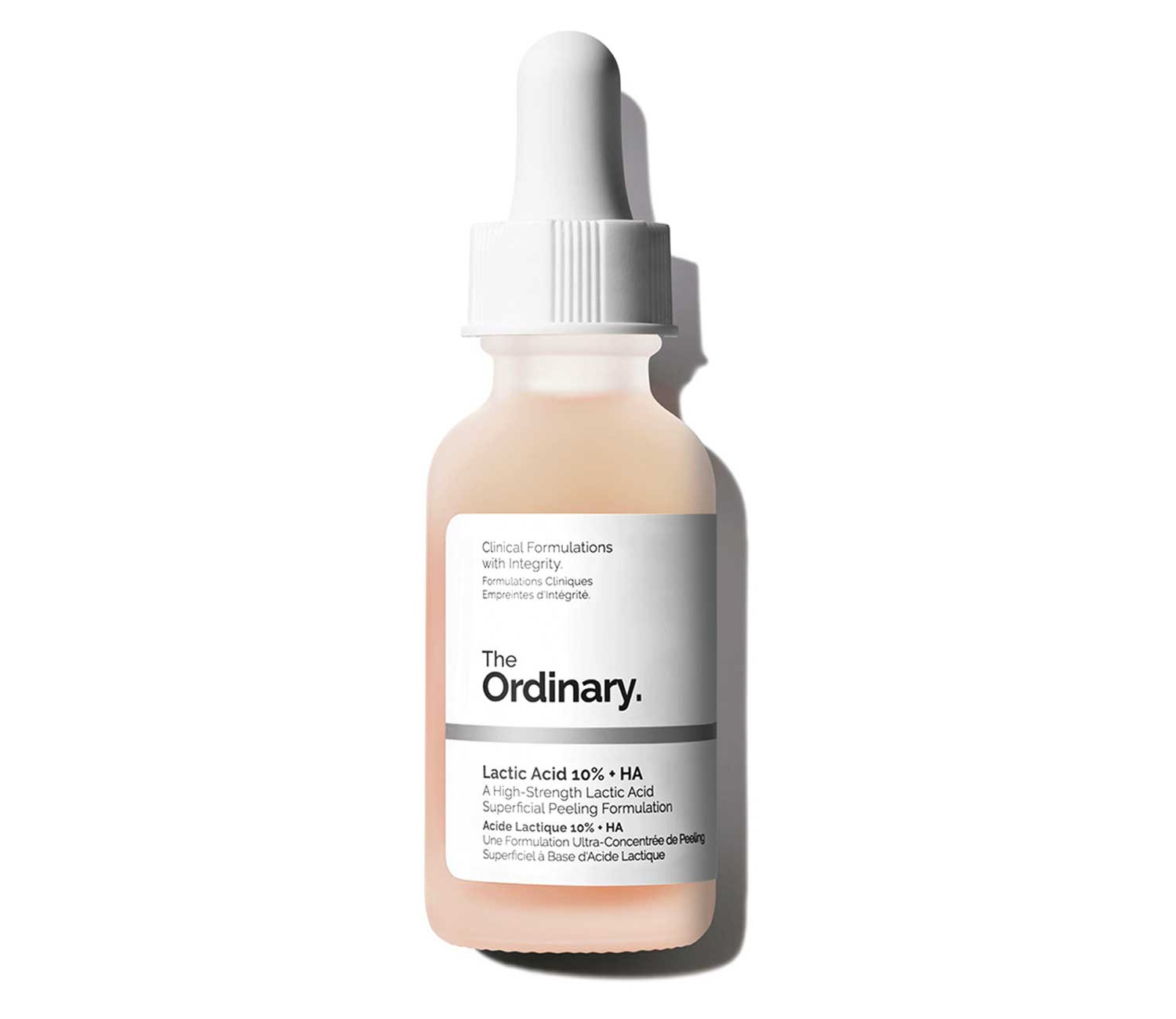
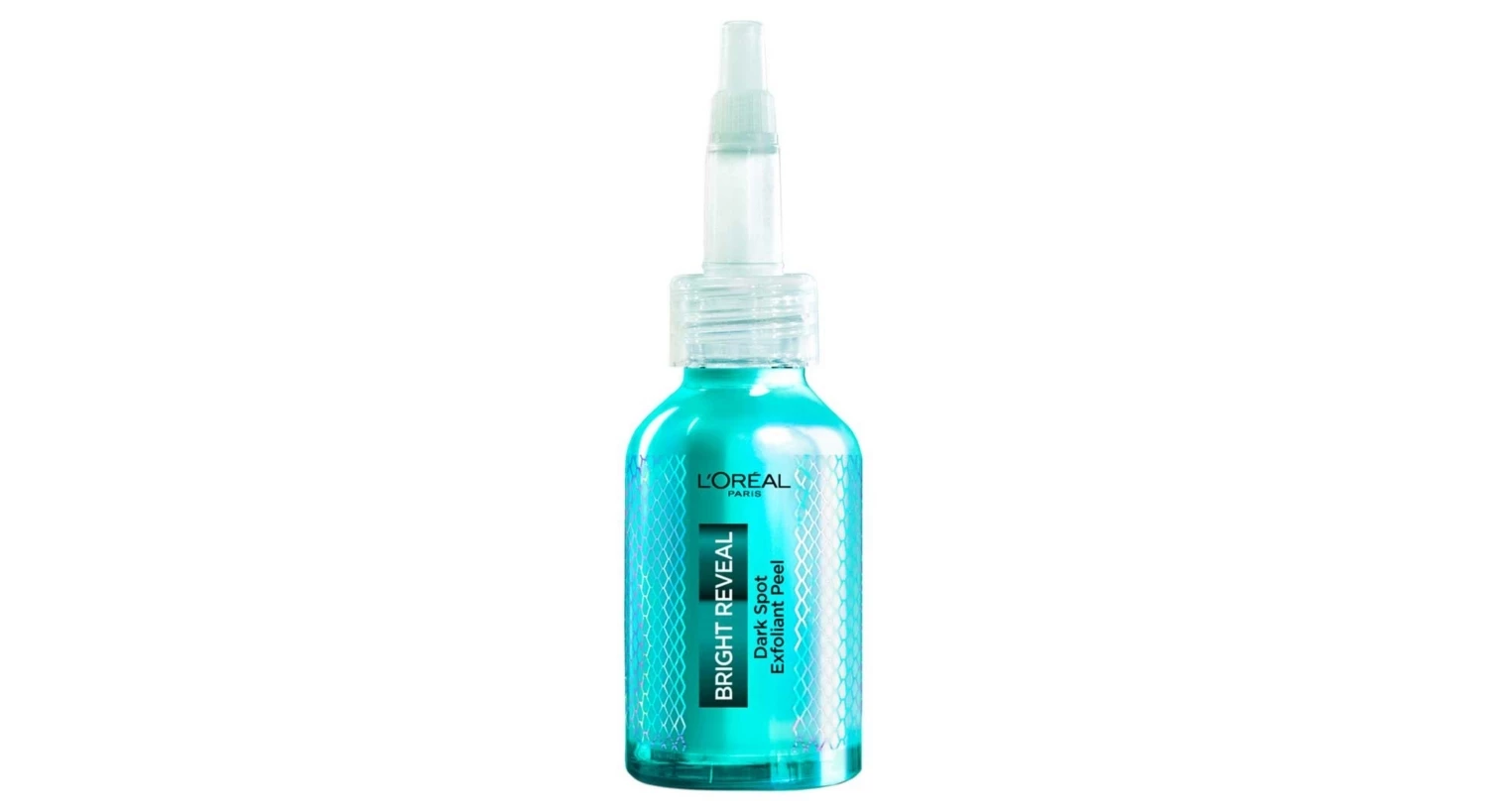
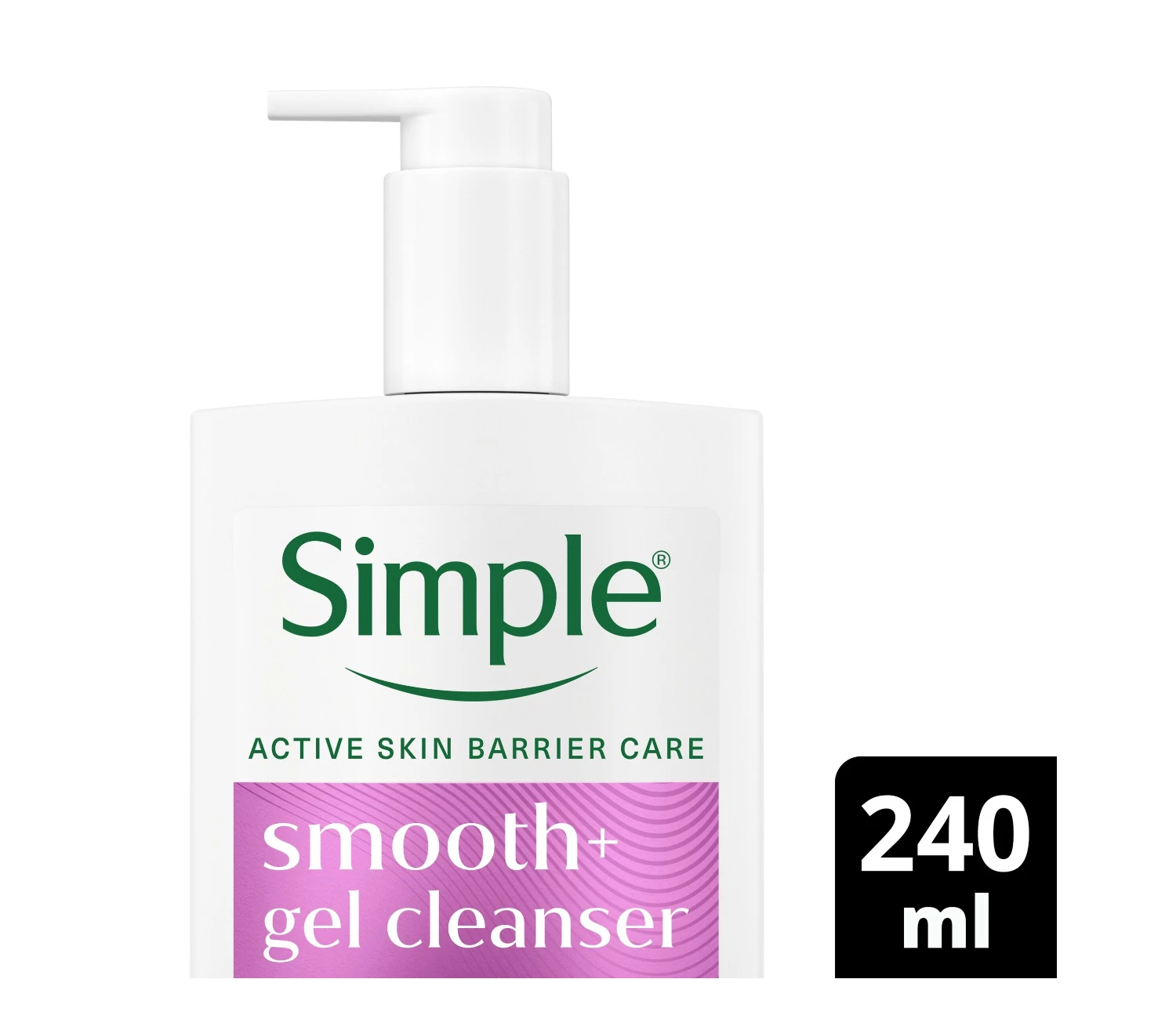
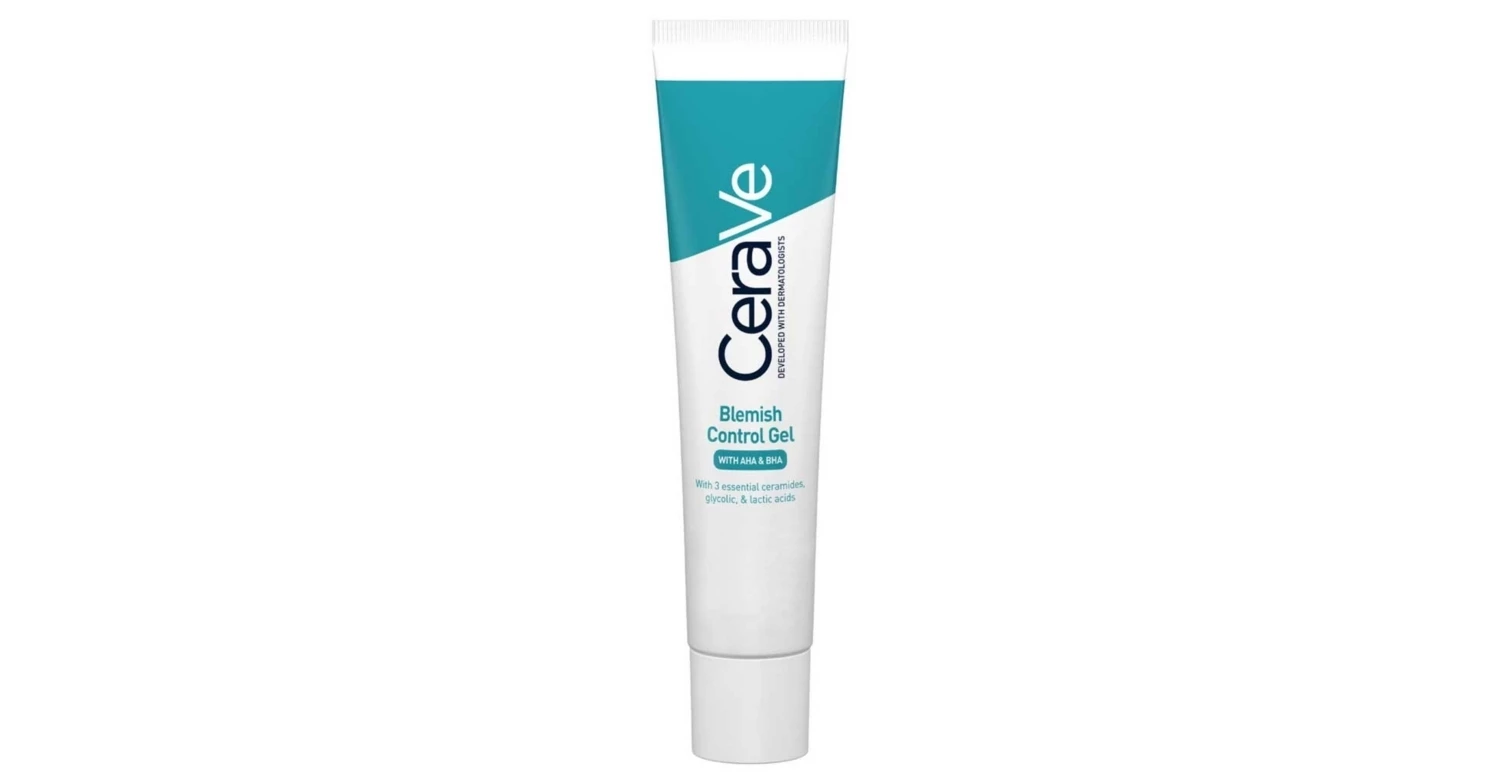
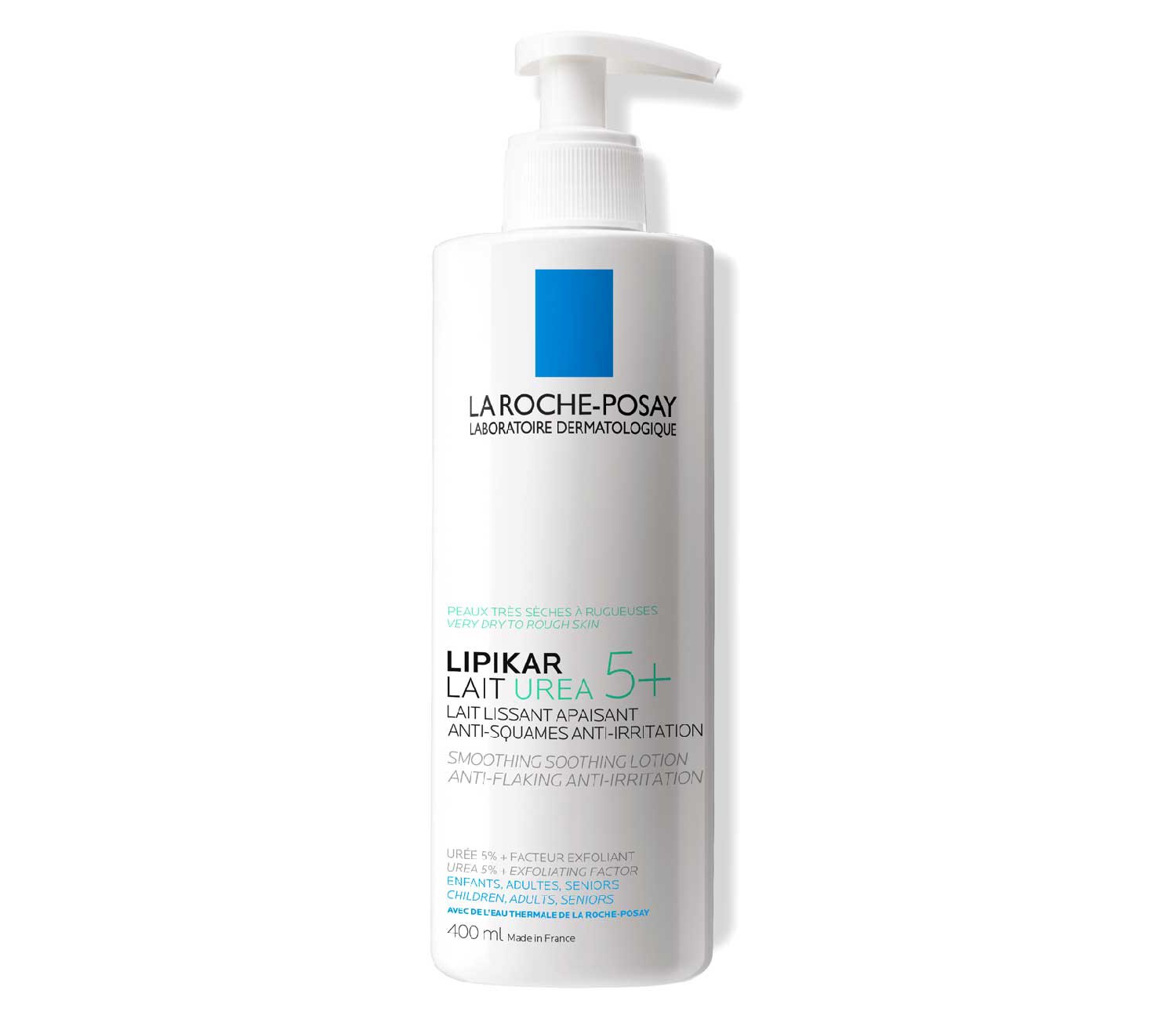
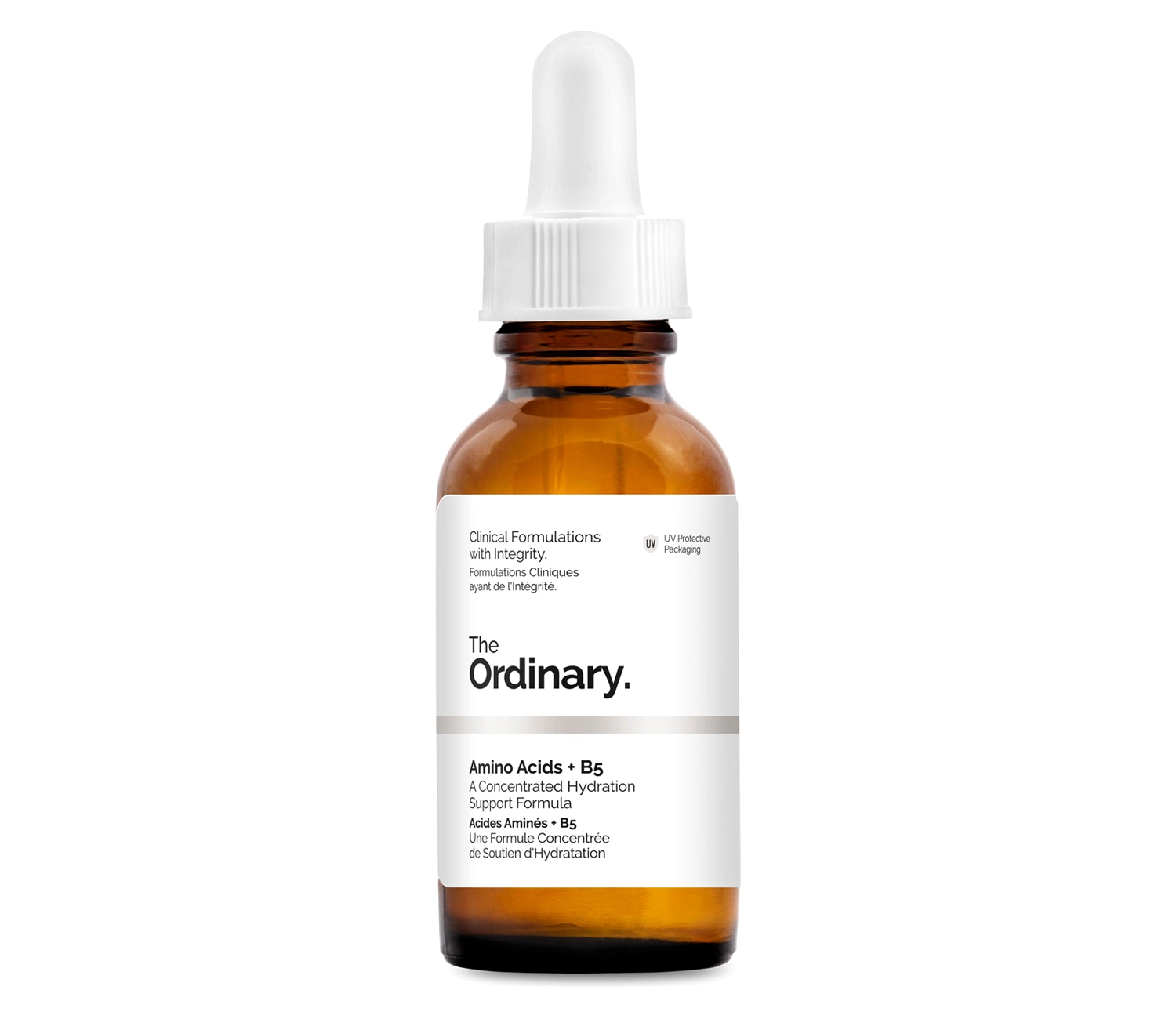
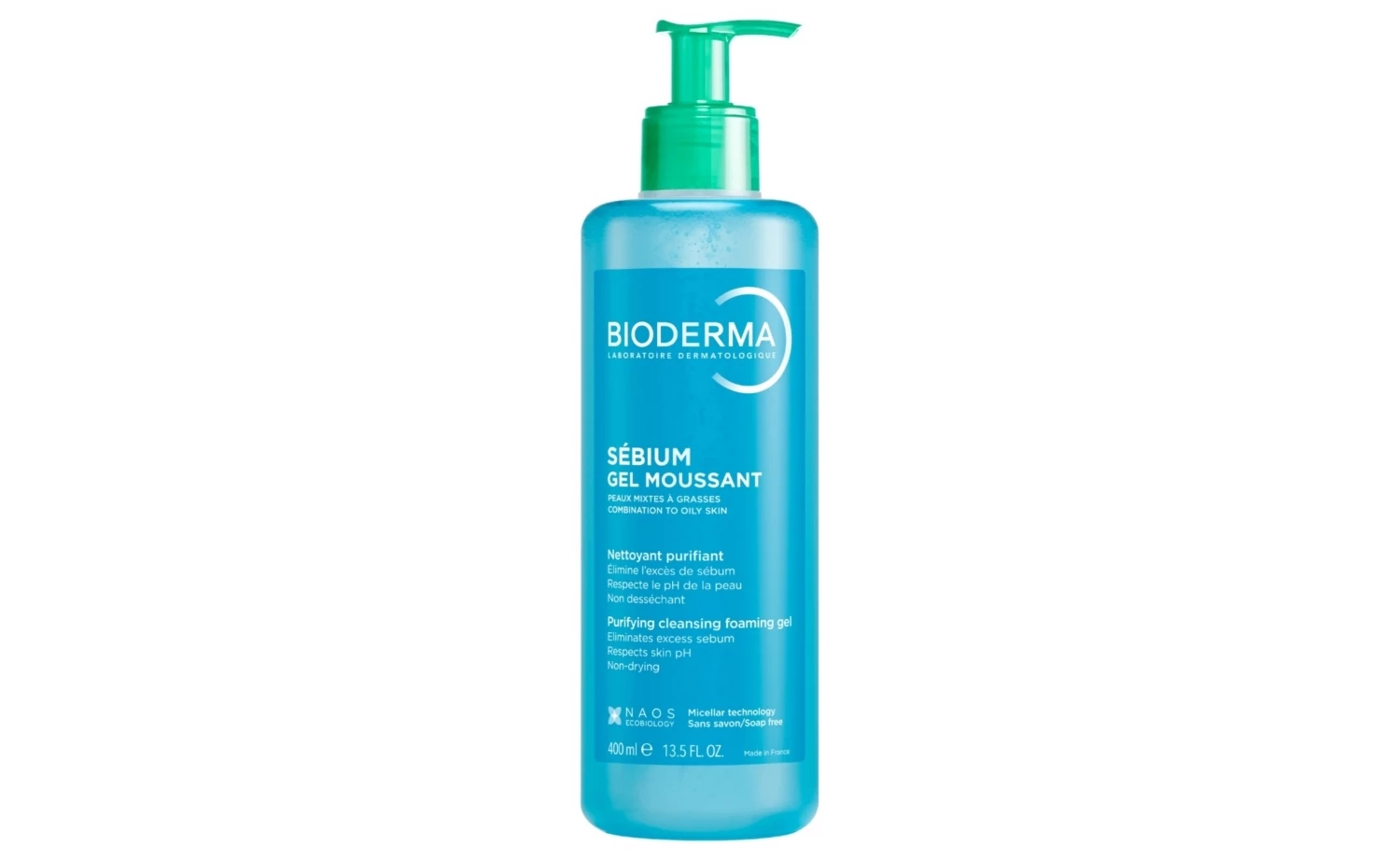
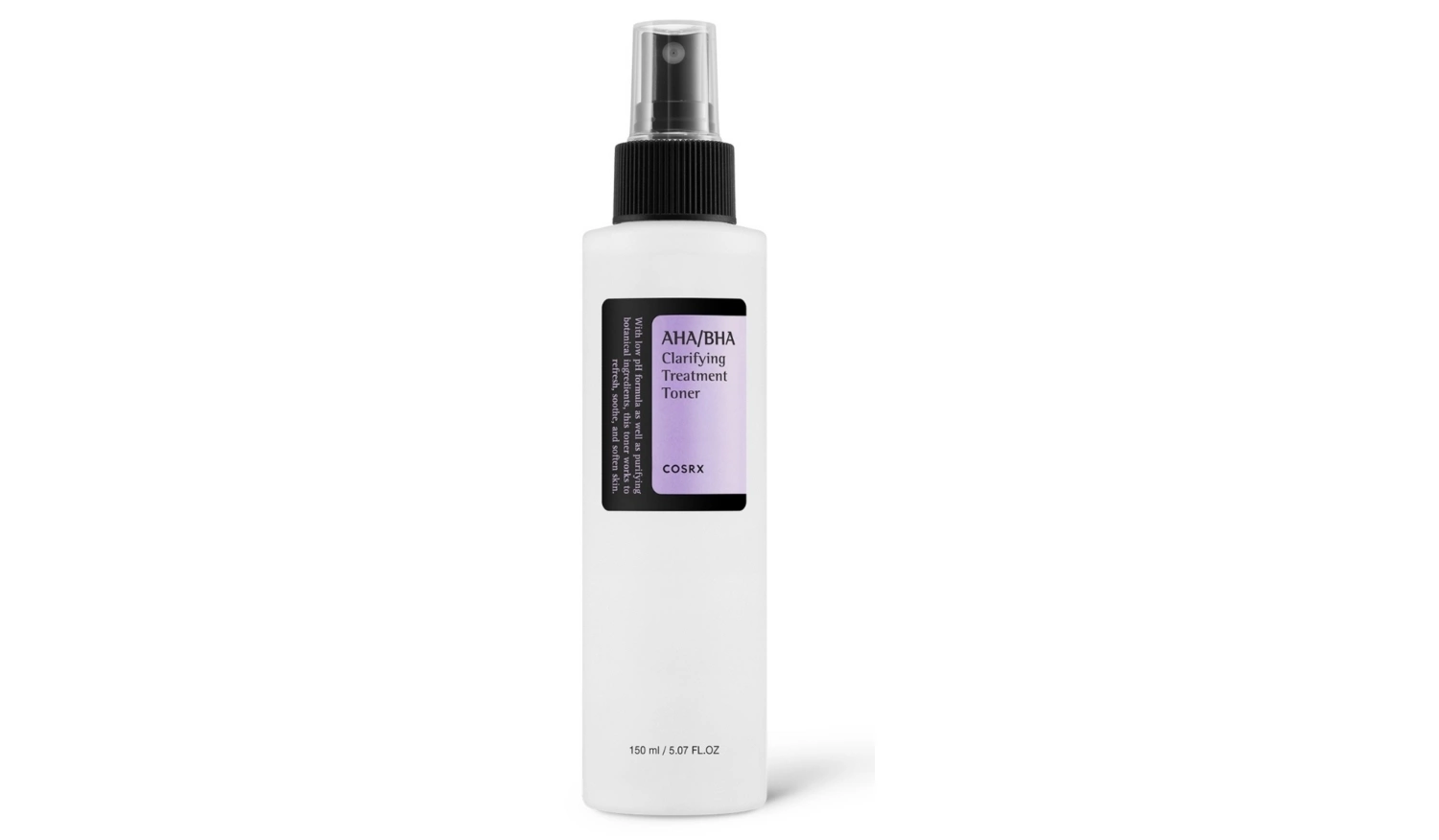
In our catalogue, Lactic Acid appears in moisturisers, serums, sets, skincare and more.
Also listed as
On an ingredients label (INCI), Lactic Acid may appear as: lactic acid, sodium lactate, ammonium lactate.
Using lactic acid with other ingredients
- Can you use retinol and AHAs together? — use at different times
- Can you use vitamin C with AHAs or BHA? — yes, with care
- Can you use niacinamide and AHAs together? — works well together
- Can you use AHAs and BHA together? — yes, with care
Related ingredients
Common questions about lactic acid
Is lactic acid good for sensitive skin?
It is one of the gentler acids, so it is often the one people with sensitive skin try first. Patch test and start slowly.
Can I use lactic acid with niacinamide?
Yes. Niacinamide is well tolerated and can be used alongside lactic acid, or at a different time of day if you notice stinging.
Does lactic acid help with keratosis pilaris?
Lactic acid and urea body lotions are often used for rough, bumpy skin on the arms and legs. See a GP or pharmacist if it is widespread or itchy.
Sources
- Smith WP. Epidermal and dermal effects of topical lactic acid. J Am Acad Dermatol, 1996.
- Kornhauser A et al. Applications of hydroxy acids: classification, mechanisms, and photoactivity. Clin Cosmet Investig Dermatol, 2010.
Last reviewed 19 Oct 2026.