
CeraVe Resurfacing Retinol Serum vs La Roche-Posay Retinol B3 Serum
Short answer: CeraVe Resurfacing Retinol Serum suits oily or blemish-prone skin better on paper; La Roche-Posay Retinol B3 Serum suits dry skin better.
Both ingredient lists side by side: what each contains, what it leaves out, and which skin it suits on paper.
At a glance
| CeraVe Resurfacing Retinol Serum | La Roche-Posay Retinol B3 Serum | |
|---|---|---|
| Type | Serum | Serum |
| Ingredients listed | 33 | 22 |
| Stand-out ingredients | Niacinamide, Licorice Extract, Ceramides | Niacinamide, Retinol & Retinyl palmitate, Hyaluronic Acid |
| Fragrance | No fragrance listed | Contains fragrance |
| Drying alcohol high in list | No | Yes |
| Silicones | Yes | Yes |
| Fungal acne check | Has triggers | Has triggers |
| Brand says it suits | Blemish-prone | Sensitive |
Top ten ingredients side by side
| # | CeraVe Resurfacing Retinol Serum | La Roche-Posay Retinol B3 Serum |
|---|---|---|
| 1 | Aqua/water | Aqua |
| 2 | Propanediol | Glycerin |
| 3 | Dimethicone | Cyclohexasiloxane |
| 4 | Cetearyl ethylhexanoate | Alcohol Denat. |
| 5 | Niacinamide | Pentylene glycol |
| 6 | Ammonium polyacryloyldimethyl taurate | Niacinamide |
| 7 | Dipotassium glycyrrhizate | Dimethicone |
| 8 | Hydrogenated lecithin | Glycine soja oil |
| 9 | Potassium phosphate | PPG-6-decyltetradeceth-3 |
| 10 | Ceramide np | Sodium hyaluronate |
Bold ingredients appear somewhere in both lists. On UK labels, ingredients above 1% are listed from most to least, so the top of the list is most of the formula.
-
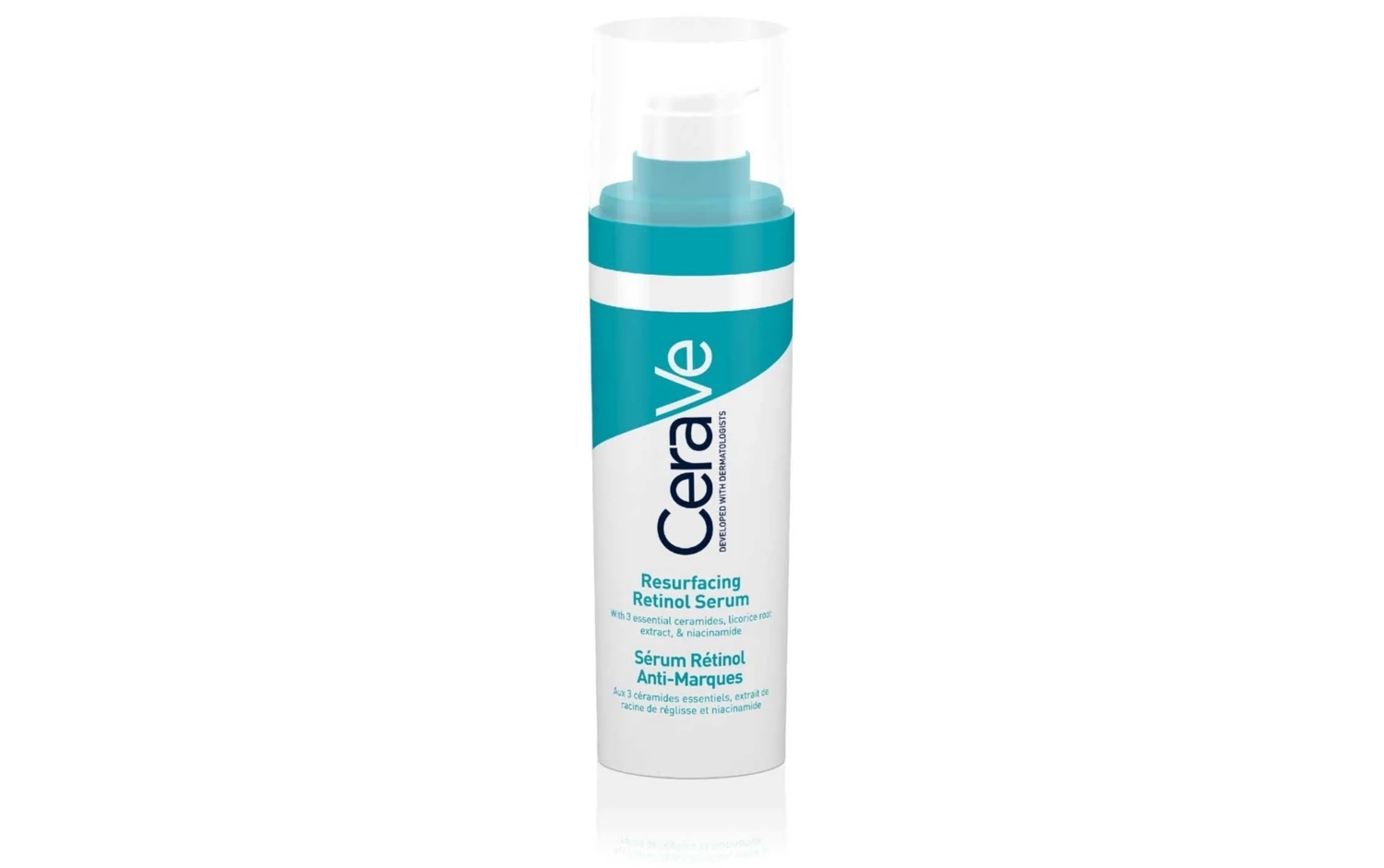
CeraVe Resurfacing Retinol Face Serum with Ceramides & Niacinamide for Blemish-Prone Skin 30ml
- Suits oily or blemish-prone skin: niacinamide is 5th in the list, with no rich butters or occlusives near the top
Watch out for- Contains a strong active: introduce it slowly and wear SPF by day
-
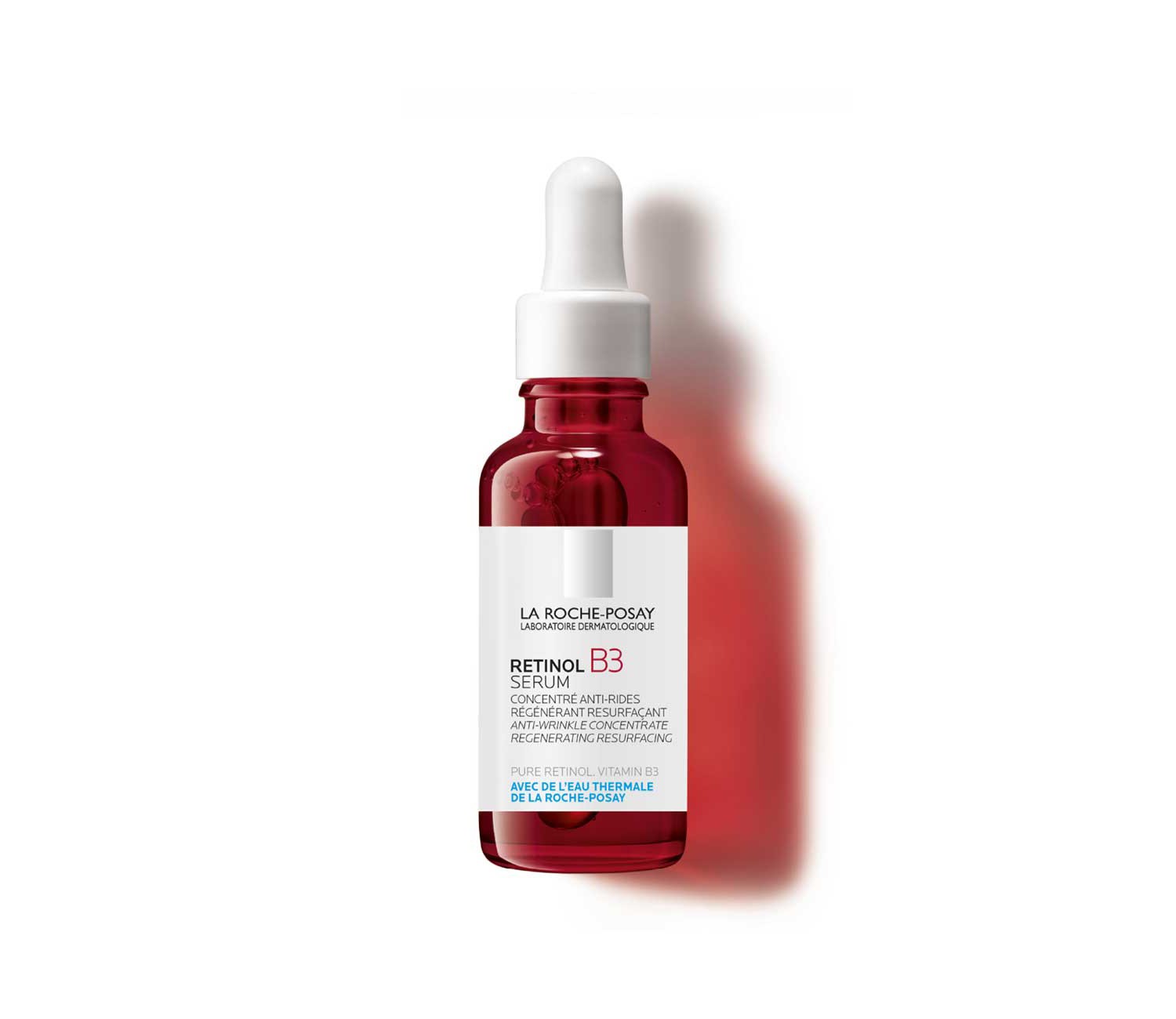
La Roche-Posay Retinol B3 Anti-wrinkle Anti-Ageing Serum With Retinol And Vitamin B3 Suitable For Sensitive Skin 30ml
- Suits dry skin: plant butters & seed oils is 8th in the list
Watch out for- Contains fragrance
- Drying alcohol is high in the list
- Contains a strong active: introduce it slowly and wear SPF by day
Common questions
Which is better, CeraVe Resurfacing Retinol Serum or La Roche-Posay Retinol B3 Serum?
It depends on your skin. CeraVe Resurfacing Retinol Serum suits oily or blemish-prone skin better on paper; La Roche-Posay Retinol B3 Serum suits dry skin better. We compare ingredient lists only and haven't tested either on skin.
What is the difference between CeraVe Resurfacing Retinol Serum and La Roche-Posay Retinol B3 Serum?
They share 14% of their ingredient list on our weighted score, which counts the top of the list most. The main differences: CeraVe Resurfacing Retinol Serum has licorice extract and cholesterol; La Roche-Posay Retinol B3 Serum has adenosine; La Roche-Posay Retinol B3 Serum lists fragrance or fragrance allergens and CeraVe Resurfacing Retinol Serum doesn't; La Roche-Posay Retinol B3 Serum has drying alcohol high in its list. CeraVe Resurfacing Retinol Serum lists 33 ingredients and La Roche-Posay Retinol B3 Serum lists 22.
How we compare
We read both full ingredient lists. On UK labels, ingredients above 1% are listed from most to least, so the top of the list is most of the formula. "Suits dry skin" means a rich ingredient such as petrolatum, mineral oil, shea butter, squalane or urea sits in the first ten; "sensitive skin" means no fragrance, essential oils, drying alcohol or strong actives are listed; "oily or blemish-prone" means salicylic acid, zinc or azelaic acid is in the first twelve, or niacinamide in the first six, with none of those rich ingredients near the top. These are signs from the label, not test results, and we haven't tested either product on skin. Whether a product is on Amazon never affects what we say about it.