
Face Serums
A serum is a light, concentrated product built around one or two active ingredients, such as vitamin C, niacinamide, hyaluronic acid or retinol.
What to know about serums
It goes on after cleansing and before moisturiser. Every serum below has its full ingredient list checked, so you can see how high its headline ingredient really sits.
How to choose serums
- Dehydrated skin: hyaluronic acid or glycerin serums add water.
- Oil, pores and redness: niacinamide is well tolerated and works on several fronts.
- Dullness and dark spots: vitamin C in the morning, under sunscreen.
- Fine lines: retinol or retinal at night, starting two or three times a week.
Face Serums at a glance
We cover 158 serums from 20 brands. Of the 158 with a full ingredient list, 102 (65%) are fragrance-free: no parfum, essential oils or declared fragrance allergens. 23 (15%) list drying alcohol (alcohol denat.) among the first eight ingredients. The ingredients they headline most often are Hyaluronic Acid, Niacinamide and Vitamin C.
Jump to: Vitamin C serums (29) · Retinol and retinoid serums (26) · Niacinamide serums (28) · Exfoliating acid serums (9) · Peptide serums (24) · Hyaluronic acid and hydrating serums (36) · Other serums (6)
Vitamin C serums
Antioxidant serums for brightness and uneven tone, usually used in the morning.
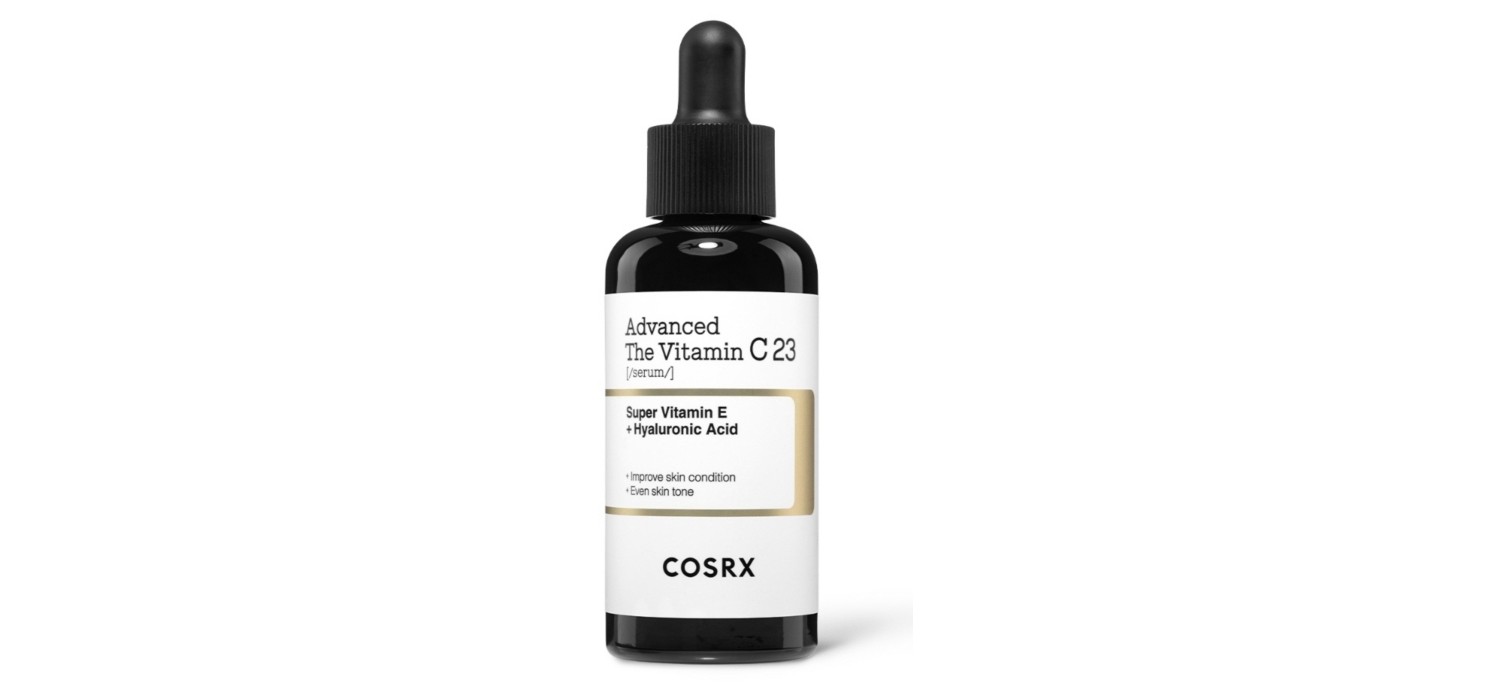
COSRX
Advanced The Vitamin C 23 Serum 20ml
Vitamin C (Ascorbic Acid & 3-O-Ethyl Ascorbic Acid) · Panthenol (Pro-Vitamin B5) · Fragrance-free
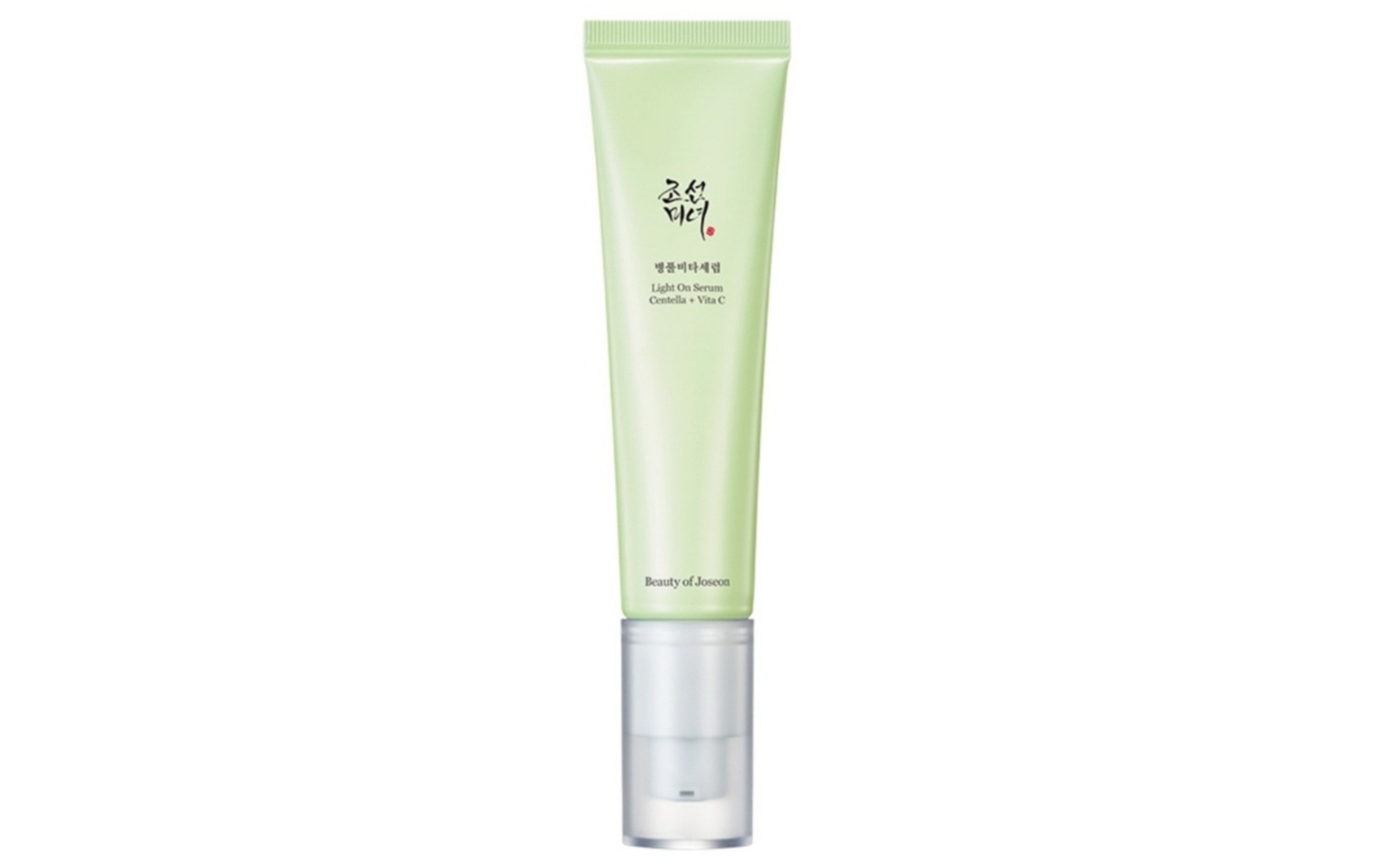
Beauty of Joseon
Light On Serum : Centella + Vita C 30ml
Vitamin C (3-O-Ethyl Ascorbic Acid) · Centella Asiatica · Fragrance-free
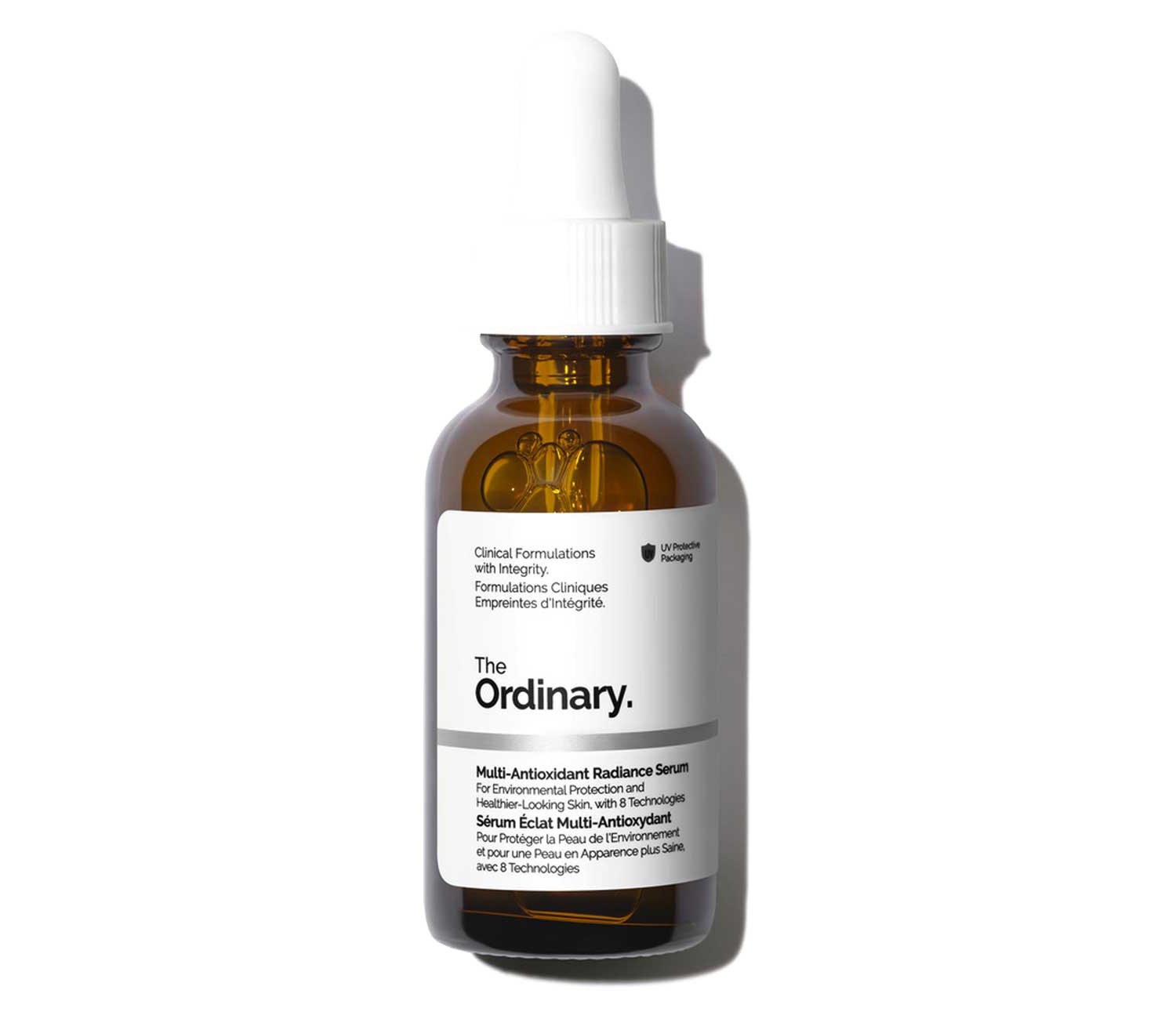
The Ordinary
Multi-Antioxidant Radiance Serum 30ml
Vitamin C (Ascorbyl Glucoside) · Peptides · Fragrance-free
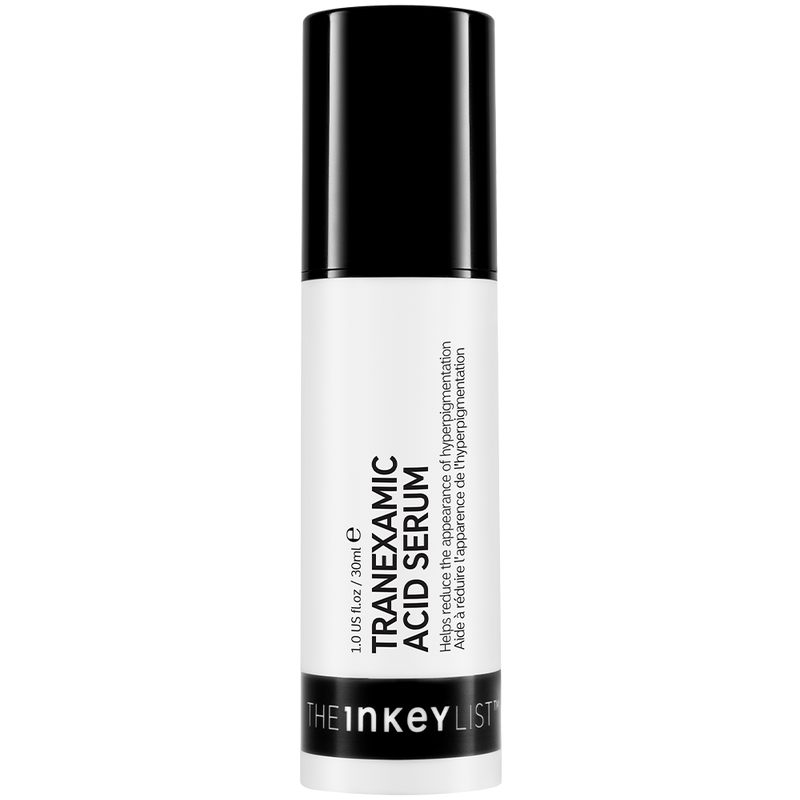
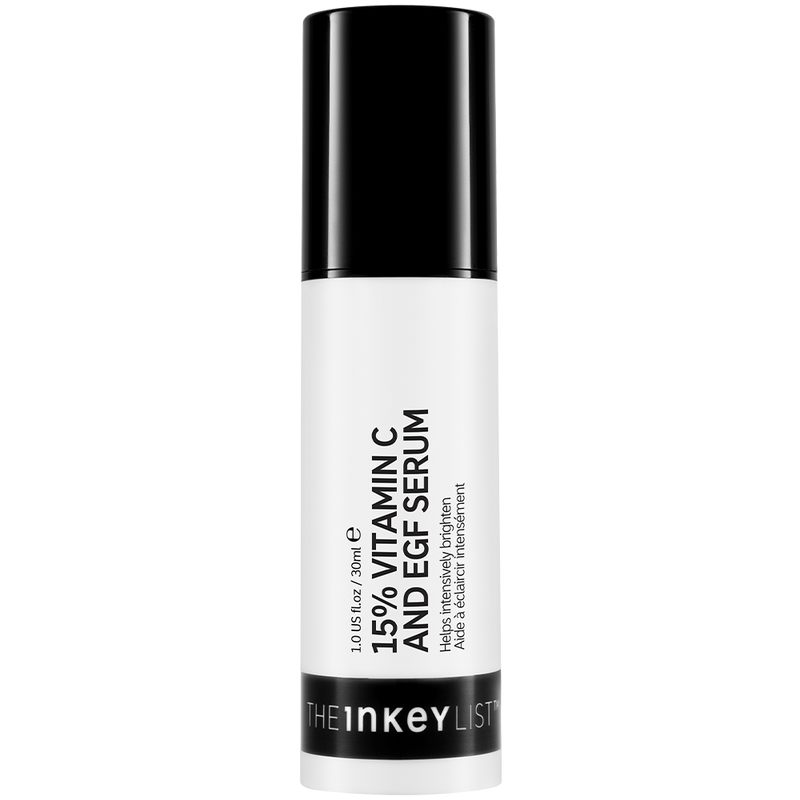
The INKEY List
Tranexamic Acid Serum
Tranexamic Acid · Vitamin C (Ascorbyl Glucoside) · Fragrance-free
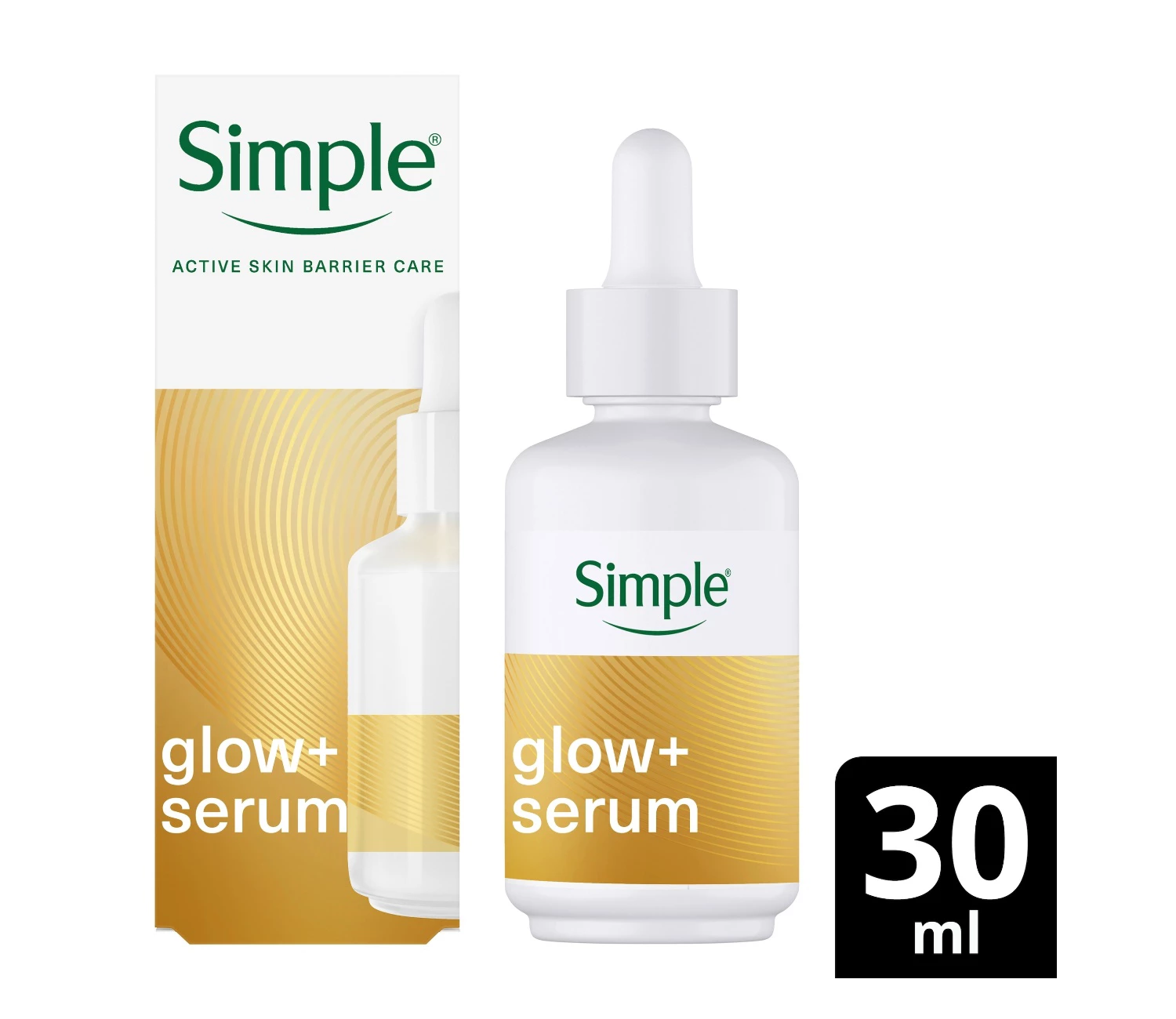
Simple
Glow+ 10% Vitamins C + E + F Serum 30 ml
Vitamin C (Sodium Ascorbyl Phosphate) · Glycerin · Fragrance-free

Clinique
Even Better Clinical Dark Spot Clearing Serum
Niacinamide · Vitamin C (Ascorbyl Glucoside) · Fragrance-free
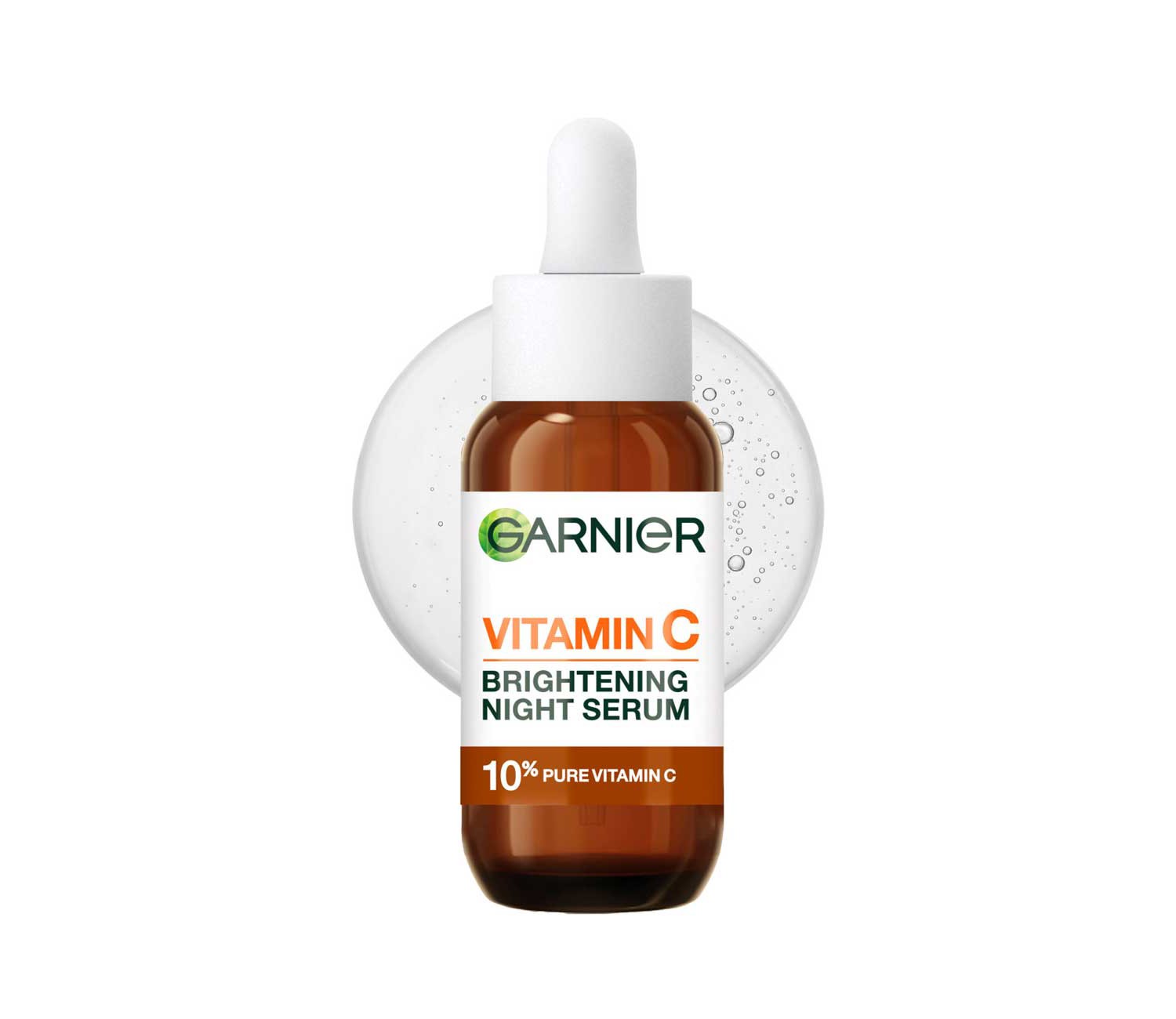
Garnier
Targeted Anti Dark Spot Night Serum For Face 30ml
Vitamin C (Ascorbic Acid) · Salicylic Acid · Contains fragrance
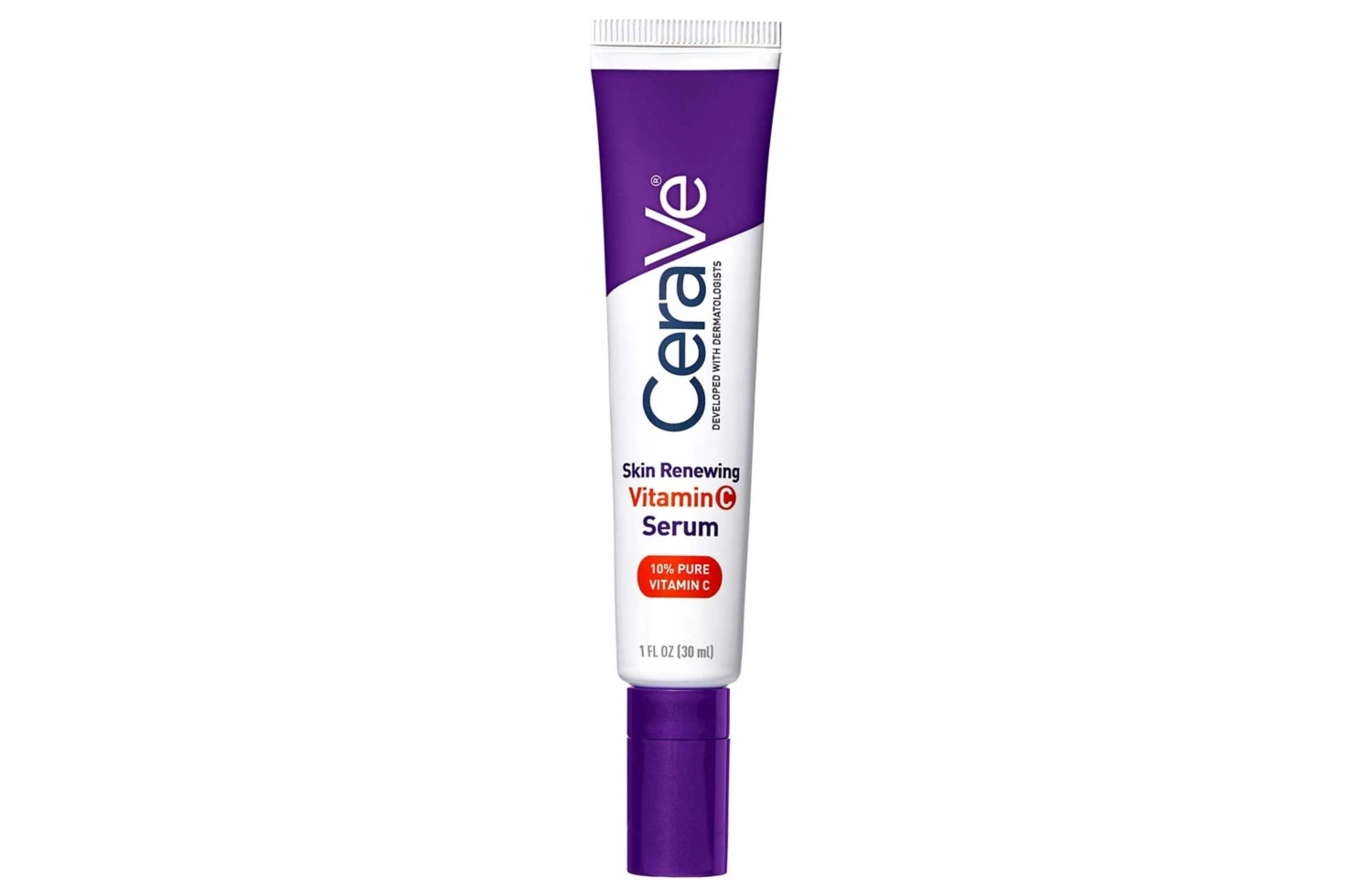
CeraVe
Skin Renewing 10% Pure Vitamin C Serum with Ceramides for Brighter & Smoother Skin 30ml
Vitamin C (Ascorbic Acid) · Ceramides · Fragrance-free · Drying alcohol high in list

Clinique
Smart Clinical Repair Wrinkle Correcting Serum
Hyaluronic Acid · Vitamin C (Ascorbyl Glucoside) · Fragrance-free
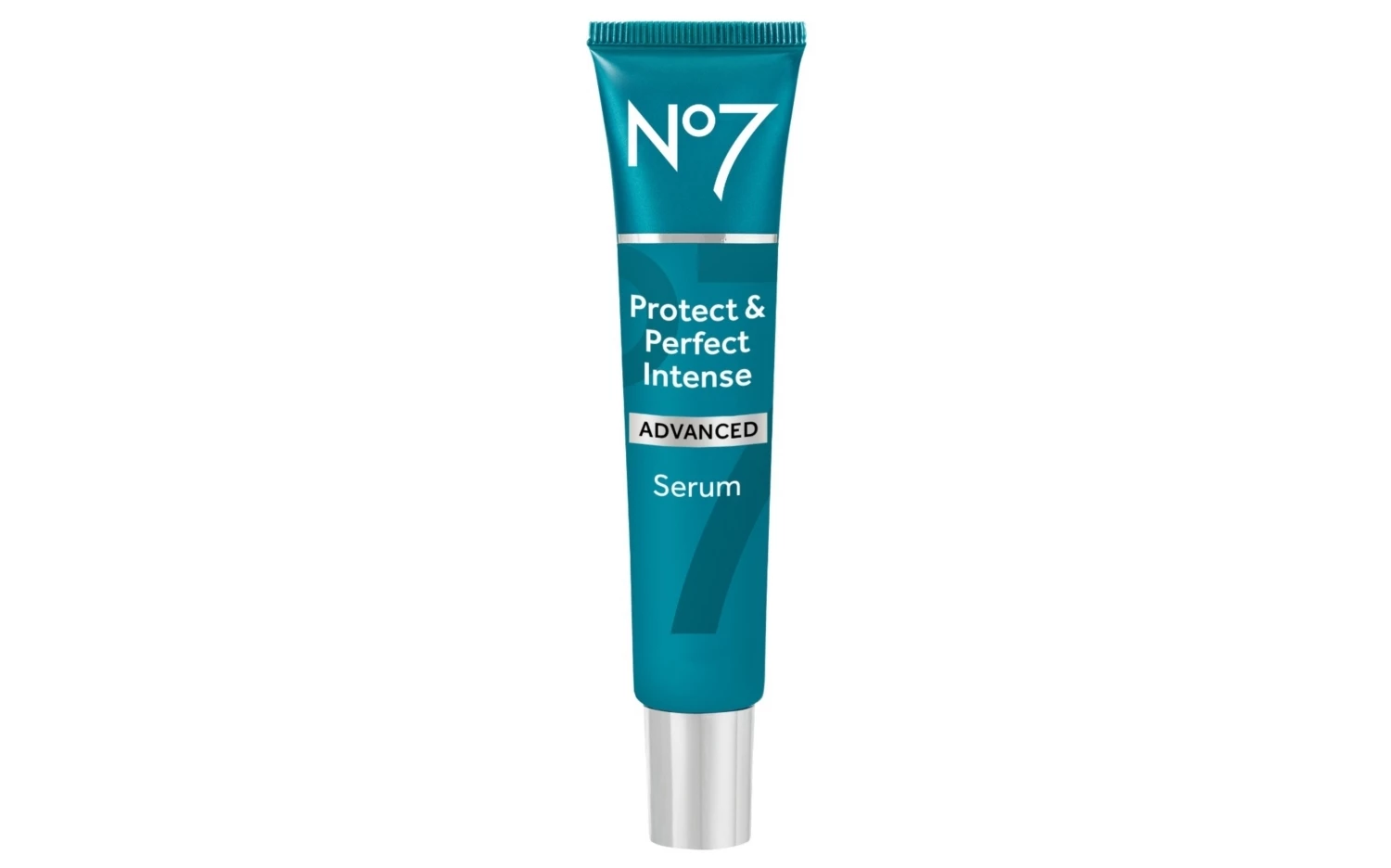
No7
Protect And Perfect Intense Advanced Serum
Vitamin C (Sodium Ascorbyl Phosphate) · Retinyl palmitate · Fragrance-free

Estée Lauder
Revitalizing Supreme+ Sculpting Face Serum 50ml
Vitamin C (Aminopropyl Ascorbyl Phosphate) · Peptides · Contains fragrance

Estée Lauder
Perfectionist Pro Rapid Firm + Lift Serum
Peptides · Vitamin C (Aminopropyl Ascorbyl Phosphate) · Contains fragrance
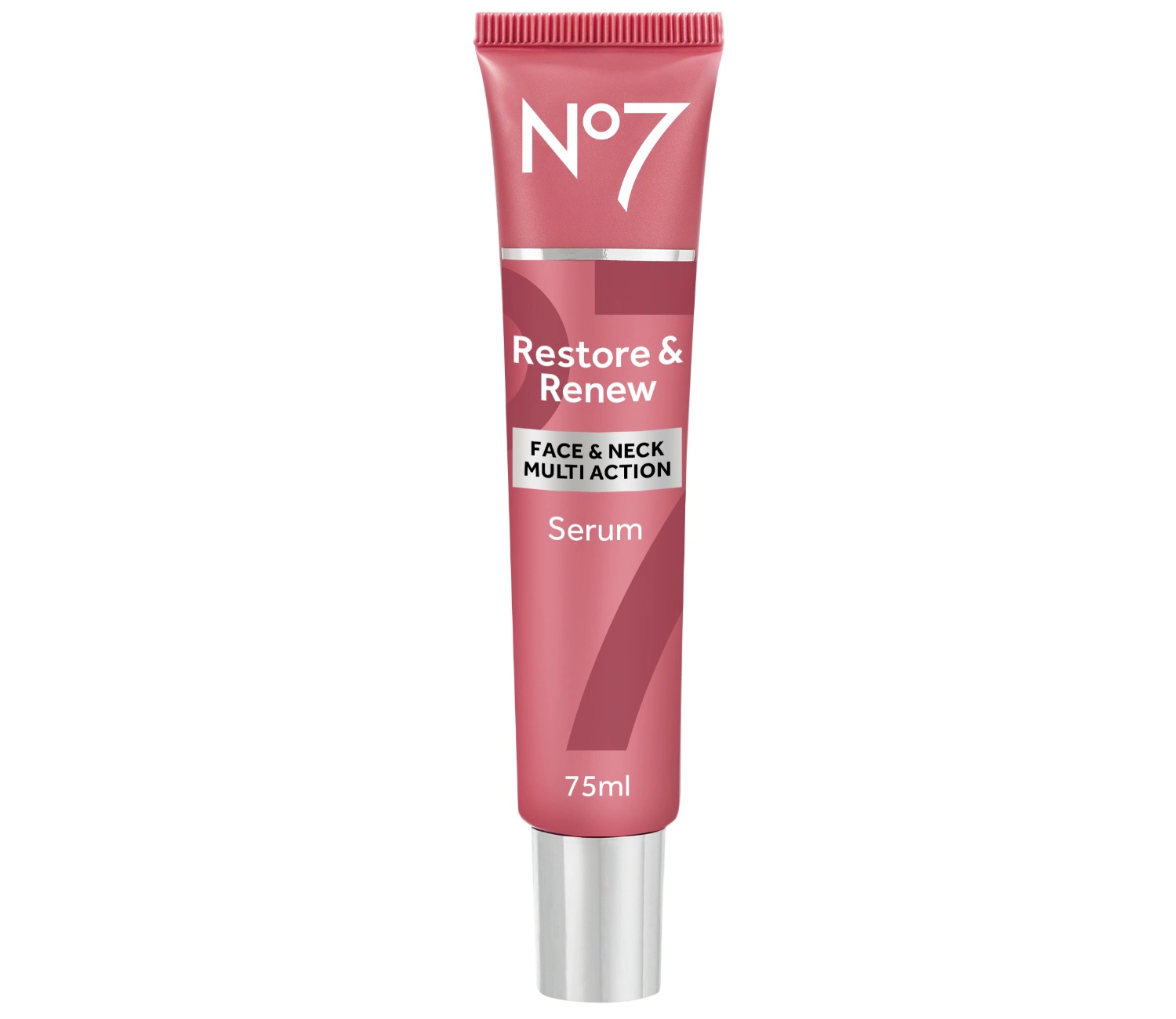
No7
Restore & Renew Multi Action Serum 75ml
Gluconolactone (PHA) · Vitamin C (3-O-Ethyl Ascorbic Acid) · Contains fragrance
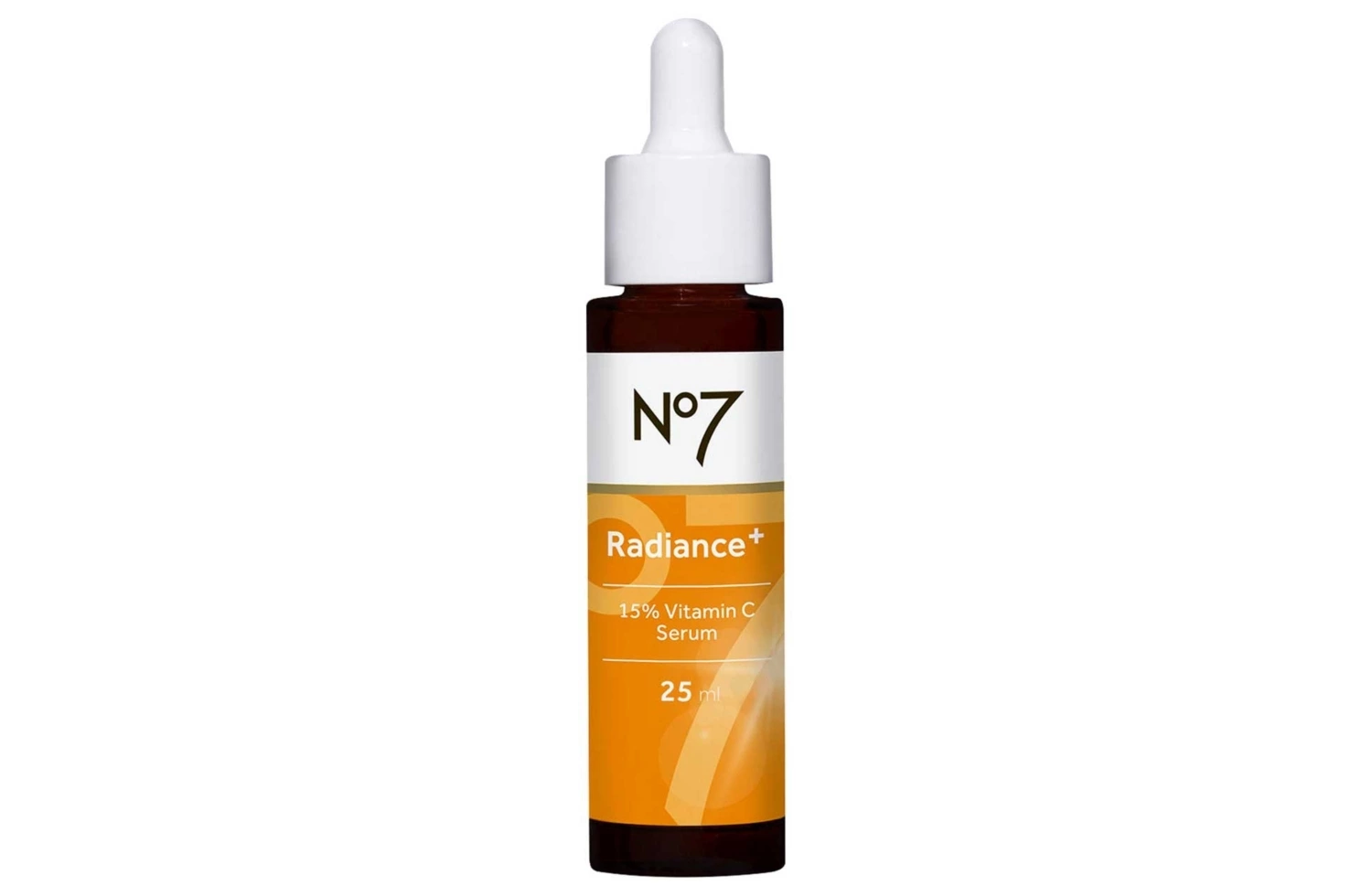
No7
Radiance+ 15% Vitamin C Serum
Vitamin C (Ascorbyl Glucoside) · Hyaluronic Acid · Contains fragrance
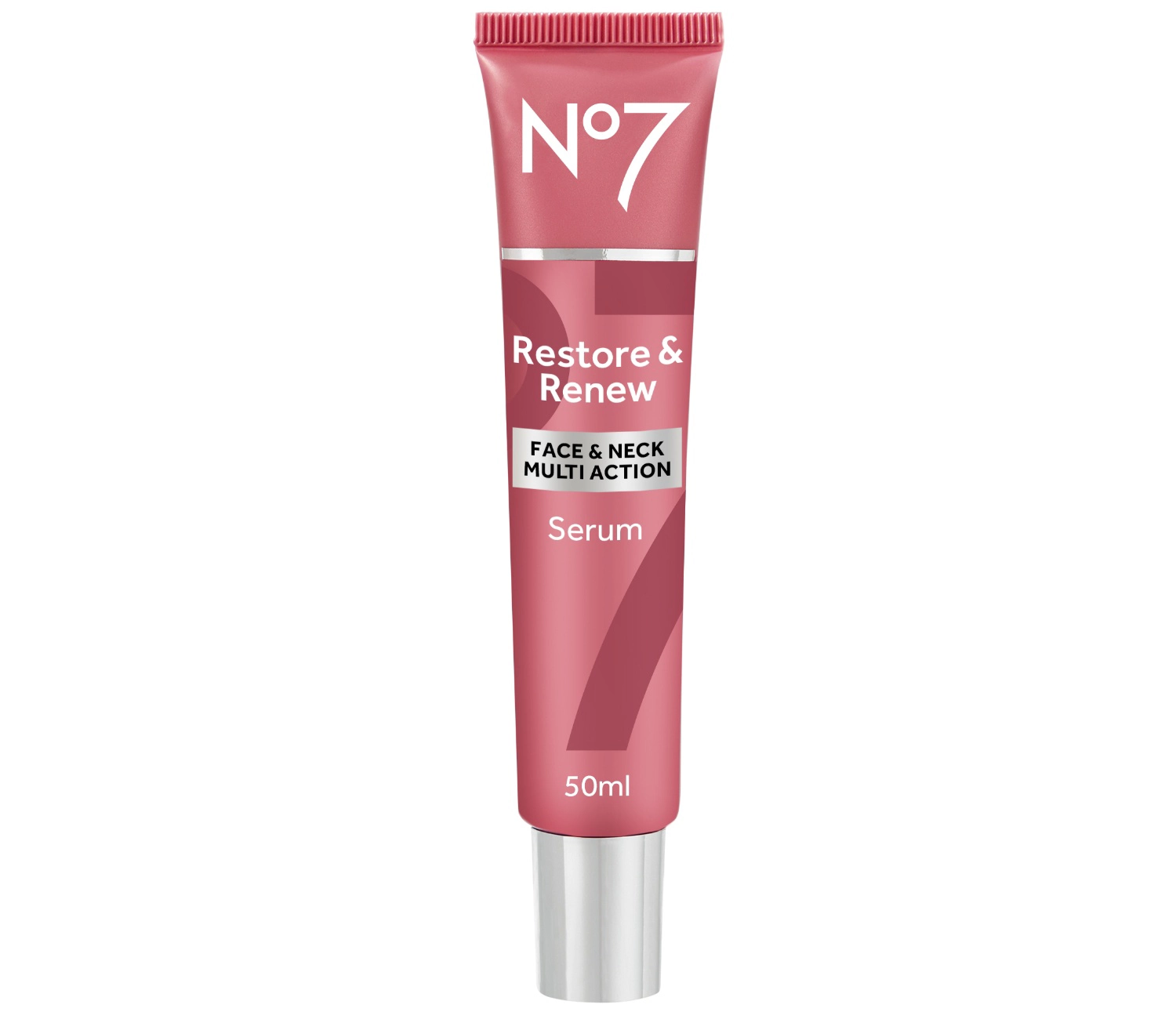
No7
Restore & Renew Face & Neck MULTI ACTION Serum
Gluconolactone (PHA) · Vitamin C (3-O-Ethyl Ascorbic Acid) · Contains fragrance
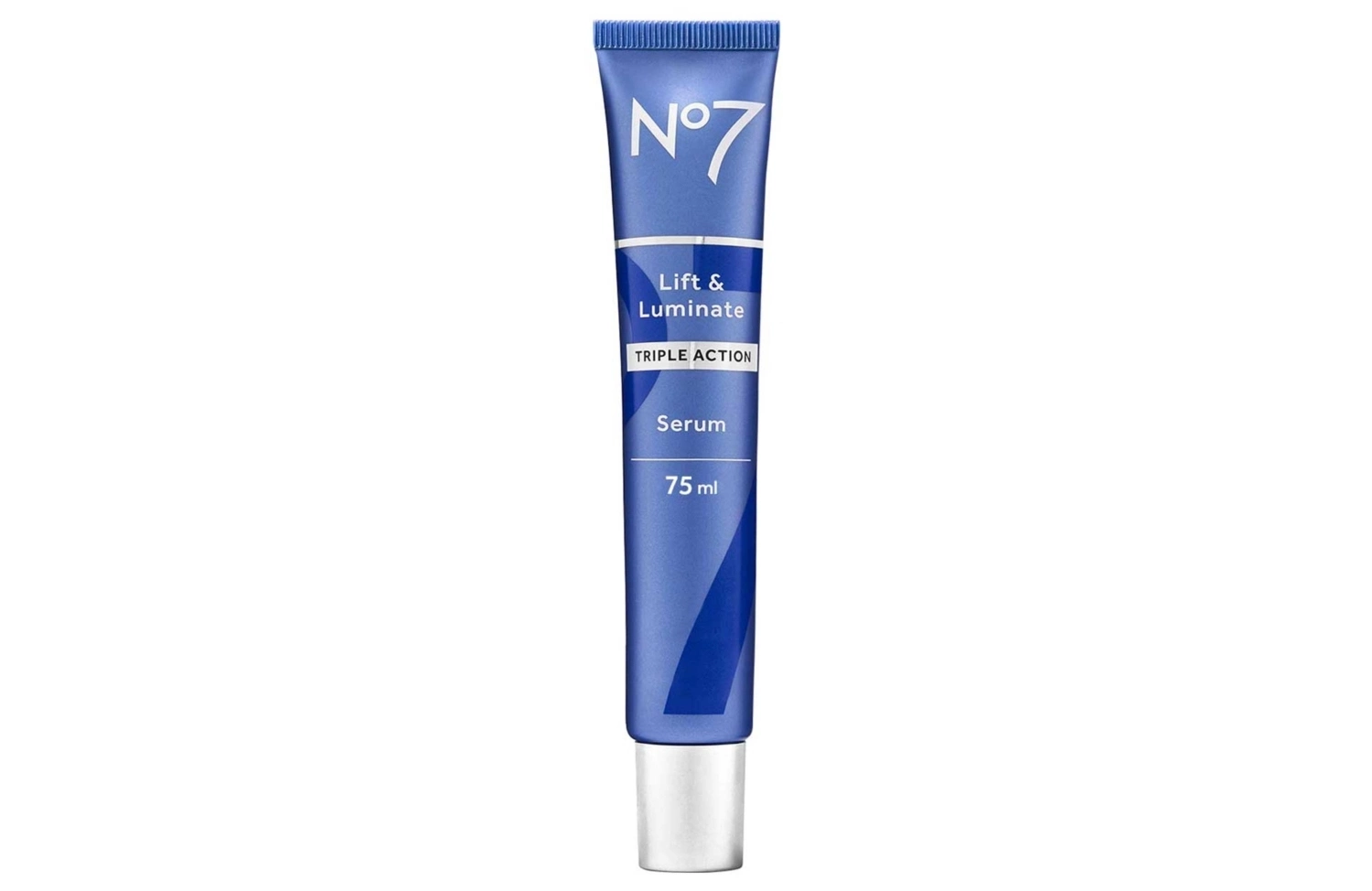
No7
Lift & Luminate Triple Action Serum
Vitamin C (3-O-Ethyl Ascorbic Acid) · Gluconolactone (PHA) · Contains fragrance
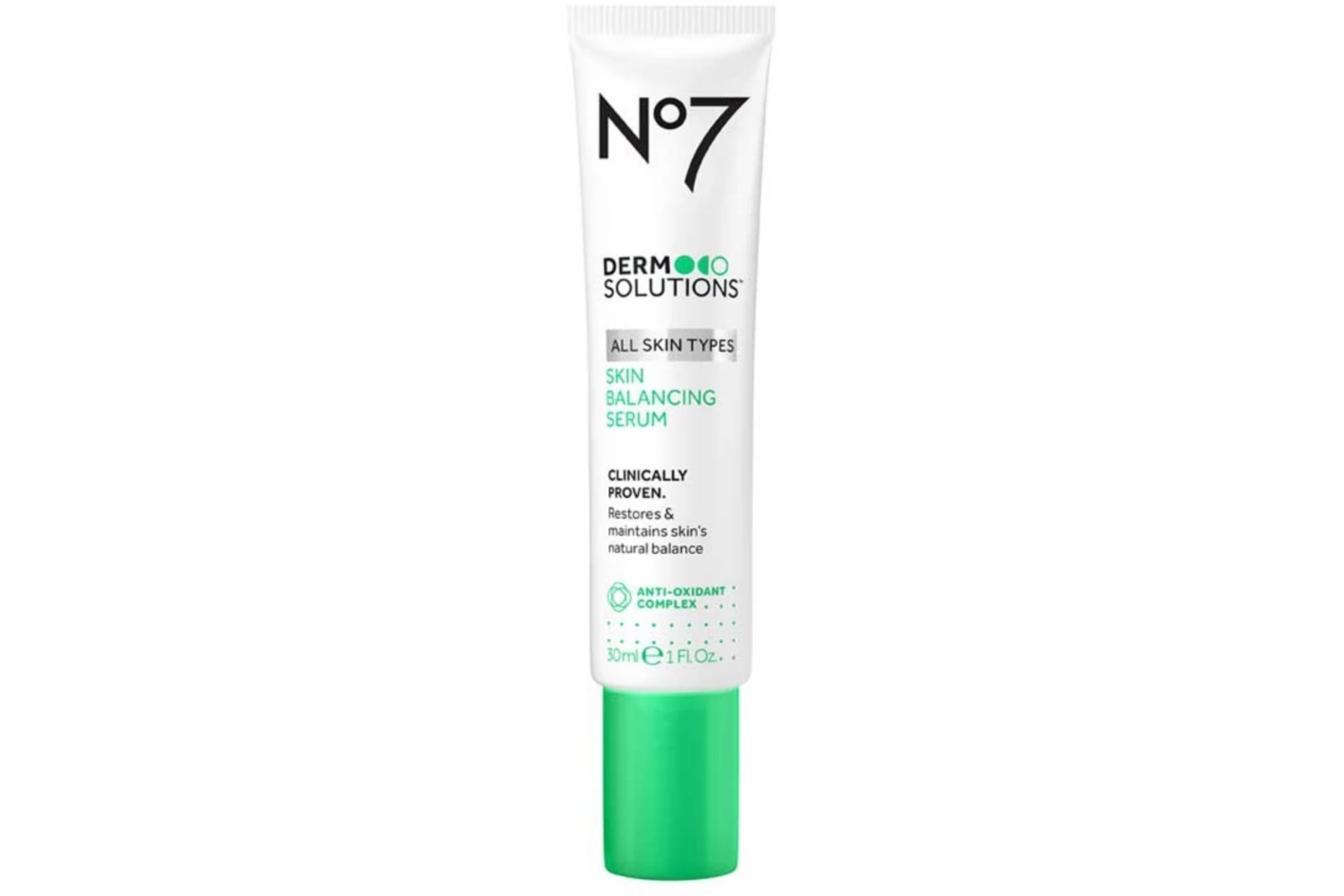
No7
Derm Solutions Skin Balancing Serum Suitable for All Skin Types 30ml
Vitamin C (Ascorbyl Glucoside) · Panthenol (Pro-Vitamin B5) · Contains fragrance
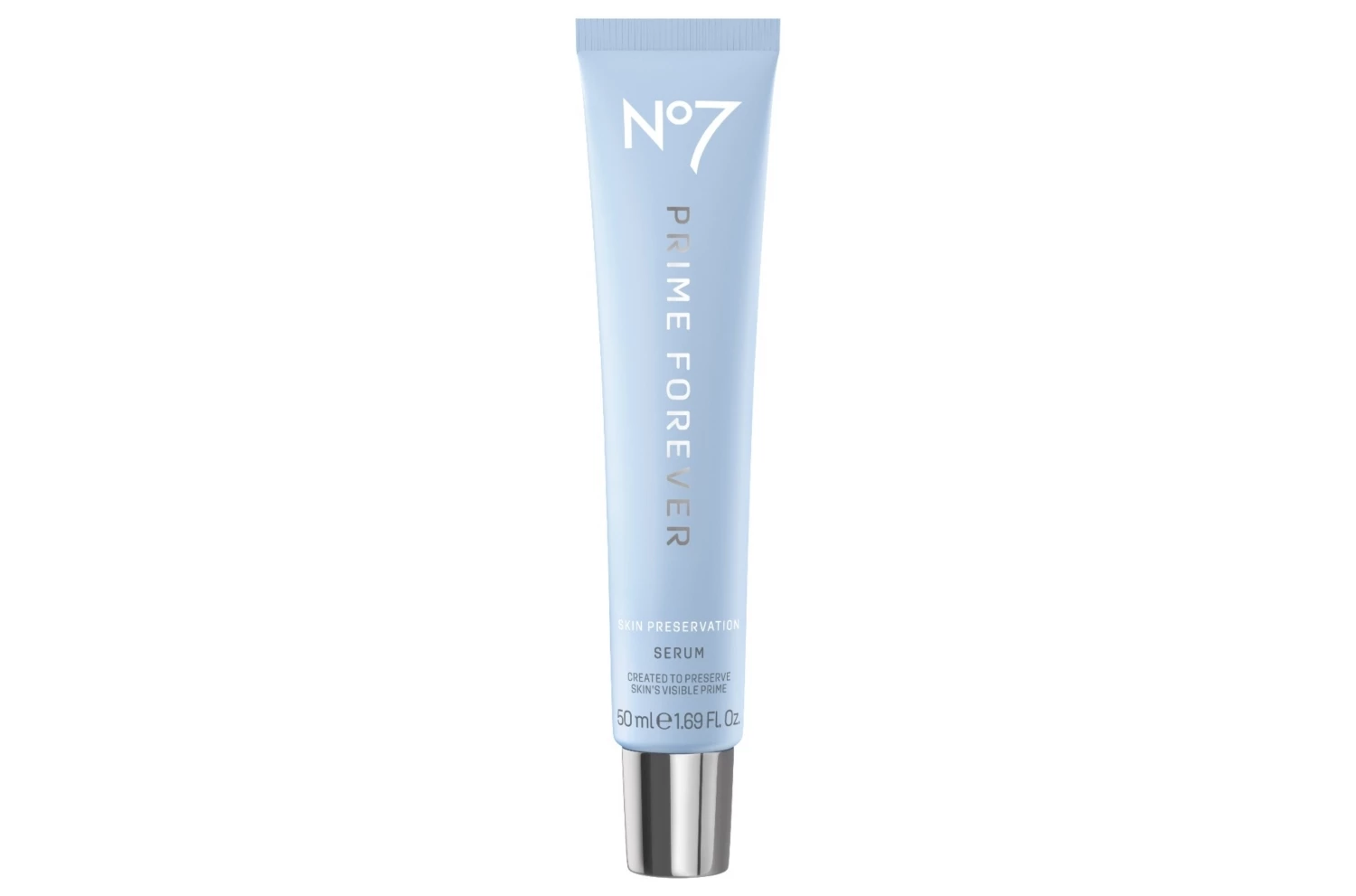
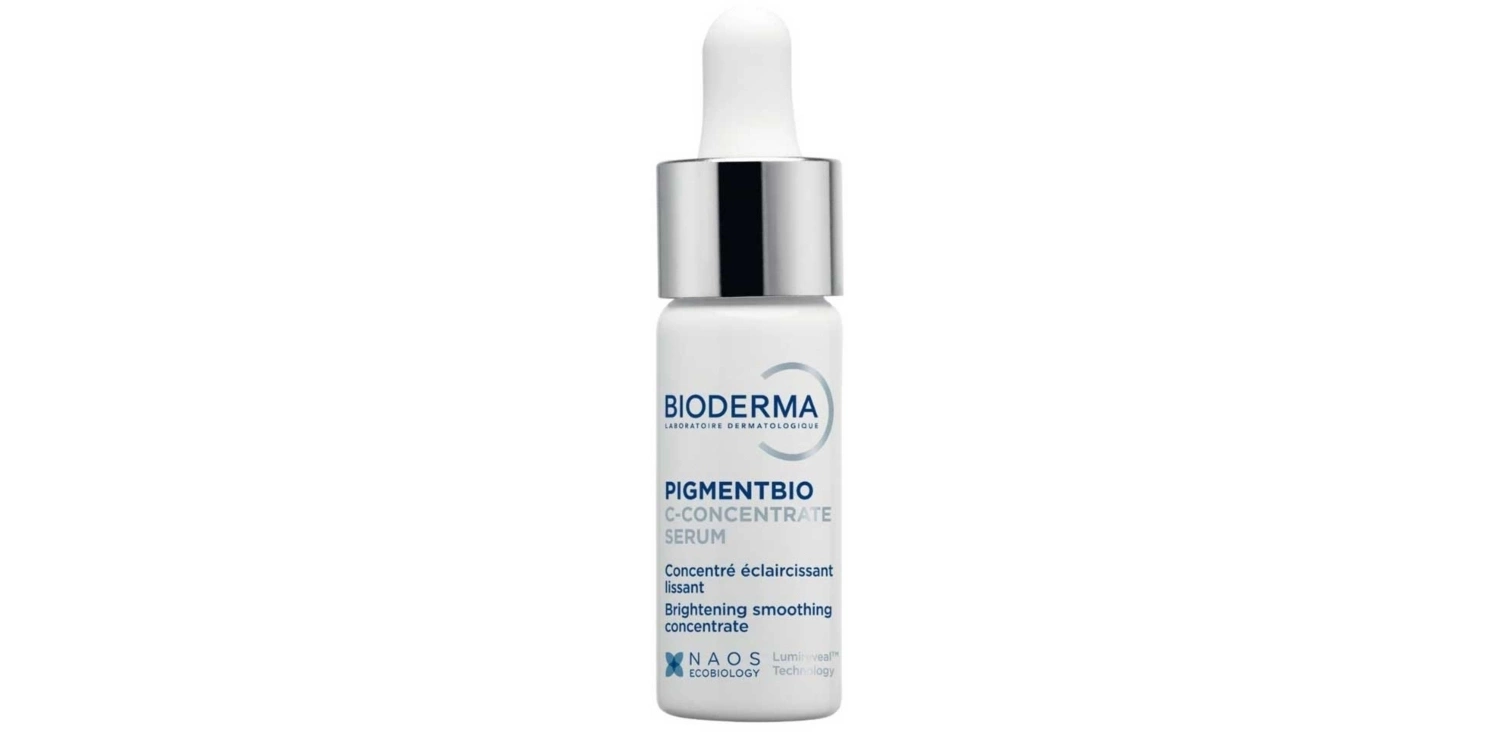
Bioderma
Pigmentbio brightening Vitamin C face serum anti-dark spot 15ML
Glycolic Acid · Vitamin C (Ascorbyl Glucoside) · Contains fragrance
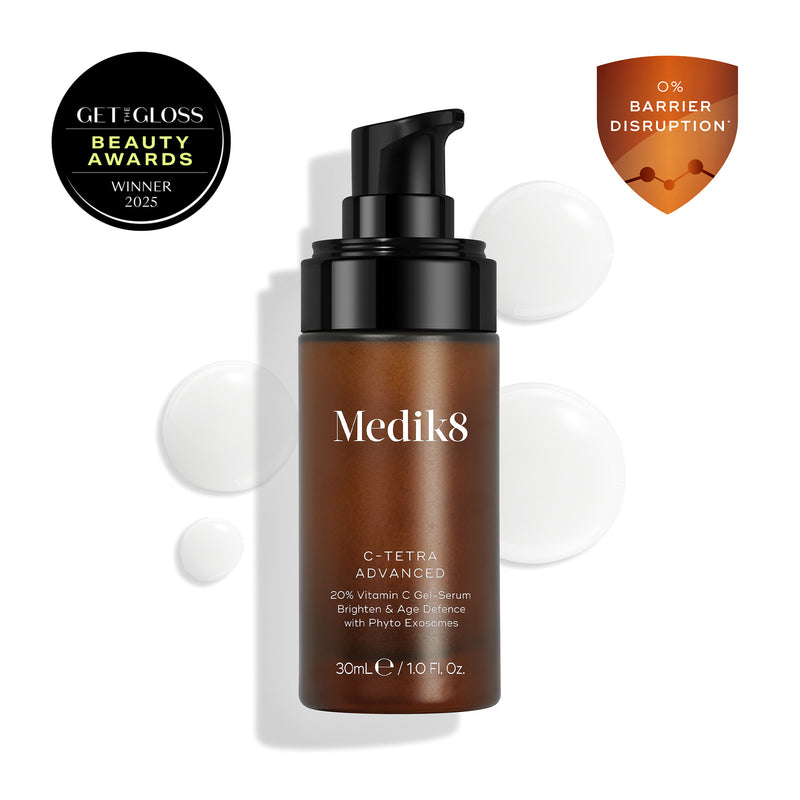

La Roche-Posay
Vitamin C12 Serum Anti-Wrinkle and Radiance Restoring Serum 30ml
Vitamin C (Ascorbic Acid) · Hyaluronic Acid · Contains fragrance · Drying alcohol high in list
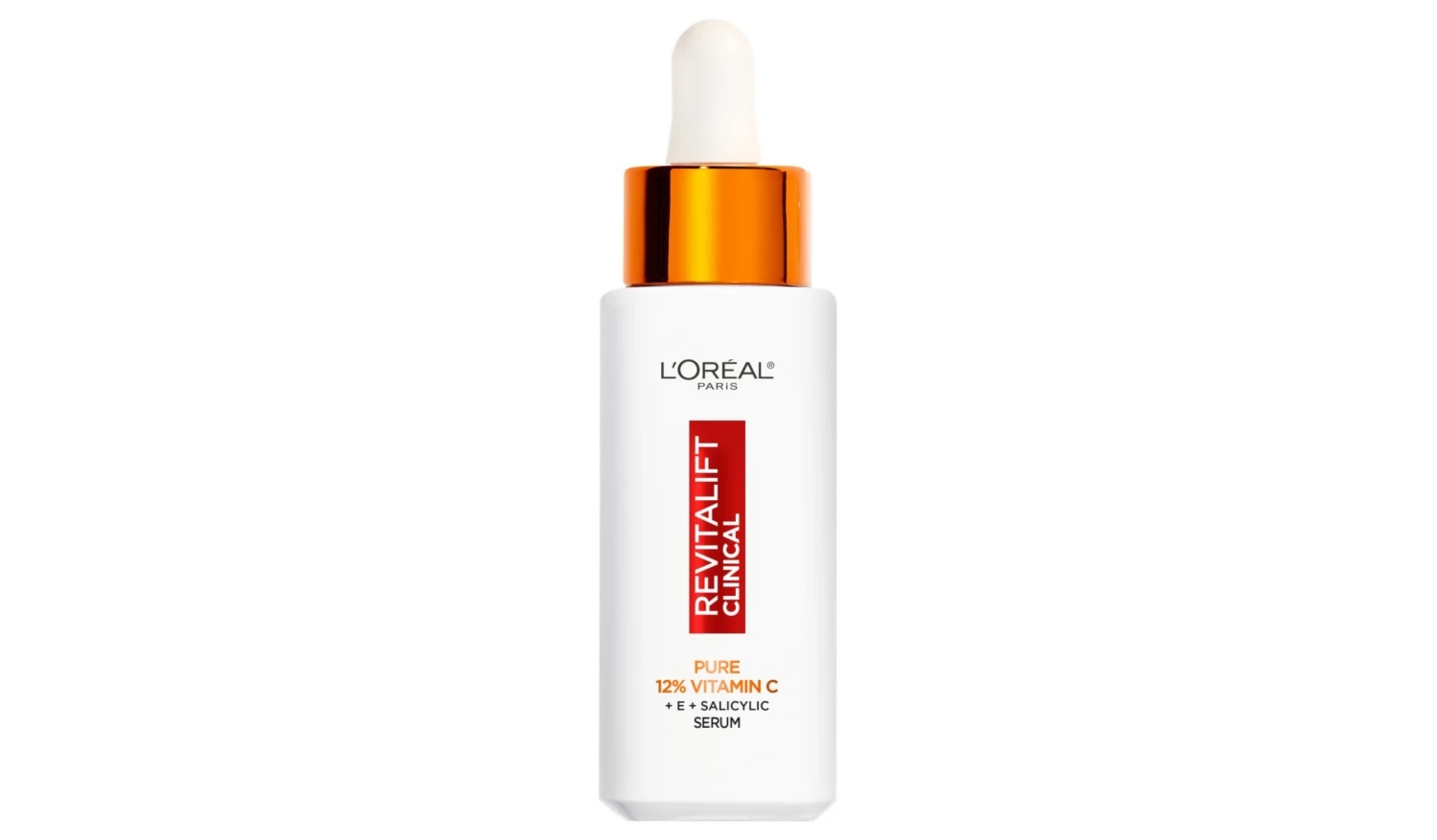
L'Oréal Paris
Revitalift Clinical 12% Pure Vitamin C Brightening Serum for Face, 30ml
Vitamin C (Ascorbic Acid) · Peptides · Contains fragrance · Drying alcohol high in list
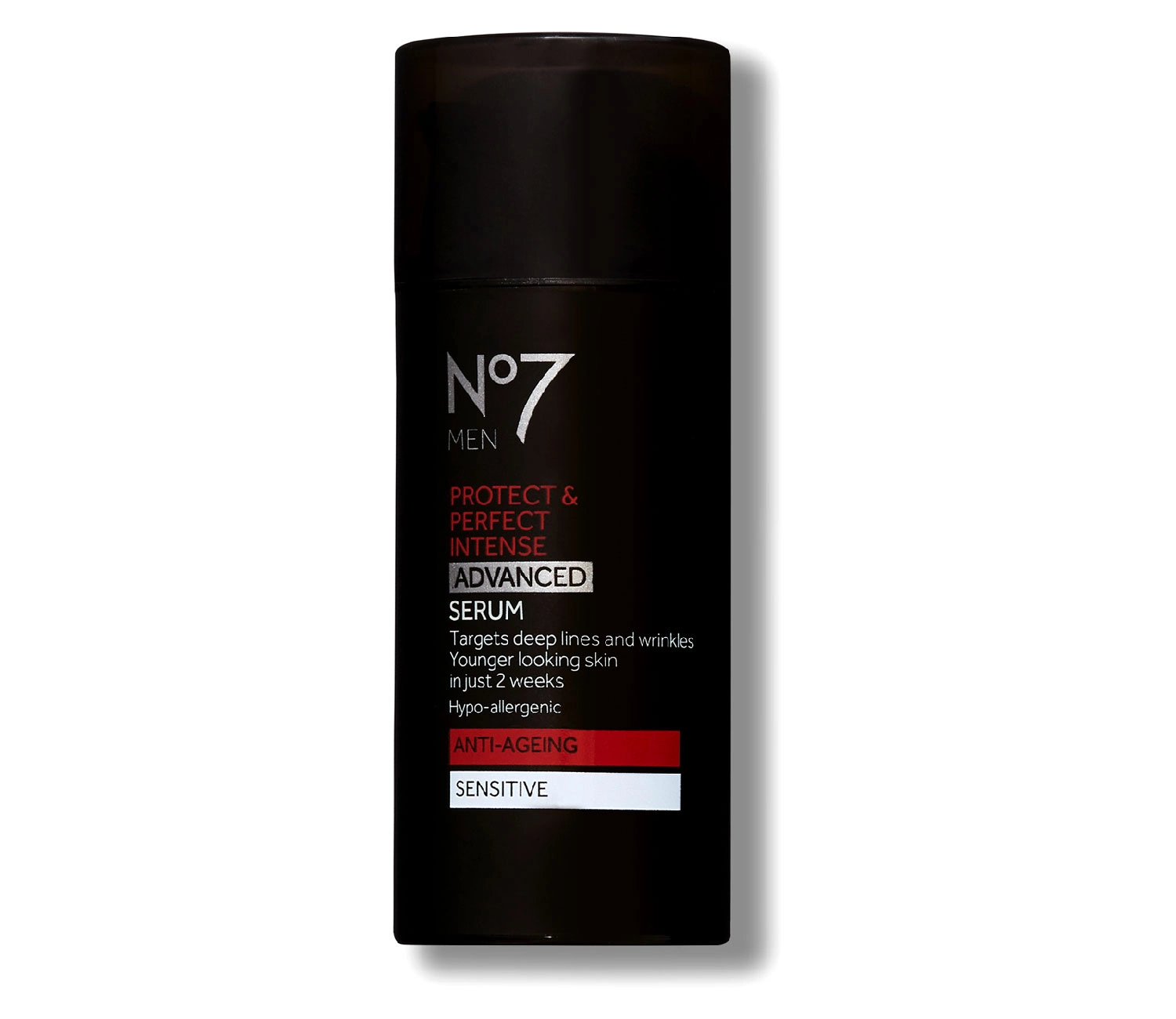
No7
Men Protect & Perfect Intense ADVANCED Serum 30ml
Vitamin C (Sodium Ascorbyl Phosphate) · Retinyl palmitate · Fragrance-free
Retinol and retinoid serums
For fine lines, texture and breakouts. Night use only, built up slowly.
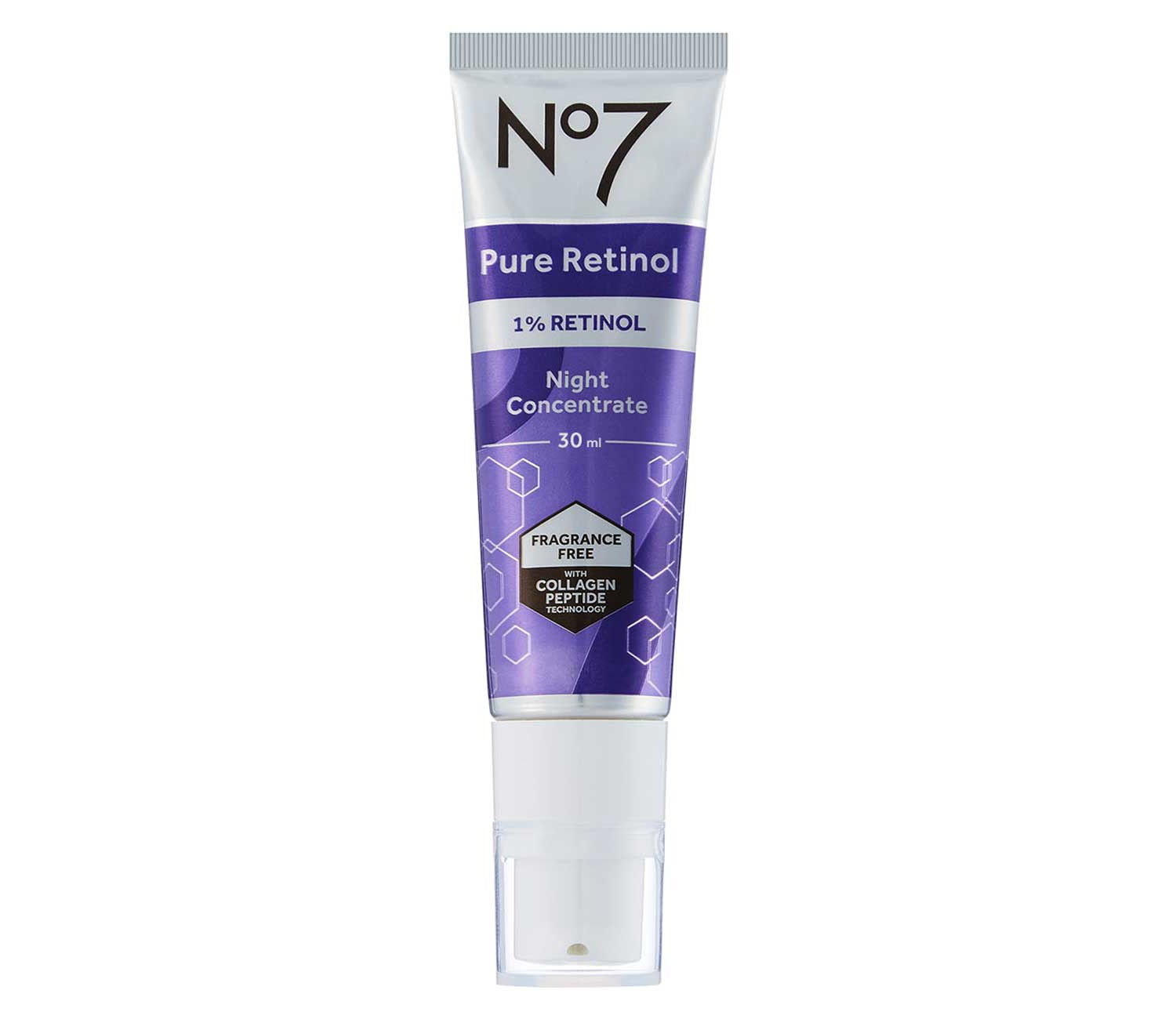
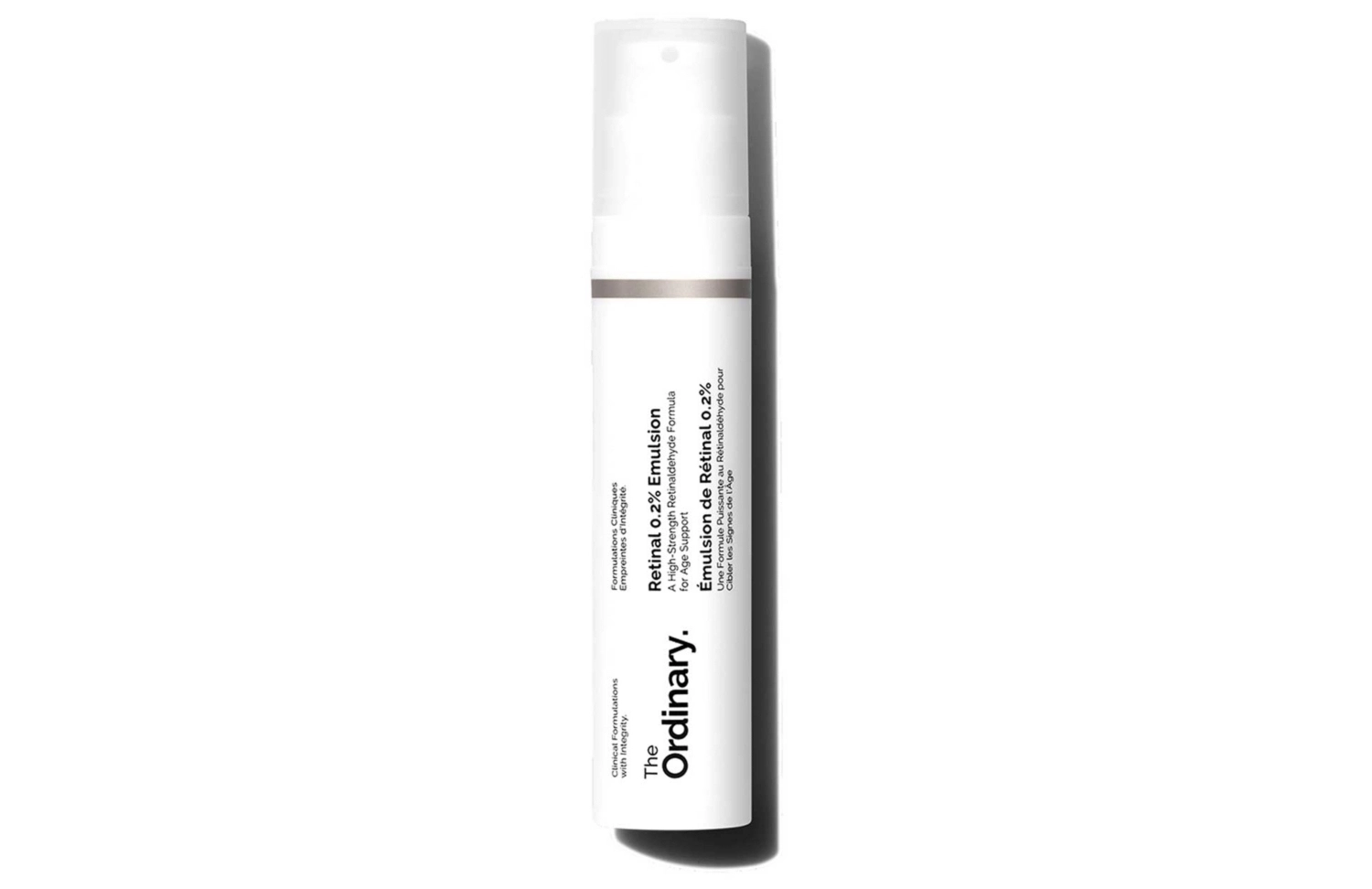
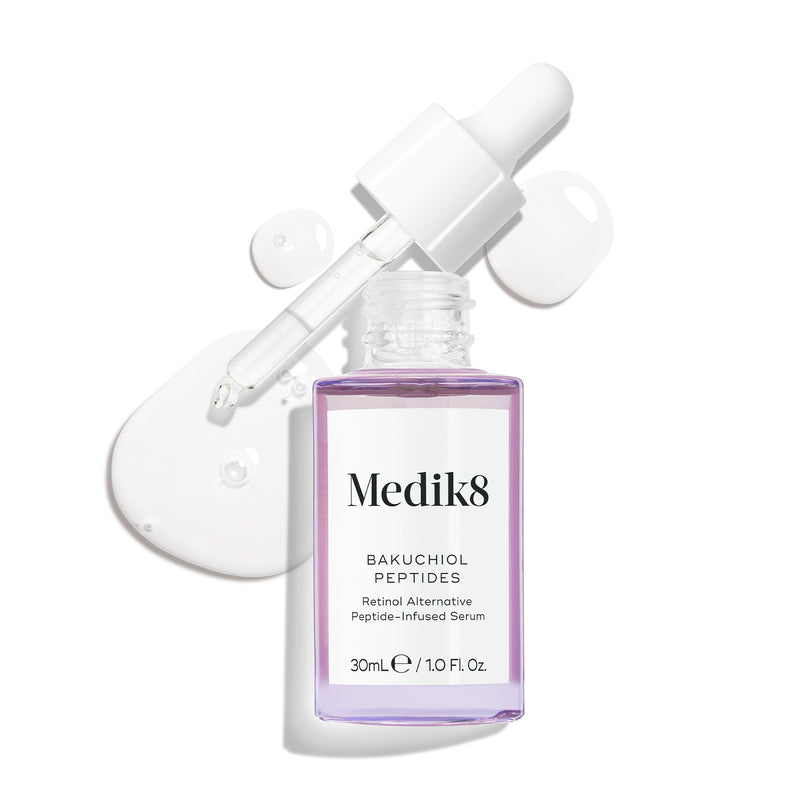
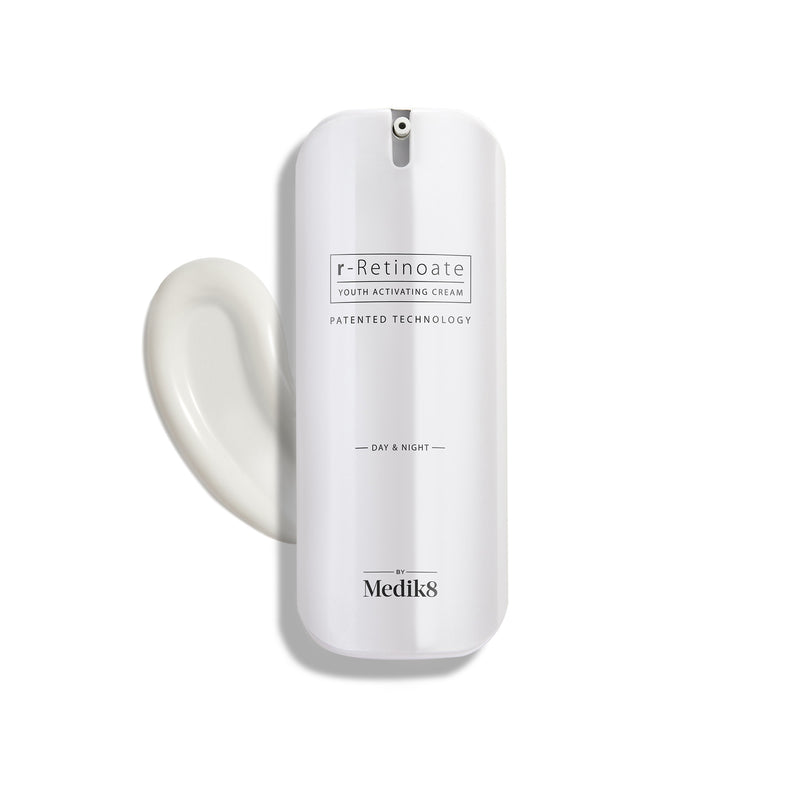
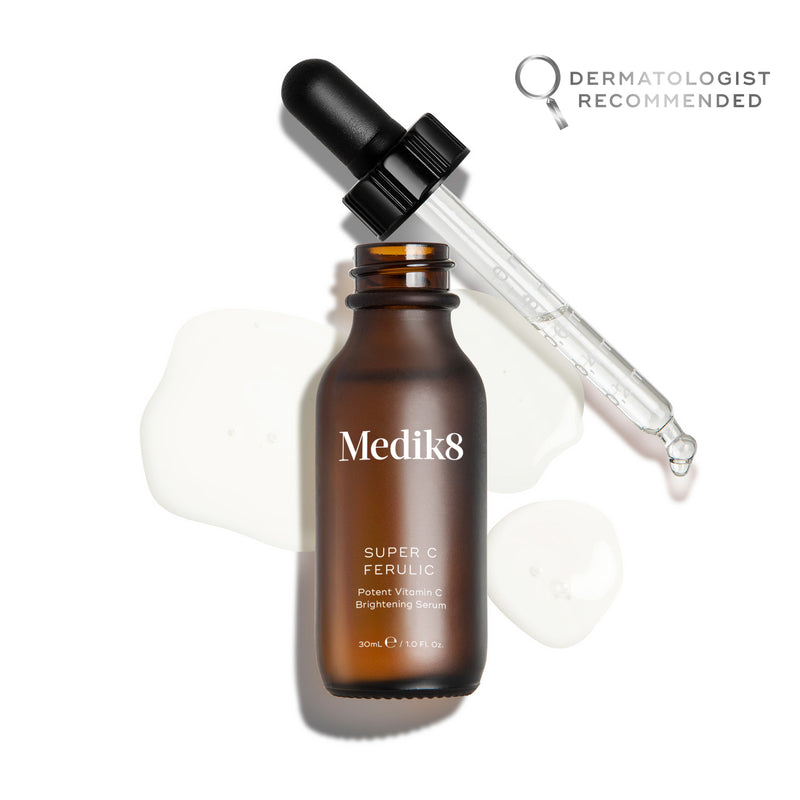
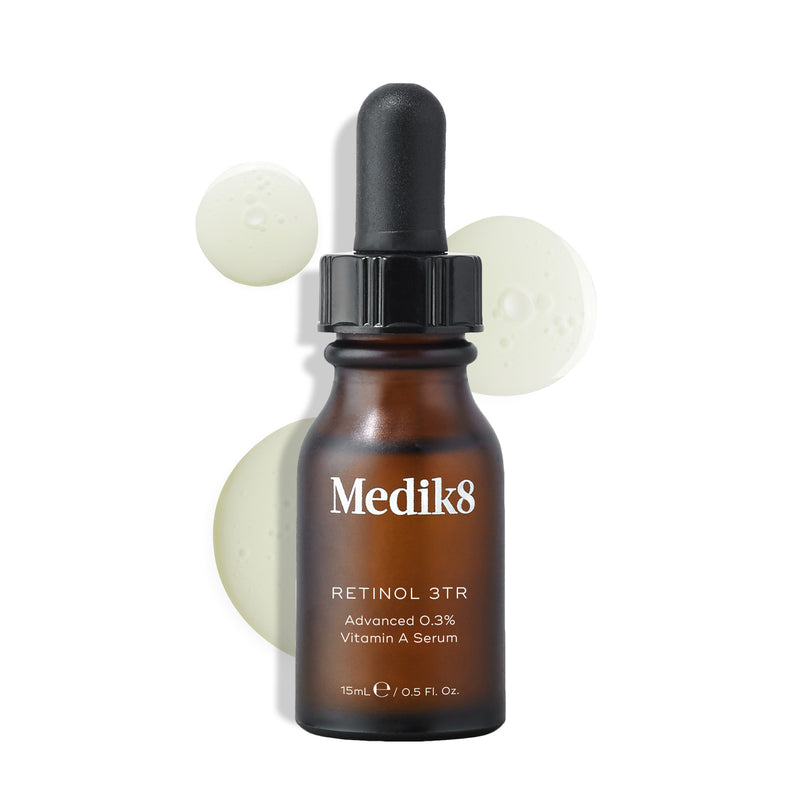
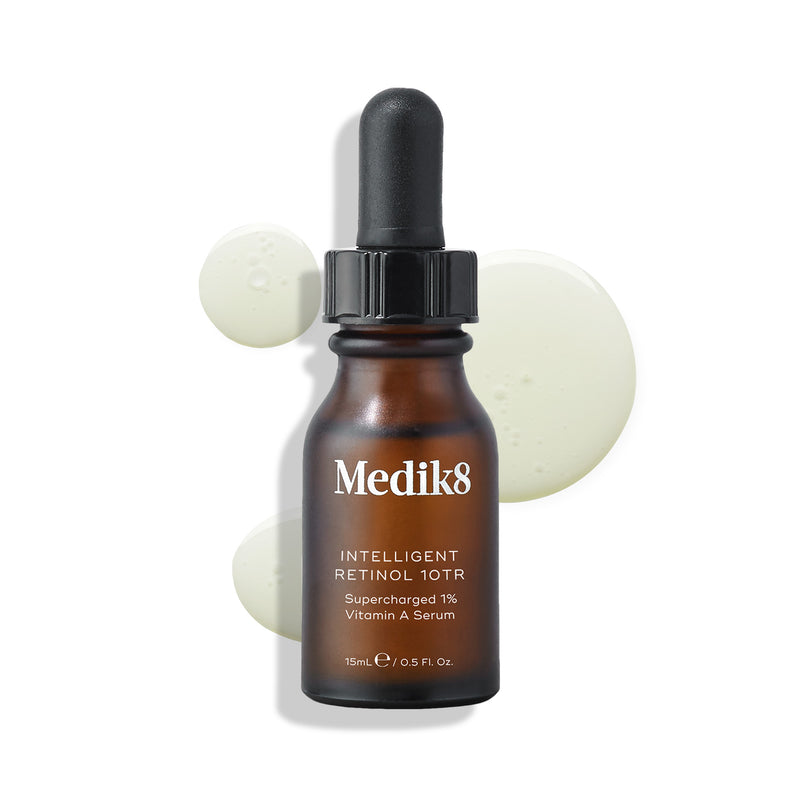
Medik8
r-Retinoate Day & Night
Hyaluronic Acid · Vitamin C (Tetrahexyldecyl Ascorbate & 3-O-Ethyl Ascorbic Acid) · Fragrance-free
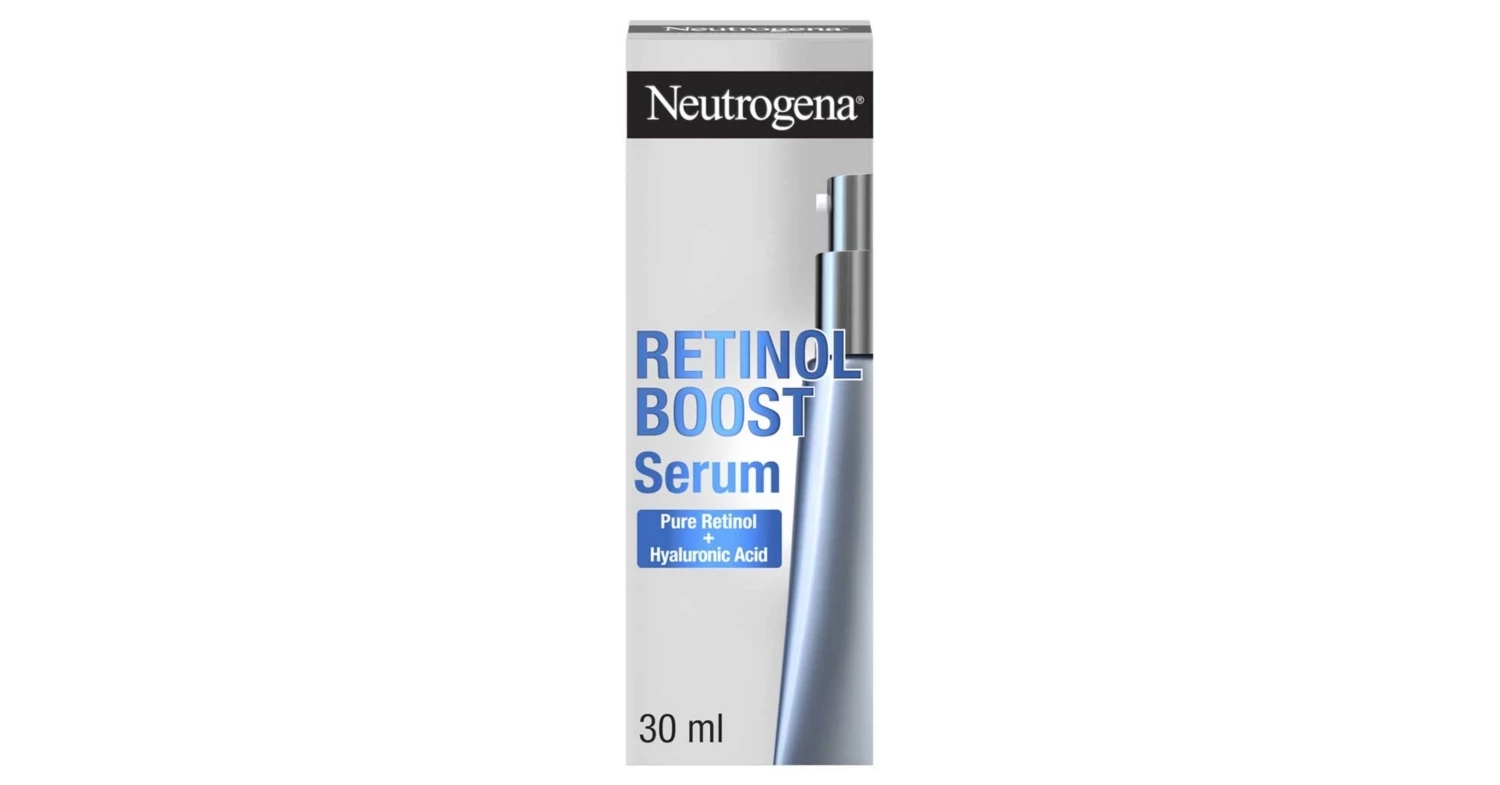
Neutrogena
Retinol Boost Serum 30ml
Vitamin C (Ascorbyl Glucoside & Ascorbic Acid) · Retinol · Contains fragrance
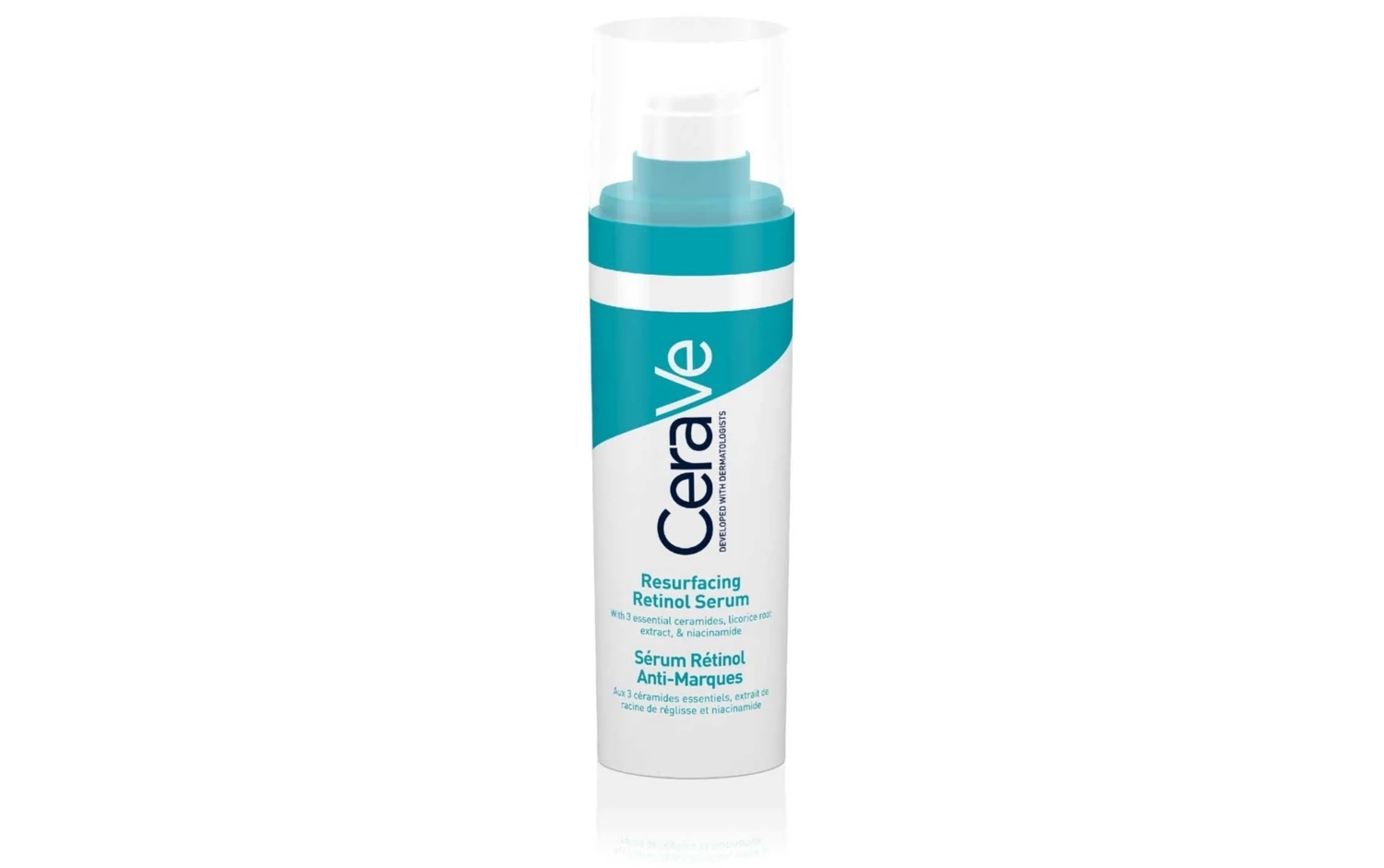
CeraVe
Resurfacing Retinol Face Serum with Ceramides & Niacinamide for Blemish-Prone Skin 30ml
Niacinamide · Licorice Extract · Fragrance-free
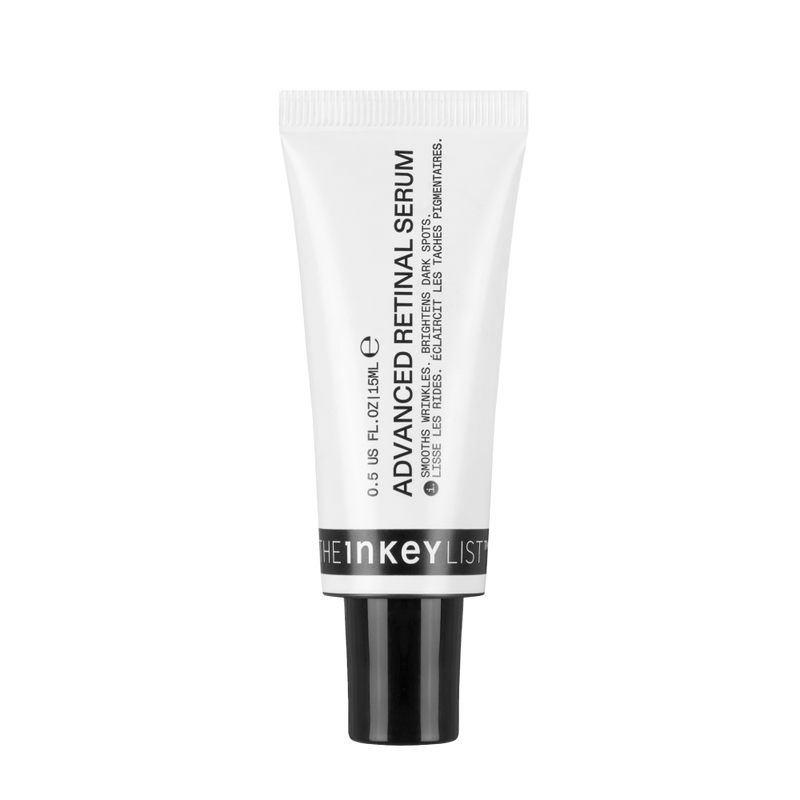
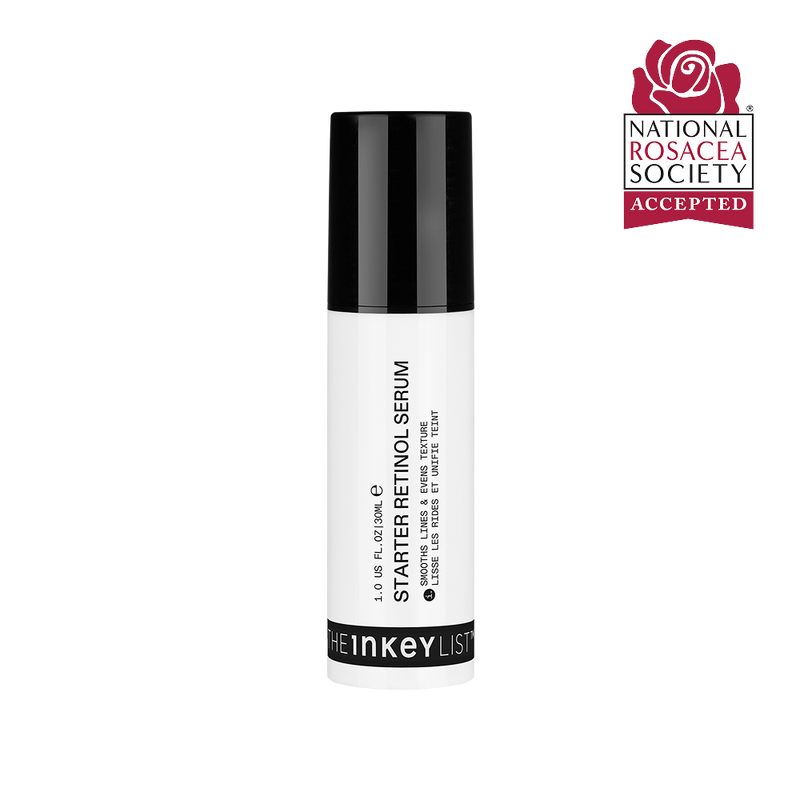
The INKEY List
Starter Retinol Serum
Hydroxypinacolone Retinoate & Retinal · Squalane · Fragrance-free
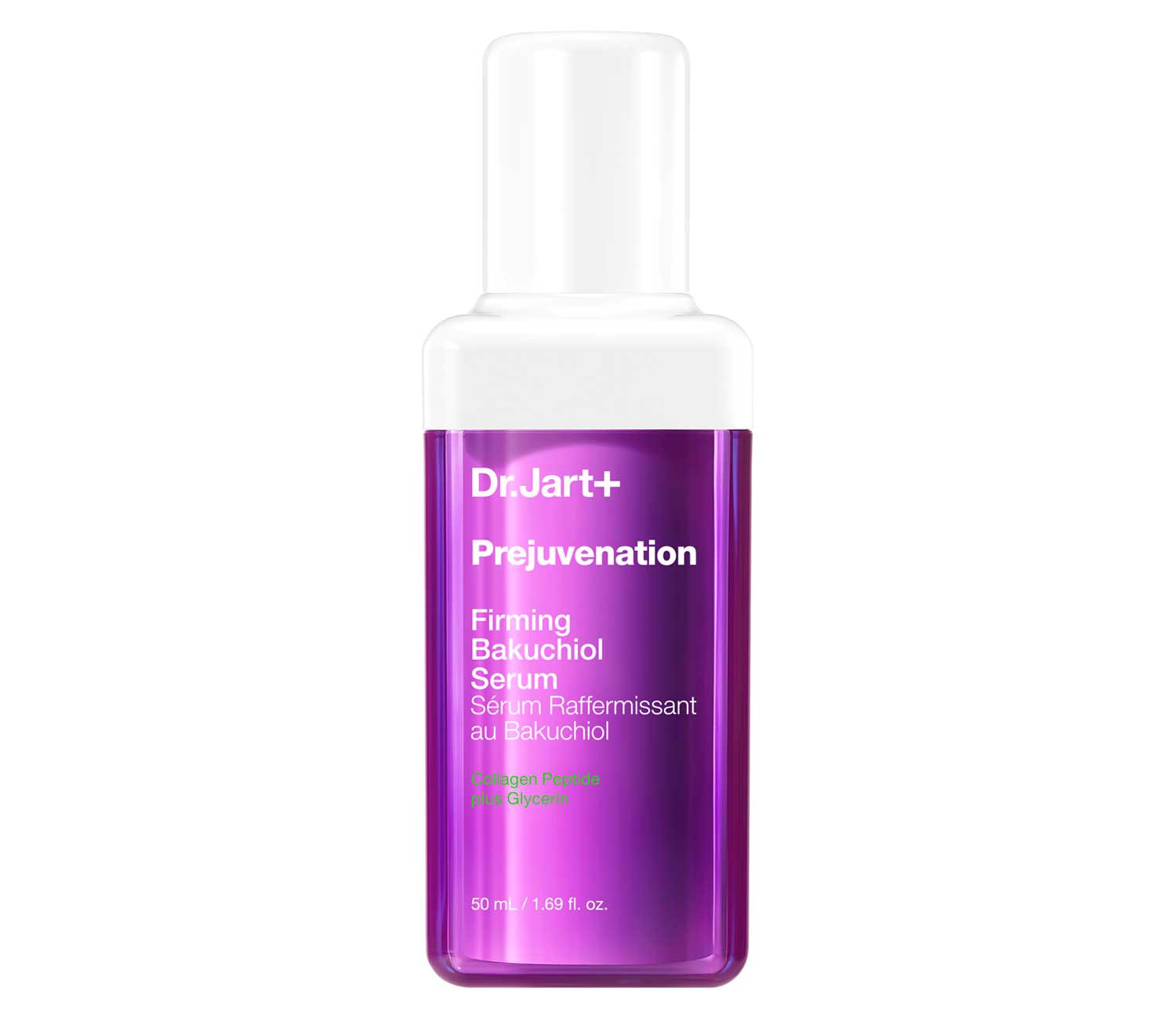
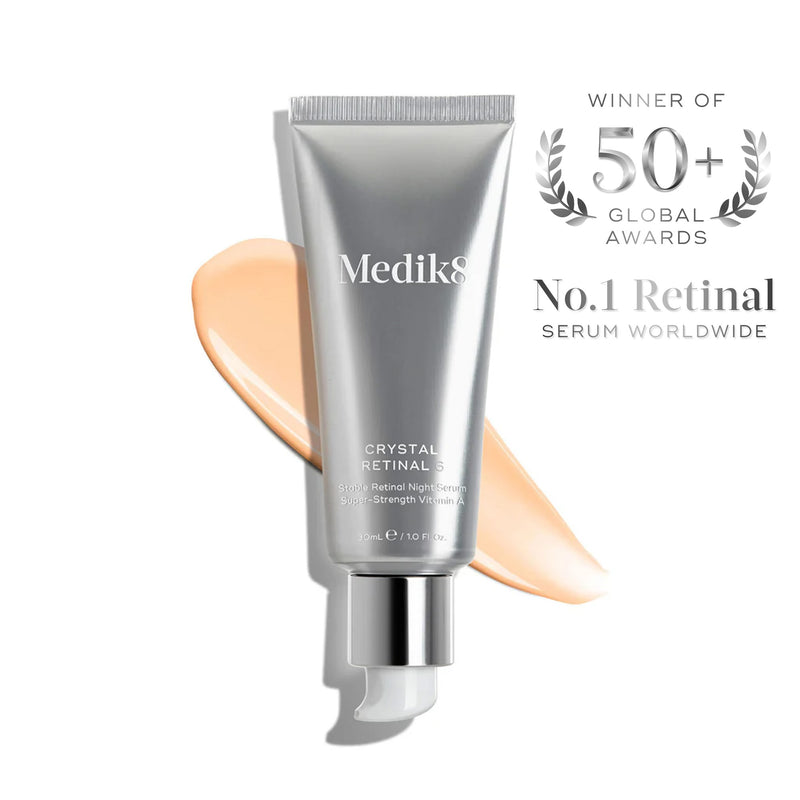
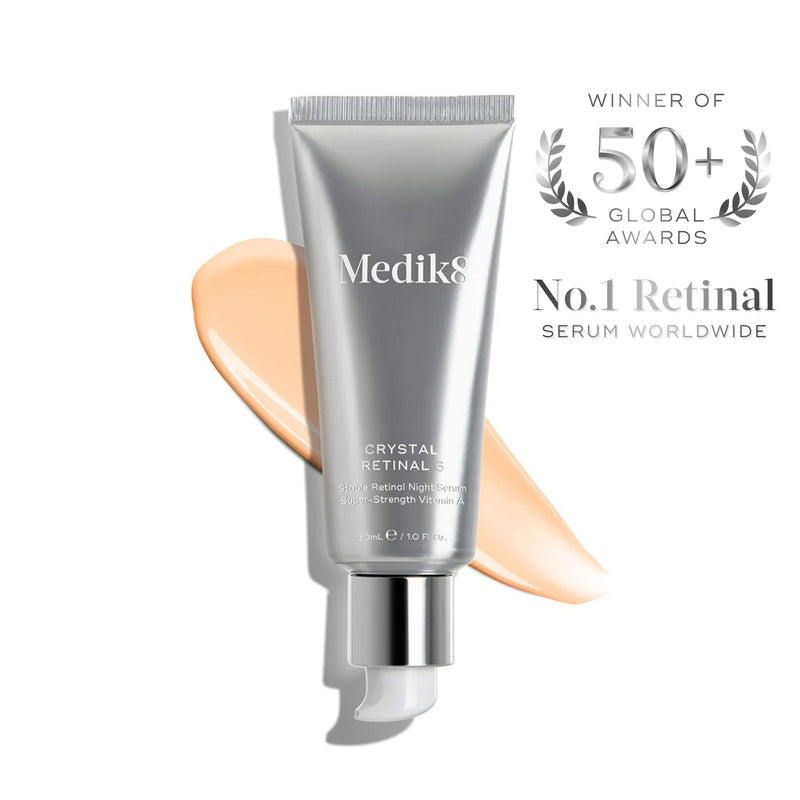
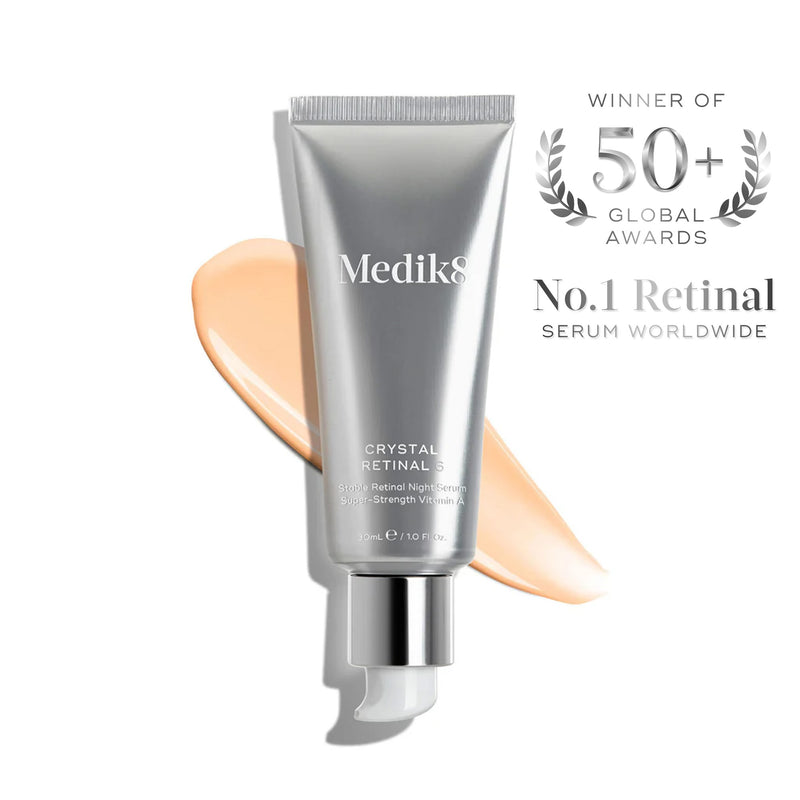
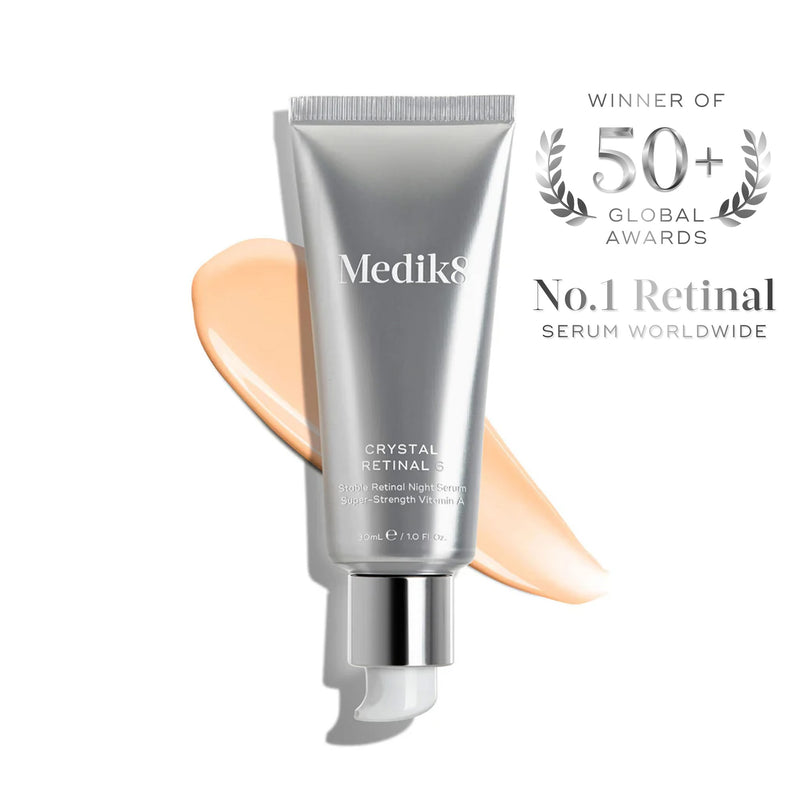
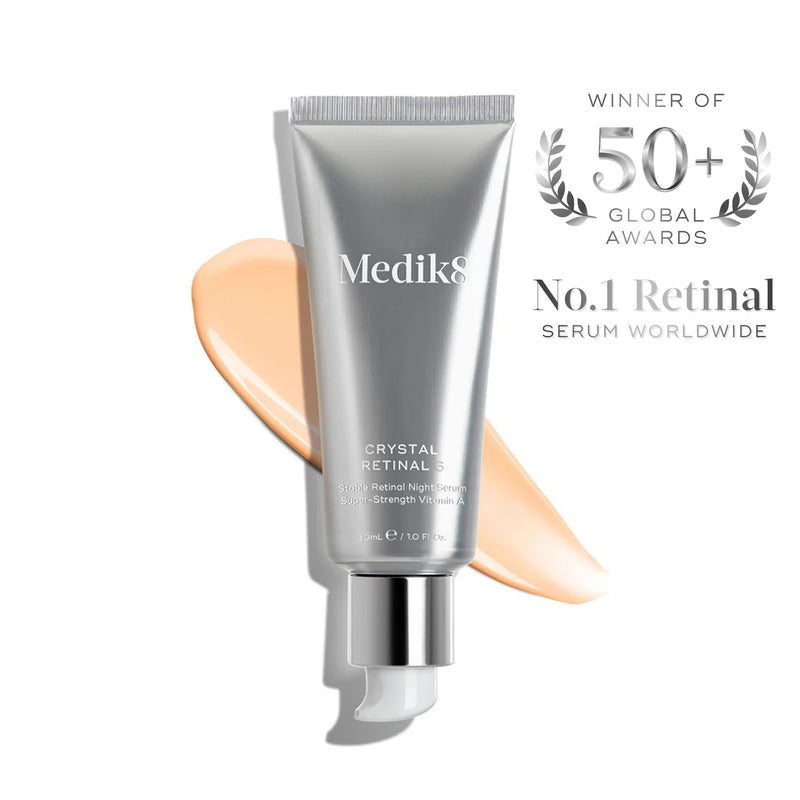
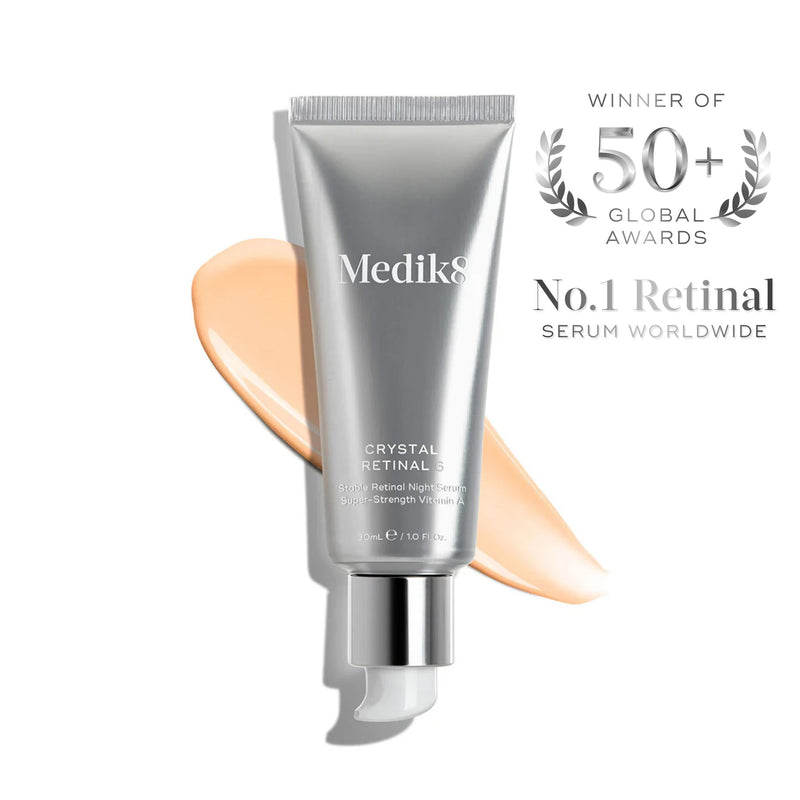
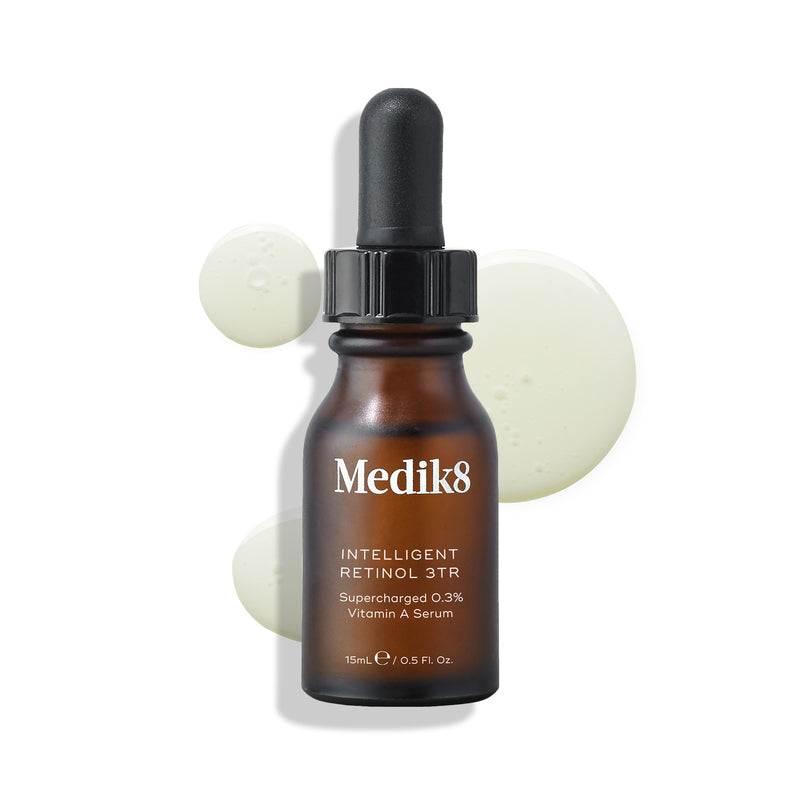
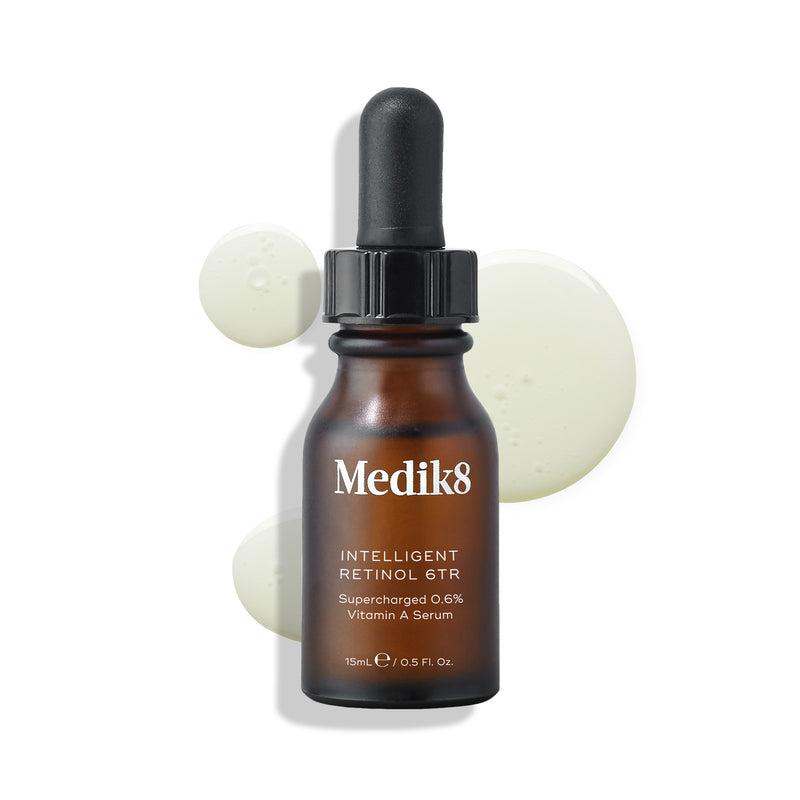
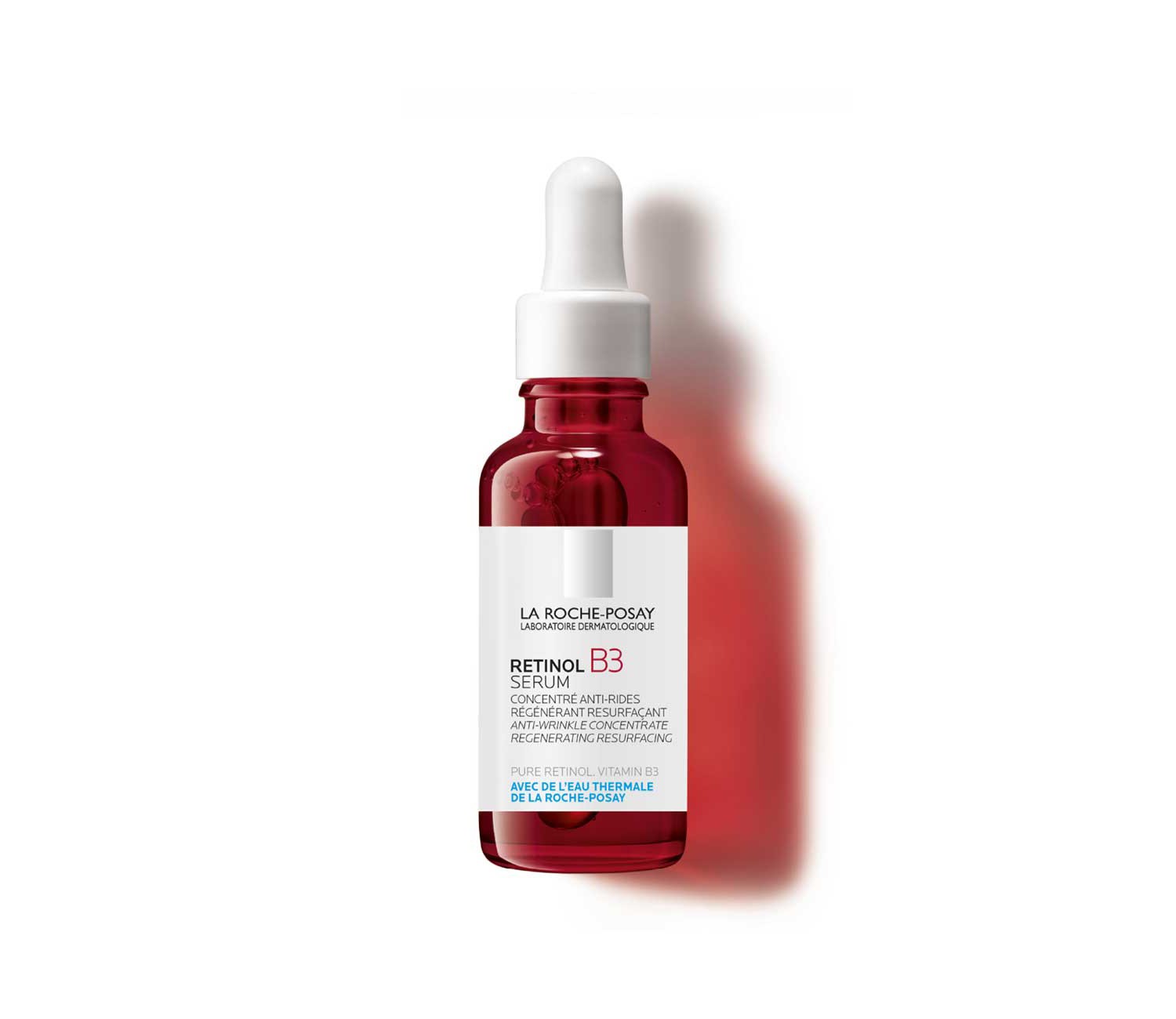
La Roche-Posay
Retinol B3 Anti-wrinkle Anti-Ageing Serum With Retinol And Vitamin B3 Suitable For Sensitive Skin 30ml
Niacinamide · Retinol & Retinyl palmitate · Contains fragrance · Drying alcohol high in list

L'Oréal Paris
Revitalift Laser Pure Retinol Night Serum - Anti-Wrinkle Face Serum, 30ml
Retinol · Hyaluronic Acid · Contains fragrance · Drying alcohol high in list
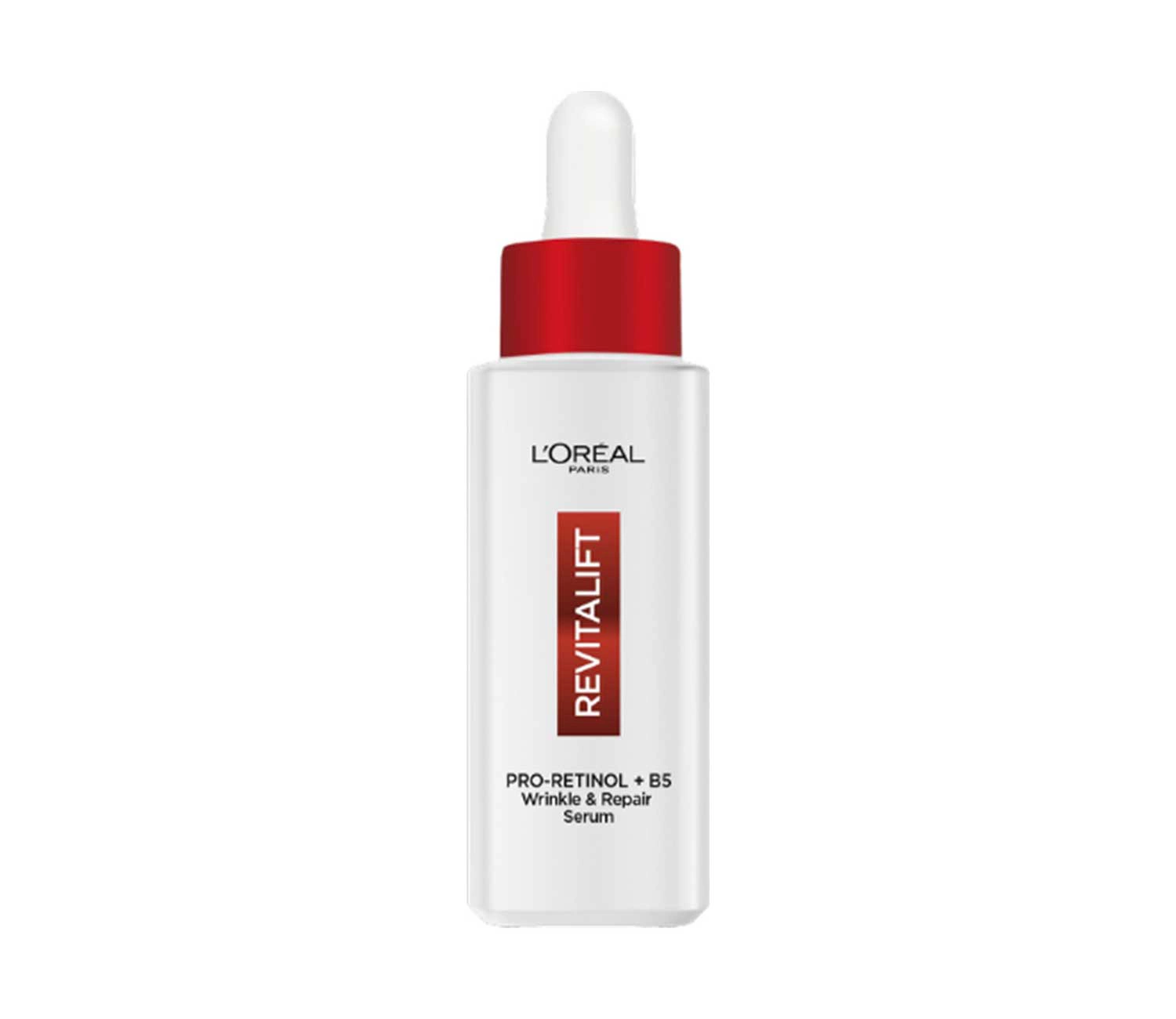
L'Oréal Paris
Revitalift Hydrating Smoothing Serum, with Pro Retinol - Anti-Wrinkle & Firming, 30ml
Ferment & Yeast Extracts · Peptides · Contains fragrance · Drying alcohol high in list
Niacinamide serums
For oil, enlarged-looking pores, redness and uneven tone.

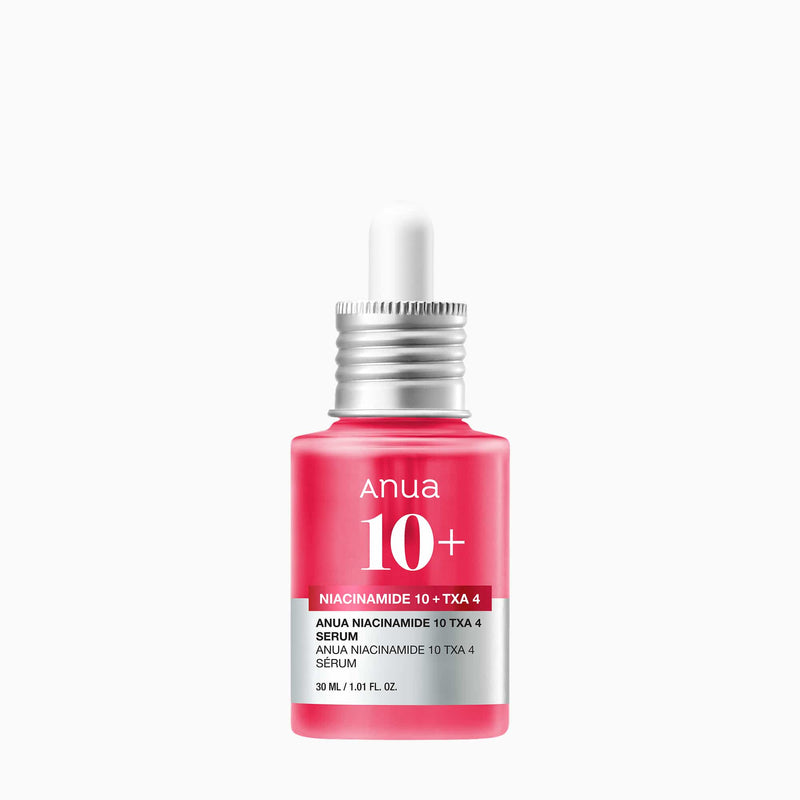
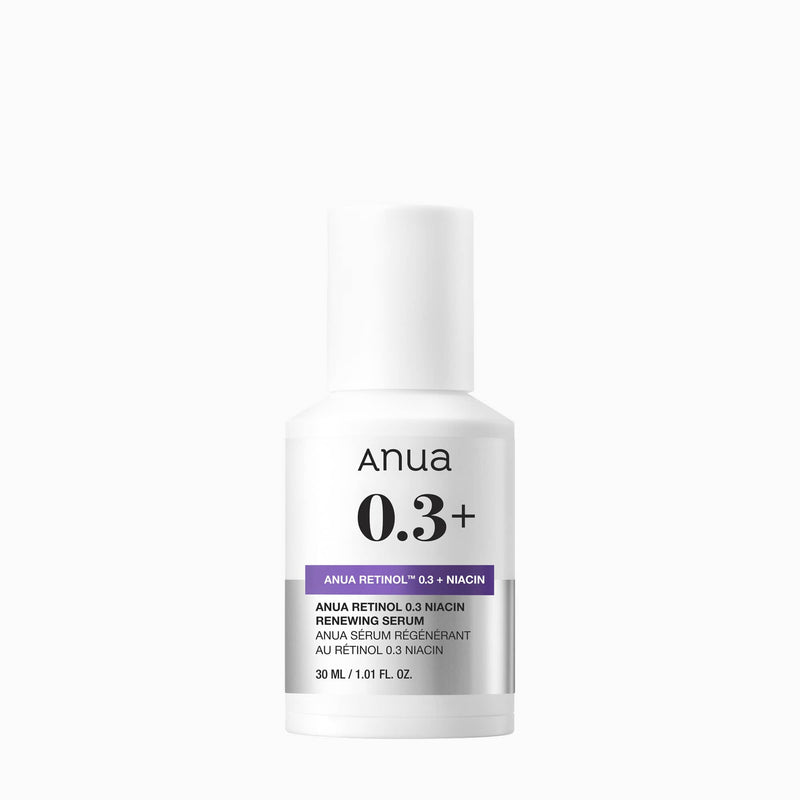
Anua
Niacinamide 10 TXA 4 Serum for Brightening and Dark Spots
Niacinamide · Alpha Arbutin · Fragrance-free
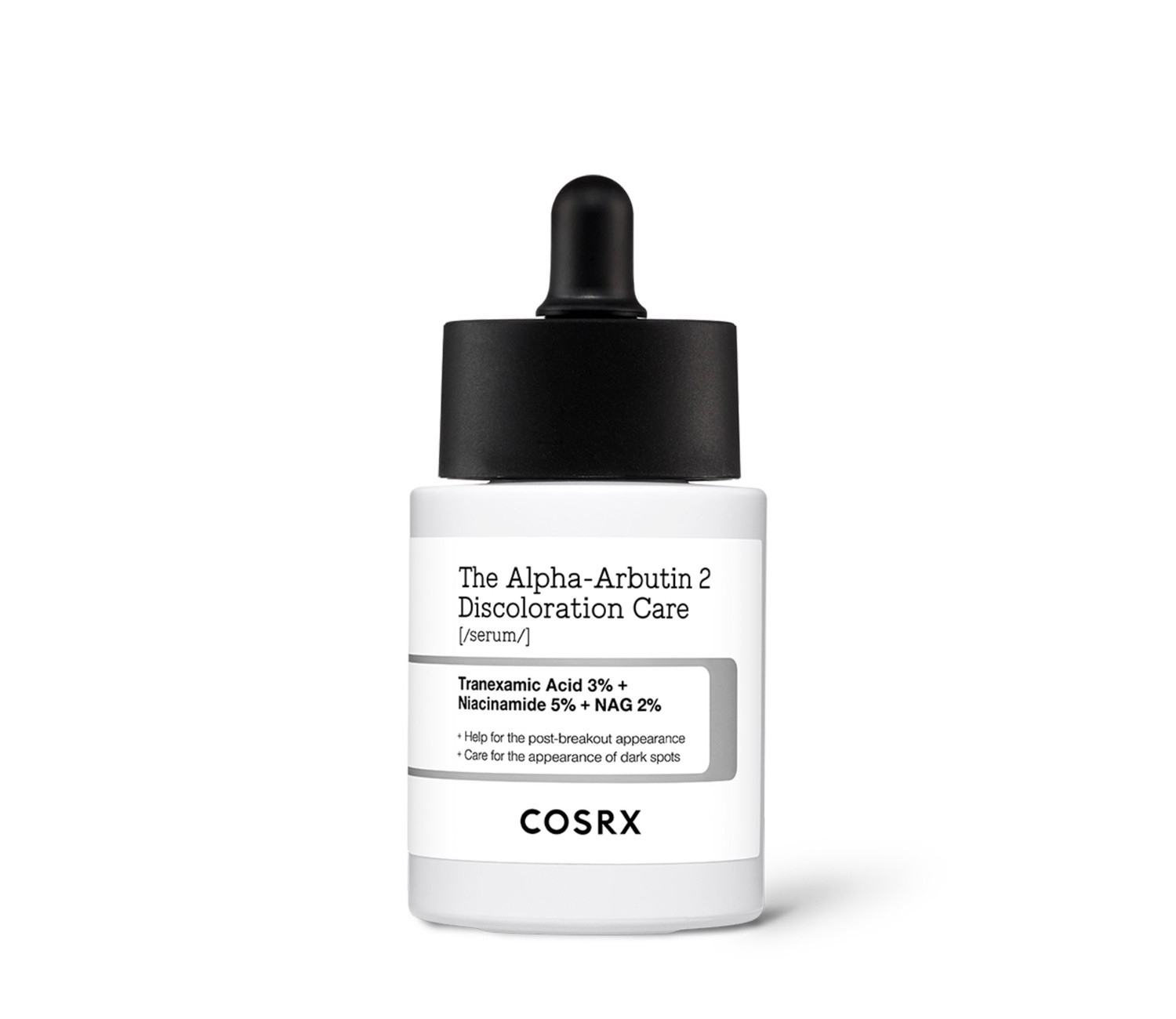
COSRX
The Alpha-Arbutin 2 Discoloration Care Serum 50ml
Niacinamide · Alpha Arbutin · Fragrance-free
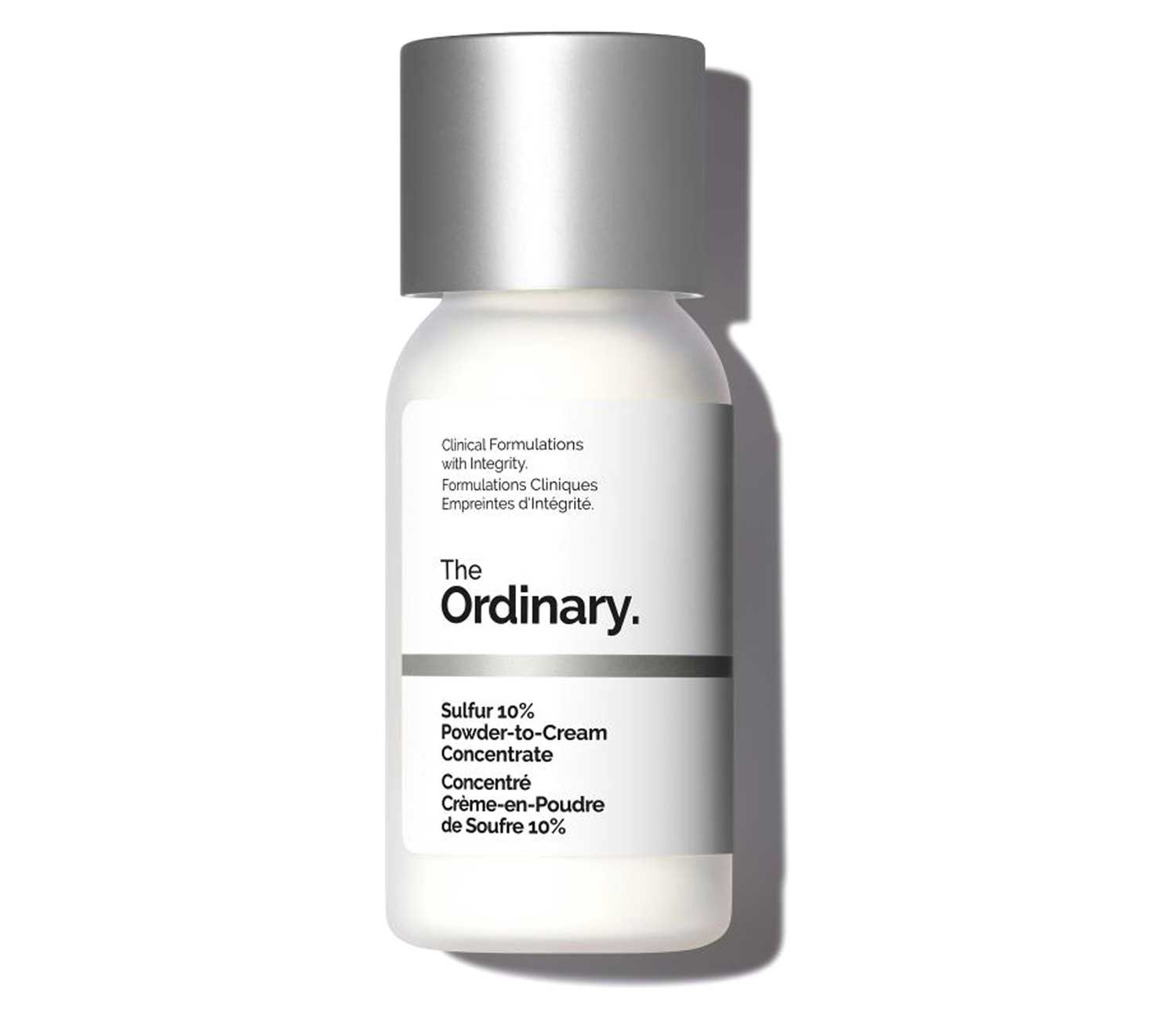
The Ordinary
Sulfur 10% Powder-to-Cream Concentrate for Blemishes 5g
Sulfur · Niacinamide · Fragrance-free
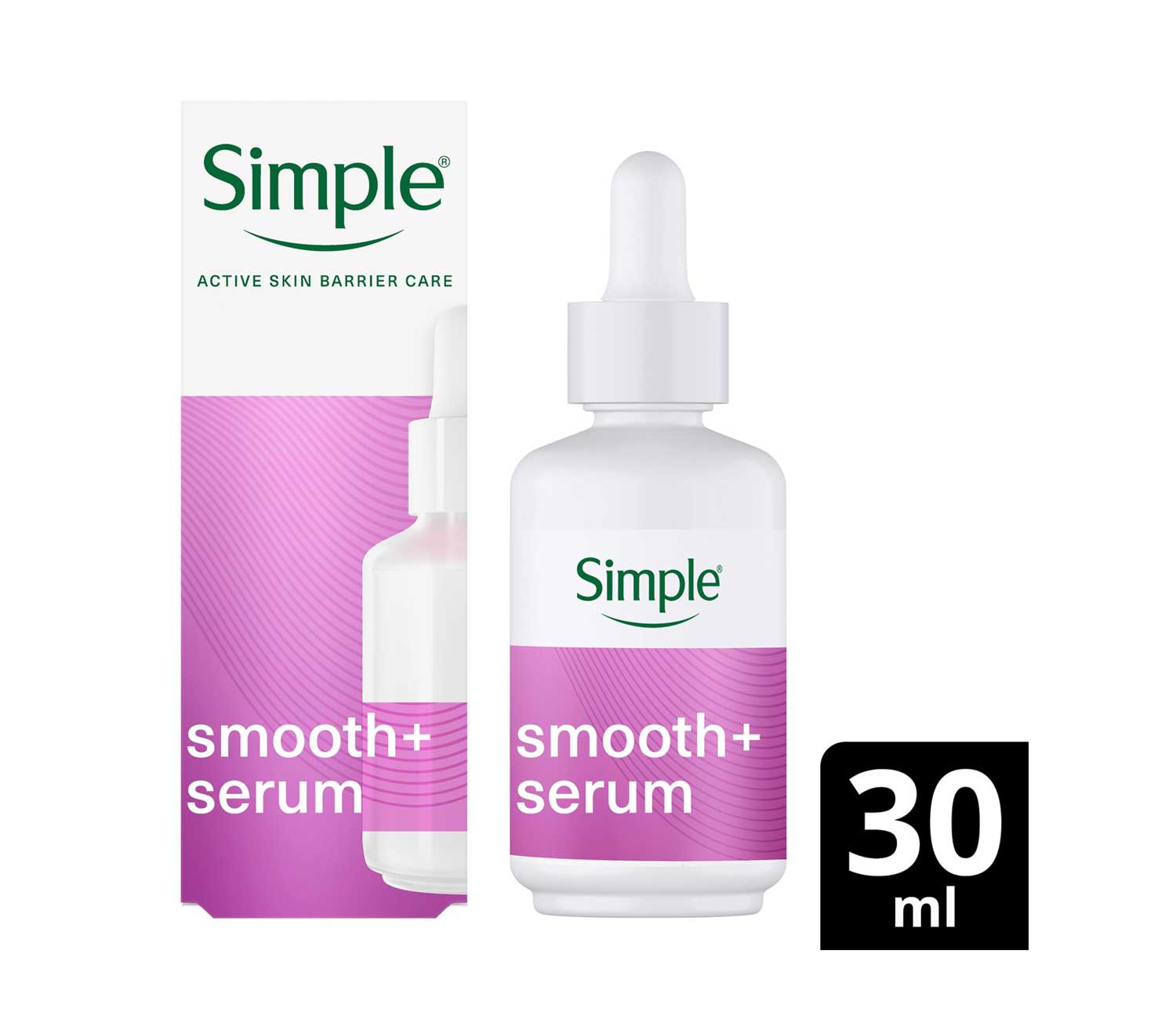
Simple
Booster Serum 10% Niacinamide (Vitamin B3) 30ml
Niacinamide · Panthenol (Pro-Vitamin B5) · Fragrance-free

The Ordinary
Soothing & Barrier Support Serum - 30ml
Niacinamide · Centella Asiatica · Fragrance-free
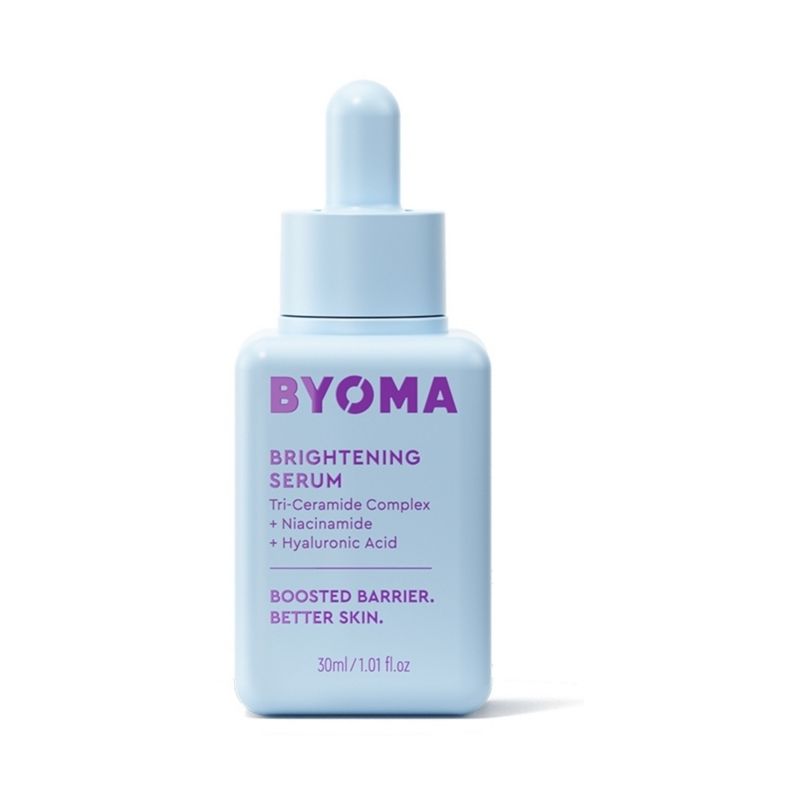
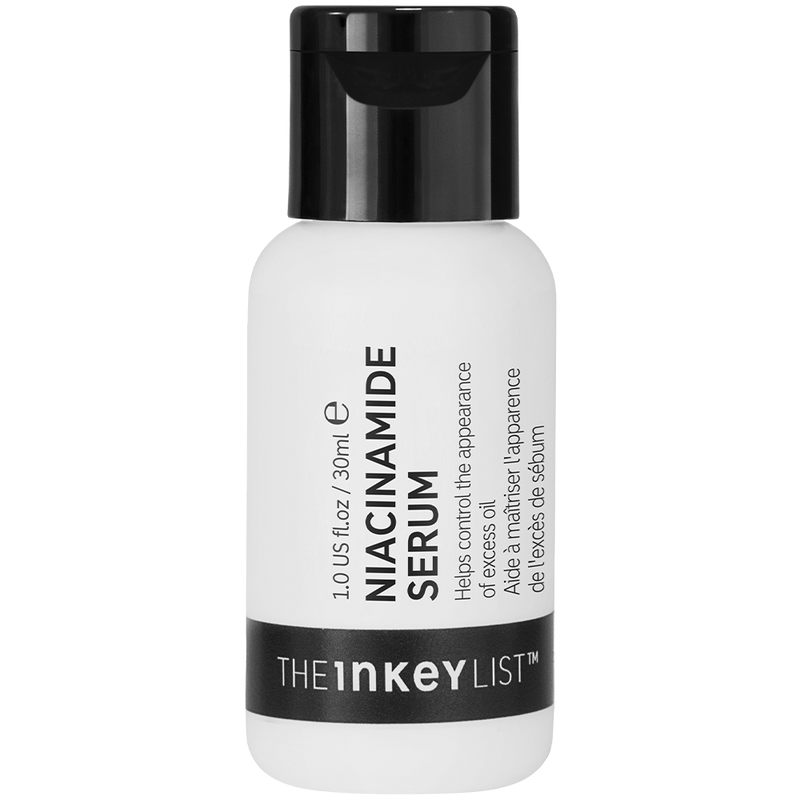
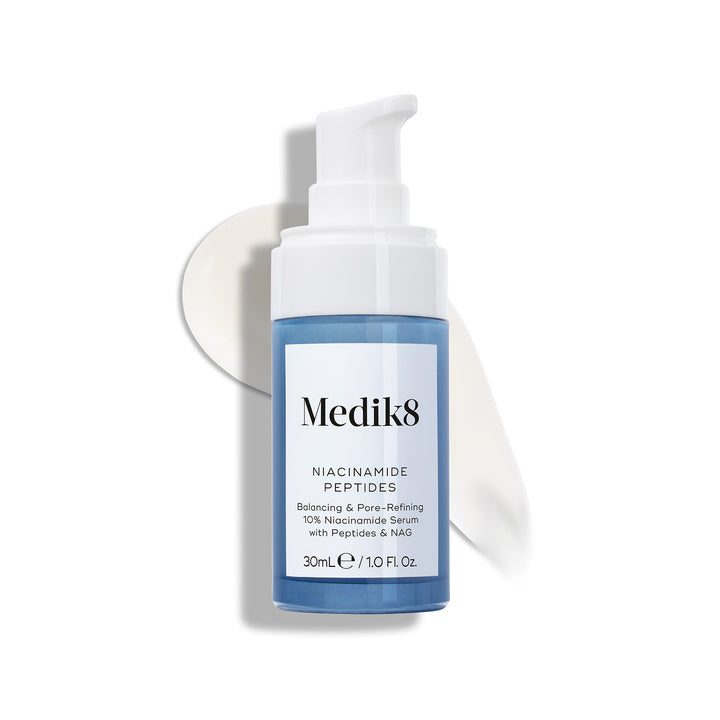
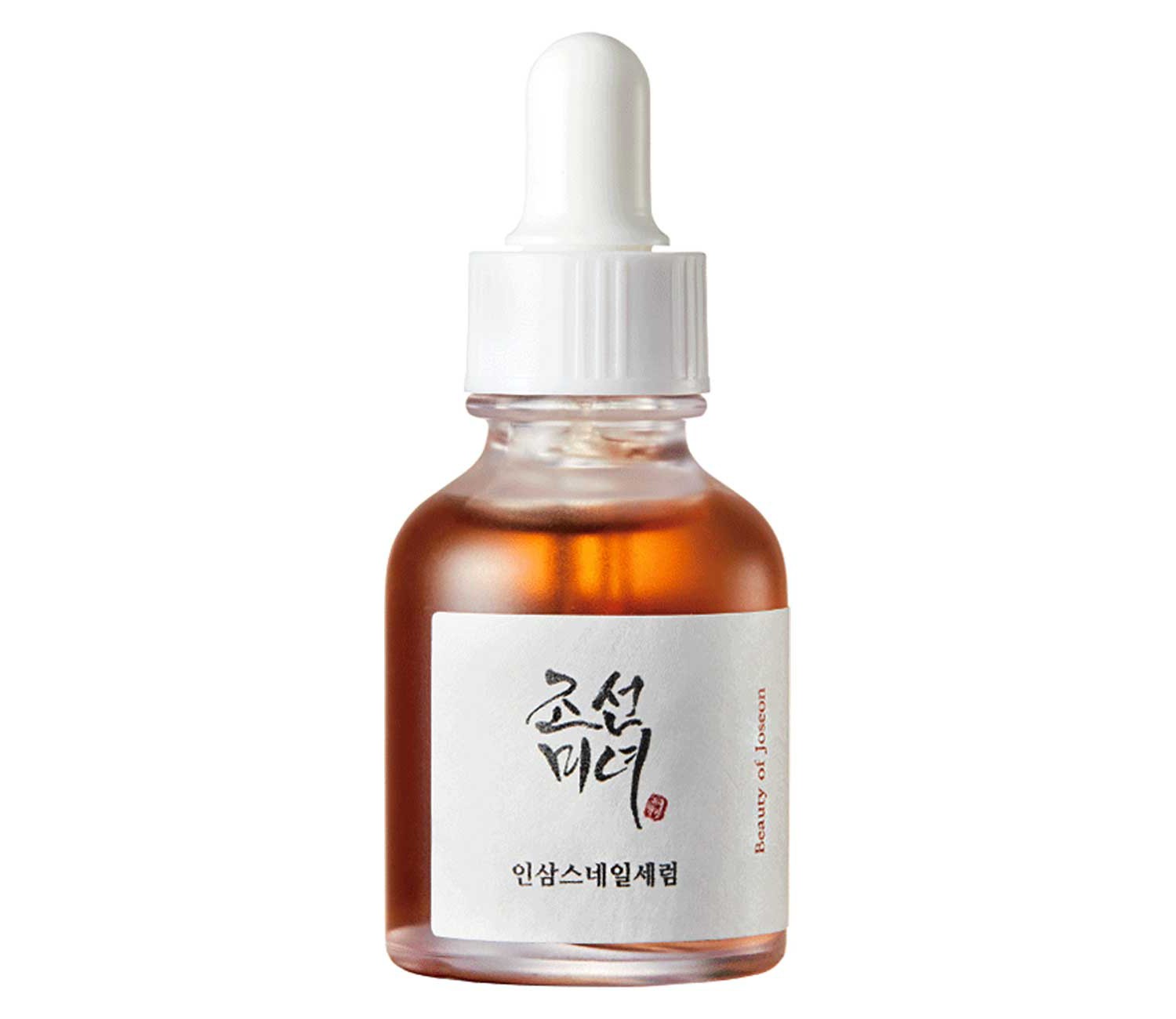
Beauty of Joseon
Revive Serum : Ginseng + Snail Mucin 30ml
Niacinamide · Snail Mucin · Fragrance-free
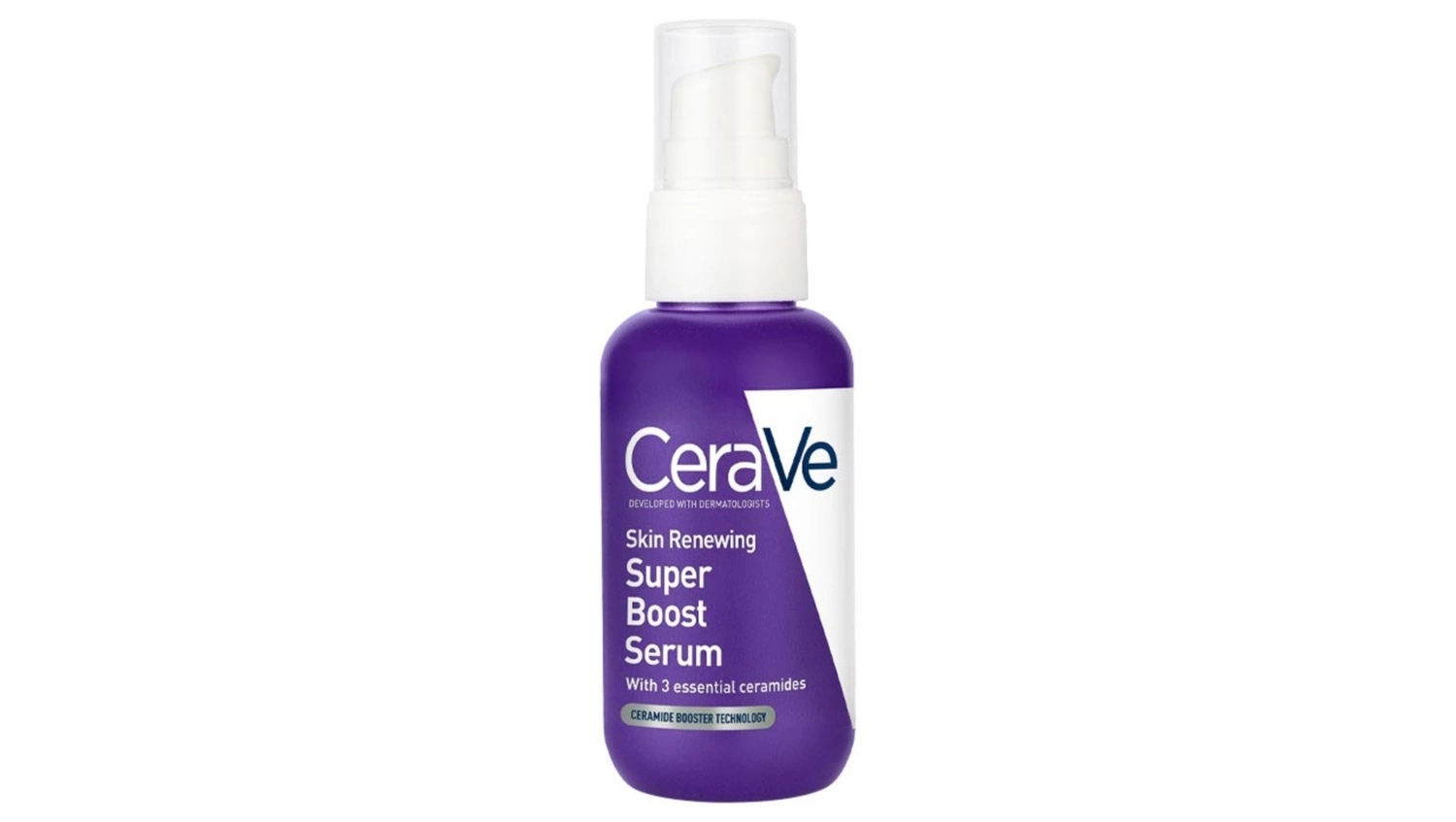

Estée Lauder
Nutritious Radiant Essence Lotion
Niacinamide · Algae & Seaweed Extracts · Fragrance-free
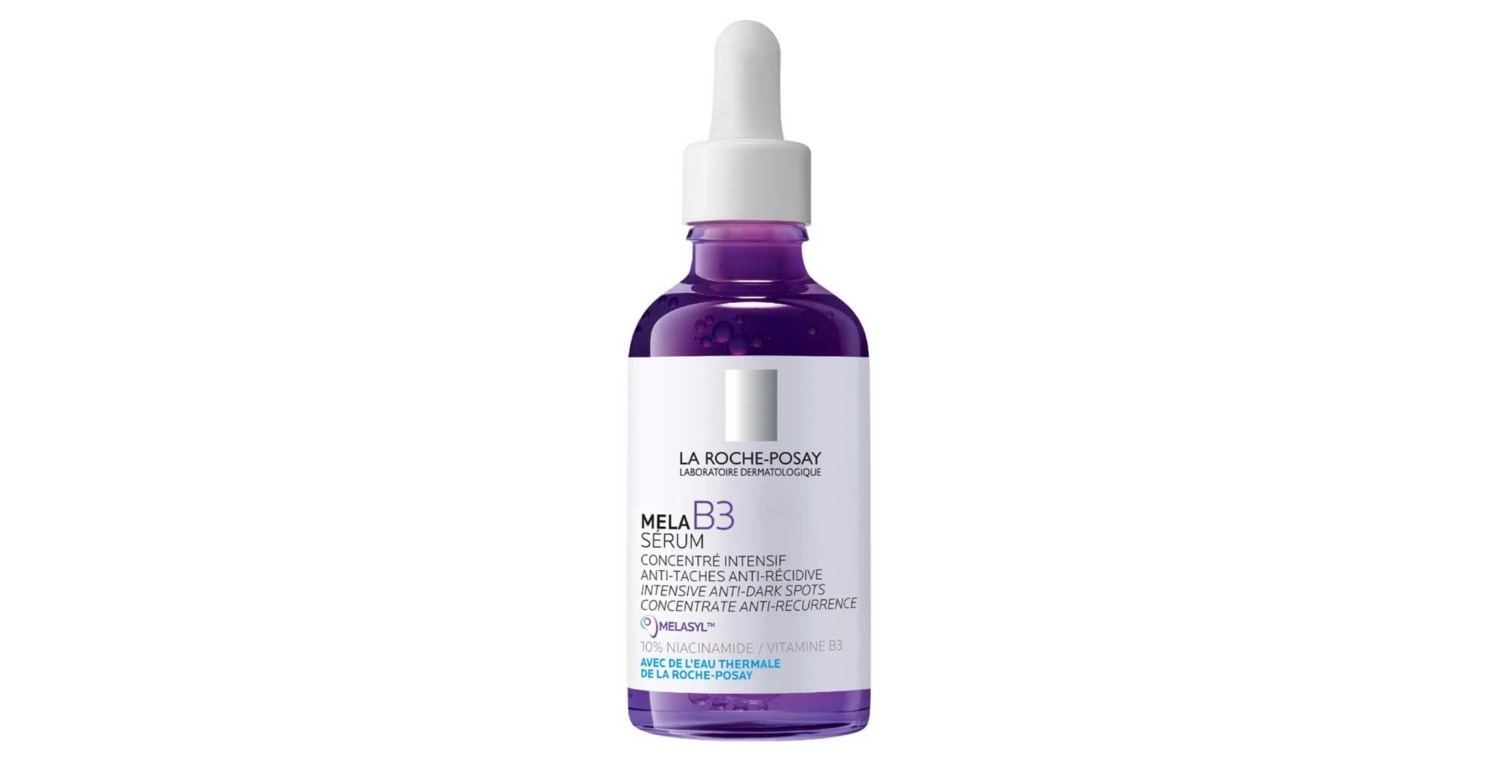
La Roche-Posay
MelaB3 Serum Intense Anti-Dark Spot Serum For Hyperpigmentation
Niacinamide · Hyaluronic Acid · Contains fragrance
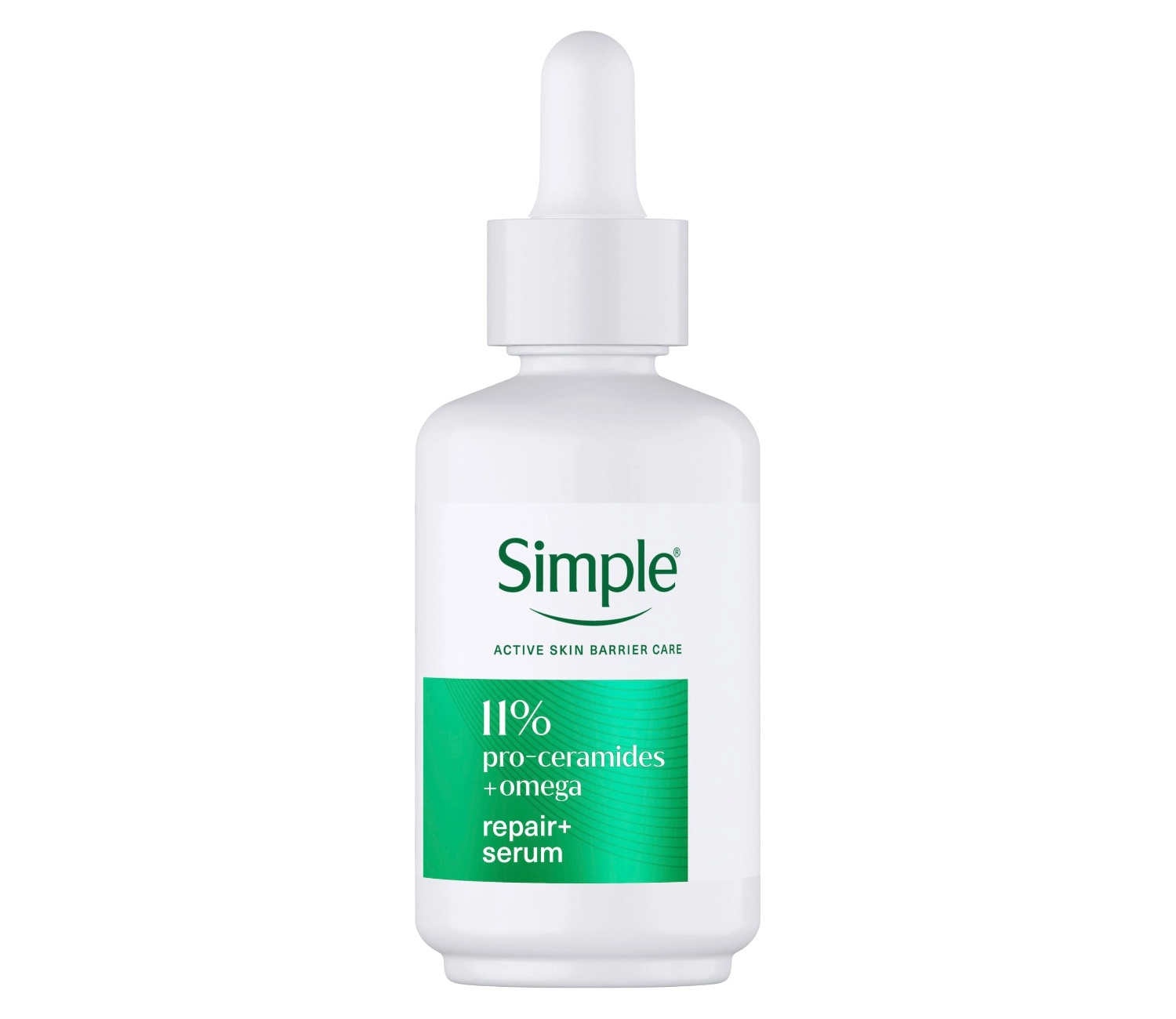
Simple
Ceramide & Omega Complex Face Serum For Nourished Skin 30ml
Niacinamide · Ceramides · Fragrance-free
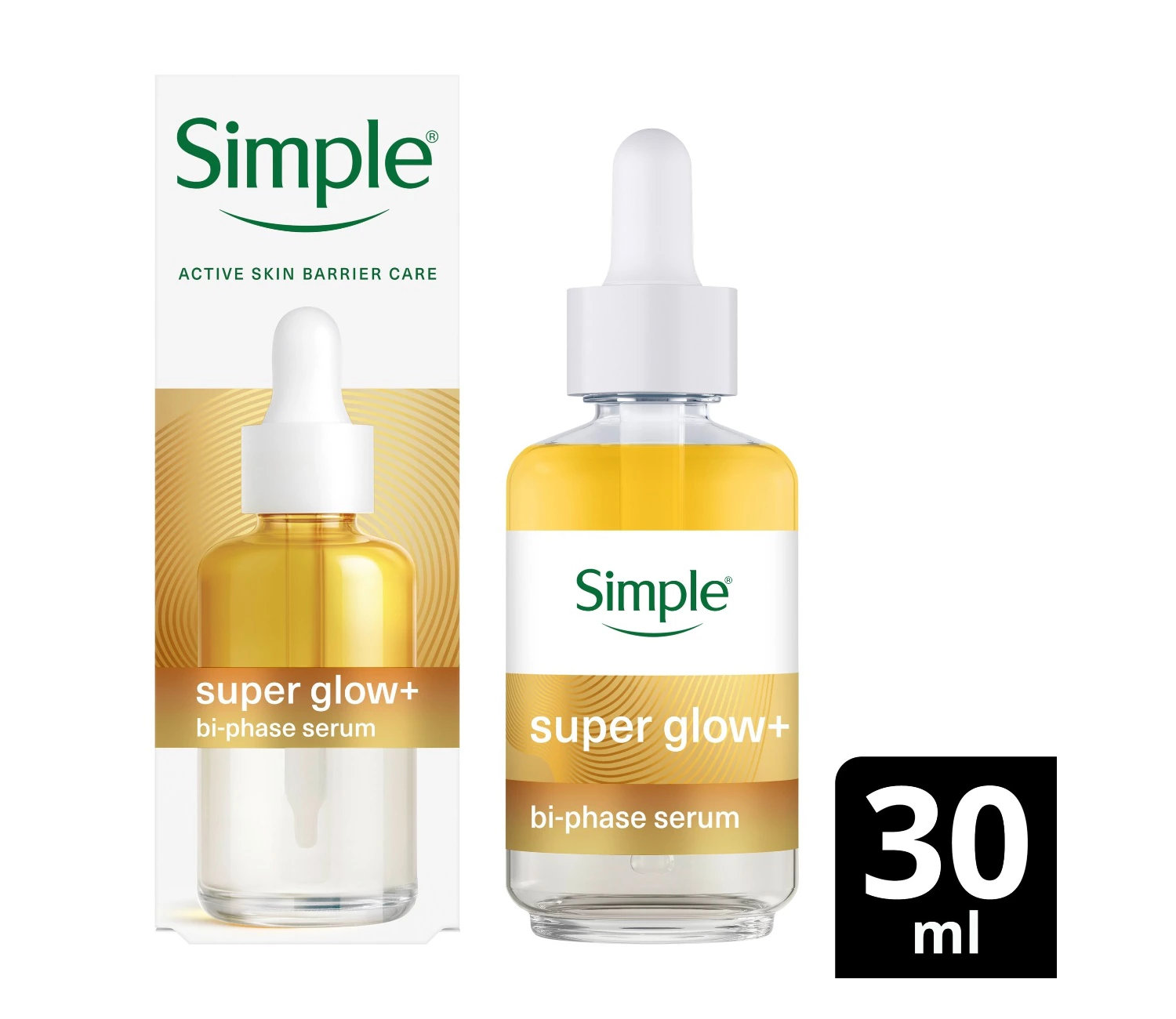
Simple
Super Glow Bi Phase Face Serum for Even Toned Glowing Skin 30ml
Niacinamide · Peptides · Fragrance-free
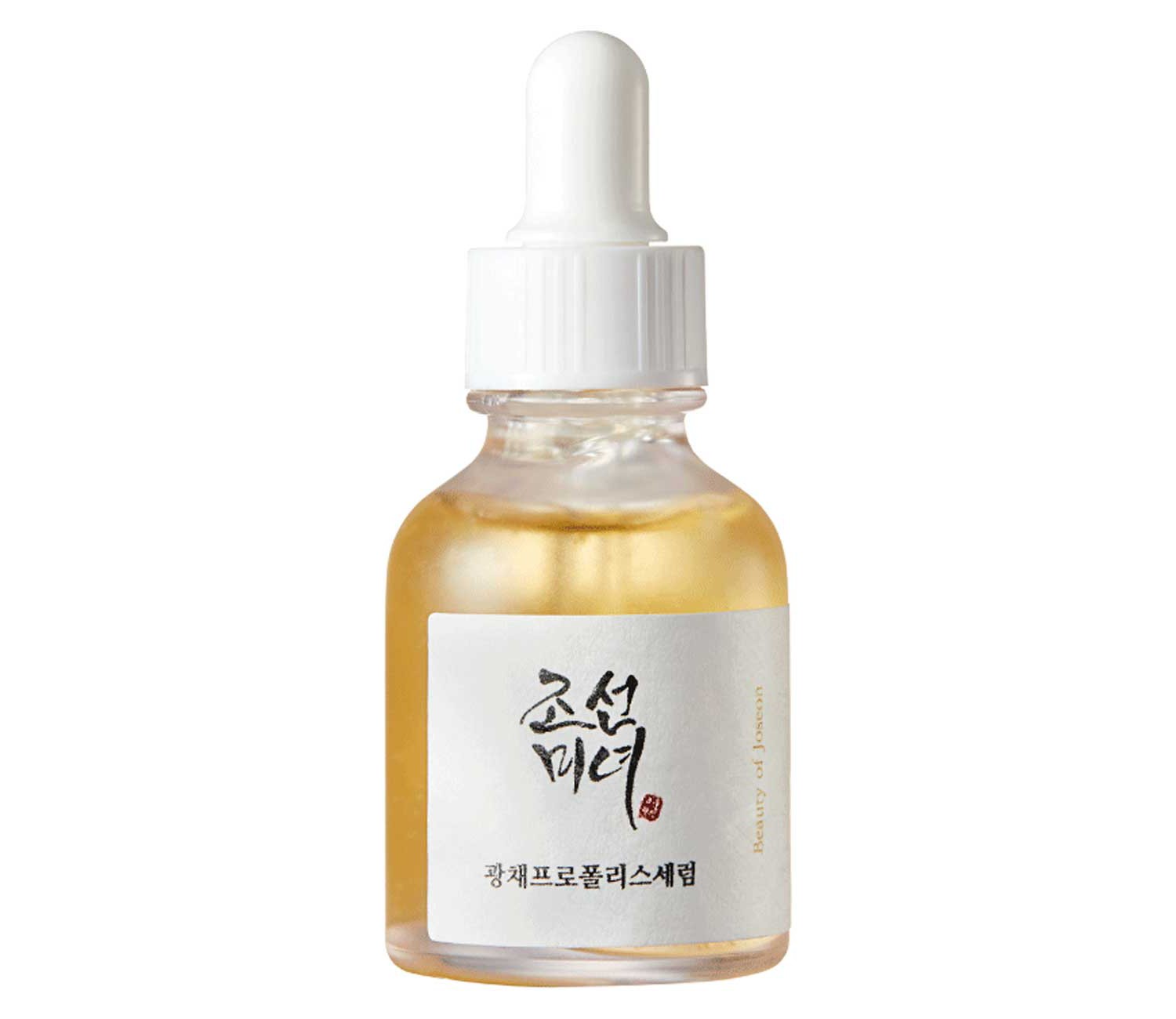
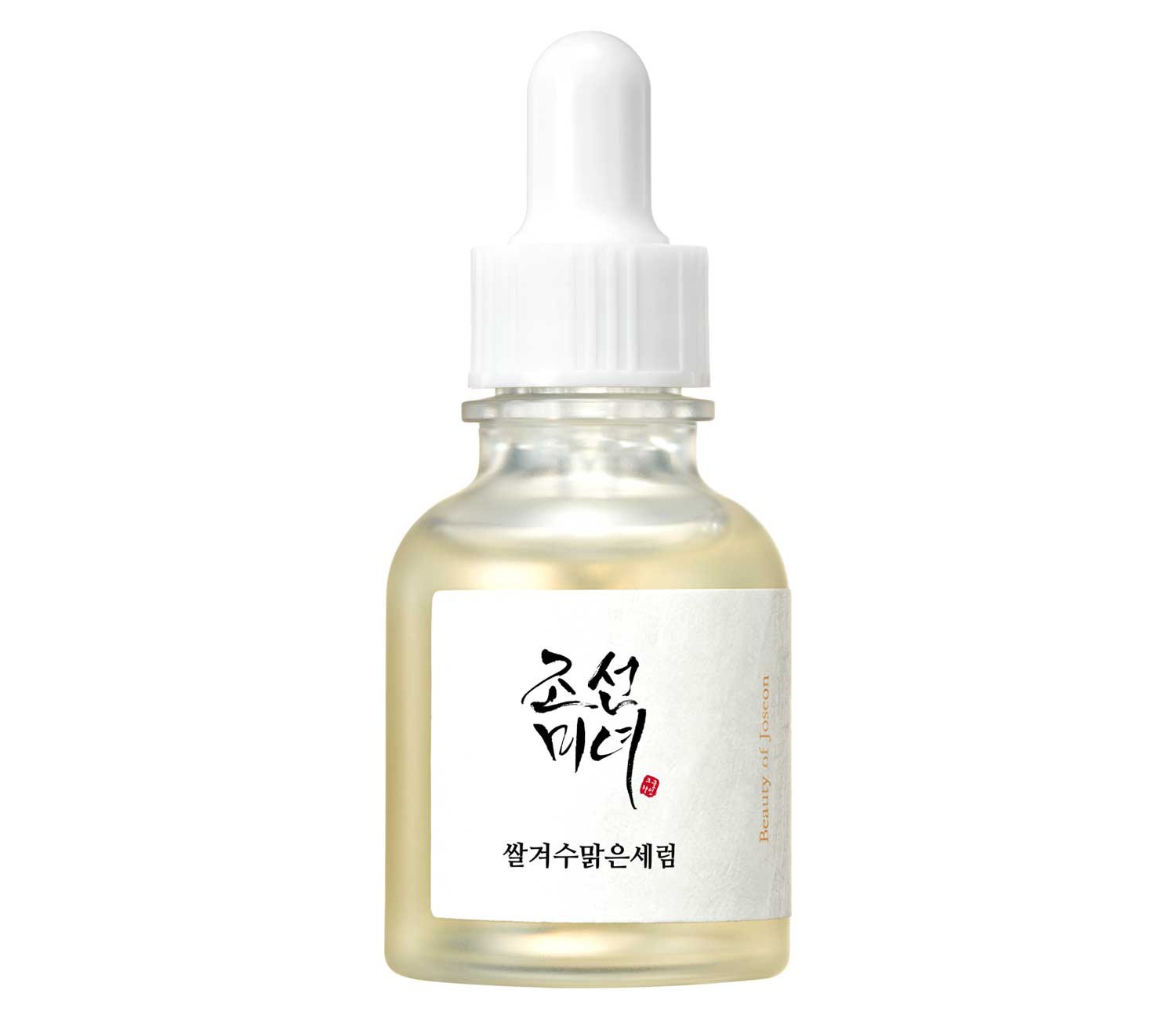
Beauty of Joseon
Glow Deep Serum : Rice+Alpha-Arbutin 30ml
Alpha Arbutin · Niacinamide · Fragrance-free
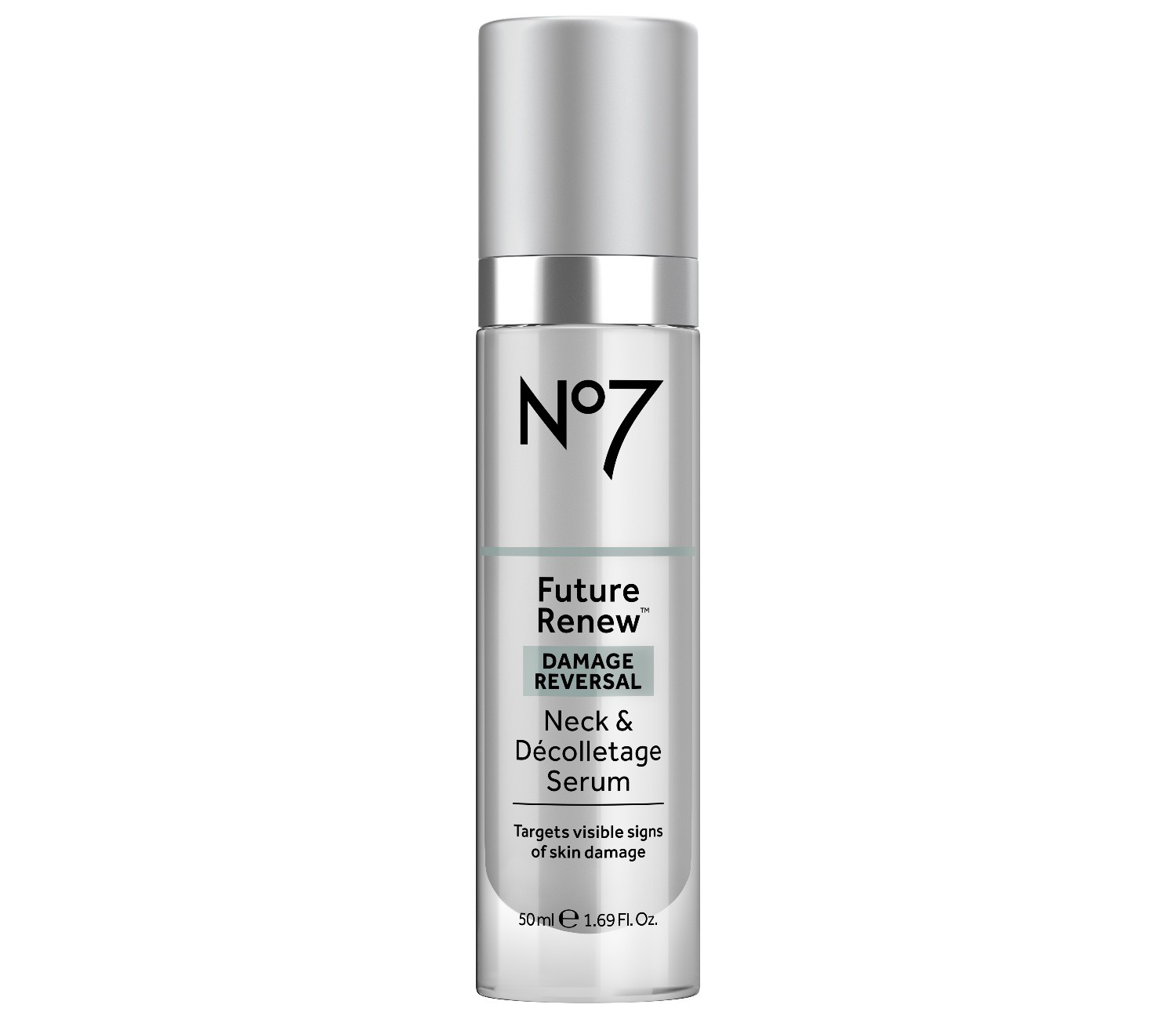
No7
Future Renew Neck Decolletage Serum 50ml
Niacinamide · Panthenol (Pro-Vitamin B5) · Contains fragrance
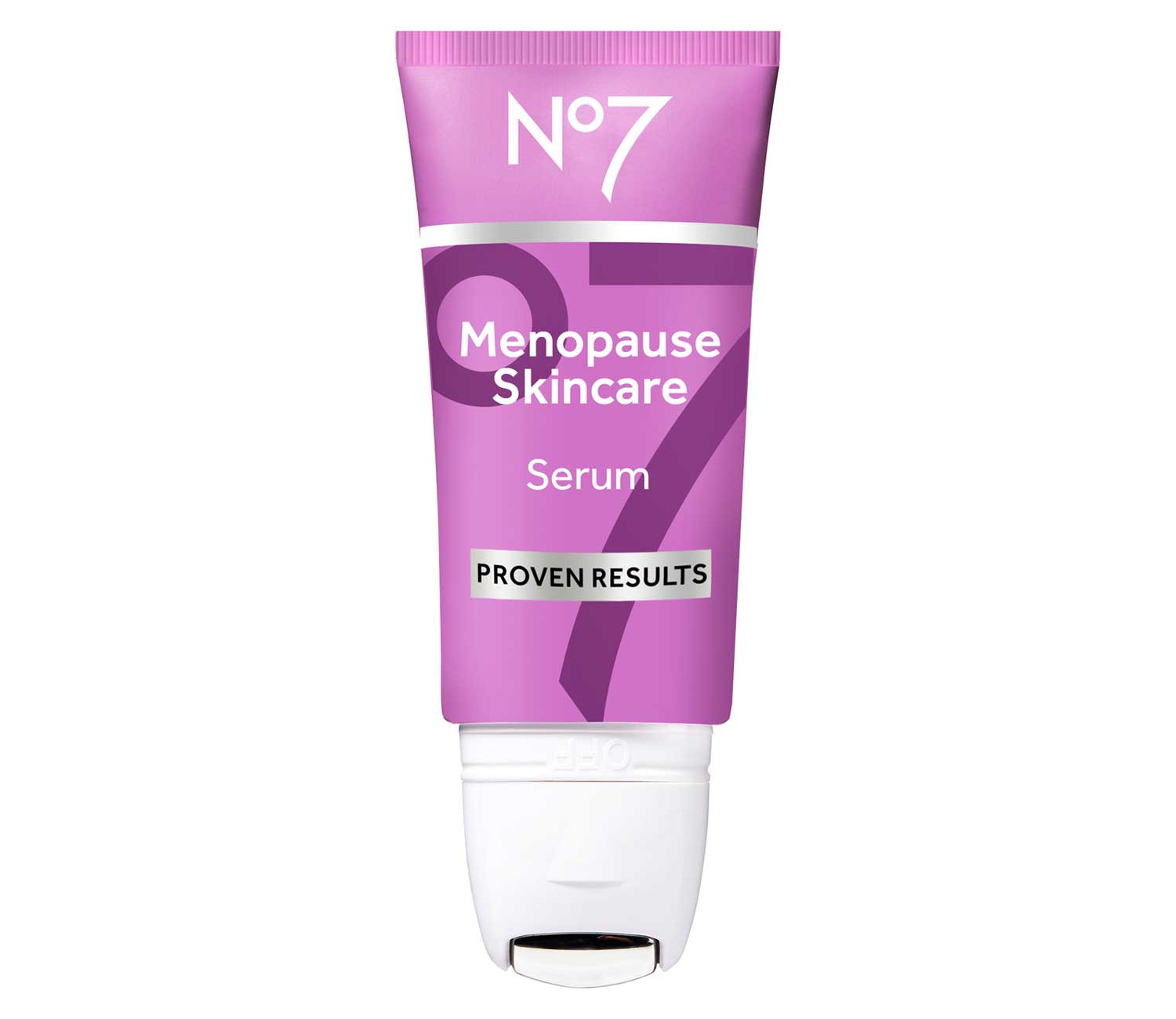
No7
Menopause Skincare Instant Radiance Serum 30ml
Niacinamide · Panthenol (Pro-Vitamin B5) · Contains fragrance
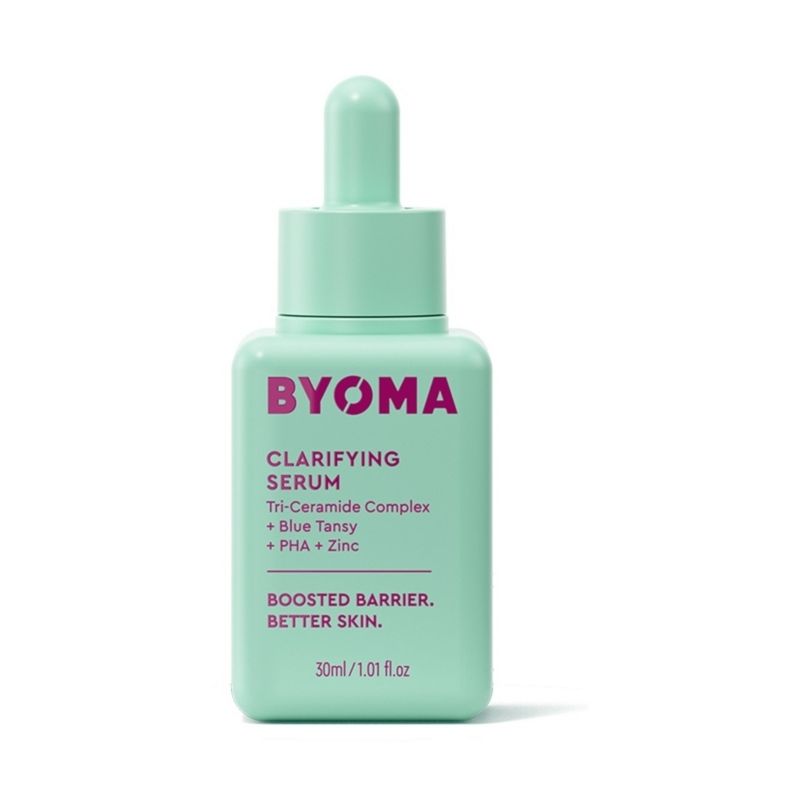
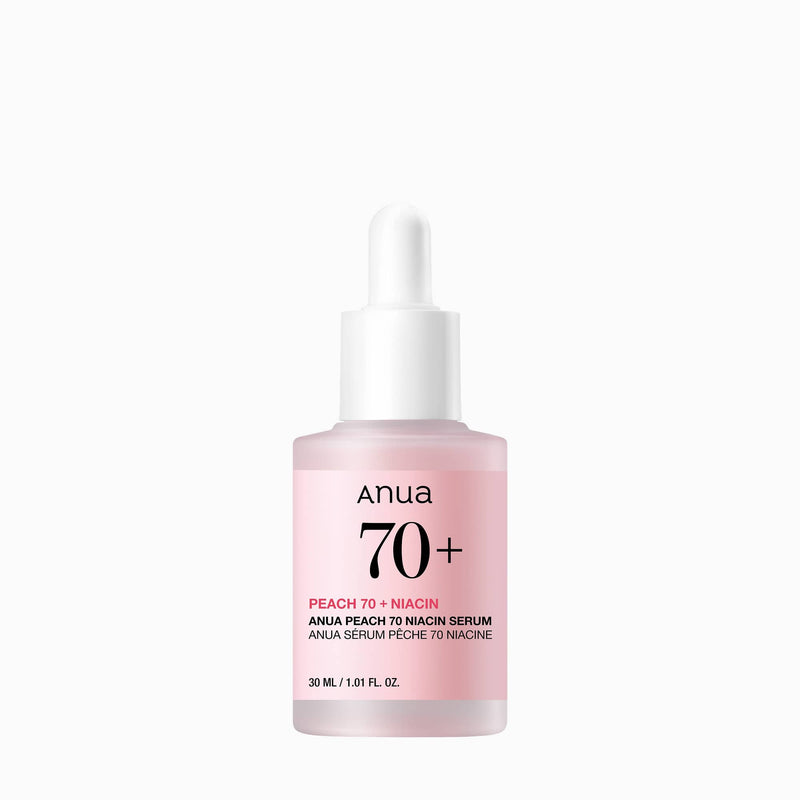
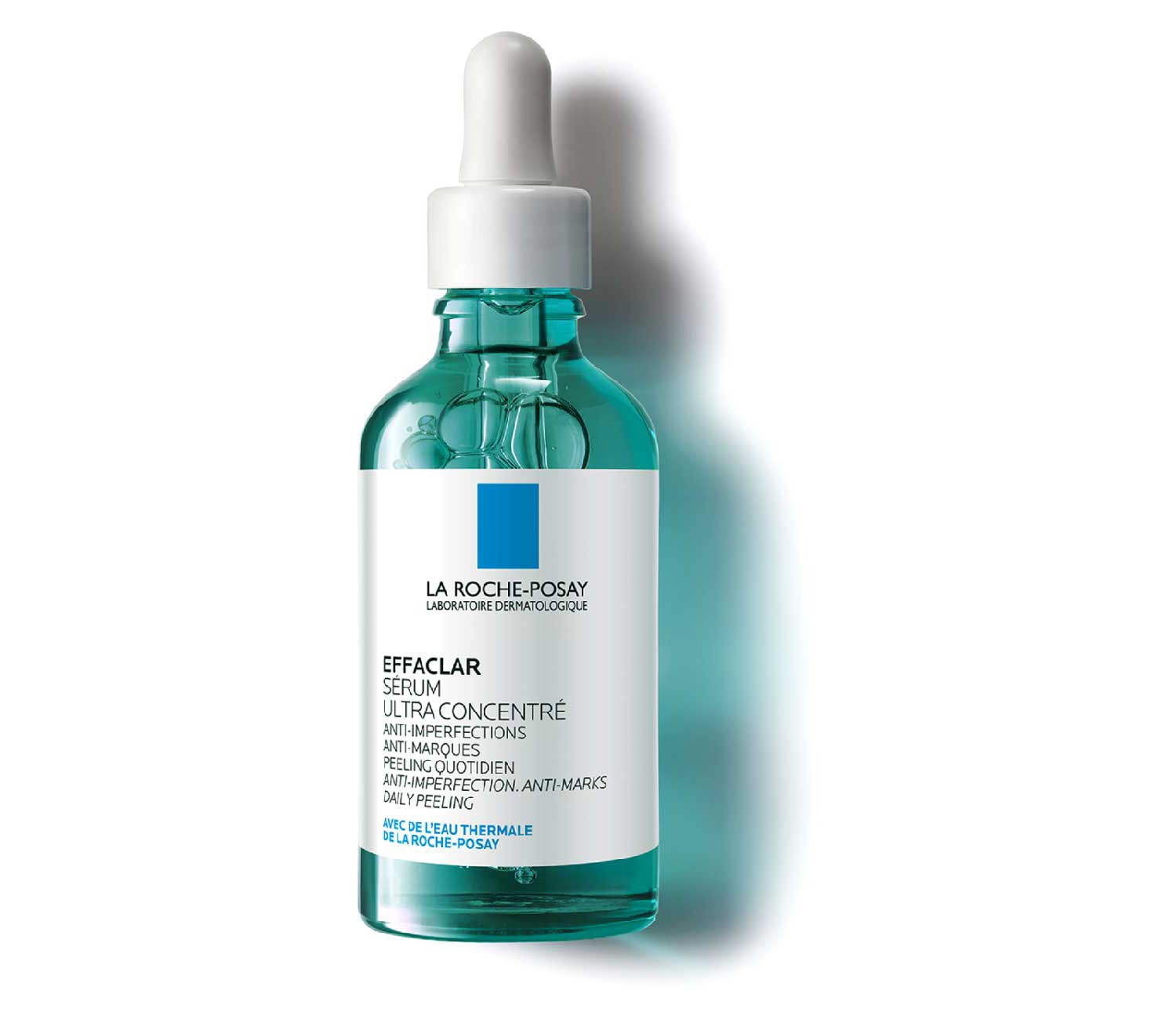
La Roche-Posay
Effaclar Ultra Concentrated Serum for Oily, Blemish-Prone Skin 30ml
Niacinamide · Glycolic Acid · Contains fragrance · Drying alcohol high in list
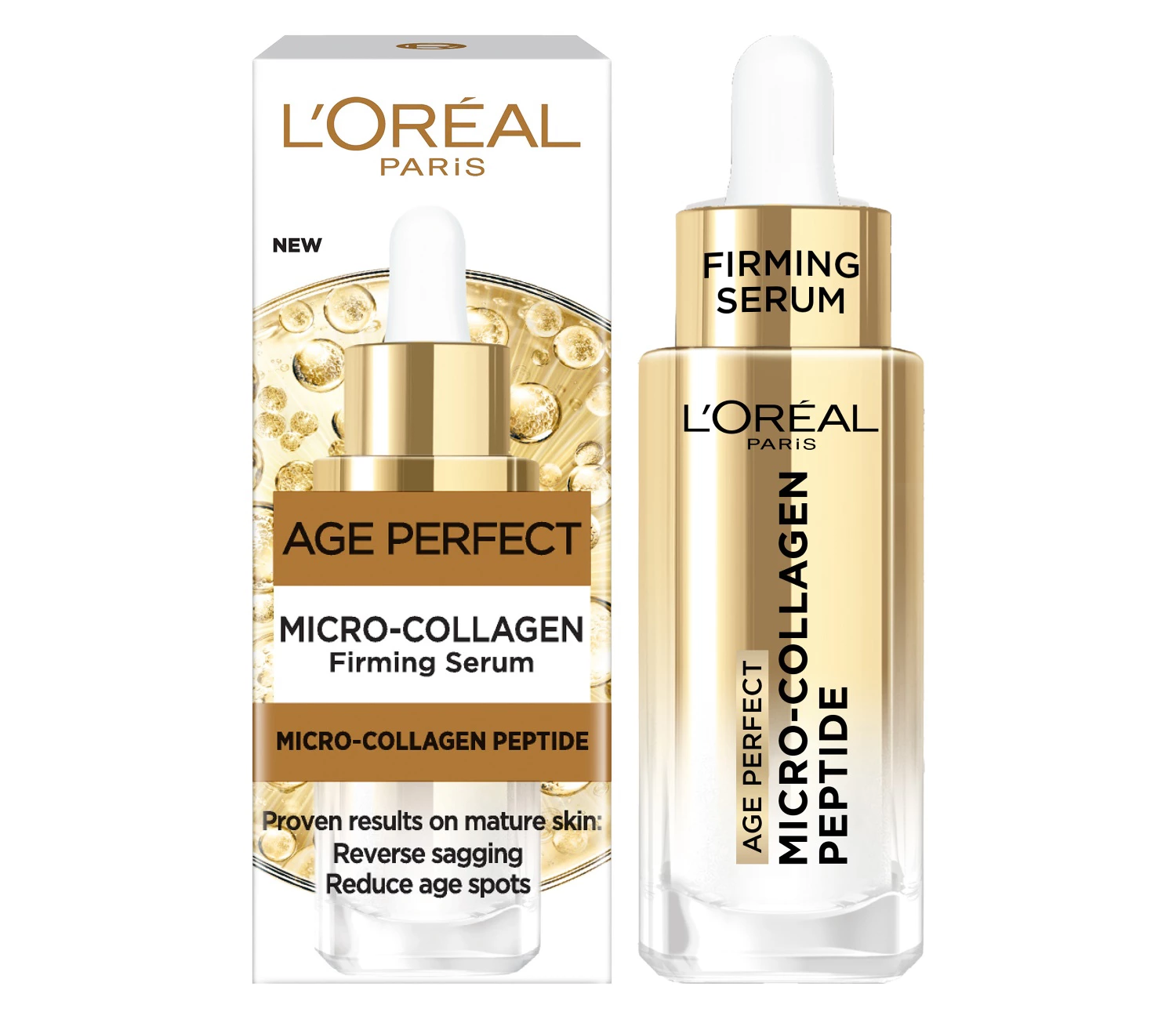
L'Oréal Paris
Age Perfect Micro-Collagen Firming Serum - Micro-Collagen Peptides + Niacinamide, 30ml
Niacinamide · Adenosine · Contains fragrance · Drying alcohol high in list
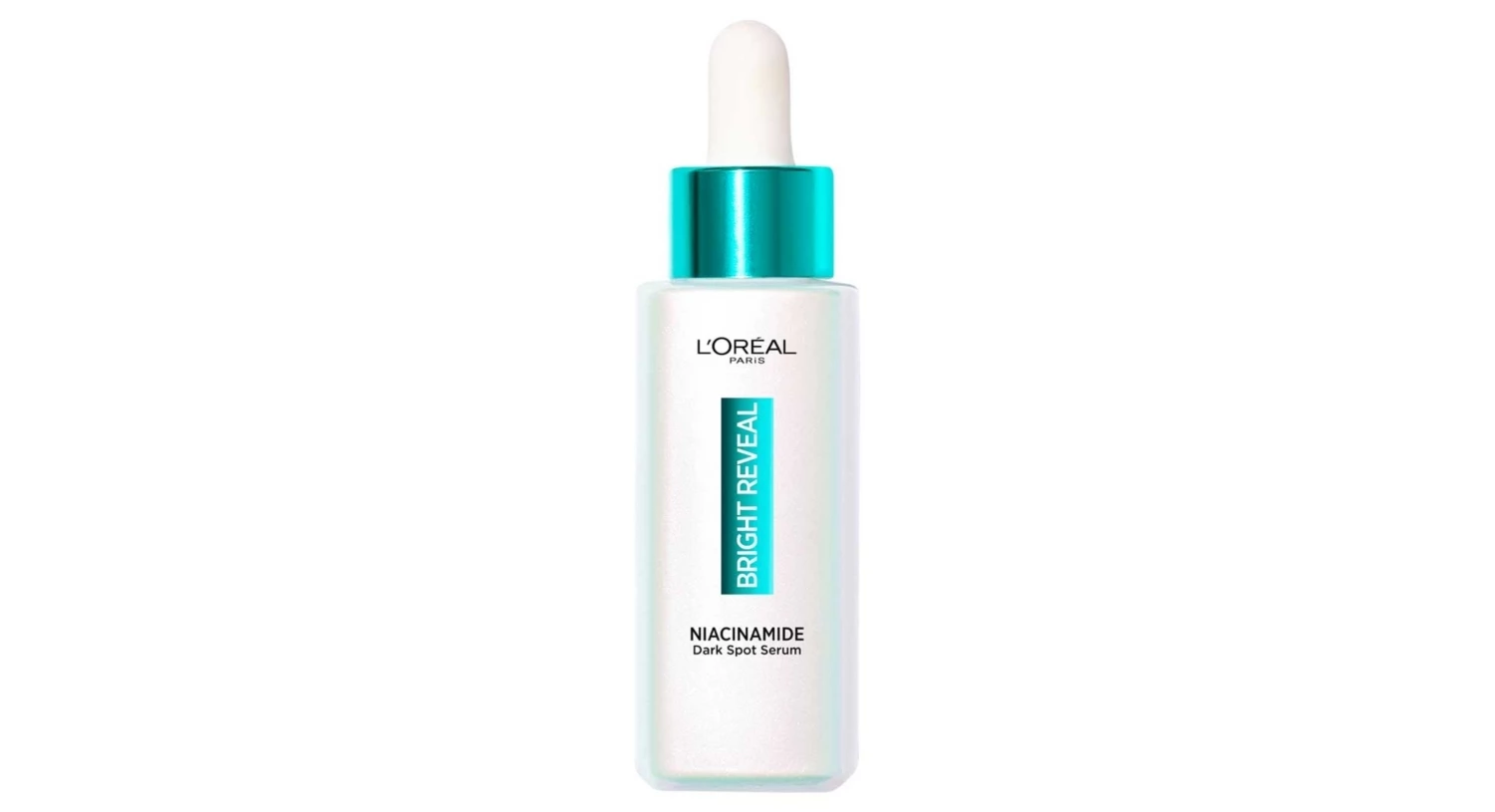
L'Oréal Paris
Bright Reveal Niacinamide Dark Spot Serum 10% Niacinamide + Amino-Sulfonic Acid 30ml
Niacinamide · Salicylic Acid · Contains fragrance · Drying alcohol high in list
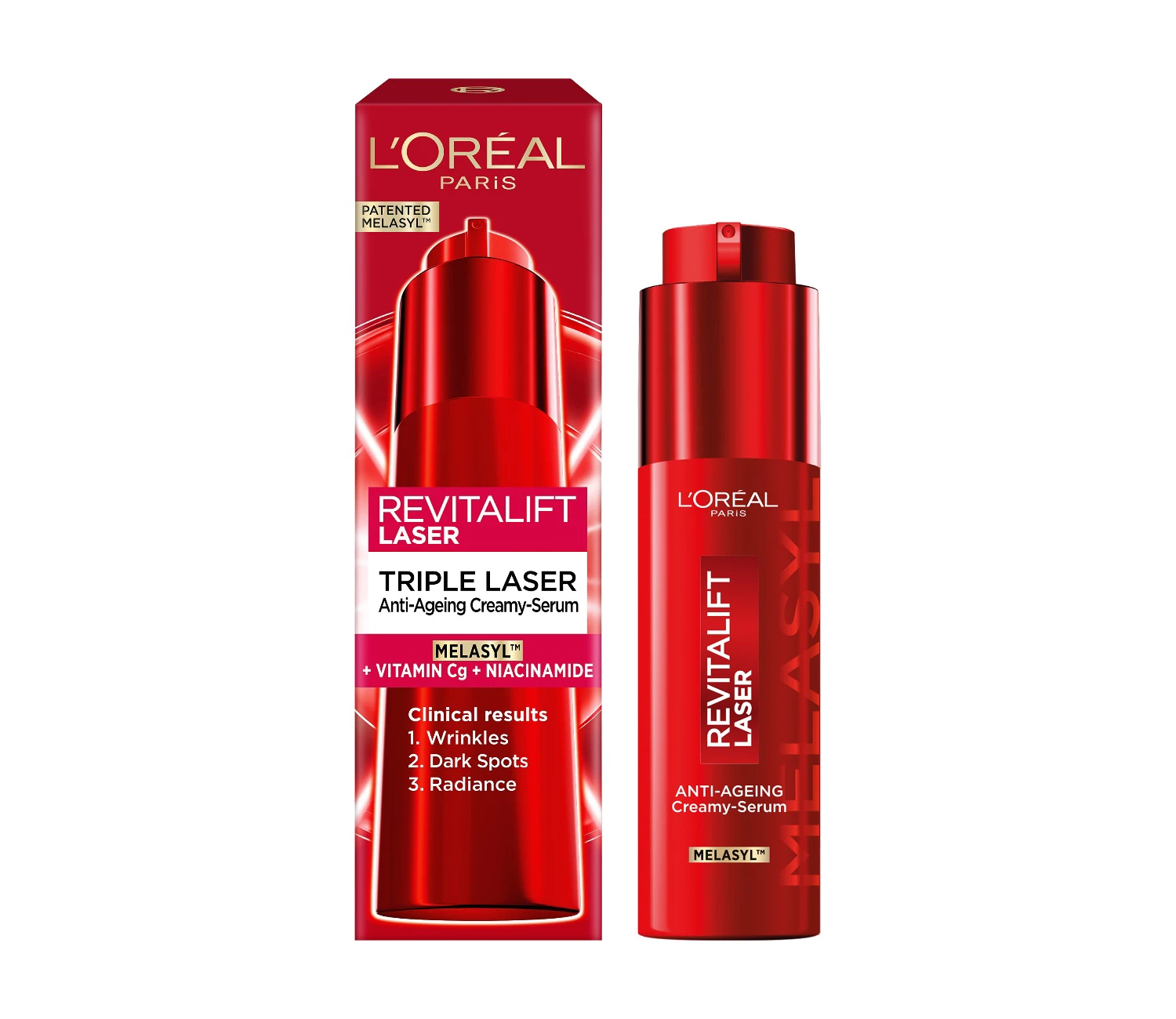
L'Oréal Paris
Revitalift Triple Laser Anti-Ageing Creamy-Serum Melasyl + Vit C + Niacinamide, 50ml
Niacinamide · Vitamin C (Ascorbyl Glucoside) · Contains fragrance · Drying alcohol high in list
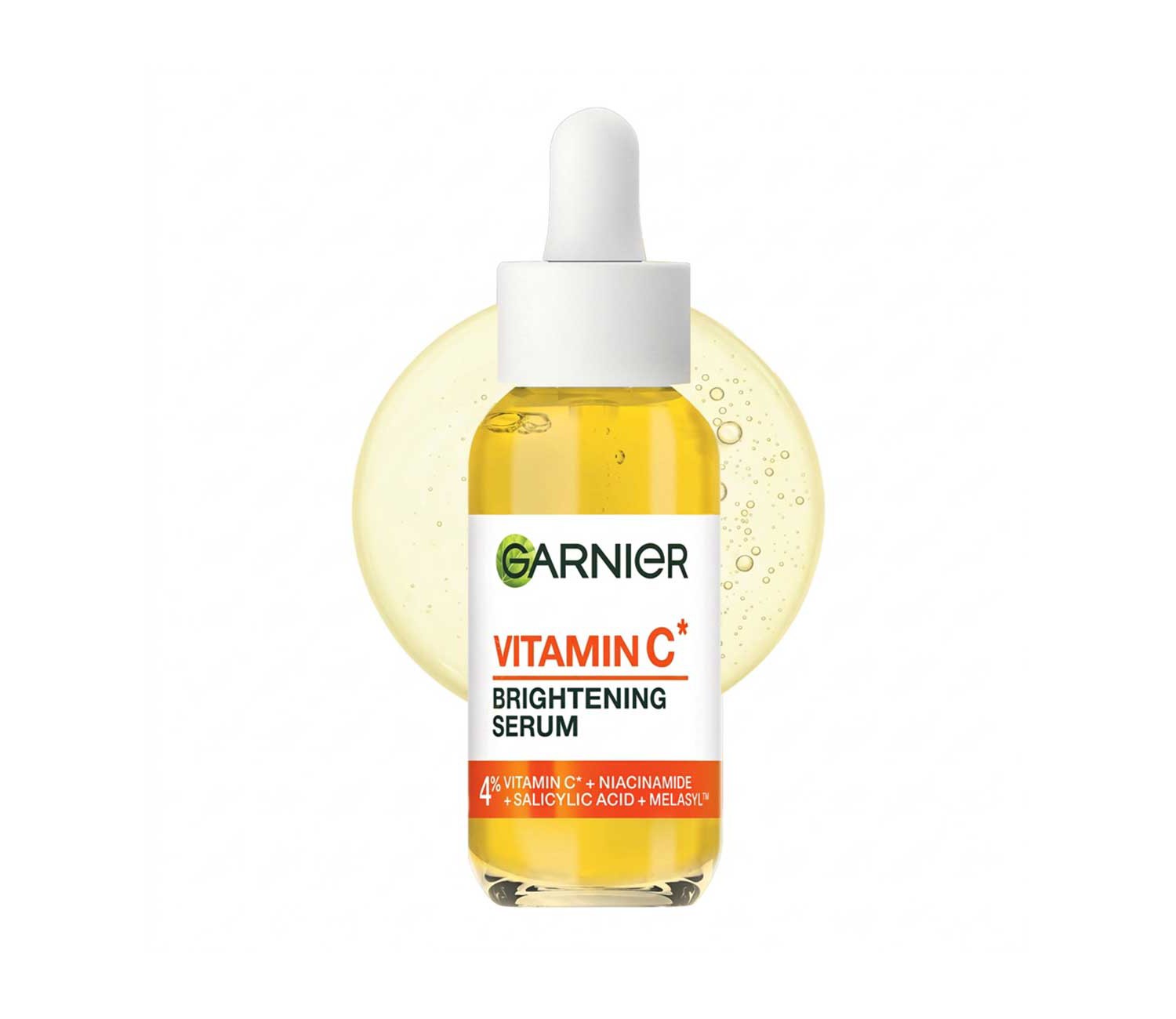
Garnier
Brightening Serum 4% Vitaminc C Niacinamide & Salicylic Acid Anti Dark Spots 30ml
Niacinamide · Vitamin C (Ascorbyl Glucoside) · Contains fragrance · Drying alcohol high in list
Exfoliating acid serums
Acids that smooth texture and clear pores. Count them towards your weekly exfoliation.
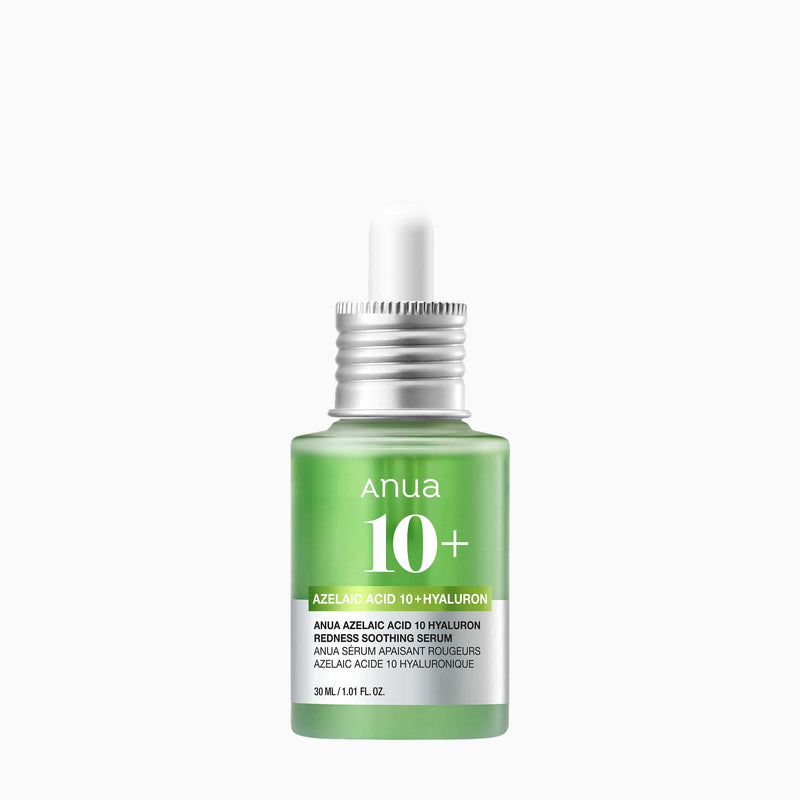
Anua
Azelaic Acid 10 Hyaluron Redness Soothing Serum
Azelaic Acid · Panthenol (Pro-Vitamin B5) · Fragrance-free
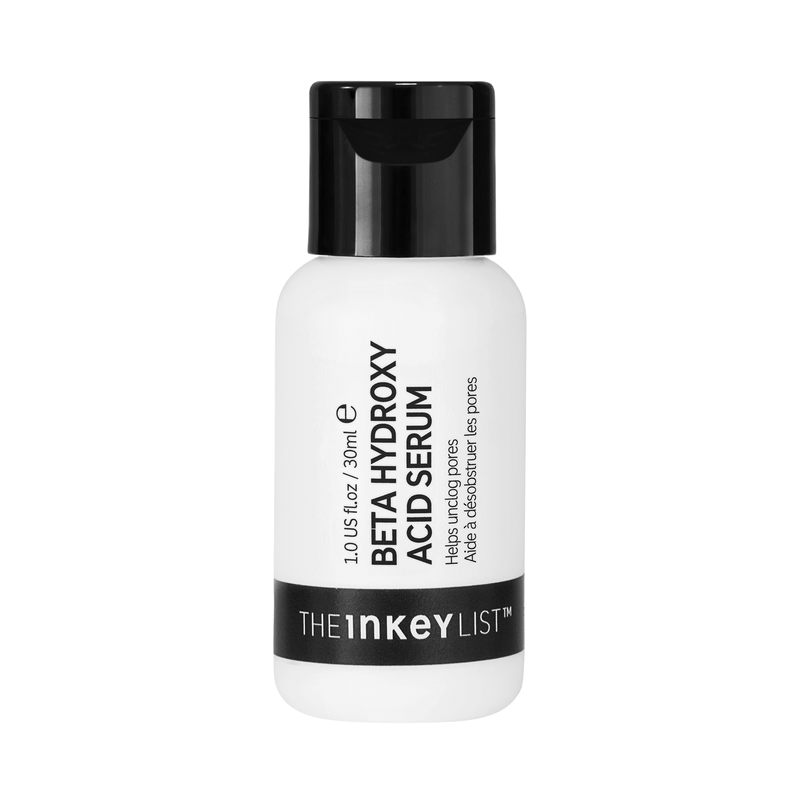
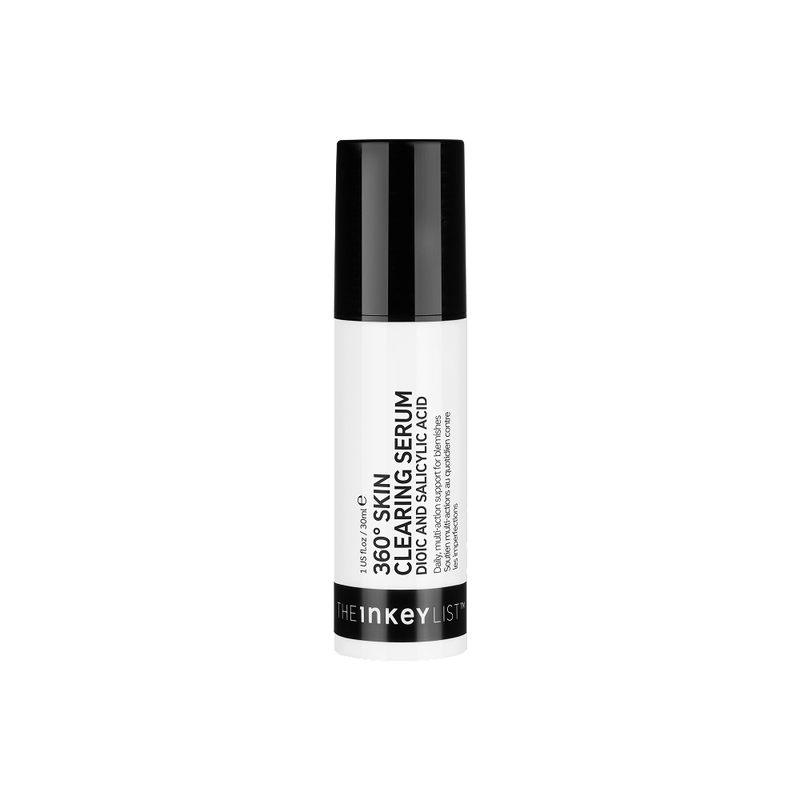
The INKEY List
360° Skin Clearing Serum
Salicylic Acid · Panthenol (Pro-Vitamin B5) · Fragrance-free
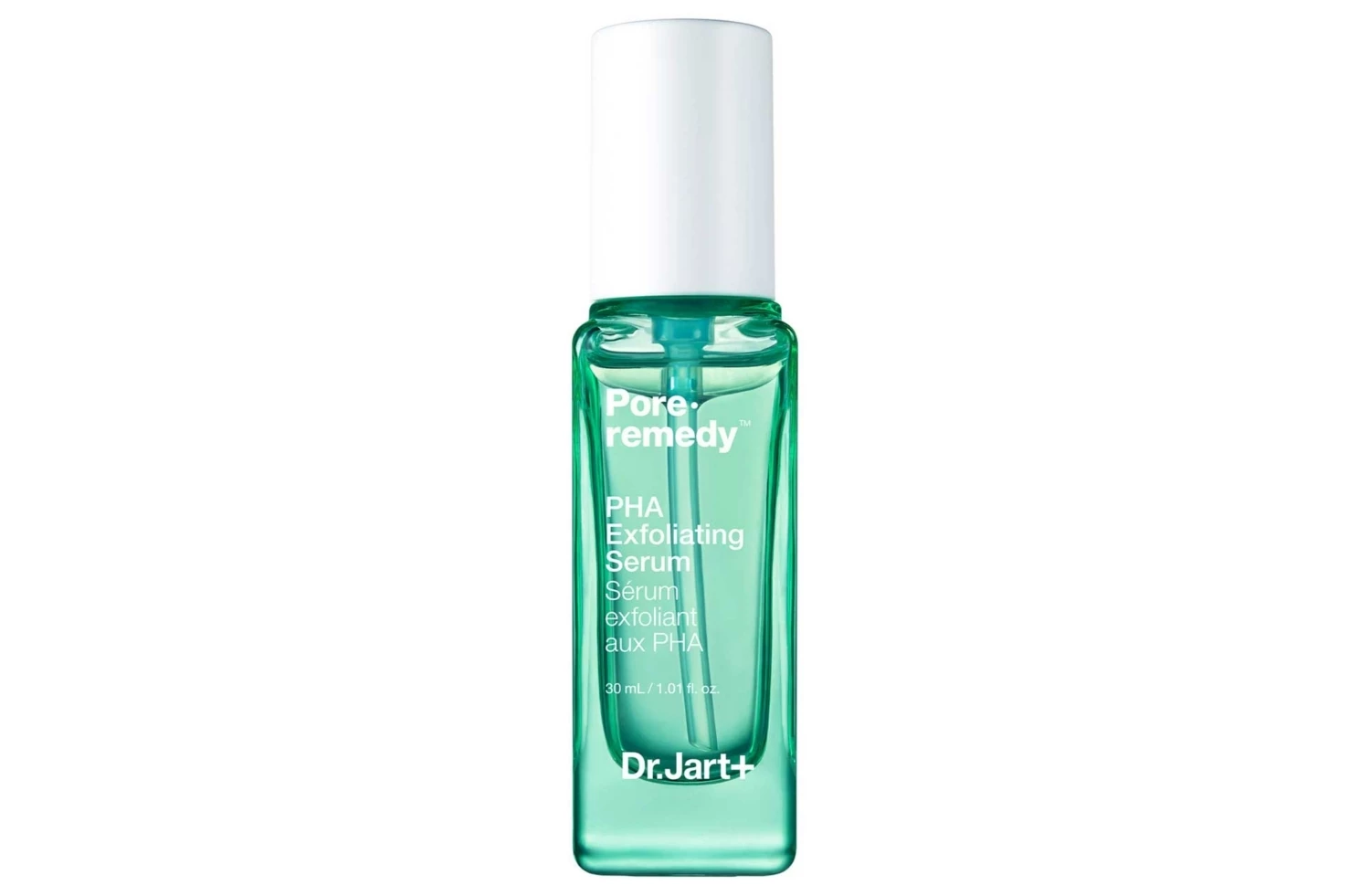
Dr.Jart+
Pore Remedy PHA Exfoliating Serum 30ml
Gluconolactone (PHA) · Panthenol (Pro-Vitamin B5) · Contains fragrance · Drying alcohol high in list
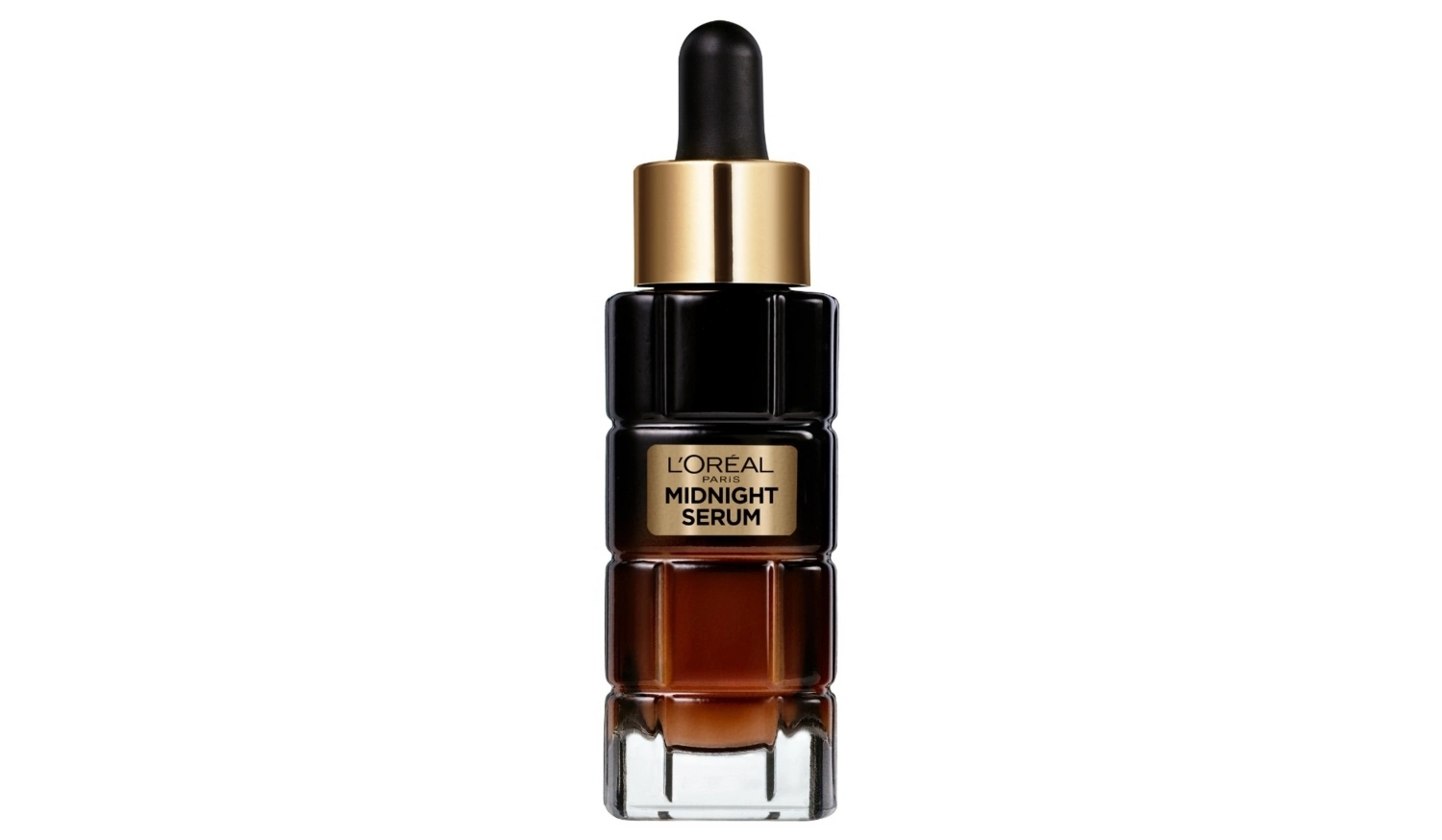
L'Oréal Paris
Age Perfect Cell Renew Midnight Serum, Anti Aging Serum, 30ml
Ferment & Yeast Extracts · Salicylic Acid · Contains fragrance · Drying alcohol high in list
Peptide serums
Supporting serums for firmness and fine lines, gentle enough for most skin.

The Ordinary
Multi-Peptide + Copper Peptides 1% Serum to Target Signs of Aging - 30ml
Peptides · Ferment & Yeast Extracts · Fragrance-free
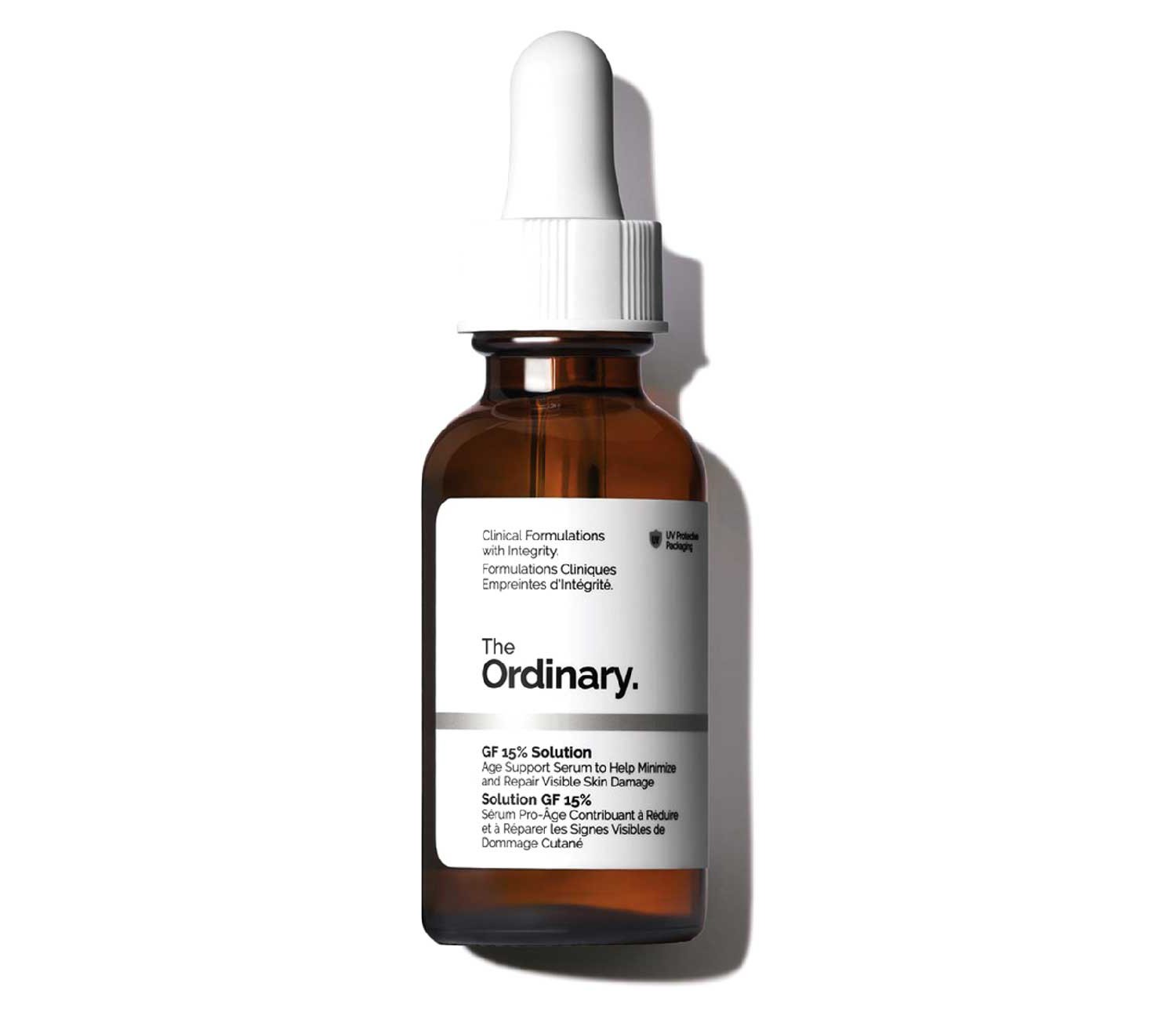
The Ordinary
GF 15% Serum for Visible Skin Repair and Wrinkles 30ml
Peptides · Glycerin · Fragrance-free
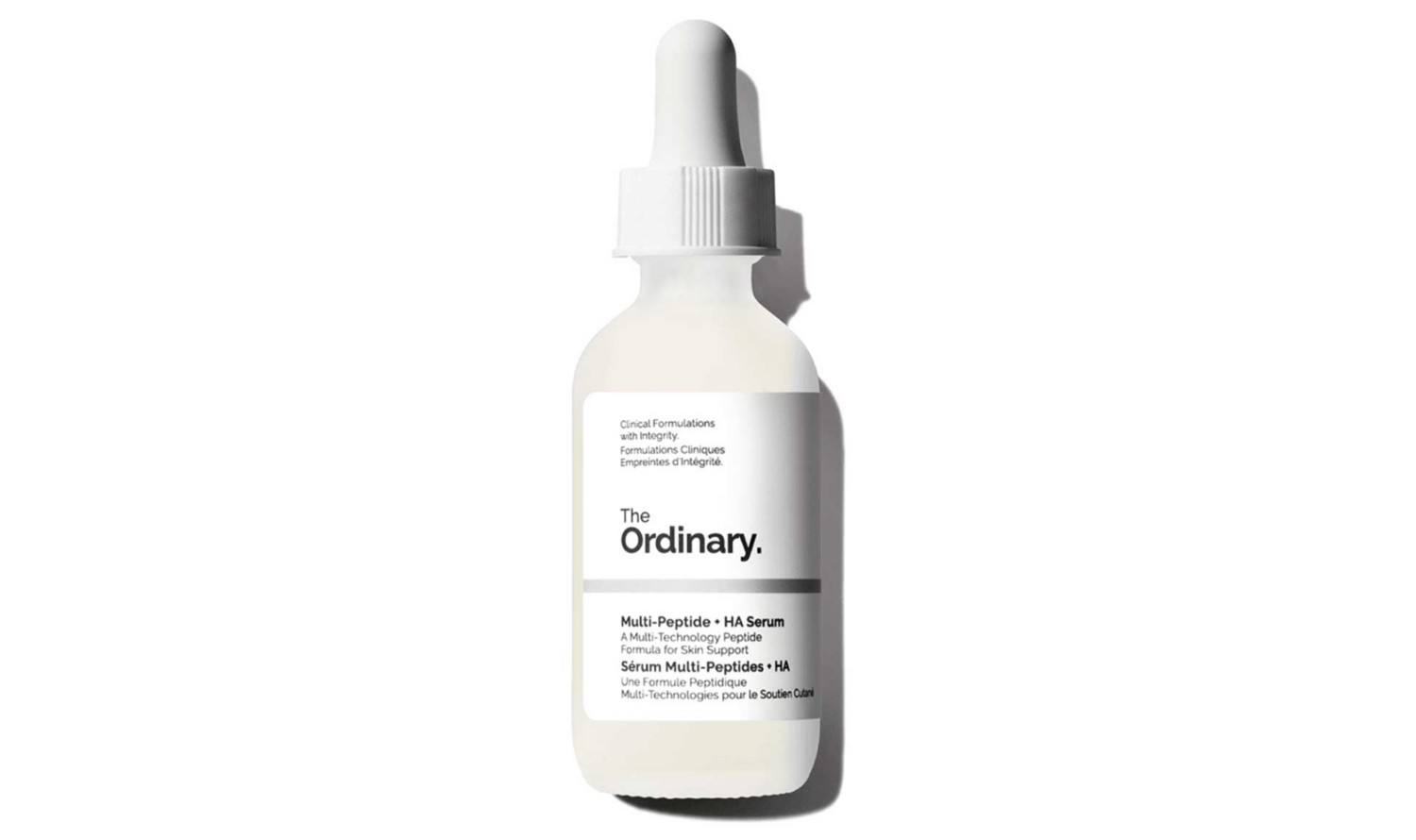
The Ordinary
Multi-Peptide + Hyaluronic Acid Serum for Aging Skin
Peptides · Ferment & Yeast Extracts · Fragrance-free
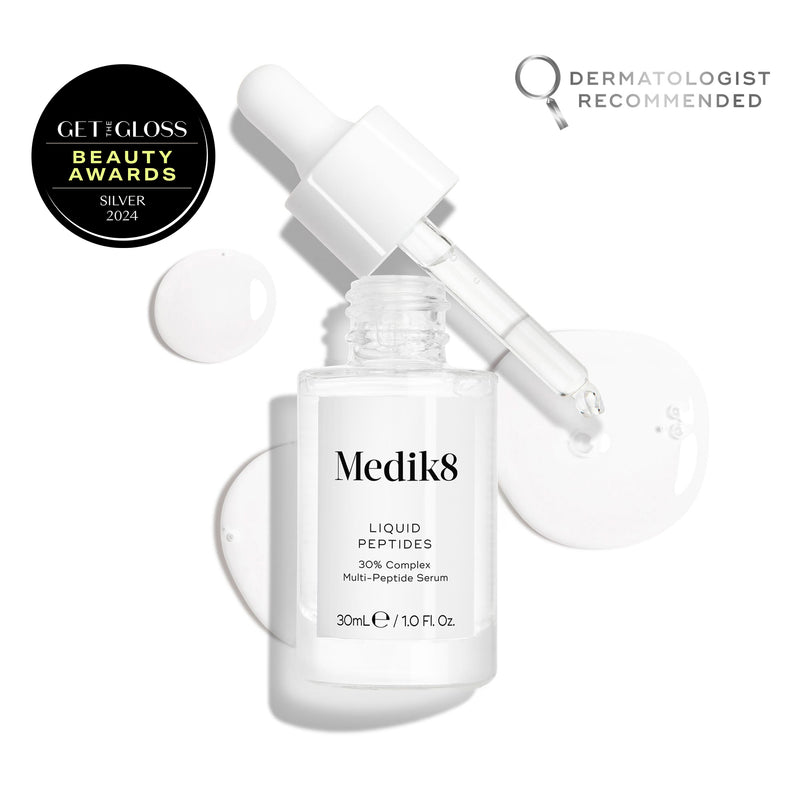
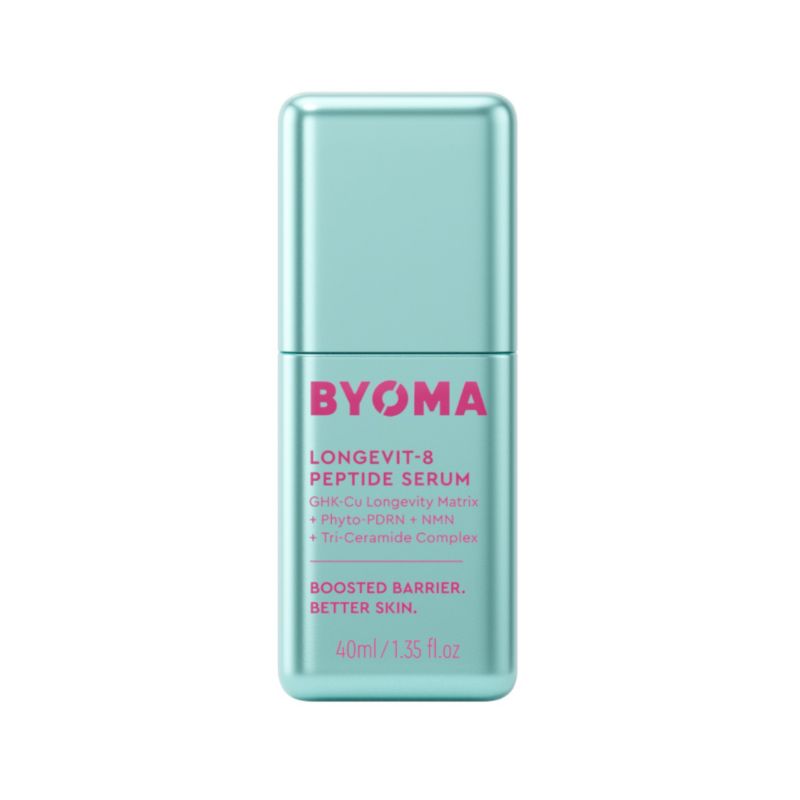
Bioderma
Bioderma
Sensibio Defensive Serum Soothing Serum For Sensitive Skin 30ml
Squalane · Hyaluronic Acid · Fragrance-free

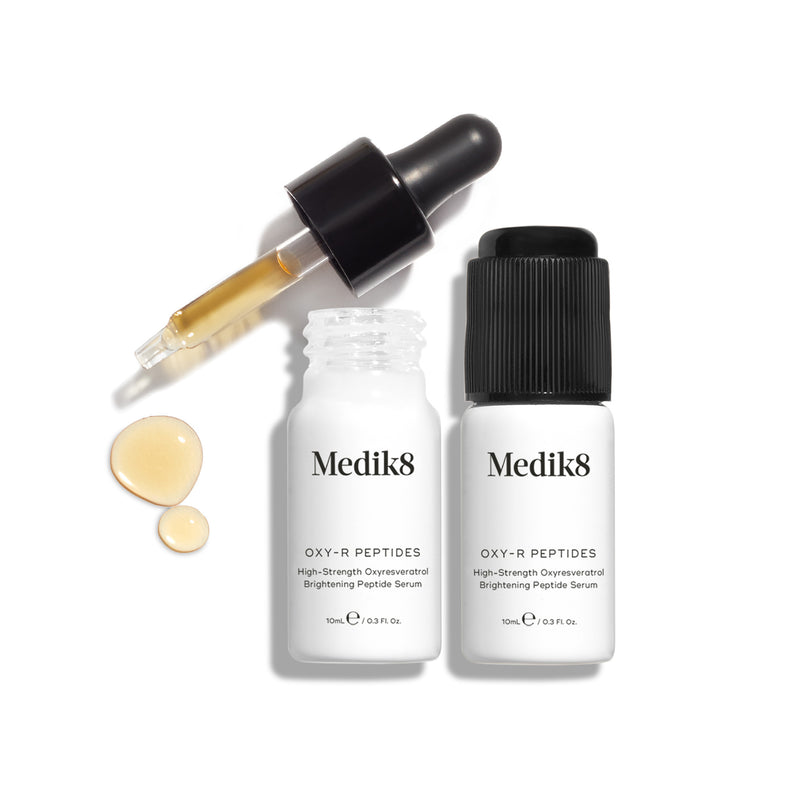

Estée Lauder
Advanced Night Repair Serum Synchronized Multi-Recovery Complex
Ferment & Yeast Extracts · Peptides · Fragrance-free

Estée Lauder
Micro Essence Treatment Lotion Fresh with Sakura Ferment
Ferment & Yeast Extracts · Peptides · Fragrance-free

Estée Lauder
Micro Essence Treatment Lotion with Bio-Ferment
Peptides · Ferment & Yeast Extracts · Fragrance-free

Estée Lauder
Turbo Lash Night Revitalizing Serum for Lash + Brow 6ml
Hyaluronic Acid · Ginseng · Fragrance-free

Estée Lauder
Advanced Night Repair Rescue Solution Serum with 15% Bifidus Ferment 20ml
Ferment & Yeast Extracts · Peptides · Fragrance-free
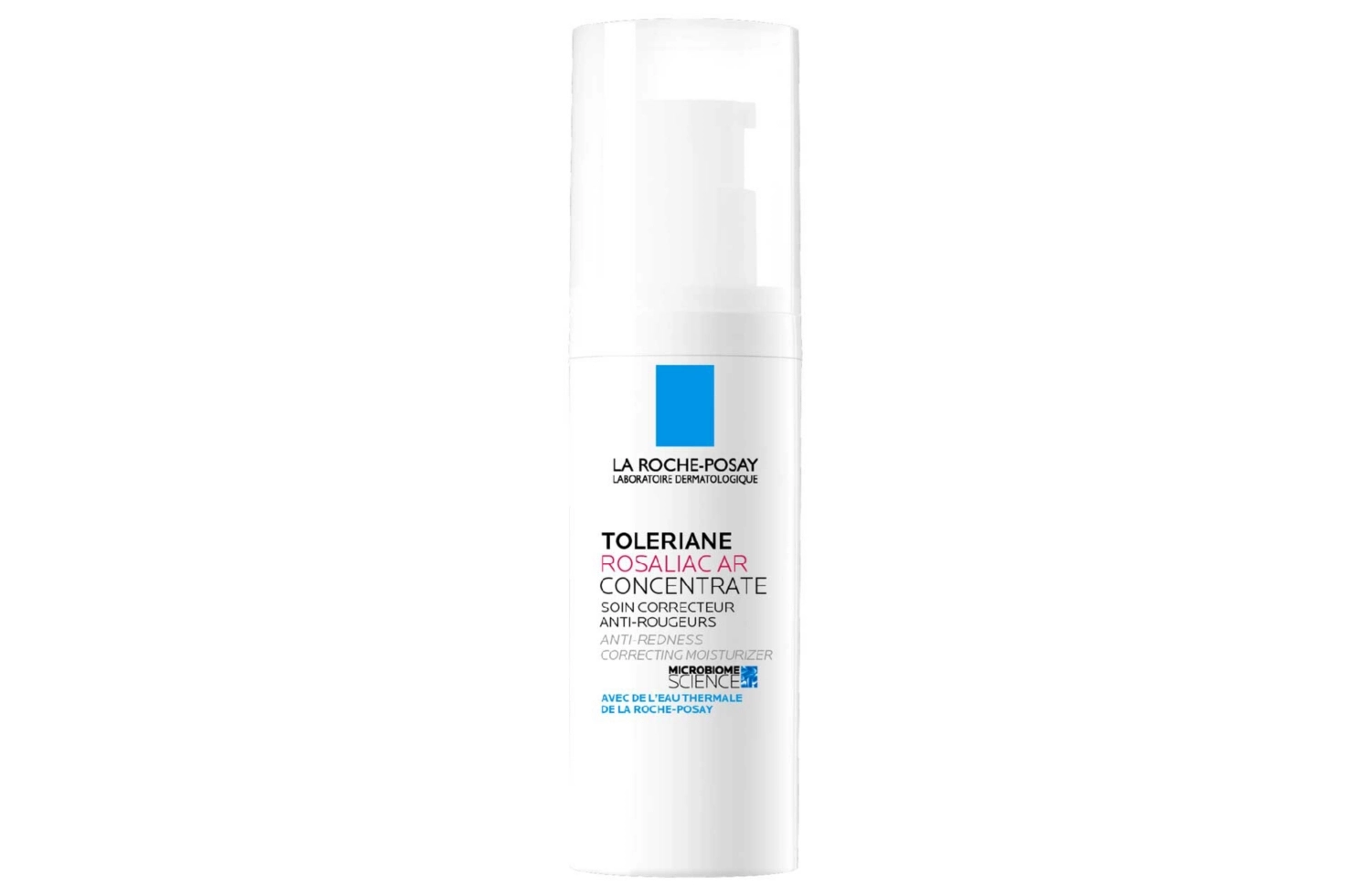
La Roche-Posay
Toleriane Rosaliac AR Concentrate 40ml
Shea Butter · Ferment & Yeast Extracts · Fragrance-free
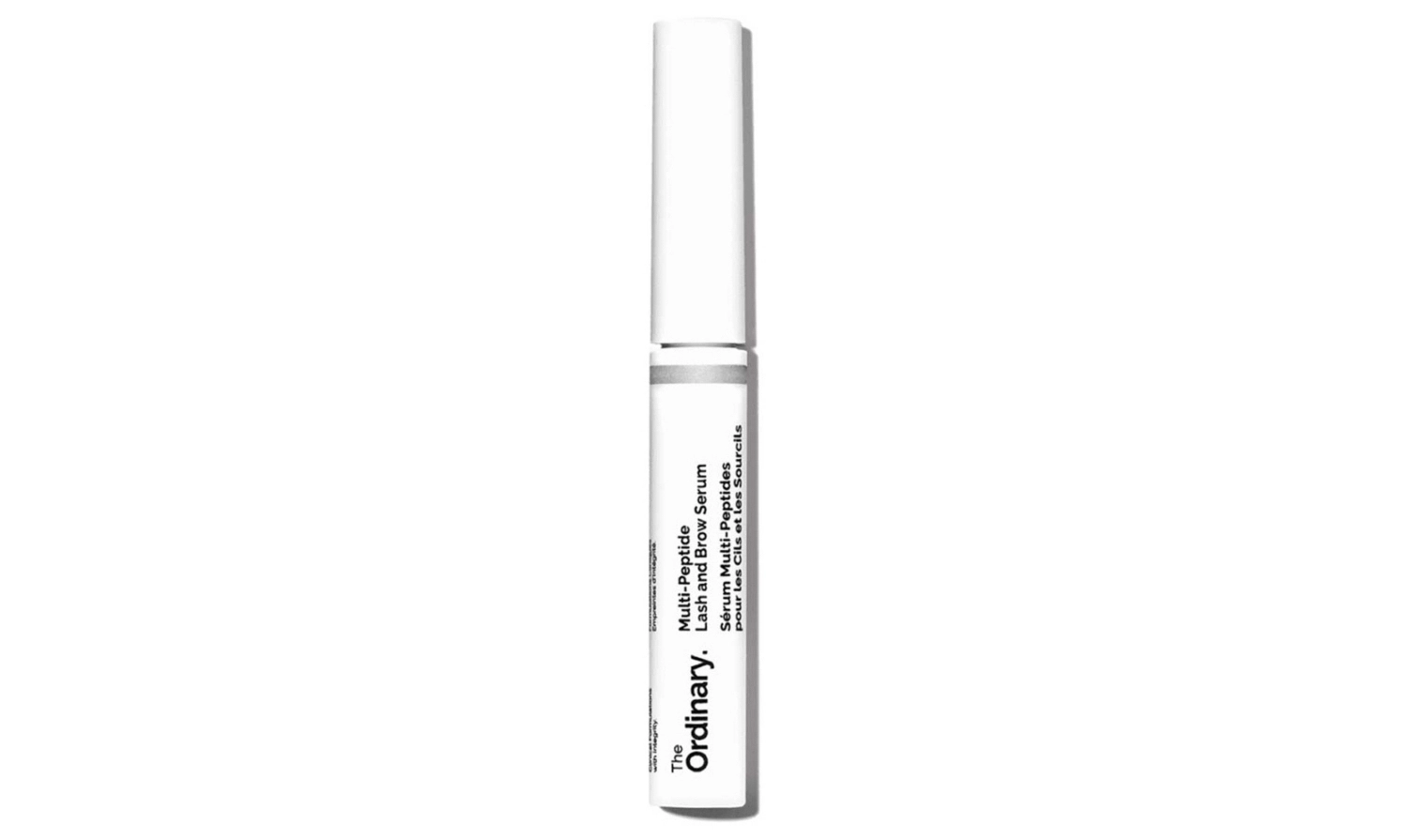

Beauty of Joseon
Pore Firming Serum: Red Bean PDRN + Peptide 30ml
Niacinamide · Squalane · Fragrance-free
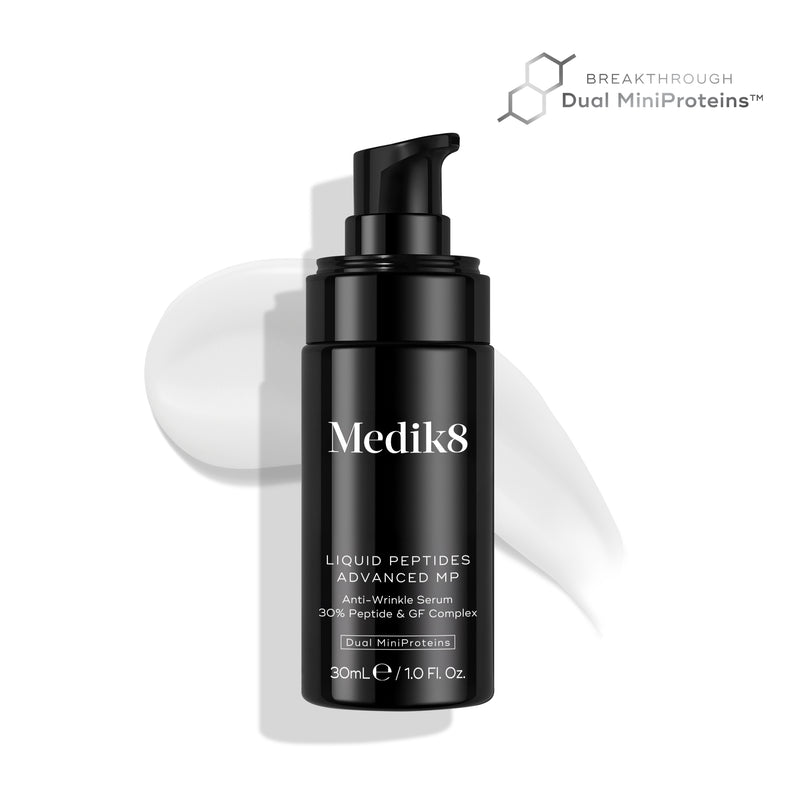
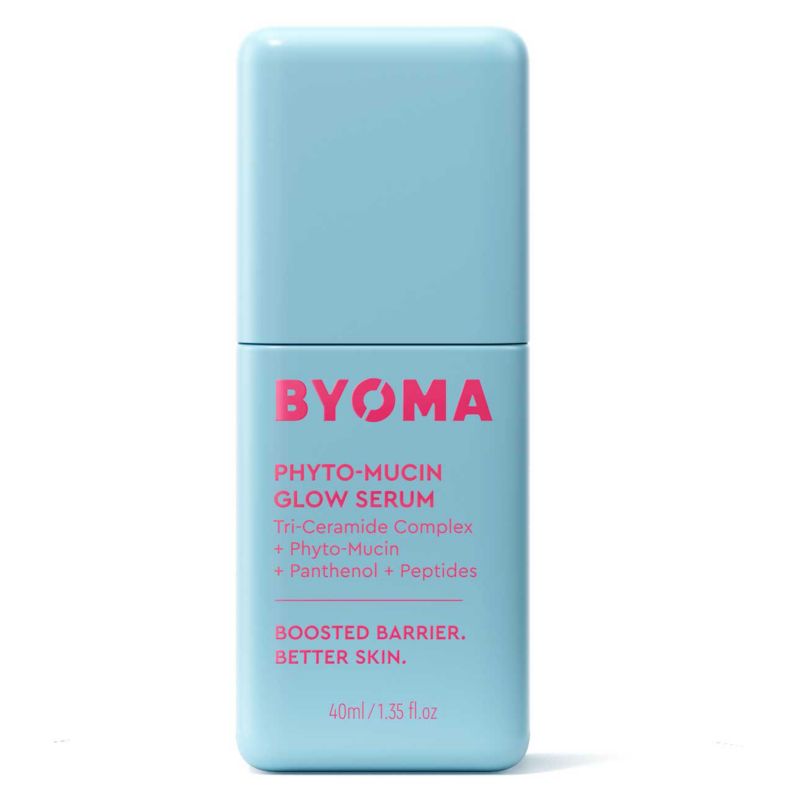
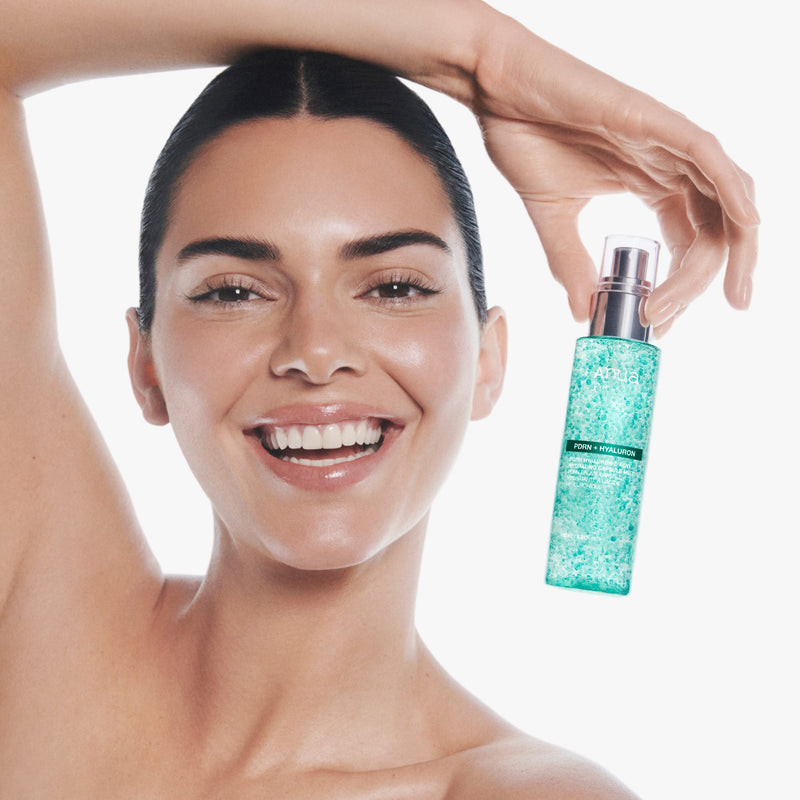
Anua
PDRN Collagen Glow Facial Serum Spray
Panthenol (Pro-Vitamin B5) · Ferment & Yeast Extracts · Fragrance-free
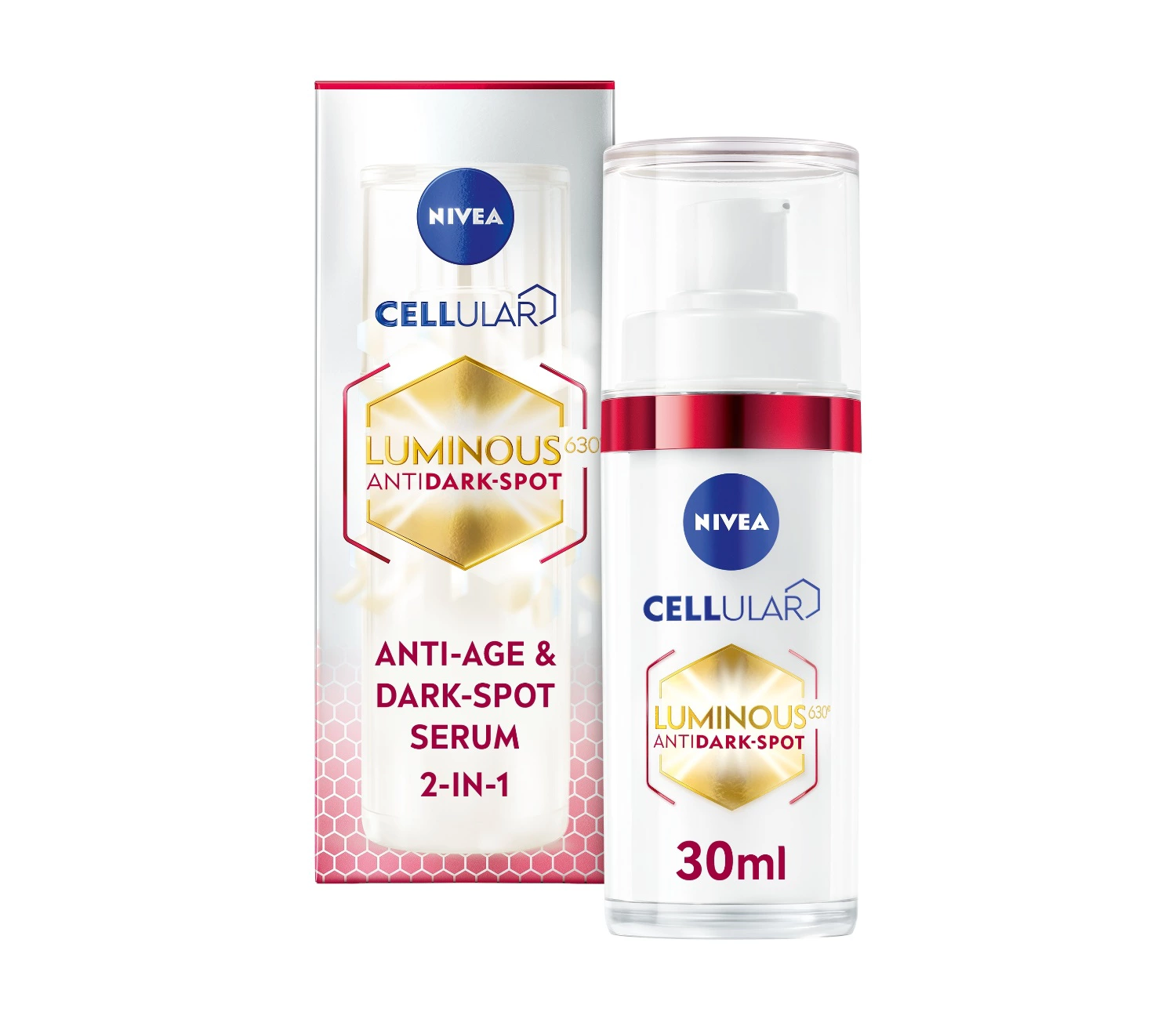
NIVEA
Luminous 630 Anti-Age & Dark Spot 2-in-1 Serum with Collagen Booster 30ml
Thiamidol · Squalane · Contains fragrance
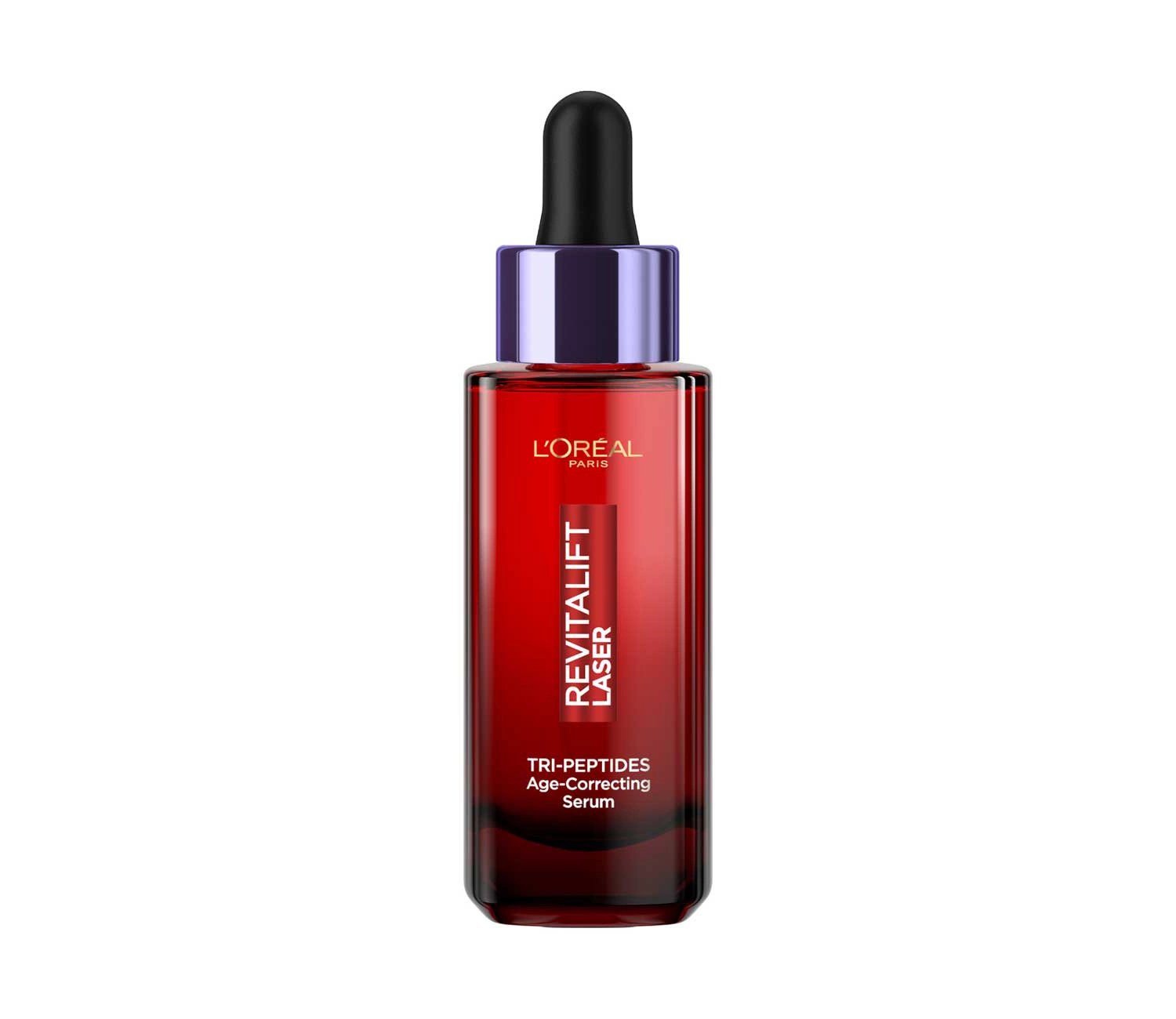
L'Oréal Paris
Revitalift Laser Tripeptide Serum 30ml
Hyaluronic Acid · Ferment & Yeast Extracts · Contains fragrance · Drying alcohol high in list
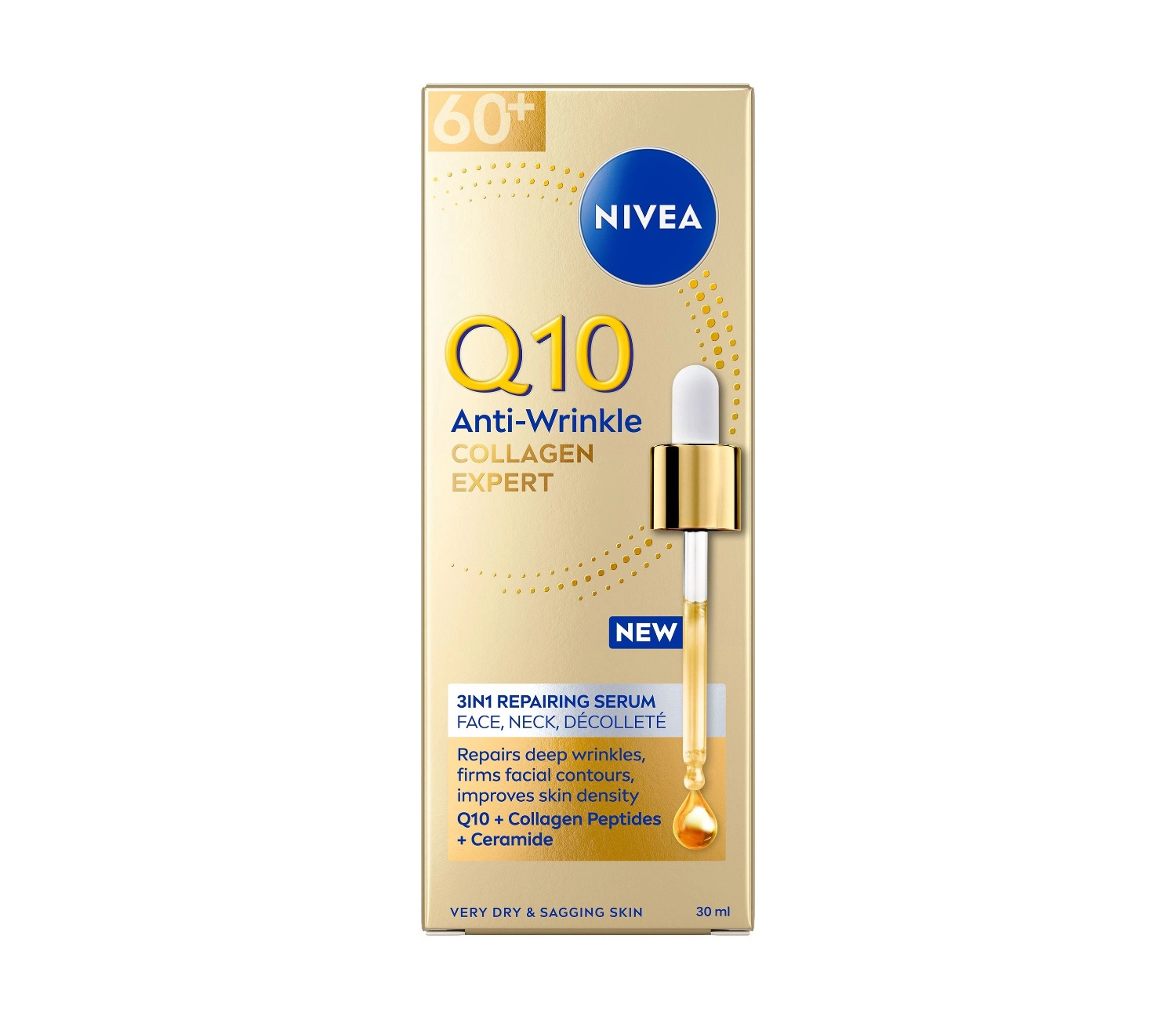
NIVEA
Q10 Anti-Wrinkle Collagen Expert 3in1 Repairing Face Serum 30ml
Peptides · Ceramides · Contains fragrance · Drying alcohol high in list
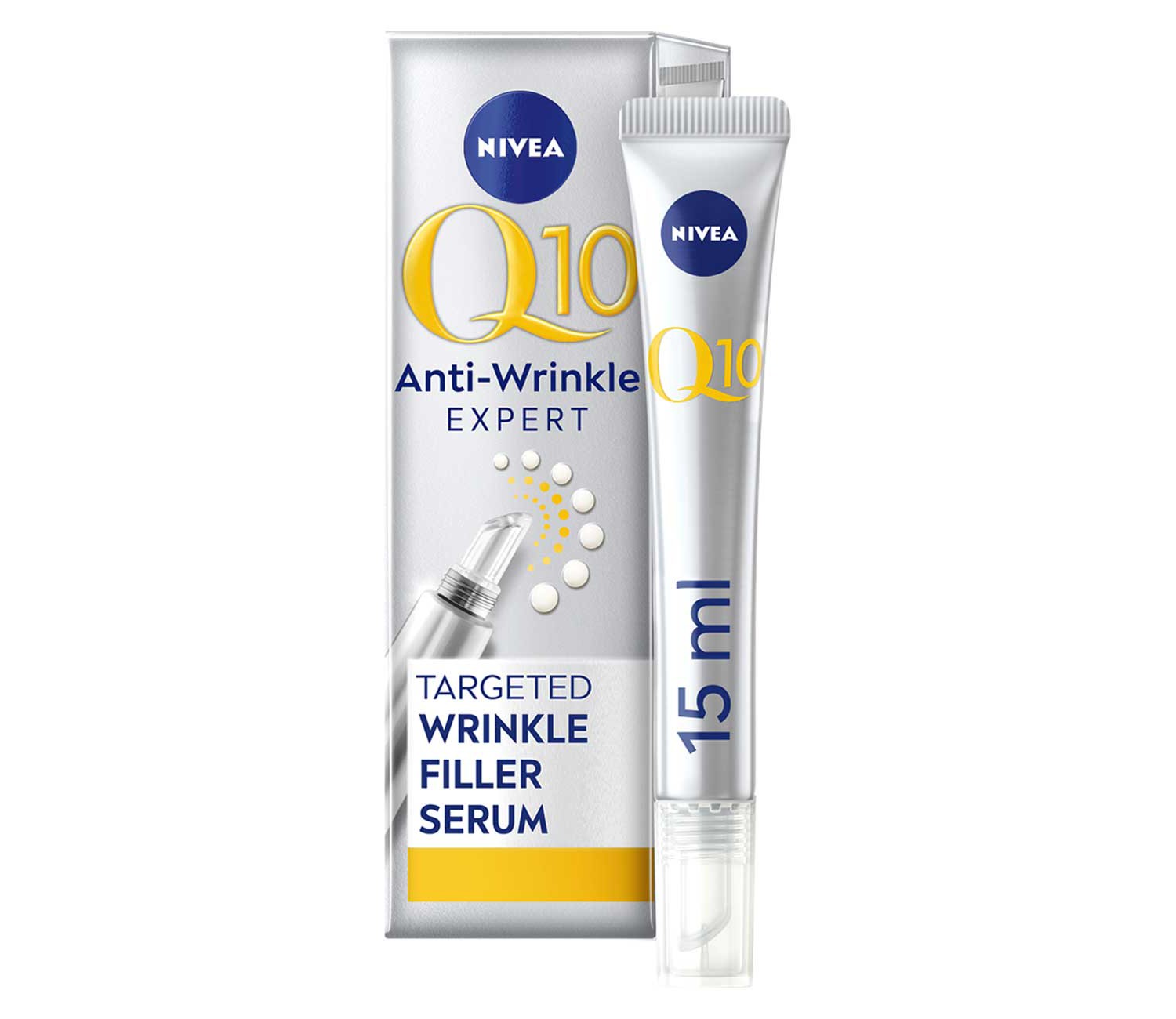
NIVEA
Q10 Anti-Wrinkle Power Wrinkle Filler Serum with Bioxifill Peptides 15ml
Hyaluronic Acid · Panthenol (Pro-Vitamin B5) · Contains fragrance · Drying alcohol high in list

Estée Lauder
Futurist Peptide-Power Serum Primer
Peptides · Vitamin C (Tetrahexyldecyl Ascorbate) · Fragrance-free
Hyaluronic acid and hydrating serums
Water-binding serums for dehydrated skin, easy to add to any routine.
Beauty of Joseon
Calming Serum : Green Tea+Panthenol 30ml
Panthenol (Pro-Vitamin B5) · Allantoin · Fragrance-free
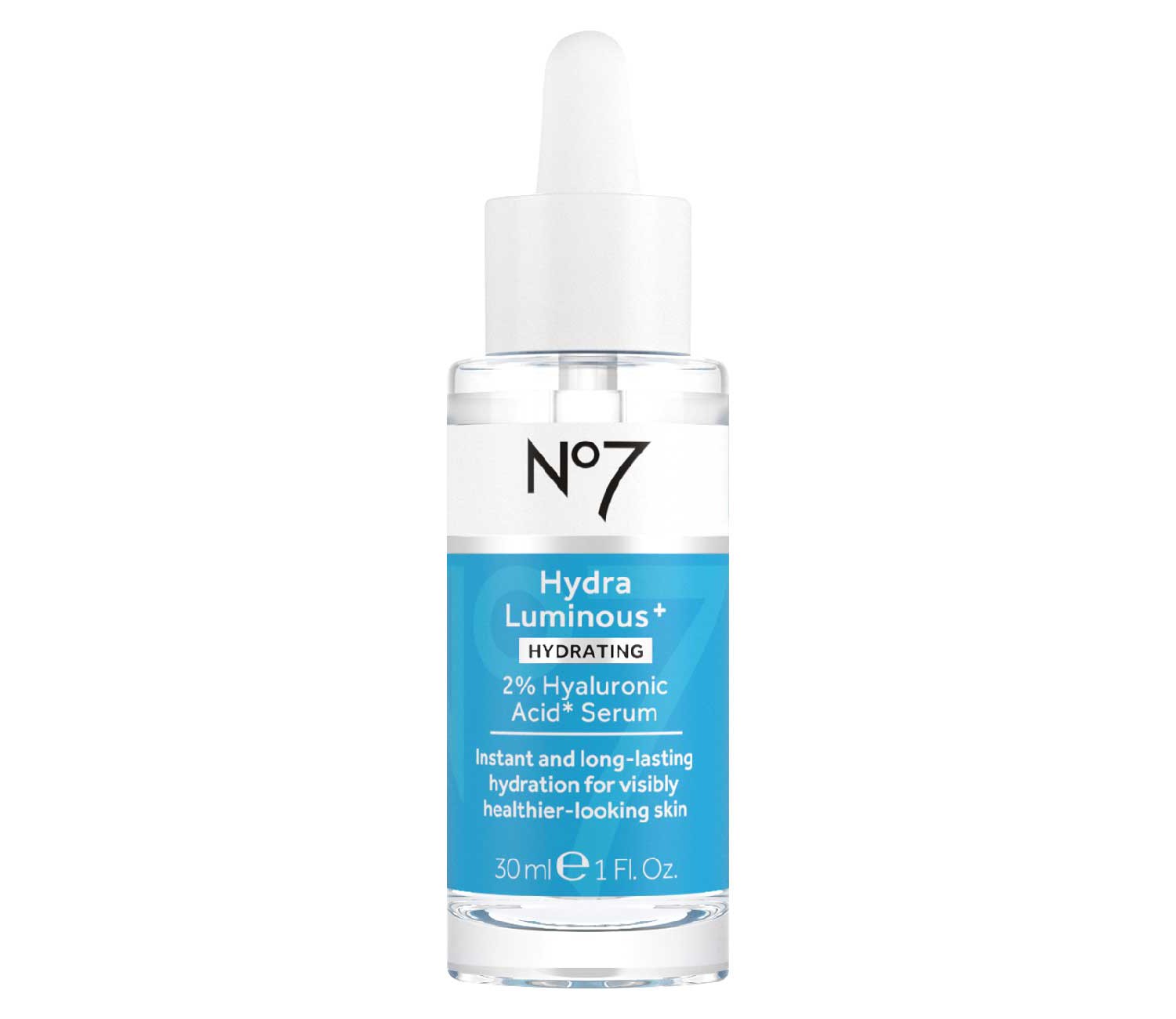
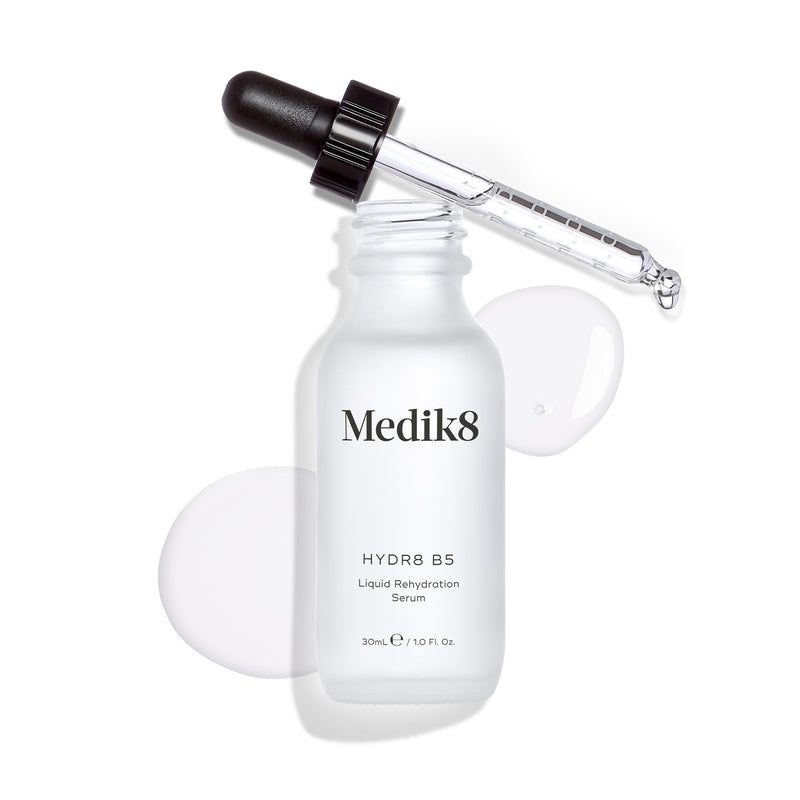
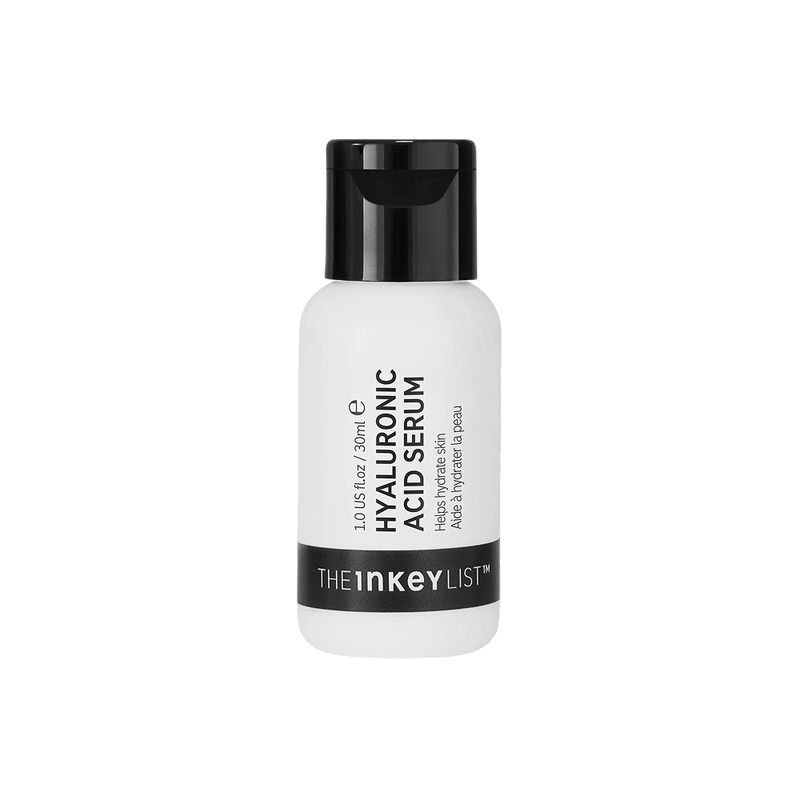
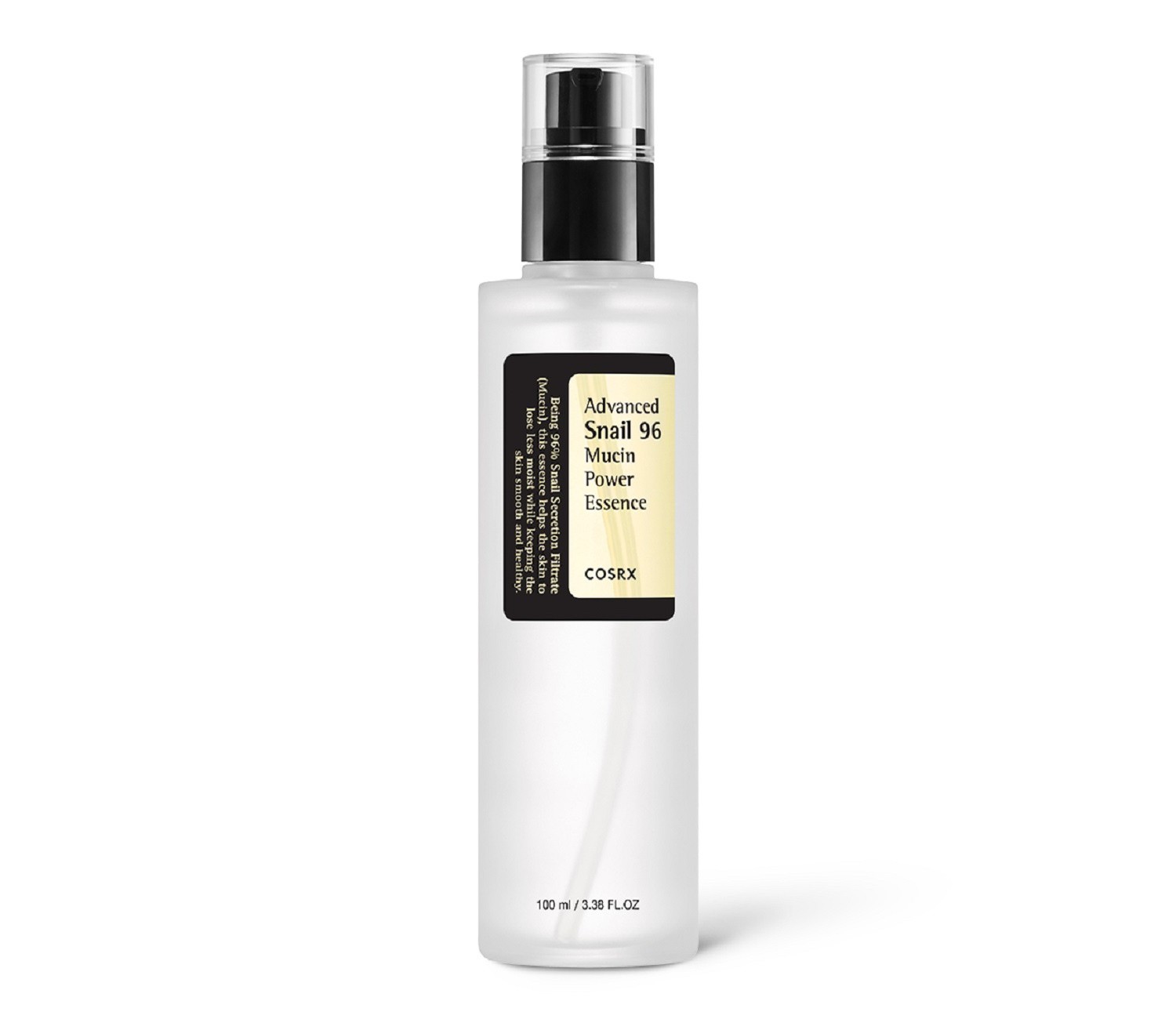
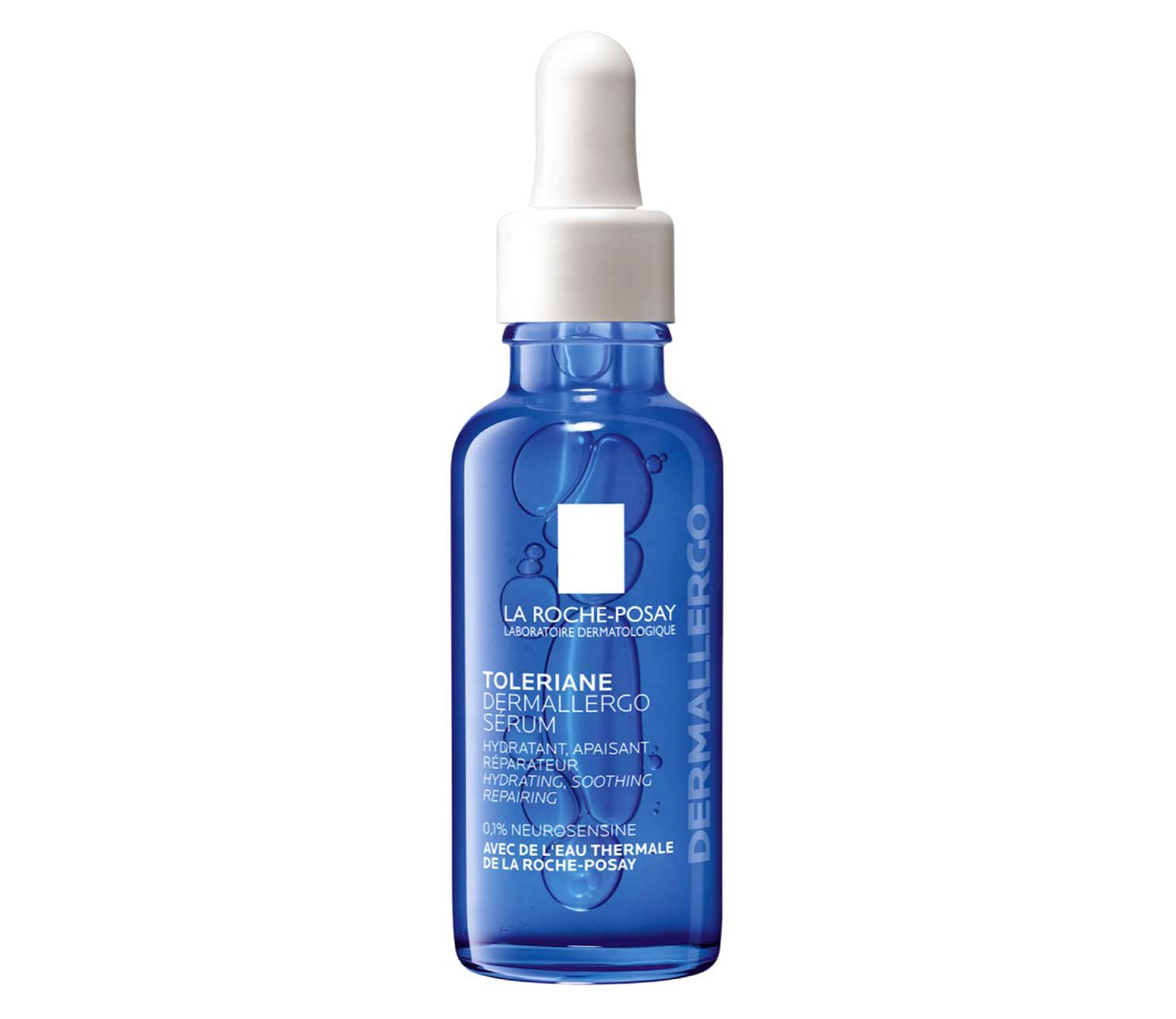
La Roche-Posay
Toleriane Ultra Dermallergo Hydrating Serum For Sensitive Skin 30ml
Betaine · Hyaluronic Acid · Fragrance-free
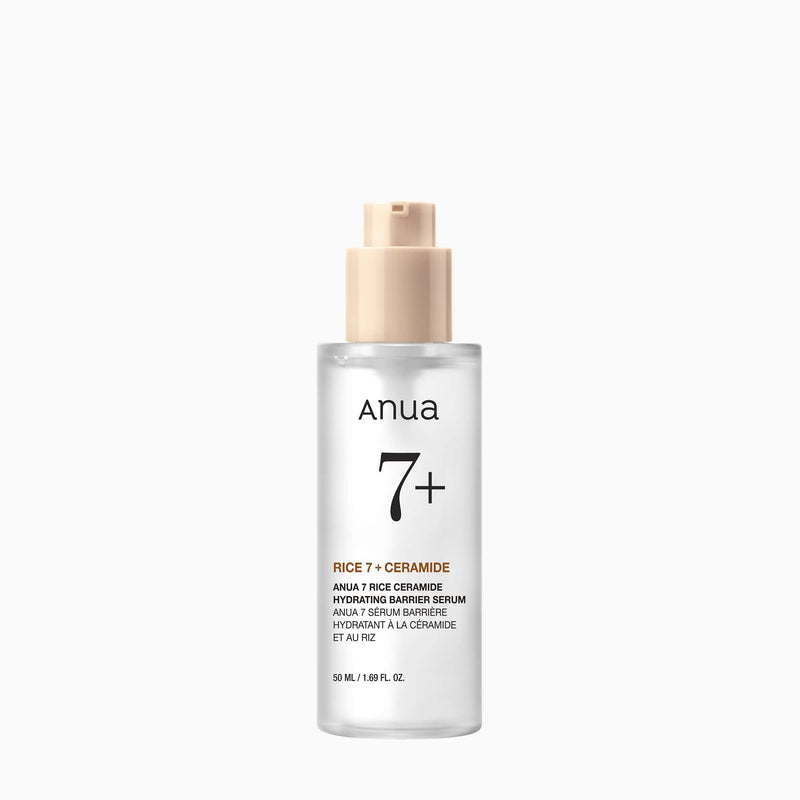
Anua
Rice Ceramide 7 Hydrating Barrier Serum
Niacinamide · Panthenol (Pro-Vitamin B5) · Fragrance-free
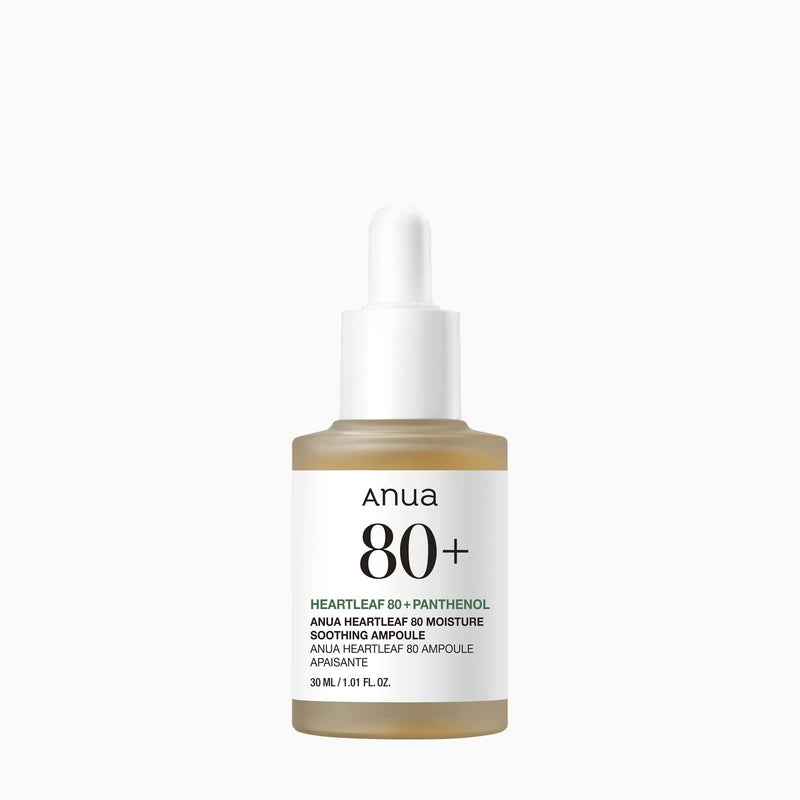
Anua
Heartleaf 80% Moisture Soothing Ampoule
Hyaluronic Acid · Ferment & Yeast Extracts · Fragrance-free
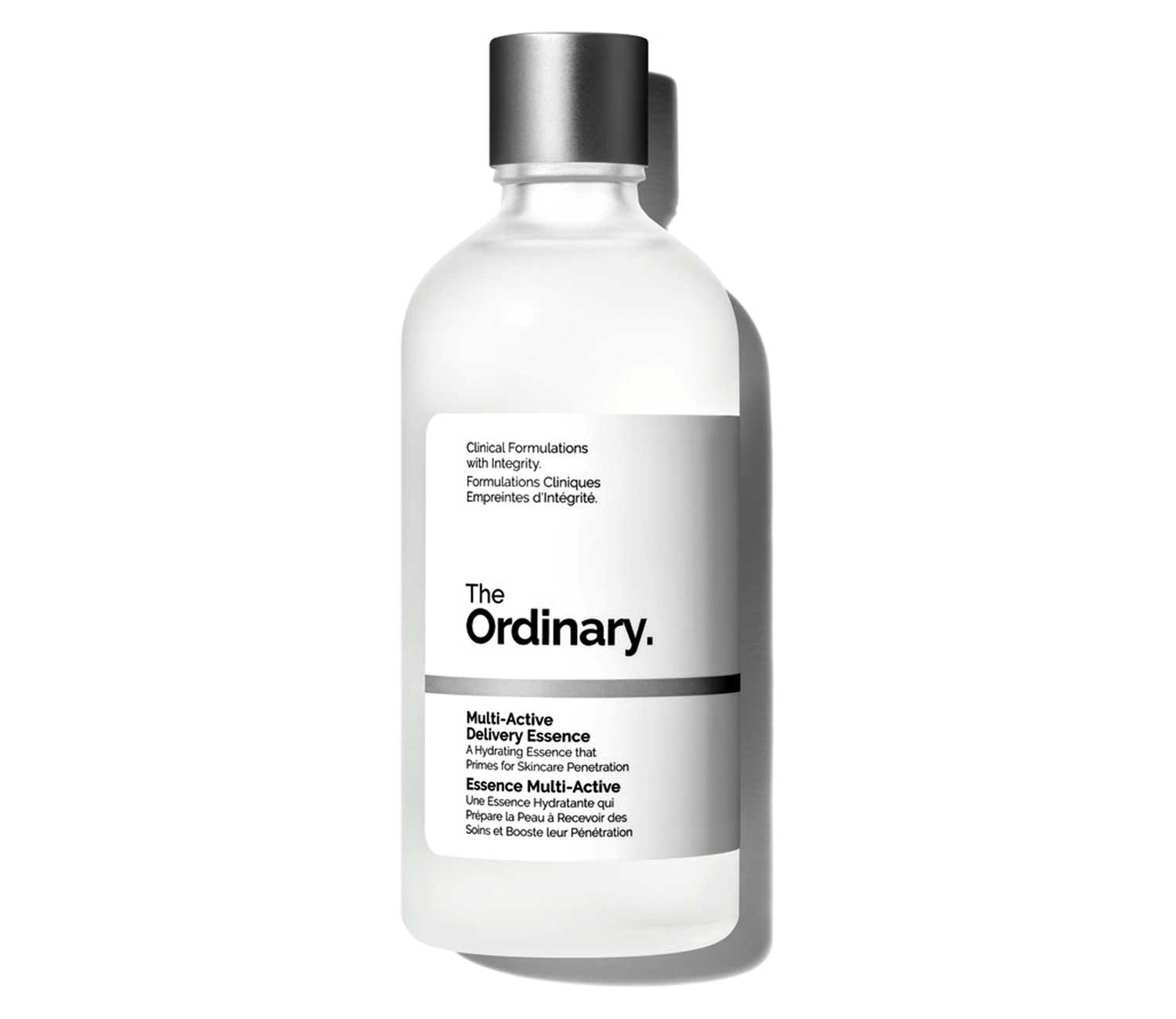
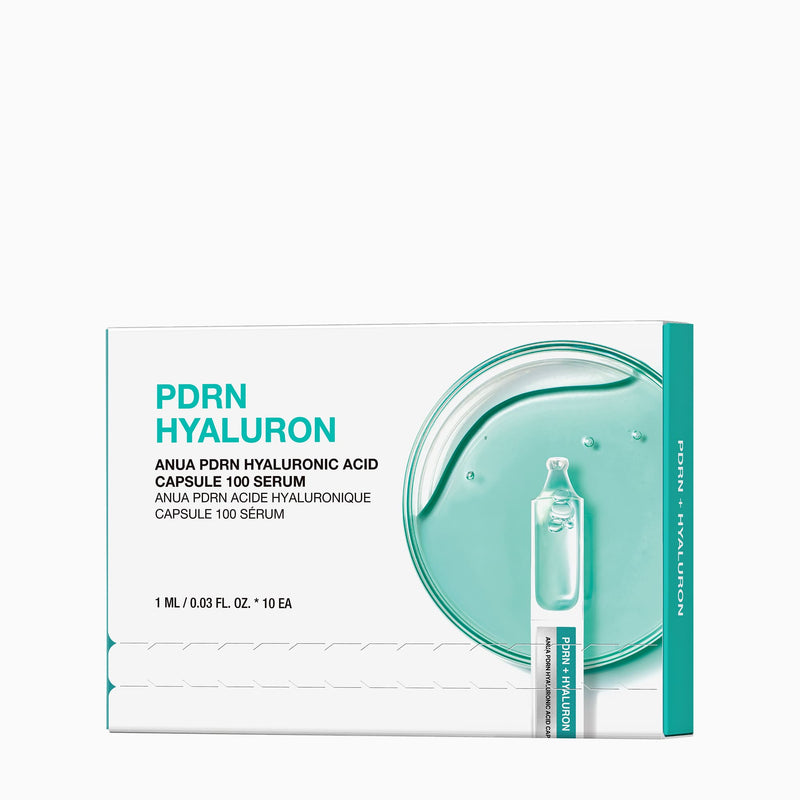
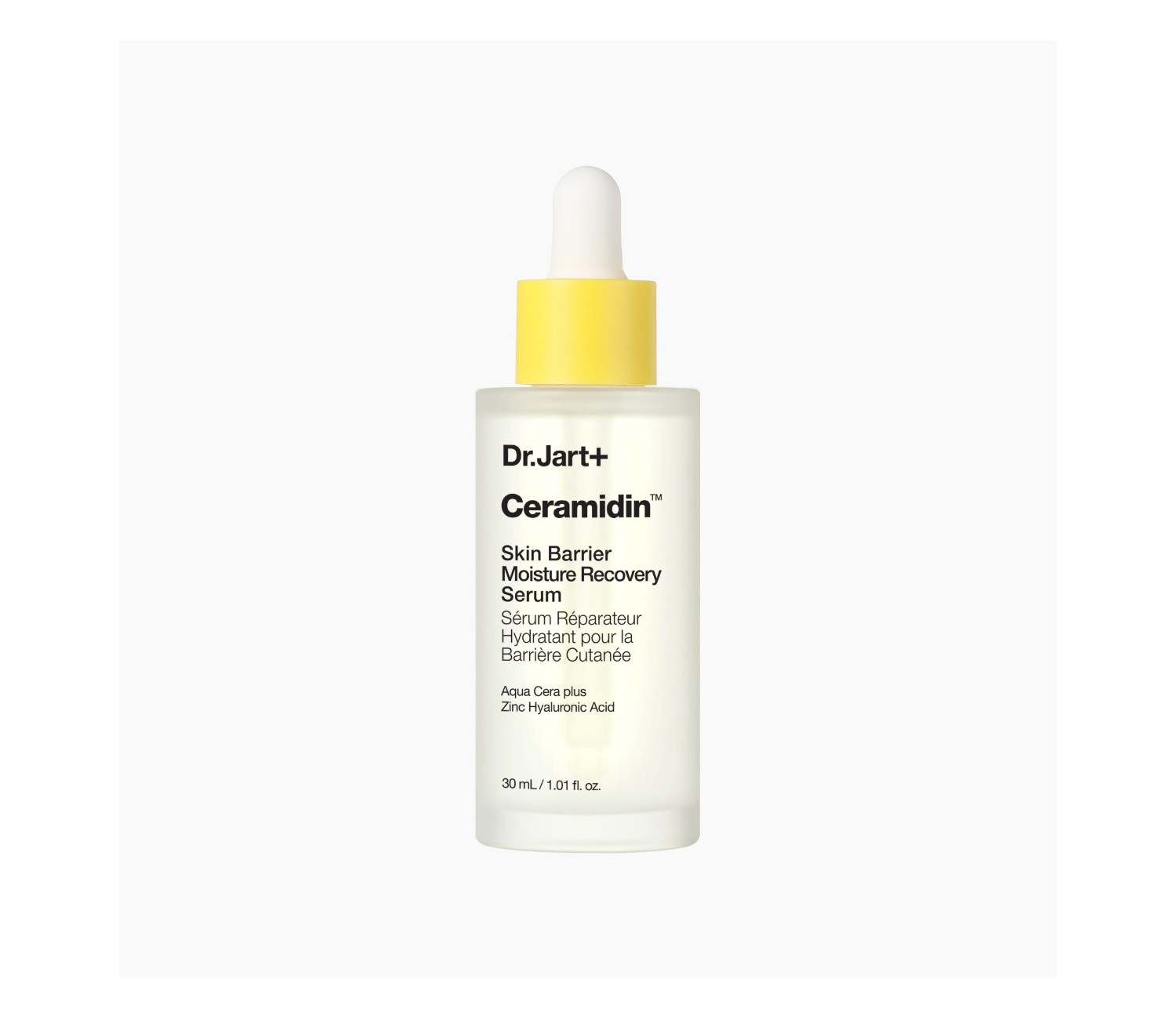
Dr.Jart+
Ceramidin Skin Barrier Moisture Recovery Serum
Ceramides · Ferment & Yeast Extracts · Fragrance-free
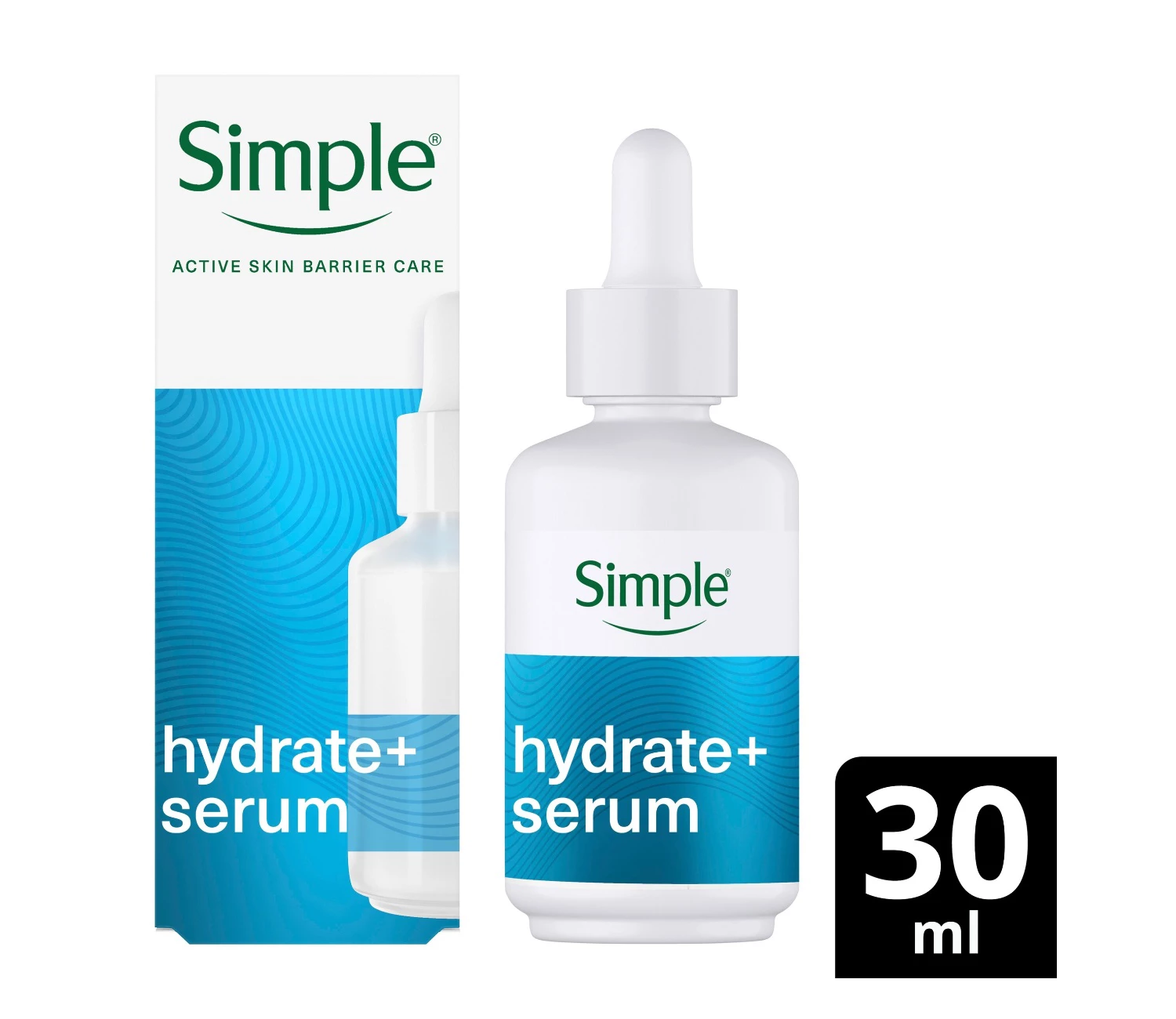
Simple
Booster Serum 3% Hyaluronic Acid & B5 30 ML
Niacinamide · Panthenol (Pro-Vitamin B5) · Fragrance-free
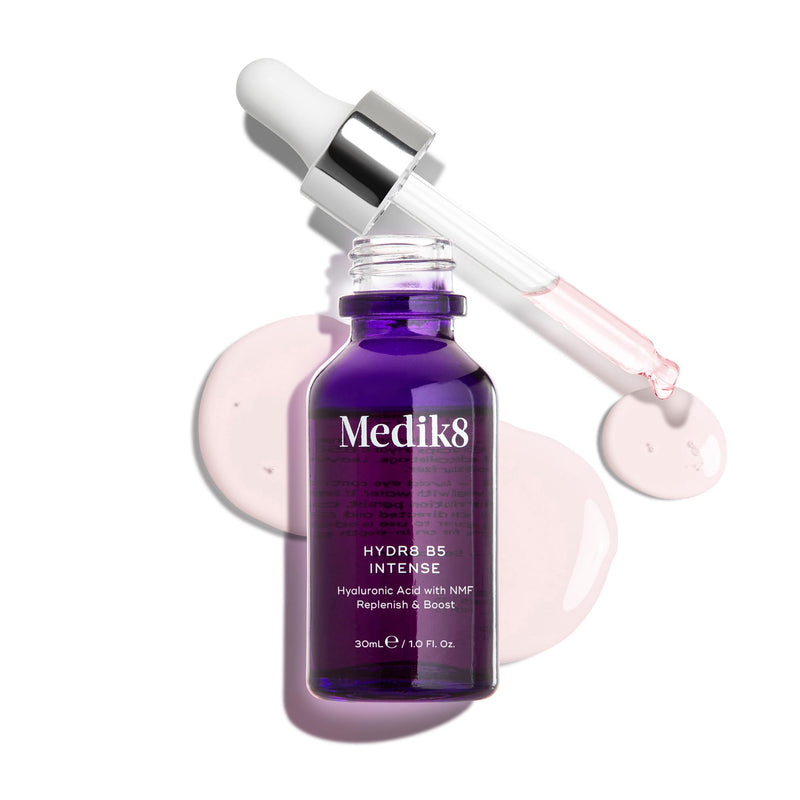

No7
Good Intent Dew Bank Water Serum With PDRN And Hyaluronic Acid 50ml
Niacinamide · Panthenol (Pro-Vitamin B5) · Fragrance-free
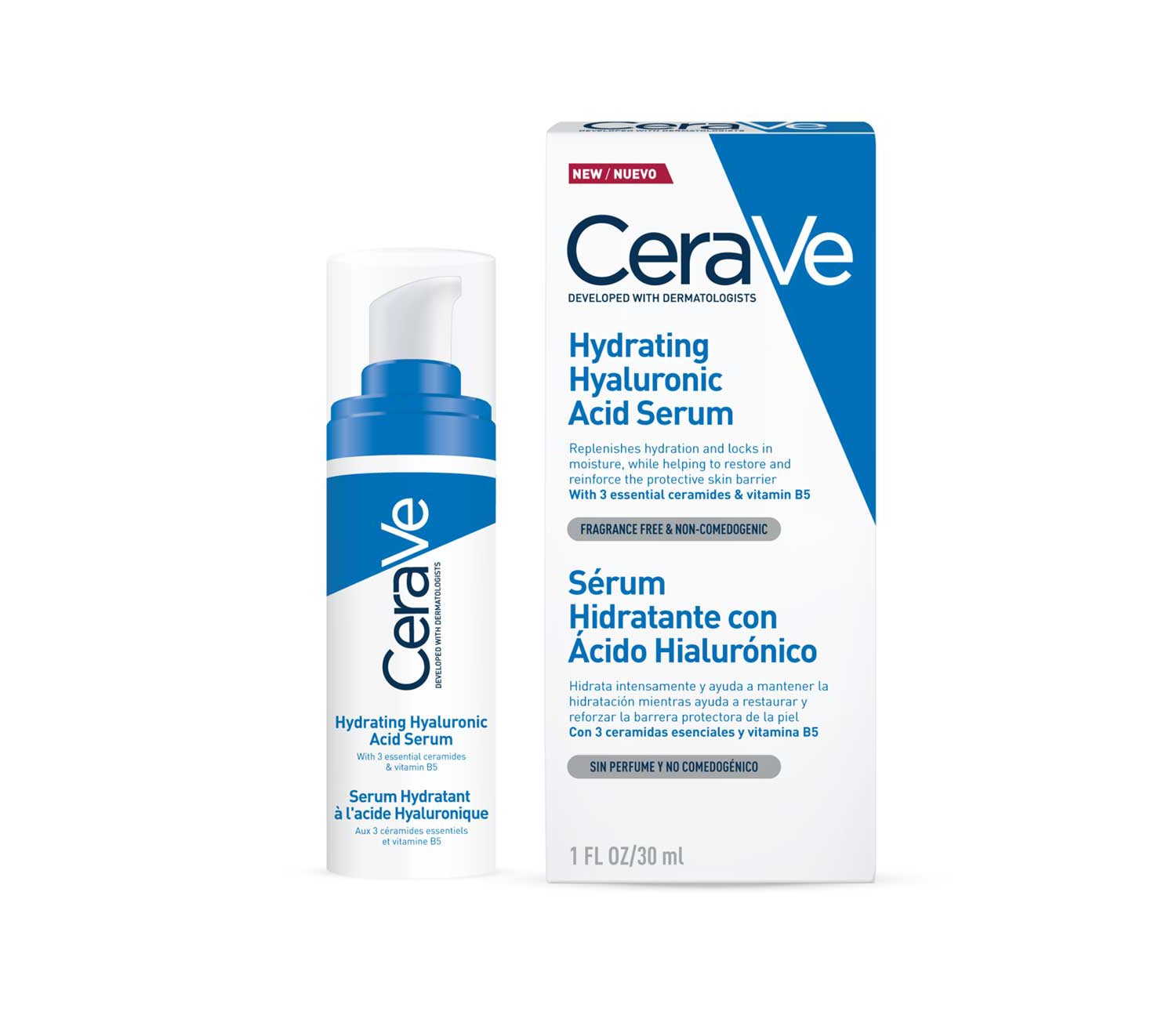
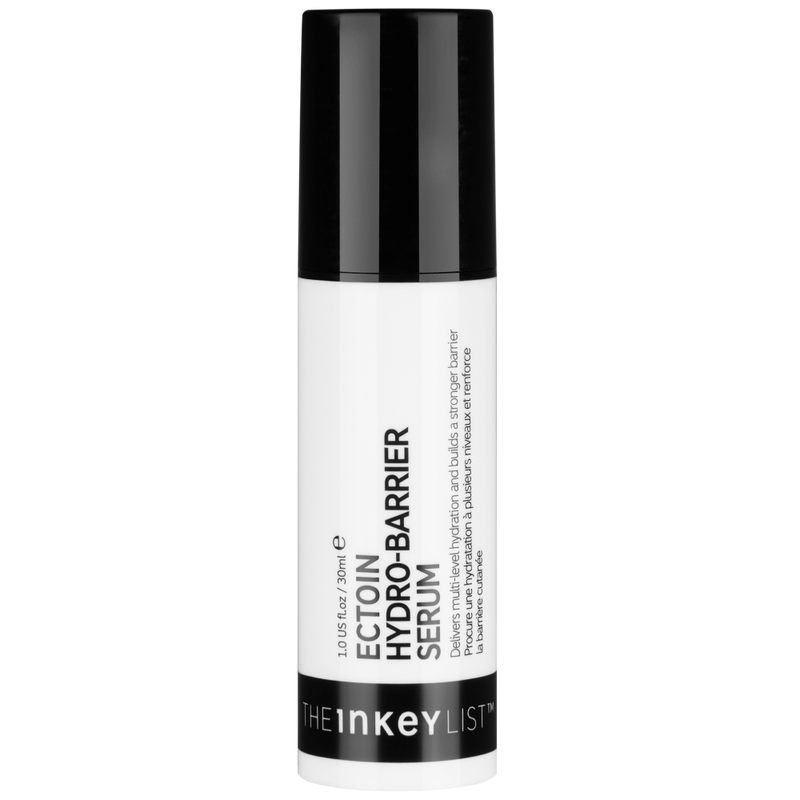


Clinique
Moisture Surge Hydrating Supercharged Concentrate 48ml
Hydroxyethyl Urea · Ferment & Yeast Extracts · Fragrance-free
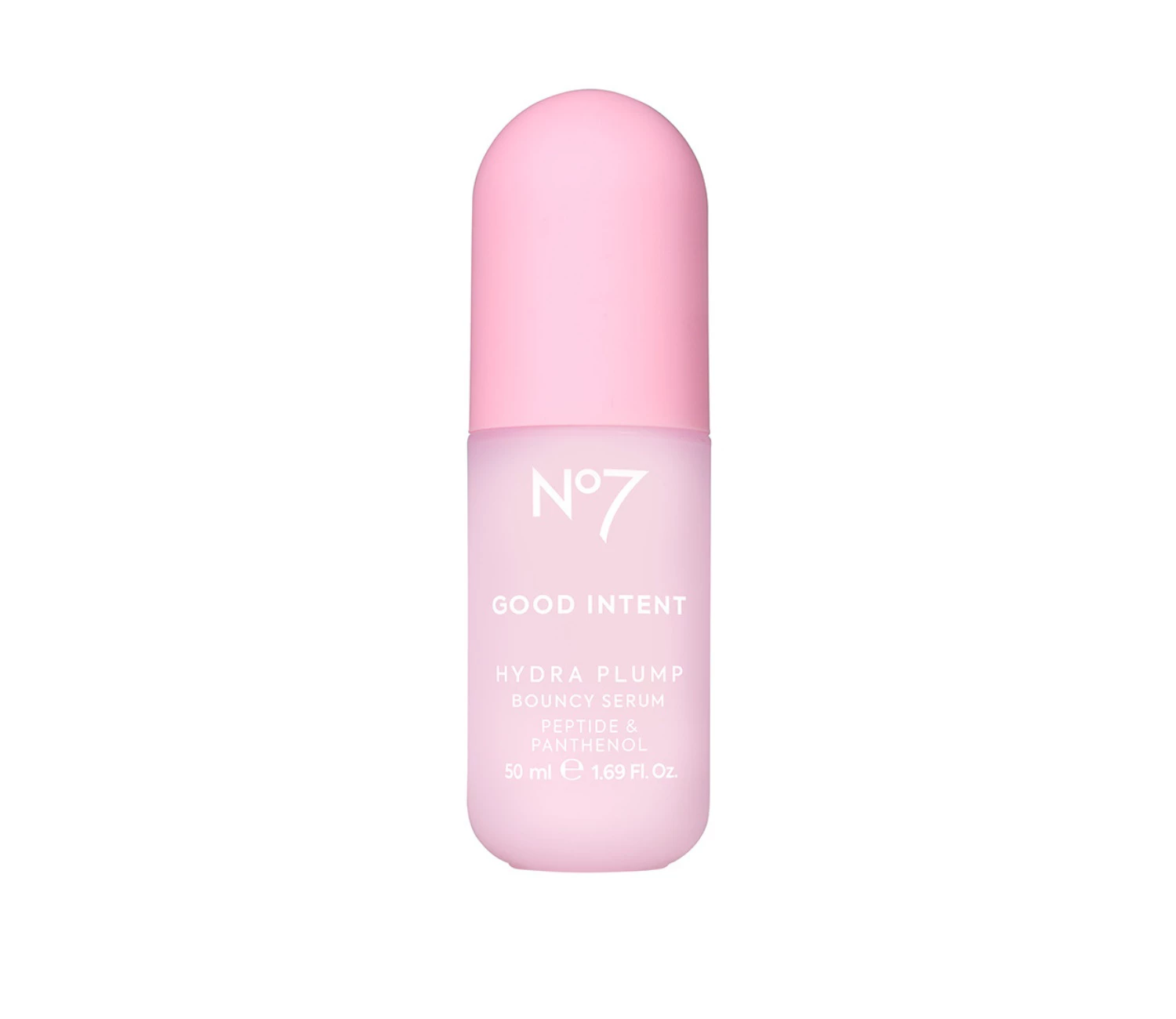
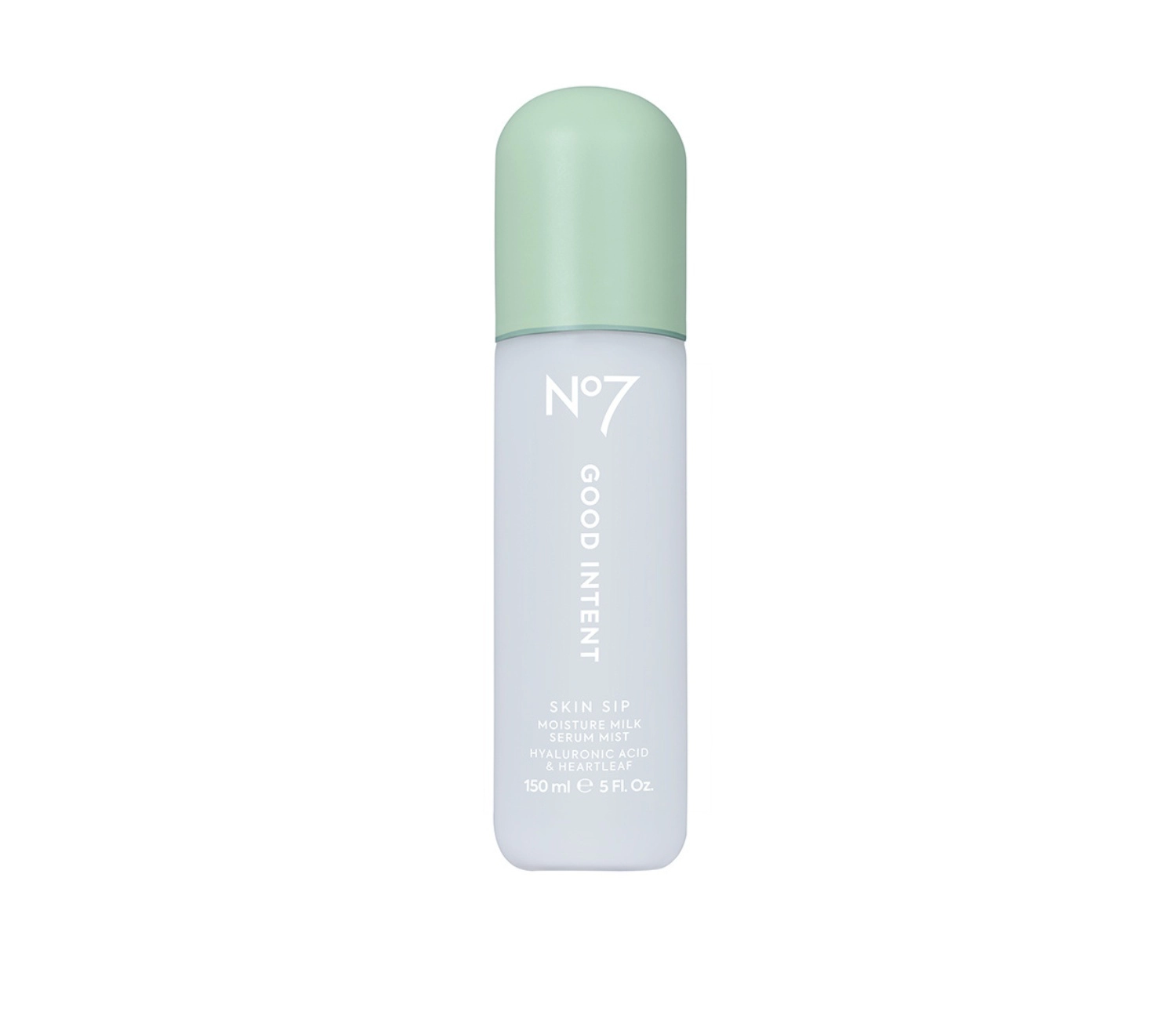
No7
Good Intent Skin Sip Moisture Milk Serum Mist 150ml
Hyaluronic Acid · Allantoin · Fragrance-free
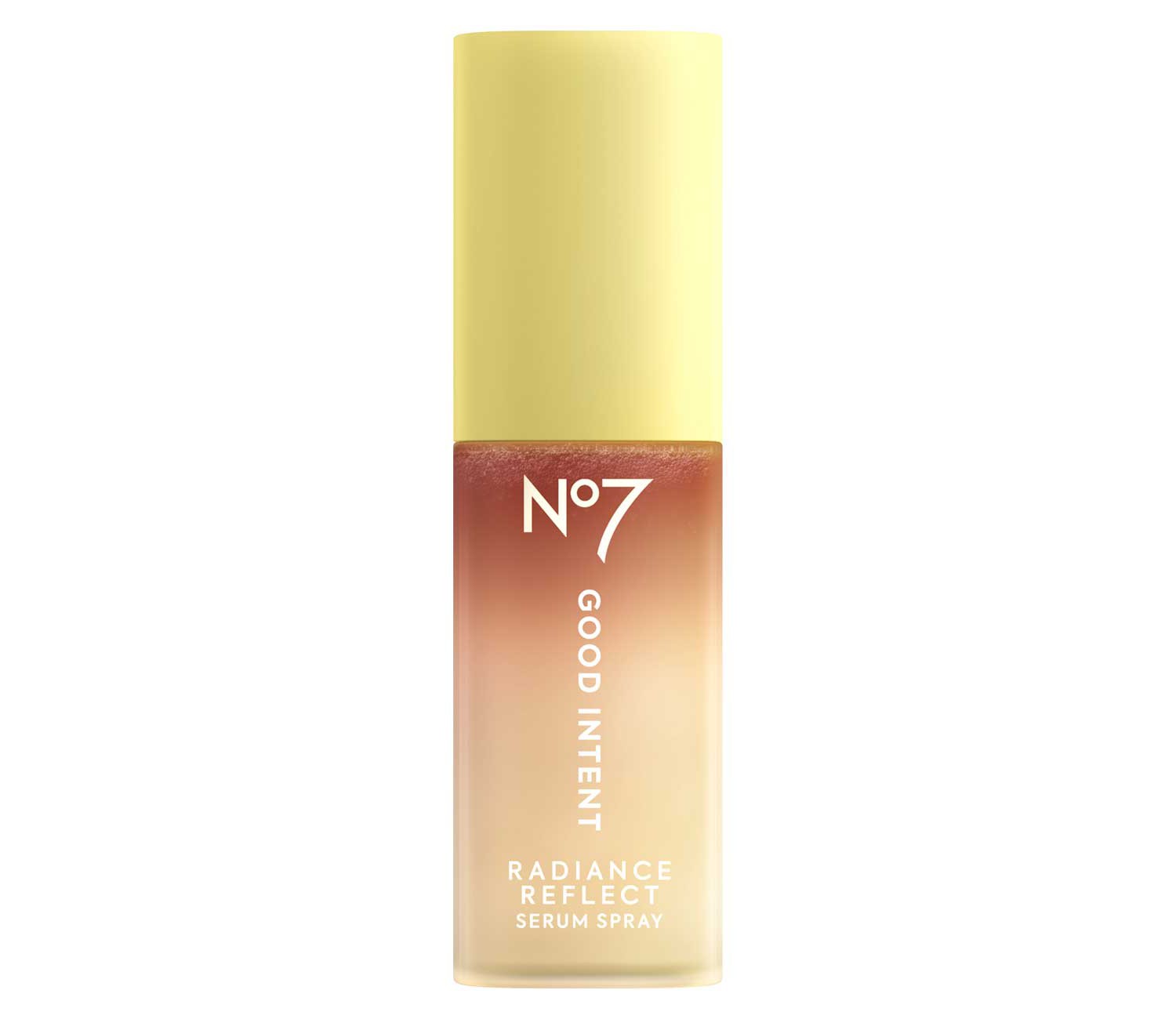
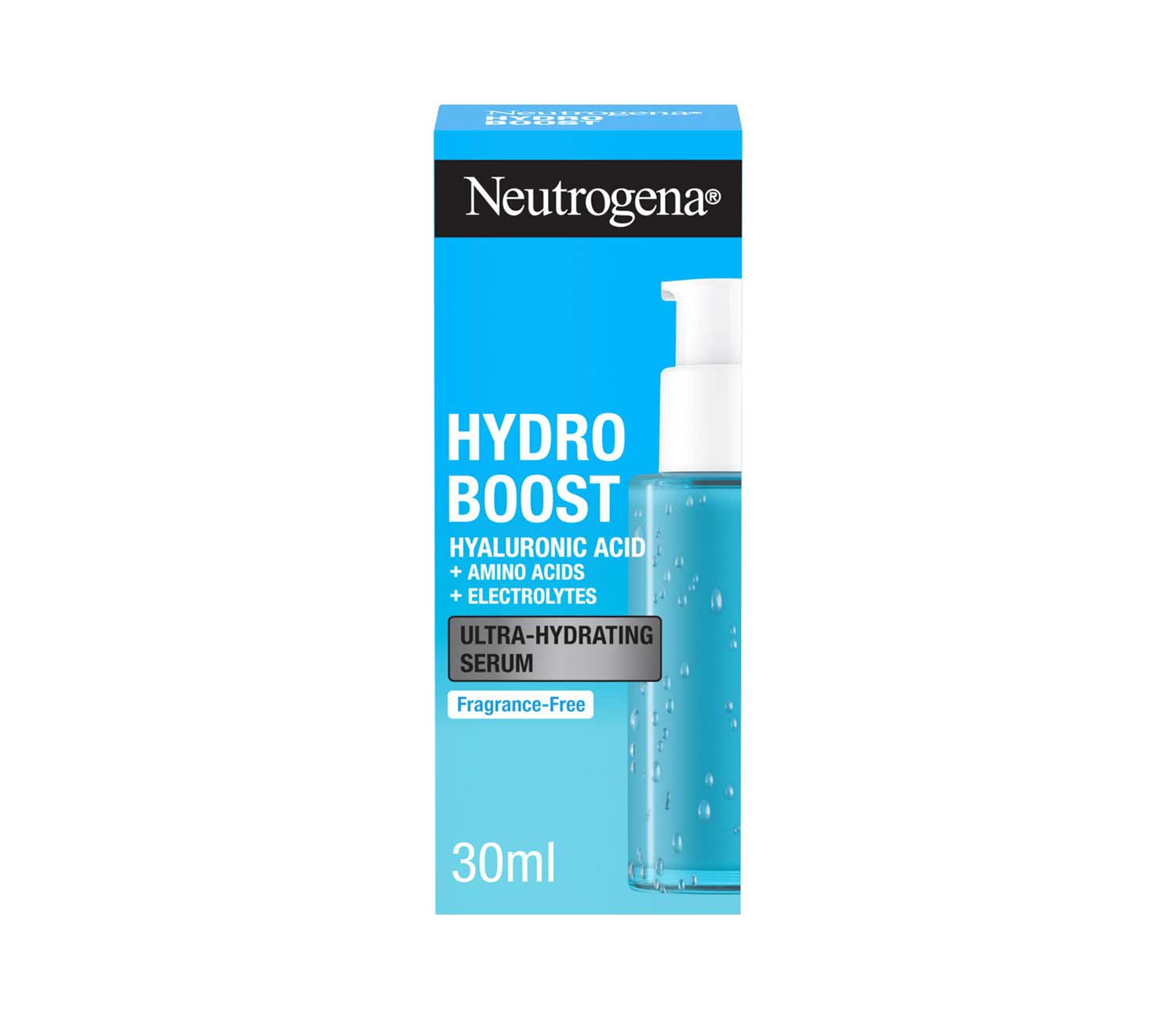
Neutrogena
Hydro Boost Ultra Light Hydrating Serum with Hyaluronic Acid 30ml
Betaine · Lactic Acid · Fragrance-free
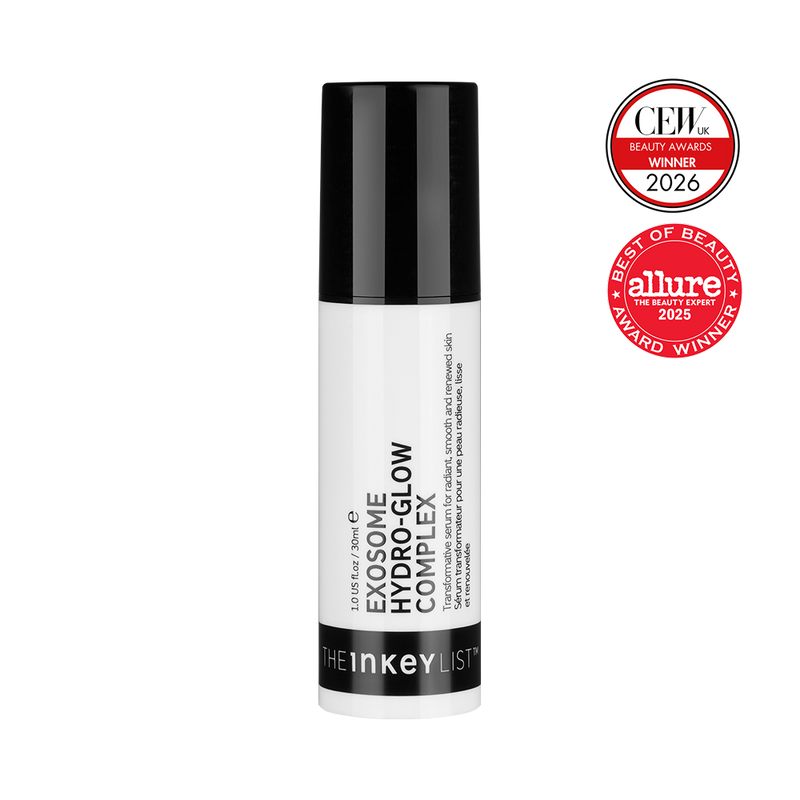
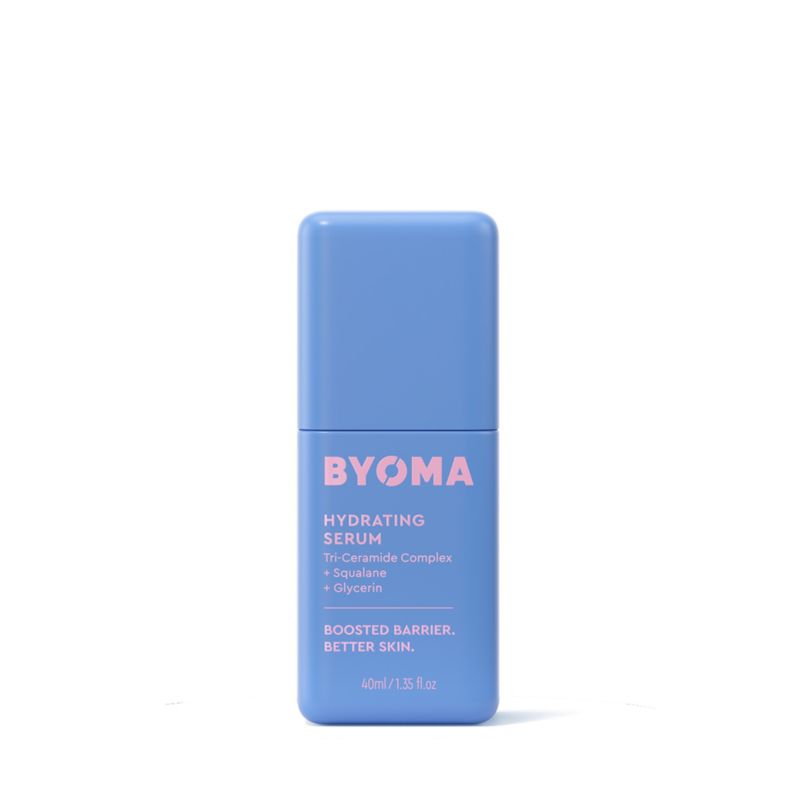
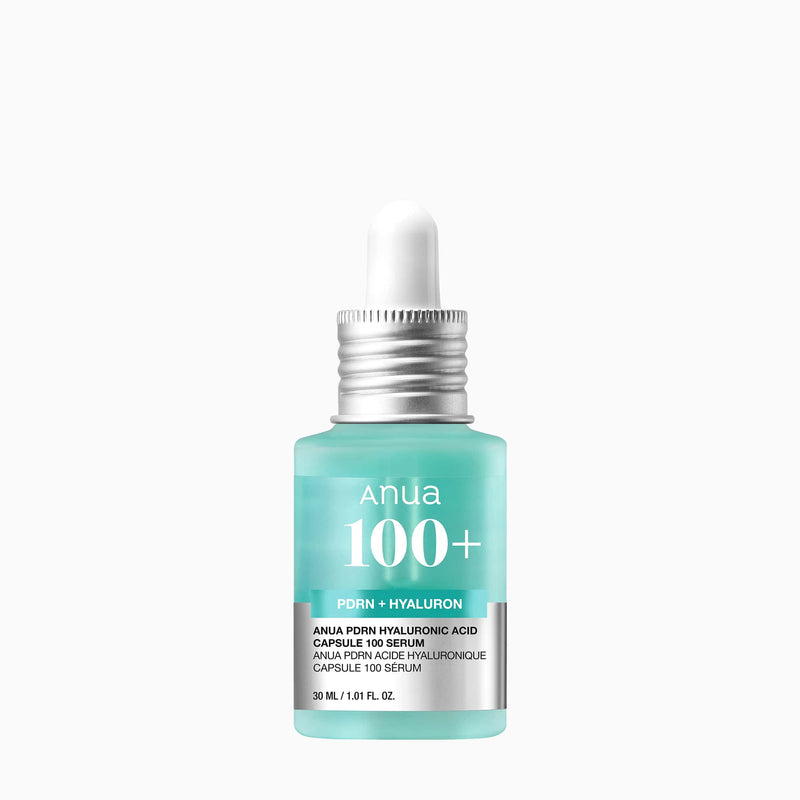
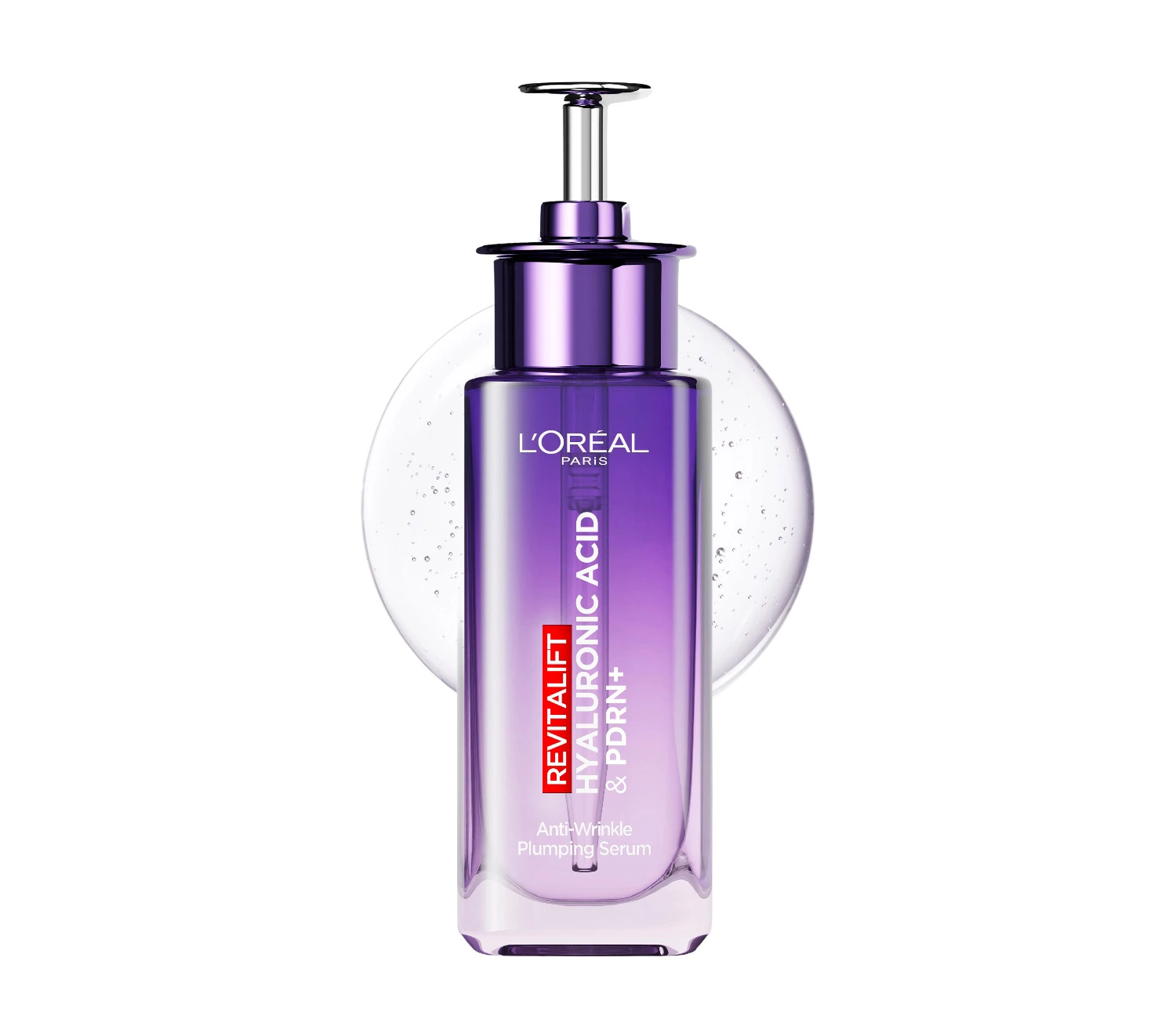
L'Oréal Paris
HYALURONIC ACID & PDRN+ Revitalift Filler Anti-Wrinkle Serum 30ml
Vitamin C (Ascorbyl Glucoside) · Hyaluronic Acid · Contains fragrance
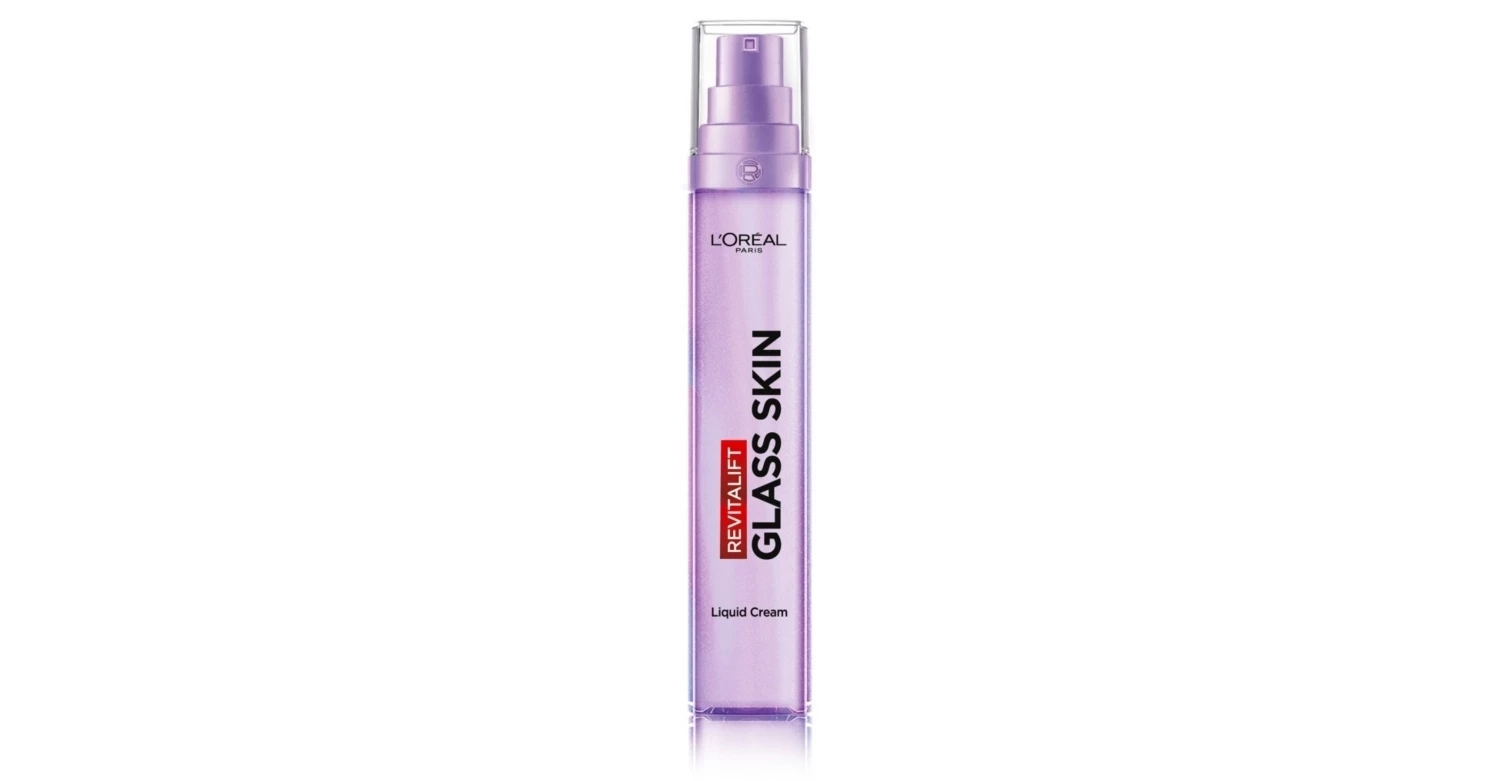
L'Oréal Paris
Revitalift Filler Glass Skin Liquid Cream, Hybrid Serum-Moisturiser, 100H Hydration
Niacinamide · Vitamin C (Ascorbyl Glucoside) · Contains fragrance
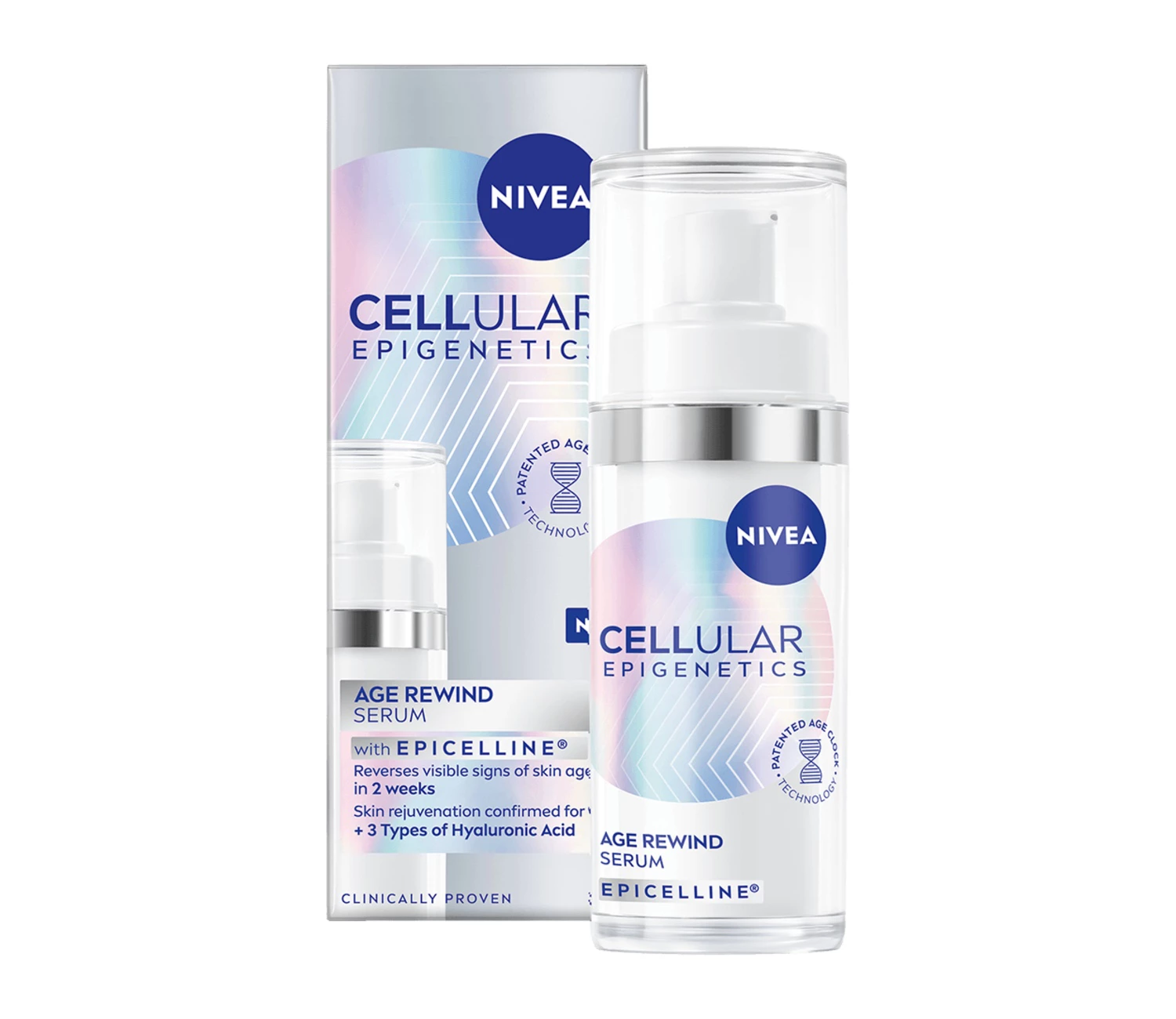
NIVEA
Cellular Epigenetics Age Rewind Face Serum with Epicelline
Squalane · Hyaluronic Acid · Contains fragrance
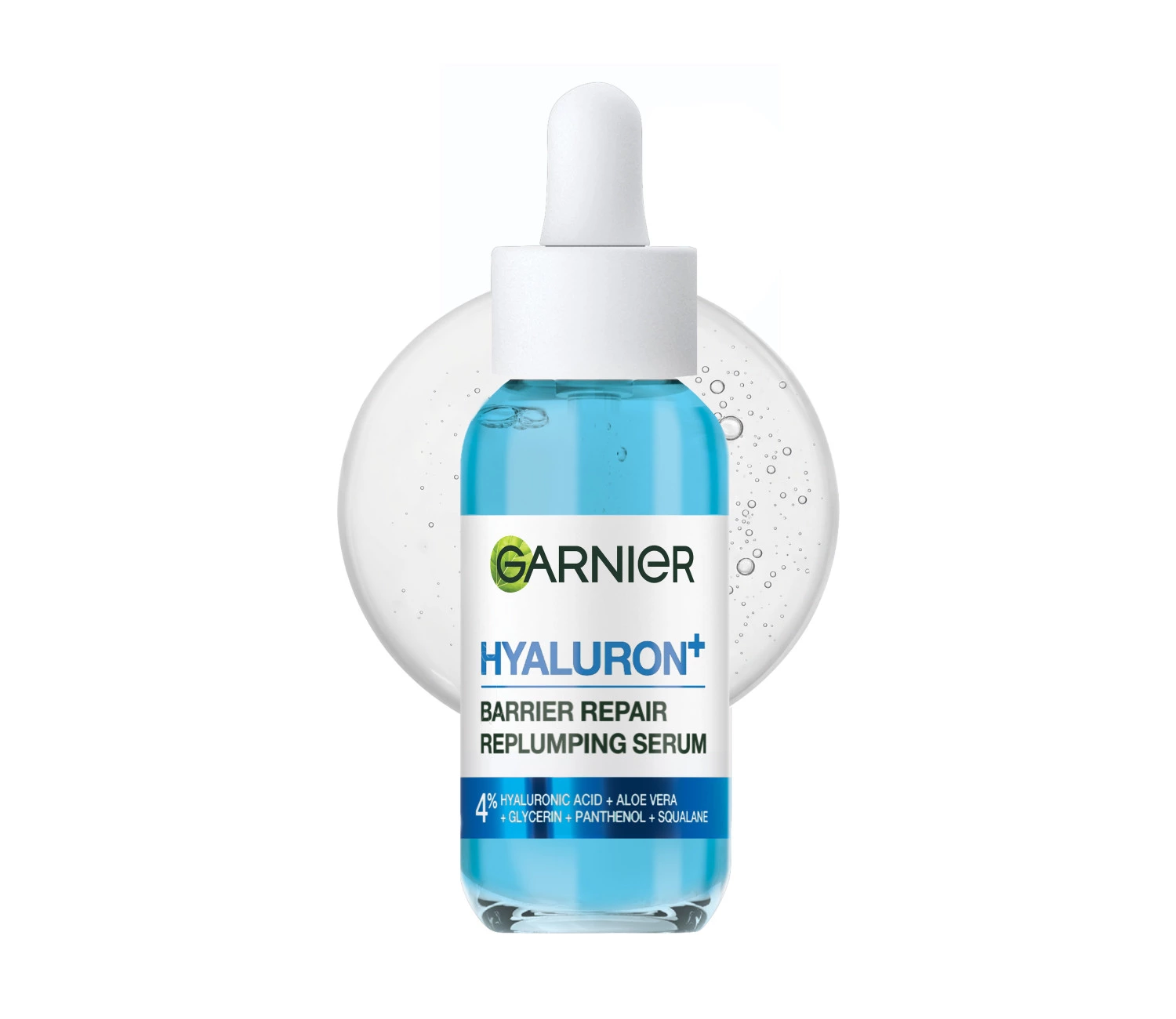
Garnier
Hyaluron Barrier Repair Replumping Serum 4% Hyaluronic Acid Aloe Vera Glycerin Panthenol Squalane
Squalane · Hyaluronic Acid · Contains fragrance
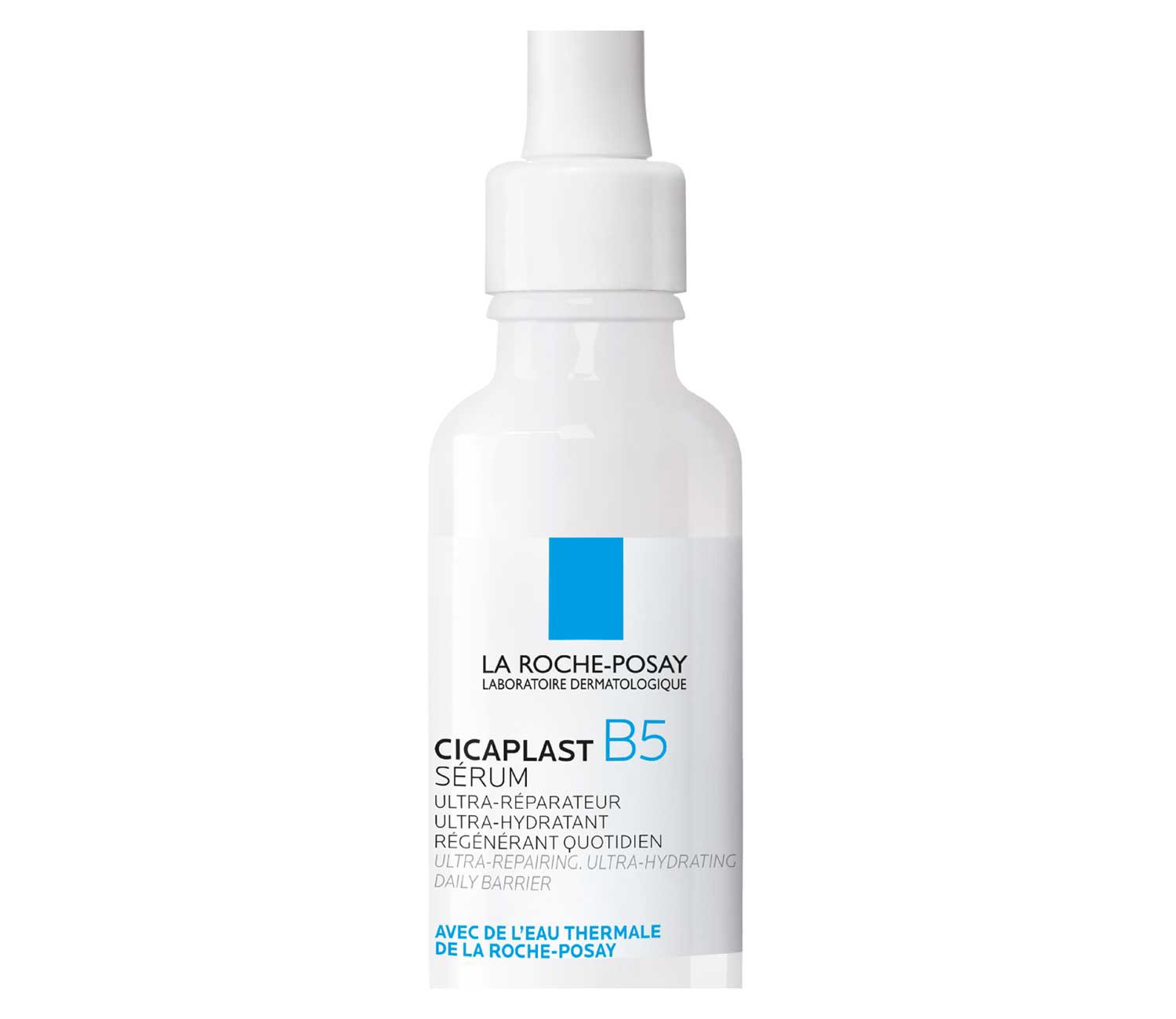
La Roche-Posay
Cicaplast B5 Face Serum, Hydrating & Repairing Daily Skin Barrier for Dehydrated Skin 30ml
Panthenol (Pro-Vitamin B5) · Hyaluronic Acid · Fragrance-free · Drying alcohol high in list
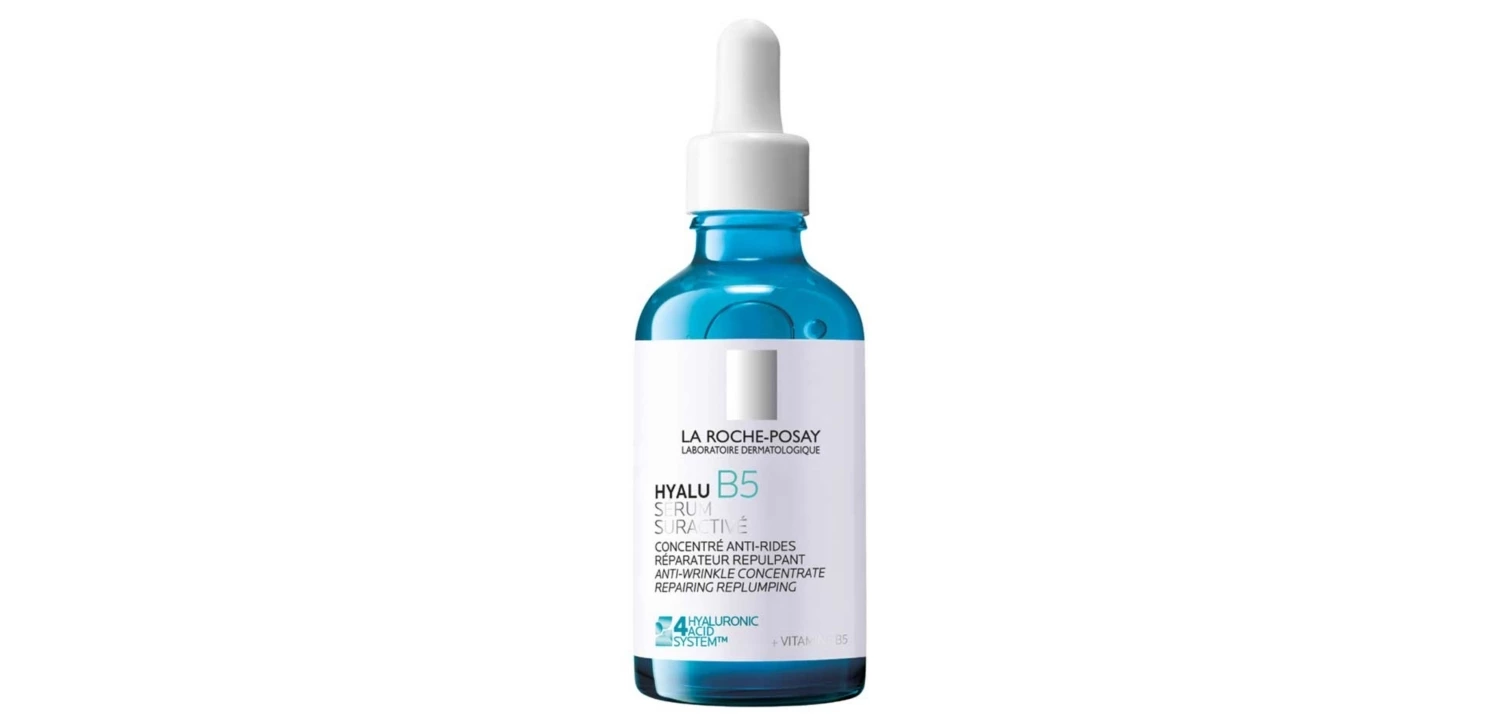
La Roche-Posay
Hyalu B5 Suractivated Anti-Wrinkle Replumping Serum
Panthenol (Pro-Vitamin B5) · Centella Asiatica · Contains fragrance · Drying alcohol high in list

NIVEA
Cellular Luminous 630 Anti-Dark Spot Face Serum, 30ml
Hyaluronic Acid · Glycerin · Contains fragrance · Drying alcohol high in list

Eucerin
Anti-Pigment Skin Perfecting Serum 30ml
Thiamidol · Hyaluronic Acid · Contains fragrance · Drying alcohol high in list
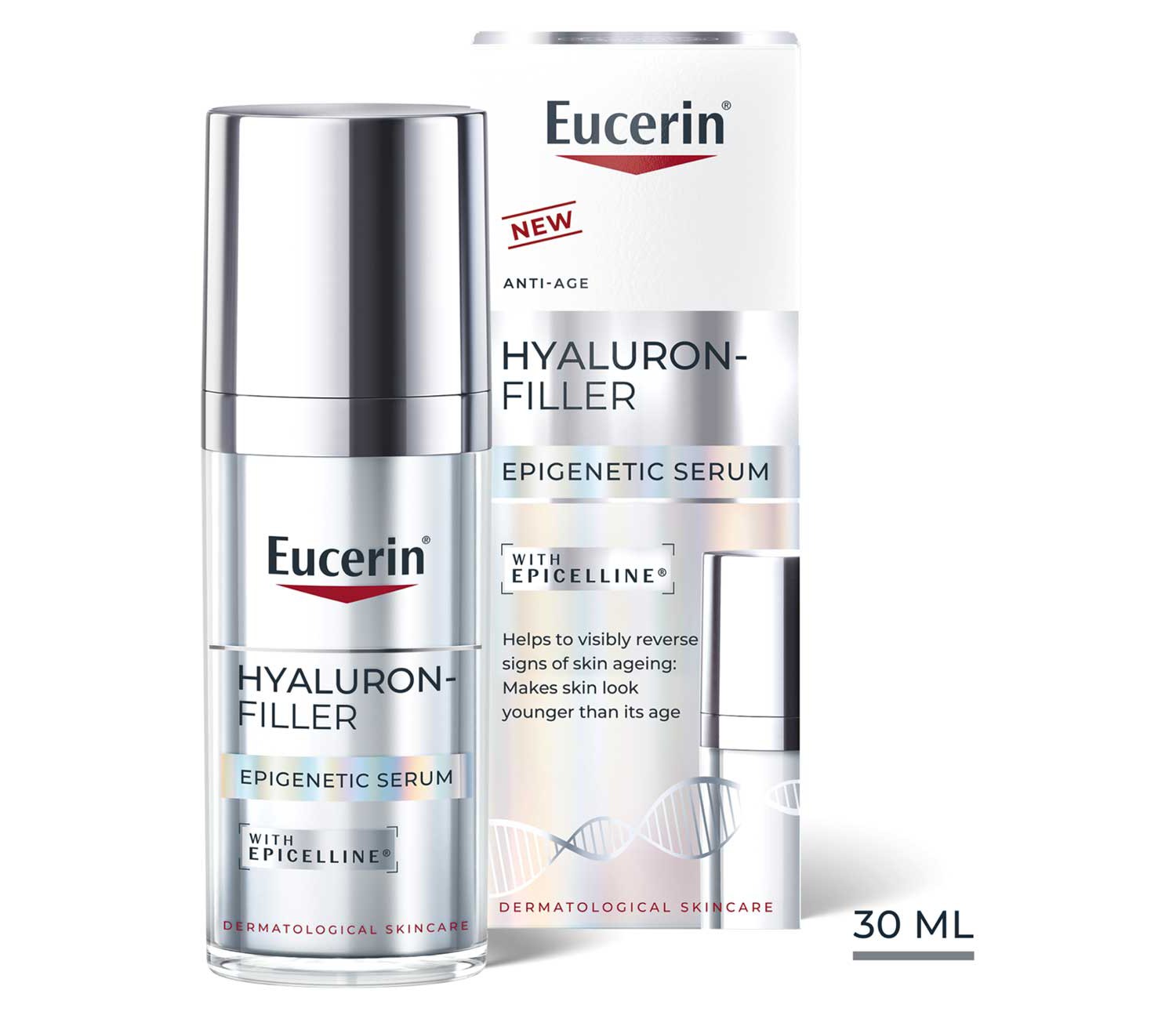
Eucerin
Hyaluron-Filler Epigenetic Serum 30ml
Hyaluronic Acid · Licorice Extract · Contains fragrance · Drying alcohol high in list
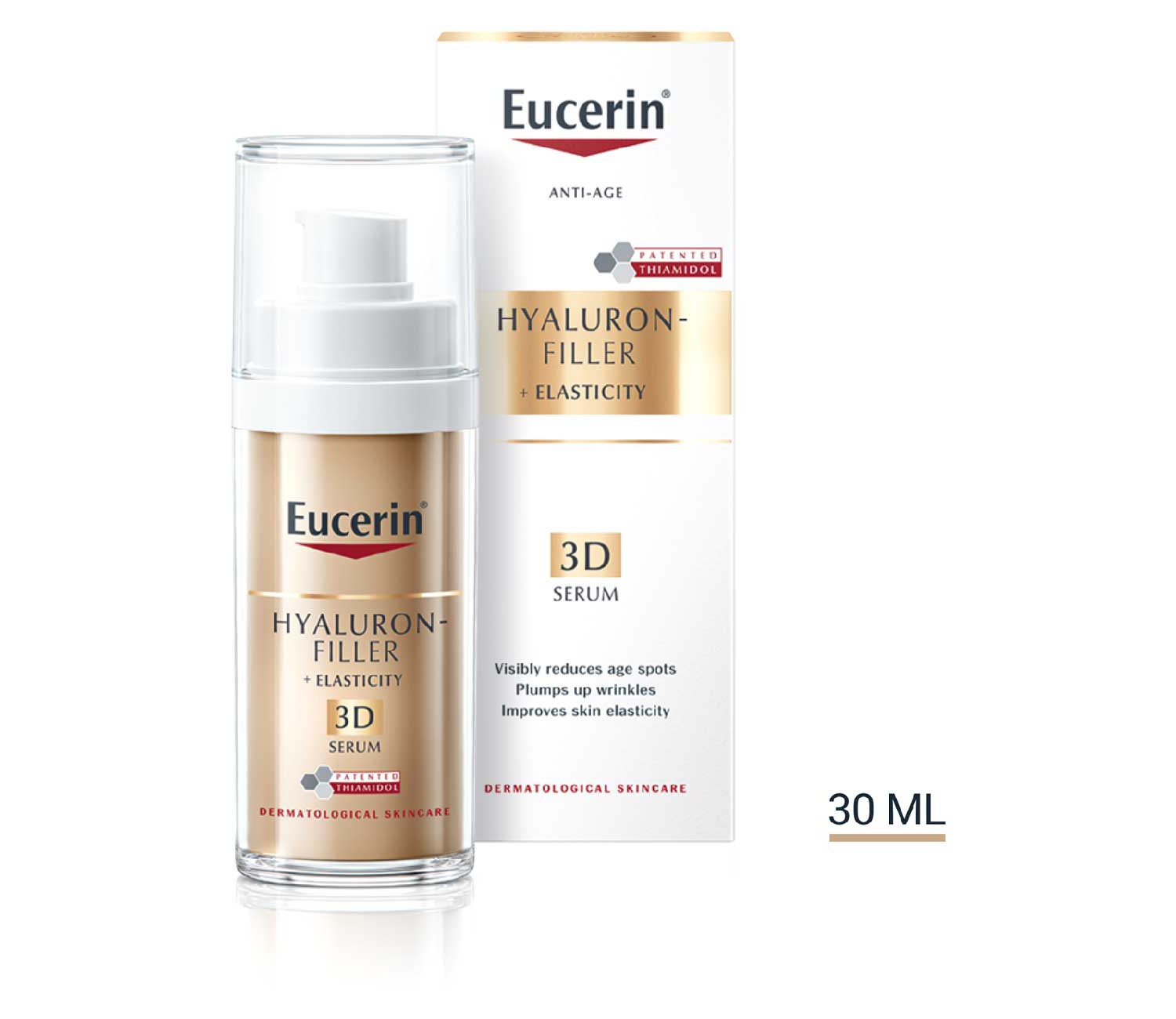
Eucerin
Hyaluron Filler + Elasticity Anti-Ageing 3D Face Serum with Hyaluronic Acid 30ml
Thiamidol · Hyaluronic Acid · Contains fragrance · Drying alcohol high in list
Other serums
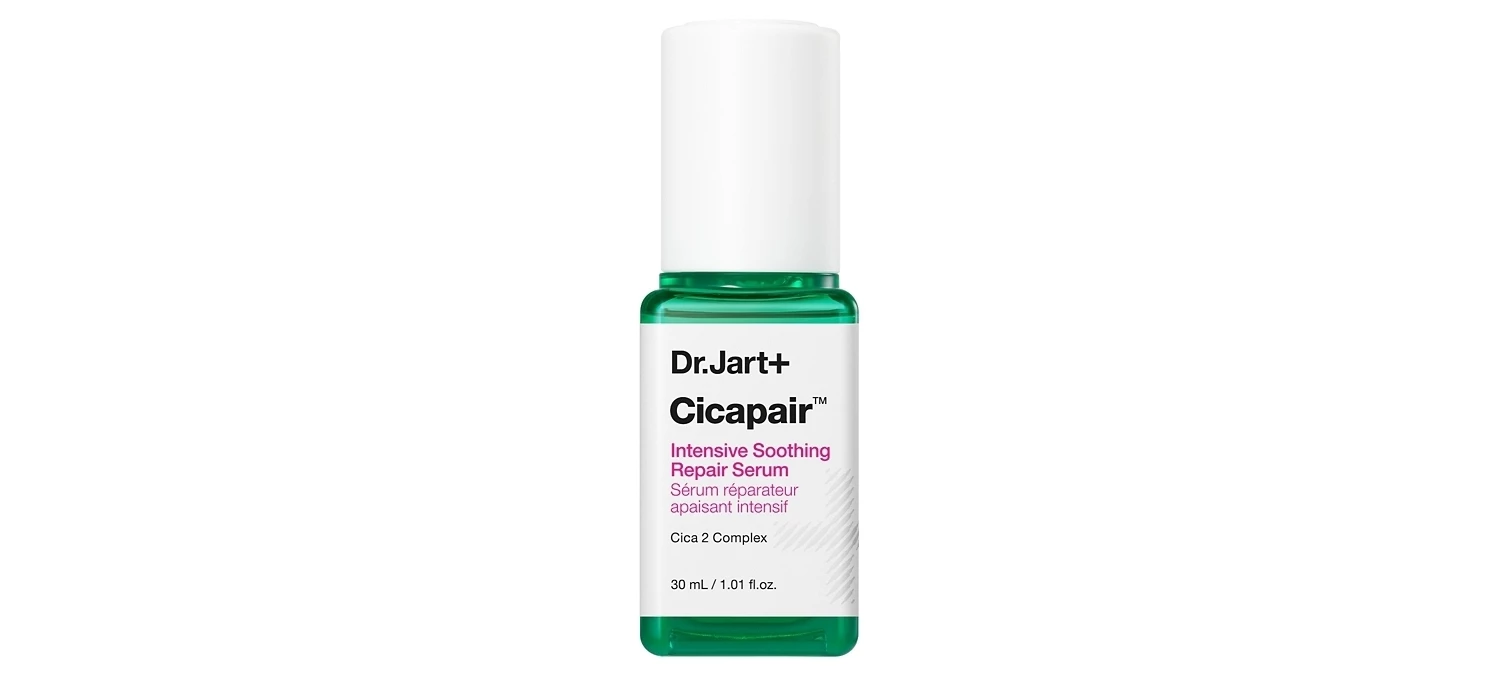
Dr.Jart+
Cicapair Intensive Soothing Repair Serum 30ml
Allantoin · Centella Asiatica · Fragrance-free
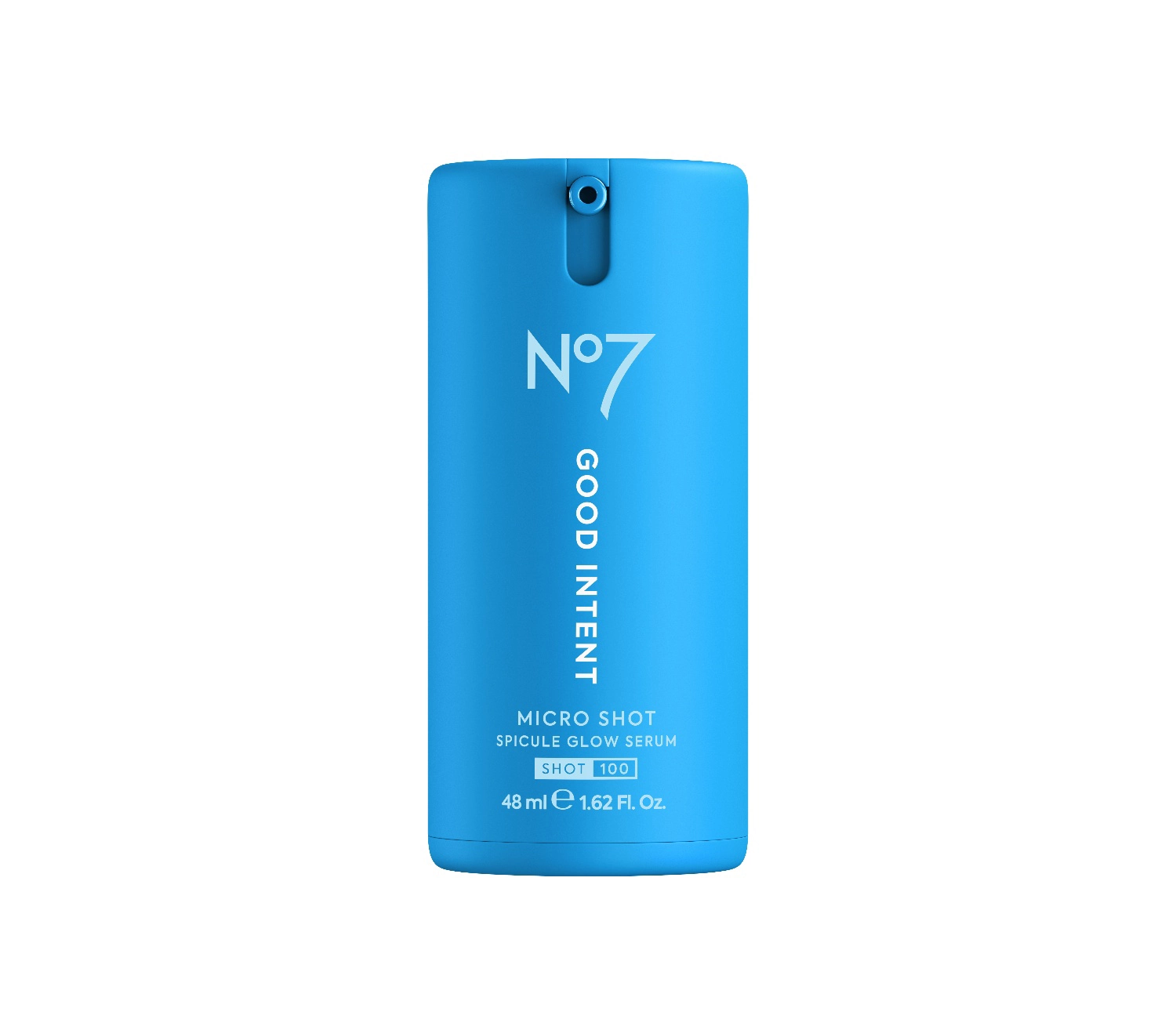
No7
Good Intent Micro Shot Spicule Glow Serum 48ml
Beta-Glucan · Algae & Seaweed Extracts · Fragrance-free
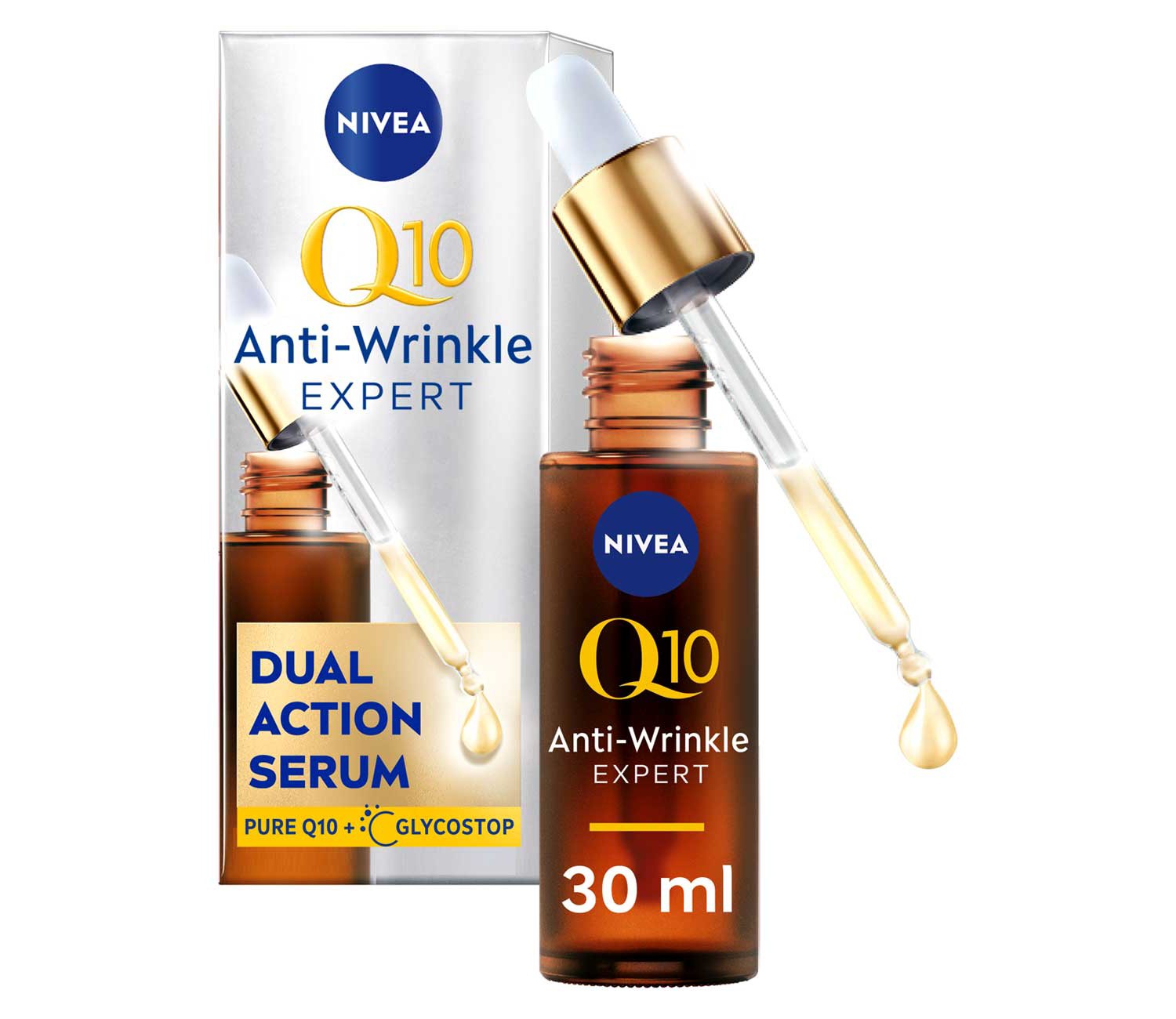
NIVEA
Q10 Anti-Wrinkle Expert Dual Action Anti-Glycation Serum 30ml
Shea Butter · Glycerin · Contains fragrance · Drying alcohol high in list
Compare and narrow down
Best-of lists: Best Niacinamide Serums UK · Best Hyaluronic Acid Serums UK · Best Retinol Serums UK · Best Vitamin C Serums UK · Best Serums for Dark Spots UK · Best Serums for Redness & Rosacea UK · Best Peptide Serums UK · Best Retinoid-Free Serums for Pregnancy UK · Best Fragrance-Free Serums UK · Best Fungal Acne Safe Serums UK · Best Fungal Acne Safe Fragrance-Free Serums UK
Guides: Skincare for Dark Spots & Uneven Tone · Anti-Ageing Skincare for Fine Lines & Wrinkles · Skincare for Acne & Breakouts · Fragrance-free skincare
Key ingredients in serums
Common questions
Do you put serum on before or after moisturiser?
Before. Apply products from thinnest to thickest: cleanser, toner if you use one, serum, moisturiser, then sunscreen in the morning.
Can I use more than one serum?
Yes, but add them one at a time. A common pairing is vitamin C in the morning and retinol at night. Stacking exfoliating acids with retinol on the same night often causes irritation.
Which serums should not be used in the morning?
Retinoids are best used at night: sunlight breaks them down and they can make skin more sensitive. Strong exfoliating acids are usually used at night too. Wear sunscreen the next day either way.
How many serums are fragrance-free?
Of the 158 serums on this page with a full ingredient list, 102 (65%) contain no fragrance (parfum), essential oils or declared fragrance allergens. Each product card says whether it is fragrance-free.
Browse by brand: Anua · Beauty of Joseon · Bioderma · BYOMA · CeraVe · Clinique · COSRX · Dr.Jart+ · Estée Lauder · Eucerin · Garnier · L'Oréal Paris · La Roche-Posay · Medik8 · Neutrogena · NIVEA · No7 · Simple · The INKEY List · The Ordinary
Product details come from each product's published ingredient list, not from testing. Groupings are based on product names and headline ingredients.