
Face Cleansers
A cleanser lifts off oil, sweat, make-up and sunscreen so the rest of your routine can work.
What to know about cleansers
A good one leaves skin clean but not tight. Every cleanser below has its full ingredient list checked for harsh sulfates, fragrance and drying alcohol.
How to choose cleansers
- Dry or sensitive skin: cream, milk or gentle gel cleansers without fragrance.
- Oily or breakout-prone skin: gel or foaming washes; salicylic acid washes help with blackheads.
- Make-up and sunscreen: a cleansing balm, oil or micellar water first, then a gentle wash (double cleansing).
- Skin feels tight after washing: the cleanser is likely too strong. Look for one without sodium lauryl sulfate.
Face Cleansers at a glance
We cover 156 cleansers from 20 brands. Of the 156 with a full ingredient list, 96 (62%) are fragrance-free: no parfum, essential oils or declared fragrance allergens. 10 (6%) list drying alcohol (alcohol denat.) among the first eight ingredients. 27 (17%) contain sodium lauryl or laureth sulfate. The ingredients they headline most often are Glycerin, Panthenol and Hyaluronic Acid.
Jump to: Micellar and cleansing waters (26) · Cleansing wipes (7) · Make-up removers (12) · Cleansing balms and oils (17) · Acne and exfoliating cleansers (25) · Cream and milk cleansers (26) · Gel and foaming cleansers (29) · Other cleansers (14)
Micellar and cleansing waters
No-rinse cleansing waters that lift make-up and sunscreen on a cotton pad.
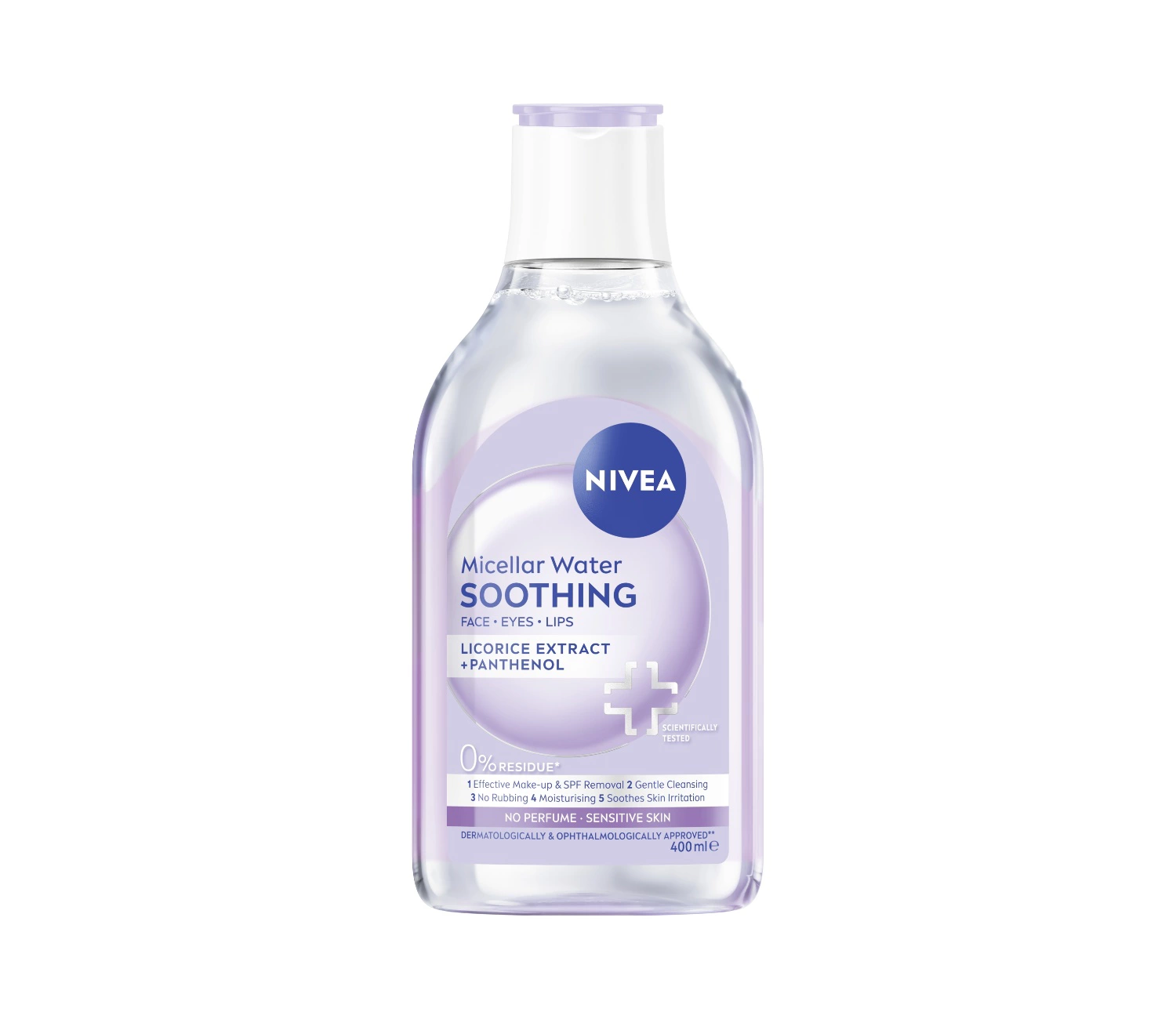
NIVEA
Soothing Micellar Water for Sensitive Skin, 400ml
Licorice Extract · Panthenol (Pro-Vitamin B5) · Fragrance-free
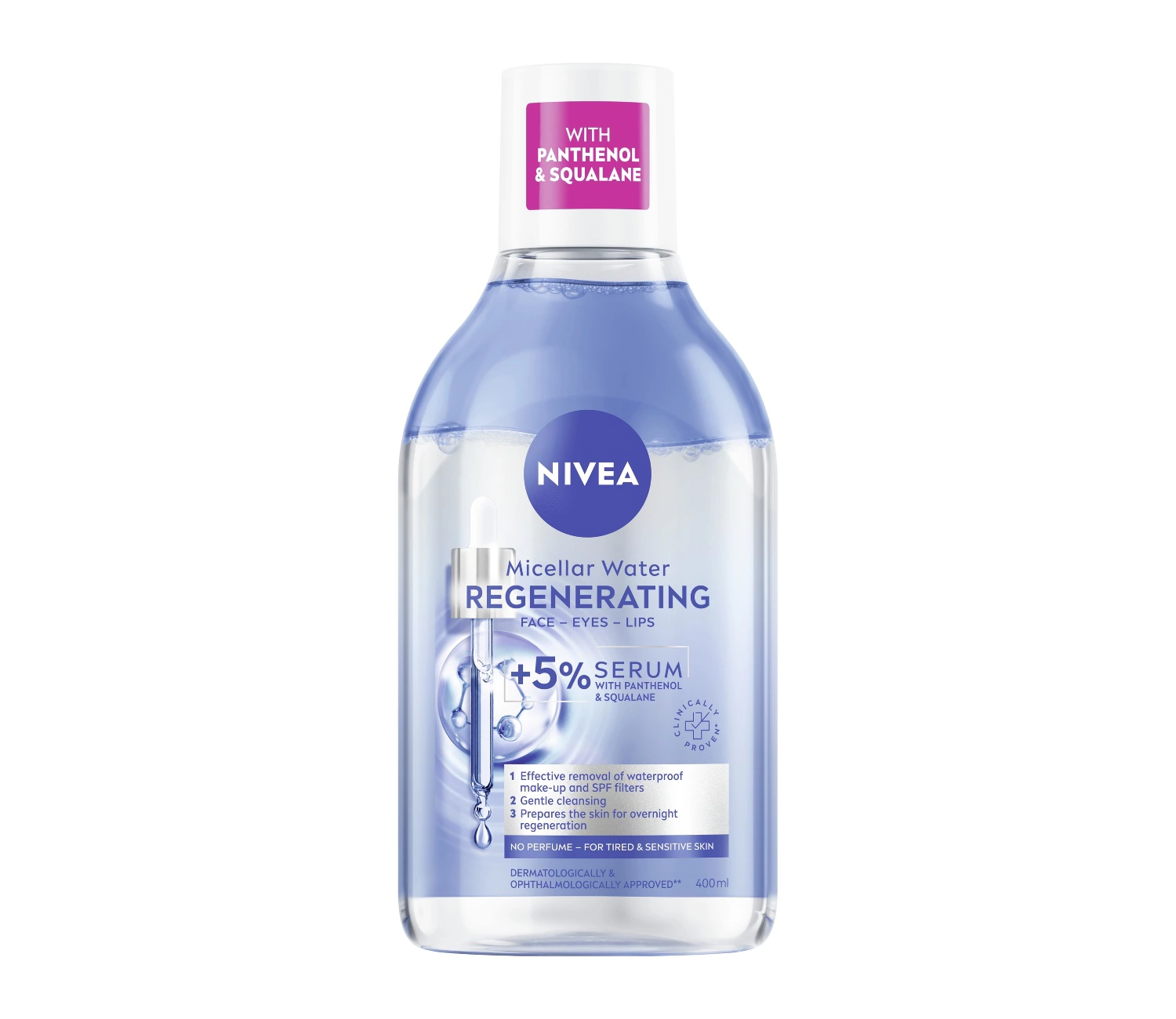
NIVEA
Regenerating Micellar Water +5% Serum with Panthenol & Squalane for Tired & Sensitive Skin 400ml
Panthenol (Pro-Vitamin B5) · Squalane · Fragrance-free
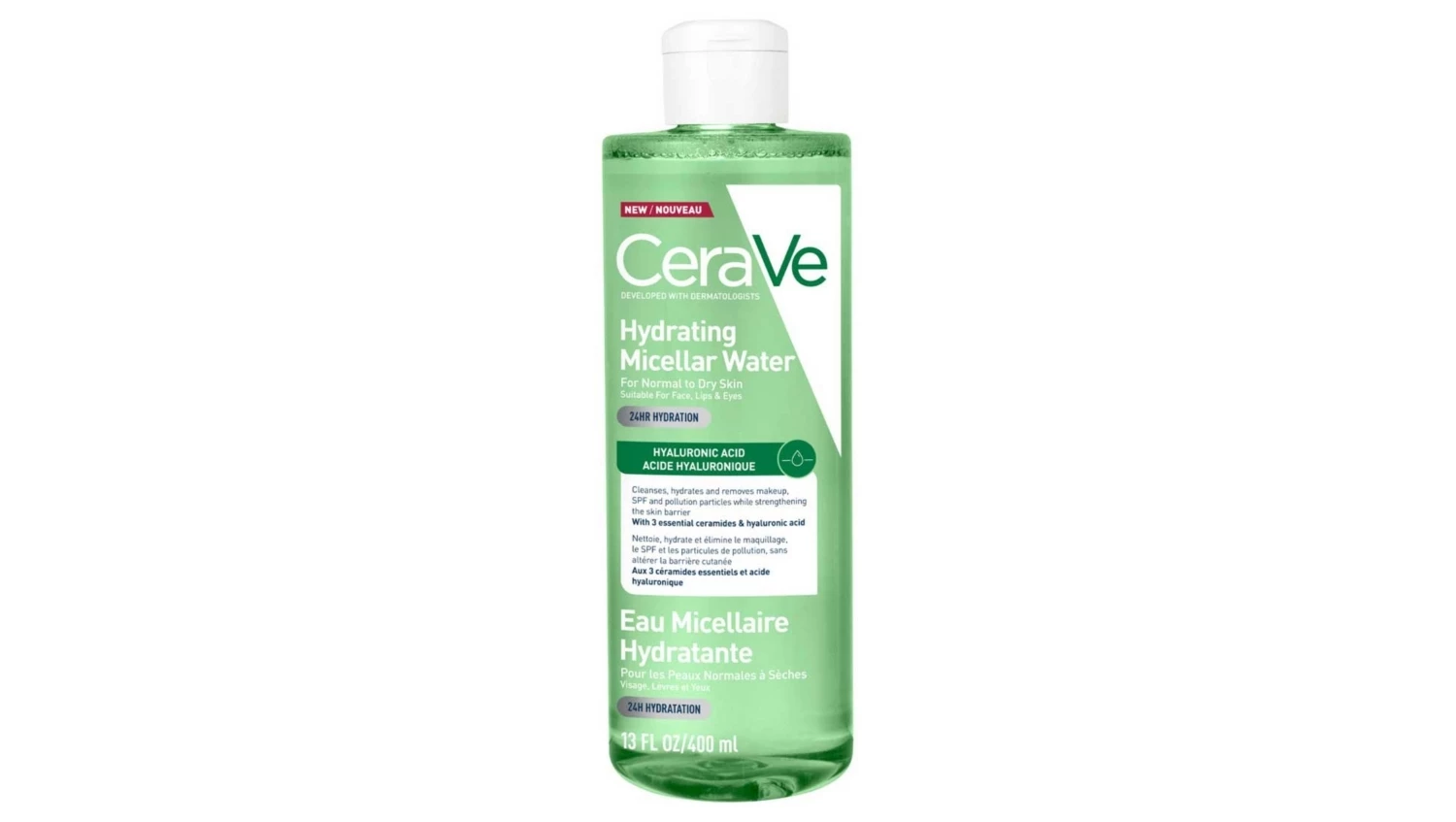
CeraVe
Hydrating Micellar Water Removes Makeup with 24h Hydration with Hyaluronic Acid 400 ml
Niacinamide · Ceramides · Fragrance-free
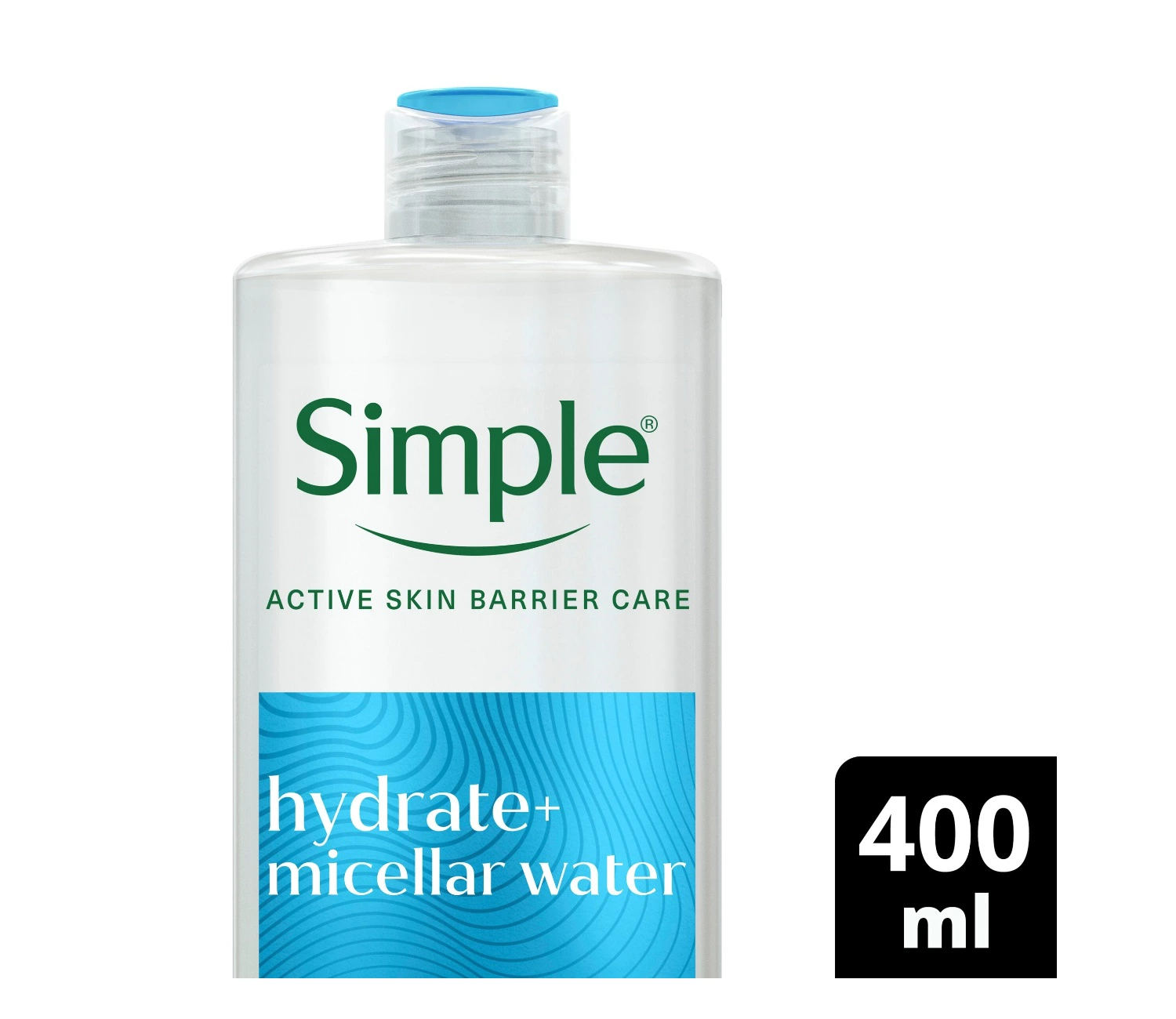
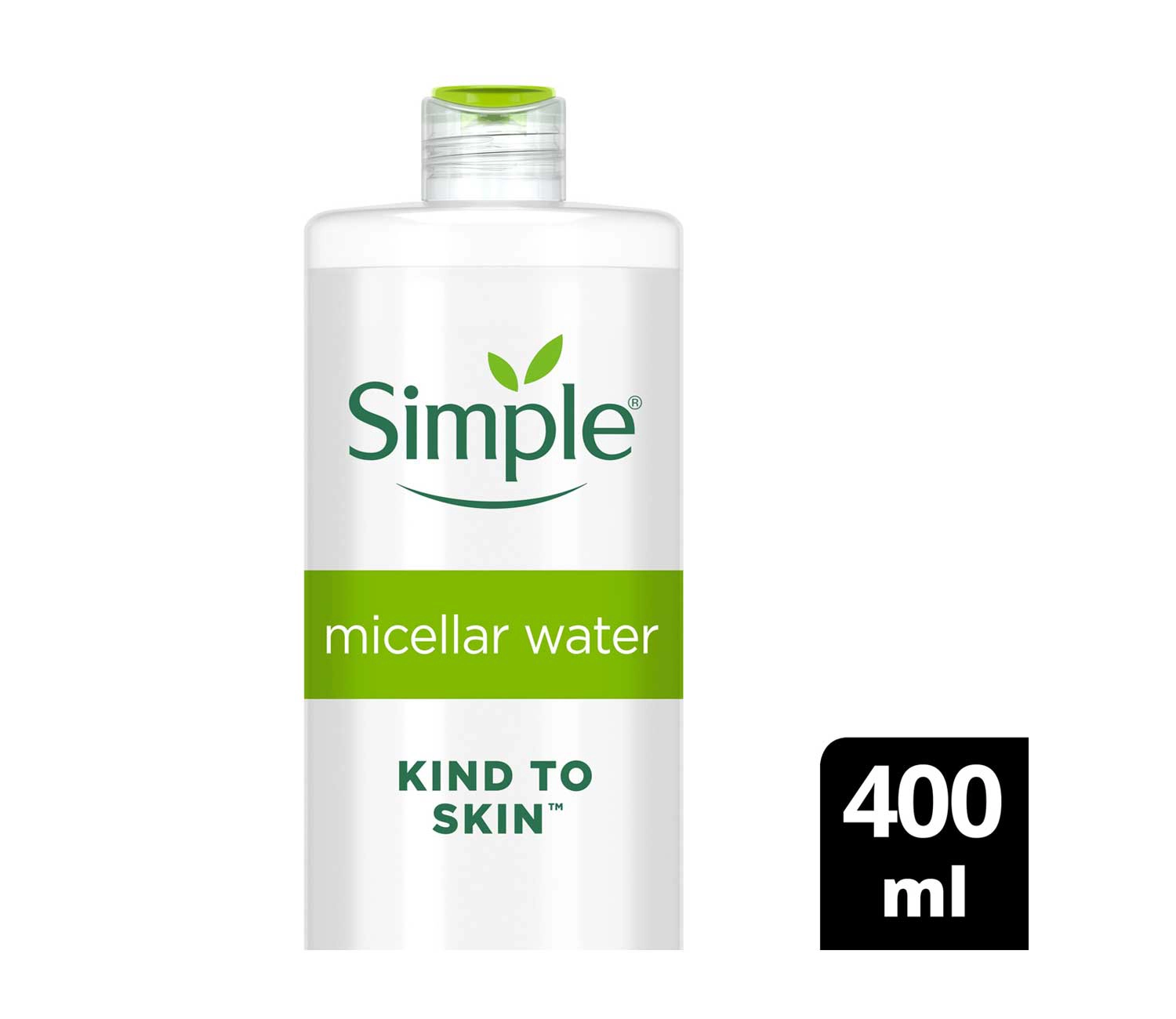
Simple
Kind to Skin Micellar Cleansing Water 400ml
Niacinamide · Vitamin C (Sodium Ascorbyl Phosphate) · Fragrance-free
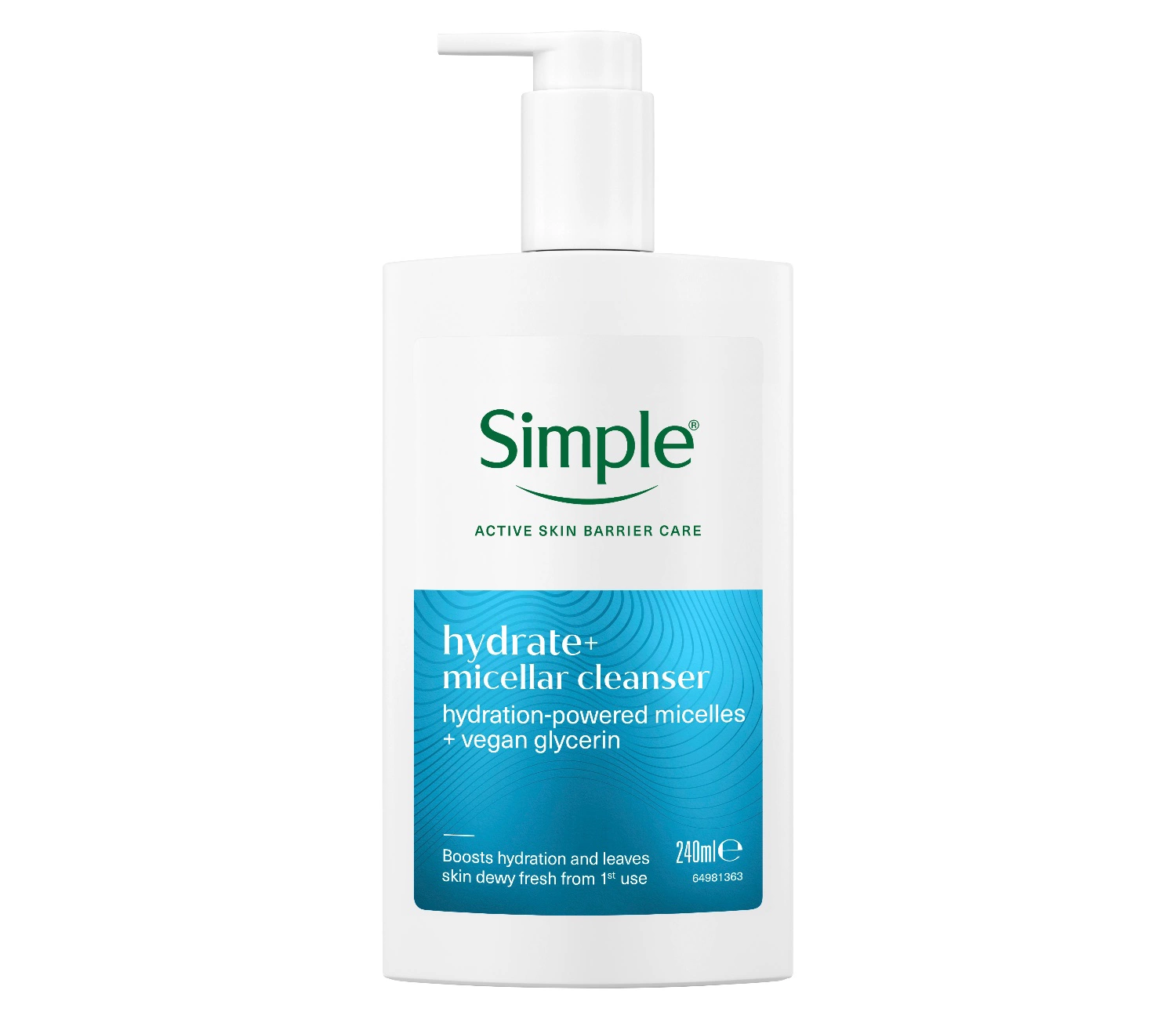
Simple
Hydrate Micellar Gel Cleanser 240ml
Panthenol (Pro-Vitamin B5) · Saccharide Isomerate · Fragrance-free
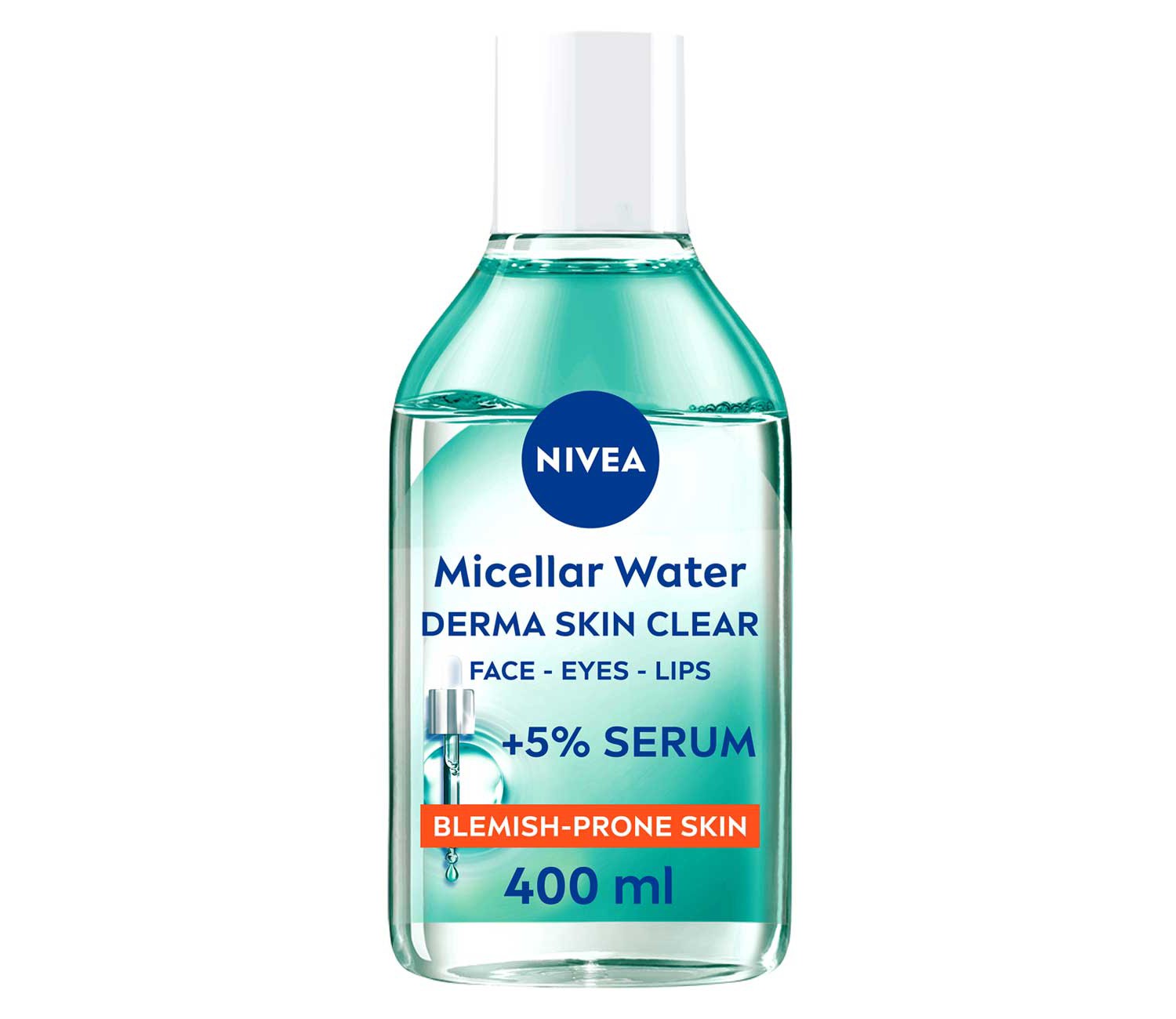
NIVEA
Derma Skin Clear Serum Infused Micellar Water 400ml
Niacinamide · Gluconolactone (PHA) · Fragrance-free
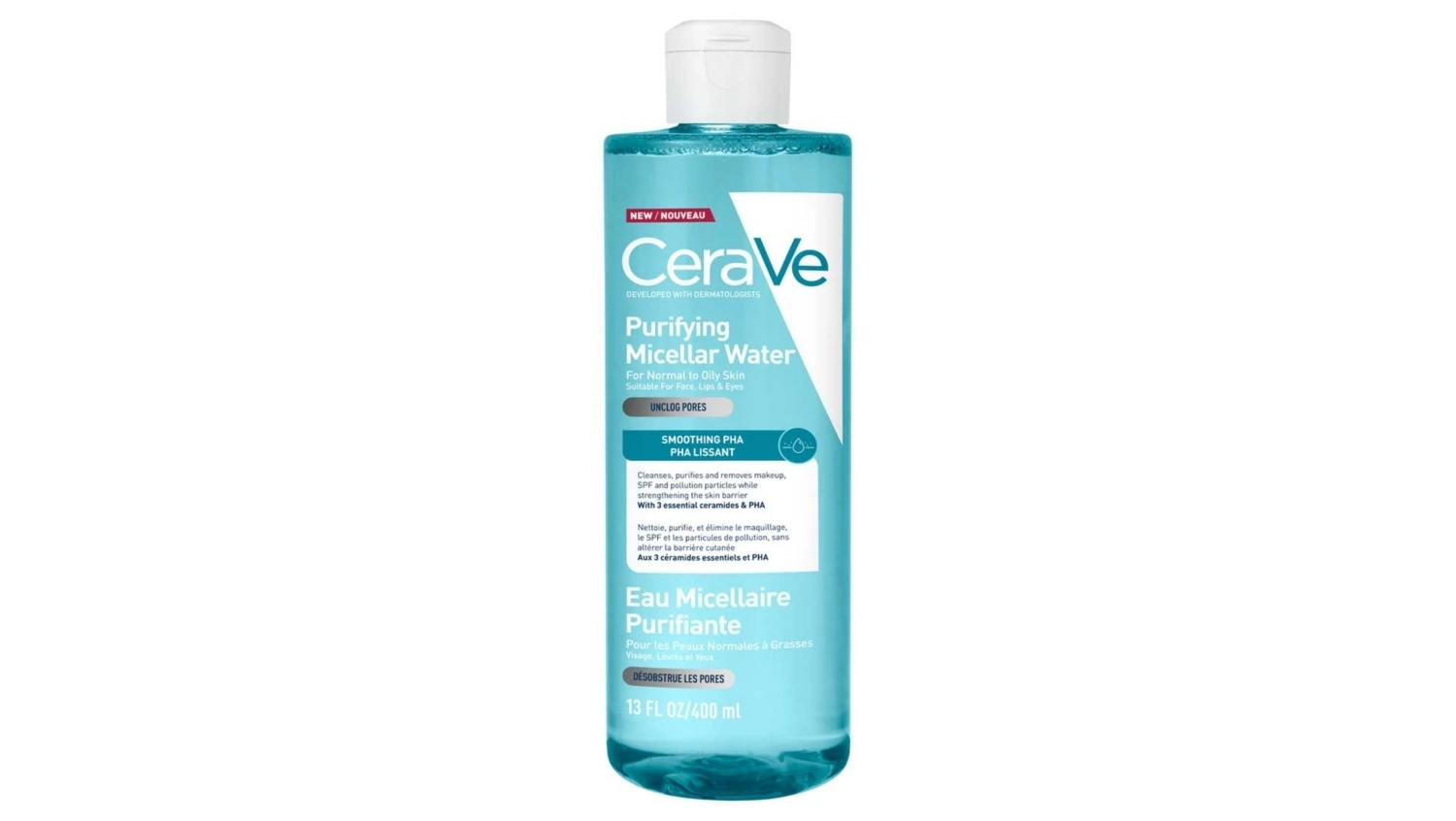
CeraVe
Purifying Micellar Water Removes Makeup & Unclogs Pores 400ml
Gluconolactone (PHA) · Ceramides · Fragrance-free
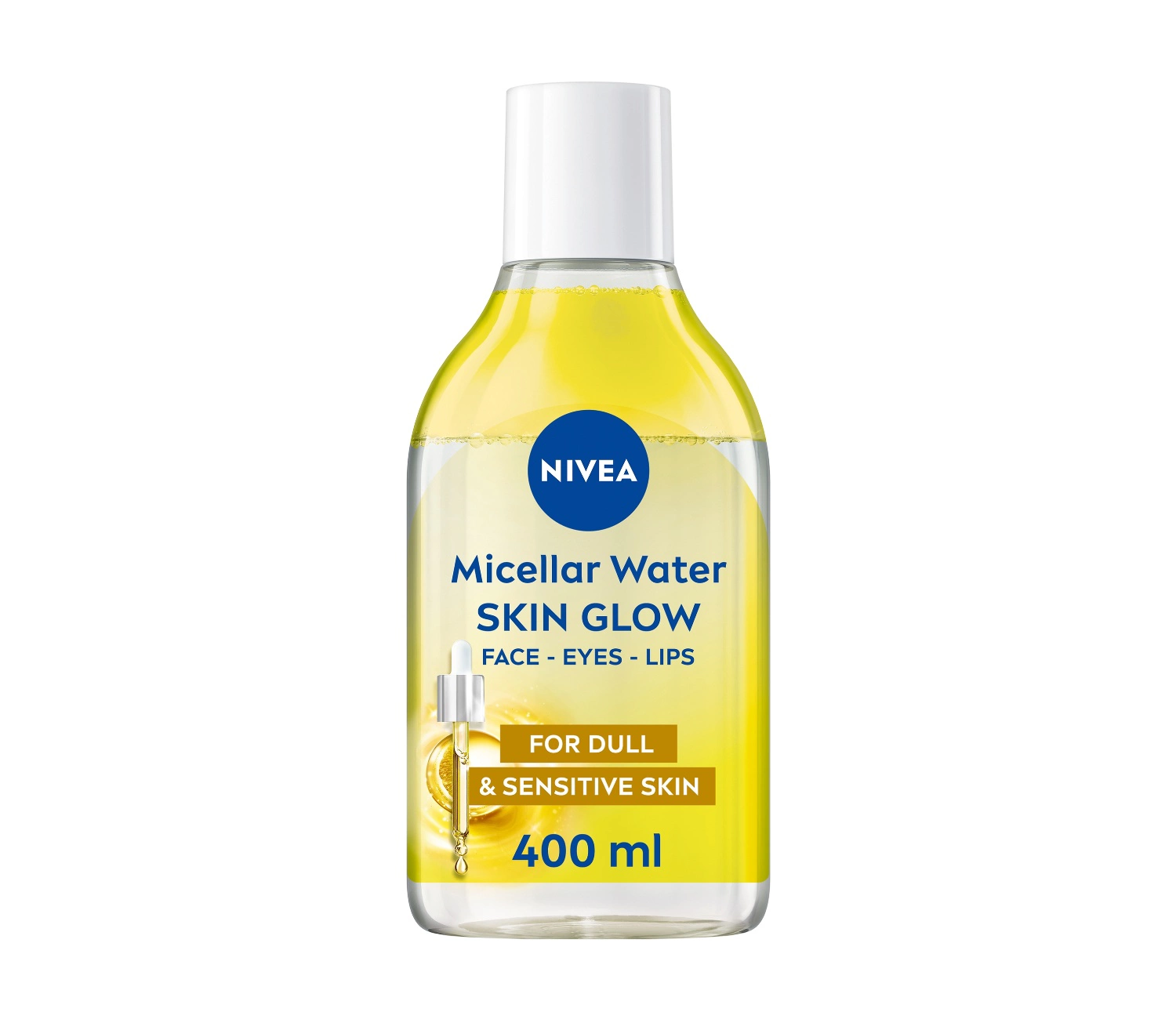
NIVEA
Skin Glow Serum Infused Micellar Water 400ml
Vitamin C (Sodium Ascorbyl Phosphate) · Glycerin · Fragrance-free
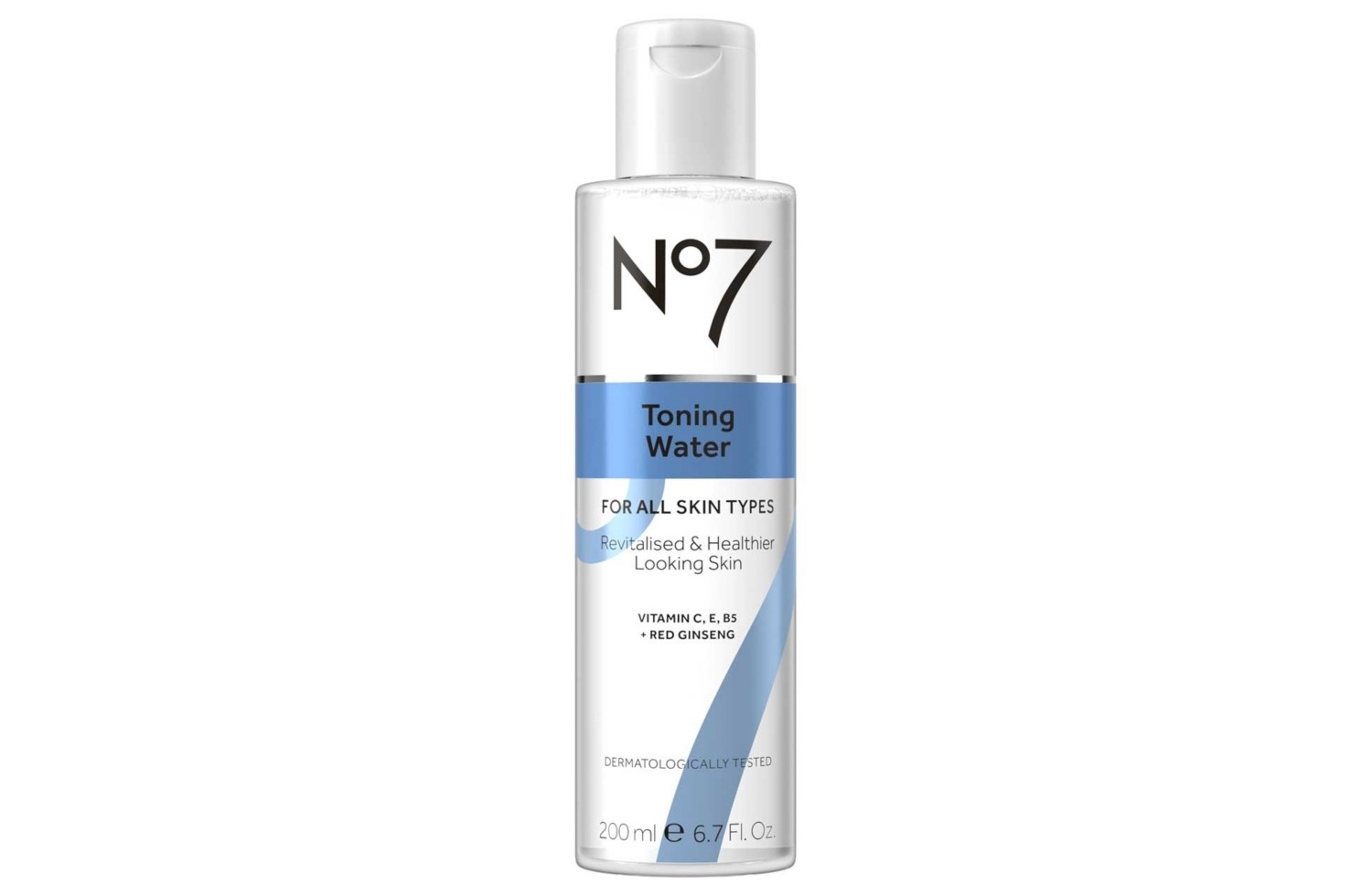
No7
Cleansing Toning Water 200ml
Vitamin C (Ascorbyl Glucoside) · Panthenol (Pro-Vitamin B5) · Fragrance-free
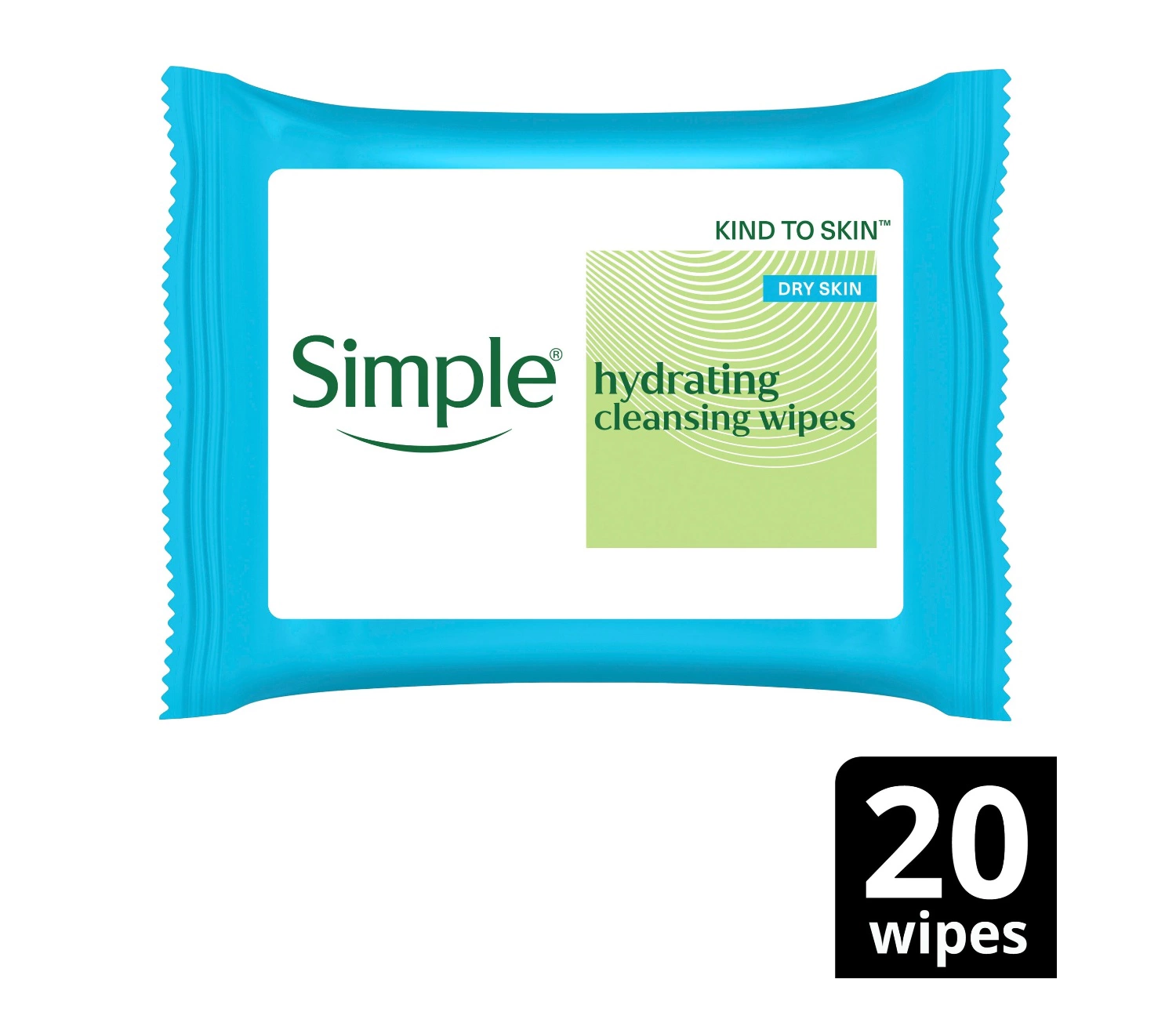
Simple
Kind To Skin Micellar Biodegradable Cleansing Wipes Twenty Wipes
Panthenol (Pro-Vitamin B5) · Glycerin · Fragrance-free
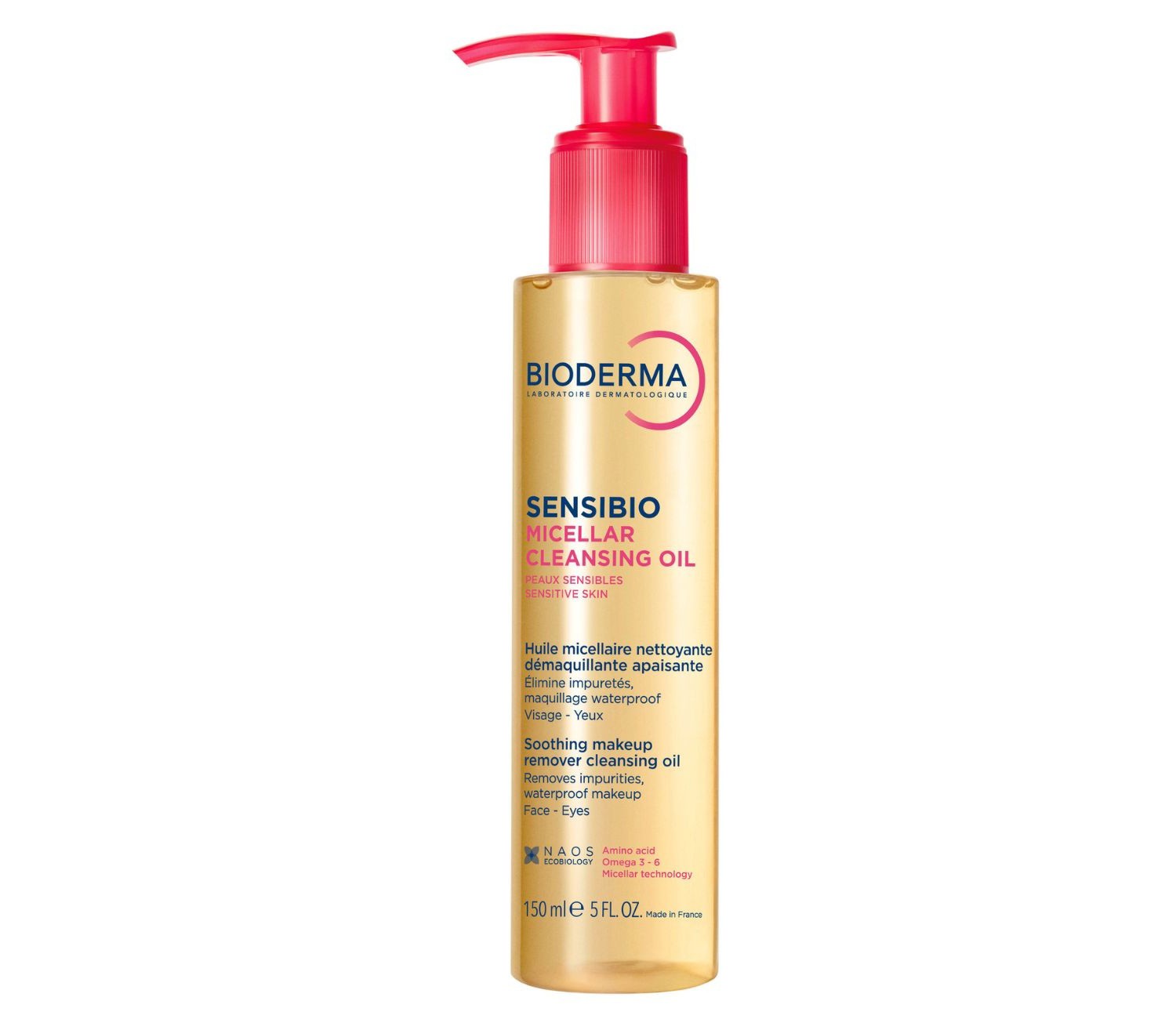
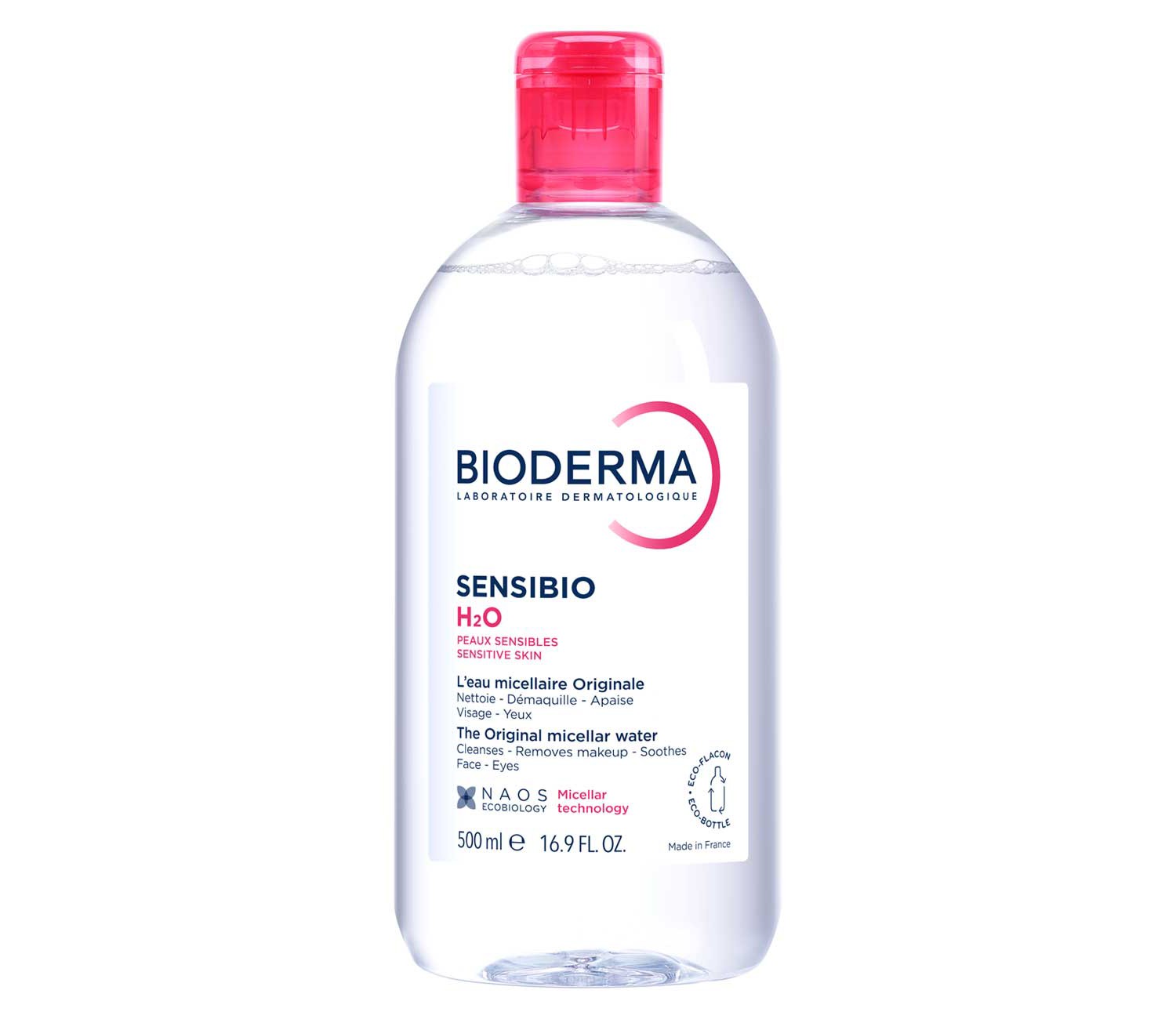
Bioderma
Sensibio Cleansing Micellar Oil 150ml
Sodium PCA · Algae & Seaweed Extracts · Fragrance-free
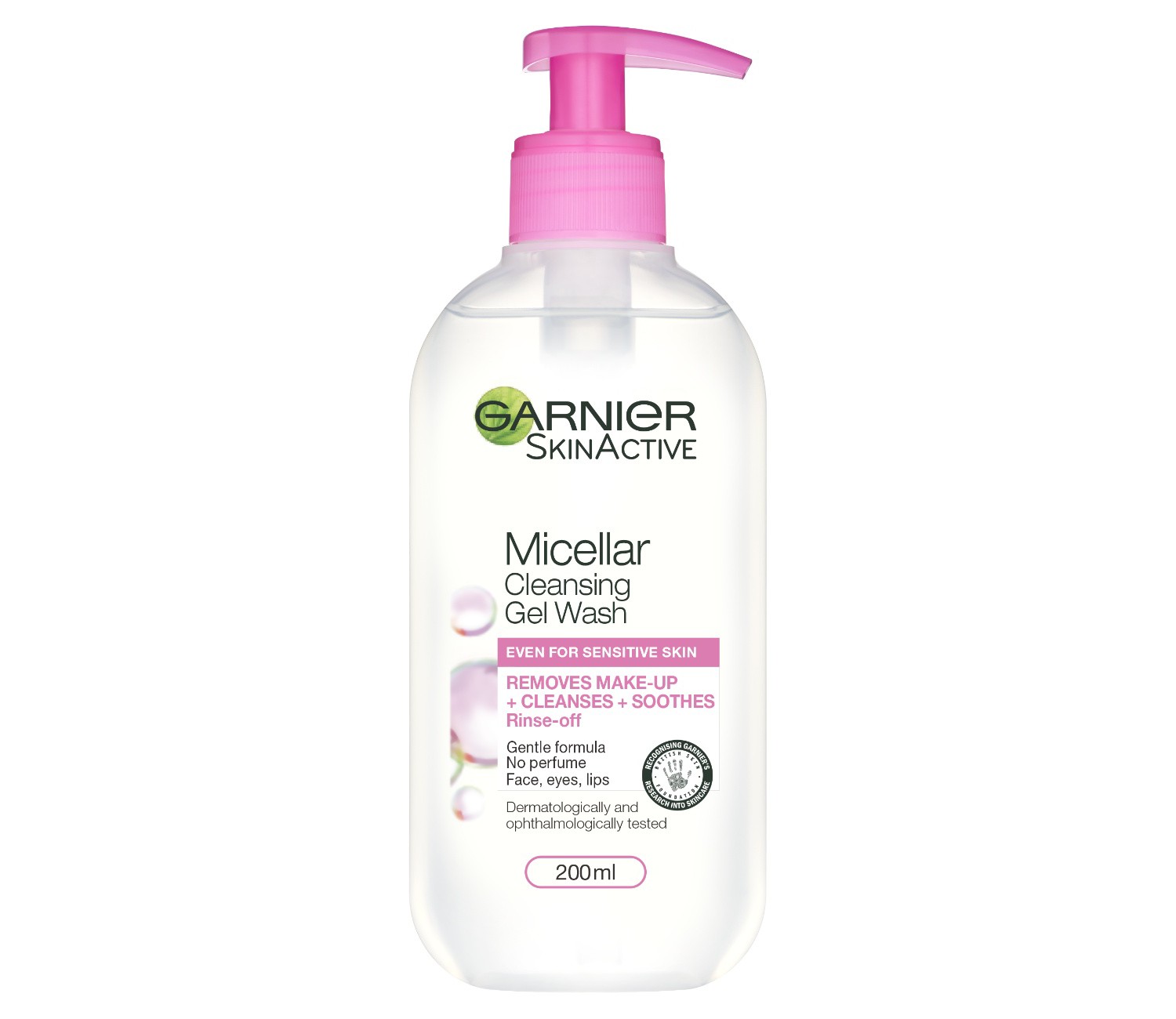
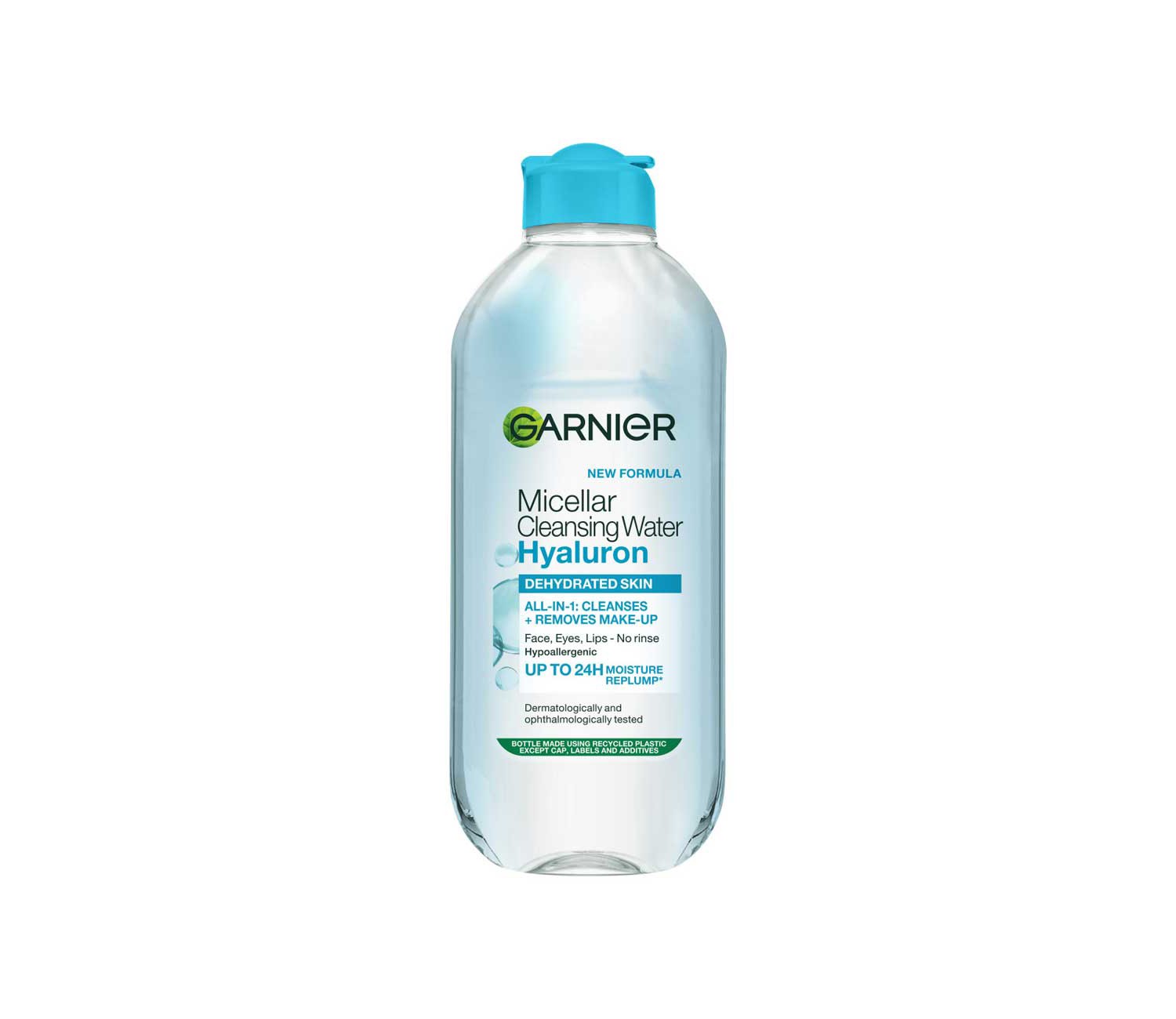
Garnier
Micellar Cleansing Water Hyaluron For Dehydrated Skin 400ml Cleanse & Replump
Hyaluronic Acid · Panthenol (Pro-Vitamin B5) · Contains fragrance
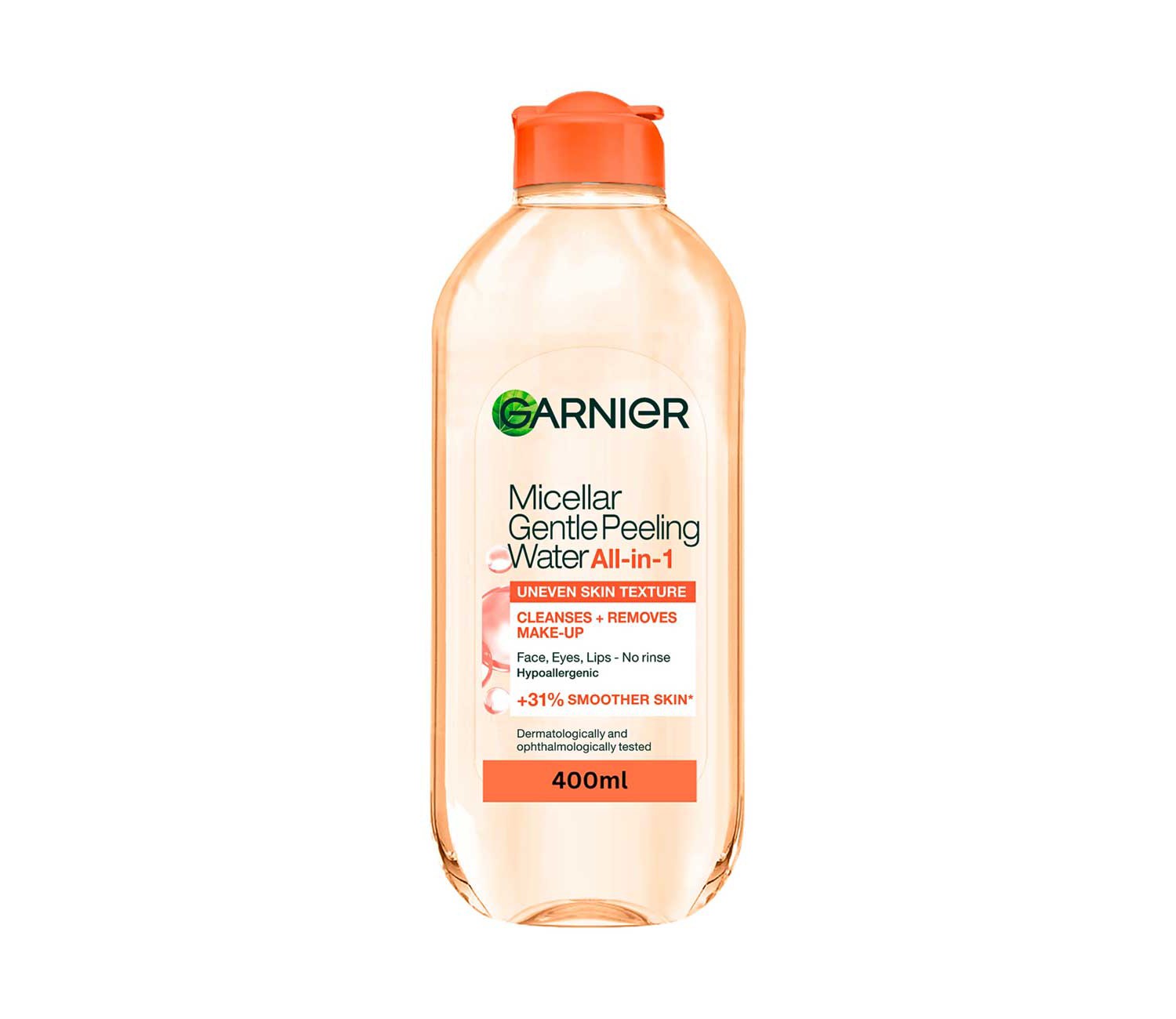
Garnier
Micellar Gentle Peeling Water All-in-1 1% PHA & Glycolic Acid
Gluconolactone (PHA) · Glycolic Acid · Contains fragrance
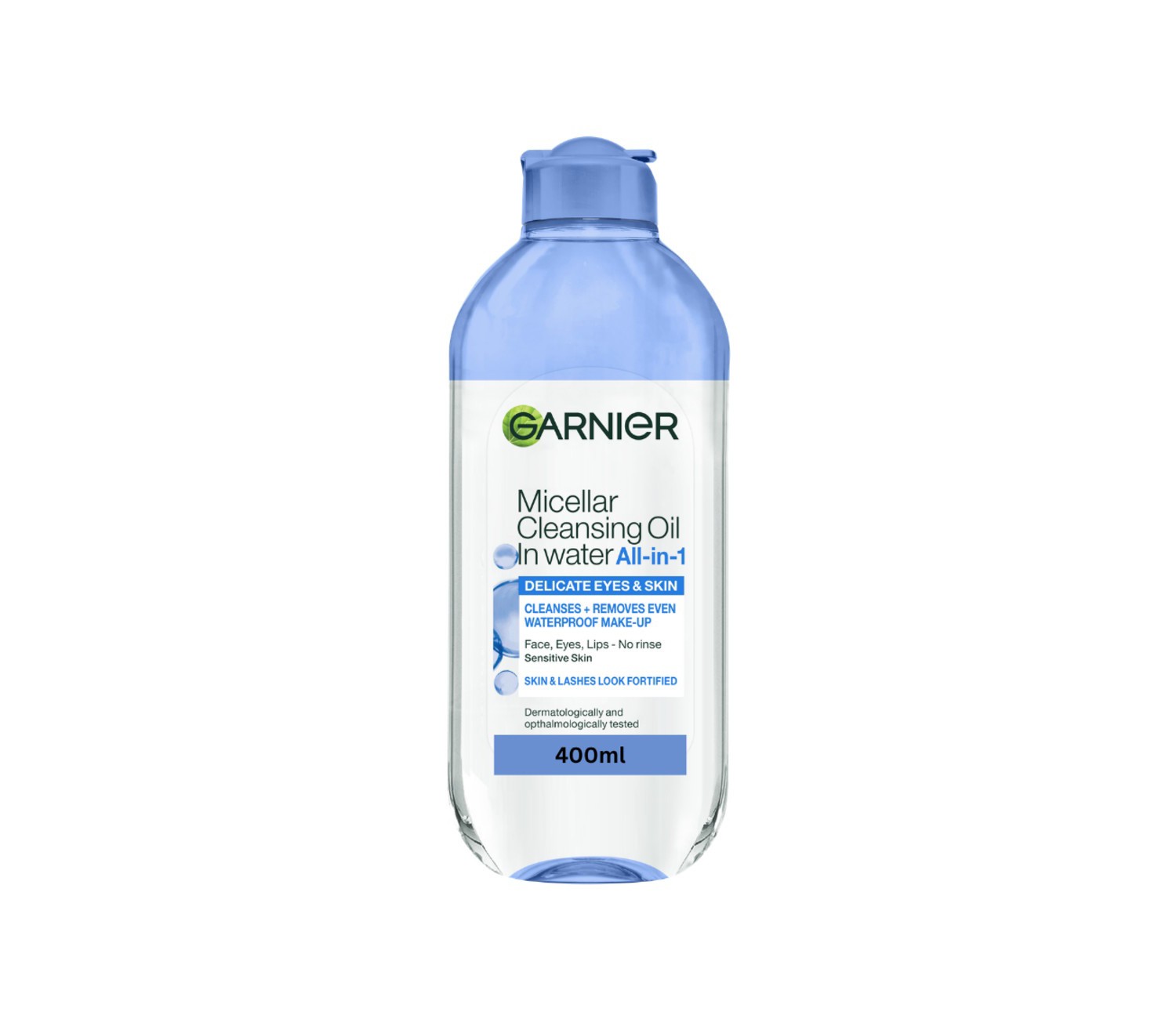
Garnier
Micellar Water Facial Cleanser For Delicate Skin And Eyes 400ml
Amino Acids · Contains fragrance
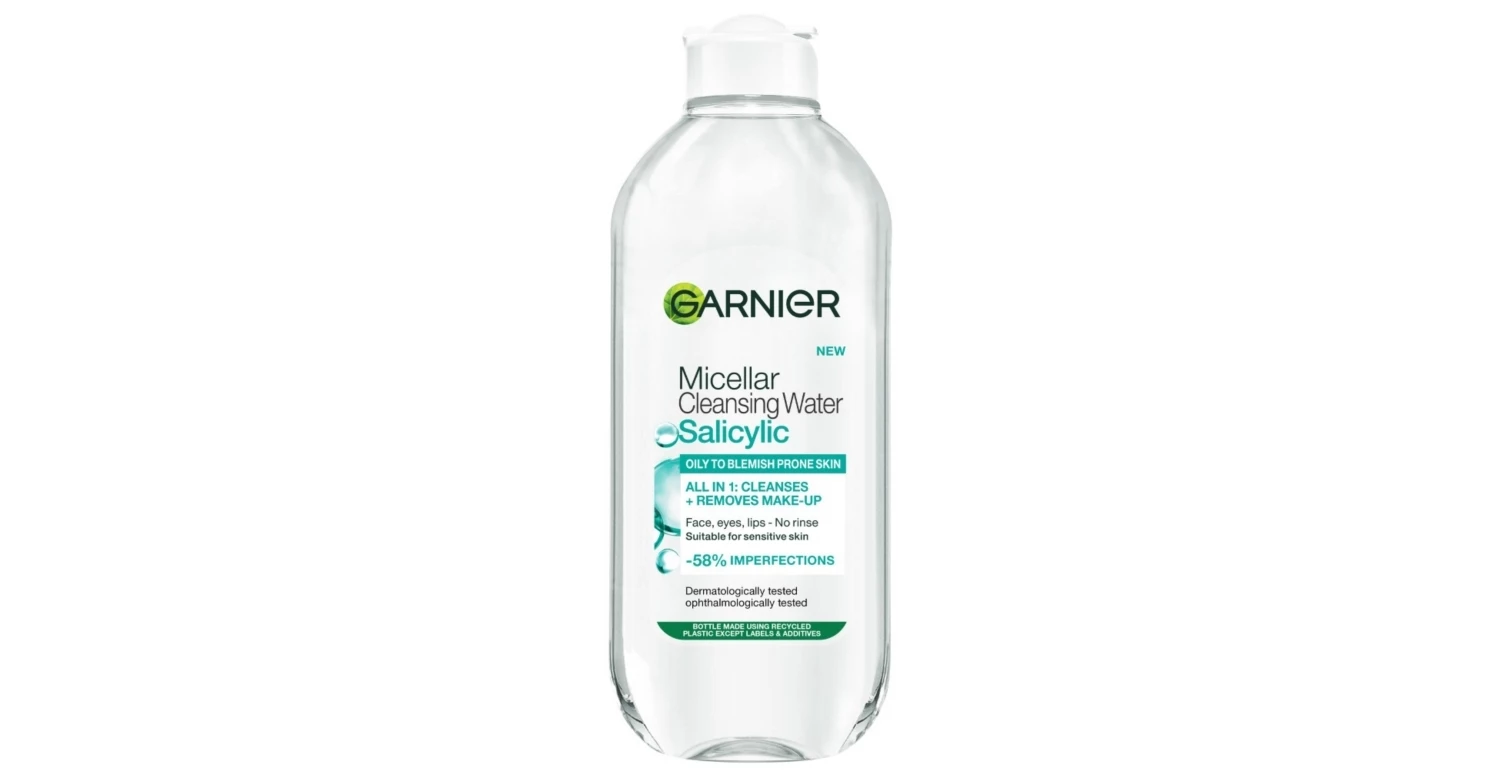
Garnier
Micellar Salicylic Cleansing Water For Oily To Blemish Prone Skin Anti Imperfection, 400ml
Salicylic Acid · Vitamin C (Ascorbyl Glucoside) · Fragrance-free · Drying alcohol high in list
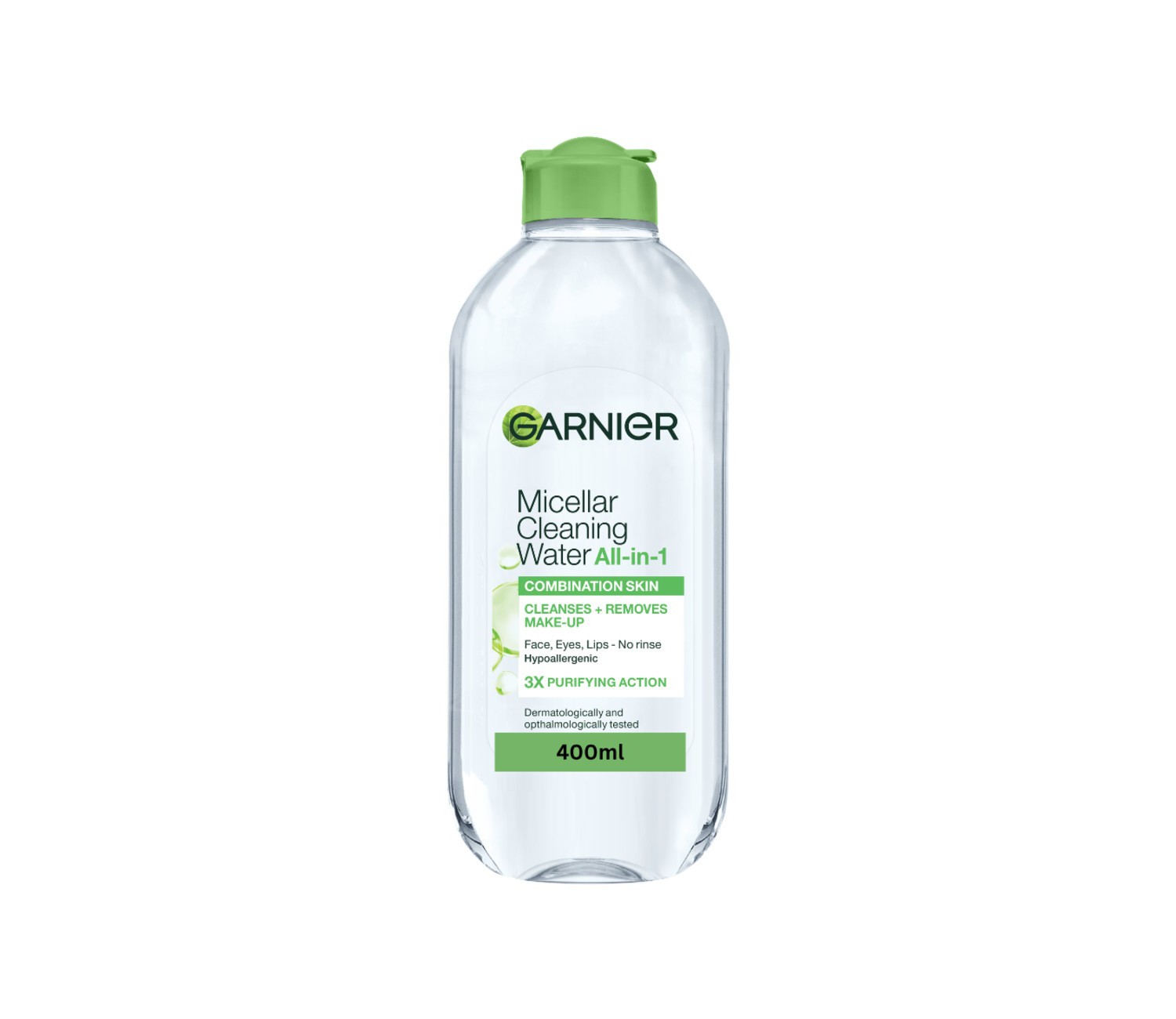
Garnier
Micellar Water Facial Cleanse For Combination Skin, 400ml
Glycerin · Fragrance-free · Drying alcohol high in list
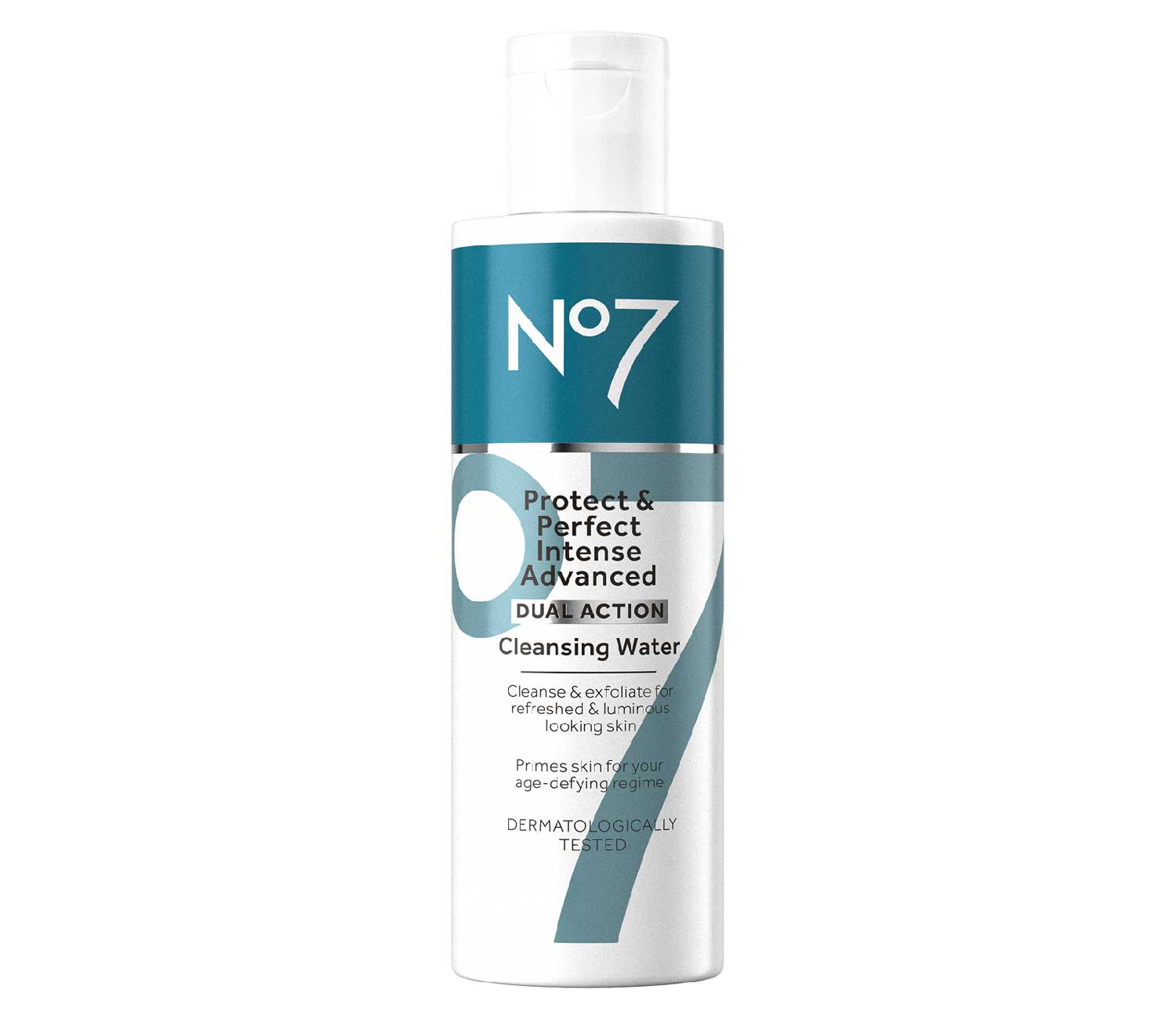
No7
Protect & Perfect Intense Advanced Dual Action Cleansing Water 200ml
Vitamin C (Ascorbyl Glucoside) · Ginseng · Contains fragrance · Drying alcohol high in list
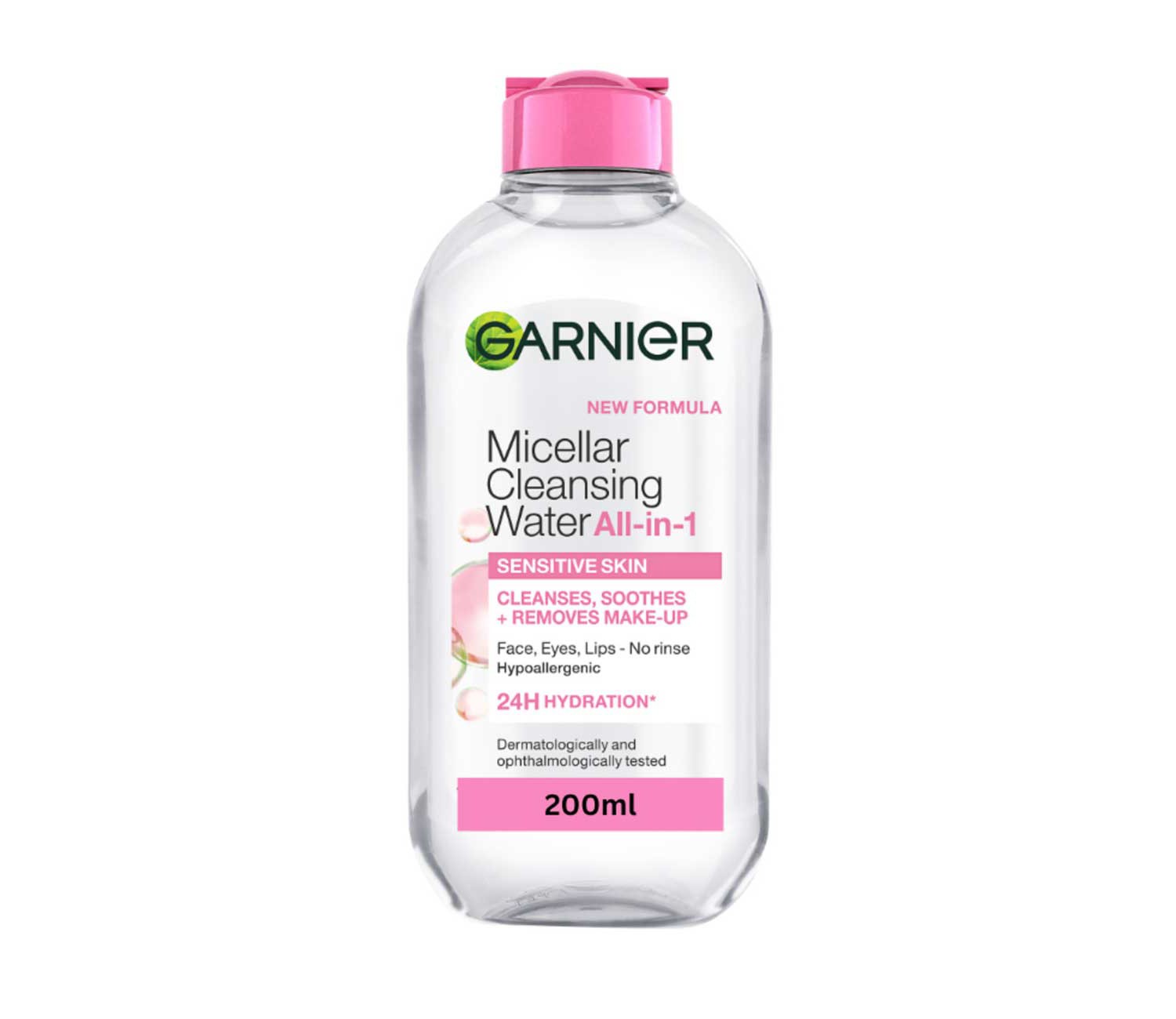
Garnier
Micellar Water Gentle face cleanser & Makeup Remover for Sensitive Skin
Glycerin · Fragrance-free
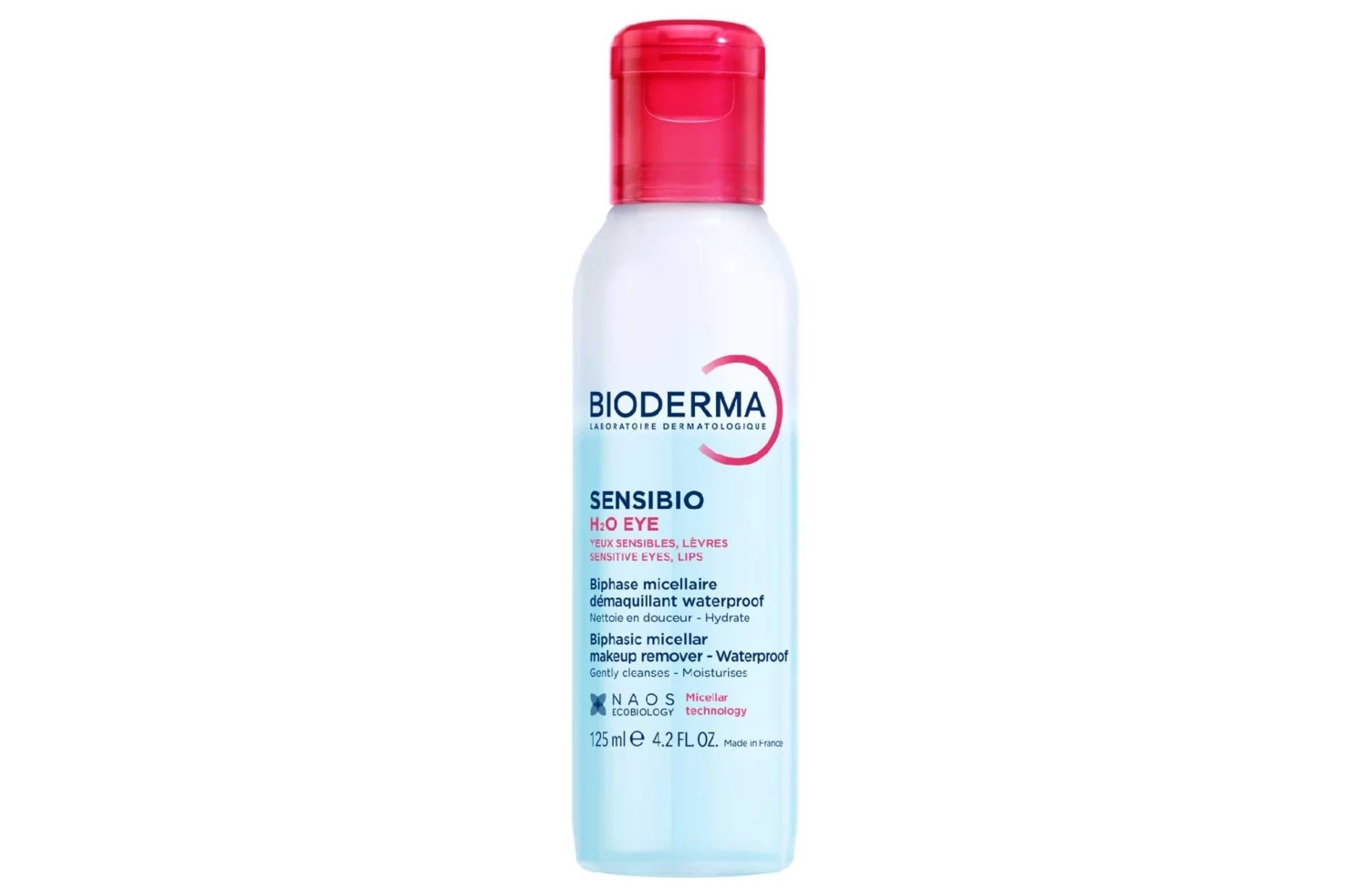
Bioderma
Sensibio H2O Micellar Water Eye Waterproof Makeup Remover for Sensitive Eyes and Lips 125ML
Panthenol (Pro-Vitamin B5) · Algae & Seaweed Extracts · Fragrance-free
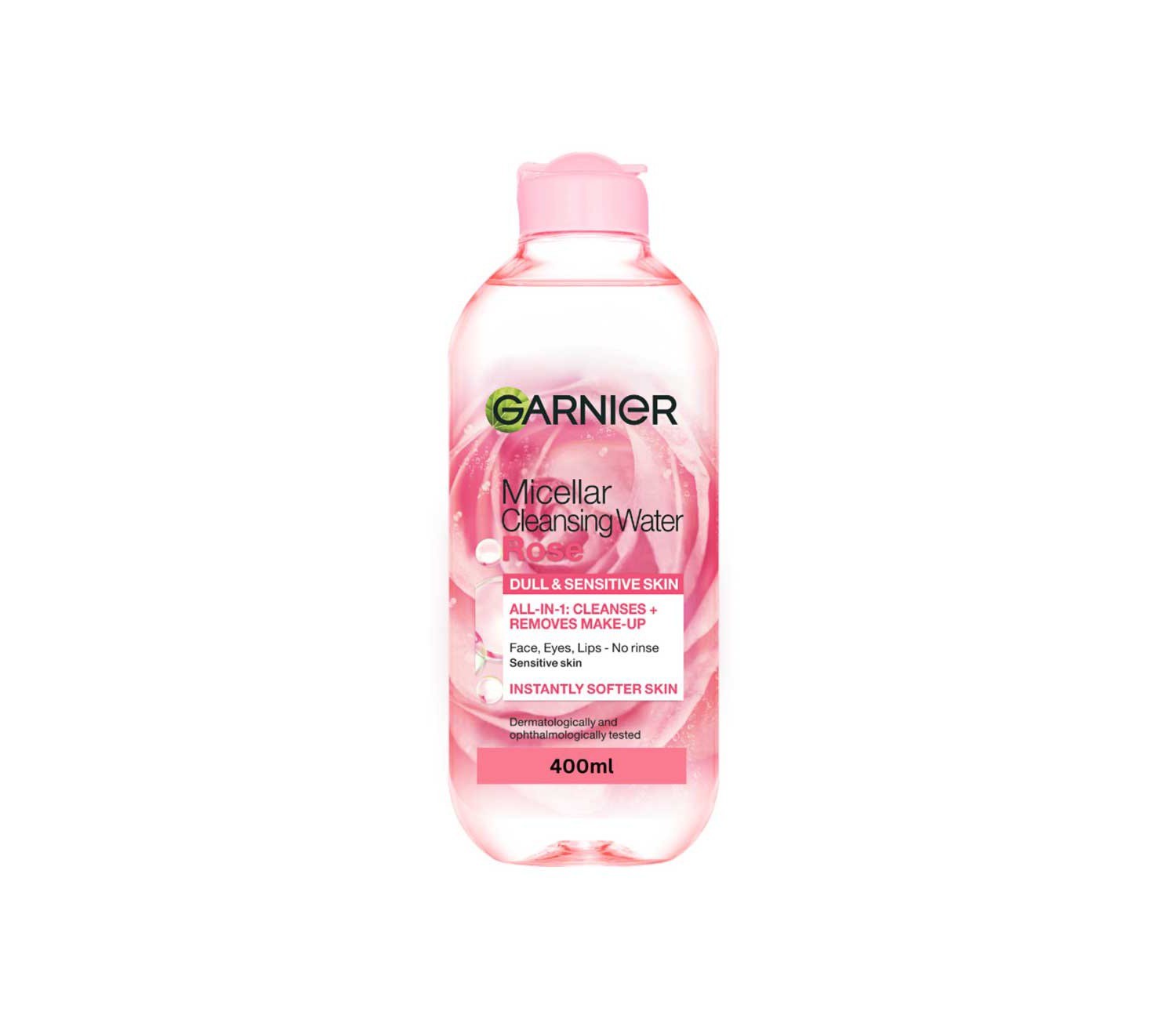
Garnier
Micellar Rose Water Gentle Face Cleanser And Makeup Remover 400ml
Salicylic Acid · Amino Acids · Contains fragrance
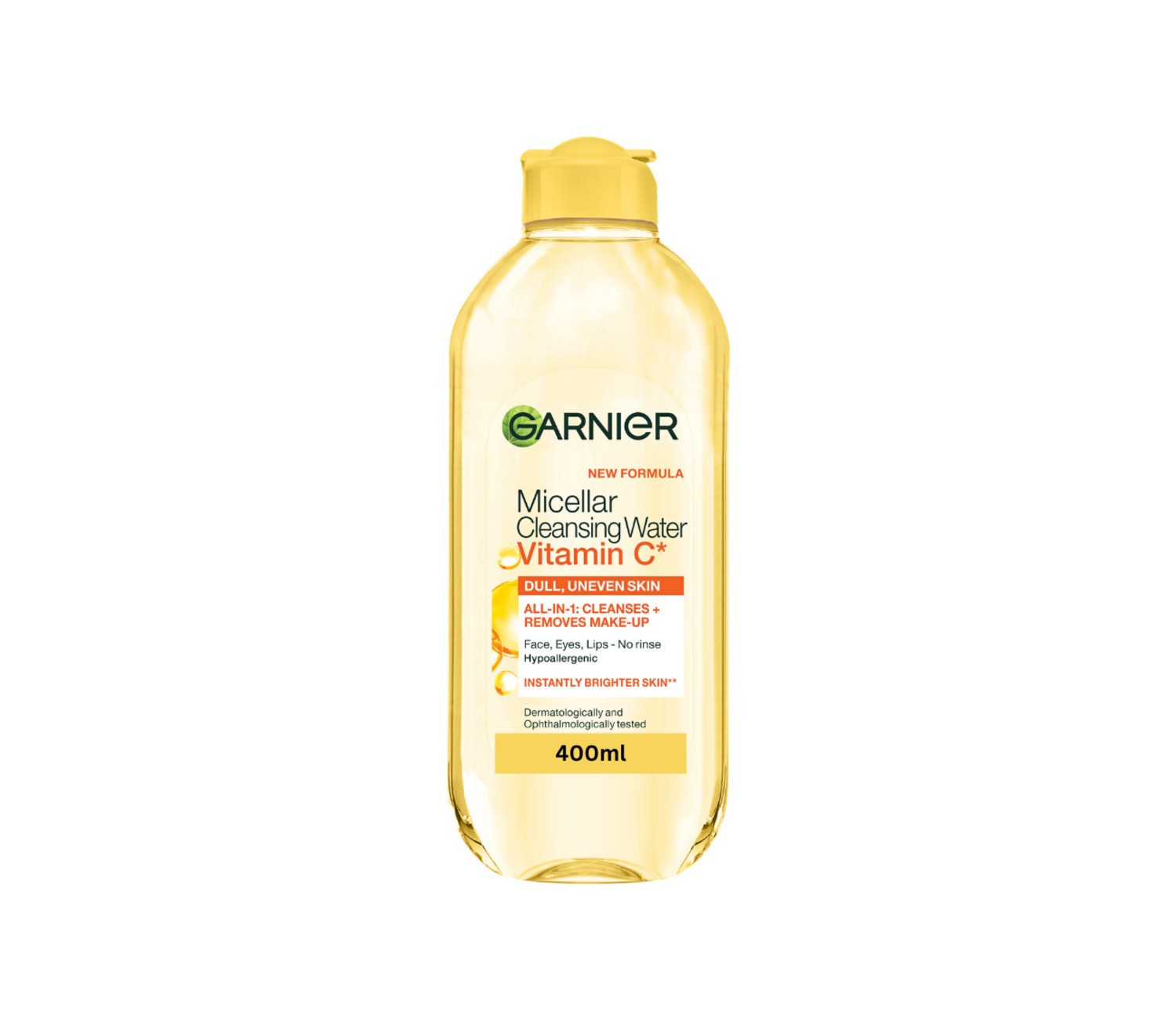
Garnier
Micellar Vitamin C Water Gentle Face Cleanser & Makeup Remover Brightening Formula, 400ml
Vitamin C (Ascorbyl Glucoside) · Salicylic Acid · Contains fragrance · Drying alcohol high in list
Cleansing wipes
Handy for travel and the gym, but a rinse-off cleanser cleans more thoroughly.
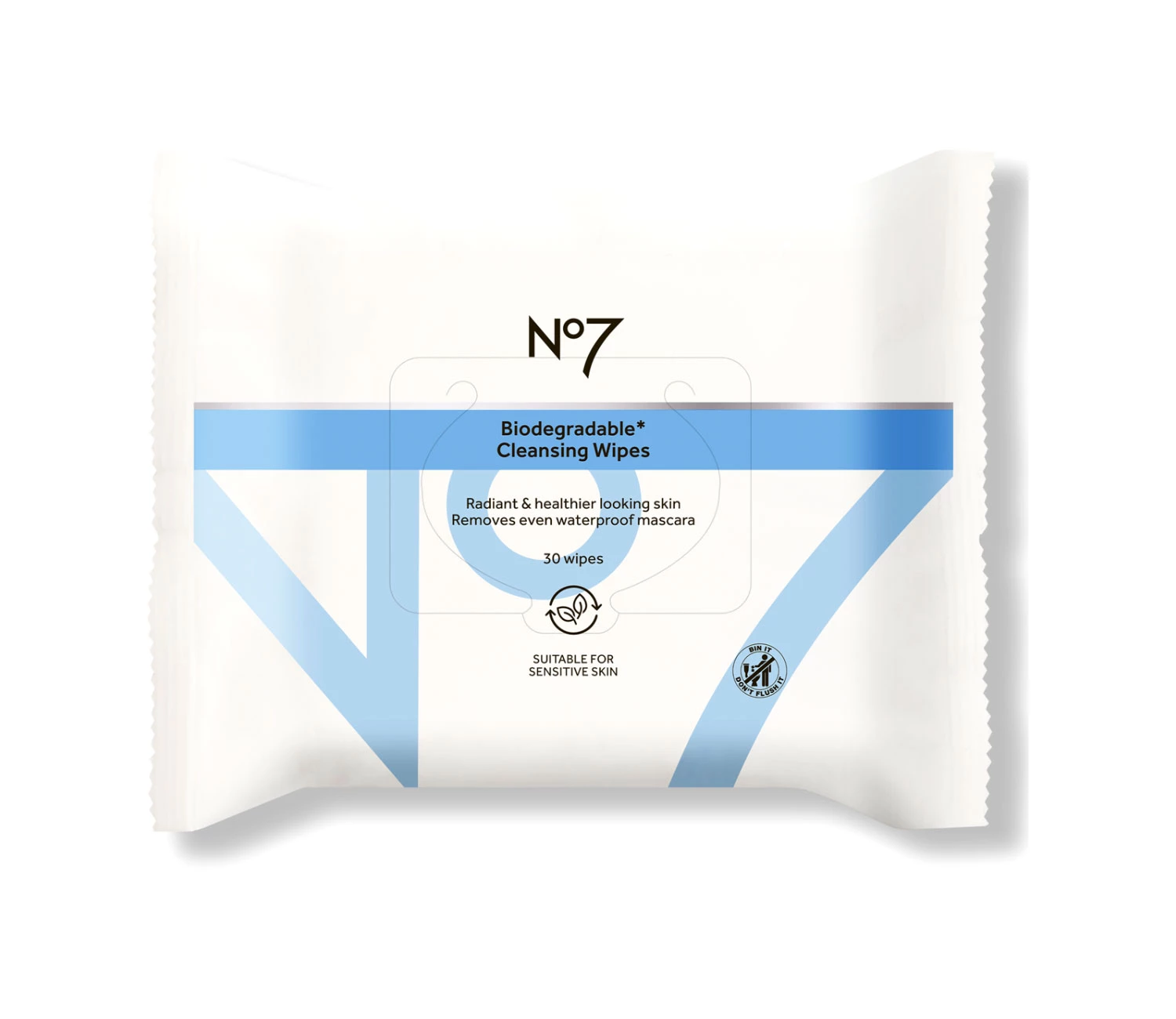
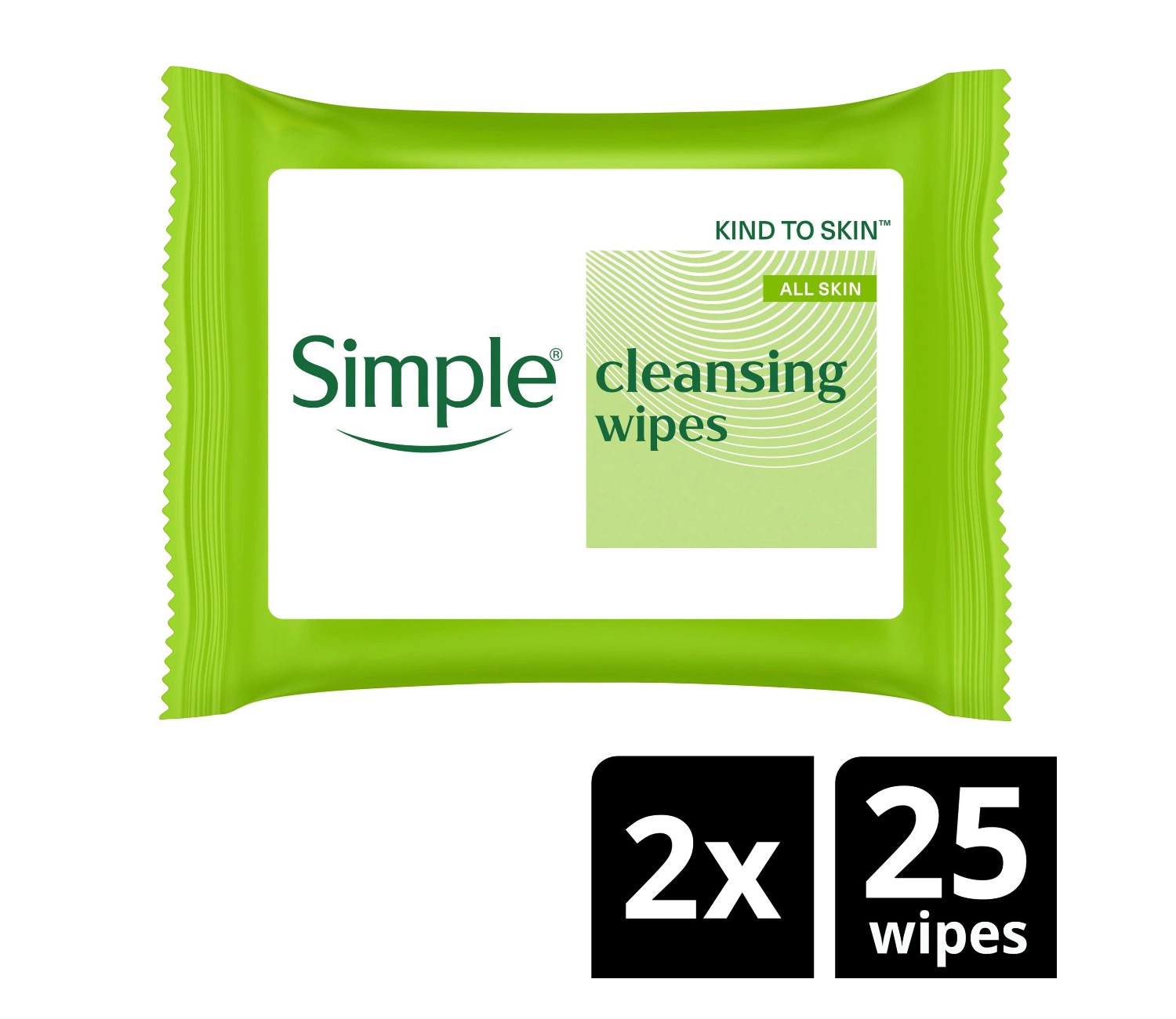
Simple
Kind To Skin Biodegradable Cleansing Wipes
Panthenol (Pro-Vitamin B5) · Glycerin · Fragrance-free
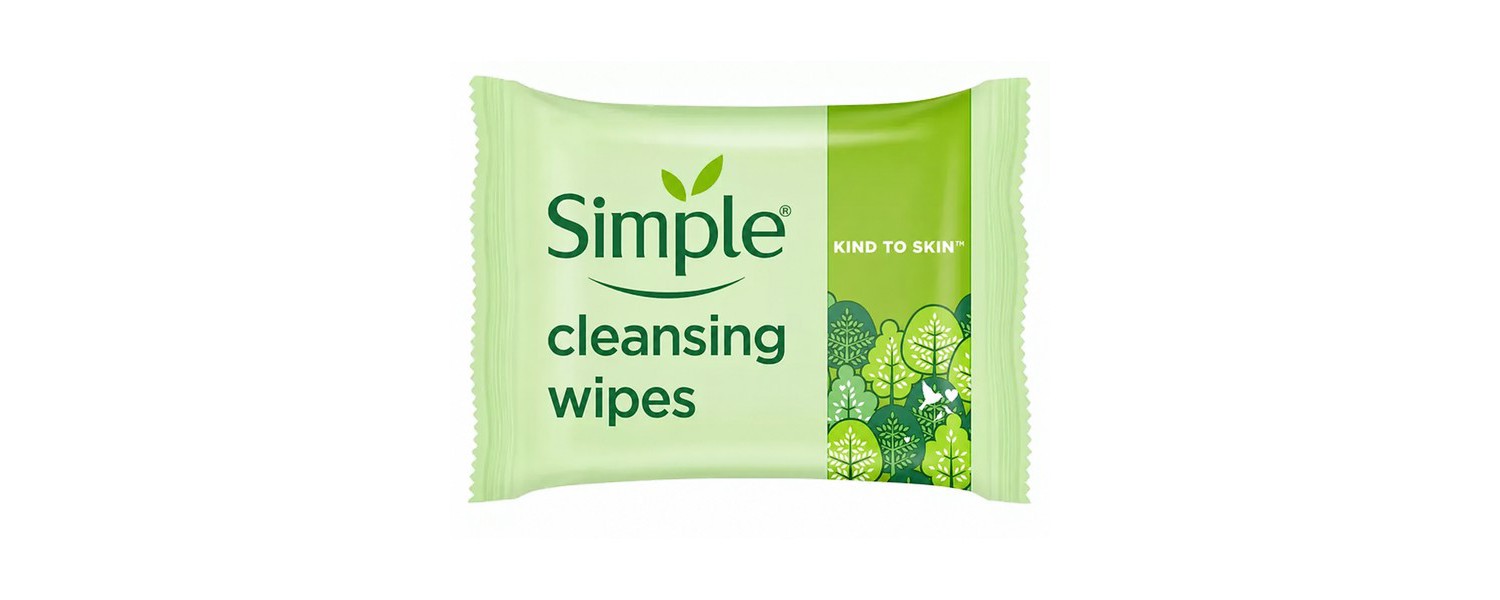
Simple
Kind To Skin Cleansing Facial Wipes Seven wipes
Panthenol (Pro-Vitamin B5) · Glycerin · Fragrance-free
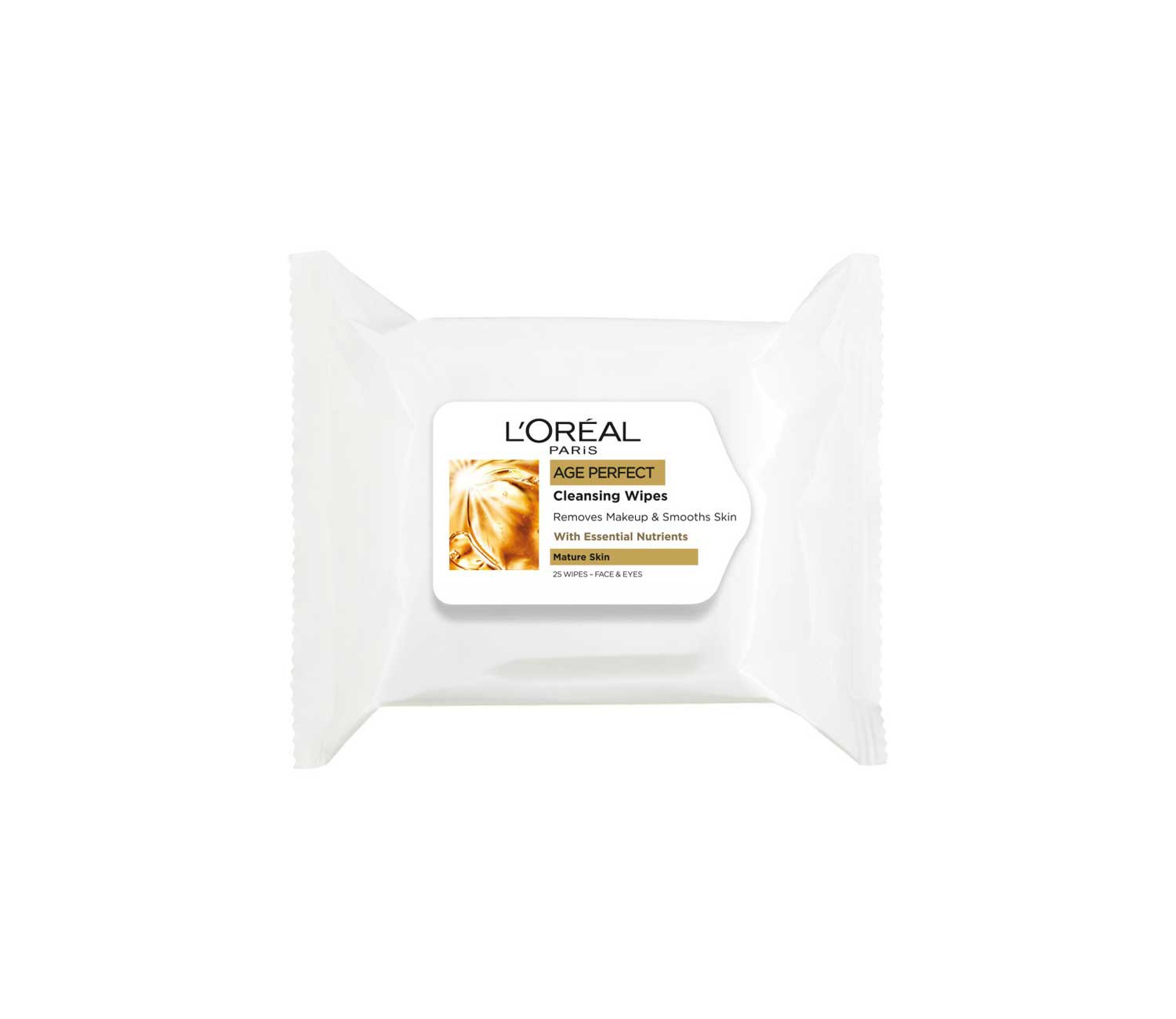
L'Oréal Paris
Age Perfect Cleansing Wipes, Removes Makeup & Smooths Skin, Pack of 25x Wipes
Glycerin · Contains fragrance
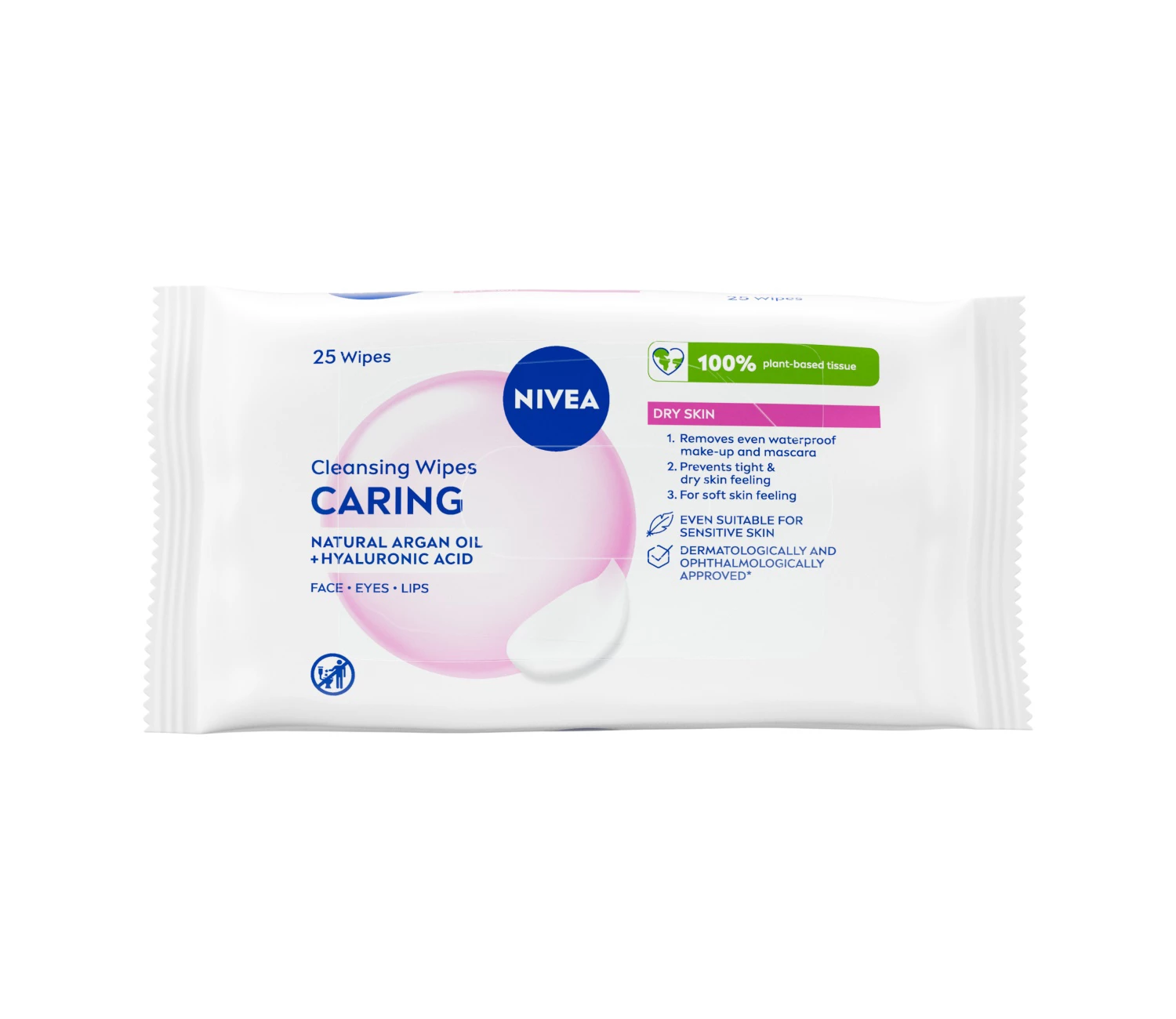
NIVEA
Biodegradable 3in1 Caring Cleansing Wipes for Dry Skin, 25pcs
Hyaluronic Acid · Panthenol (Pro-Vitamin B5) · Contains fragrance
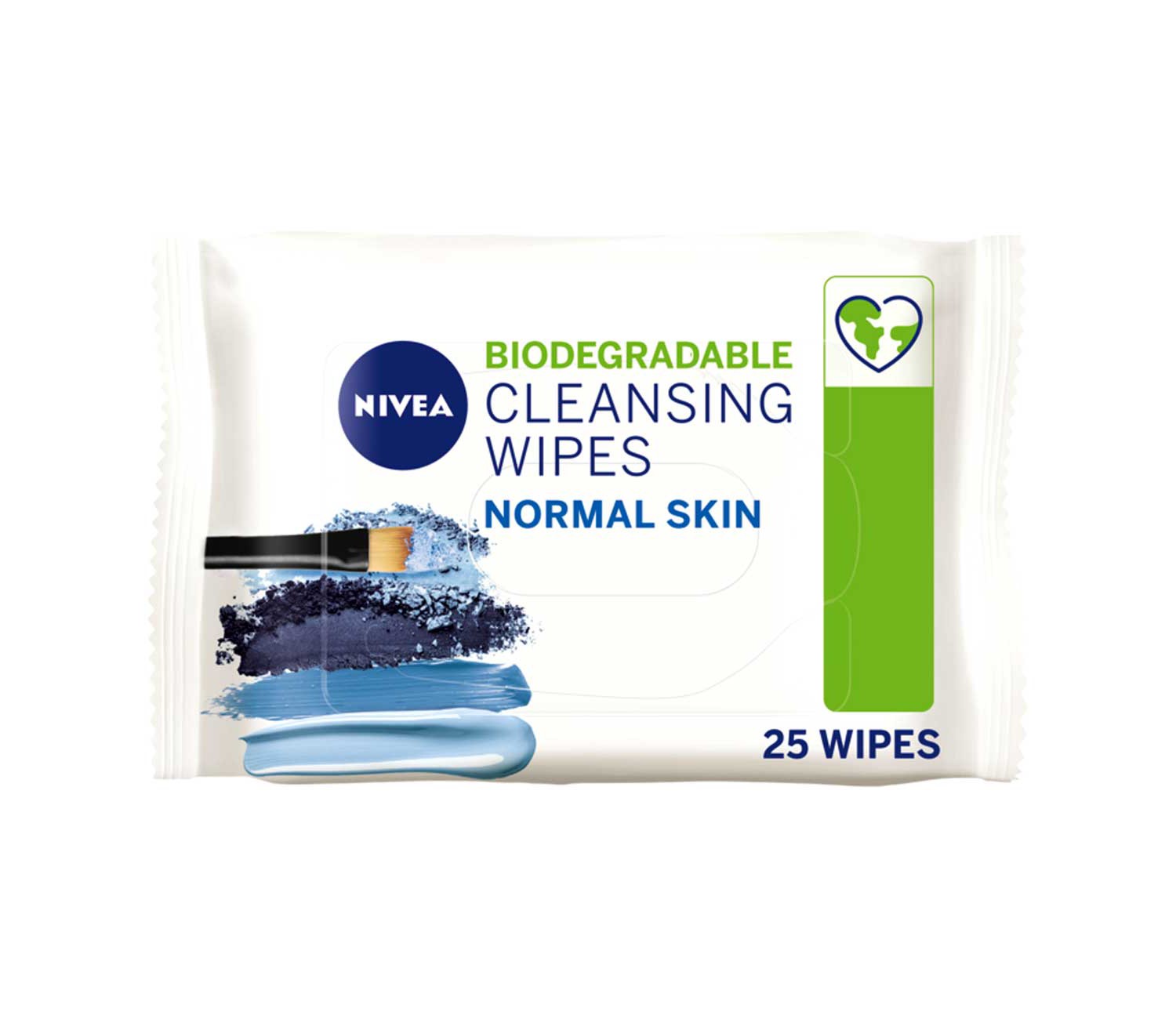
NIVEA
Biodegradable Cleansing Wipes Normal Skin 25pc
Panthenol (Pro-Vitamin B5) · Glycerin · Contains fragrance
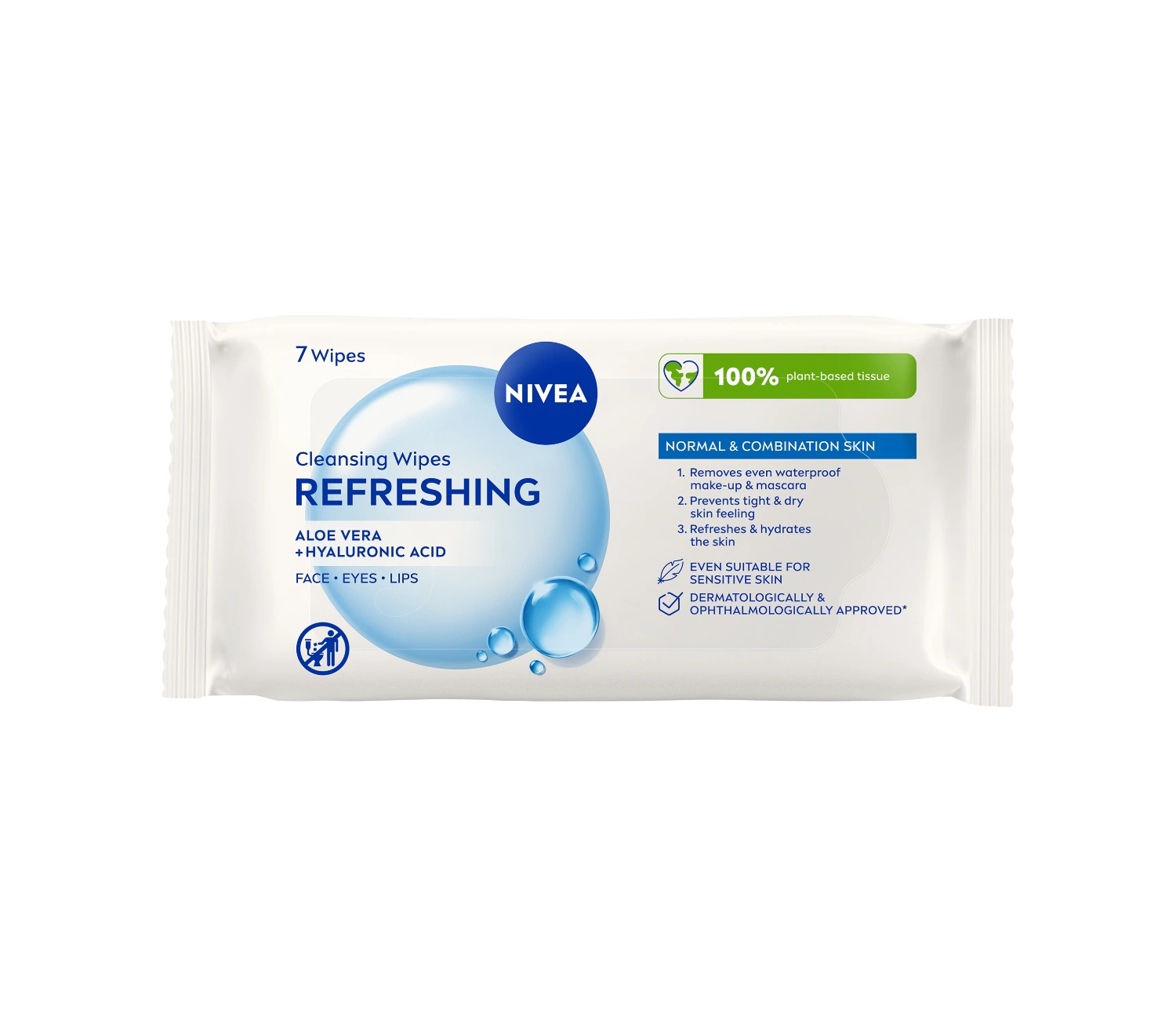
NIVEA
Biodegradable Refreshing Cleansing Face Wipes 7 pack
Hyaluronic Acid · Panthenol (Pro-Vitamin B5) · Contains fragrance
Make-up removers
Removers for eye make-up and long-wear products.
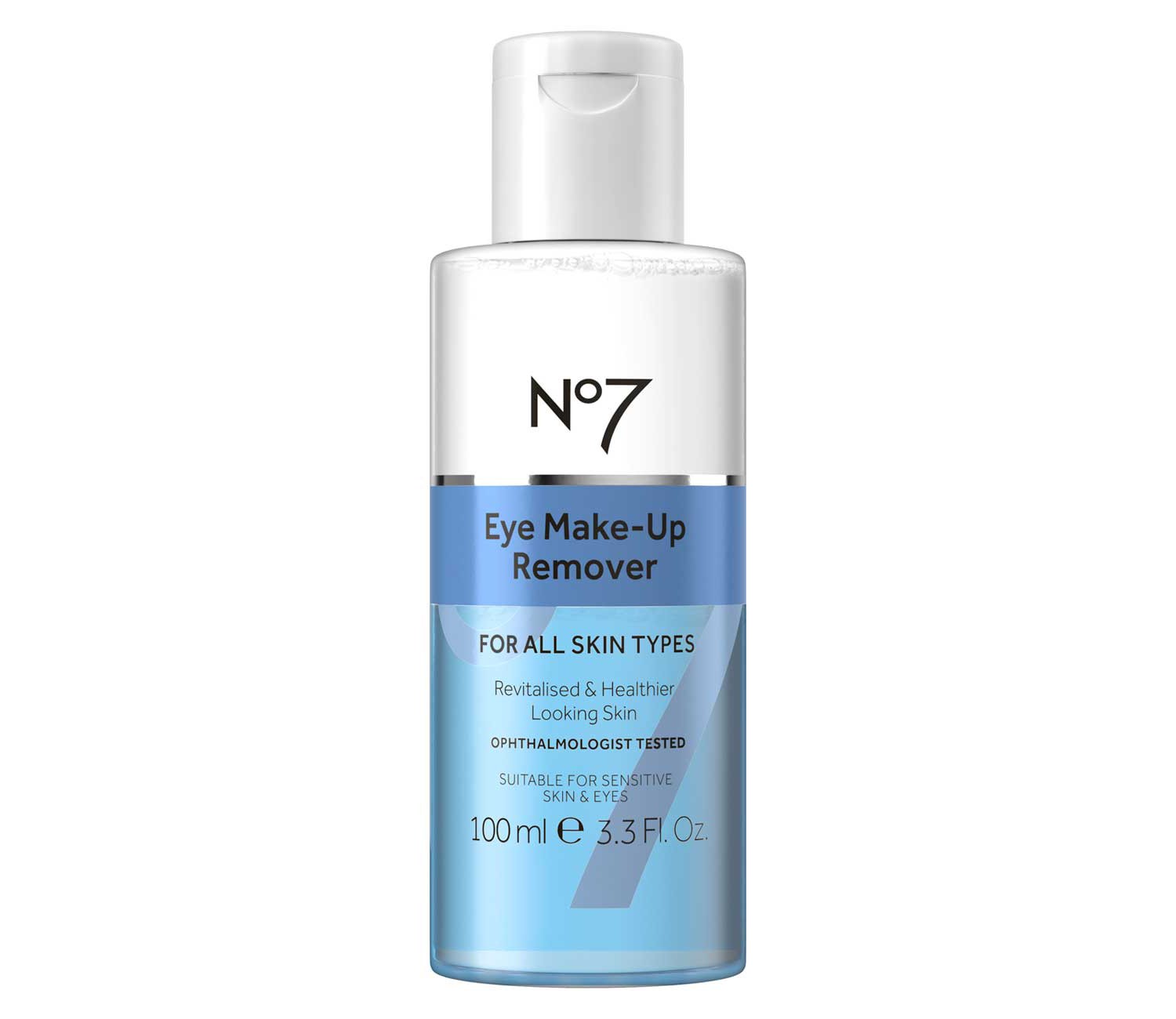
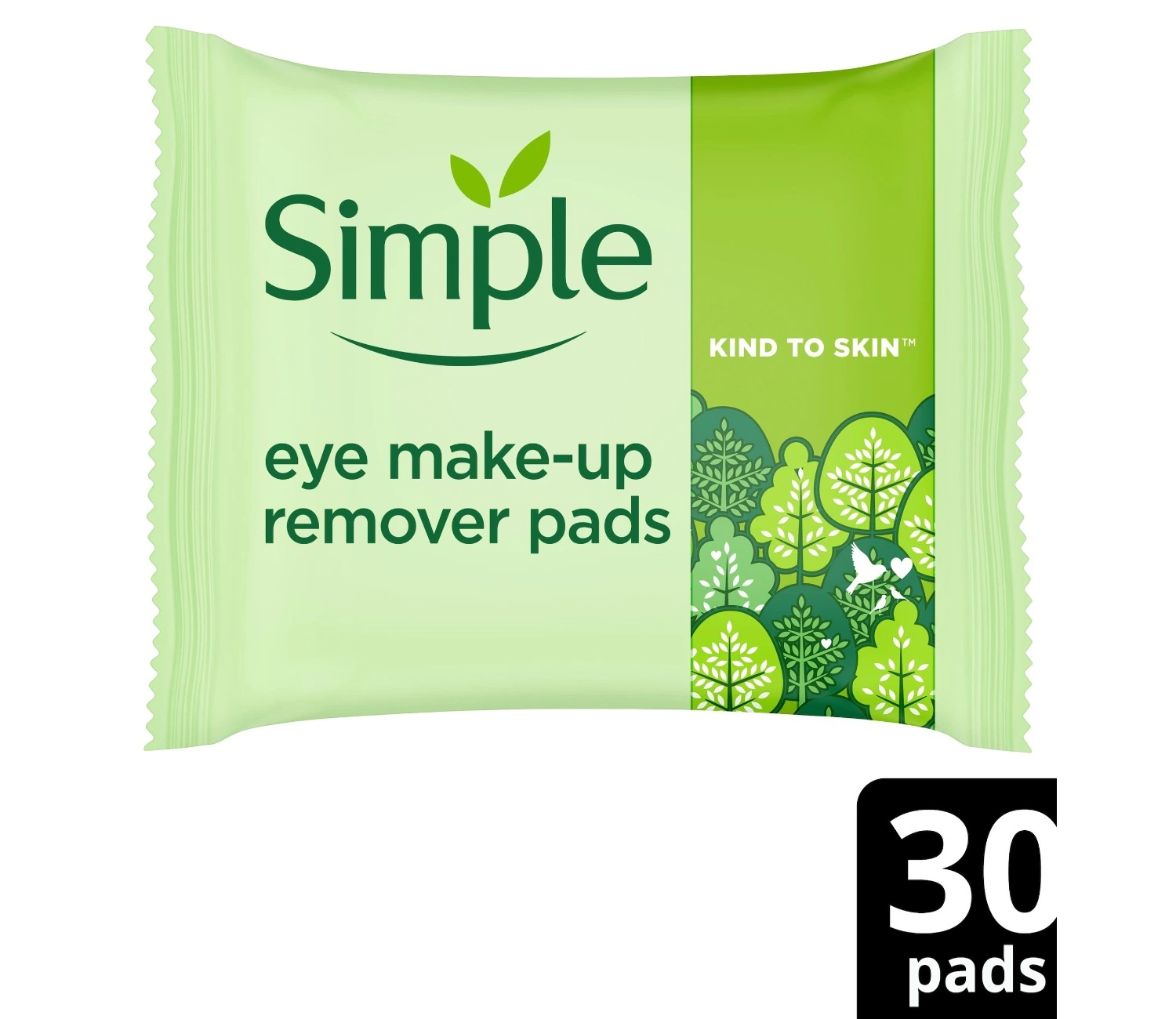
Simple
Kind To Skin Eye Make Up Remover Pads 30 pc
Panthenol (Pro-Vitamin B5) · Glycerin · Fragrance-free
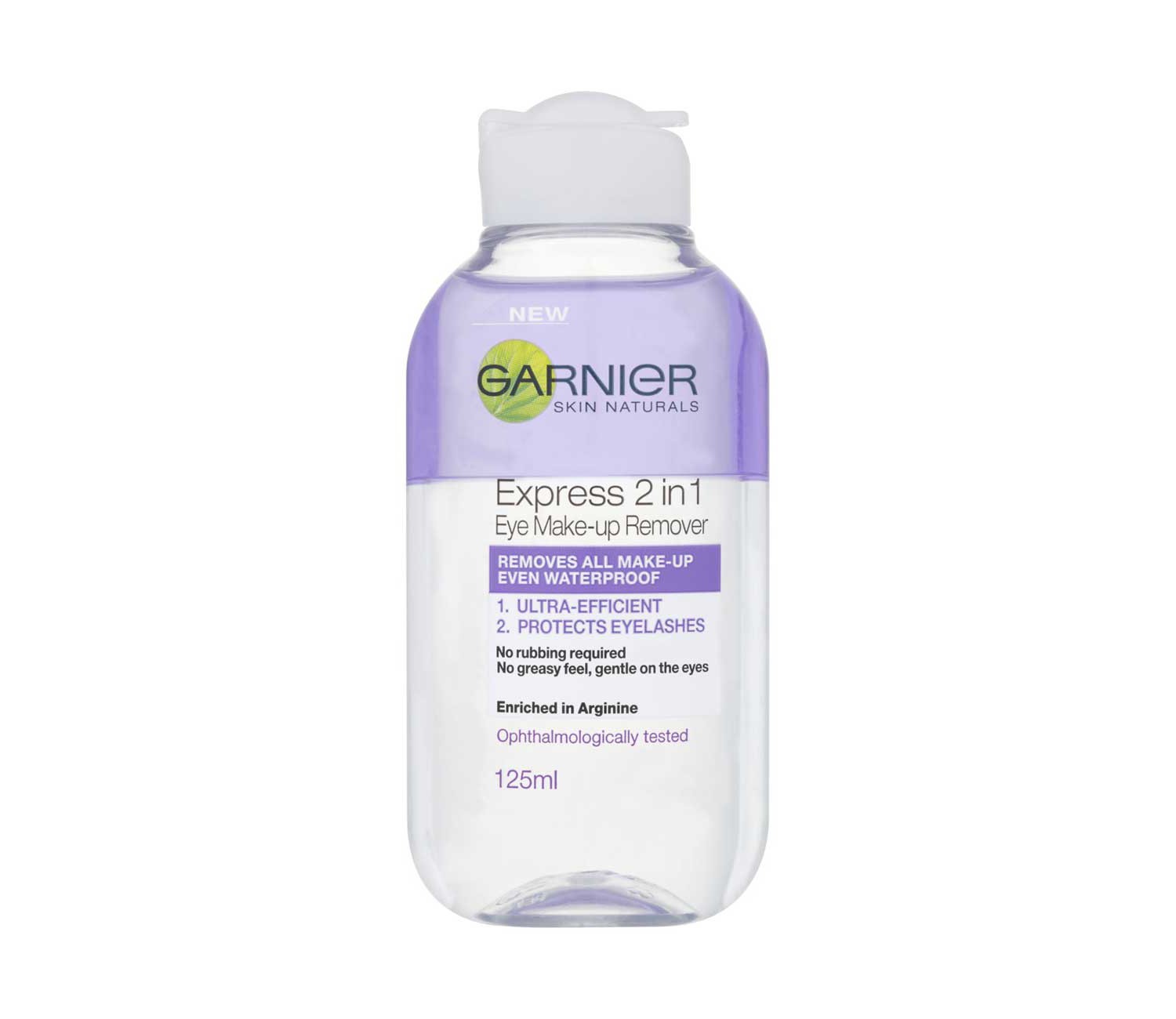


Clinique
Naturally Gentle Eye Make-Up Remover 75ml
Algae & Seaweed Extracts · Amino Acids · Fragrance-free

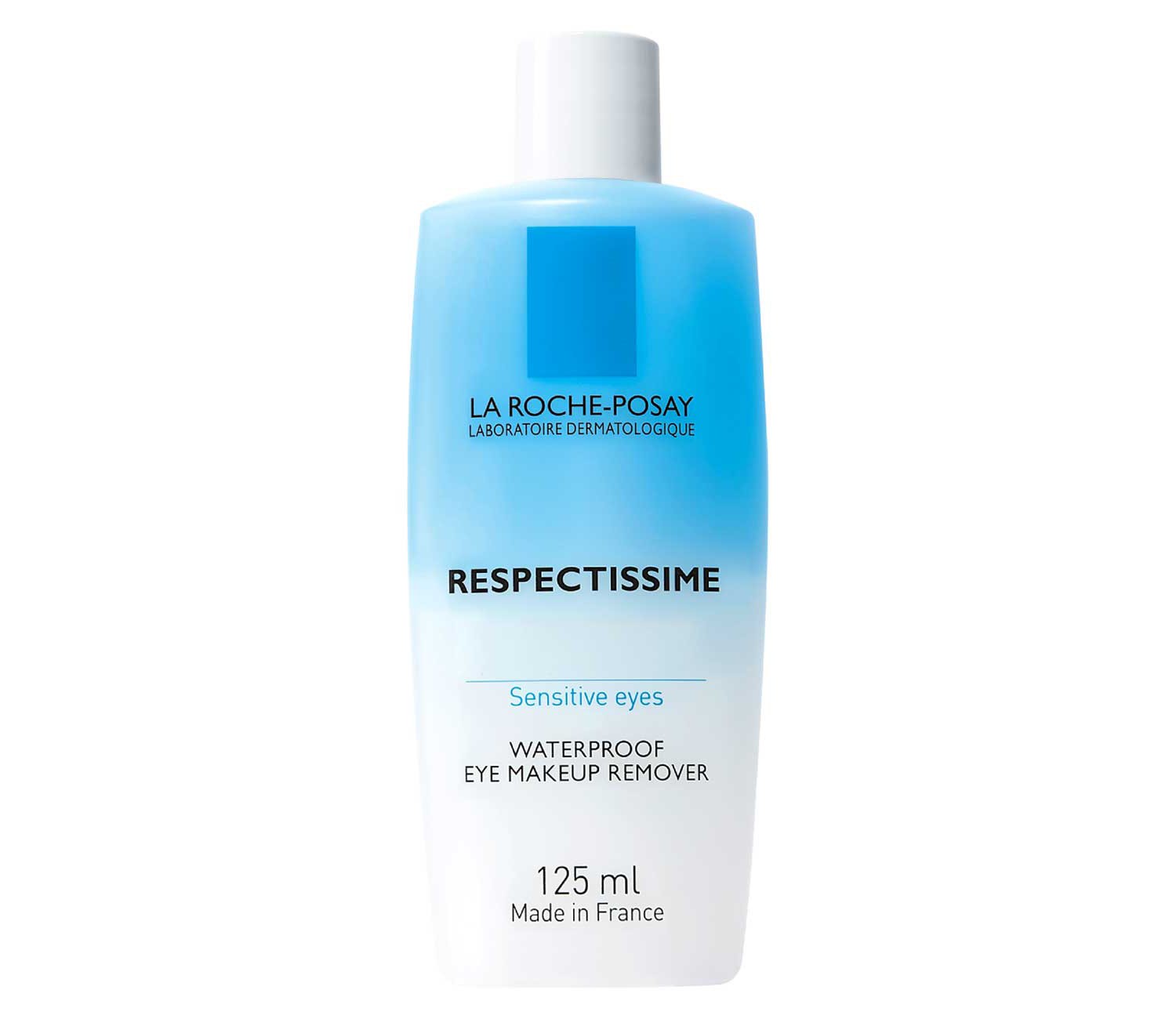
La Roche-Posay
Respectissime Waterproof Gentle Eye Makeup Remover For Sensitive Skin 125ml
Fragrance-free
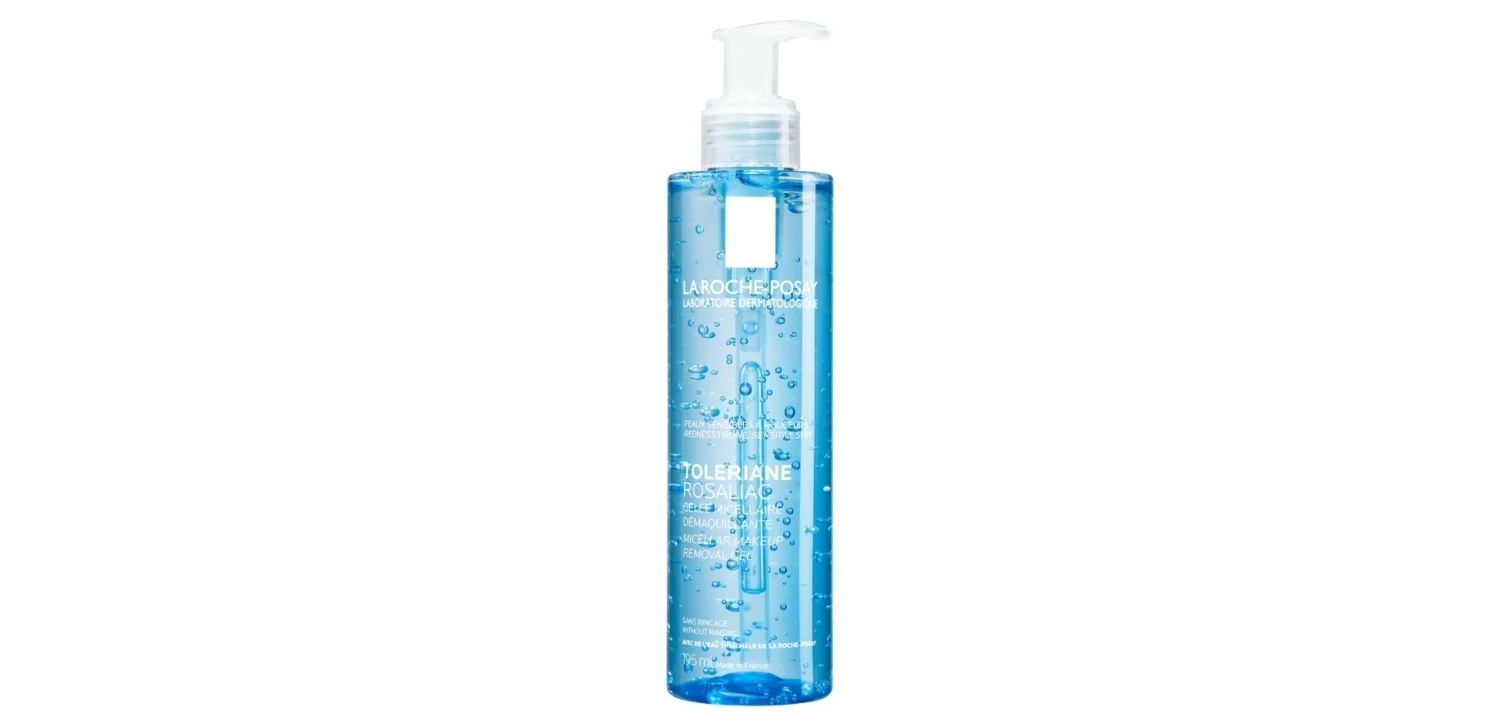
La Roche-Posay
Rosaliac Make-Up Remover Gel 195ml
Vitamin C (Ascorbyl Glucoside) · Caffeine · Fragrance-free
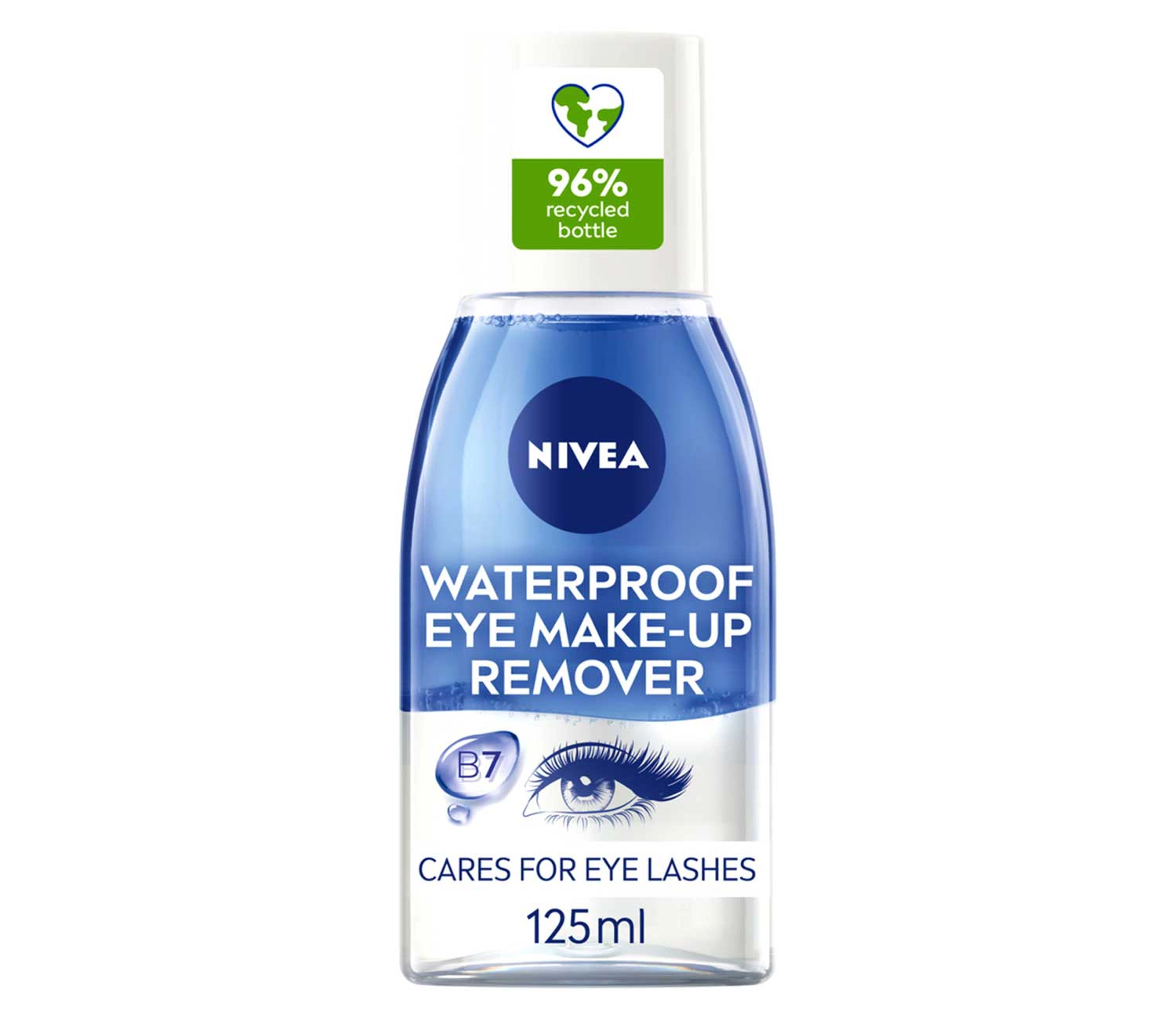
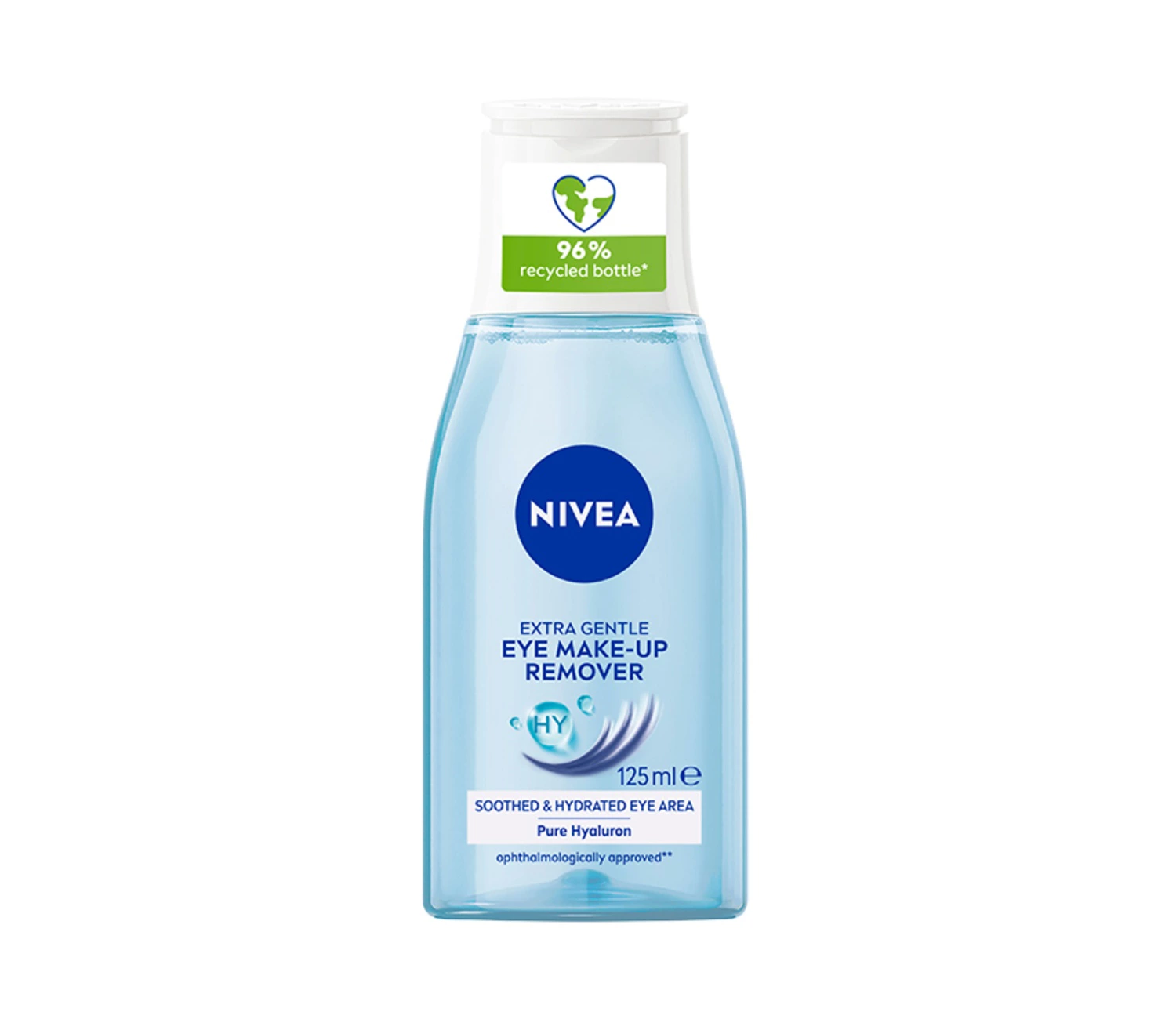
NIVEA
Extra Gentle Eye Make-Up Remover 125ml
Hyaluronic Acid · Panthenol (Pro-Vitamin B5) · Fragrance-free


Estée Lauder
Take it Away Makeup Remover Lotion 200ml
Squalane · Cucumber Extract · Contains fragrance
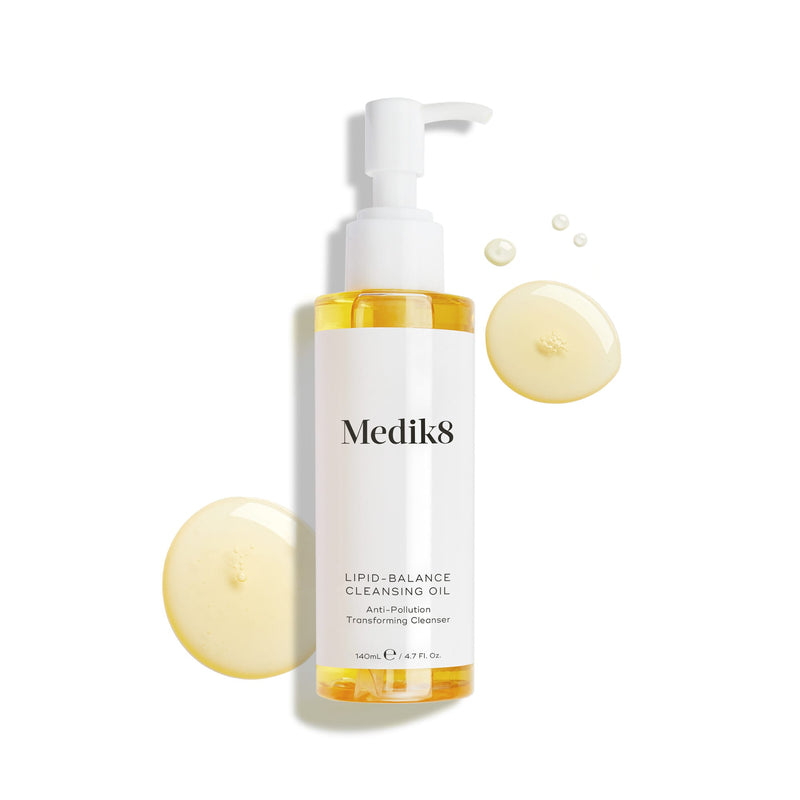
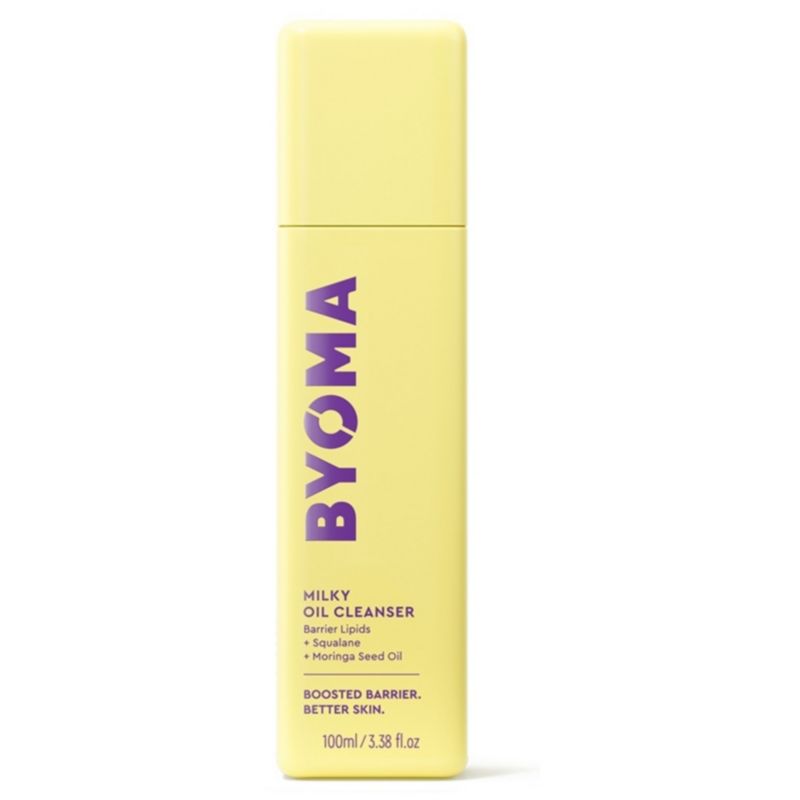
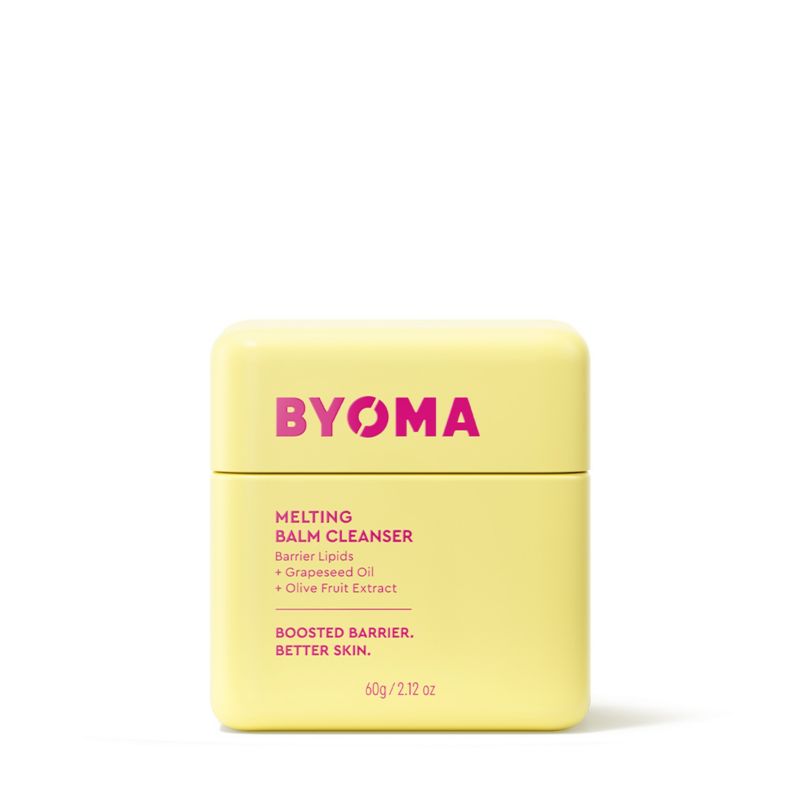
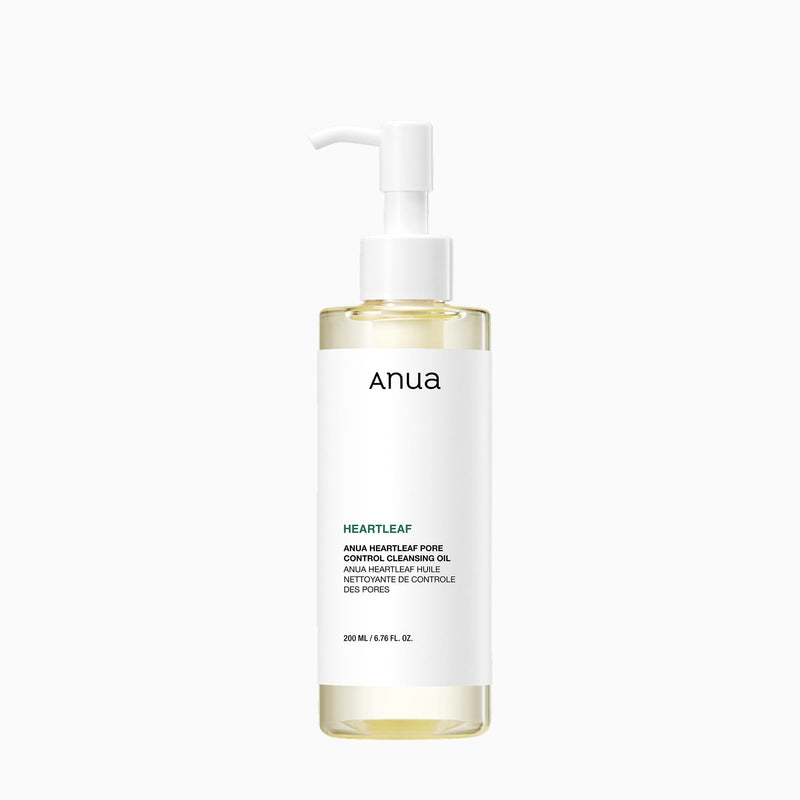
Cleansing balms and oils
They melt away make-up and sunscreen: the first step of a double cleanse.


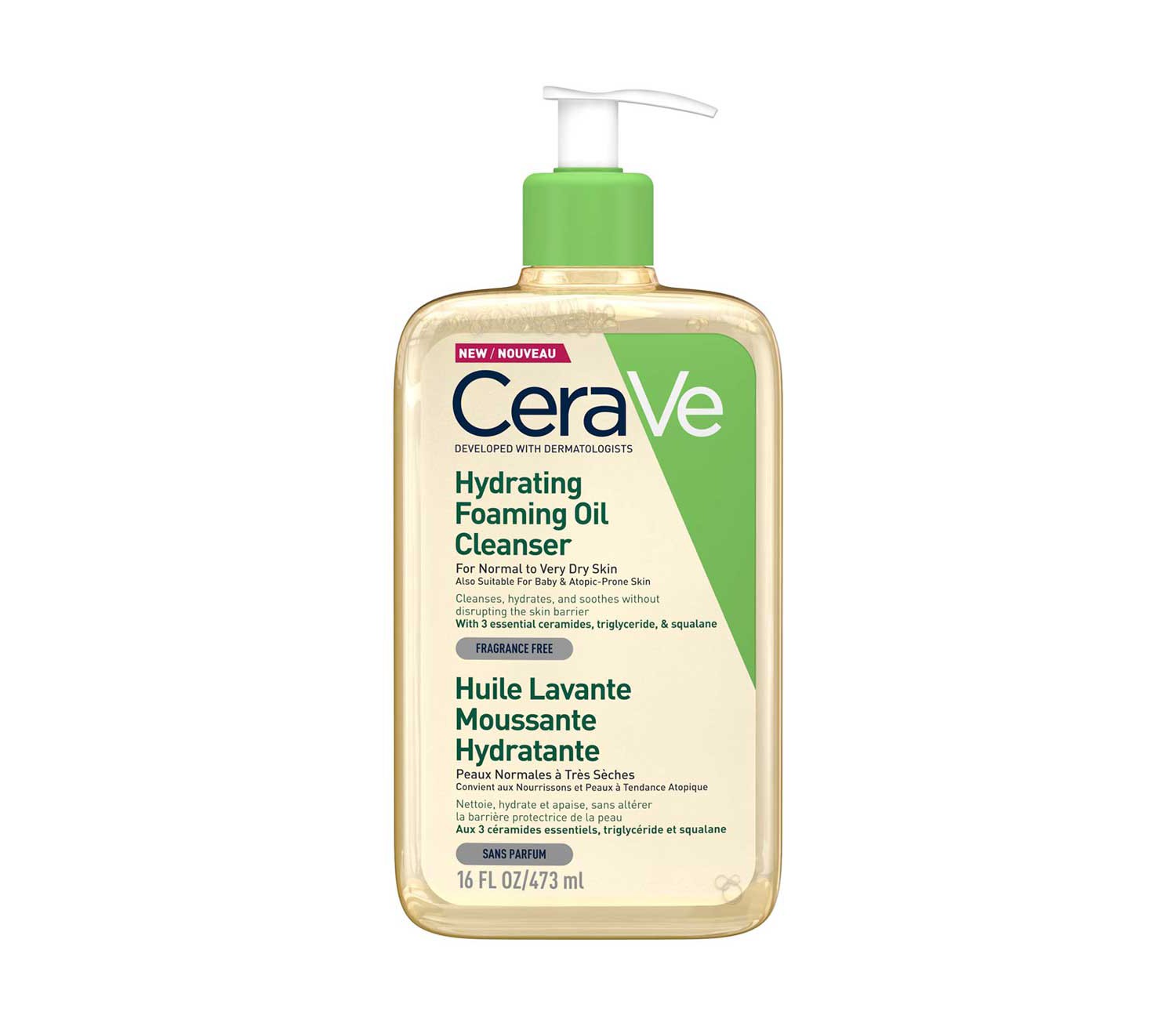
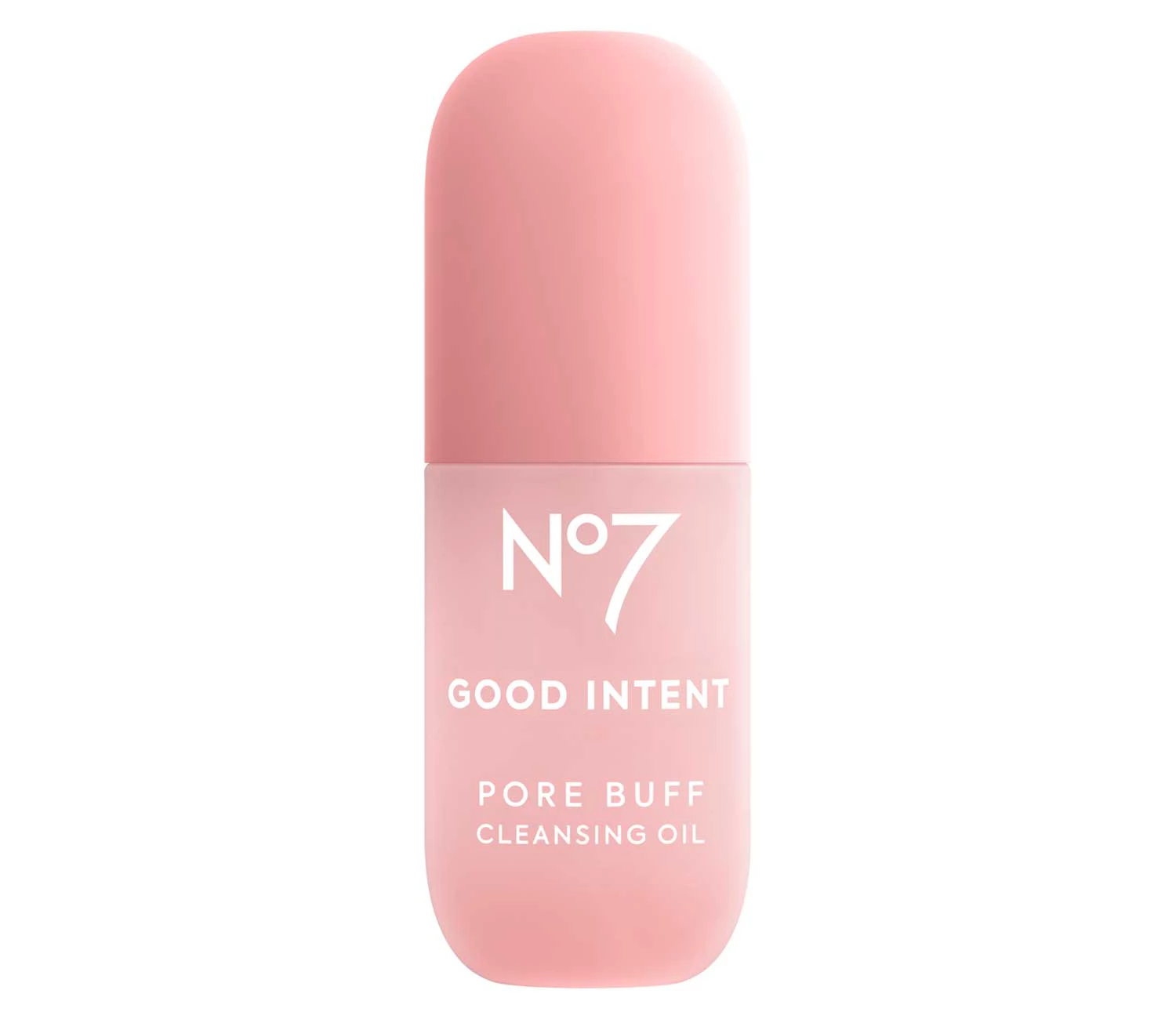
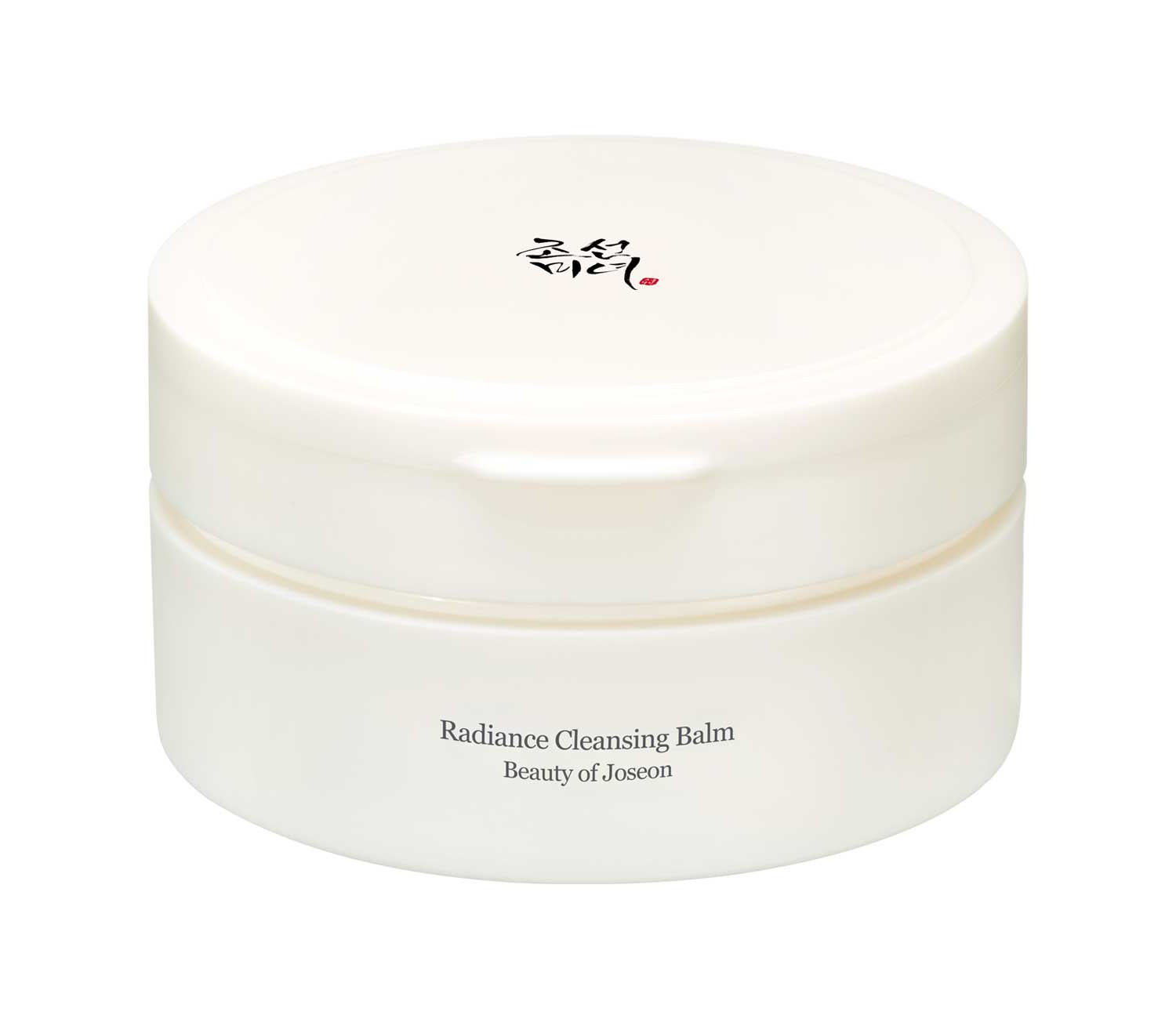
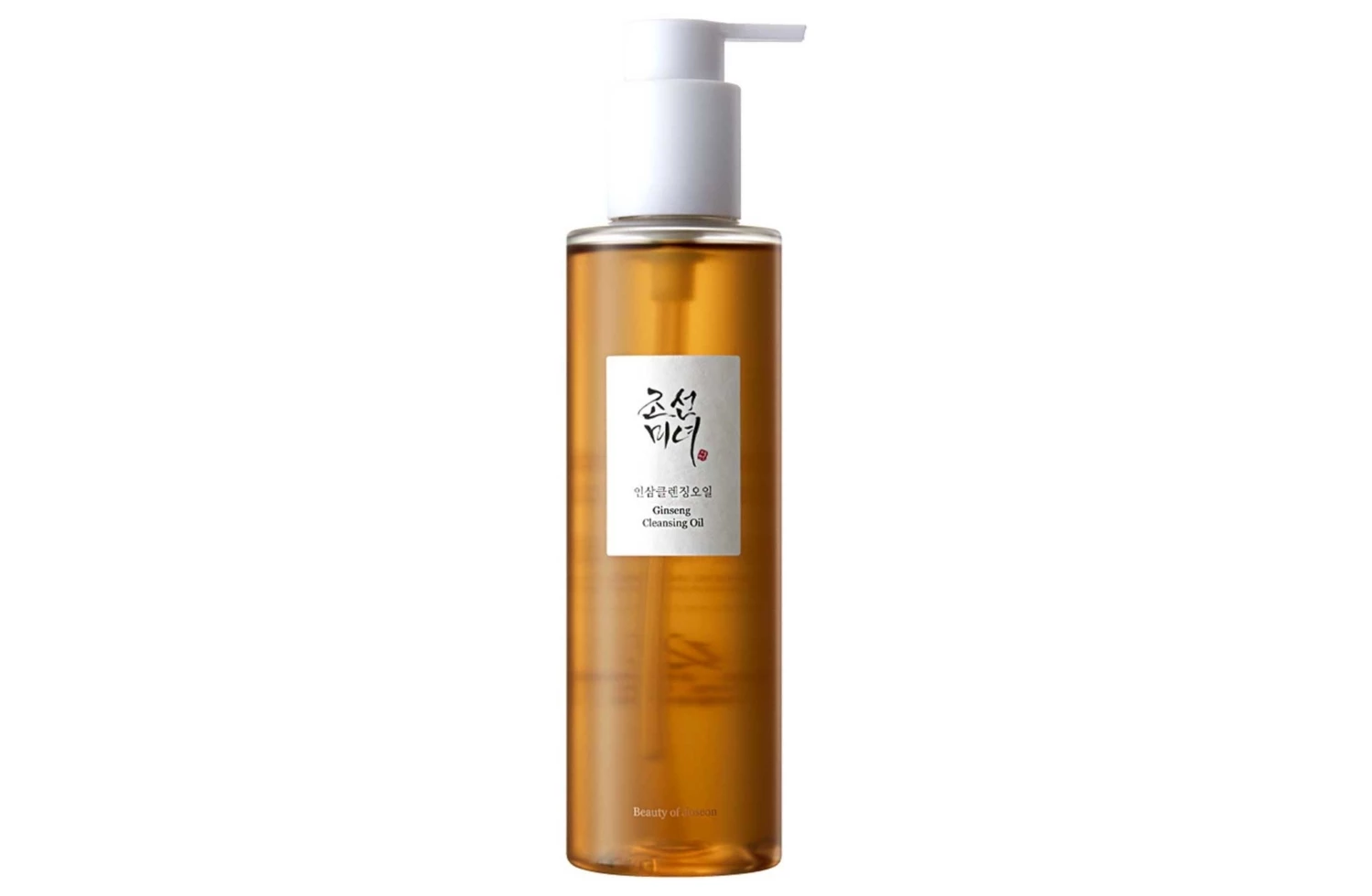
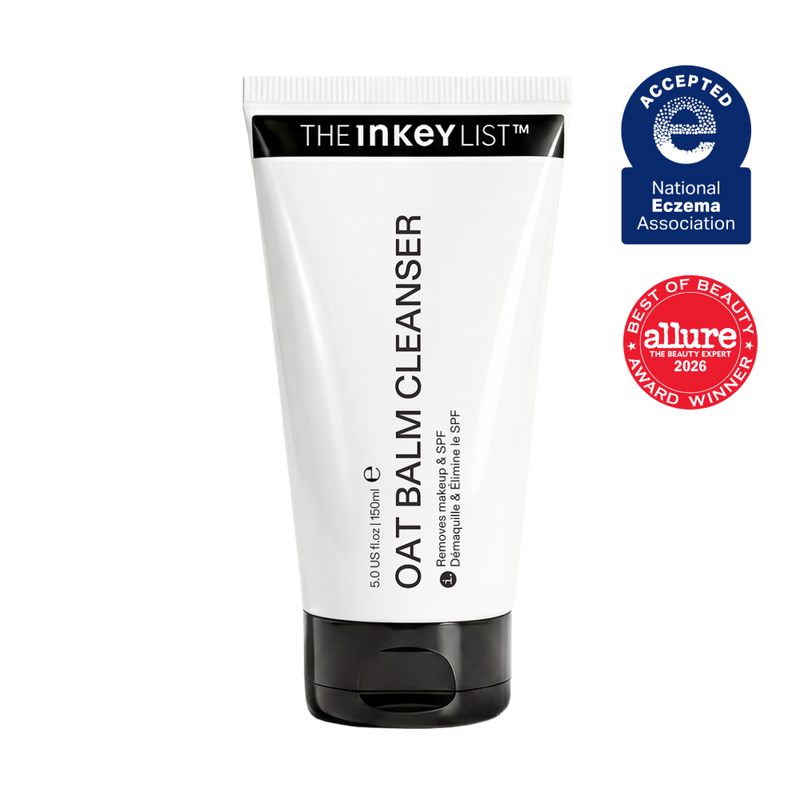

Estée Lauder
Advanced Night Repair Cleansing Balm with Lipid-Rich Oil Infusion 70ml
Algae & Seaweed Extracts · Contains fragrance
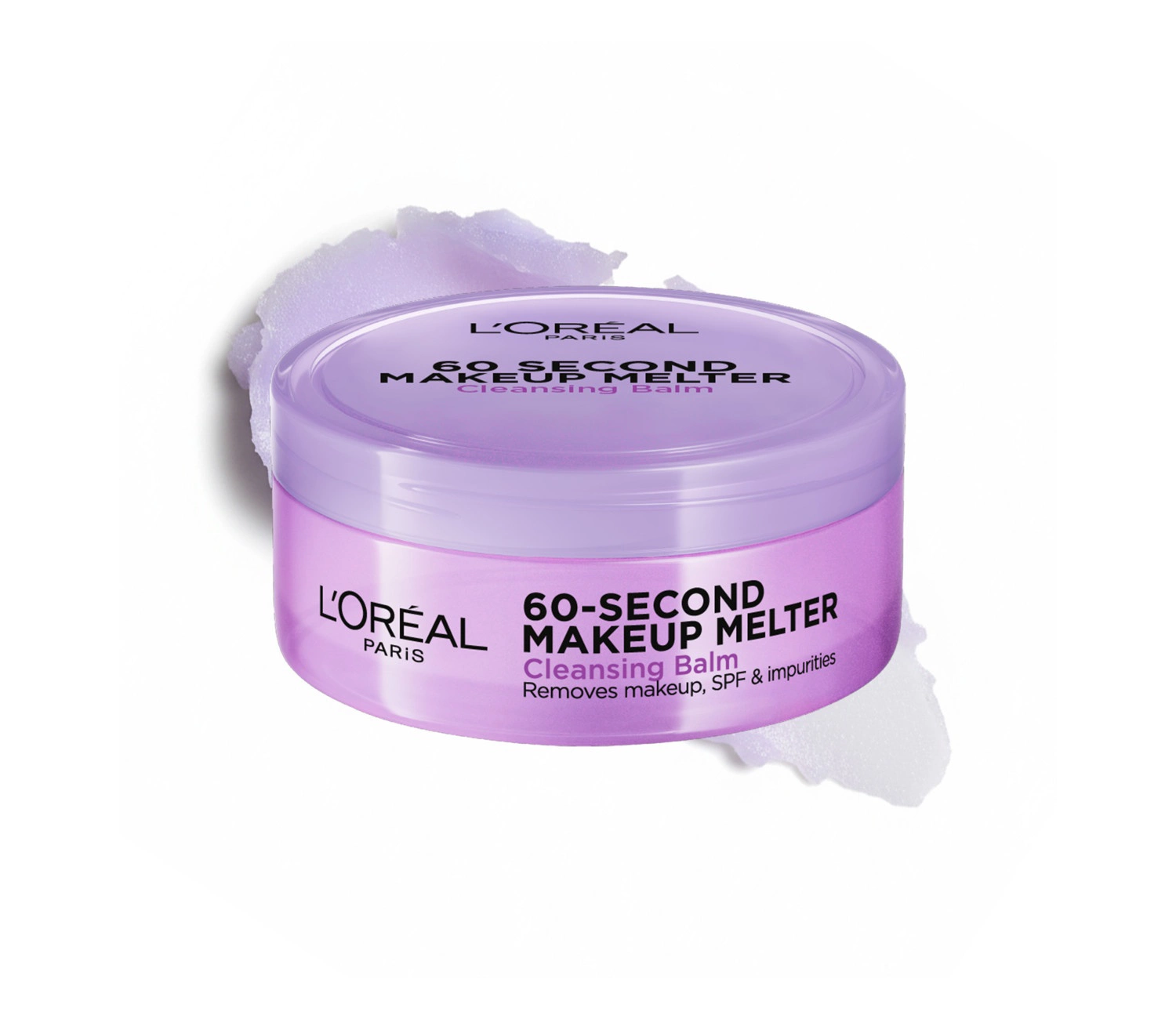
L'Oréal Paris
Revitalift 60-Second Makeup Melter Cleansing Balm 75ml
Vitamin C (Ascorbyl Palmitate) · Shea Butter · Contains fragrance
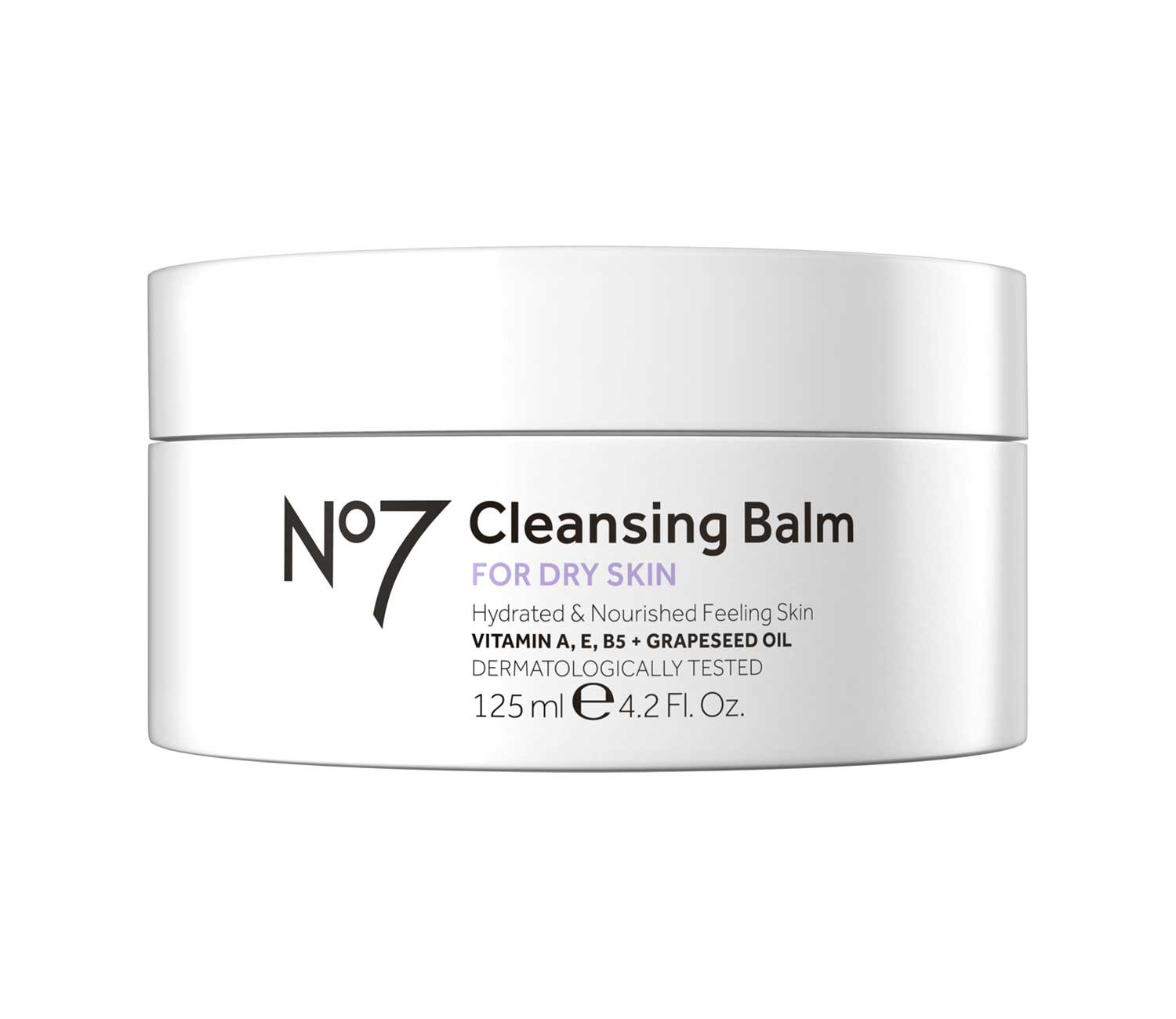
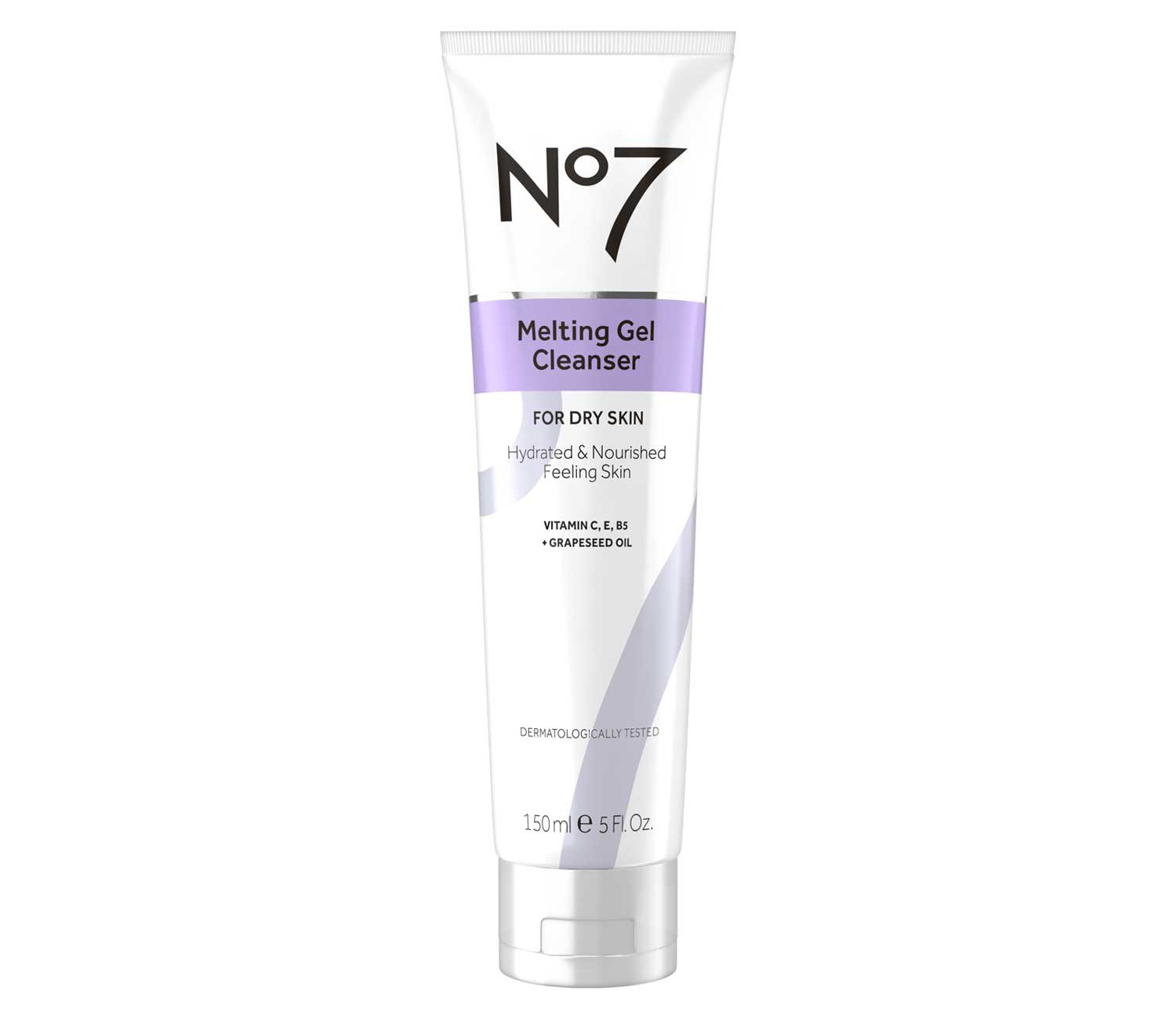
No7
Cleansing Melting Gel Cleanser 150ml
Vitamin C (Ascorbyl Palmitate) · Panthenol (Pro-Vitamin B5) · Contains fragrance

No7
Good Intent Glow Grind Cleansing Balm 43g
Squalane · Vitamin C (Ascorbyl Tetraisopalmitate) · Contains fragrance
Acne and exfoliating cleansers
Washes with acids or oil-control ingredients for breakout-prone skin.
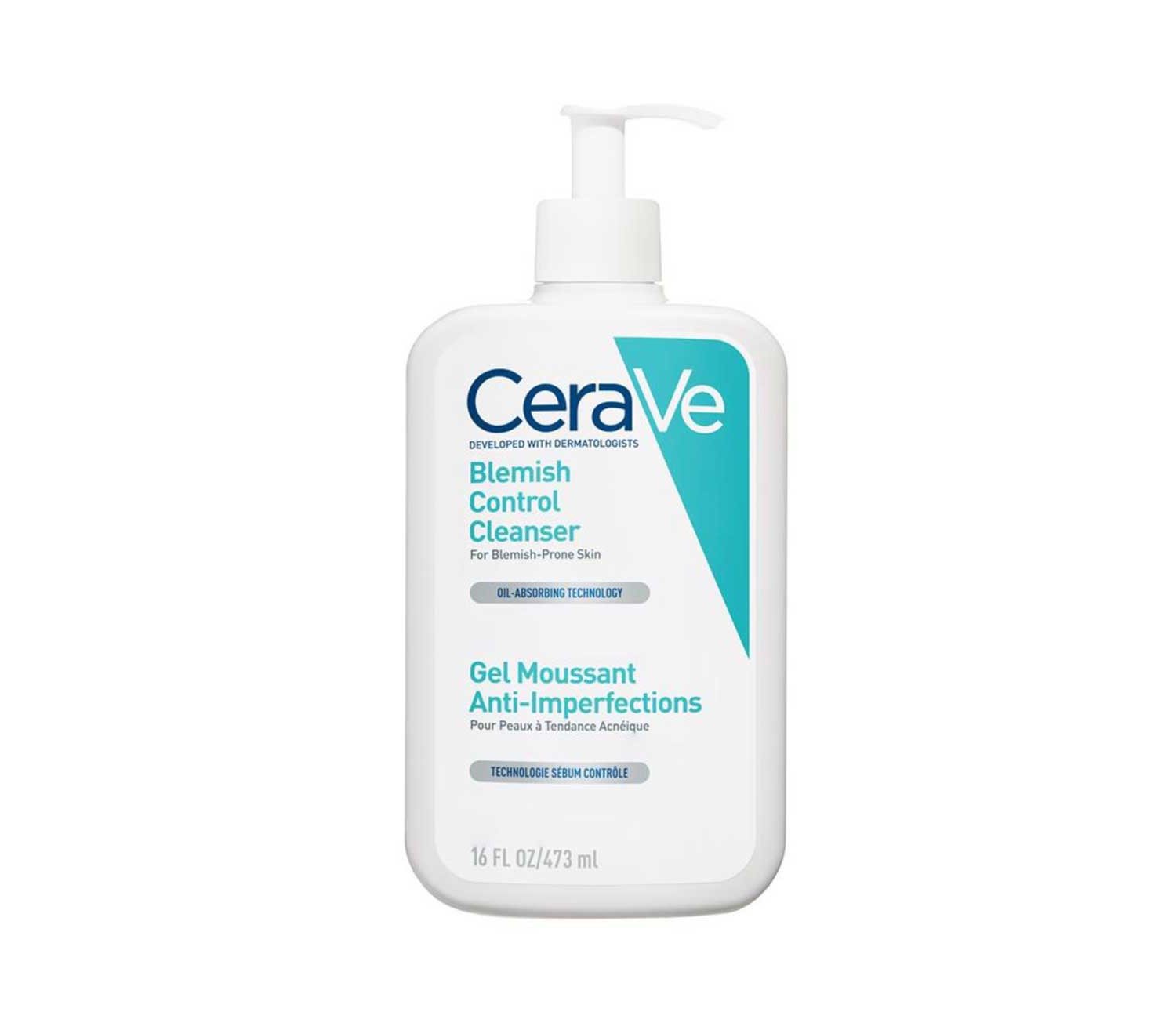
CeraVe
Blemish Control Face Cleanser with 2% Salicylic Acid & Niacinamide for Blemish-Prone Skin
Niacinamide · Salicylic Acid · Fragrance-free

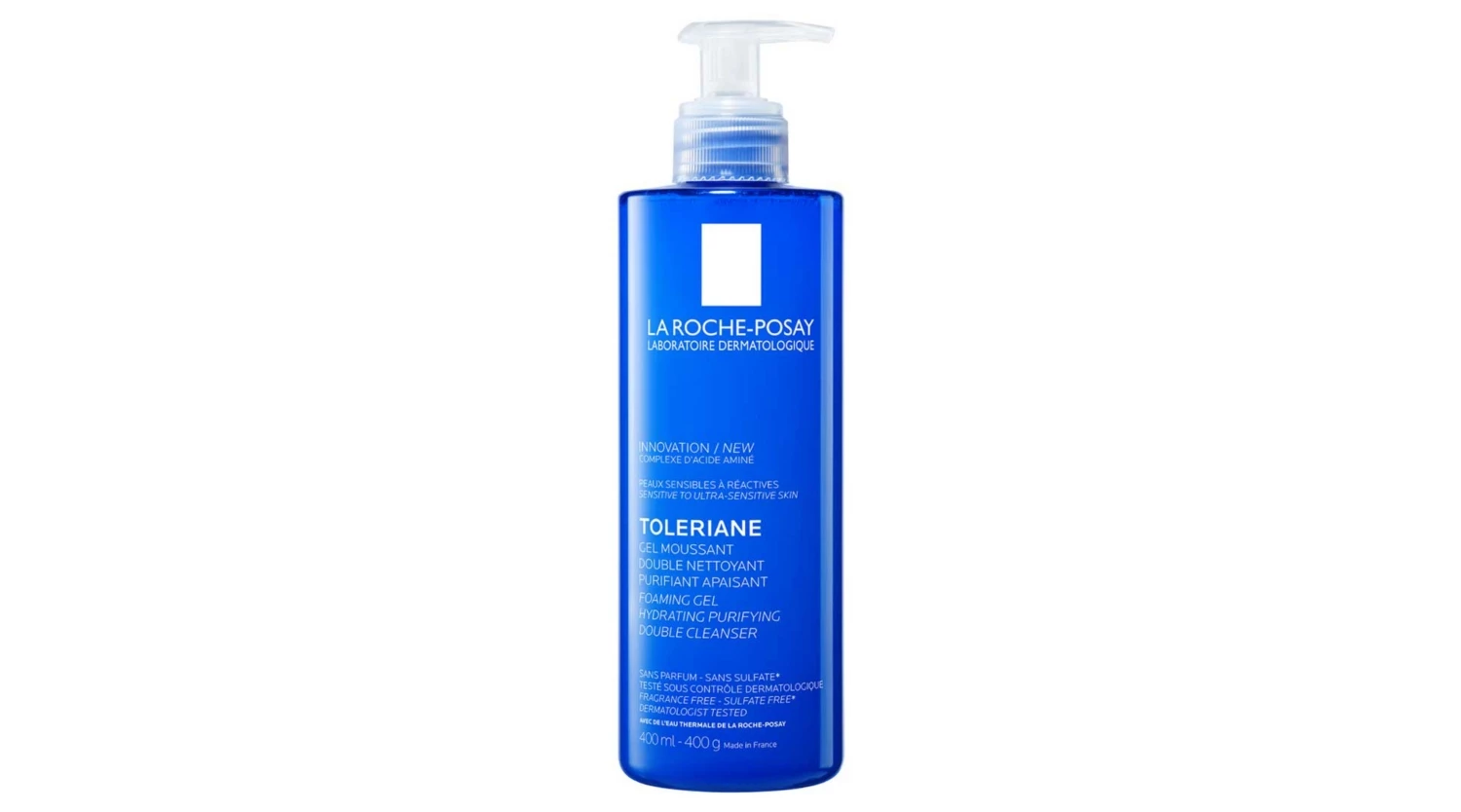
La Roche-Posay
Toleriane Gel Moussant Purifying Foaming Cleansing Gel For Sensitive Skin 400ml
Niacinamide · Ceramides · Fragrance-free
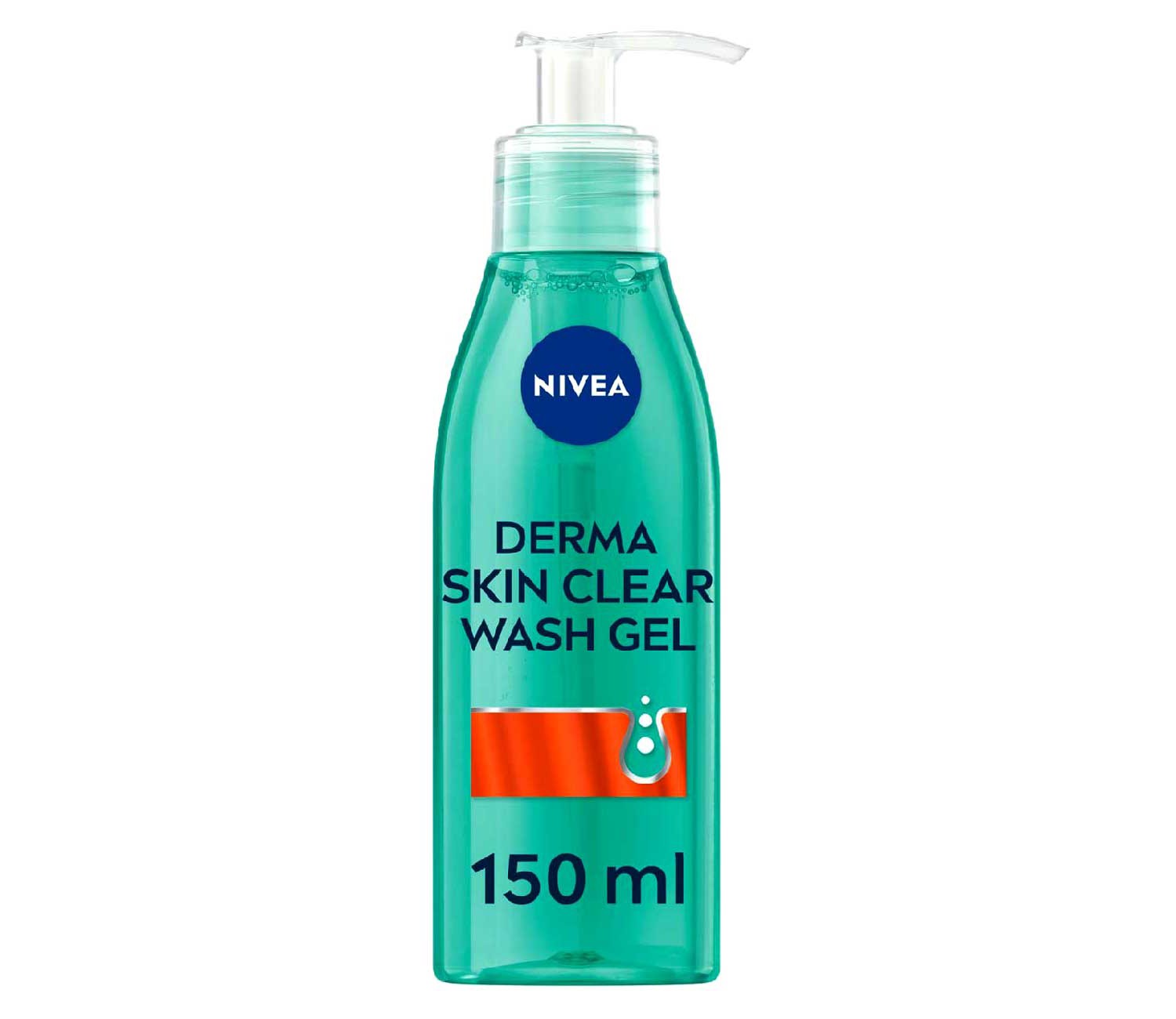
NIVEA
Derma Skin Clear Face Wash Gel with Salicylic Acid, 150ml
Niacinamide · Salicylic Acid · Fragrance-free
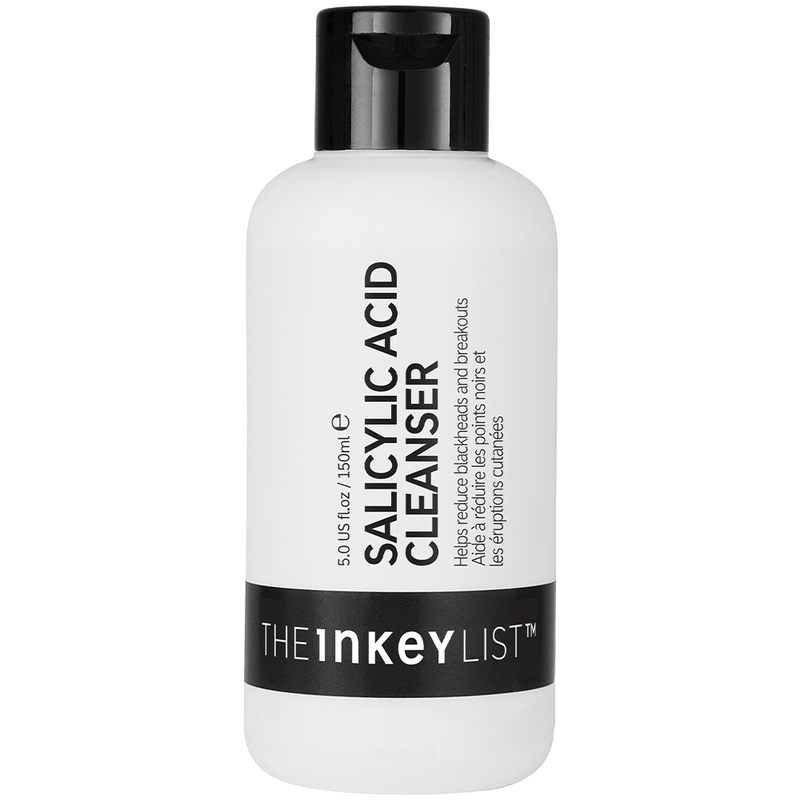
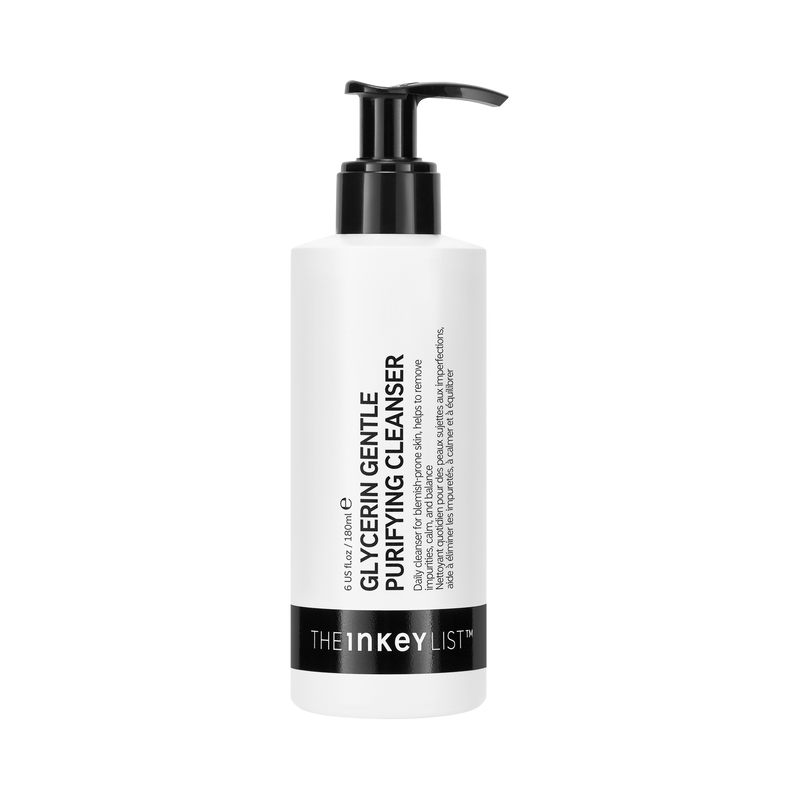
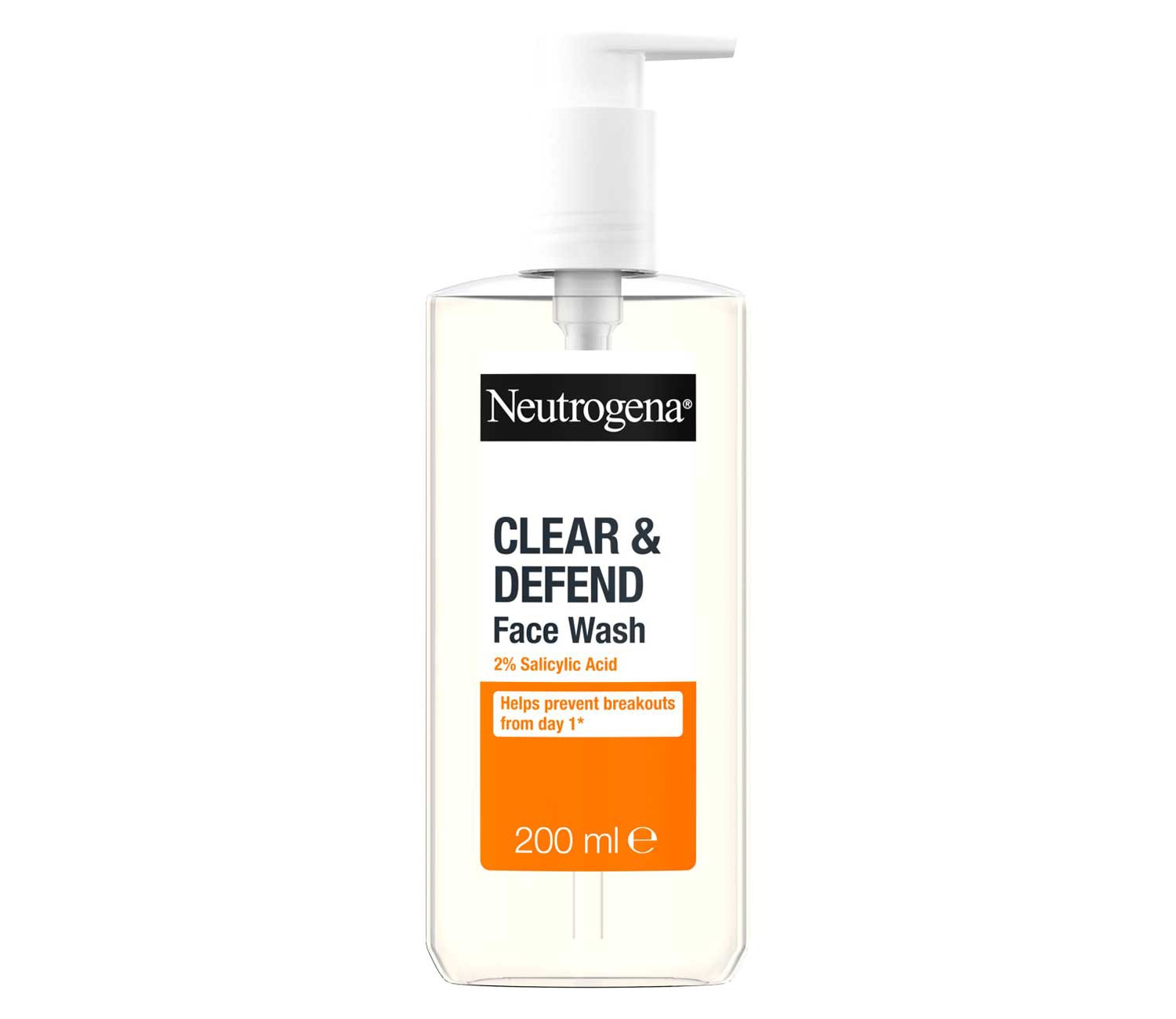
Neutrogena
Clear And Defend Facial Wash 200ml
Salicylic Acid · Panthenol (Pro-Vitamin B5) · Contains fragrance
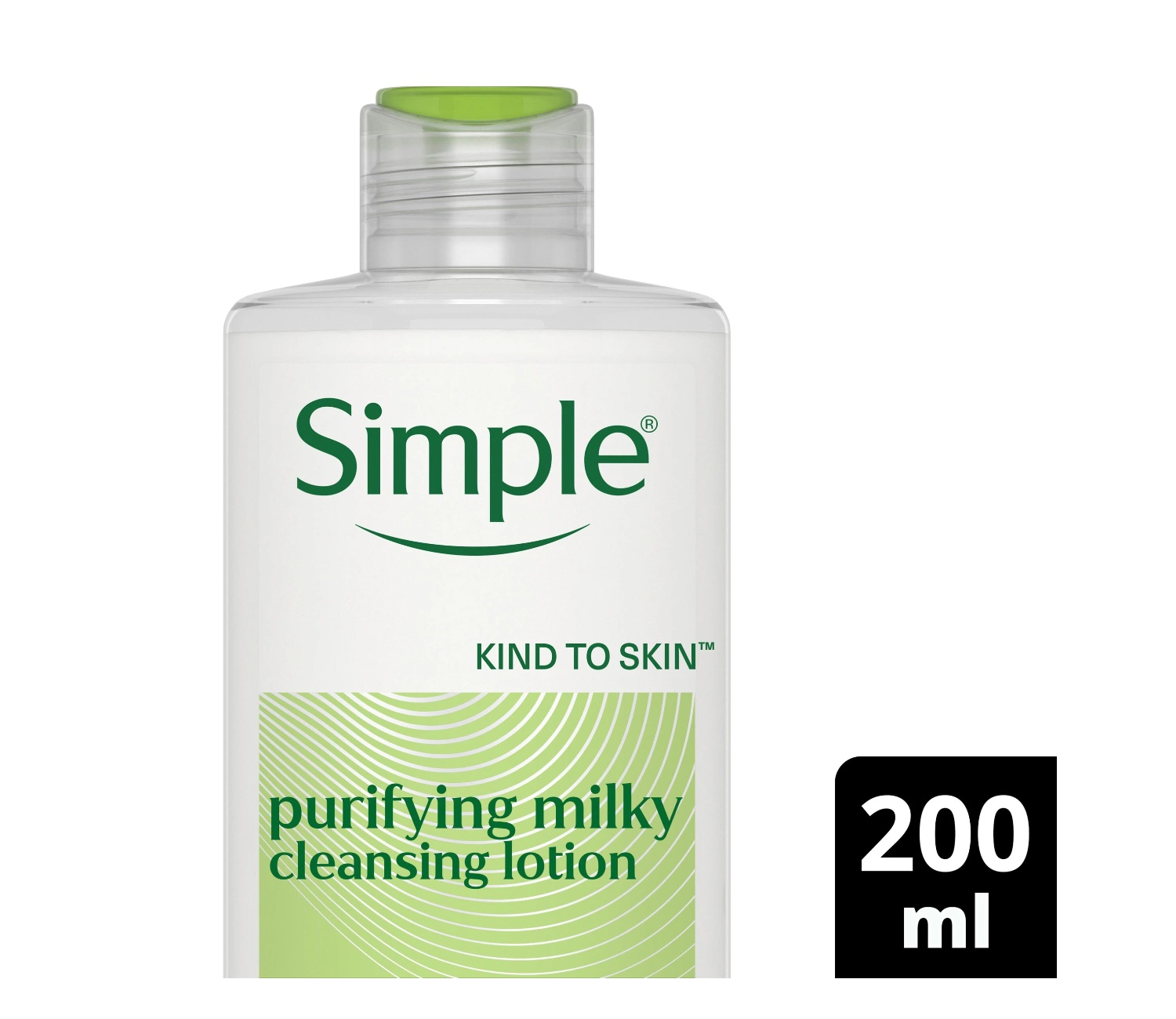
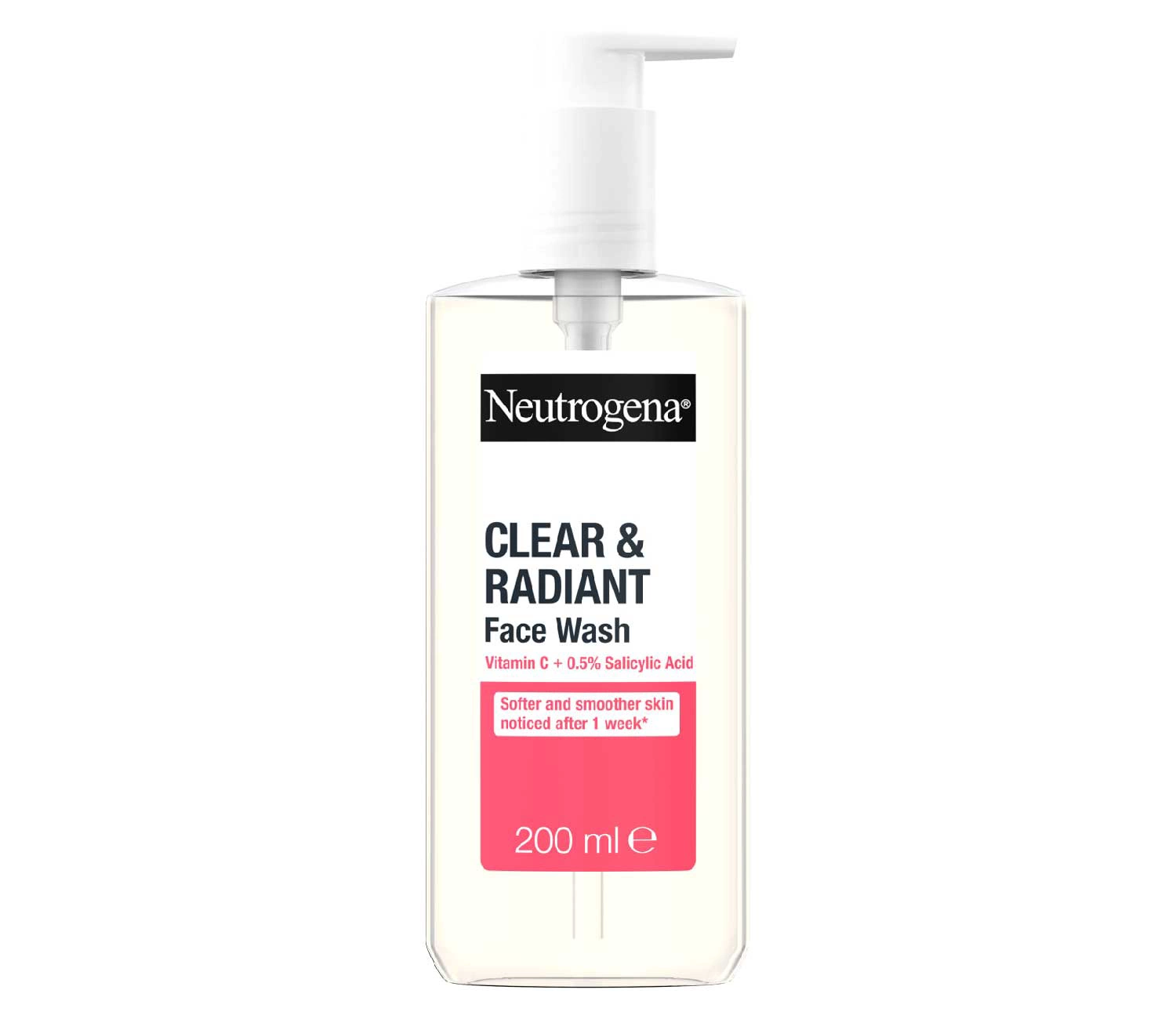
Neutrogena
Refreshingly Clear Facial Wash 200ml
Salicylic Acid · Vitamin C (Sodium Ascorbyl Phosphate) · Contains fragrance
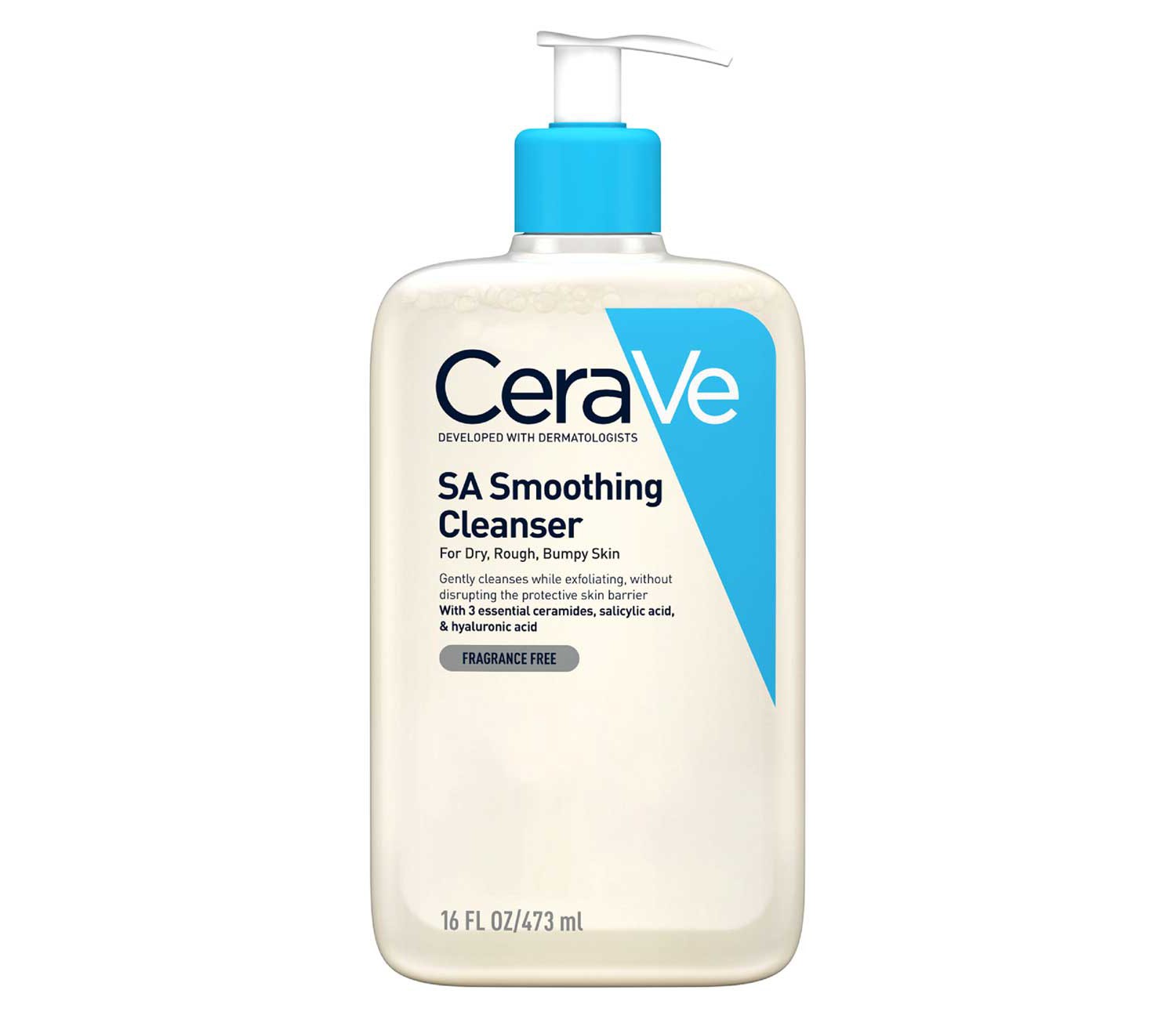
CeraVe
SA Smoothing Cleanser with Salicylic Acid for Dry, Rough & Bumpy Skin
Niacinamide · Gluconolactone (PHA) · Fragrance-free
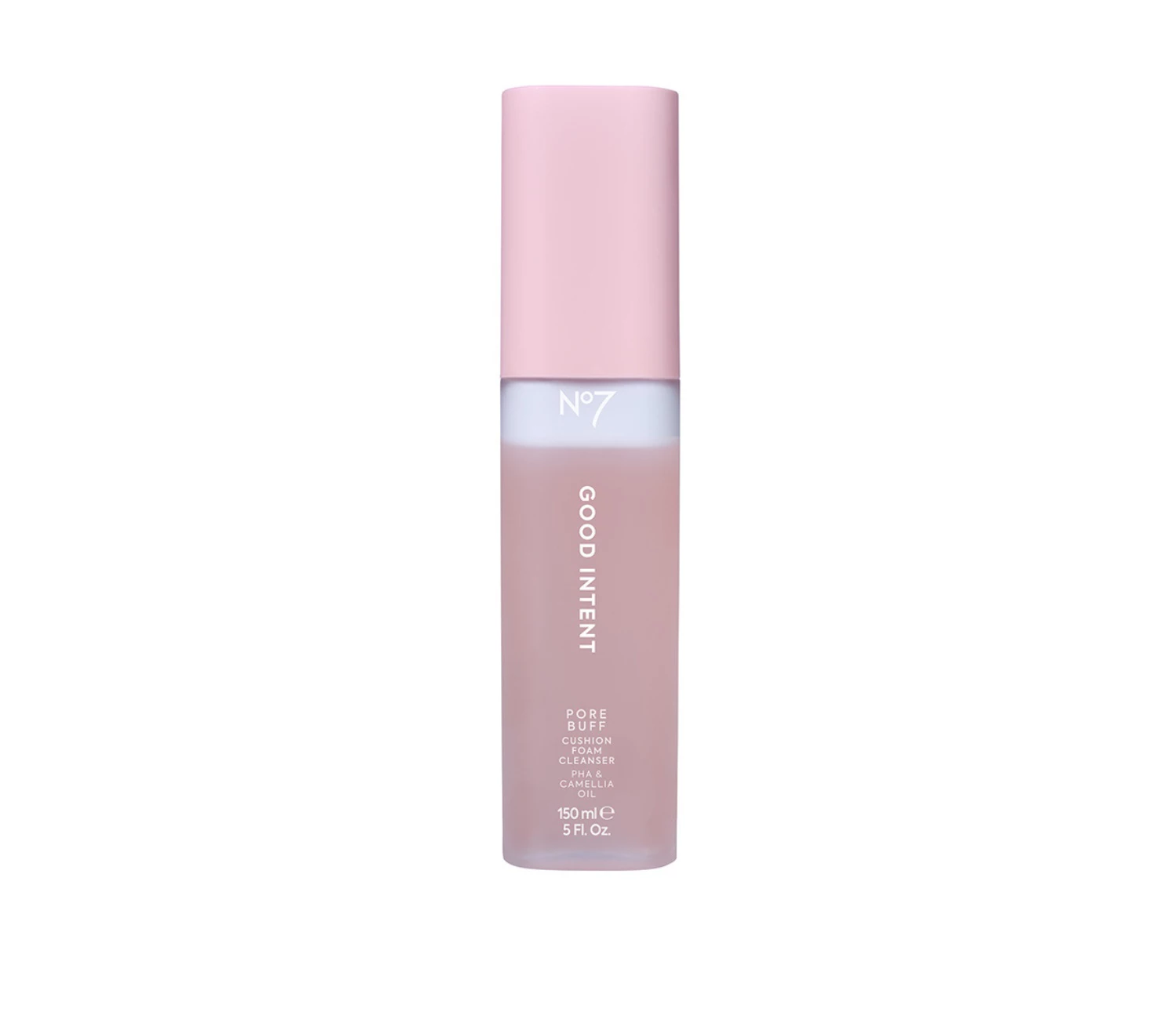
No7
Good Intent Pore Buff Cushion Foam Cleanser 150ml
Gluconolactone (PHA) · Mineral Oil · Fragrance-free

Estée Lauder
Perfectly Clean Foam Cleanser/Purifying Mask 150ml
Hyaluronic Acid · Zinc PCA · Contains fragrance
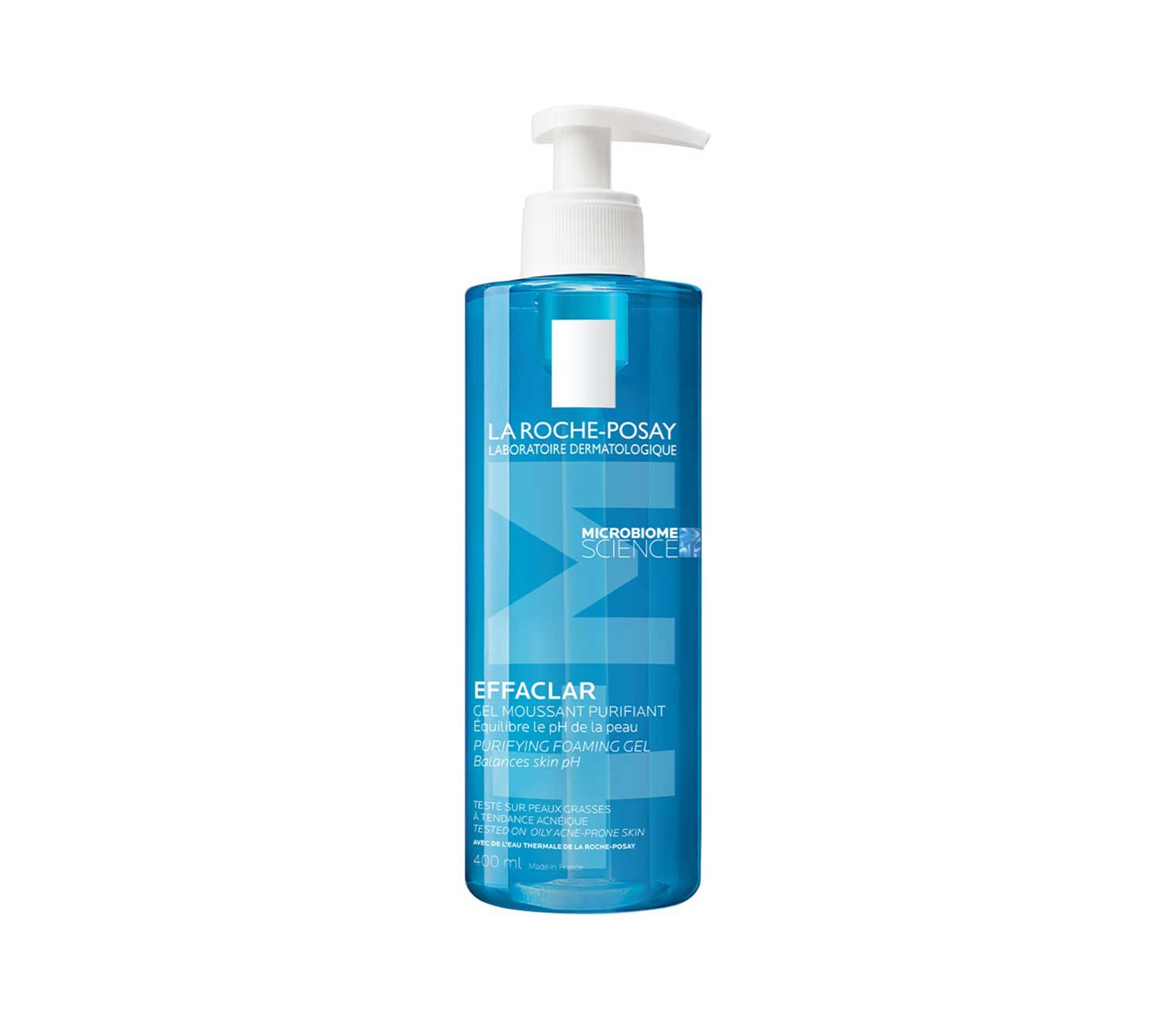
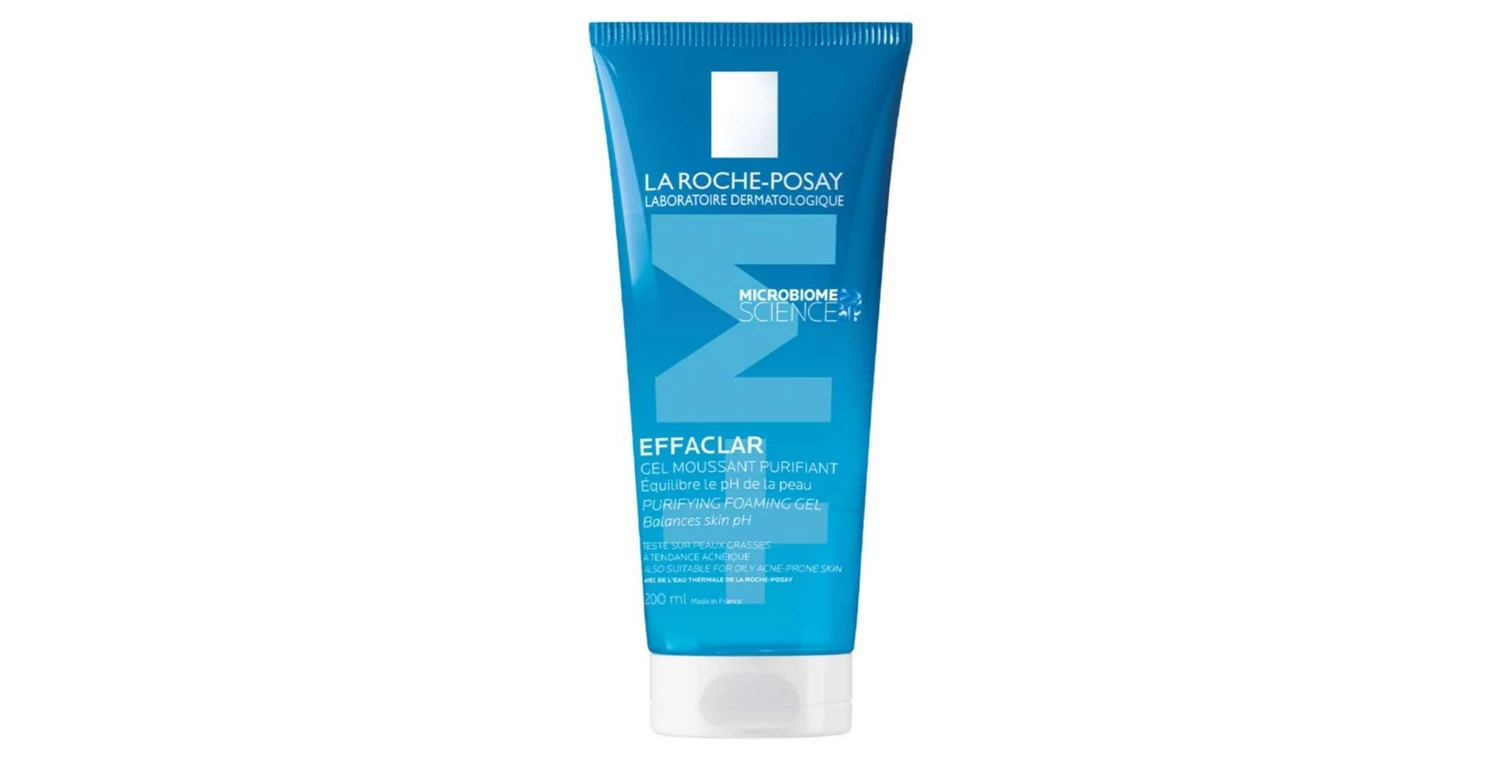
La Roche-Posay
Effaclar Purifying Foaming Gel Cleanser for Oily, Blemish-Prone Skin
Zinc PCA · Contains fragrance
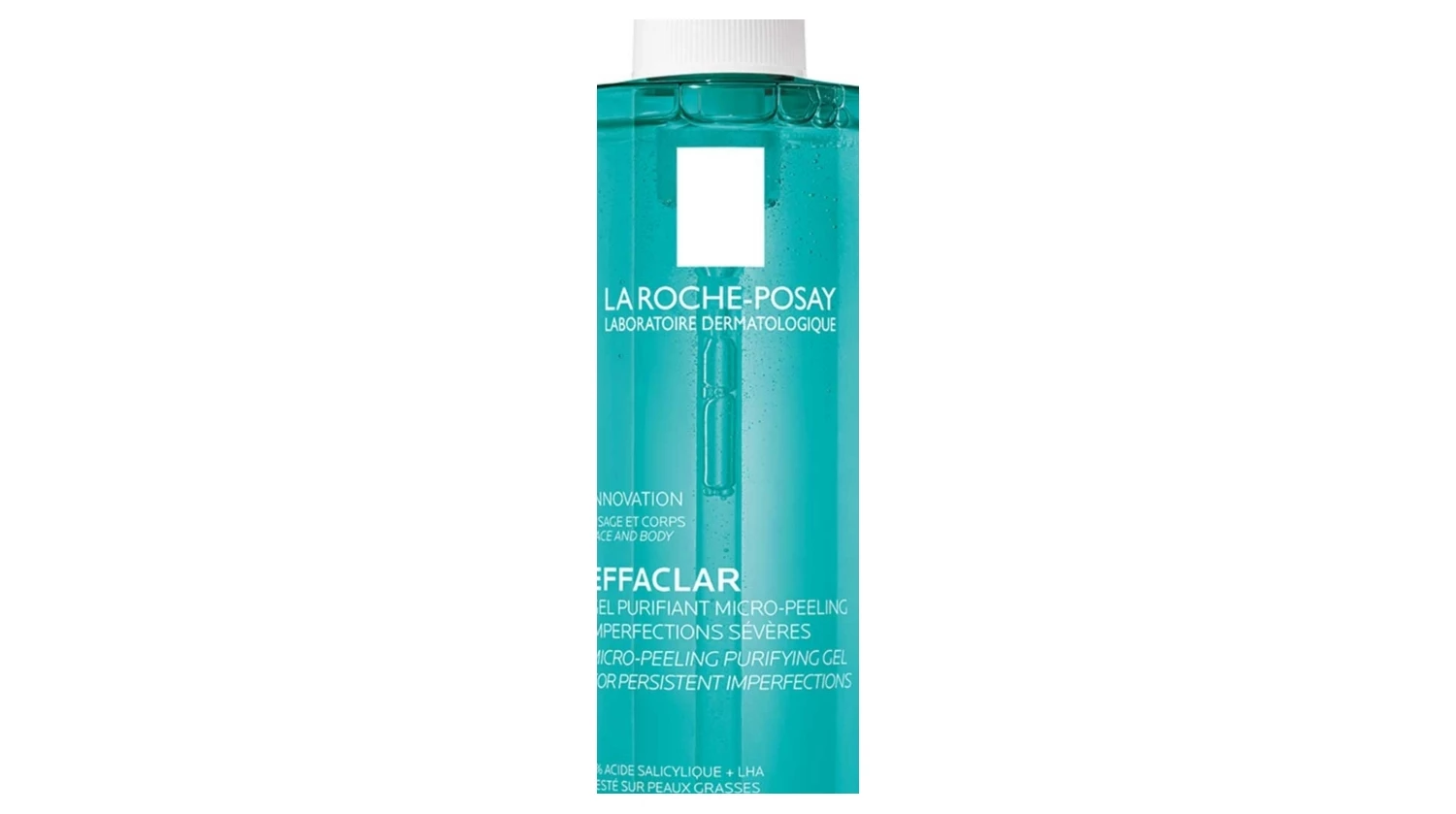
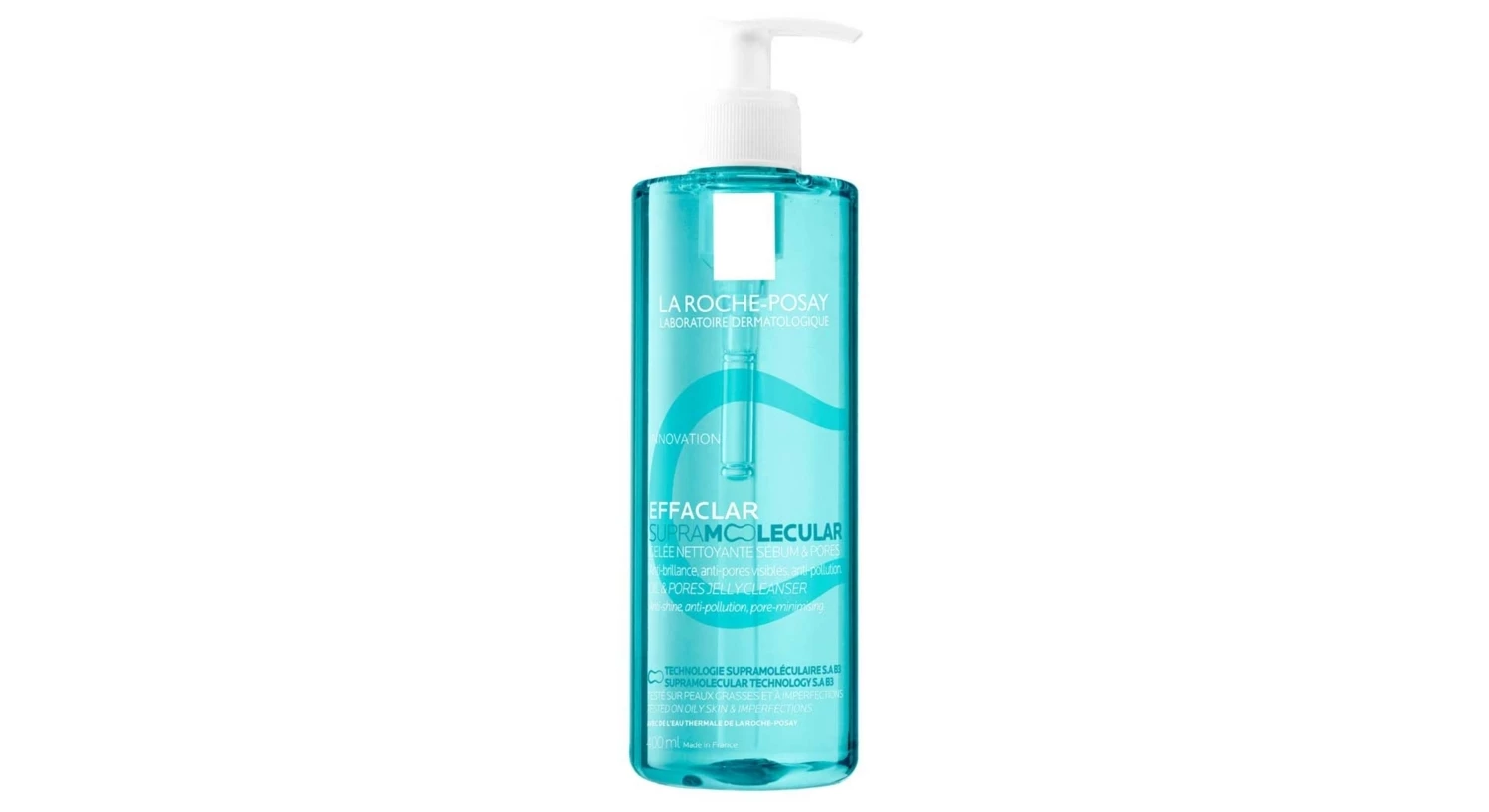
La Roche-Posay
Effaclar Supramolecular Oil & Pores Correct Cleanser
Niacinamide · Zinc PCA · Contains fragrance
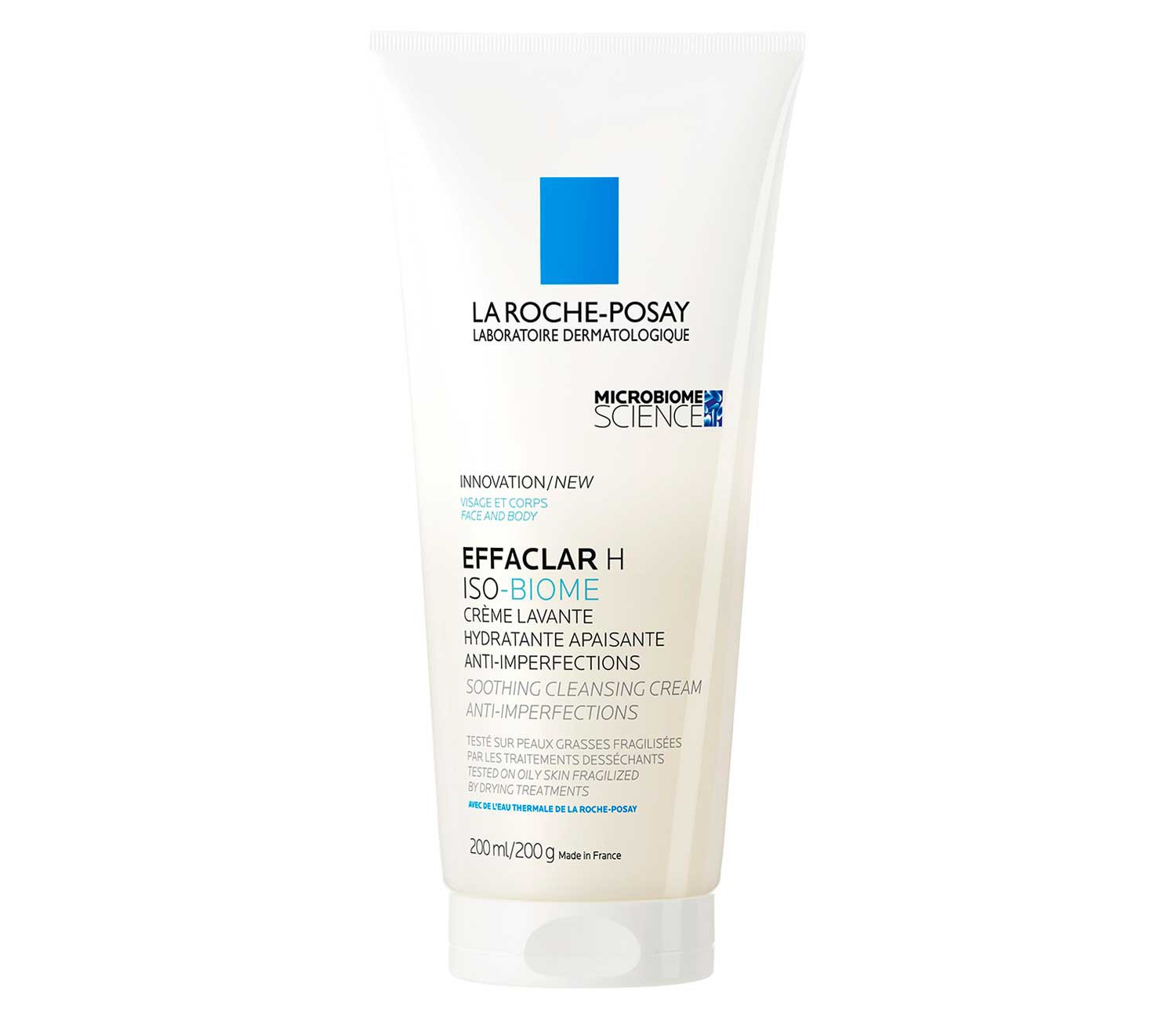
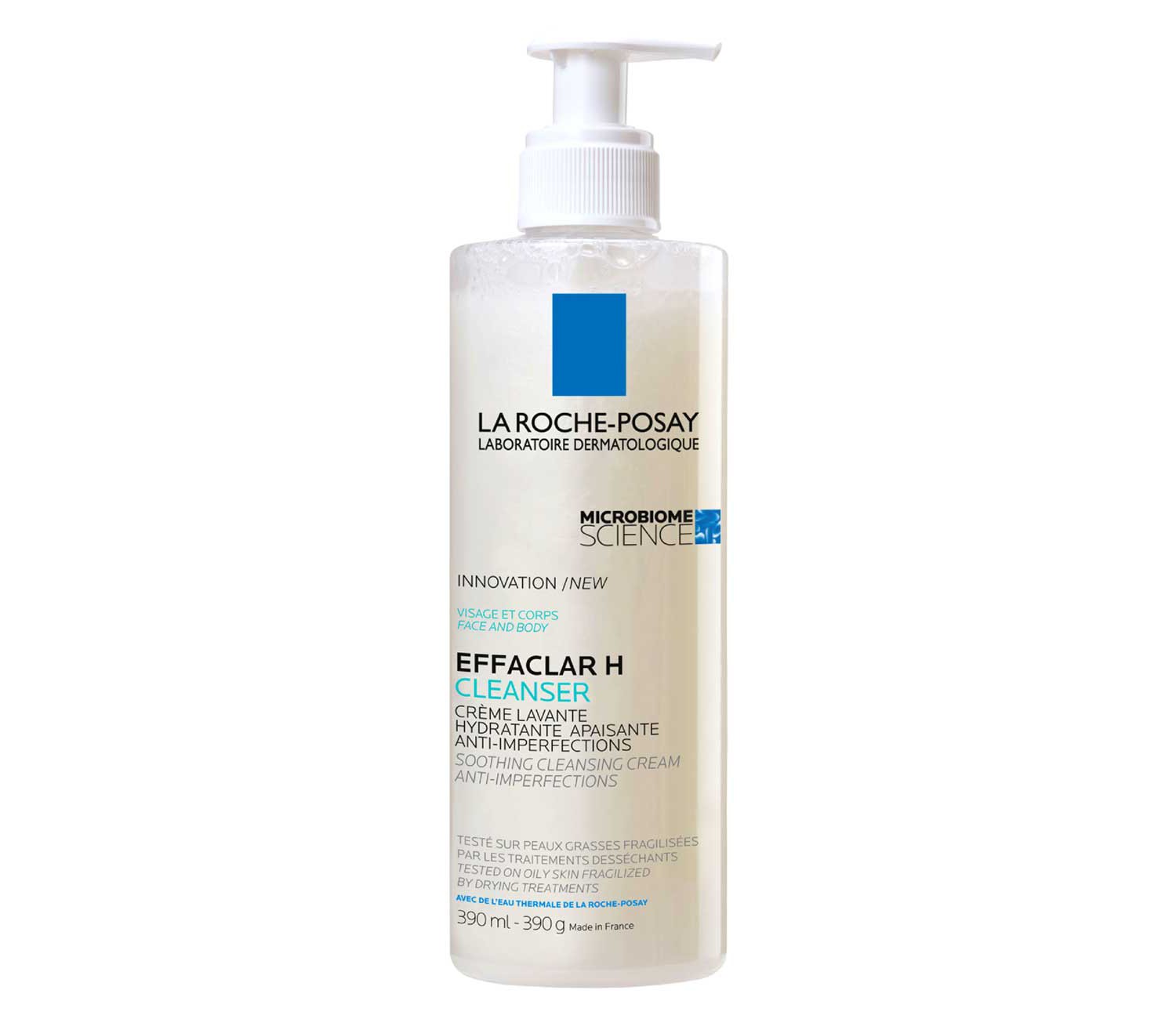
La Roche-Posay
Effaclar H Cleansing Cream for Oily Blemish-Prone Skin 390ml
Niacinamide · Shea Butter · Contains fragrance
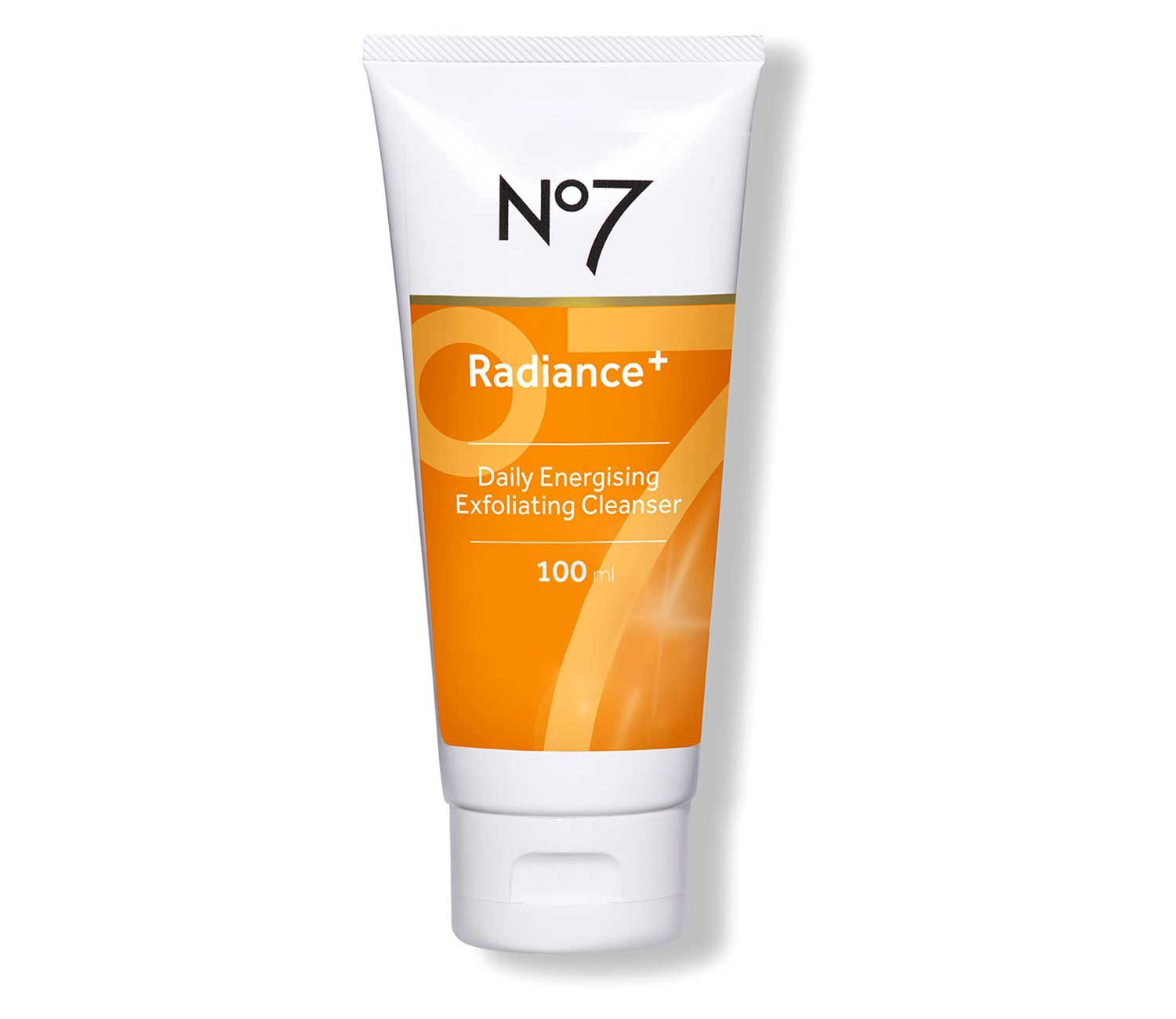
No7
Radiance+ Daily Energising Exfoliating Cleanser 100ml
Vitamin C (3-O-Ethyl Ascorbic Acid) · Glycerin · Contains fragrance
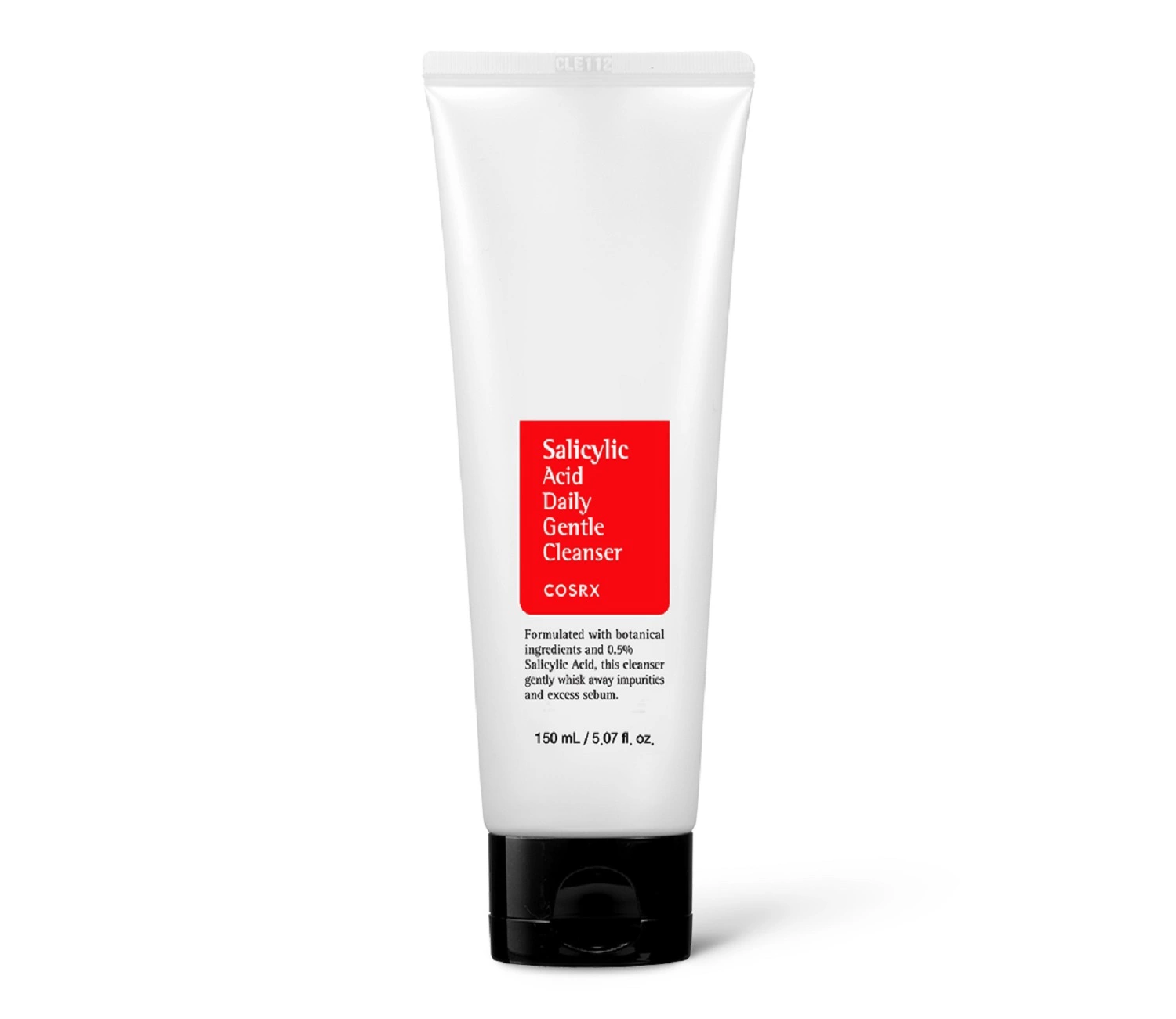
COSRX
Salicylic Acid Daily Gentle Cleanser 150ml
Salicylic Acid · Ferment & Yeast Extracts · Contains fragrance
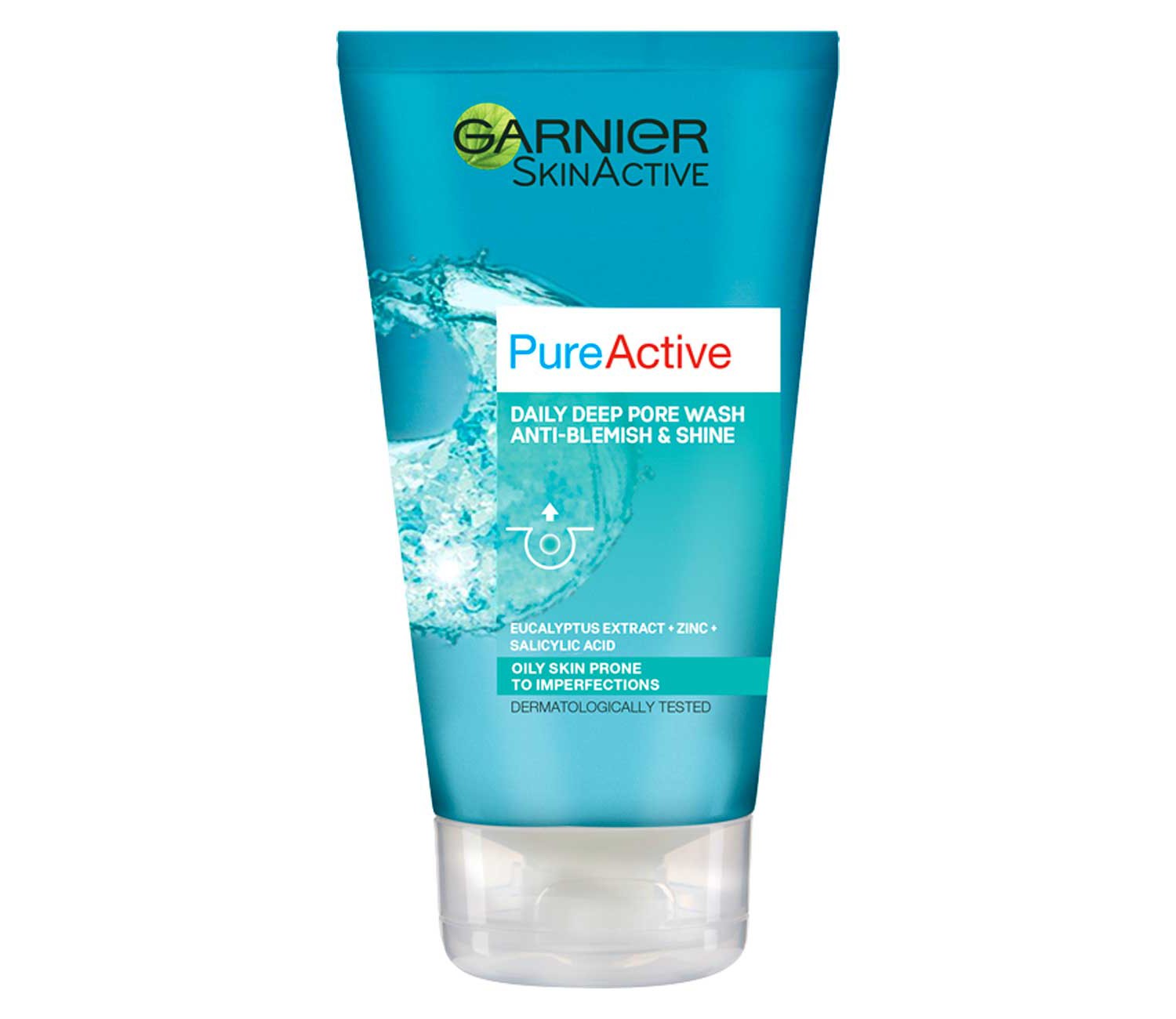
Garnier
Pure Active Anti-Blackhead Deep Pore Face Wash Oily Skin 150ml
Salicylic Acid · Contains fragrance
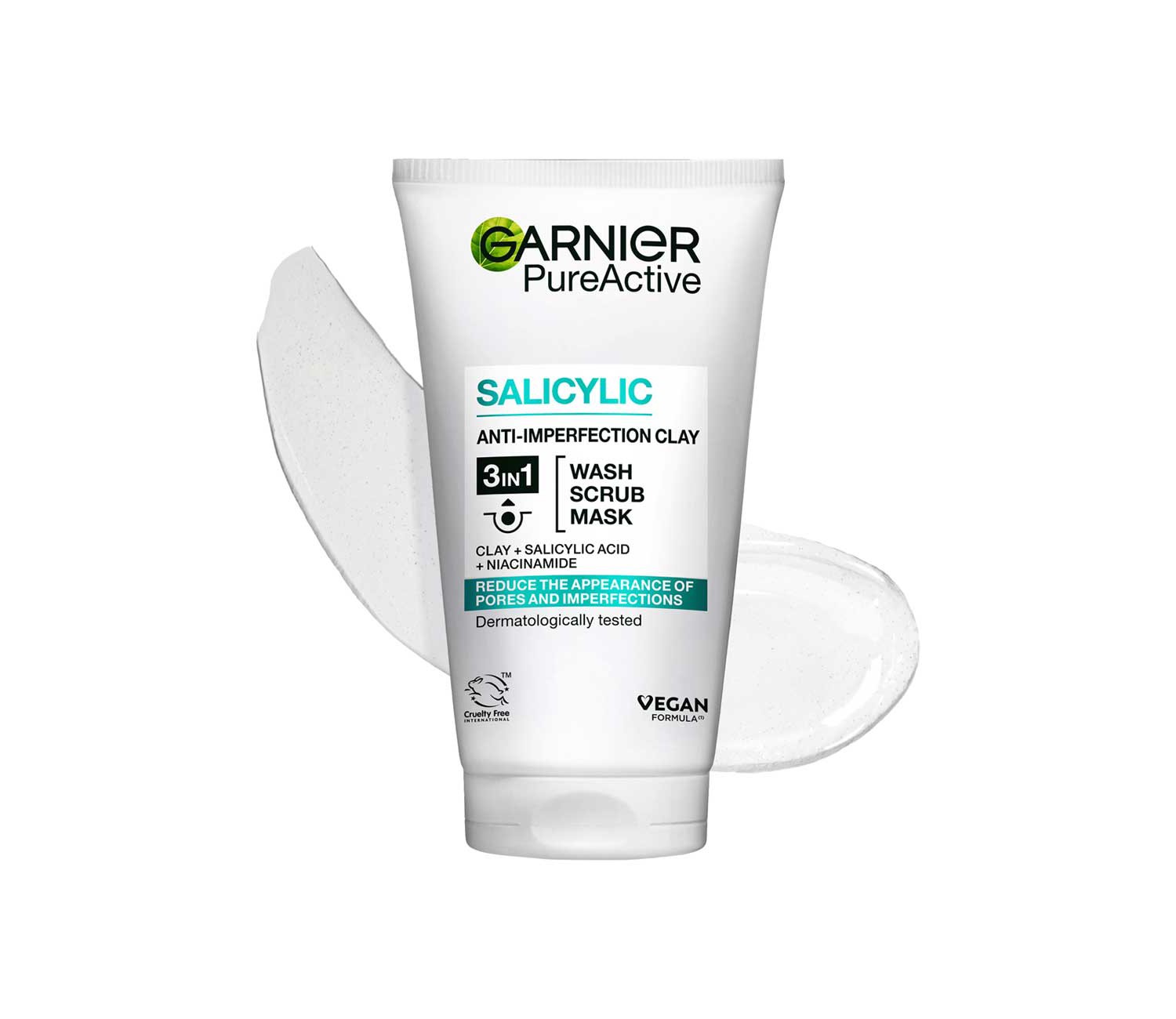
Garnier
Pure Active 3in1 Anti-Imperfection Clay Mask-Wash-Scrub Wash For Oily Skin 150ml
Salicylic Acid · Glycerin · Contains fragrance
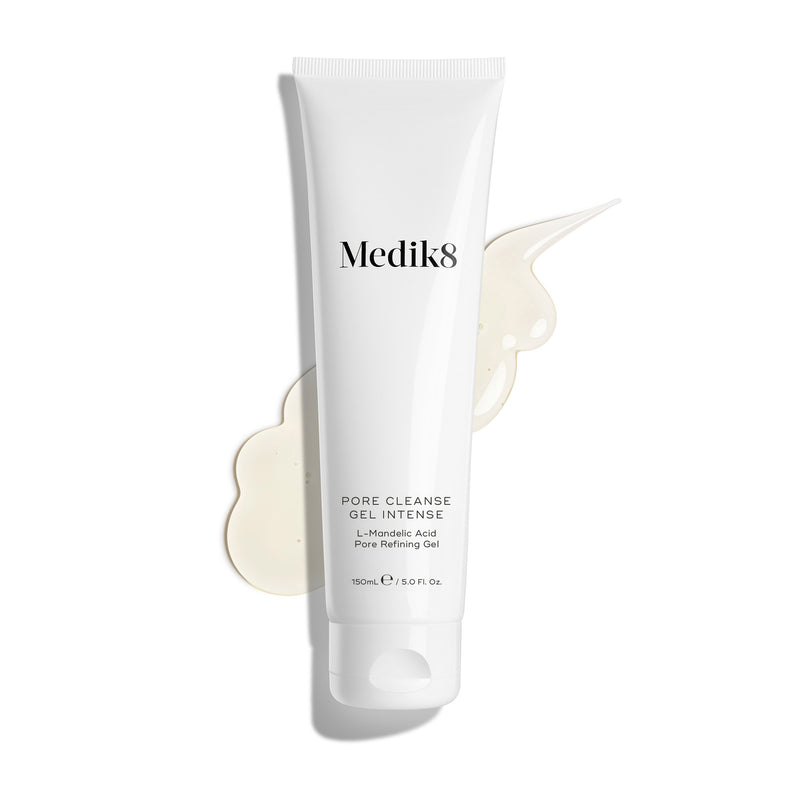
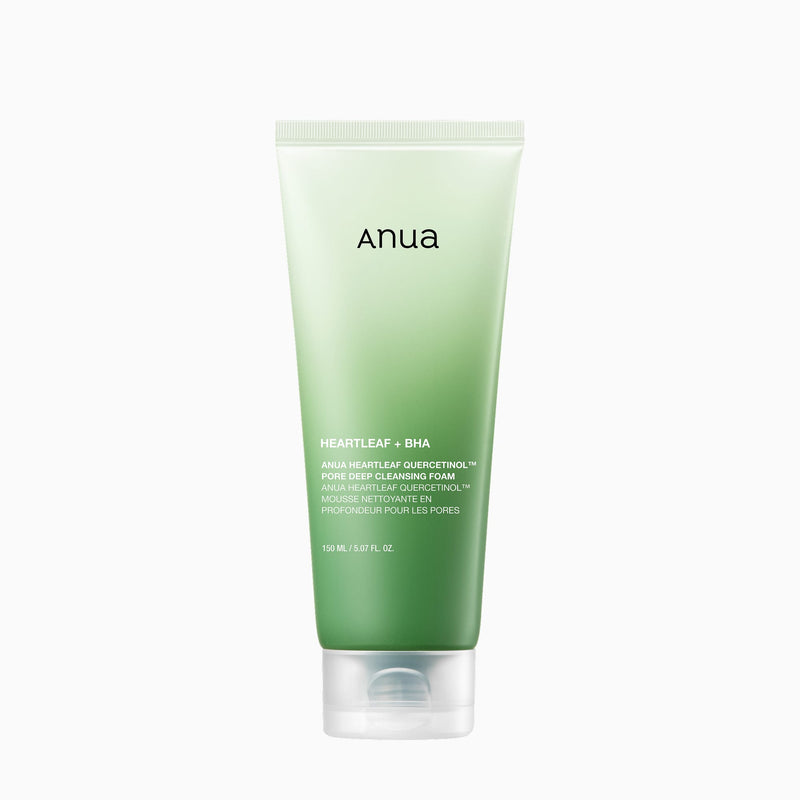
Anua
Heartleaf Quercetinol Pore Deep Cleansing Foam
Salicylic Acid · Hyaluronic Acid · Contains fragrance
Cream and milk cleansers
Gentle, low-foam cleansers for dry and sensitive skin.
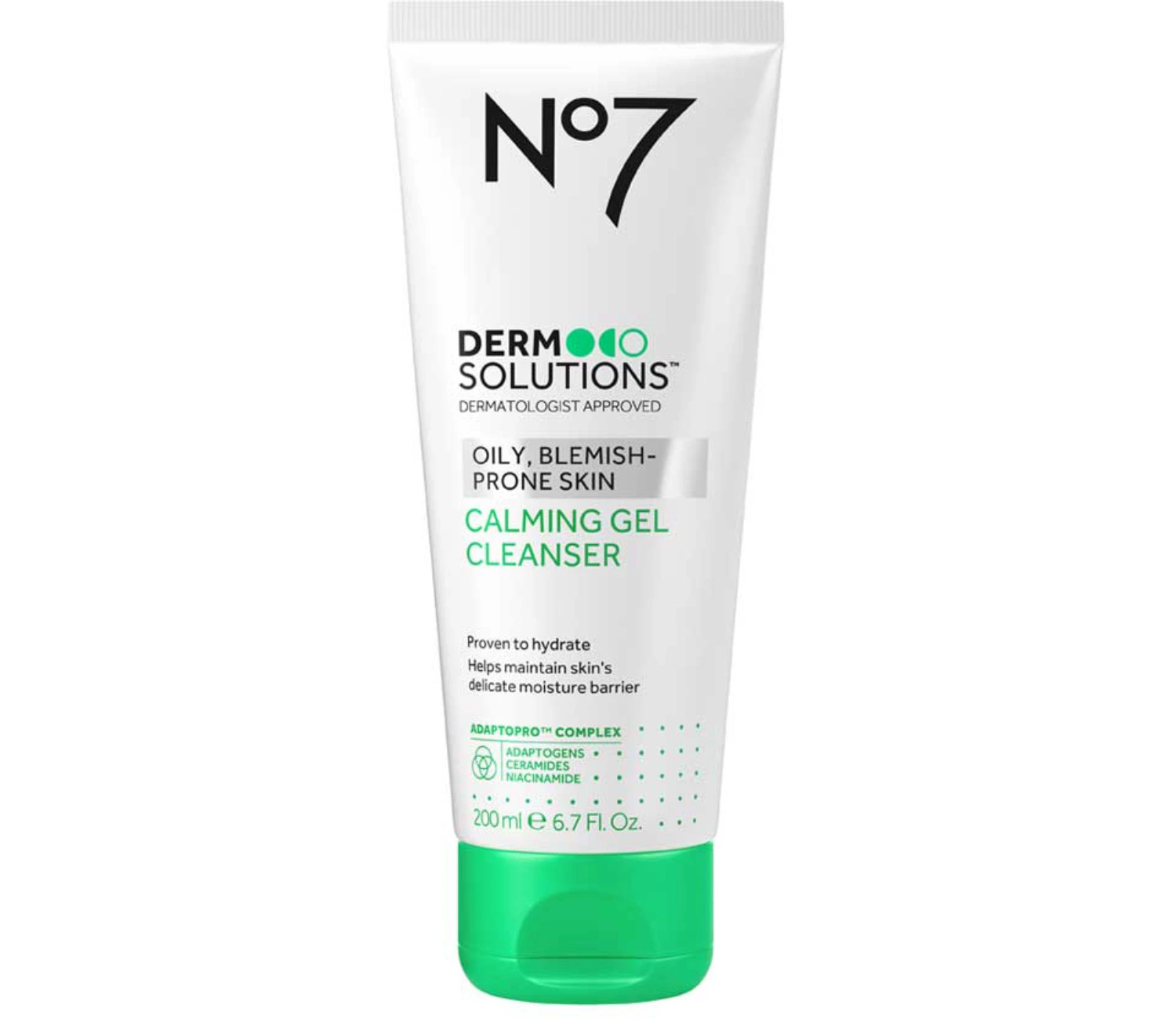
No7
Derm Solutions Calming Gel Cleanser Suitable for Normal to Sensitive Skin 200ml
Niacinamide · Panthenol (Pro-Vitamin B5) · Fragrance-free
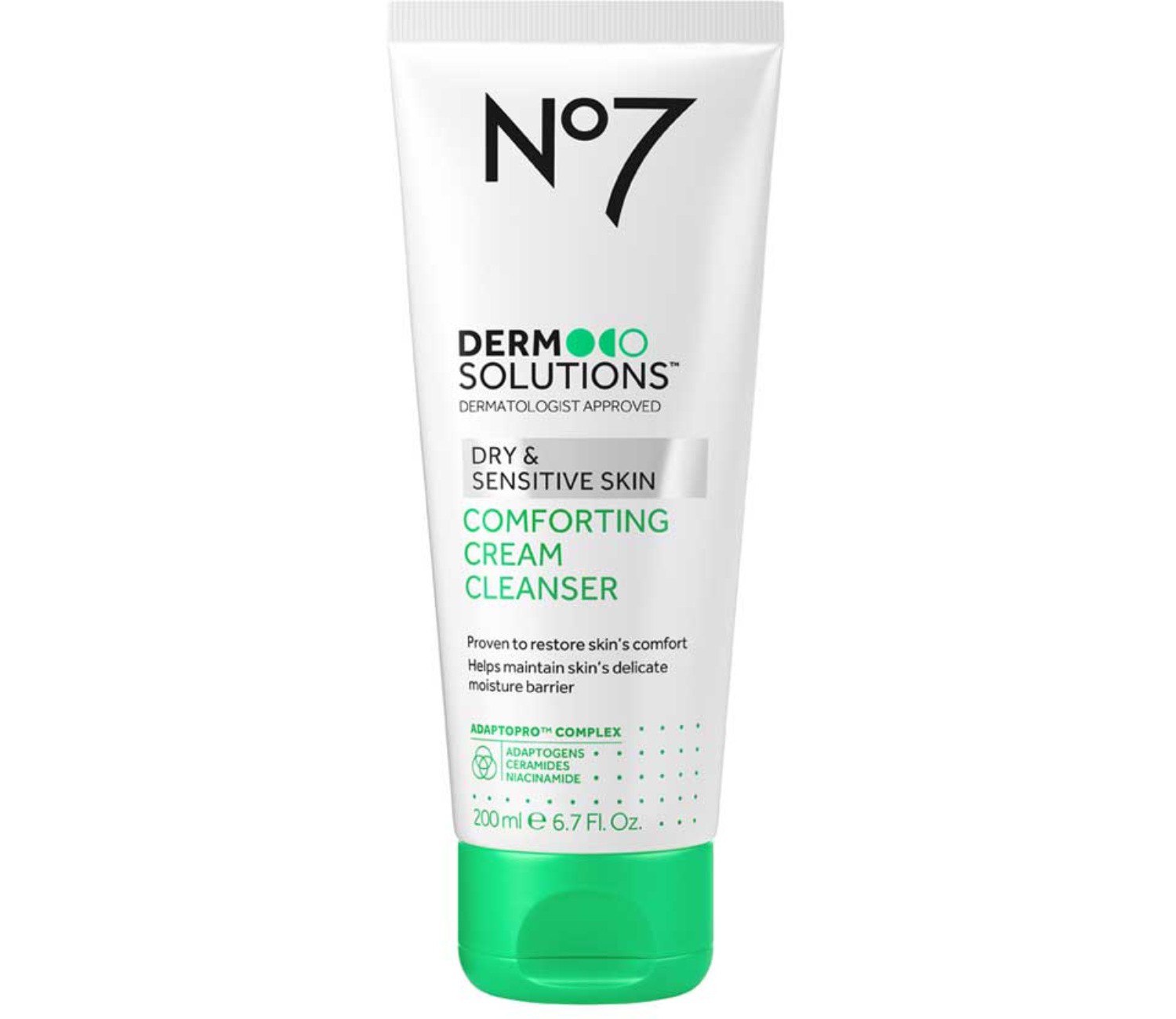
No7
Derm Solutions Comforting Cream Cleanser Suitable for Normal to Dry & Sensitive Skin 200ml
Niacinamide · Shea Butter · Fragrance-free
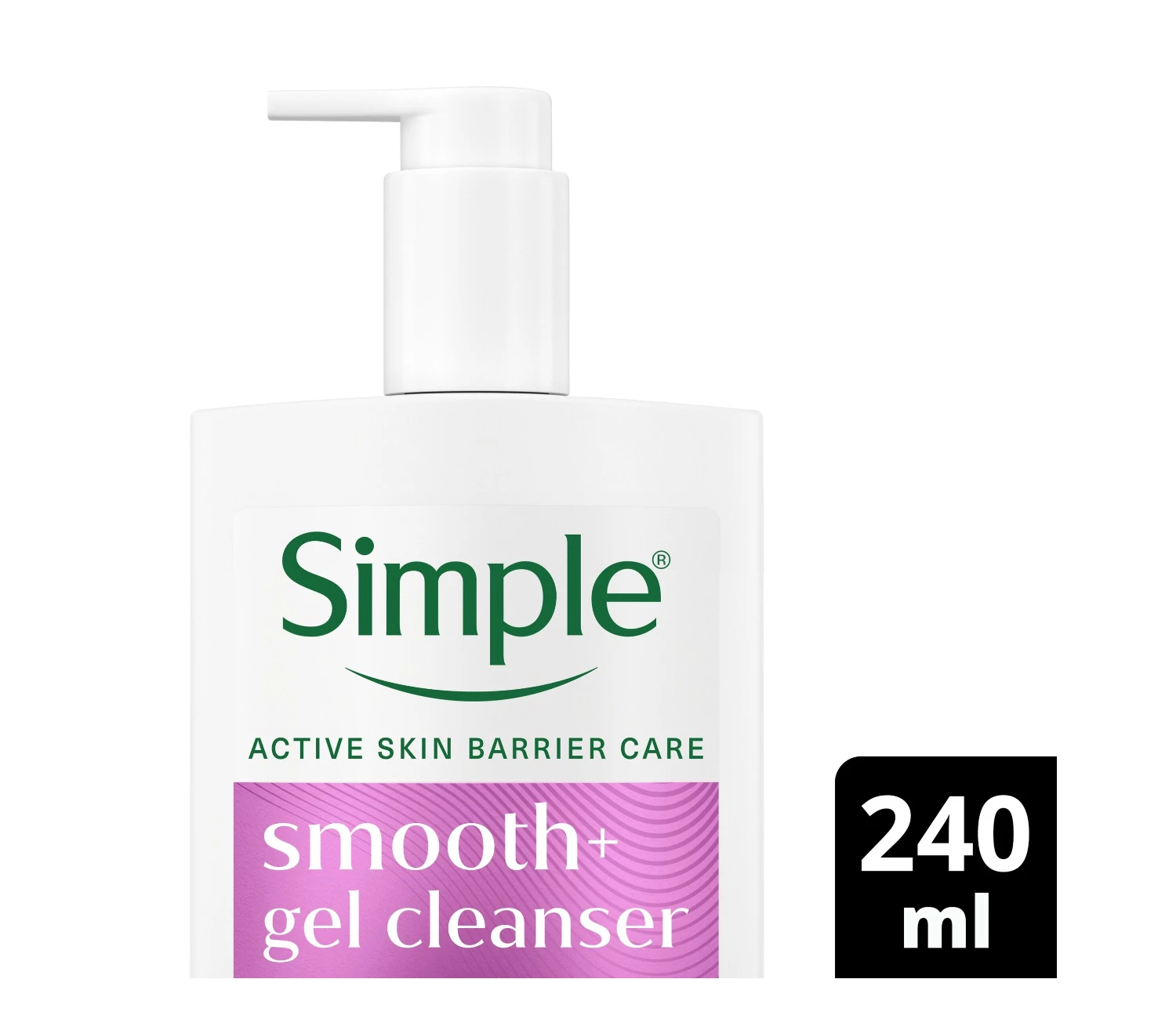
Simple
Smoothing Gel Cleanser For Sensitive Skin 240ml
Lactic Acid · Panthenol (Pro-Vitamin B5) · Fragrance-free
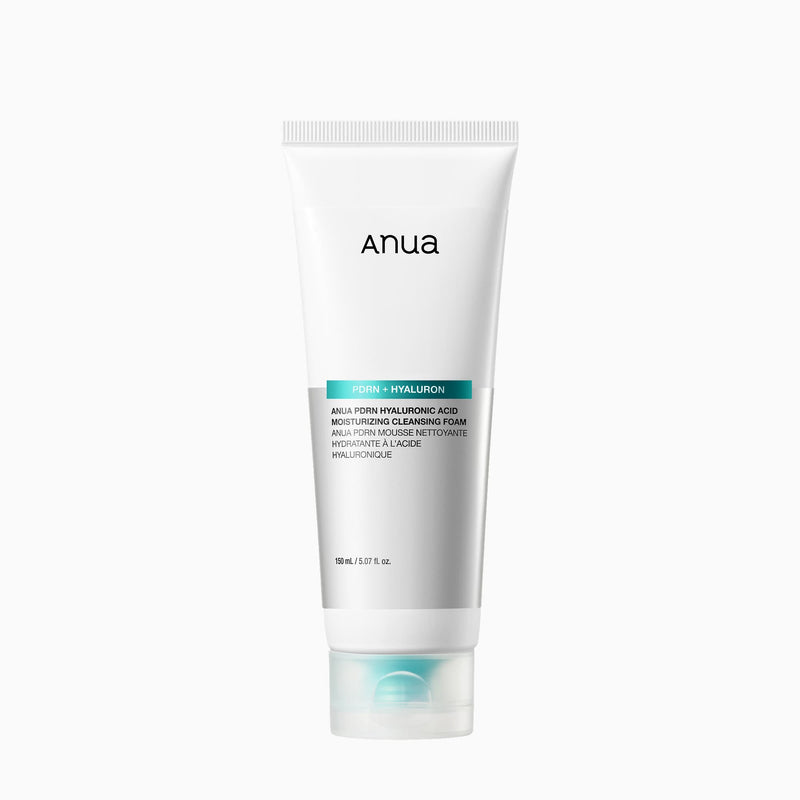
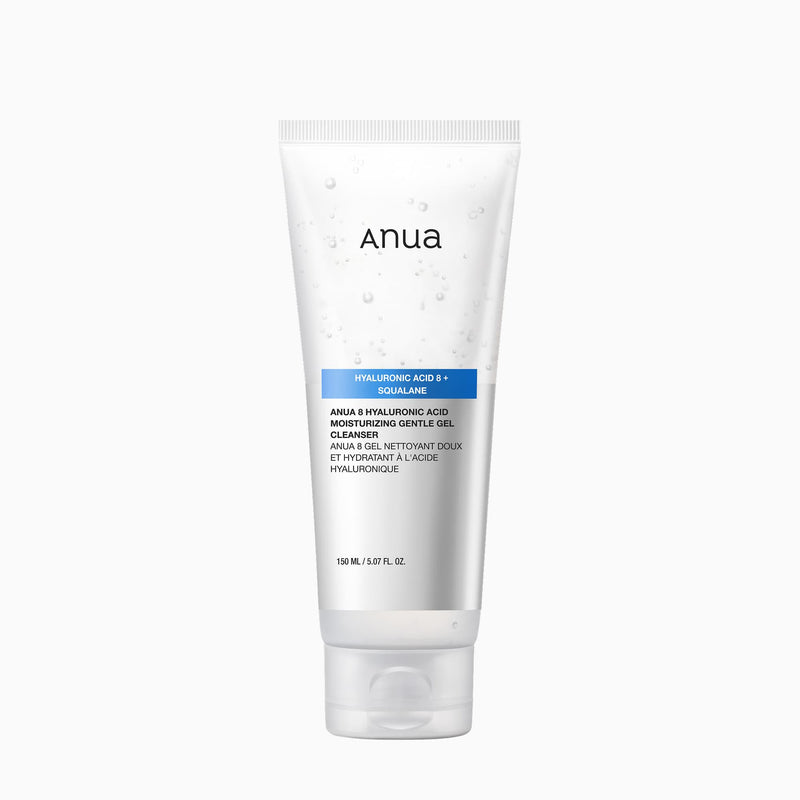

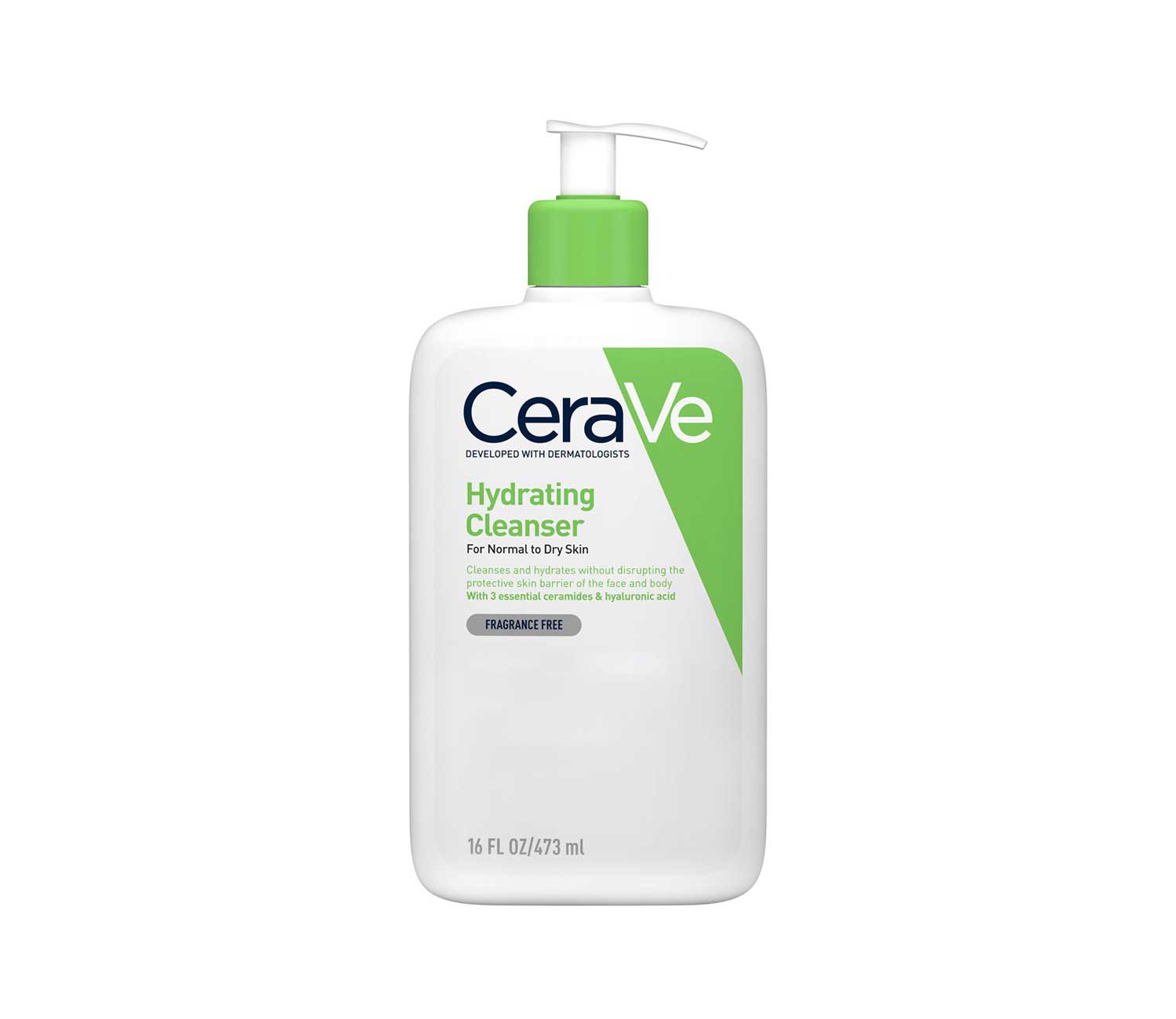
CeraVe
Hydrating Cleanser with Hyaluronic Acid for Normal to Dry Skin
Ceramides · Hyaluronic Acid · Fragrance-free
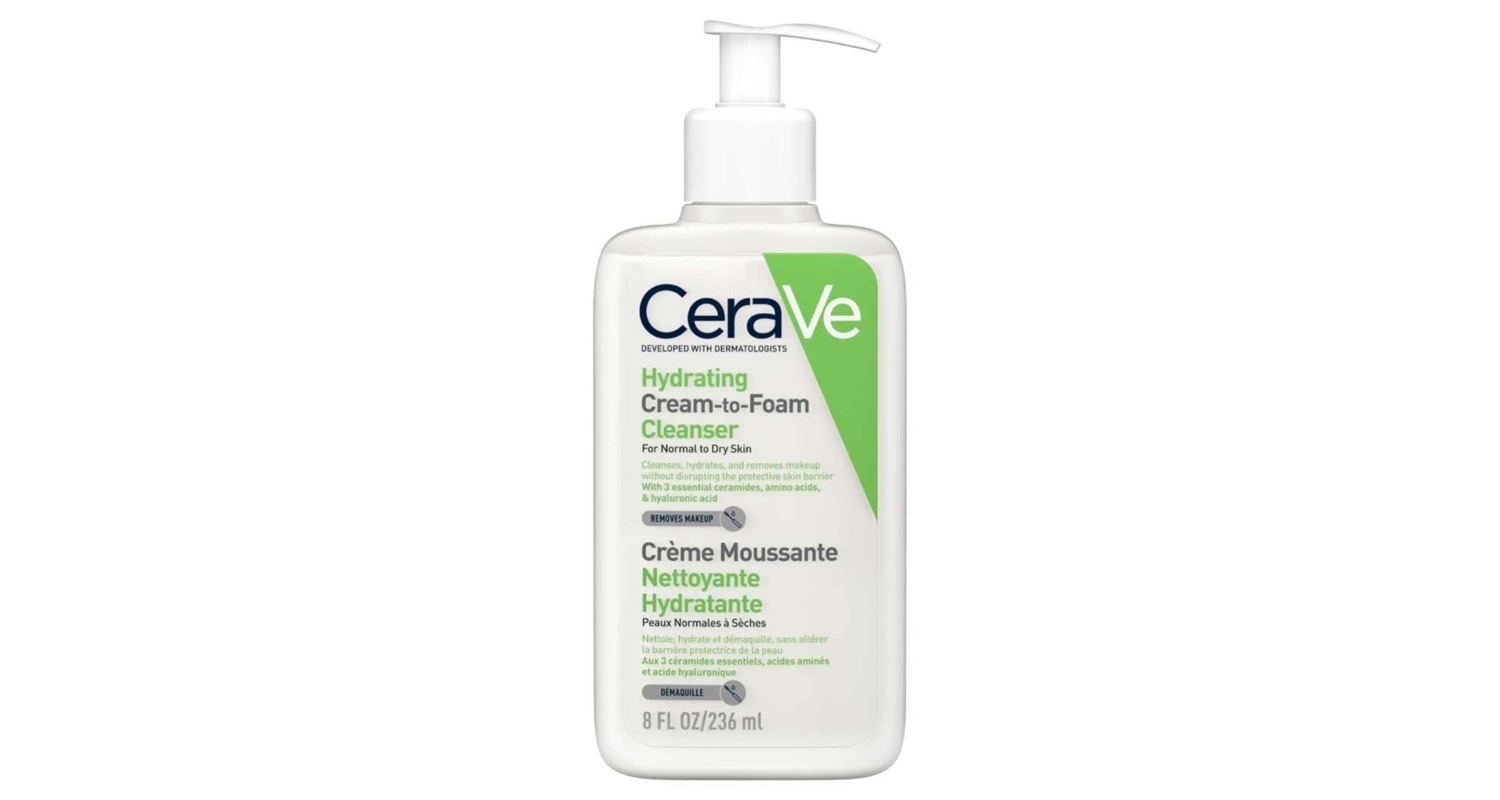
CeraVe
Hydrating Cream-to-Foam Cleanser with Amino Acids for Normal to Dry Skin 236ml
Sodium PCA · Ceramides · Fragrance-free
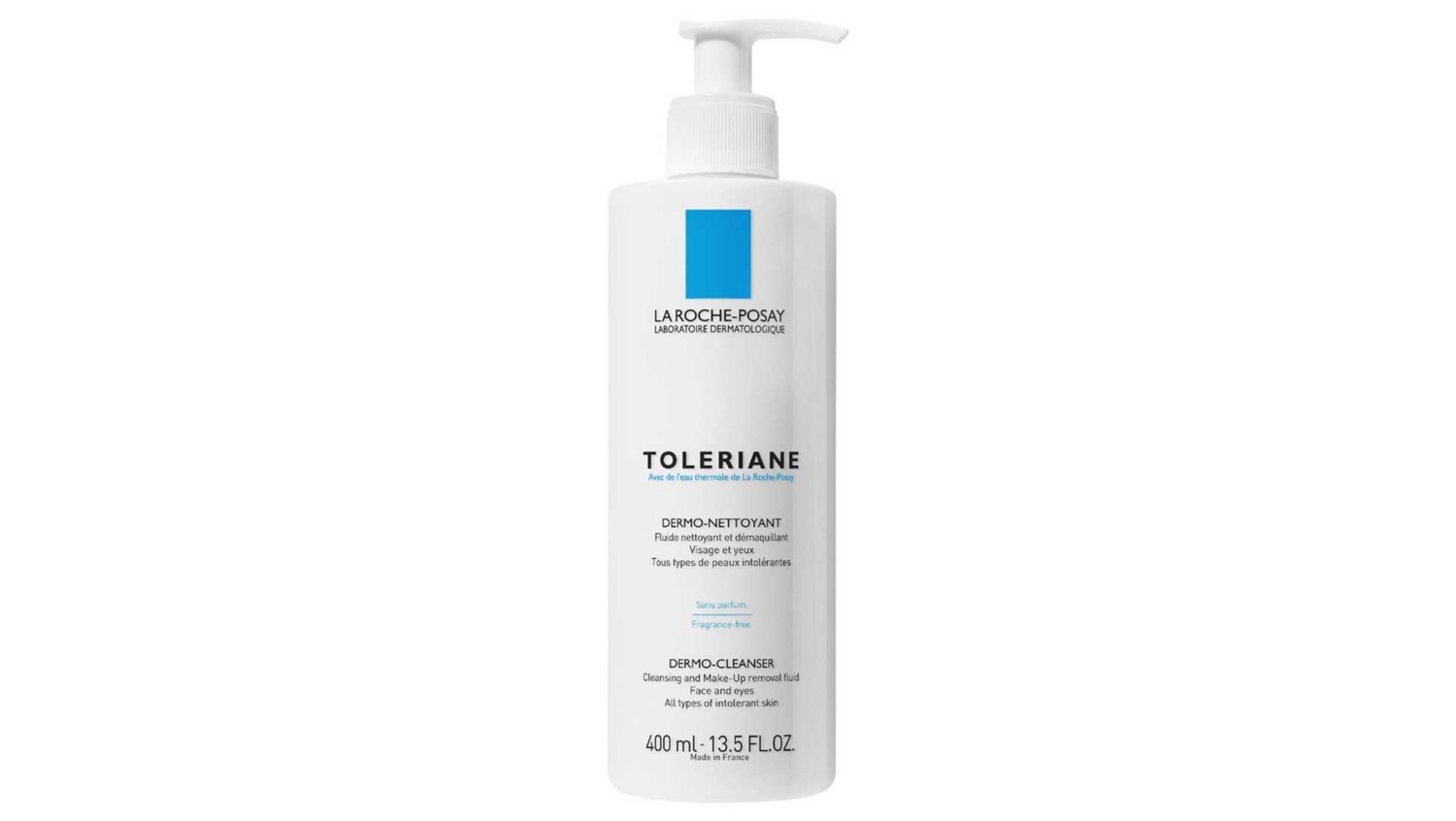
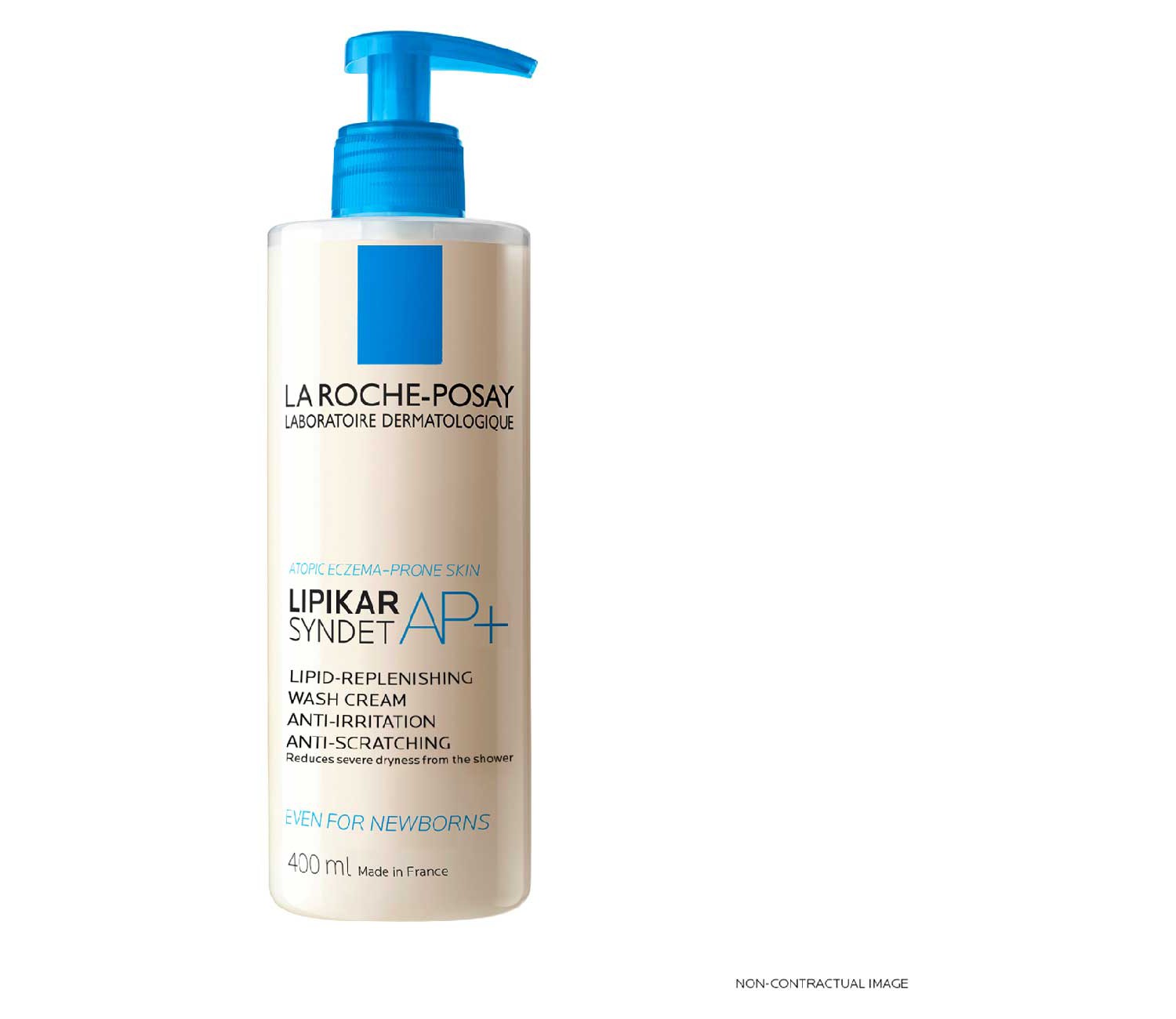
La Roche-Posay
Lipikar Syndet AP+ Soothing Cream Wash For Eczema And Atopic Skin 400ml
Niacinamide · Shea Butter · Fragrance-free
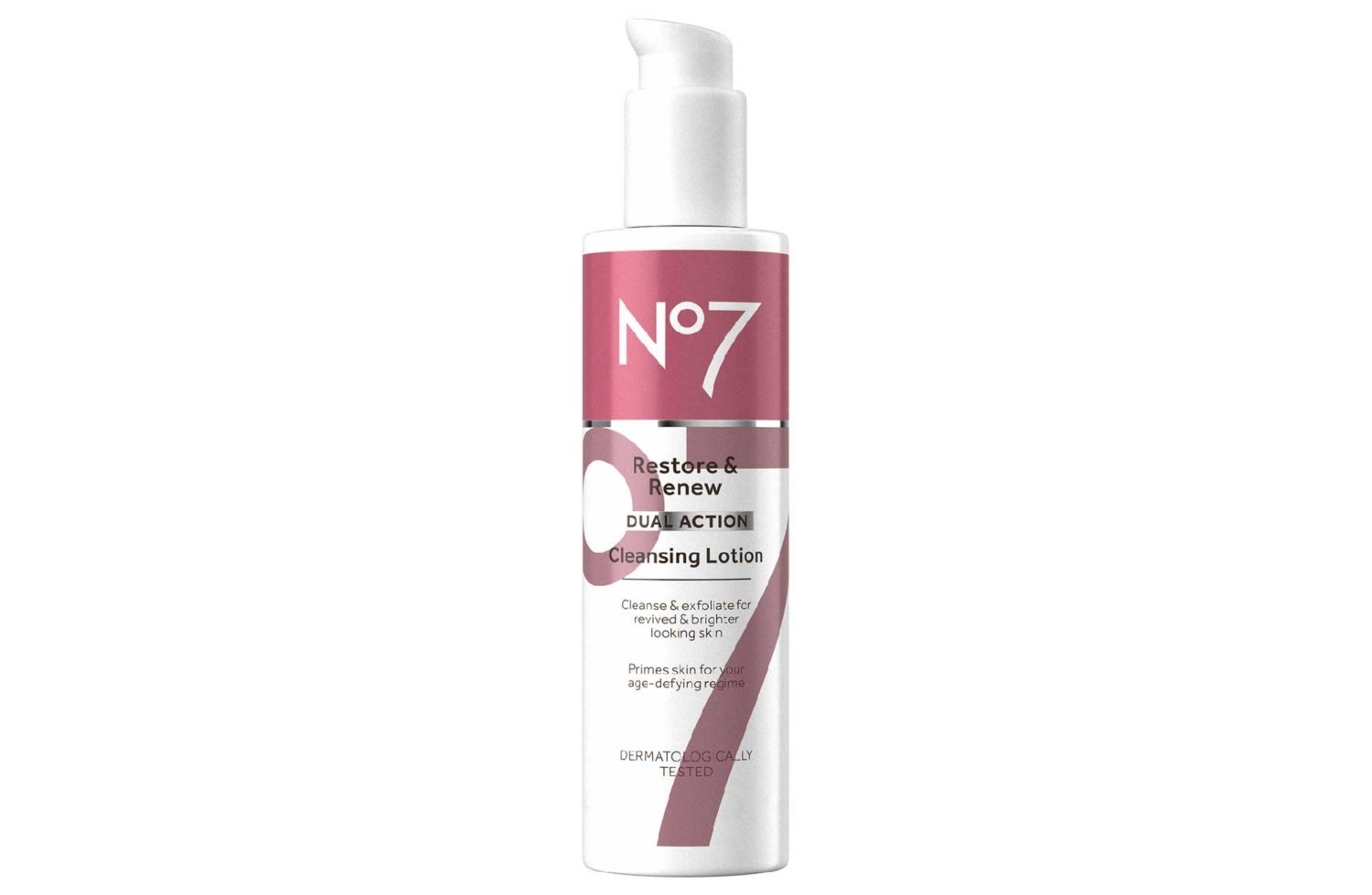
No7
Restore & Renew Dual Action Cleansing Lotion 200ml
Vitamin C (Ascorbyl Glucoside) · Ginseng · Fragrance-free
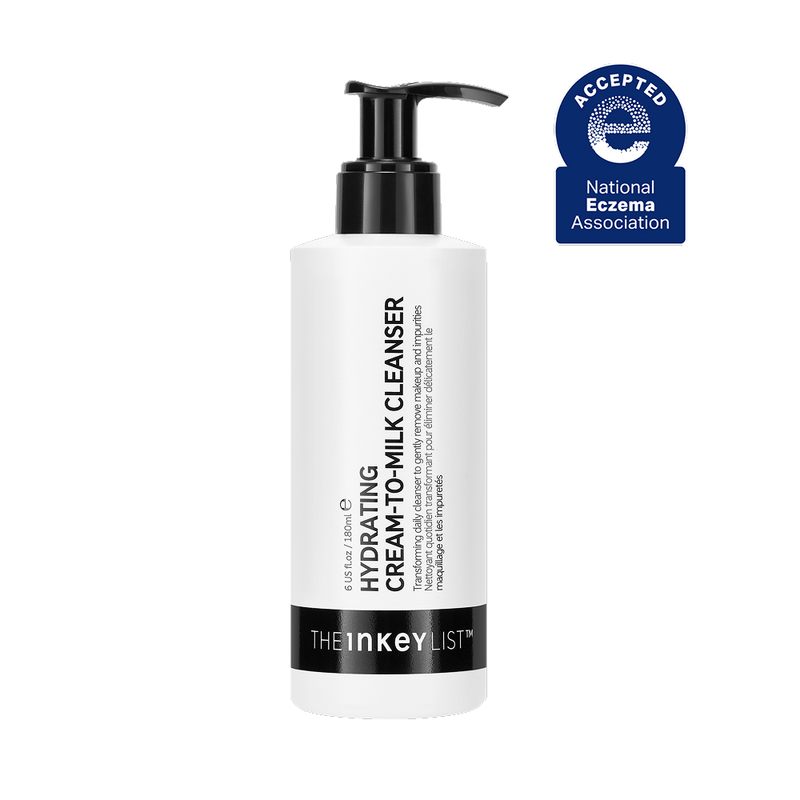
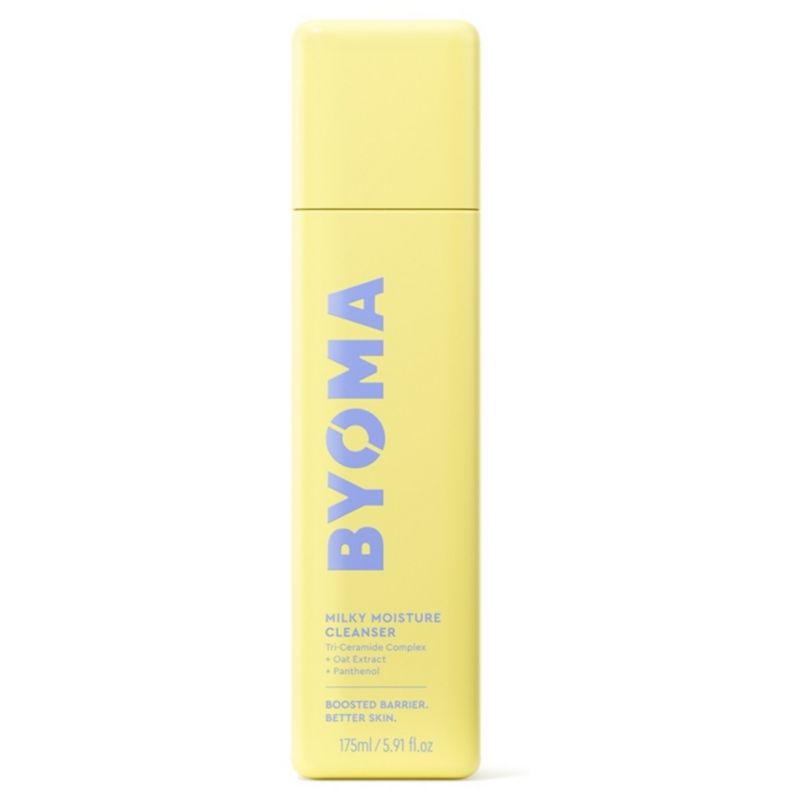
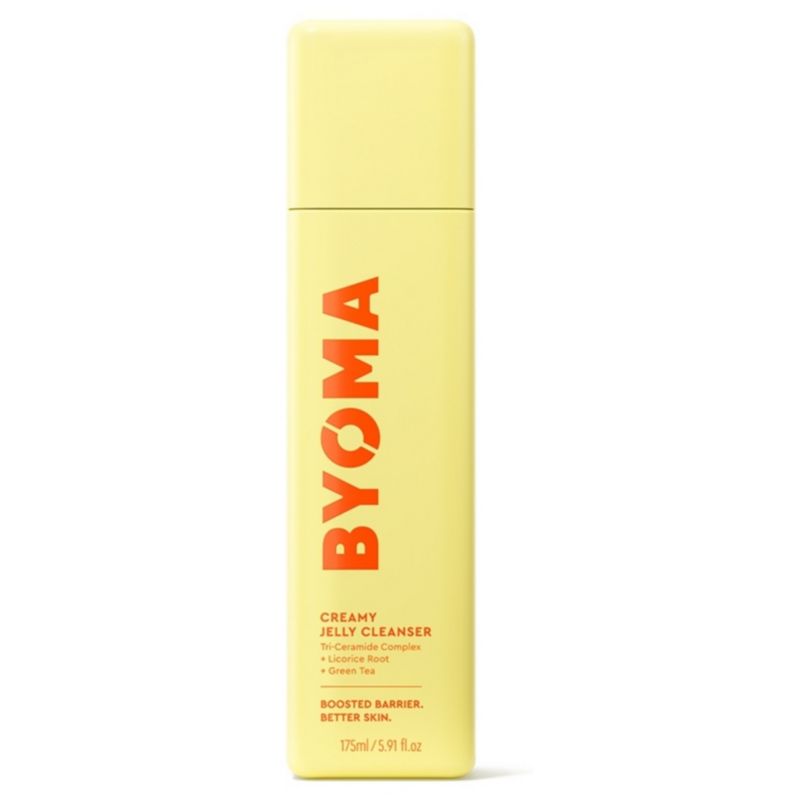
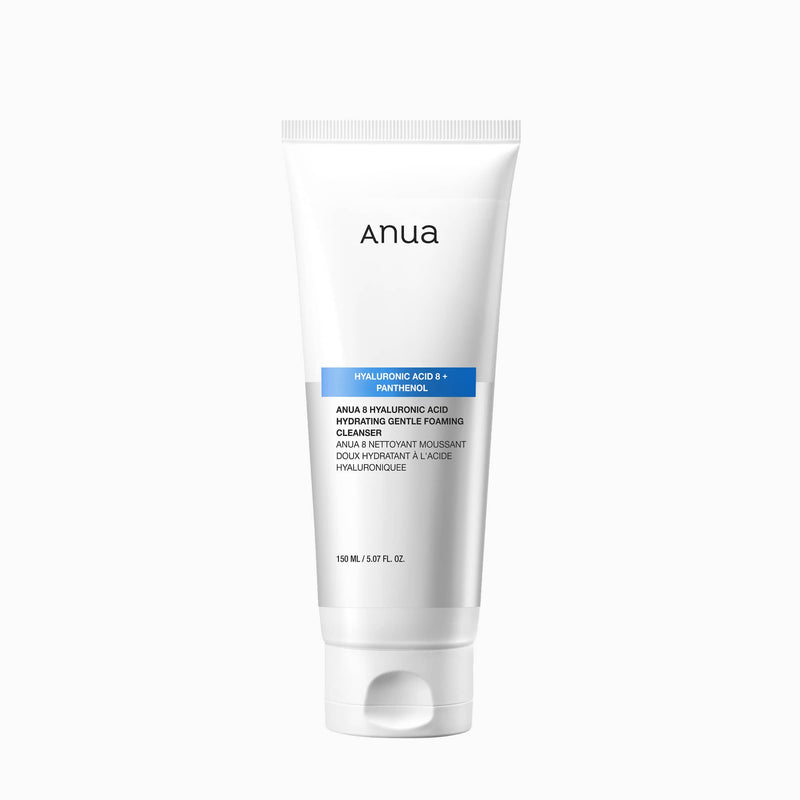
Anua
8 Hyaluronic Acid Hydrating Gentle Foaming Cleanser
Hyaluronic Acid · Panthenol (Pro-Vitamin B5) · Fragrance-free

Estée Lauder
Perfectly Clean Creme Cleanser/Moisture Mask 150ml
Squalane · Petrolatum · Contains fragrance
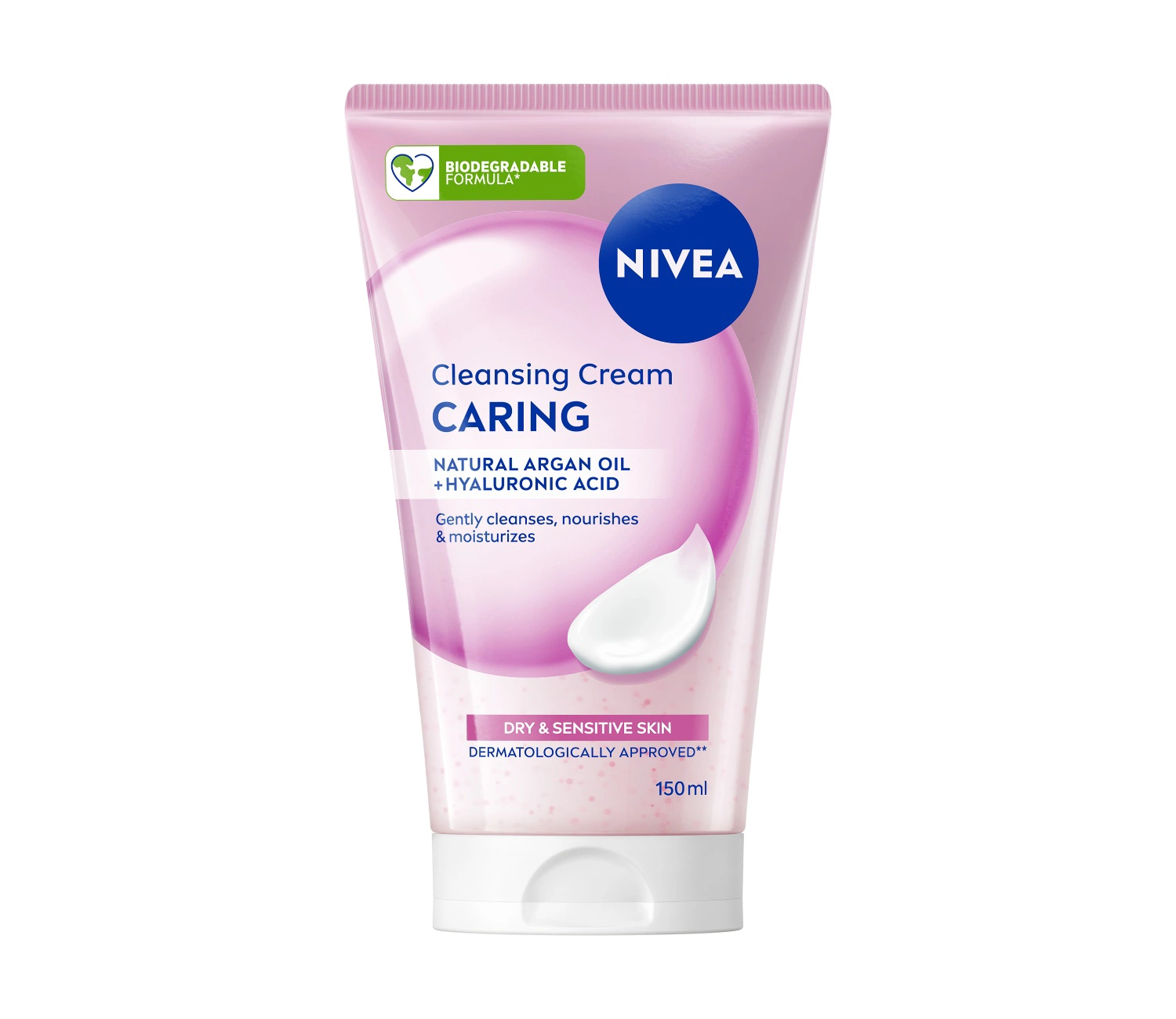
NIVEA
Gentle Face Cleansing Cream Wash for Dry & Sensitive Skin, 150ml
Hyaluronic Acid · Shea Butter · Contains fragrance
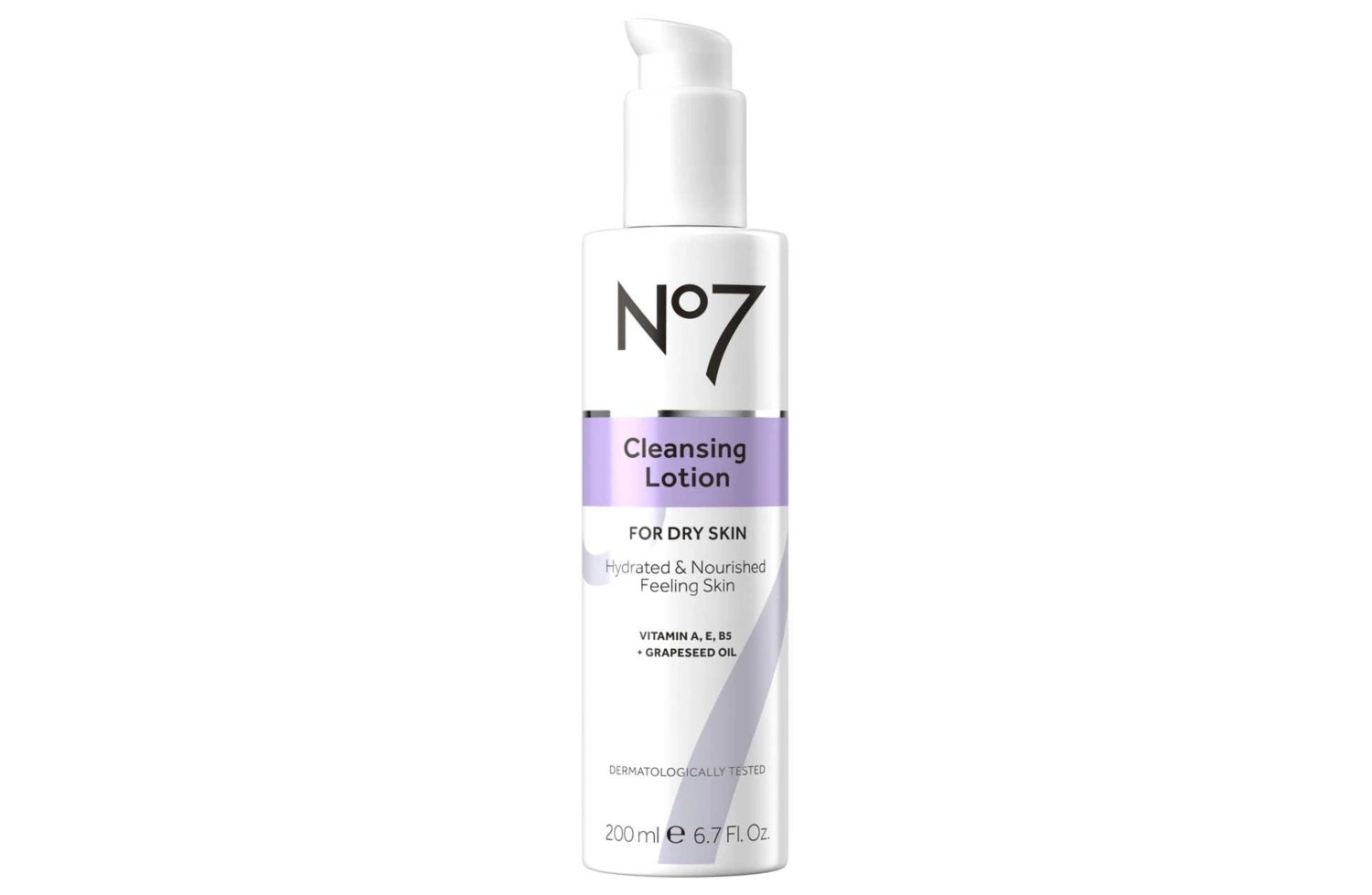
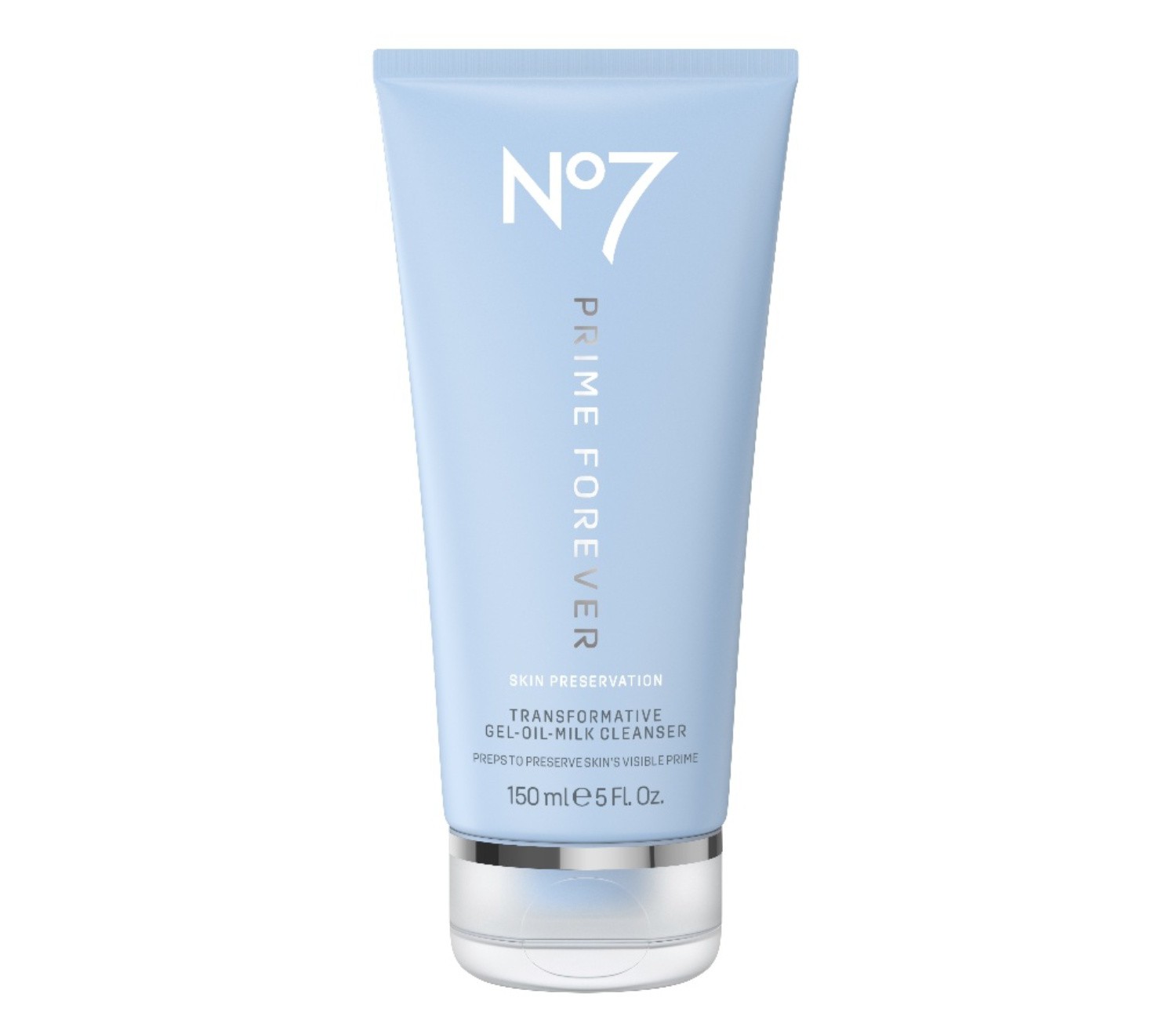
No7
Prime Forever Transformative Gel Oil Milk Cleanser 150ml
Niacinamide · Green Tea Extract · Contains fragrance
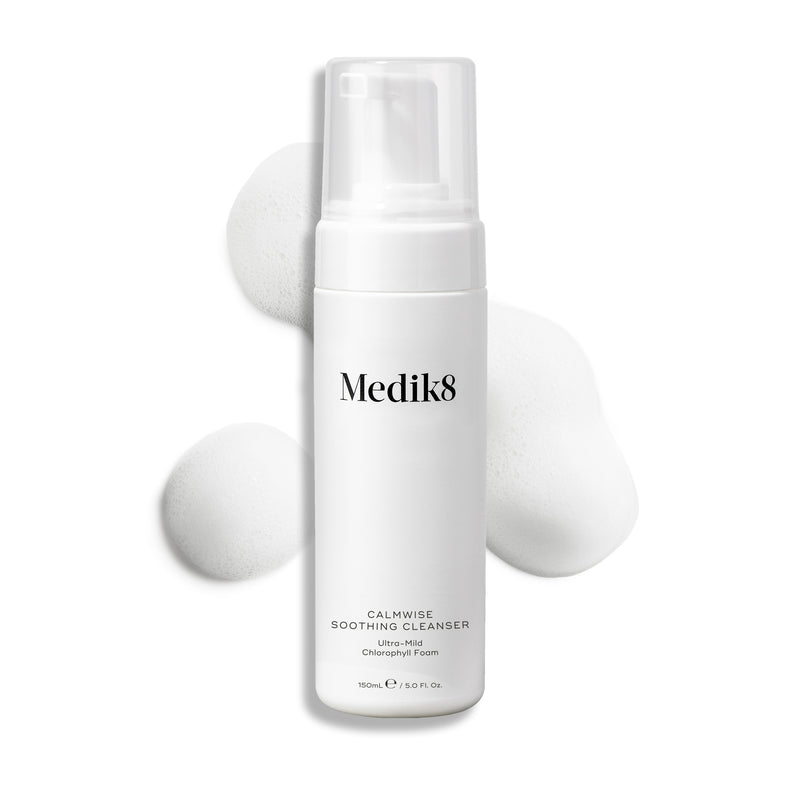
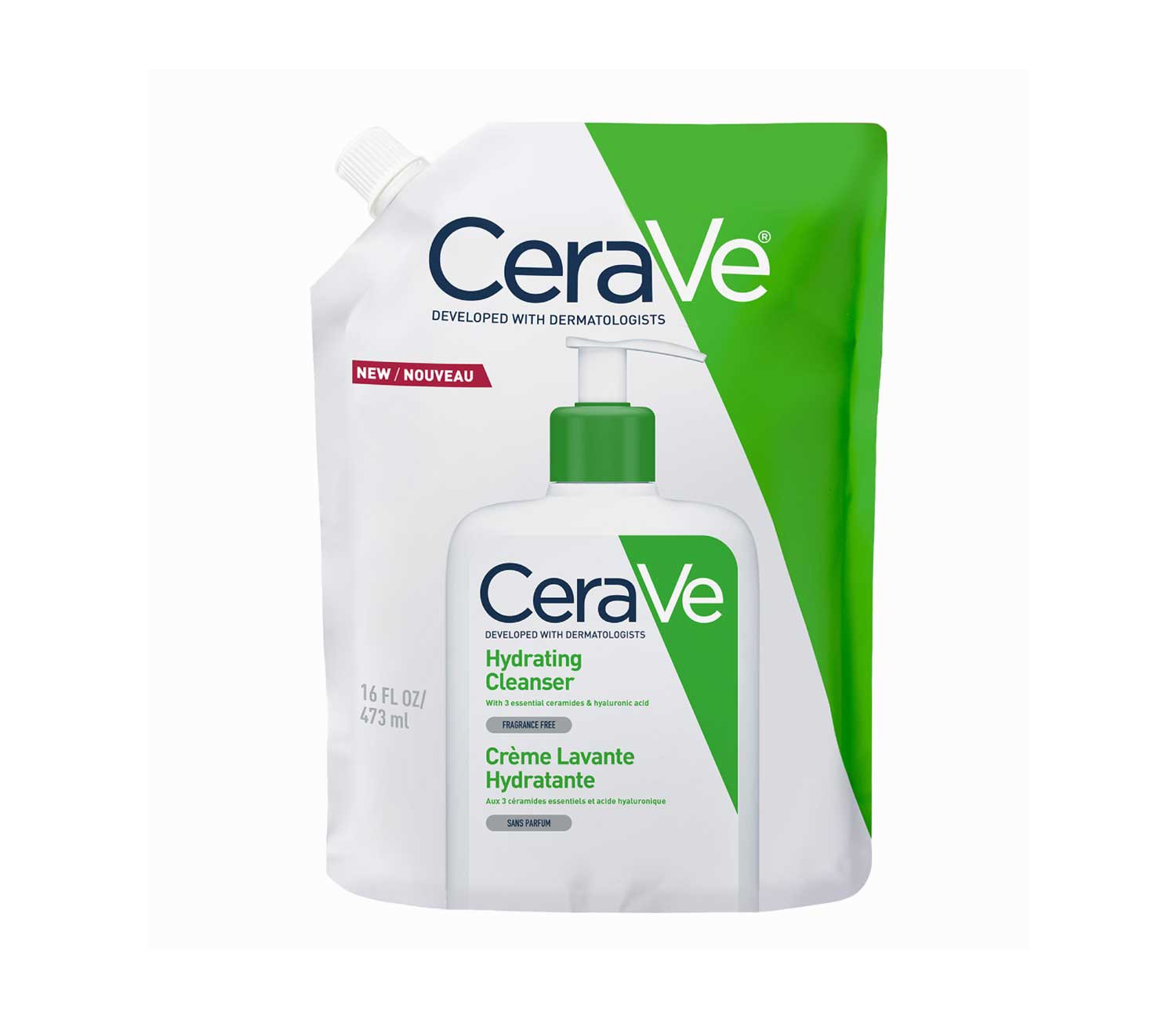
CeraVe
Hydrating Cleanser Refill Pouch for Normal to Dry Skin 473ml
Ceramides · Hyaluronic Acid · Fragrance-free
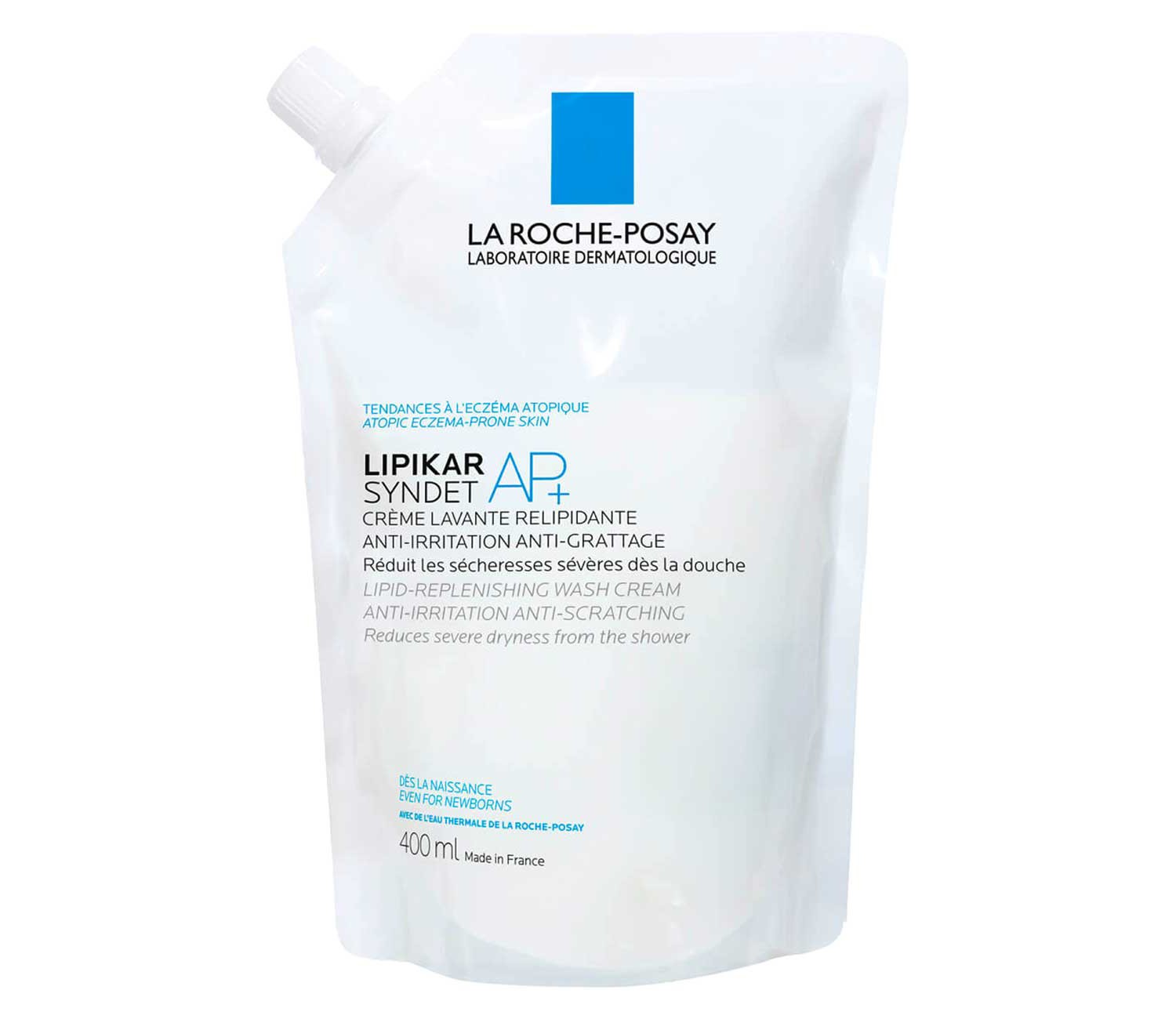
La Roche-Posay
Lipikar Syndet AP+ Cream Wash Refill Pouch 400ml
Niacinamide · Ferment & Yeast Extracts · Fragrance-free
Gel and foaming cleansers
Fresh-feeling washes for normal, combination and oily skin.


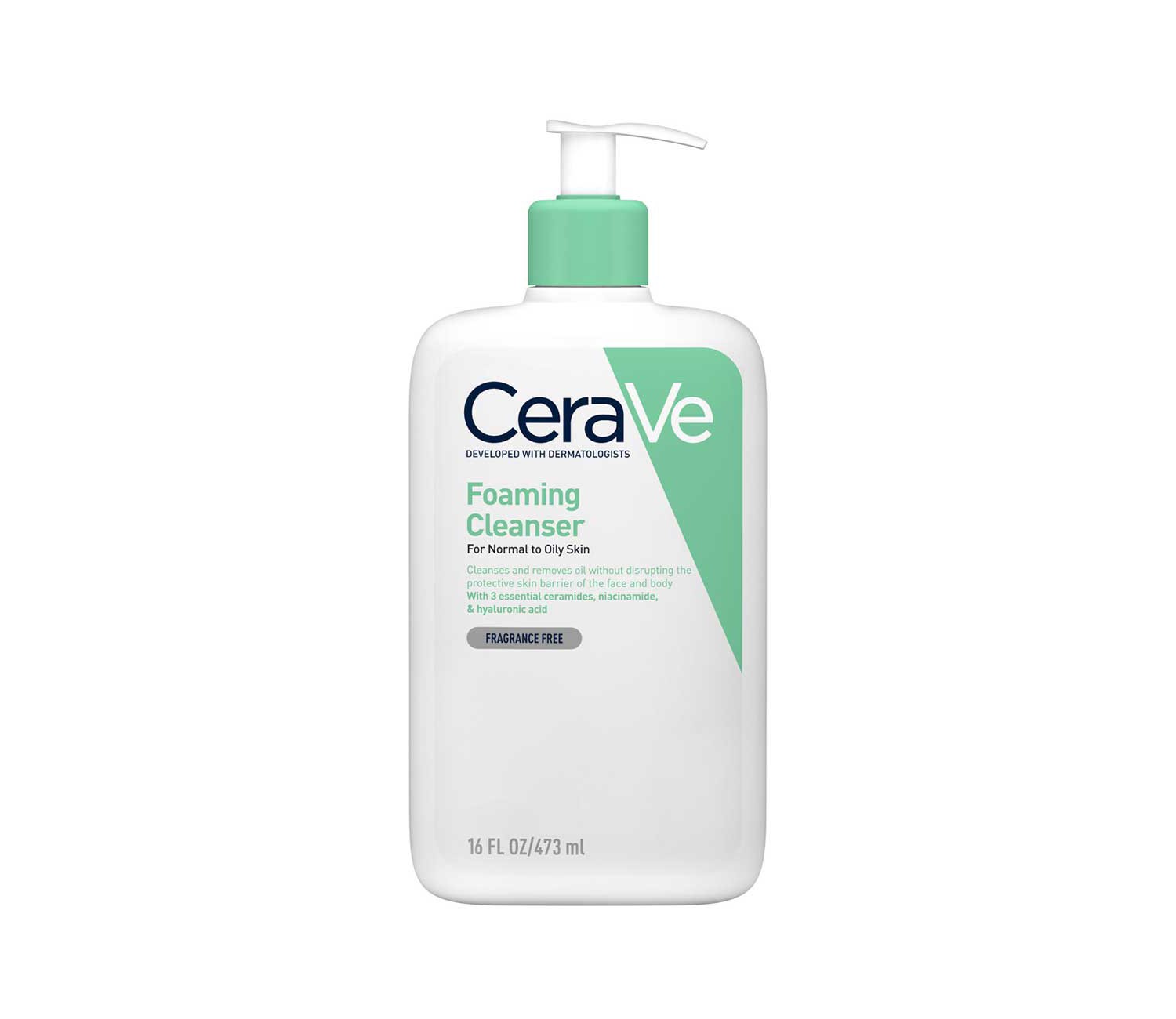
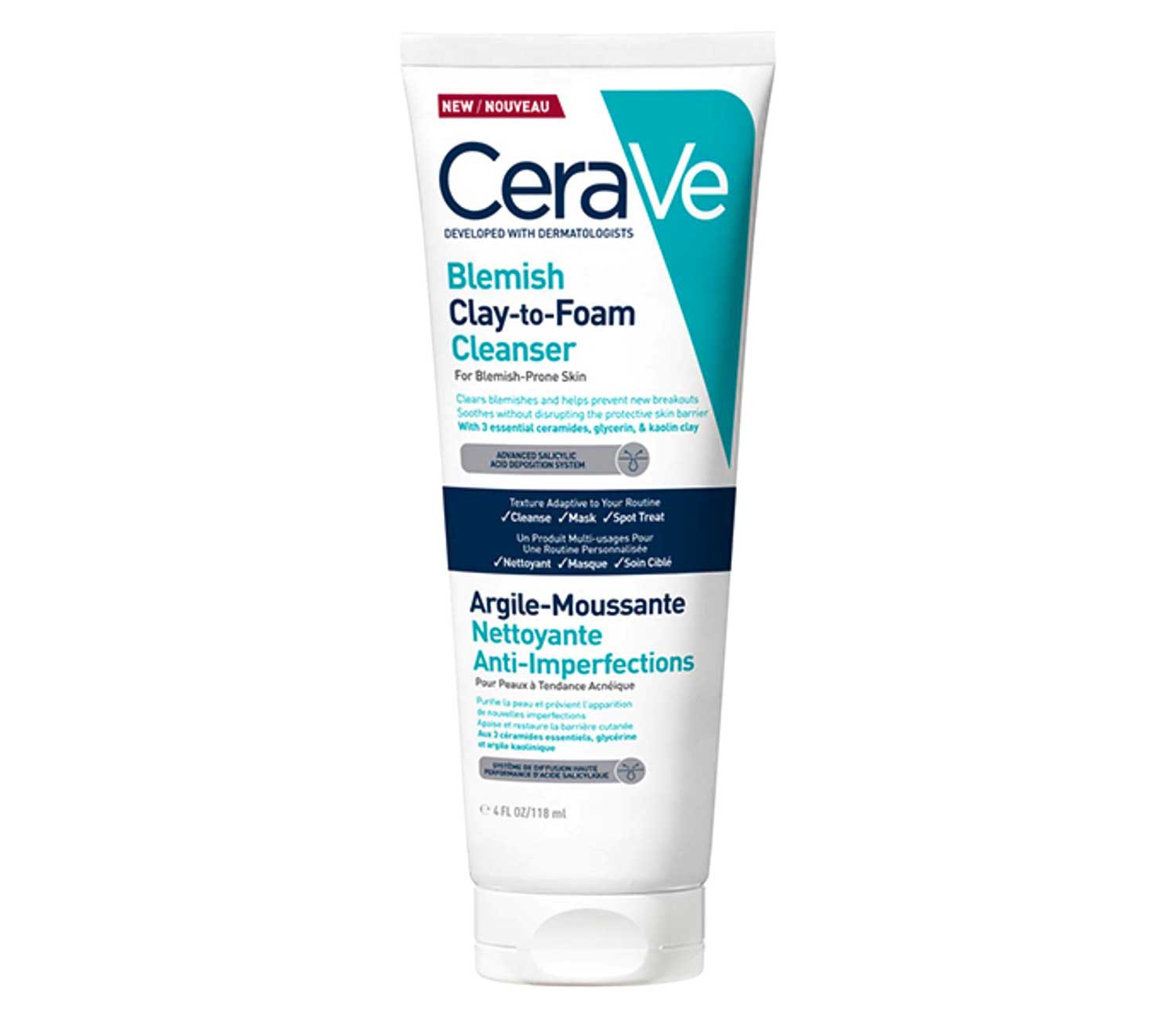
CeraVe
Foaming Cleanser with Niacinamide for Normal to Oily Skin
Niacinamide · Ceramides · Fragrance-free

Clinique
All About Clean Liquid Facial Soap - Mild Formula 200ml
Hyaluronic Acid · Aloe Vera · Fragrance-free


Clinique
Liquid Facial Soap Extra Mild 200ml - Skin Type 1
Hyaluronic Acid · Aloe Vera · Fragrance-free

Estée Lauder
Nutritious 2-in-1 Foam Face Cleanser 125ml
Niacinamide · Algae & Seaweed Extracts · Fragrance-free
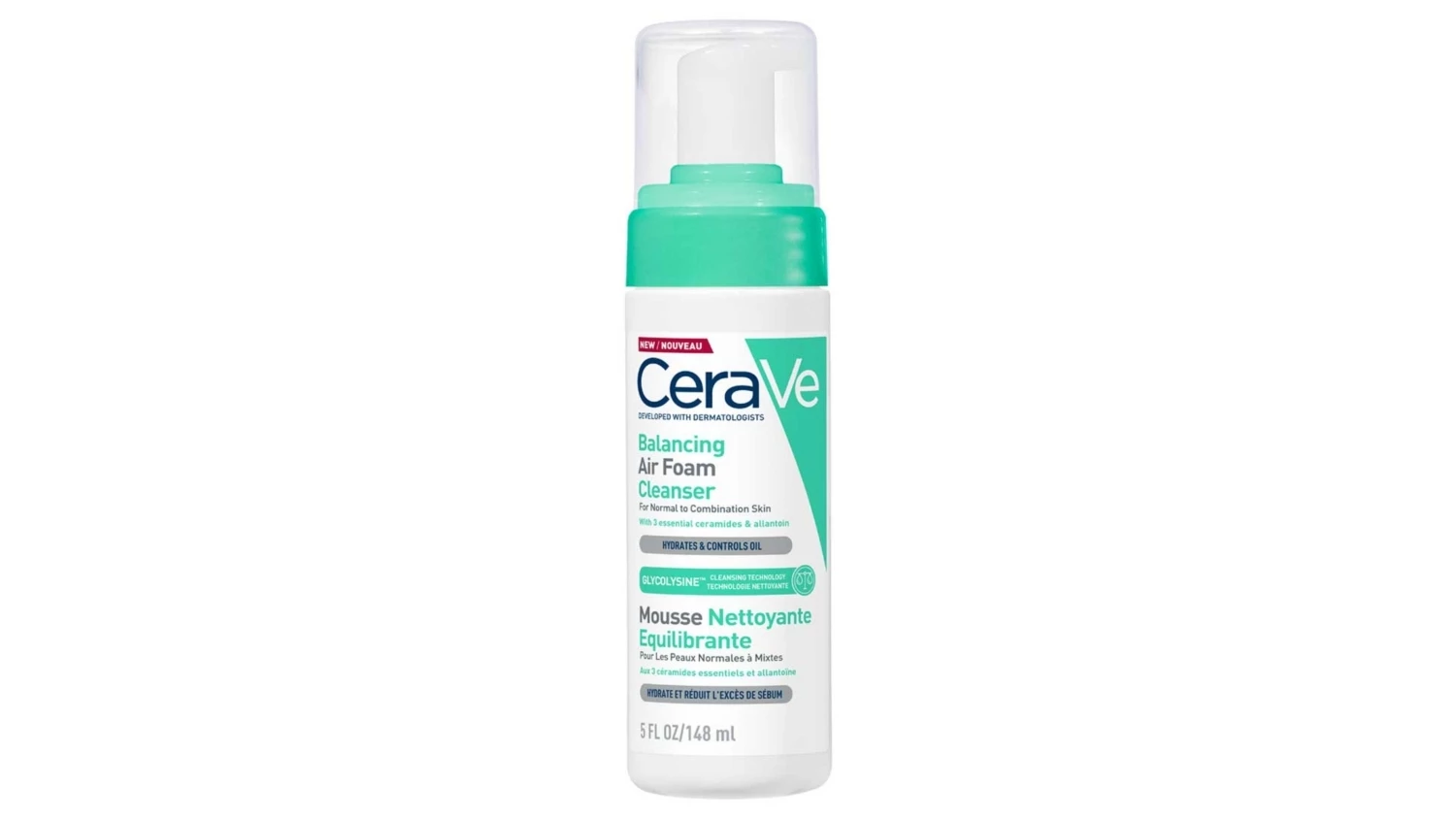
CeraVe
Balancing Air Foam Foaming Facial Cleanser for Normal to Combination Skin 148ml
Niacinamide · Ceramides · Fragrance-free
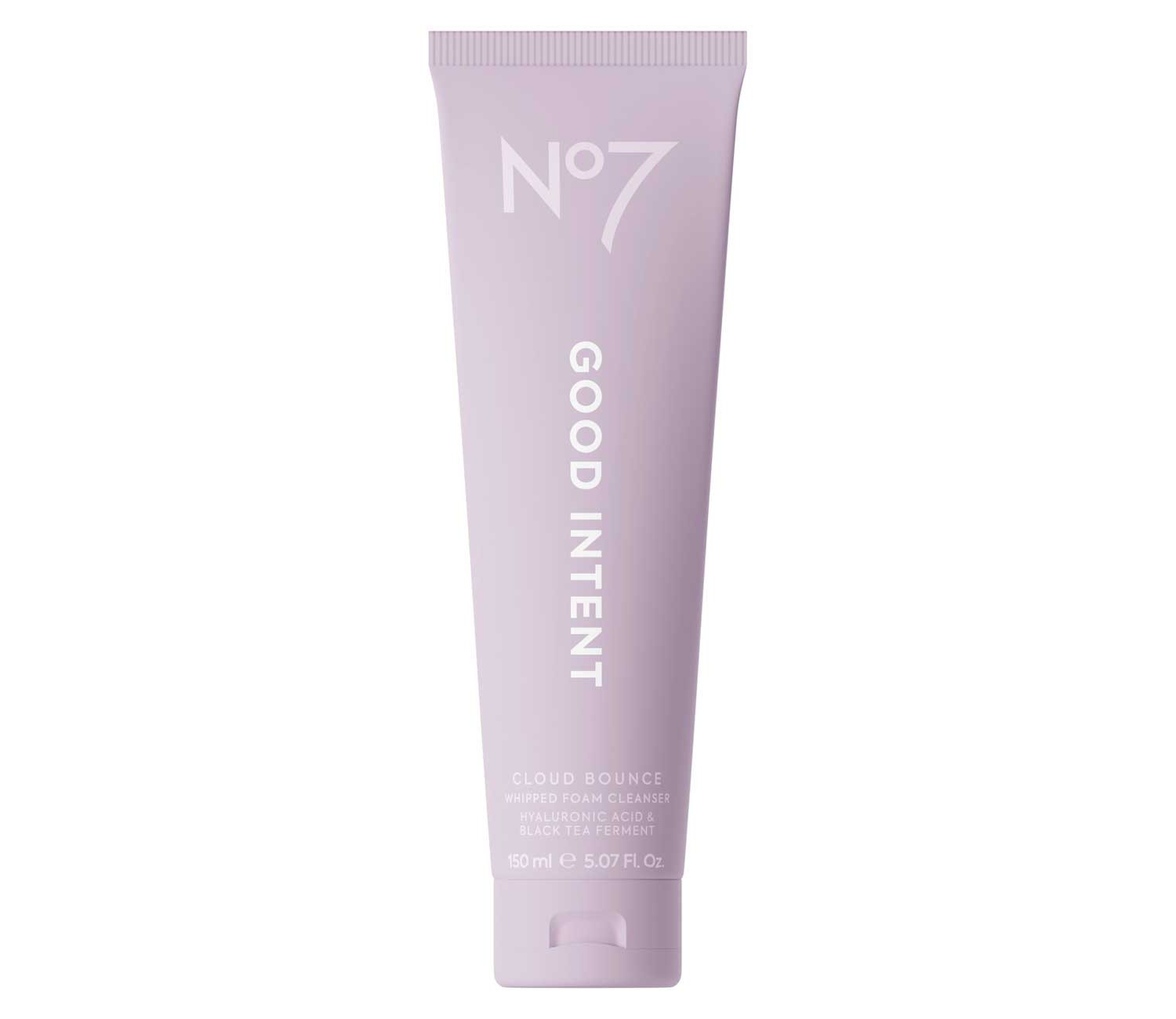
No7
Good Intent Cloud Bounce Whipped Foam Cleanser 150ml
Centella Asiatica · Hyaluronic Acid · Fragrance-free
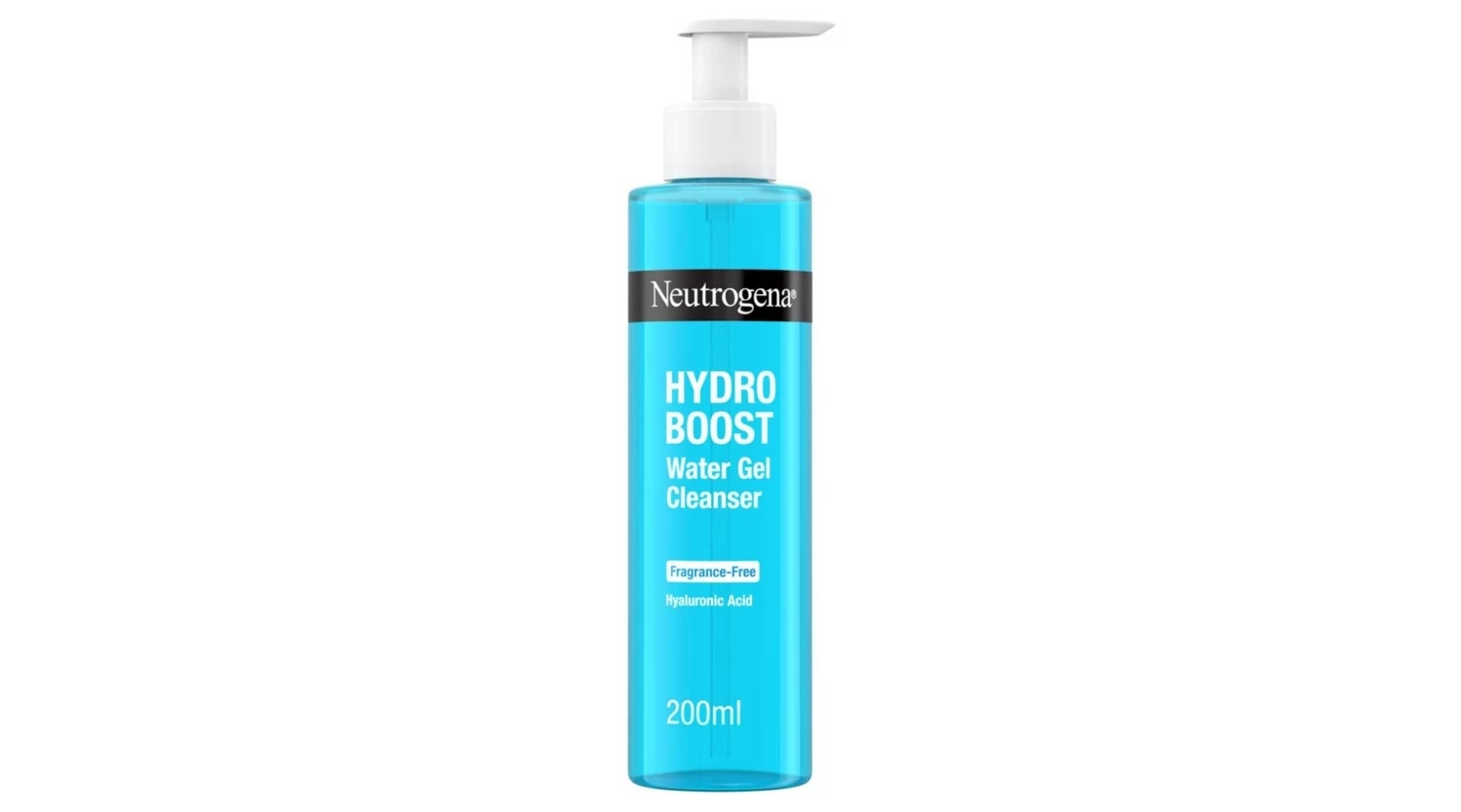
Neutrogena
Hydro Boost Water Gel Cleanser Fragrance-Free with Hyaluronic Acid and Glycerin 200ml
Hyaluronic Acid · Glycerin · Fragrance-free
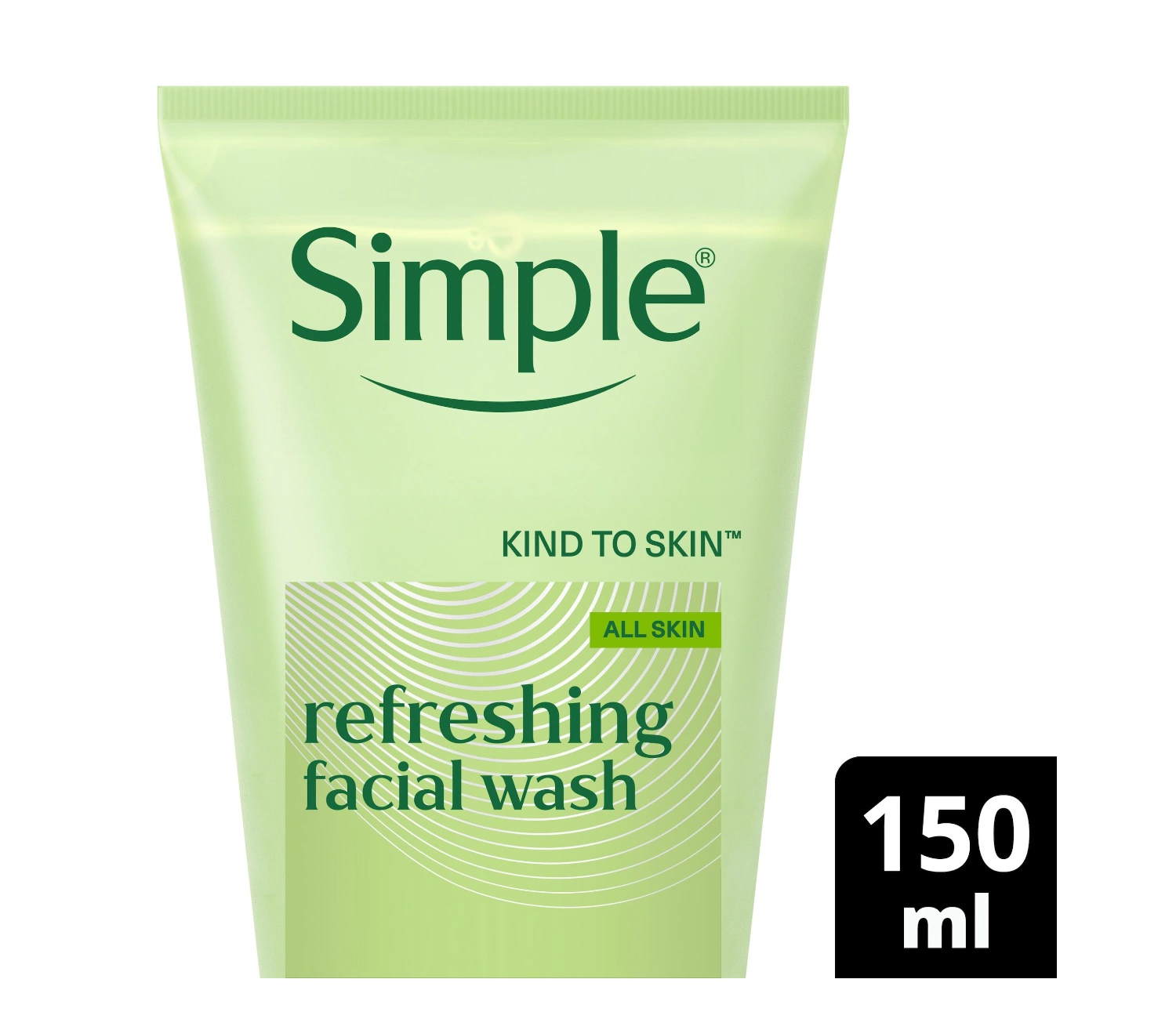
Simple
Kind To Skin Refreshing Facial Wash Gel
Panthenol (Pro-Vitamin B5) · Peptides · Fragrance-free
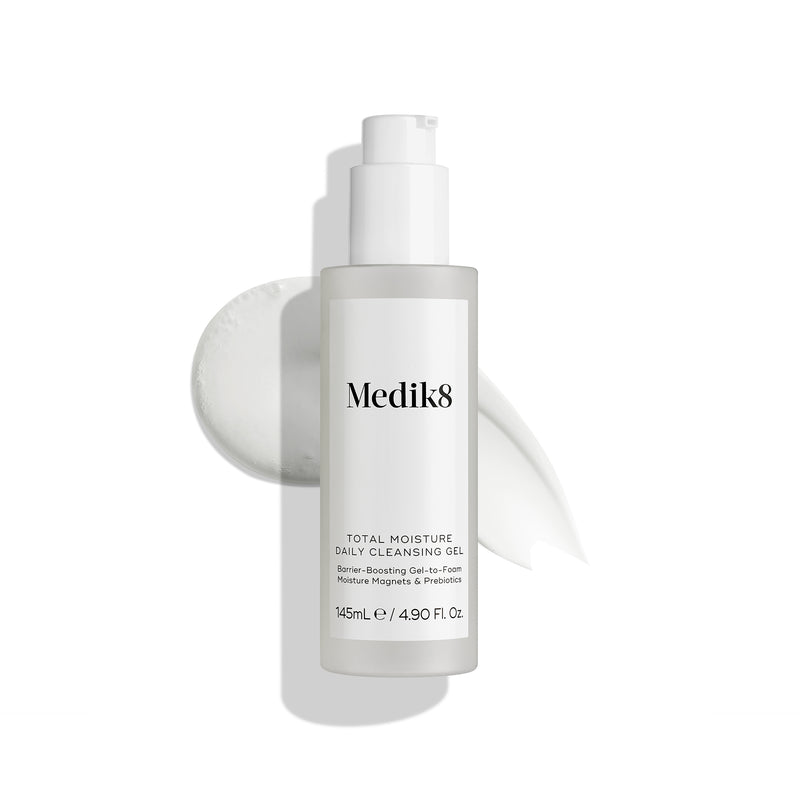
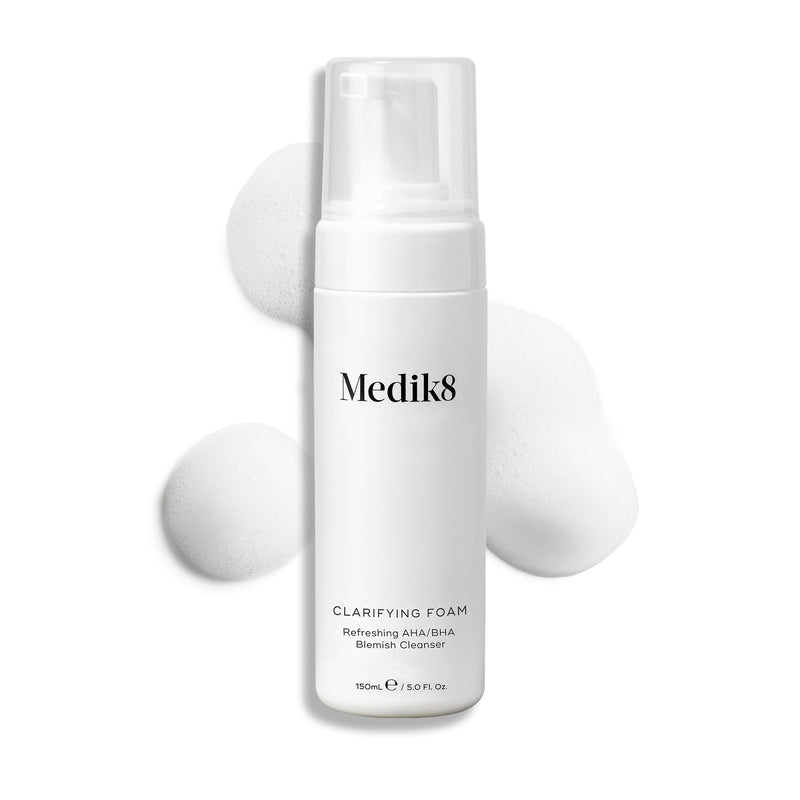
Medik8
Total Moisture Daily Cleansing Gel
Saccharide Isomerate · Ferment & Yeast Extracts · Fragrance-free
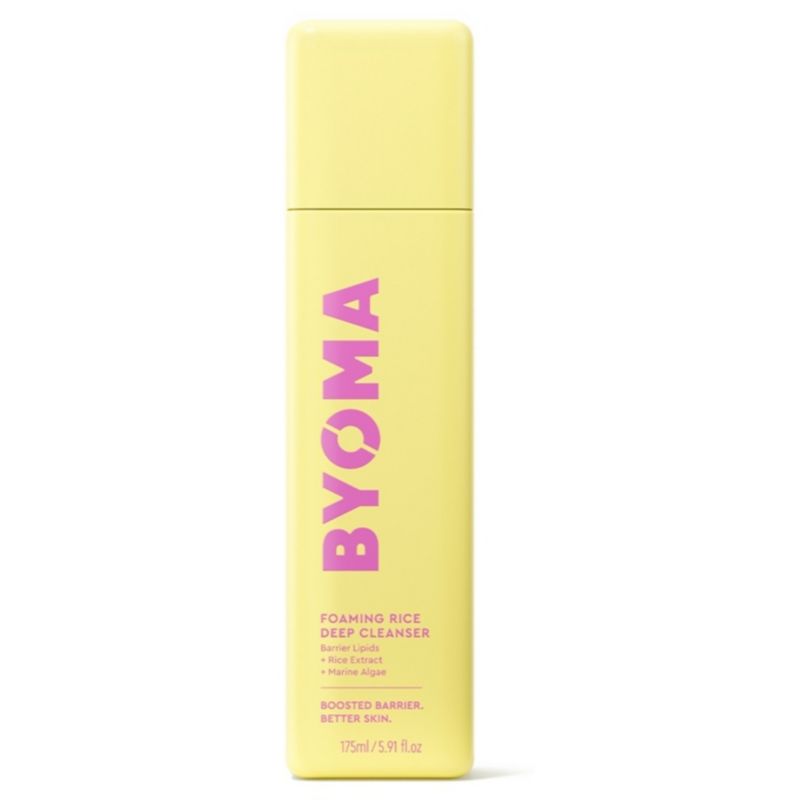

Estée Lauder
Advanced Night Cleansing Gelée with 15 Amino Acids
Hyaluronic Acid · Amino Acids · Contains fragrance

Estée Lauder
DayWear Glow Boost Gel Cleanser
Hyaluronic Acid · Algae & Seaweed Extracts · Contains fragrance
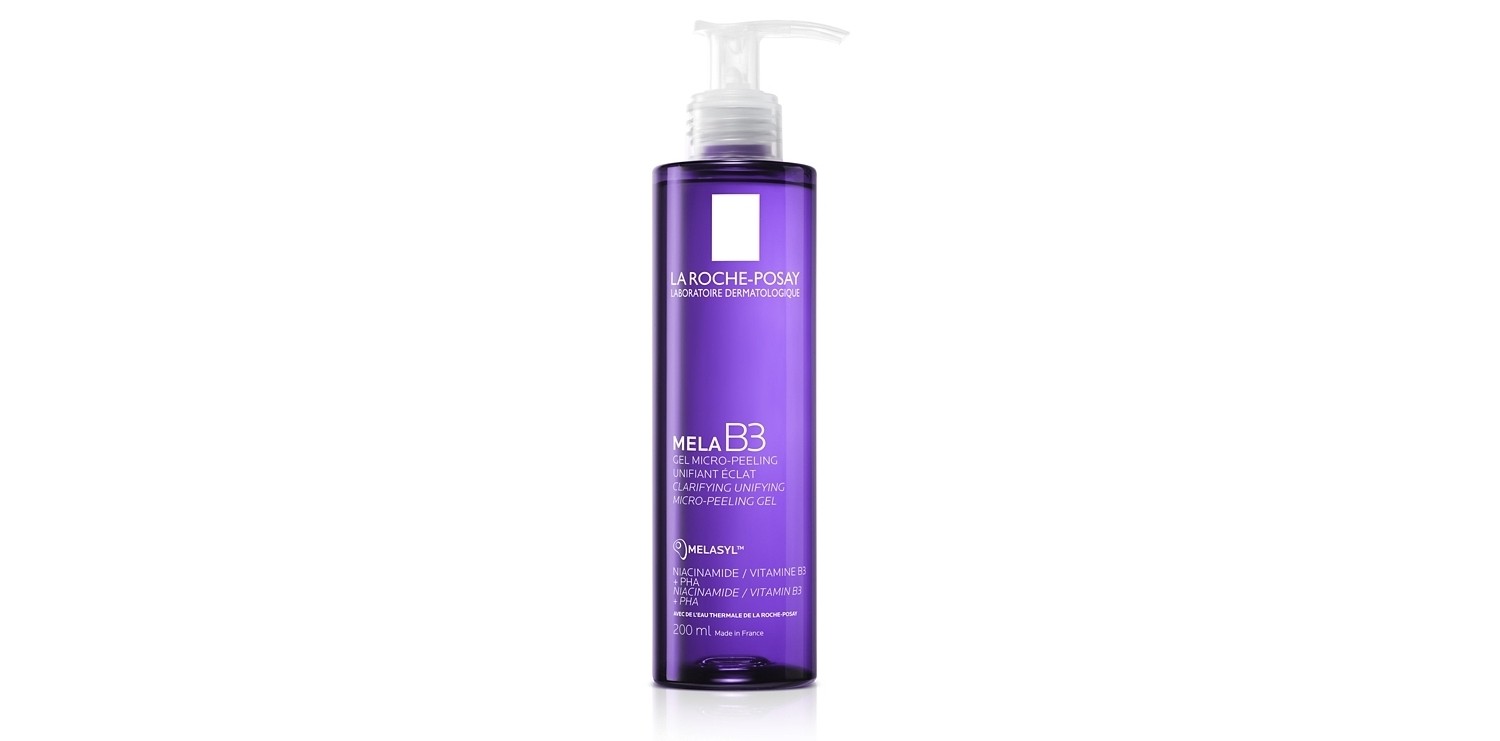
La Roche-Posay
Mela B3 Clarifying Gel Cleanser 200ml
Niacinamide · Gluconolactone (PHA) · Contains fragrance
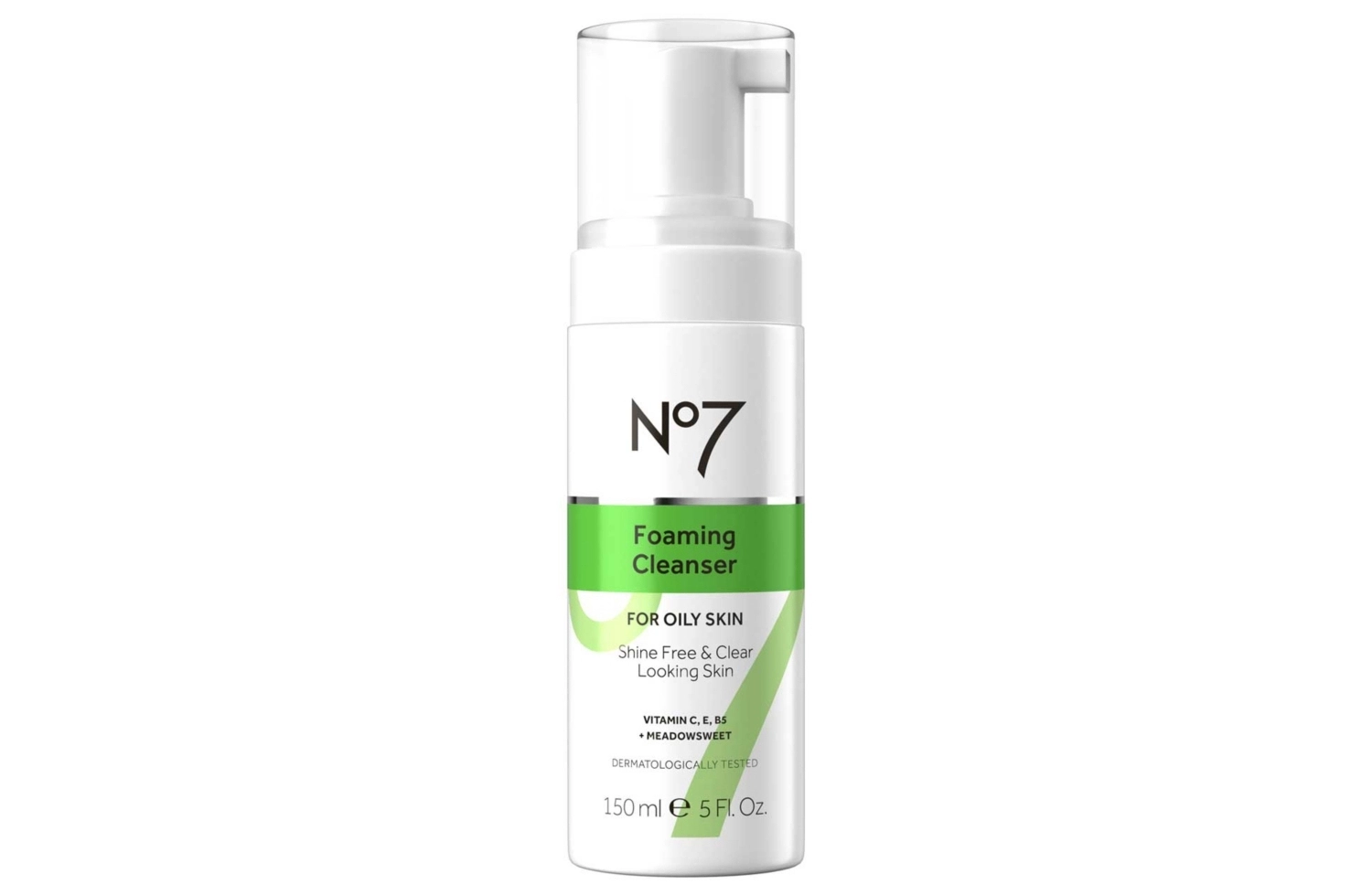
No7
Cleansing Foaming Cleanser Oily 150ml
Vitamin C (Ascorbyl Glucoside) · Panthenol (Pro-Vitamin B5) · Contains fragrance
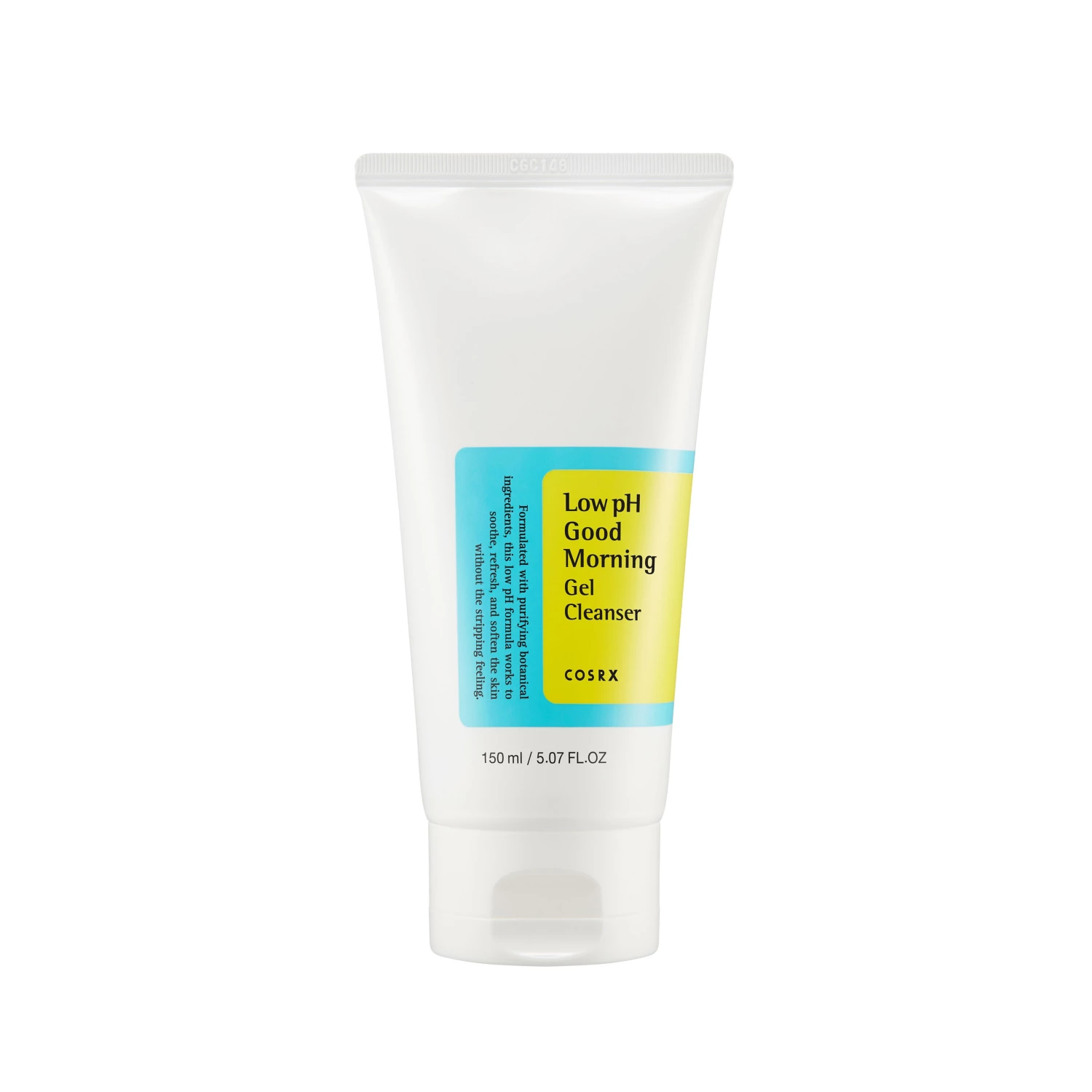
COSRX
LOW-PH Good Morning Gel Cleanser 150ml
Ferment & Yeast Extracts · Allantoin · Contains fragrance
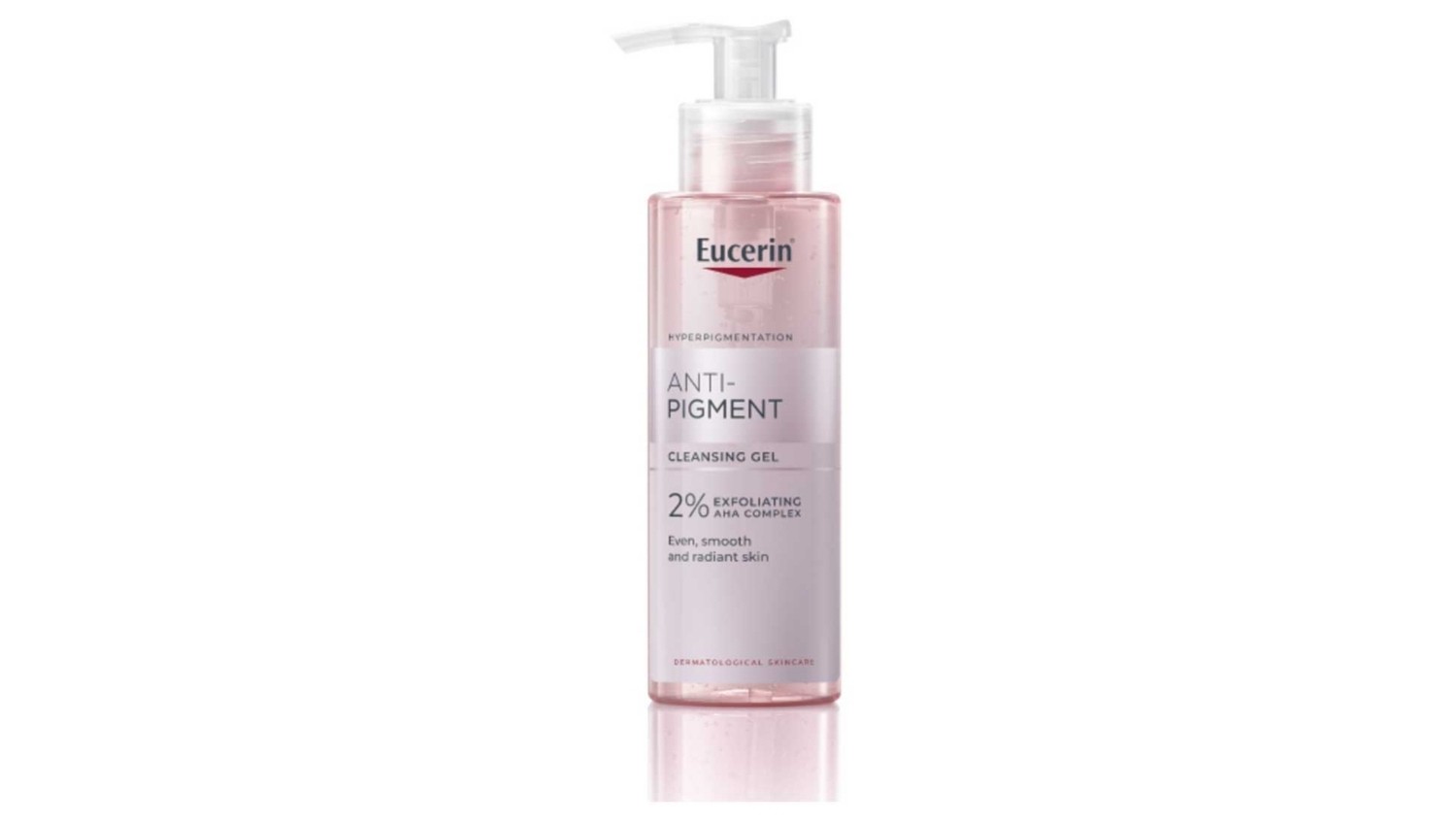
Eucerin
Anti-Pigment Cleansing Gel 200ml
Lactic Acid · Glycolic Acid · Fragrance-free · Drying alcohol high in list
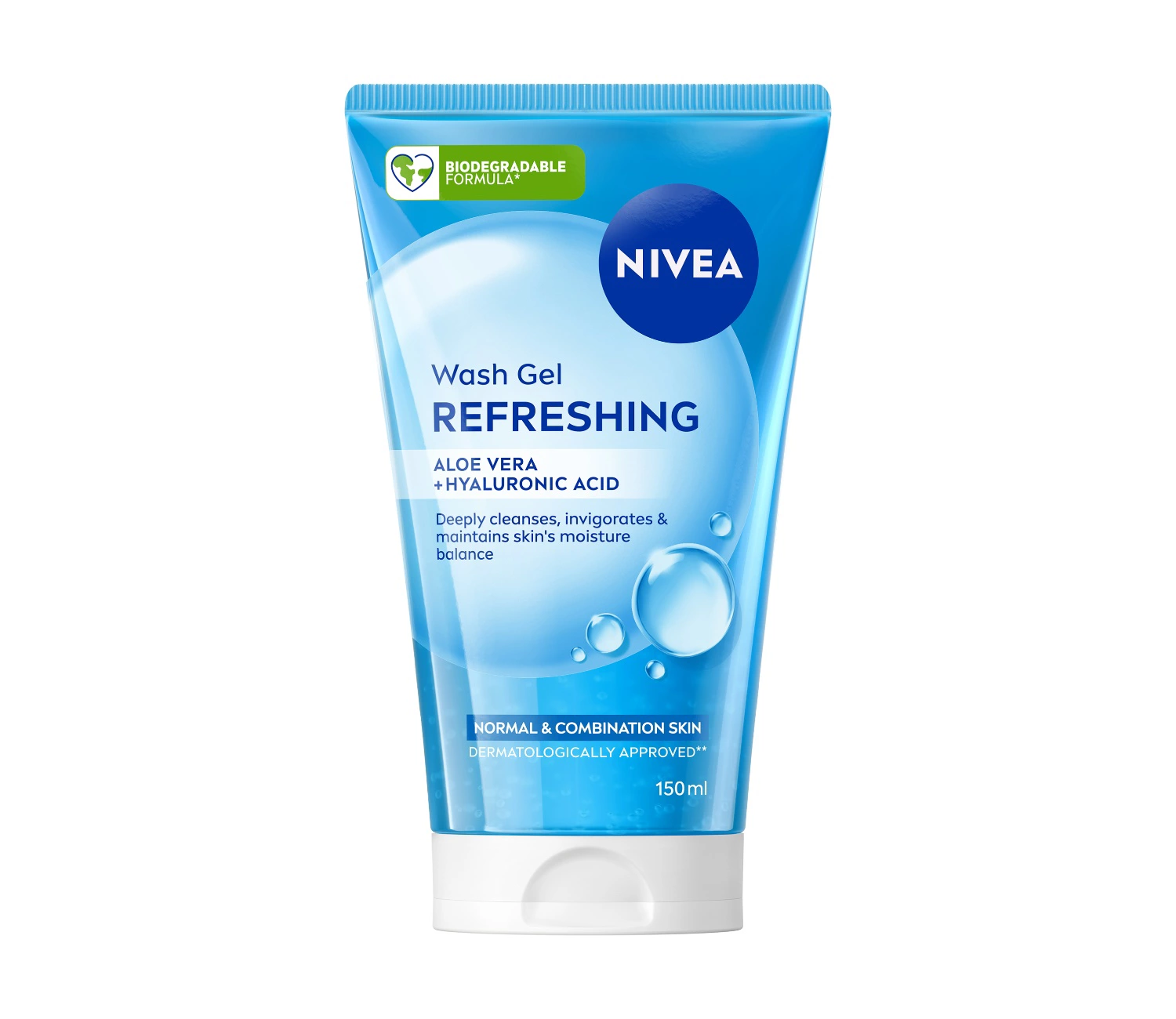
NIVEA
Refreshing Face Wash Gel, 150ml
Hyaluronic Acid · Glycerin · Contains fragrance · Drying alcohol high in list
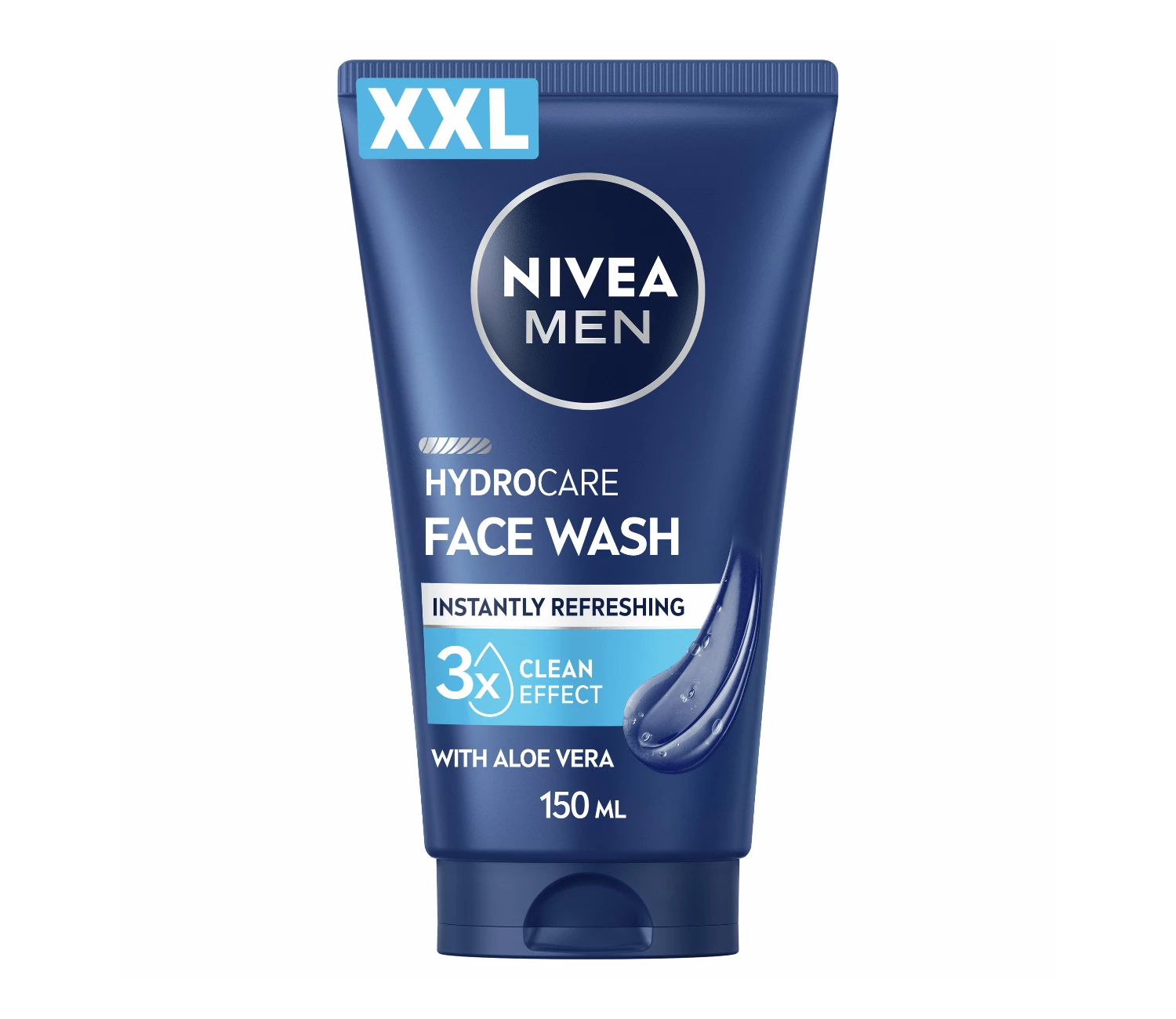
NIVEA
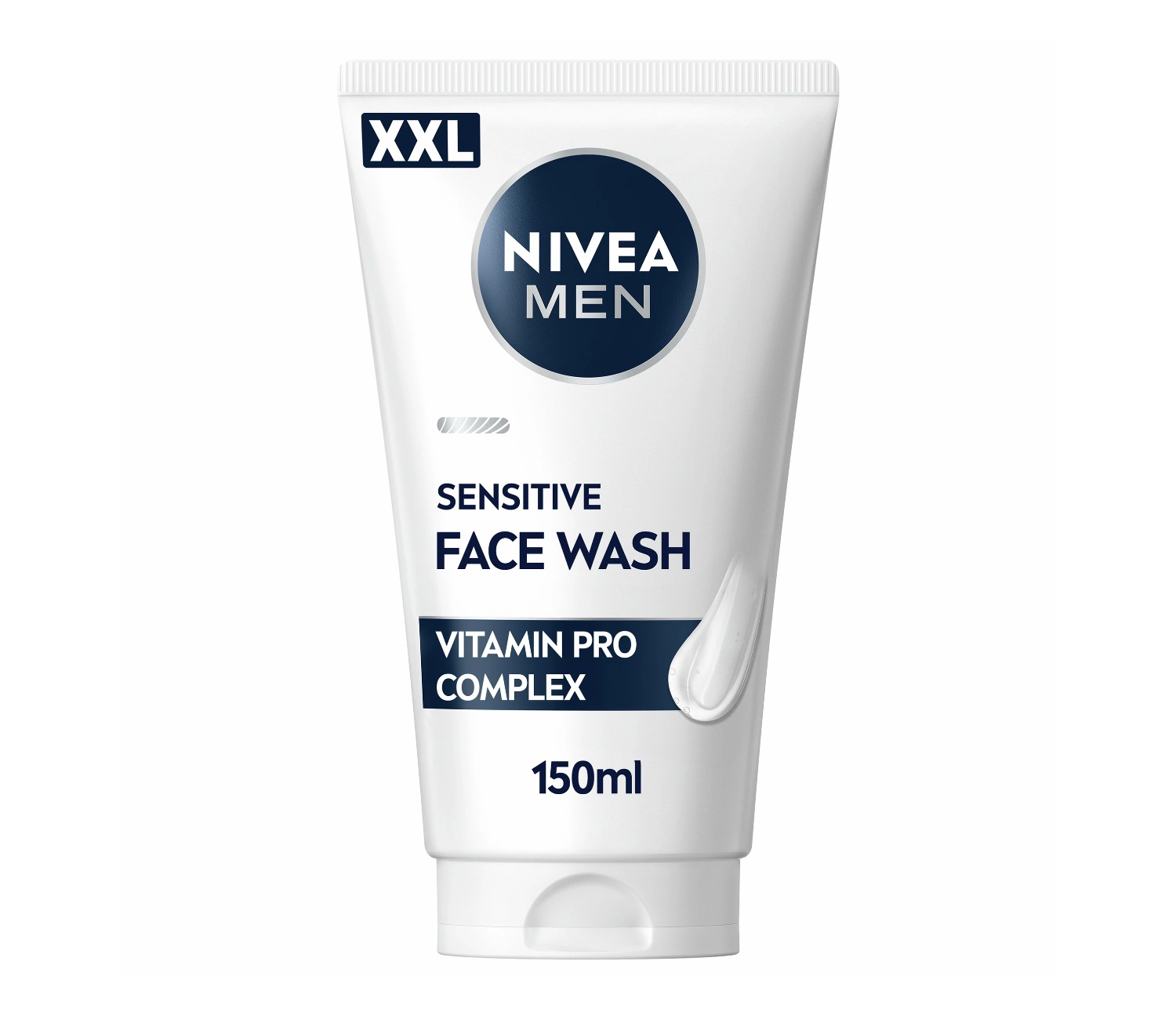
MEN Hydrocare Face Wash 150ml
Panthenol (Pro-Vitamin B5) · Aloe Vera · Contains fragrance · Drying alcohol high in list
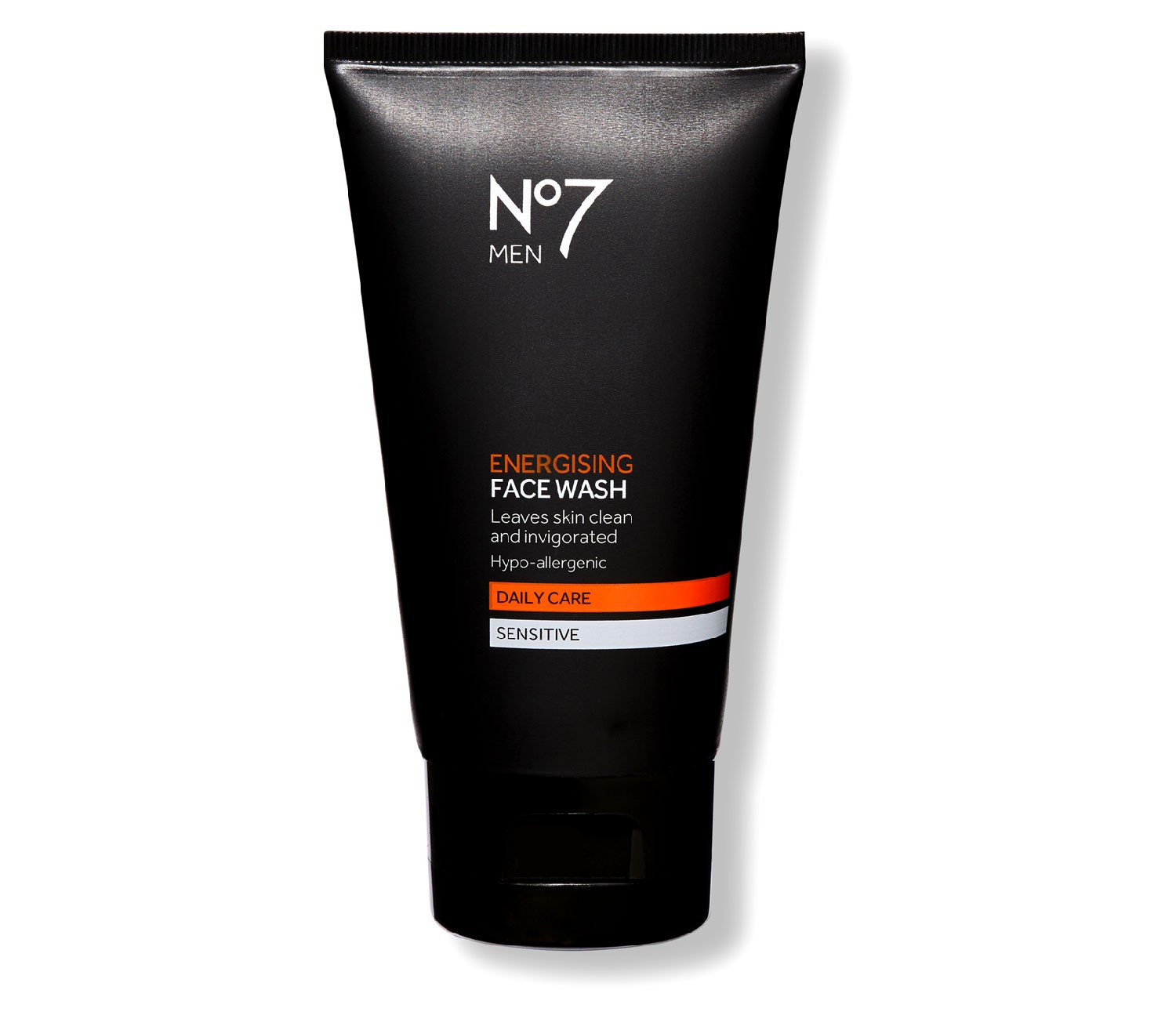
No7
Men Energising Face Wash 150ml
Vitamin C (Ascorbyl Glucoside) · Glycerin · Contains fragrance · Drying alcohol high in list
Other cleansers
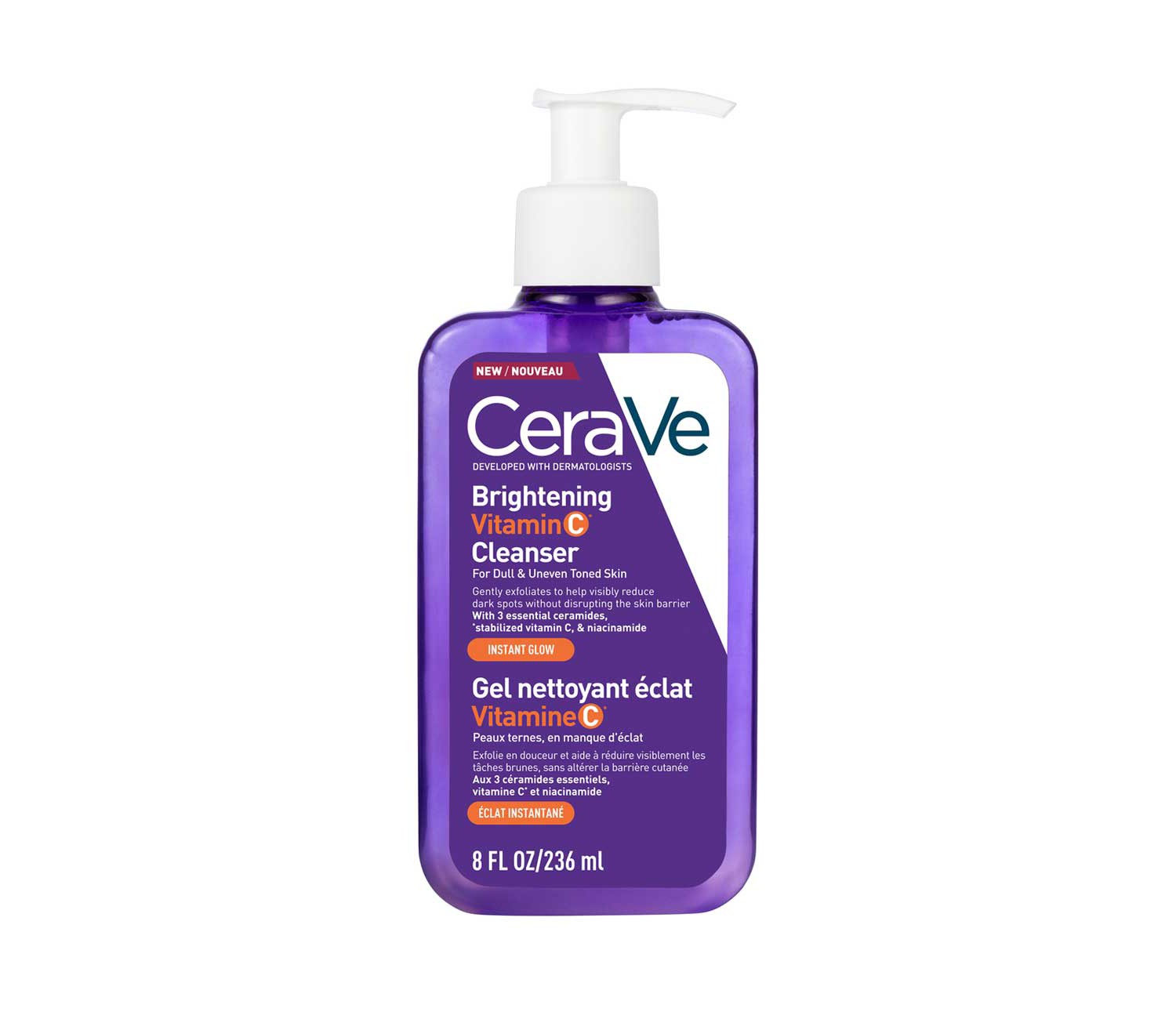
CeraVe
Skin Renewing Brightening Vitamin C Cleanser 236ml
Niacinamide · Lactic Acid · Fragrance-free

L'Oréal Paris
Revitalift Clinical Vitamin C Cleanser 150ml
Vitamin C (Ascorbyl Glucoside) · Panthenol (Pro-Vitamin B5) · Contains fragrance

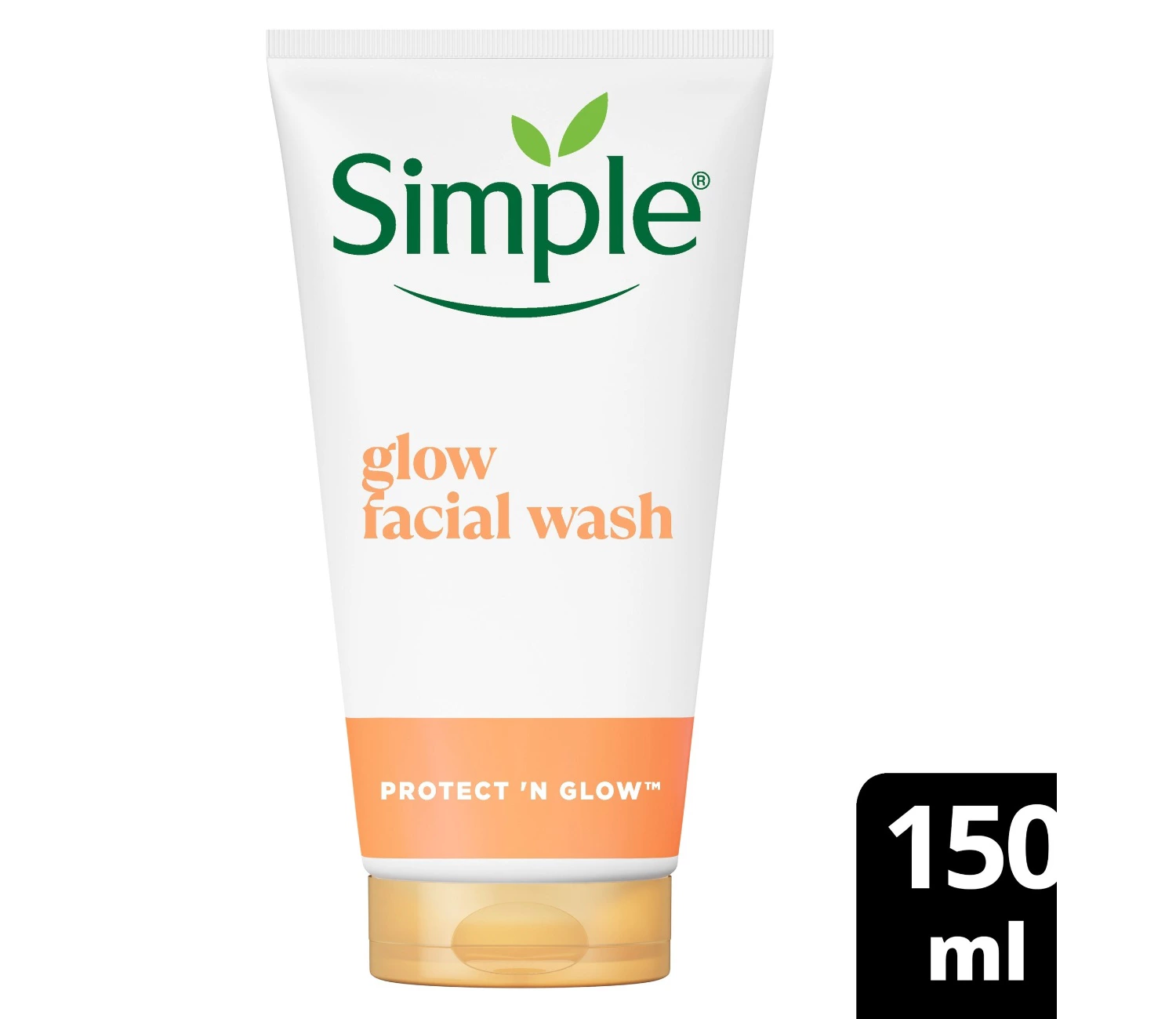
Simple
Clay Polish Cleanser Protect 'N' Glow 150ml
Vitamin C (Sodium Ascorbyl Phosphate) · Panthenol (Pro-Vitamin B5) · Fragrance-free
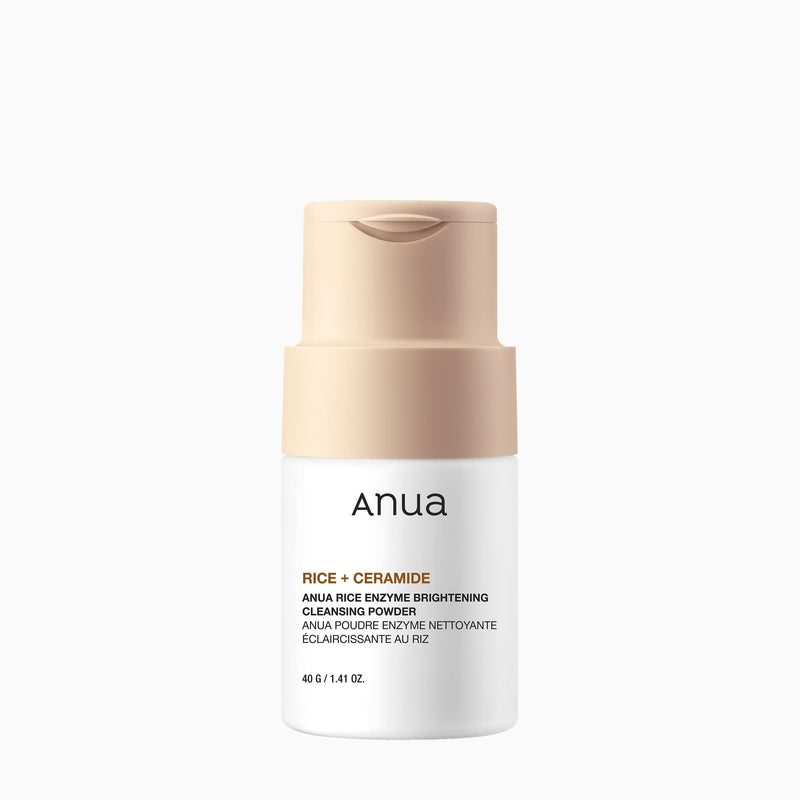
Anua
Rice Enzyme Brightening Cleansing Powder
Allantoin · Vitamin C (Ascorbic Acid) · Fragrance-free
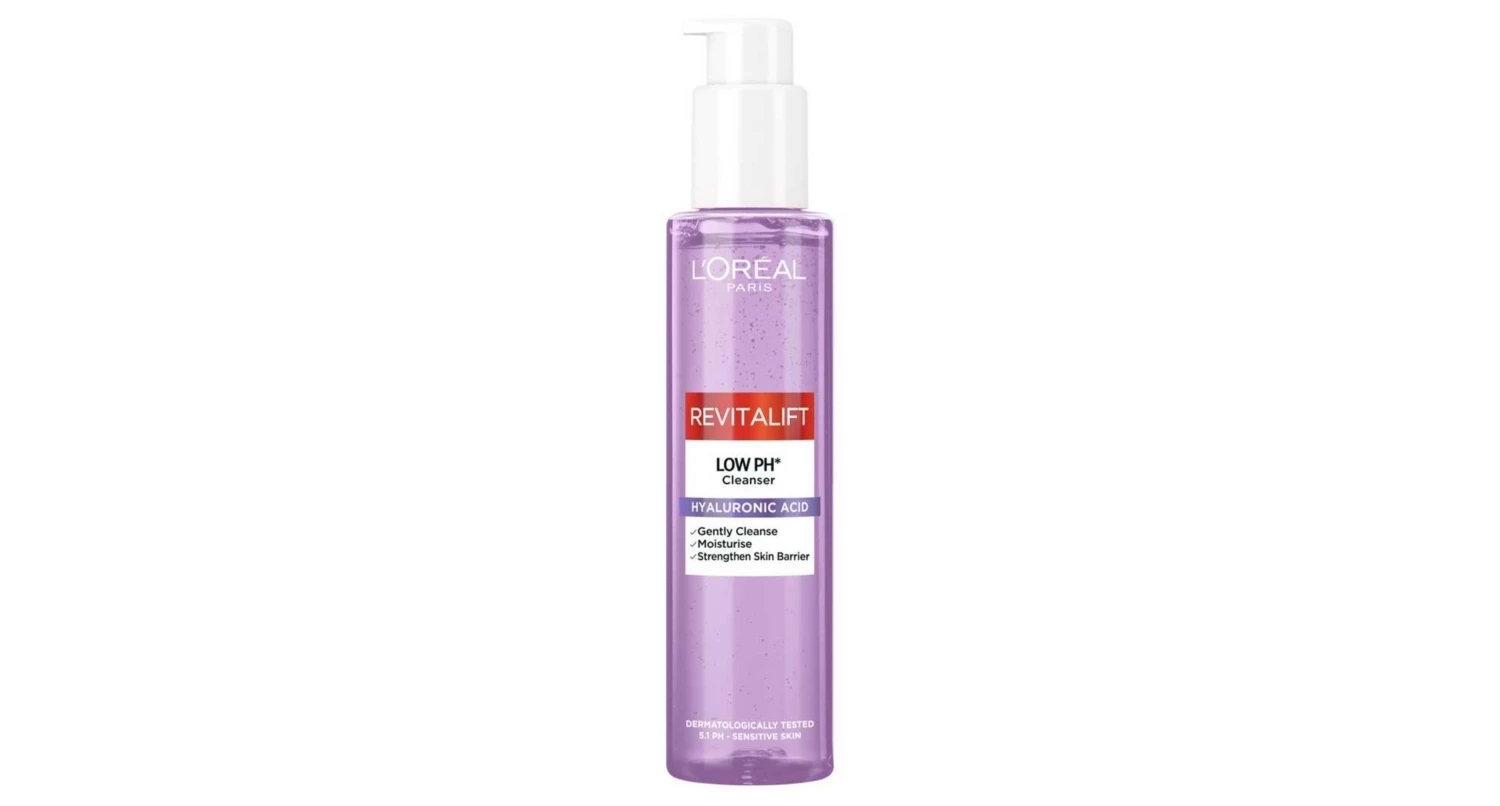
L'Oréal Paris
Revitalift Filler Smoothing Cleanser Hyaluronic Acid 150ml
Hyaluronic Acid · Panthenol (Pro-Vitamin B5) · Contains fragrance
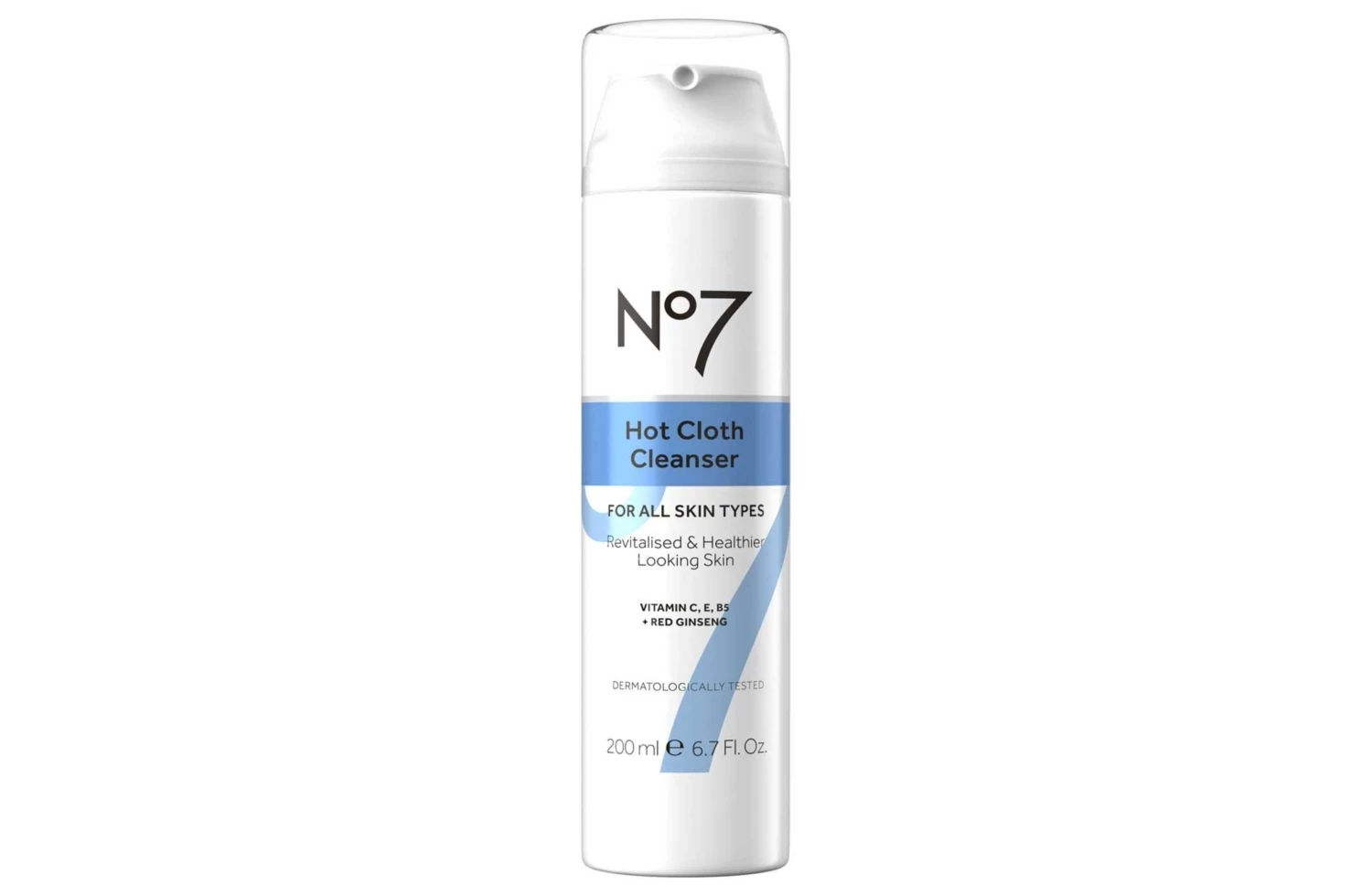
No7
Cleansing Hot Cloth Cleanser 200ml
Shea Butter · Vitamin C (Ascorbyl Glucoside) · Contains fragrance
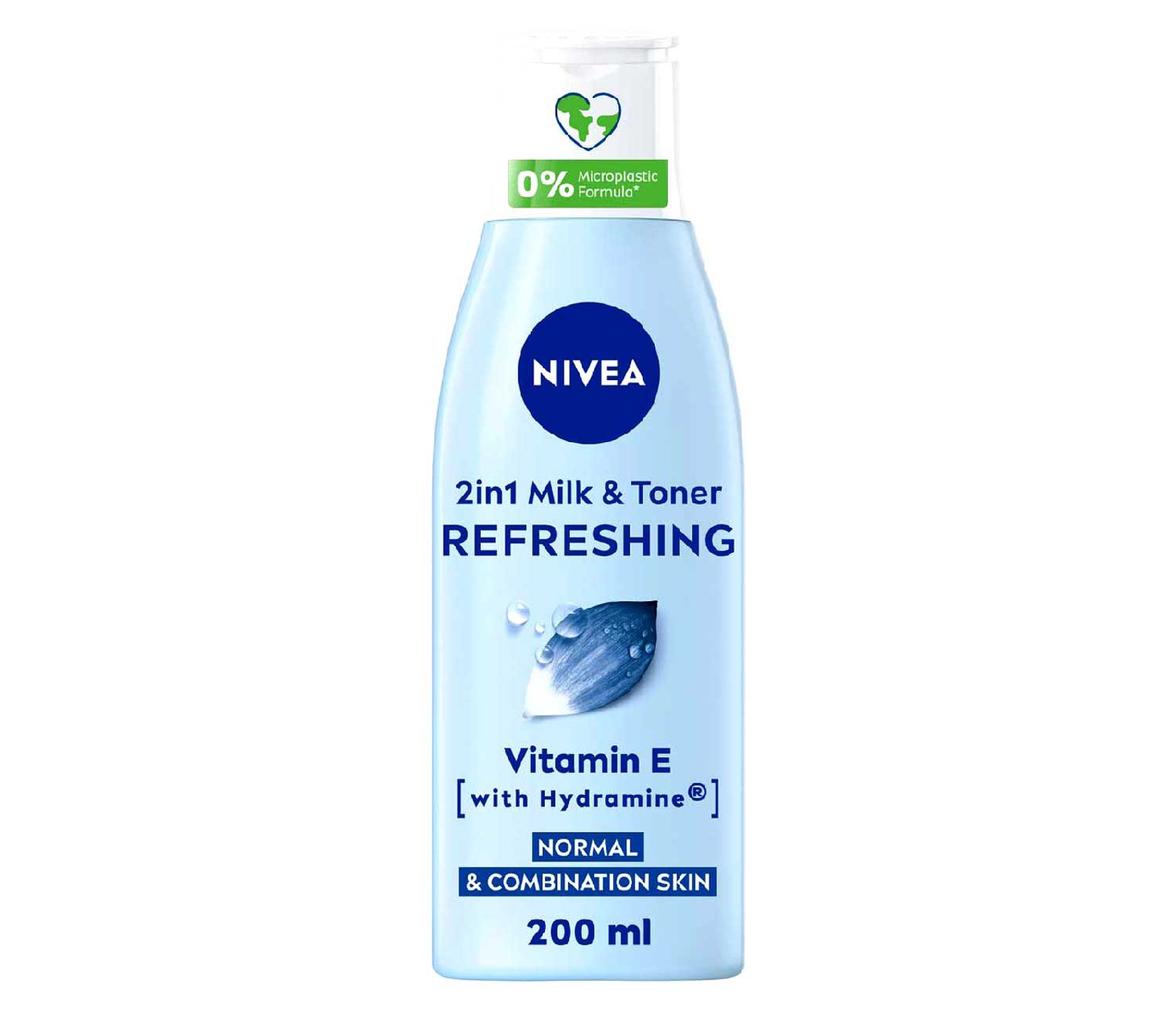
NIVEA
2-in-1 Face Cleanser & Toner, 200ml
Glycerin · Contains fragrance · Drying alcohol high in list

Eucerin
Dermopure Clinical Correcting Cleanser, 400ml
Salicylic Acid · Glycolic Acid · Contains fragrance · Drying alcohol high in list
Compare and narrow down
Best-of lists: Best Gentle Cleansers for Sensitive Skin UK · Best Micellar Waters UK · Best Cleansers for Acne-Prone Skin UK · Best Fungal Acne Safe Cleansers UK · Best Fungal Acne Safe Fragrance-Free Cleansers UK
Guides: Skincare for Acne & Breakouts · Skincare for Sensitive Skin · Skin Barrier Repair: Ingredients & Products
Key ingredients in cleansers
Common questions
How often should I wash my face?
Twice a day is enough for most people: in the evening to remove sunscreen and make-up, and in the morning if your skin feels oily. Dry or sensitive skin may only need water or a very gentle cleanser in the morning.
Is micellar water enough to clean my face?
It removes light make-up and sunscreen well. For heavy or waterproof make-up, many people follow it with a gentle wash. Rinsing afterwards is a good idea if your skin is sensitive.
Are foaming cleansers bad for your skin?
Not by themselves. Foam comes from surfactants, and many modern ones are mild. Strong sulfates such as sodium lauryl sulfate are the ones more likely to leave skin tight and dry.
How many cleansers are fragrance-free?
Of the 156 cleansers on this page with a full ingredient list, 96 (62%) contain no fragrance (parfum), essential oils or declared fragrance allergens. Each product card says whether it is fragrance-free.
Browse by brand: Anua · Beauty of Joseon · Bioderma · BYOMA · CeraVe · Clinique · COSRX · Dr.Jart+ · Estée Lauder · Eucerin · Garnier · L'Oréal Paris · La Roche-Posay · Medik8 · Neutrogena · NIVEA · No7 · Simple · The INKEY List · The Ordinary
Product details come from each product's published ingredient list, not from testing. Groupings are based on product names and headline ingredients.