
Clinique
UV Solutions Brightening + Tinted Sunscreen SPF 50
Niacinamide · Hyaluronic Acid · Mineral + chemical filters · Fragrance-free

Sunscreen protects everything else your routine does.
SPF measures protection from UVB, the rays that burn; protection from UVA, which drives ageing and dark spots, is shown in the UK by a UVA logo or star rating. Every product below has its full ingredient list checked, so you can see its UV filters and whether it contains fragrance or alcohol.
We cover 115 sunscreens from 18 brands. Of the 115 with a full ingredient list, 43 (37%) are fragrance-free: no parfum, essential oils or declared fragrance allergens. 48 (42%) list drying alcohol (alcohol denat.) among the first eight ingredients. 1 use only mineral filters, 85 only chemical filters and 29 a mix of both. The ingredients they headline most often are Glycerin, Hyaluronic Acid and Niacinamide.
Jump to: Tinted sunscreens (19) · Sun sticks and sprays (9) · Kids, body and sport sunscreens (5) · Dedicated face sunscreens (33) · Moisturisers and day creams with SPF (49)
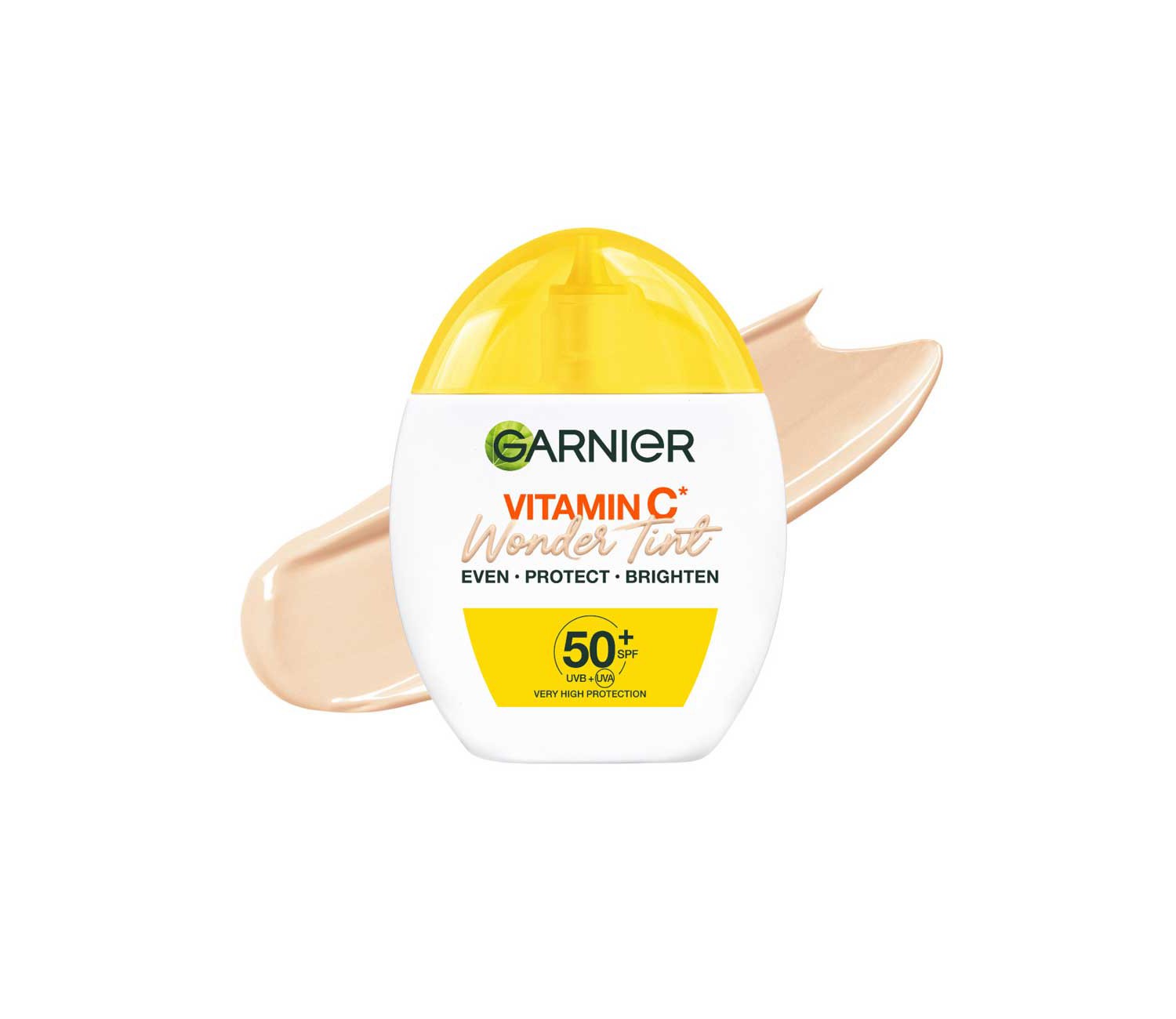
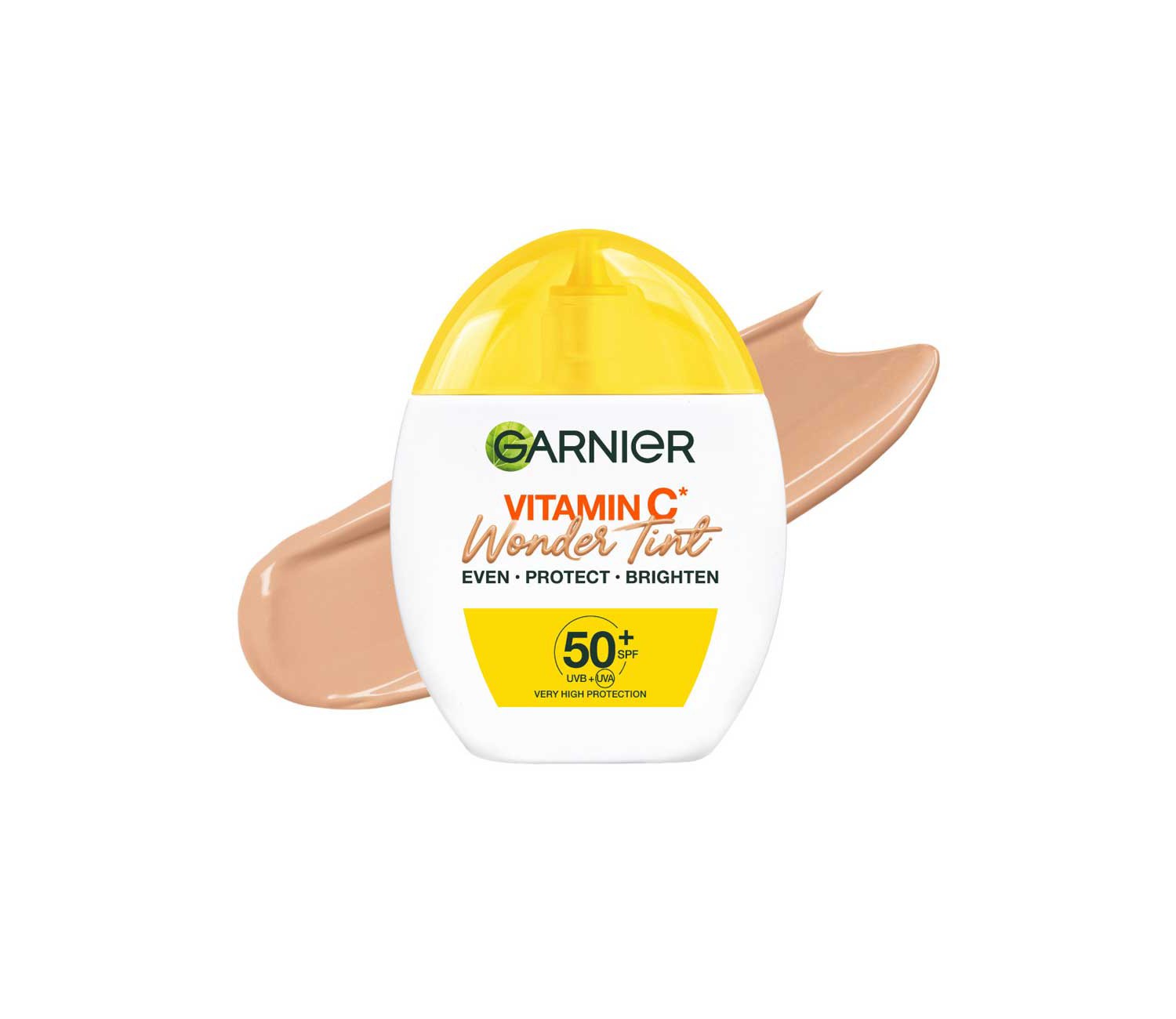
Sunscreens with a skin tint, which also helps hide a white cast.
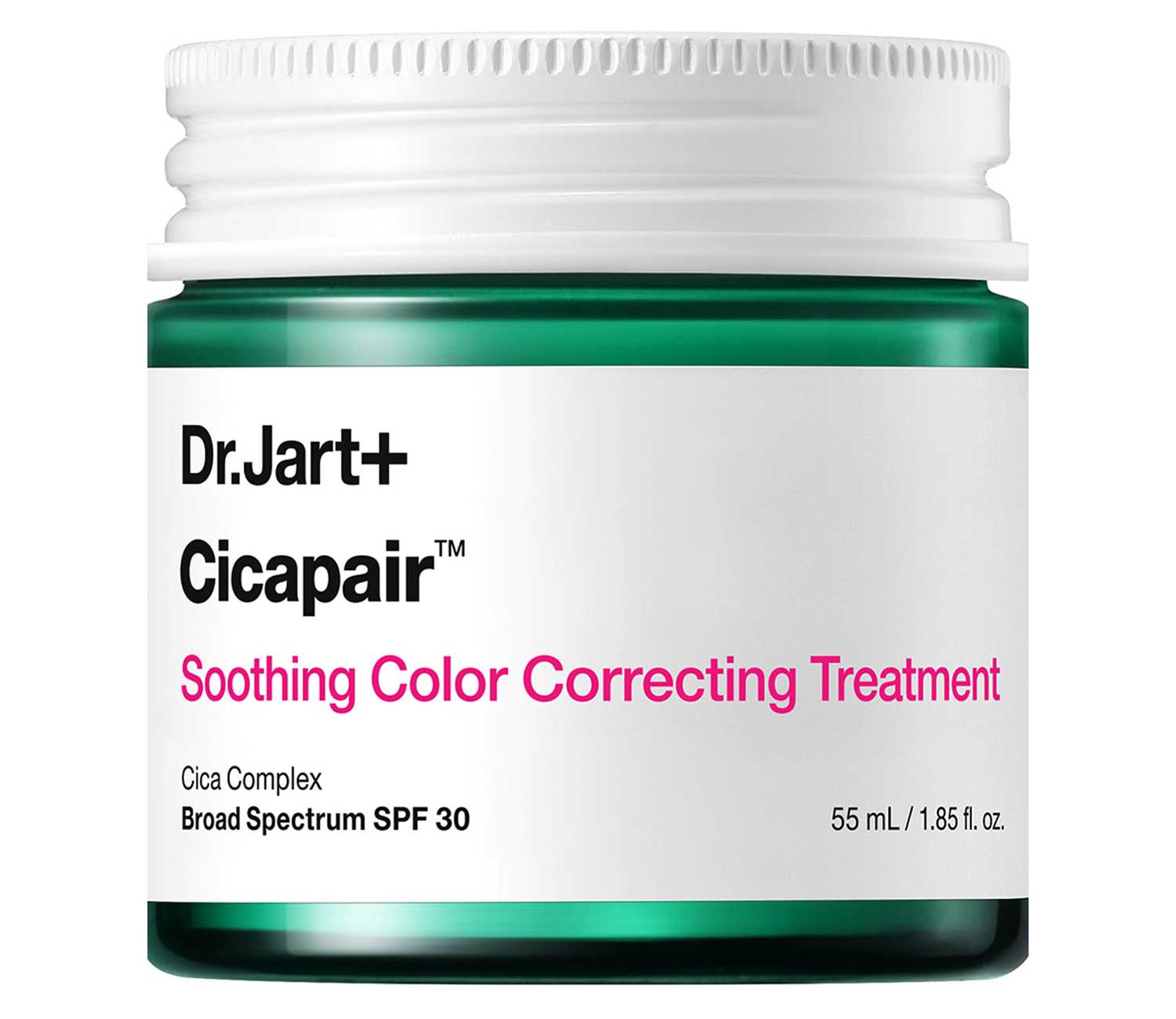

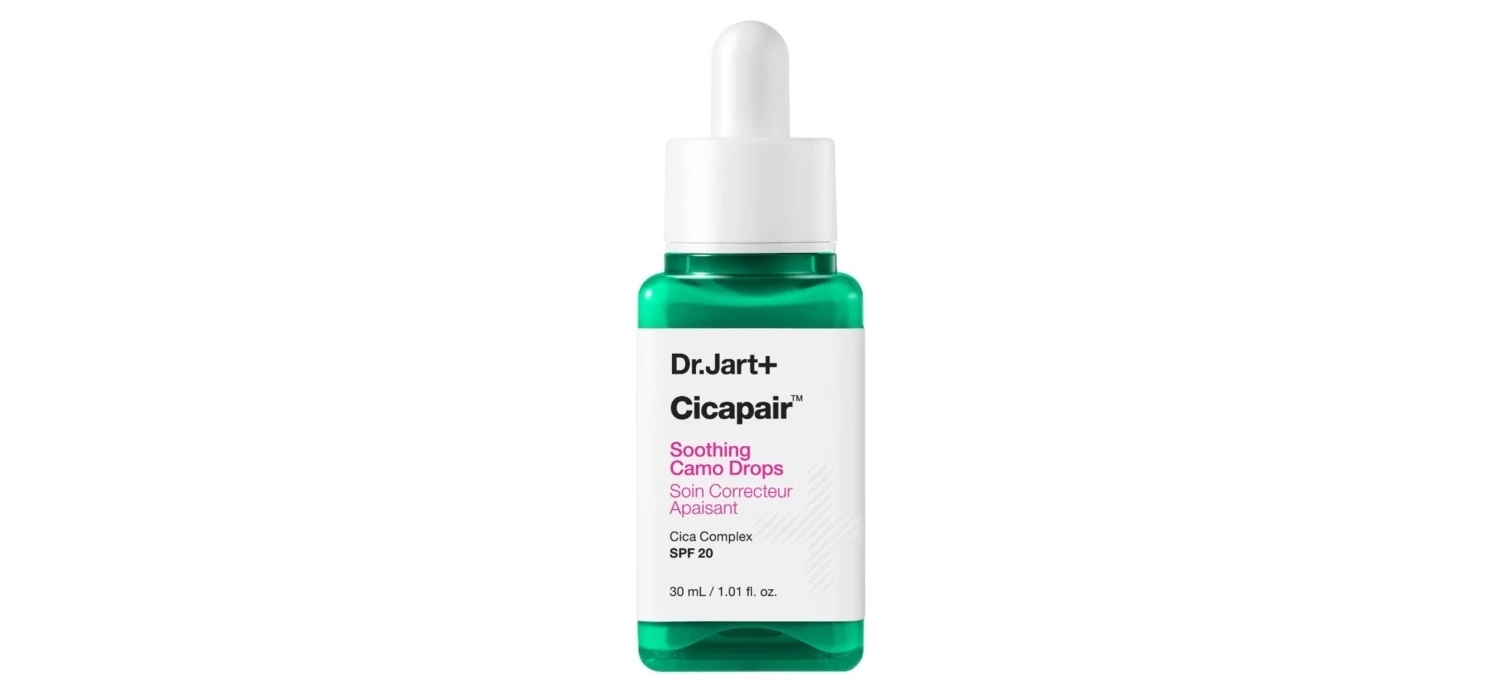


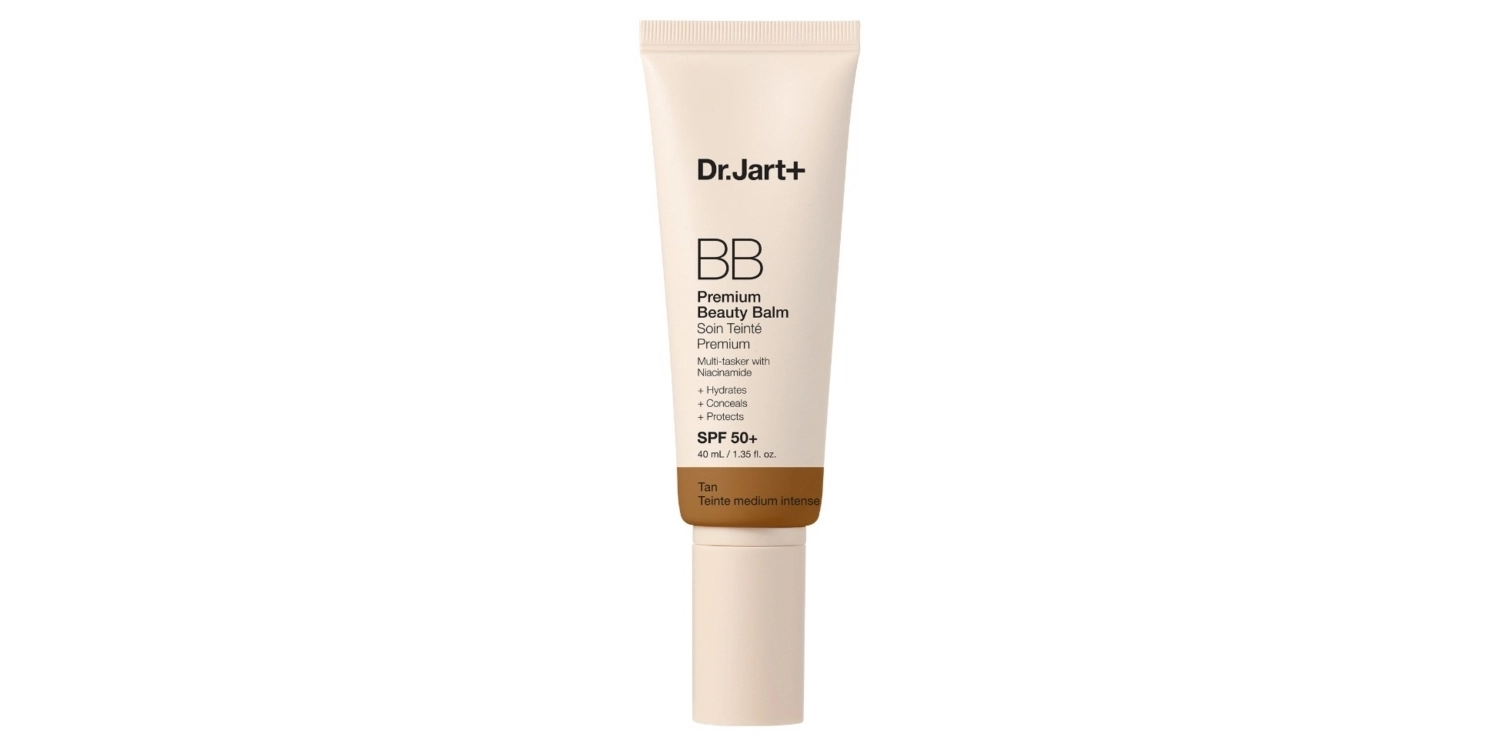
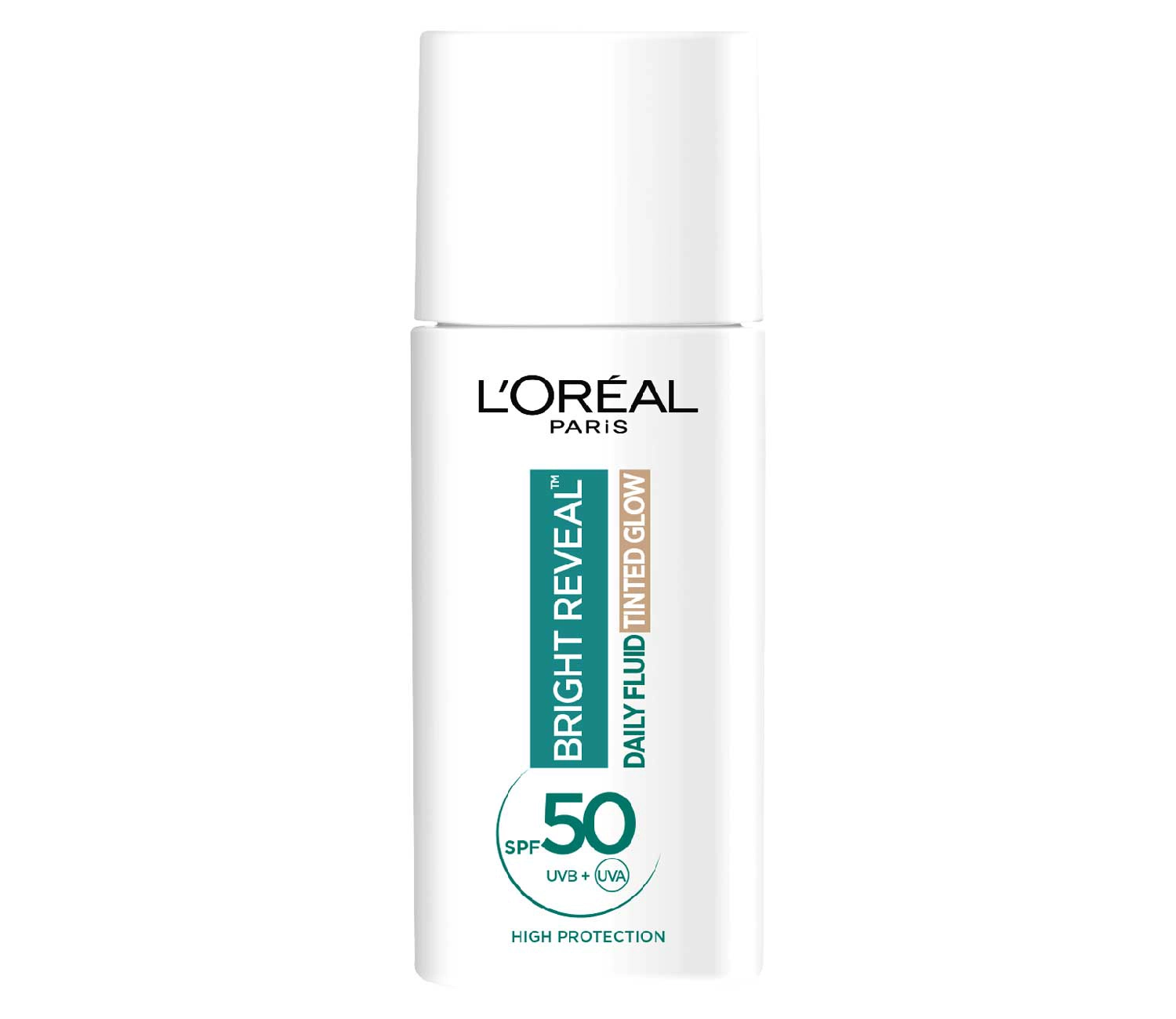
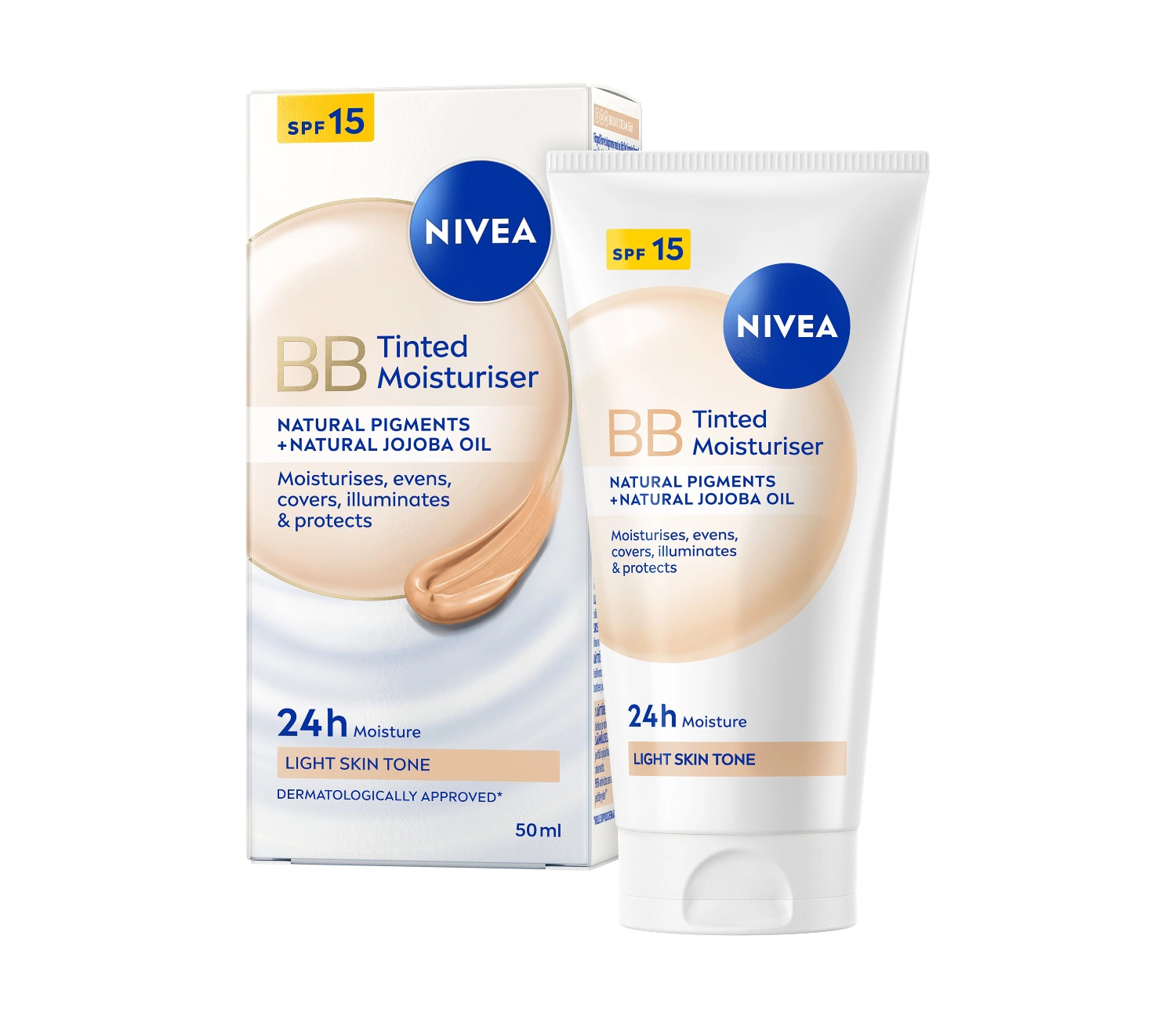
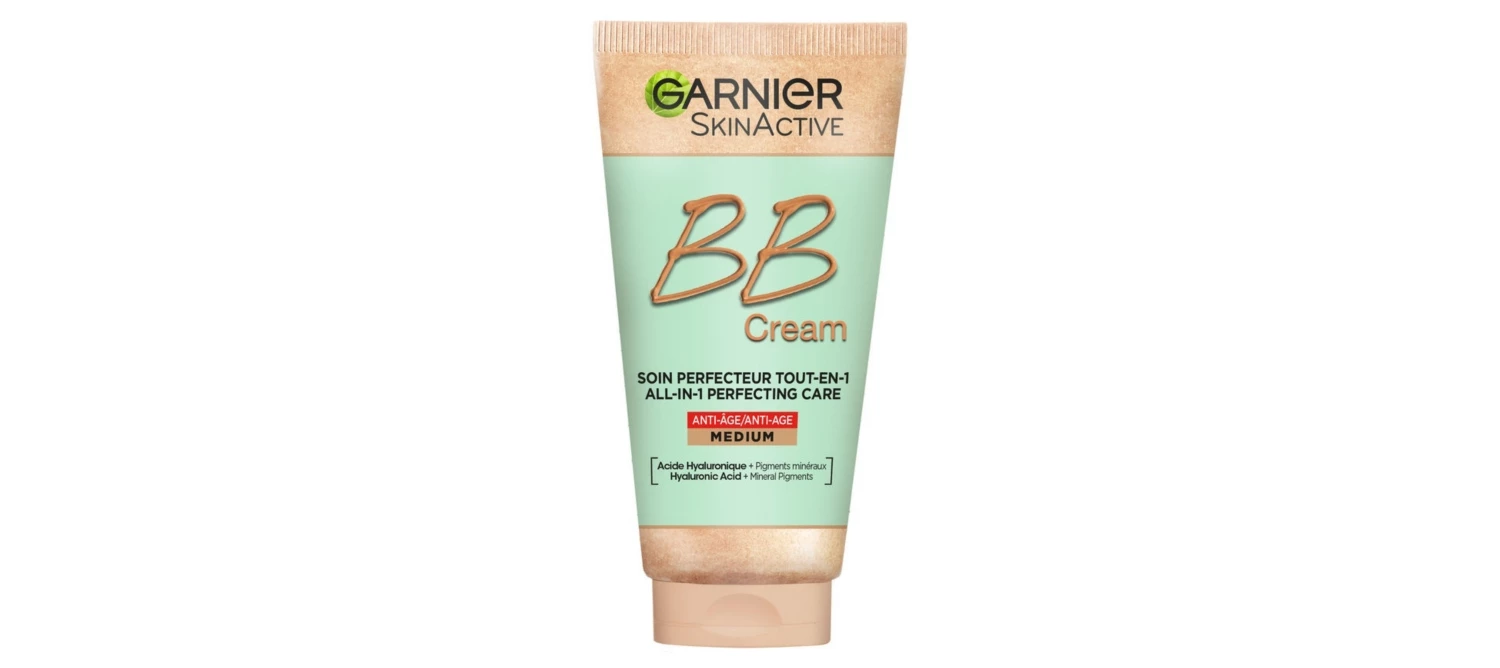
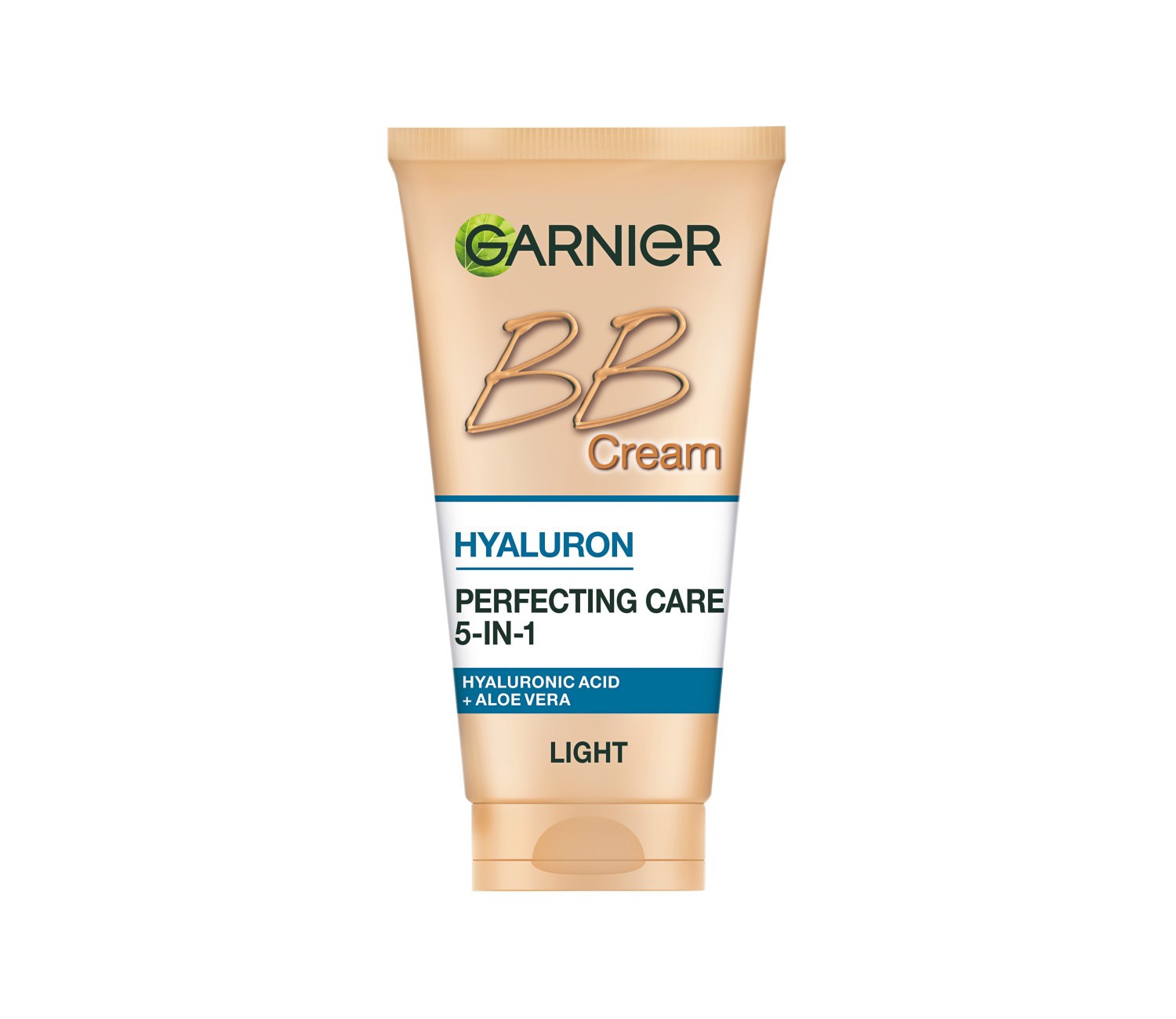

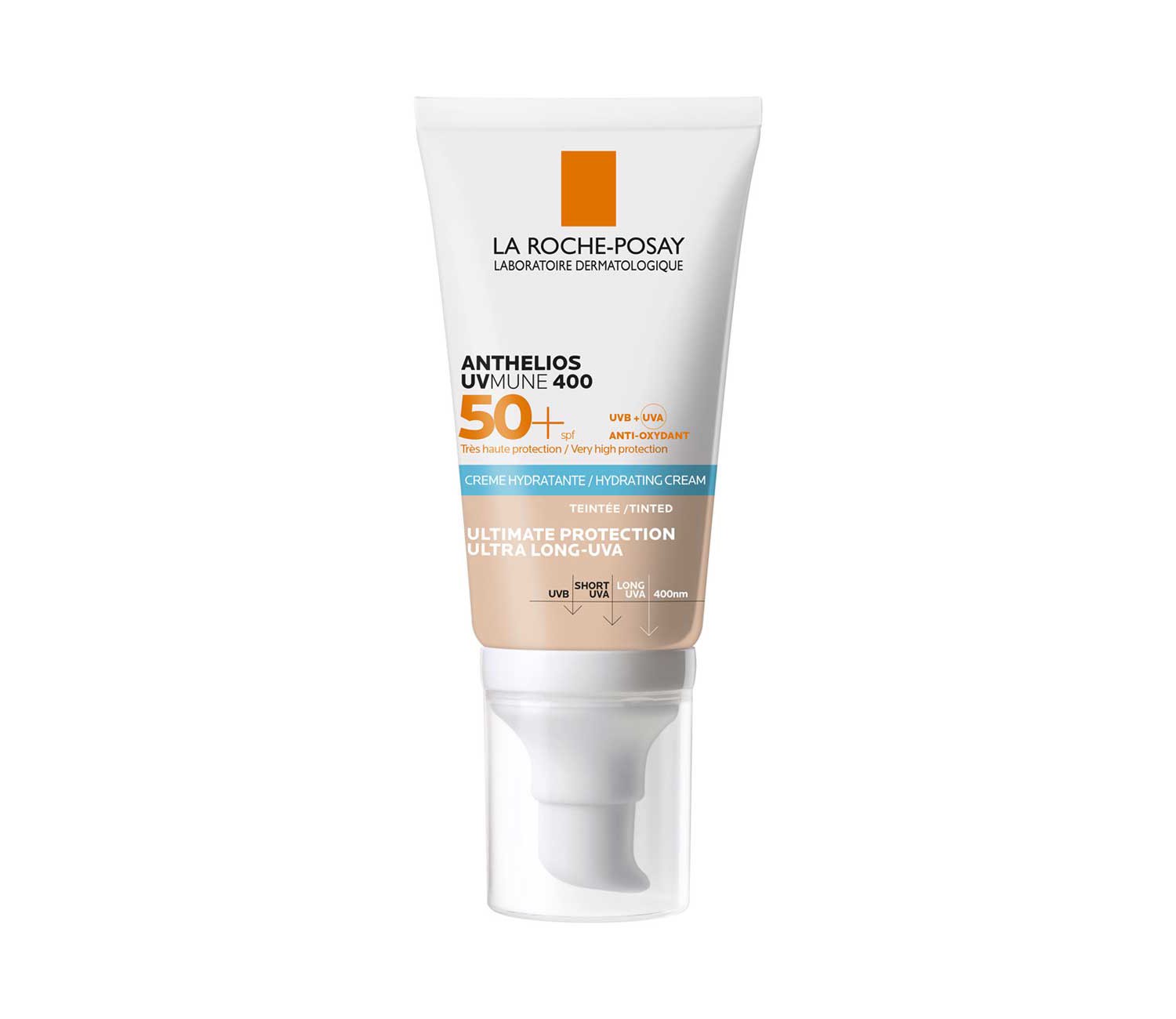
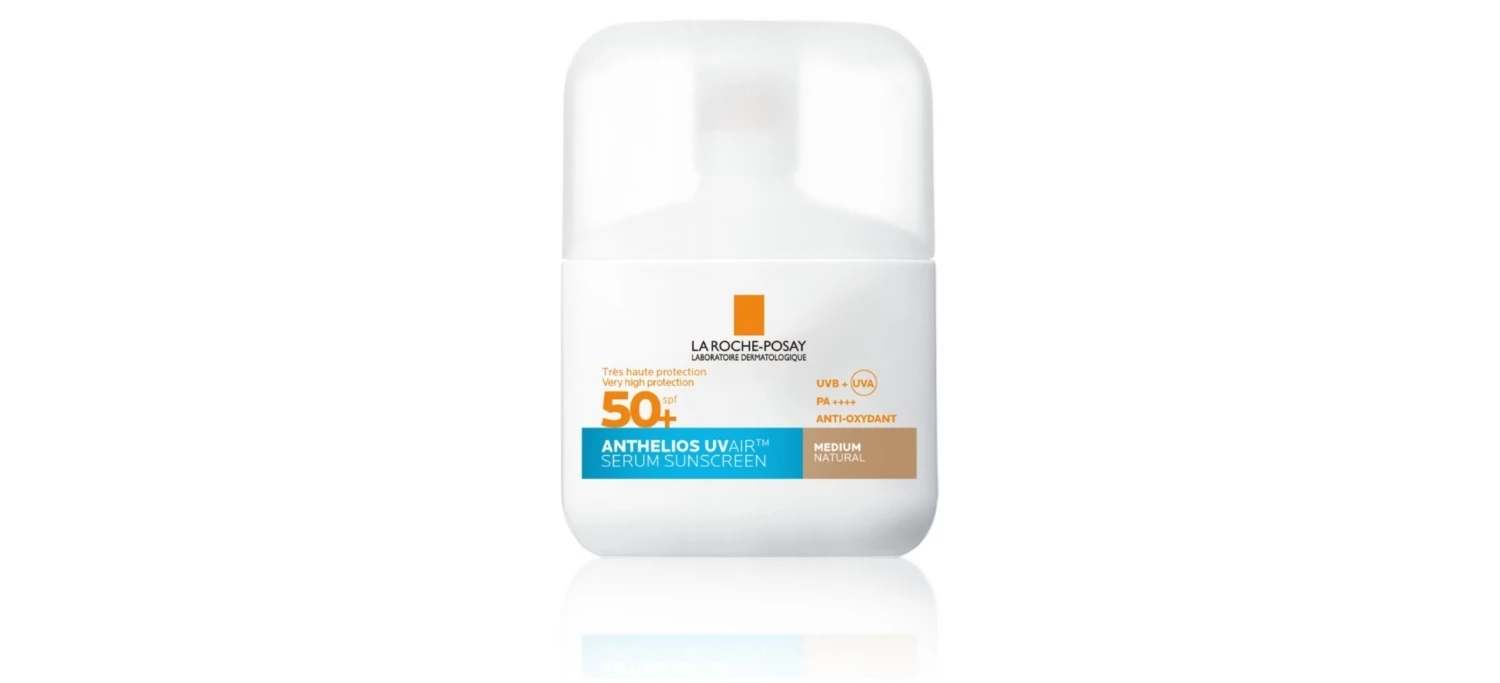
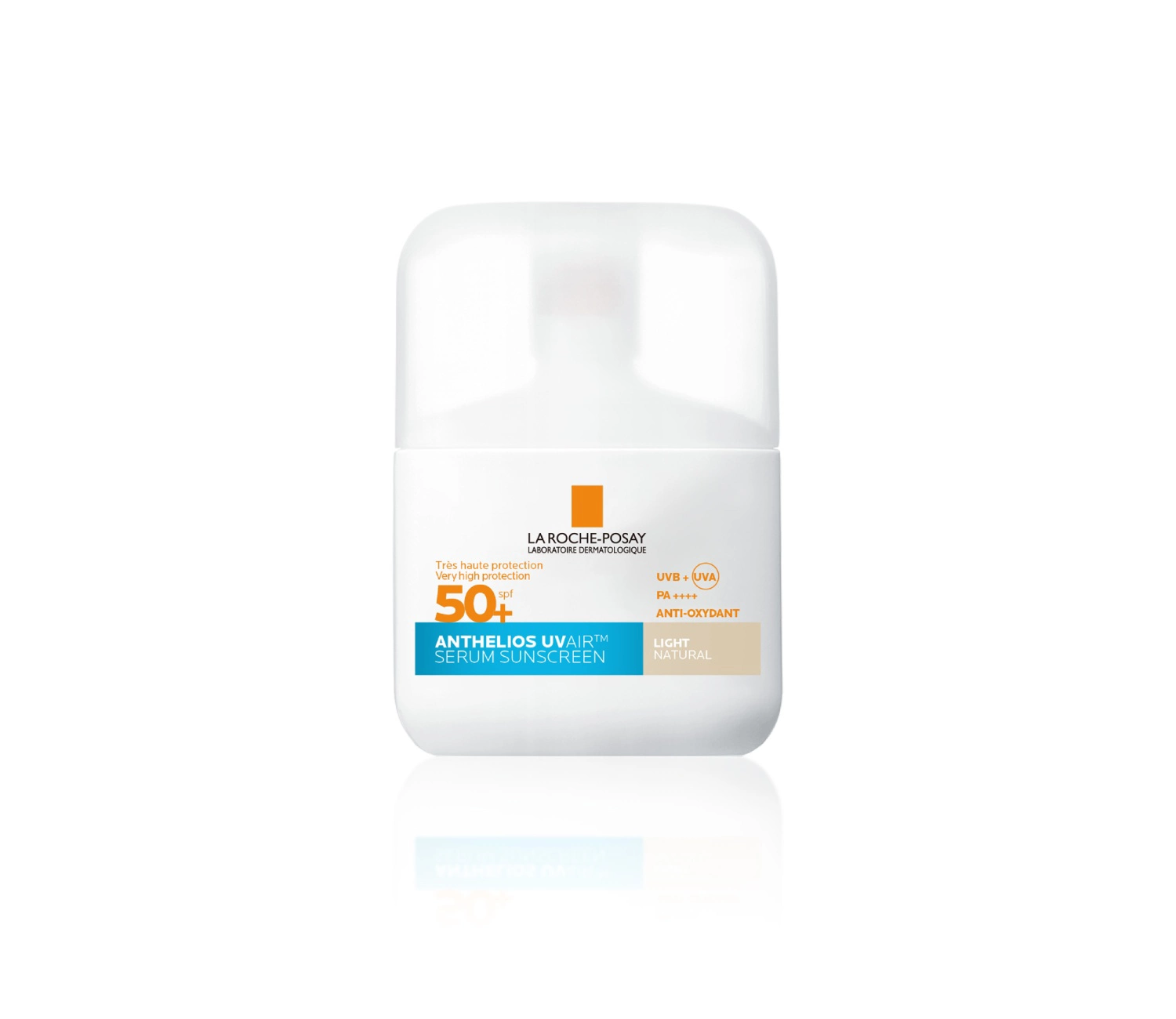
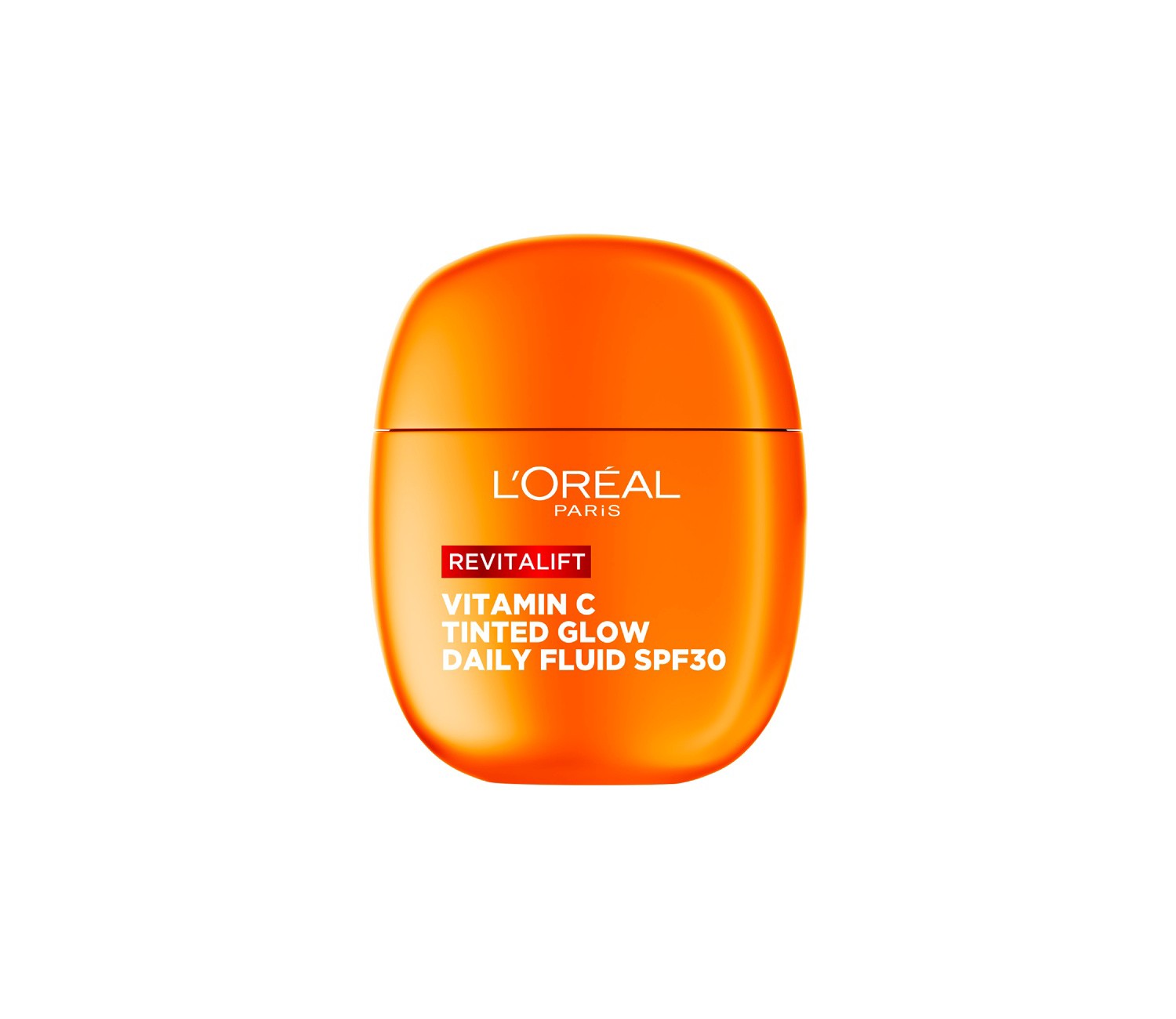
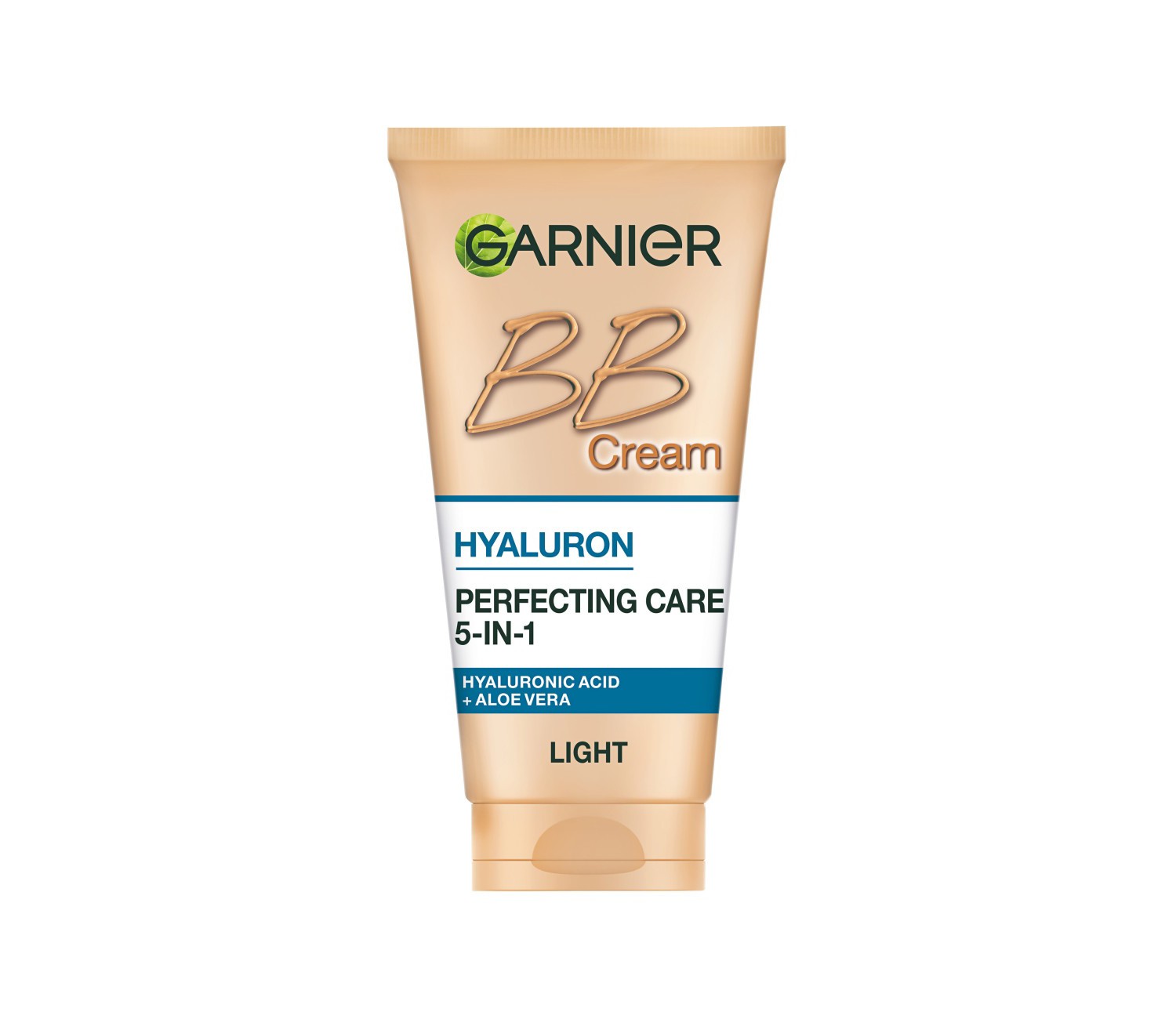
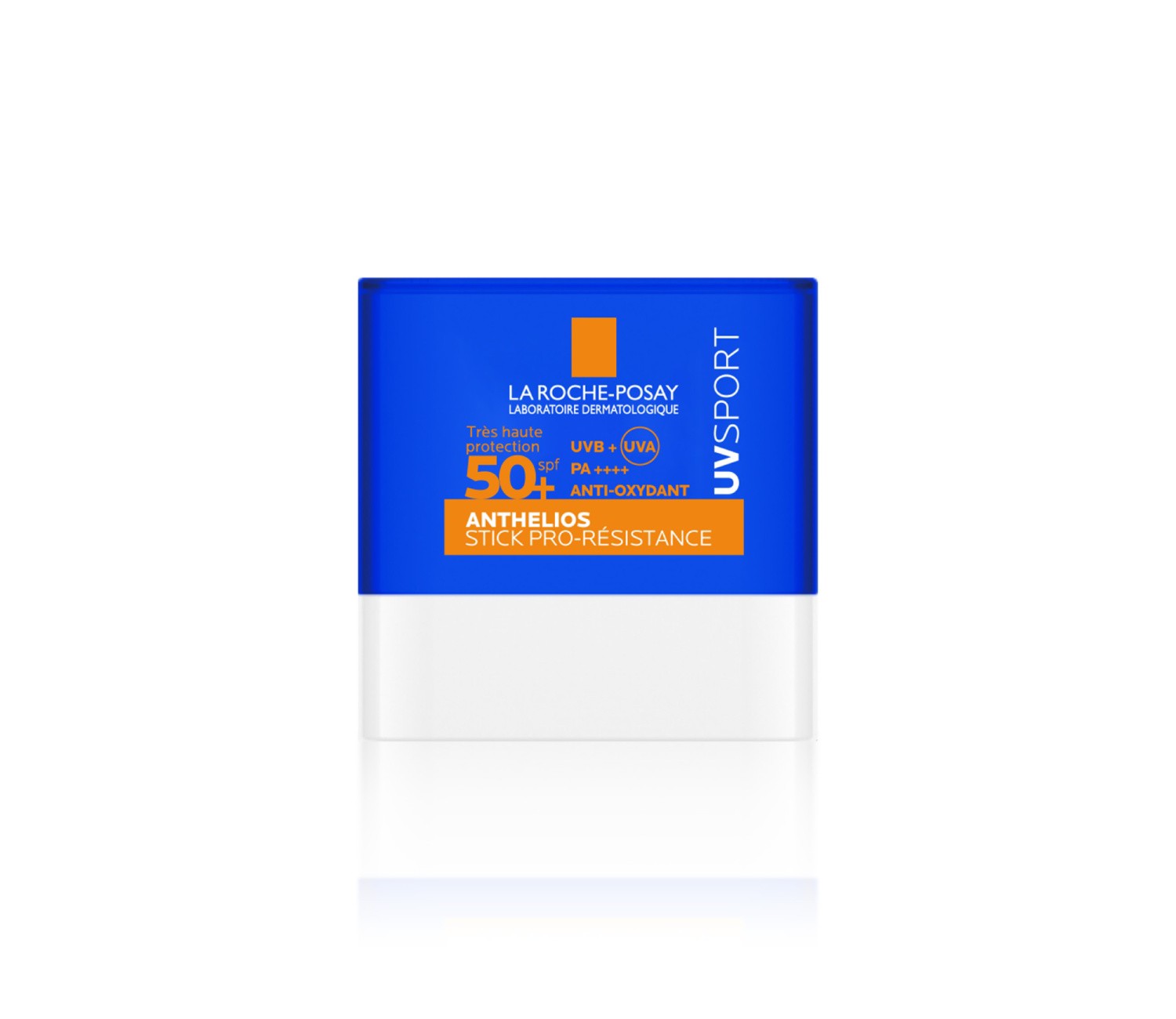
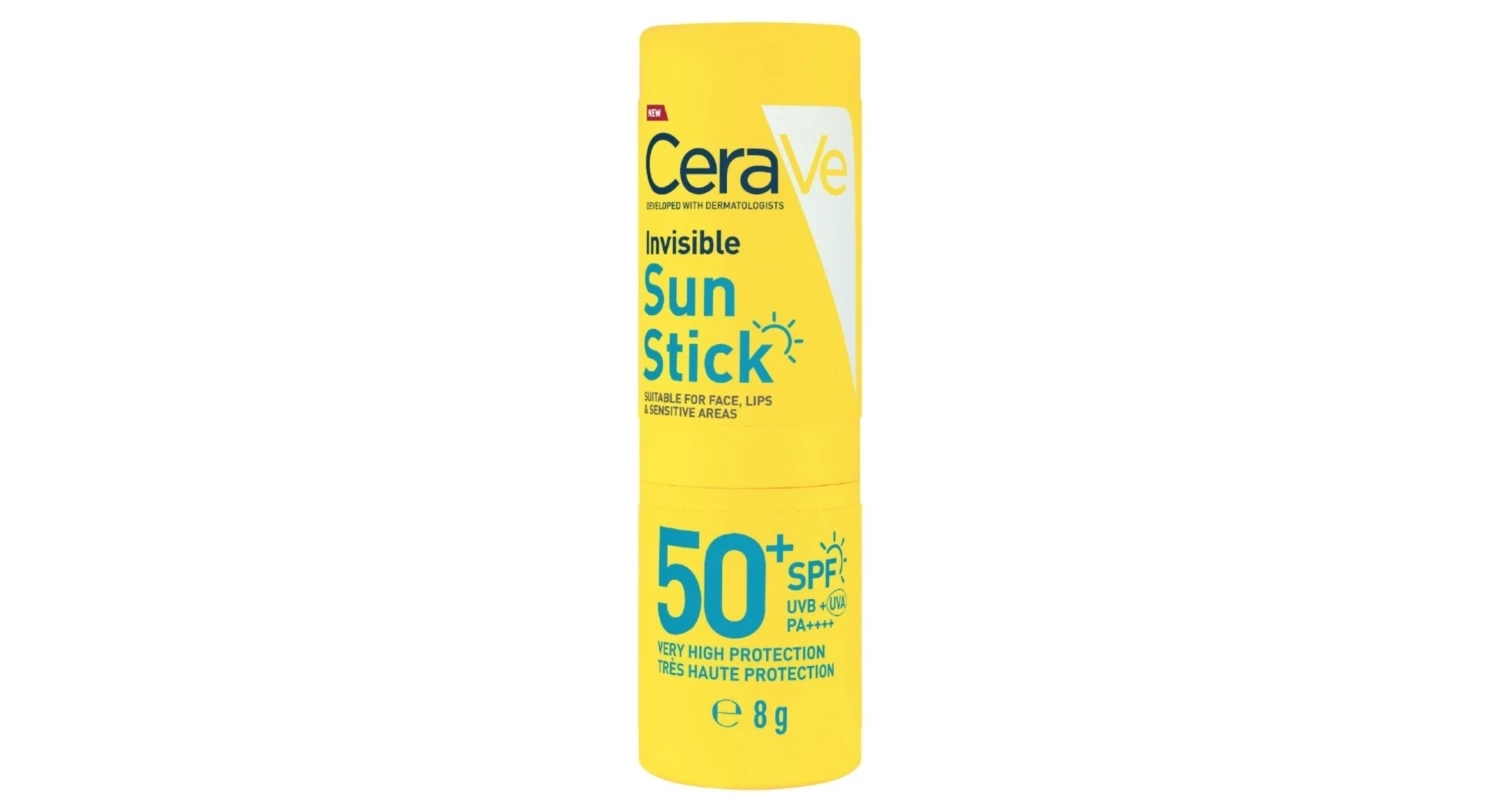
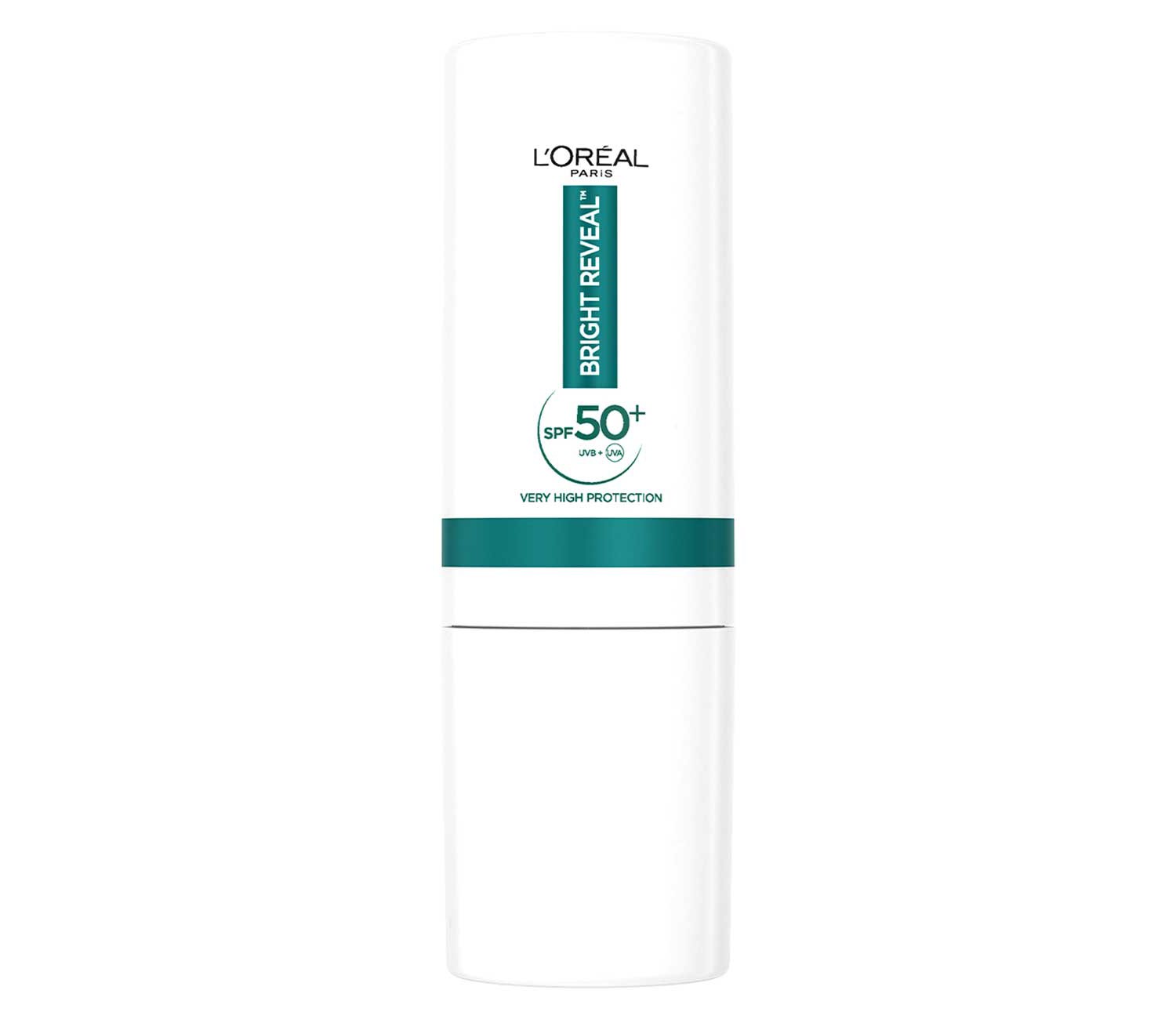
Easy to reapply over the day, though hard to apply thickly enough on their own.
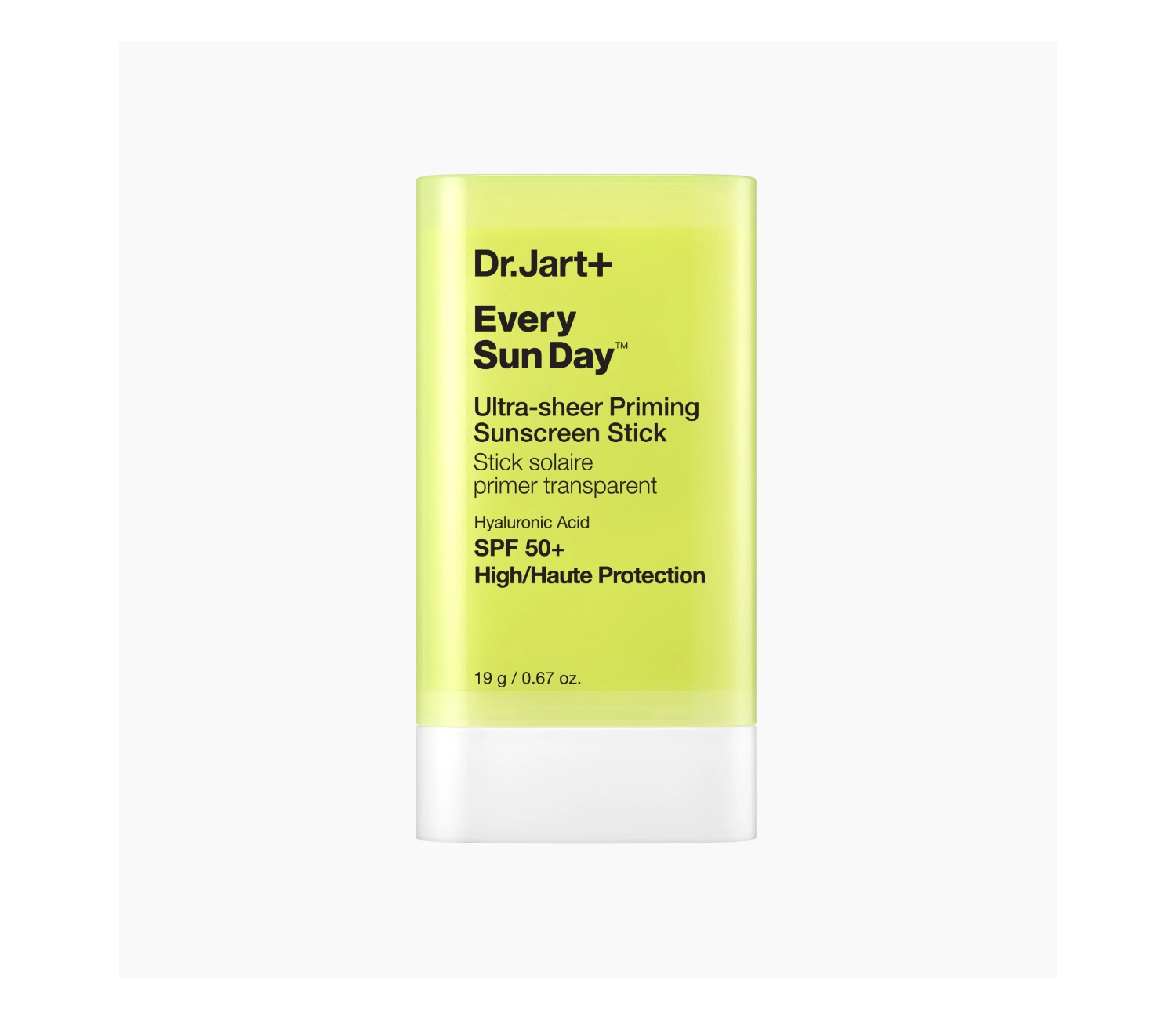
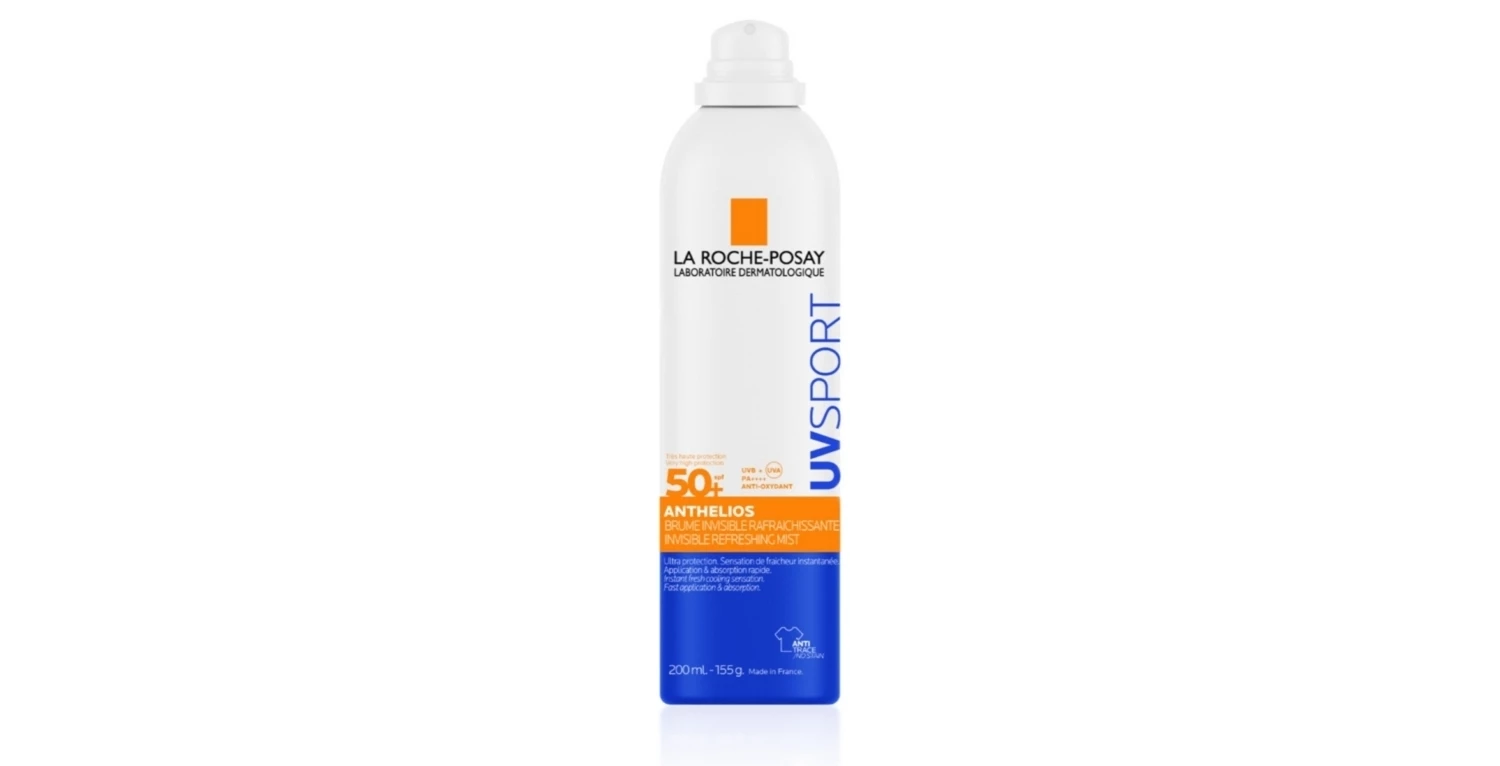
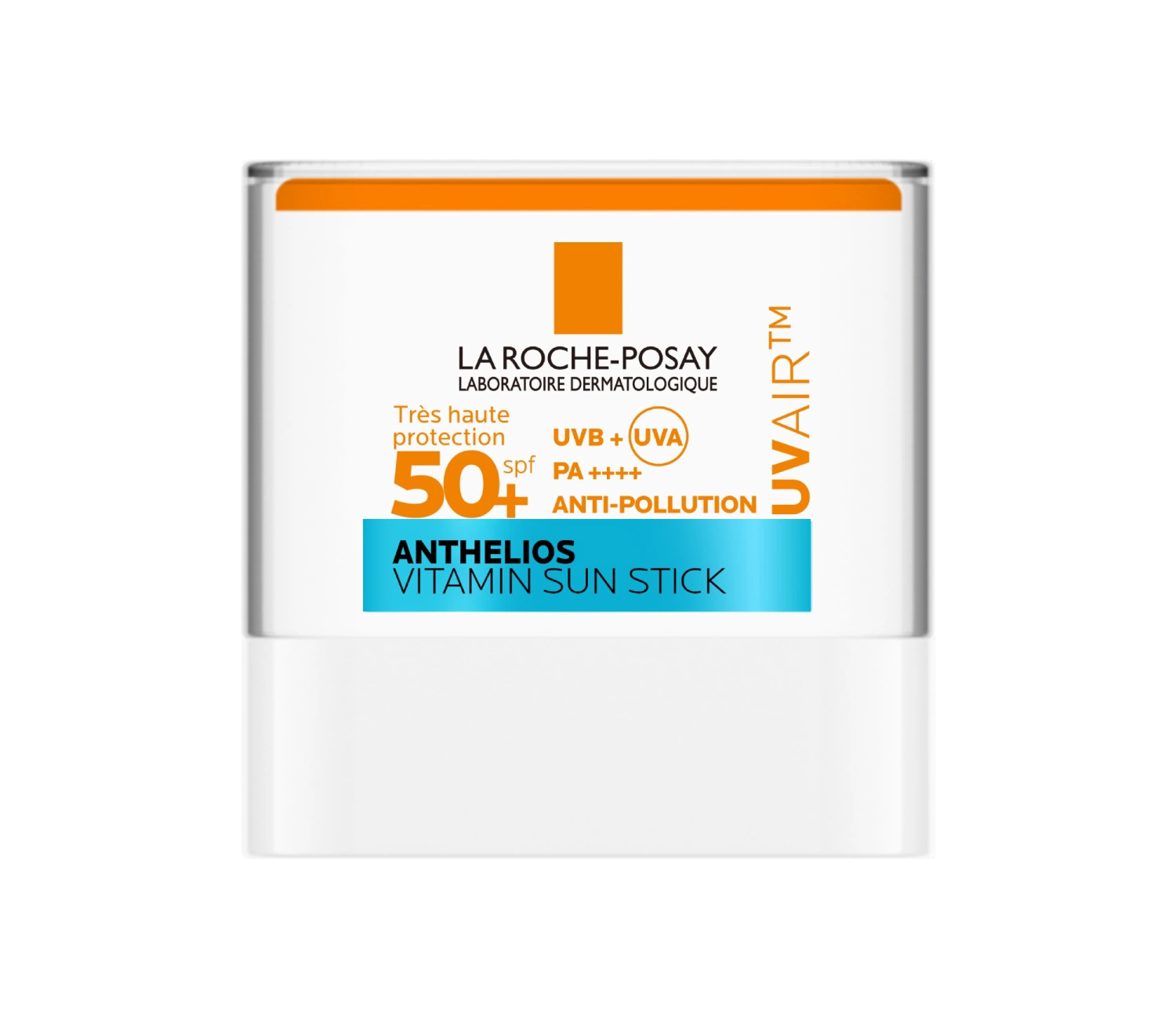
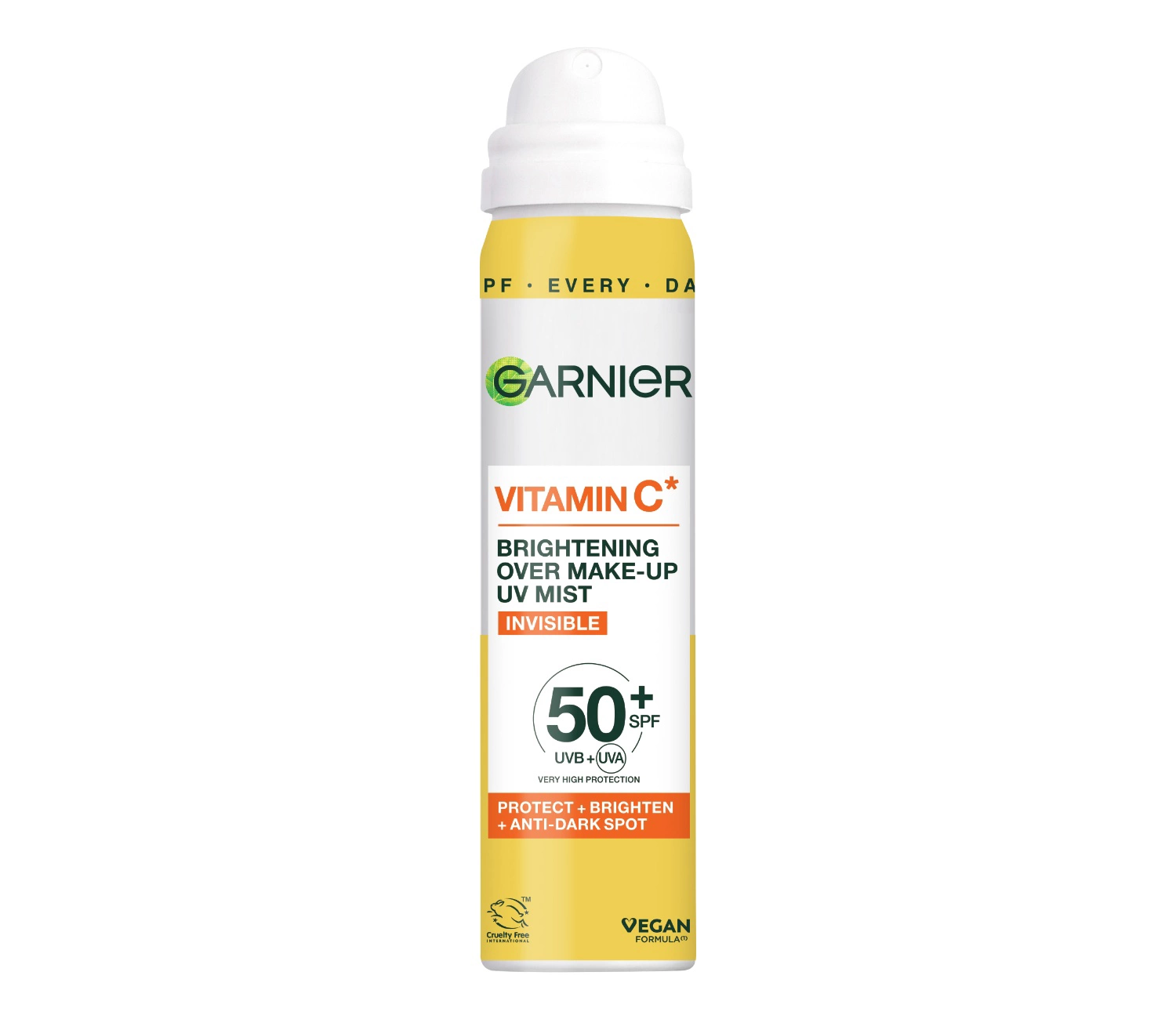
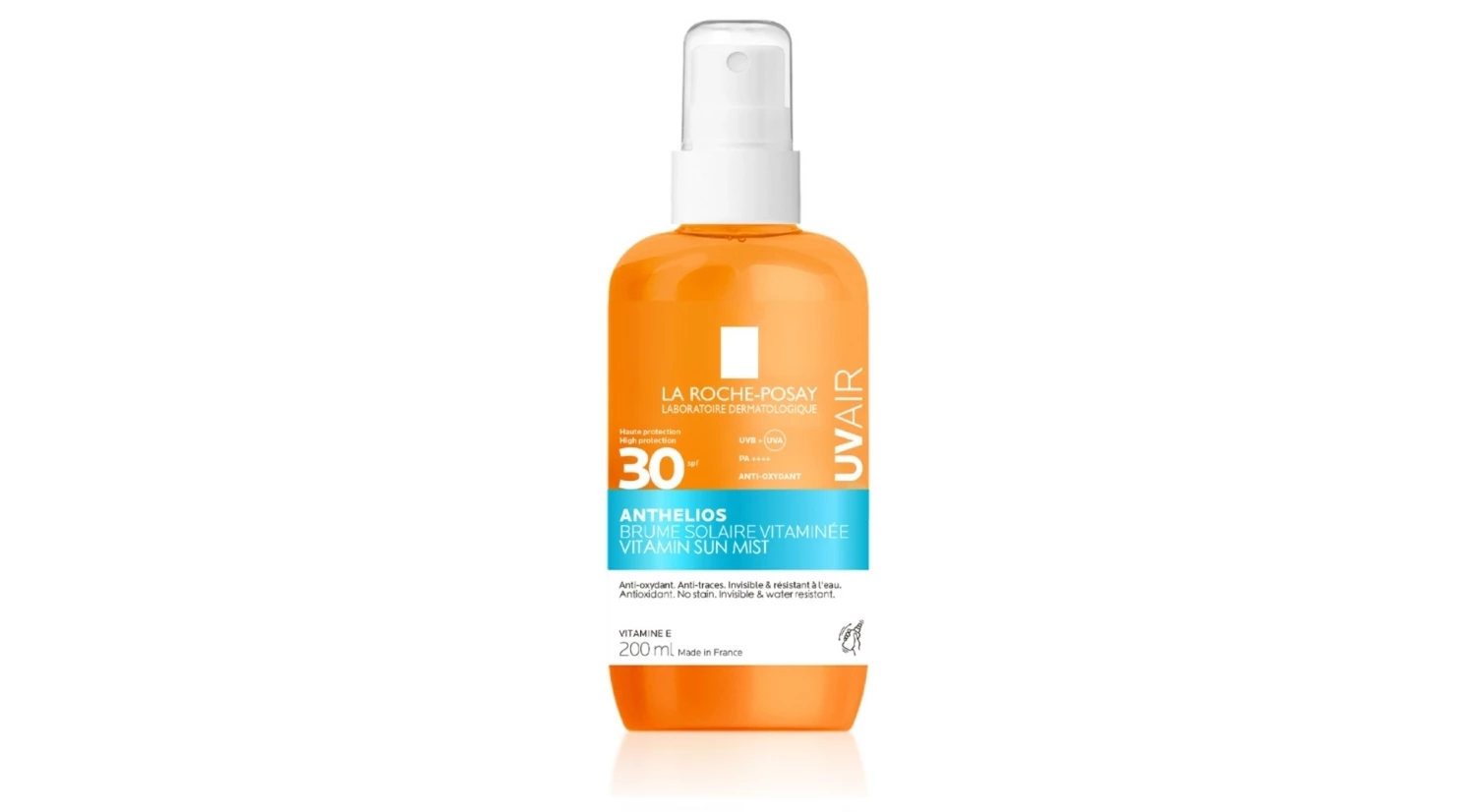
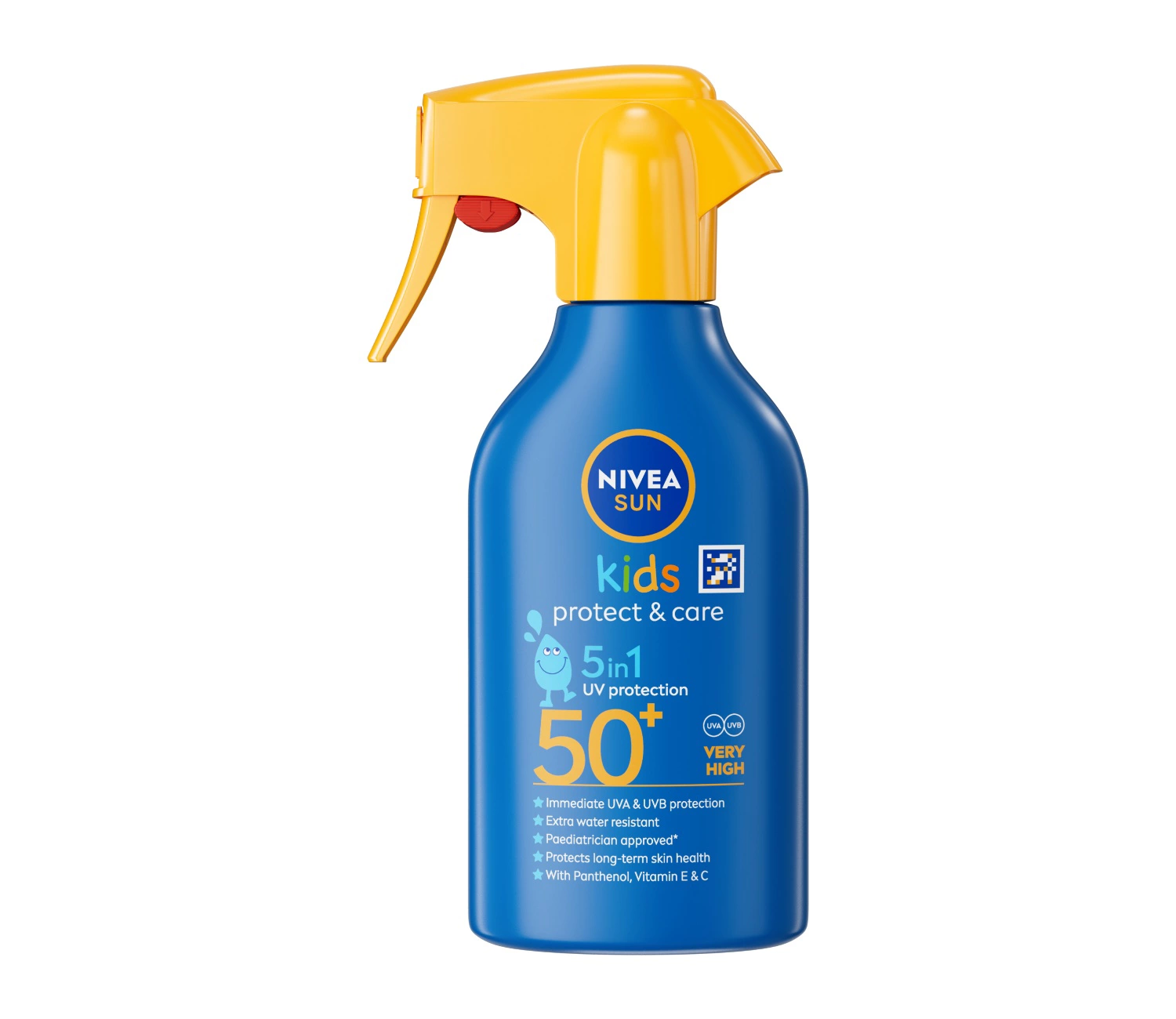
Larger formats and water-resistant formulas for outdoors.
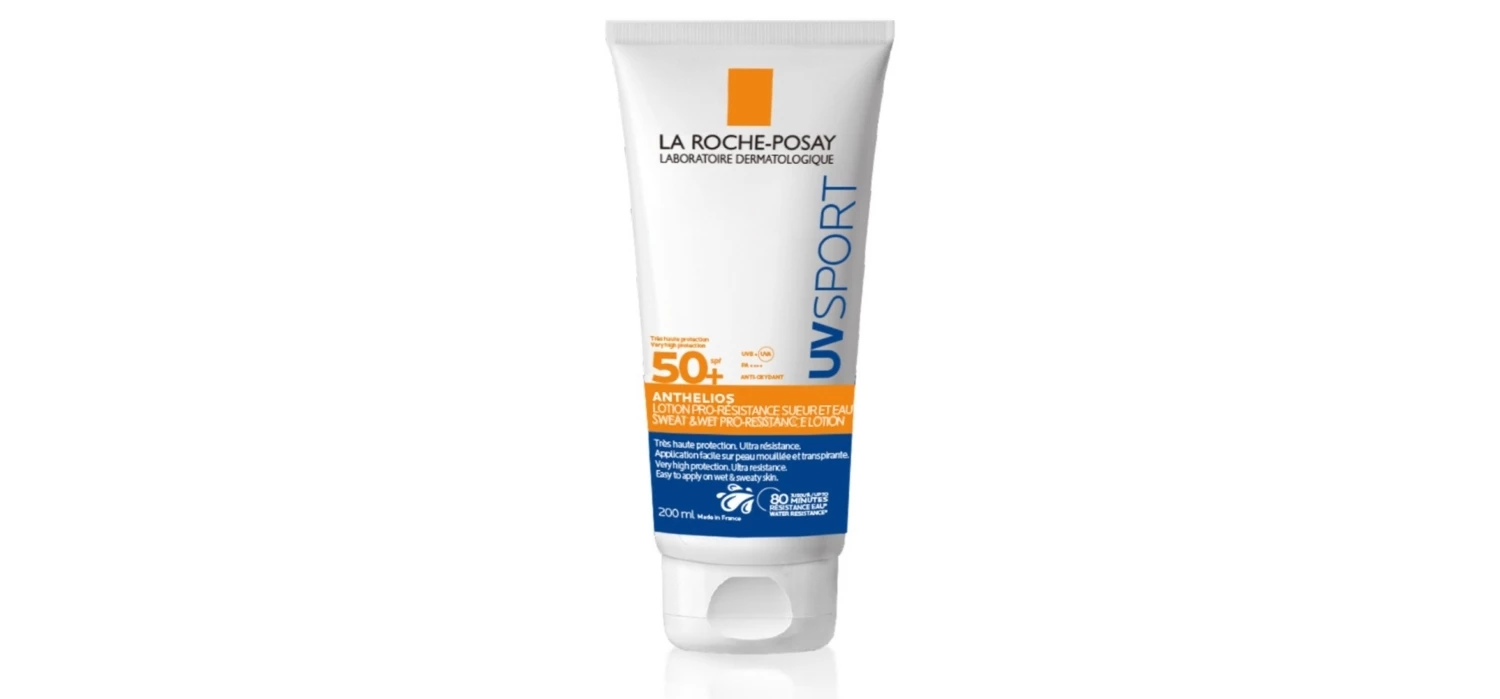
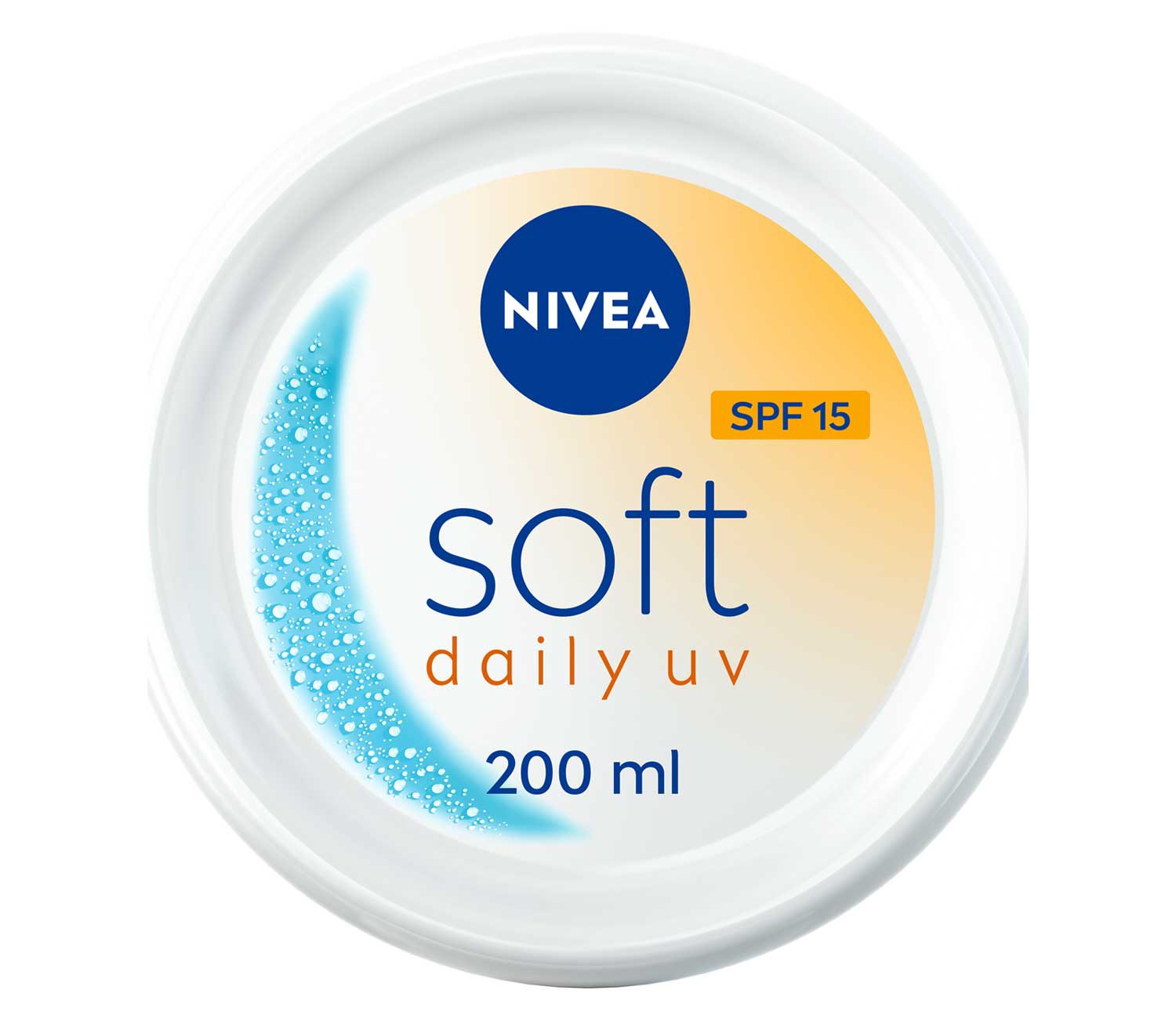
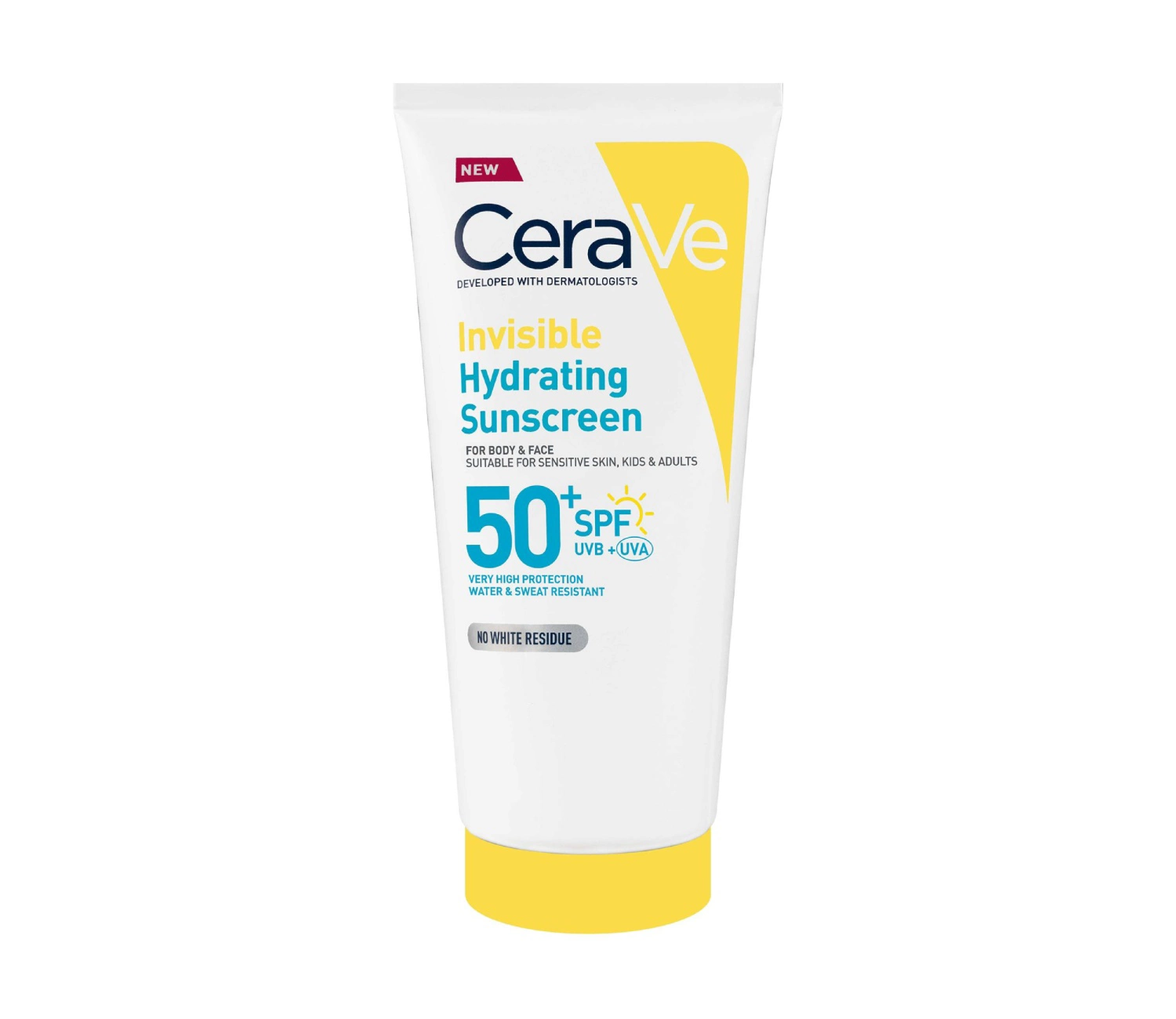
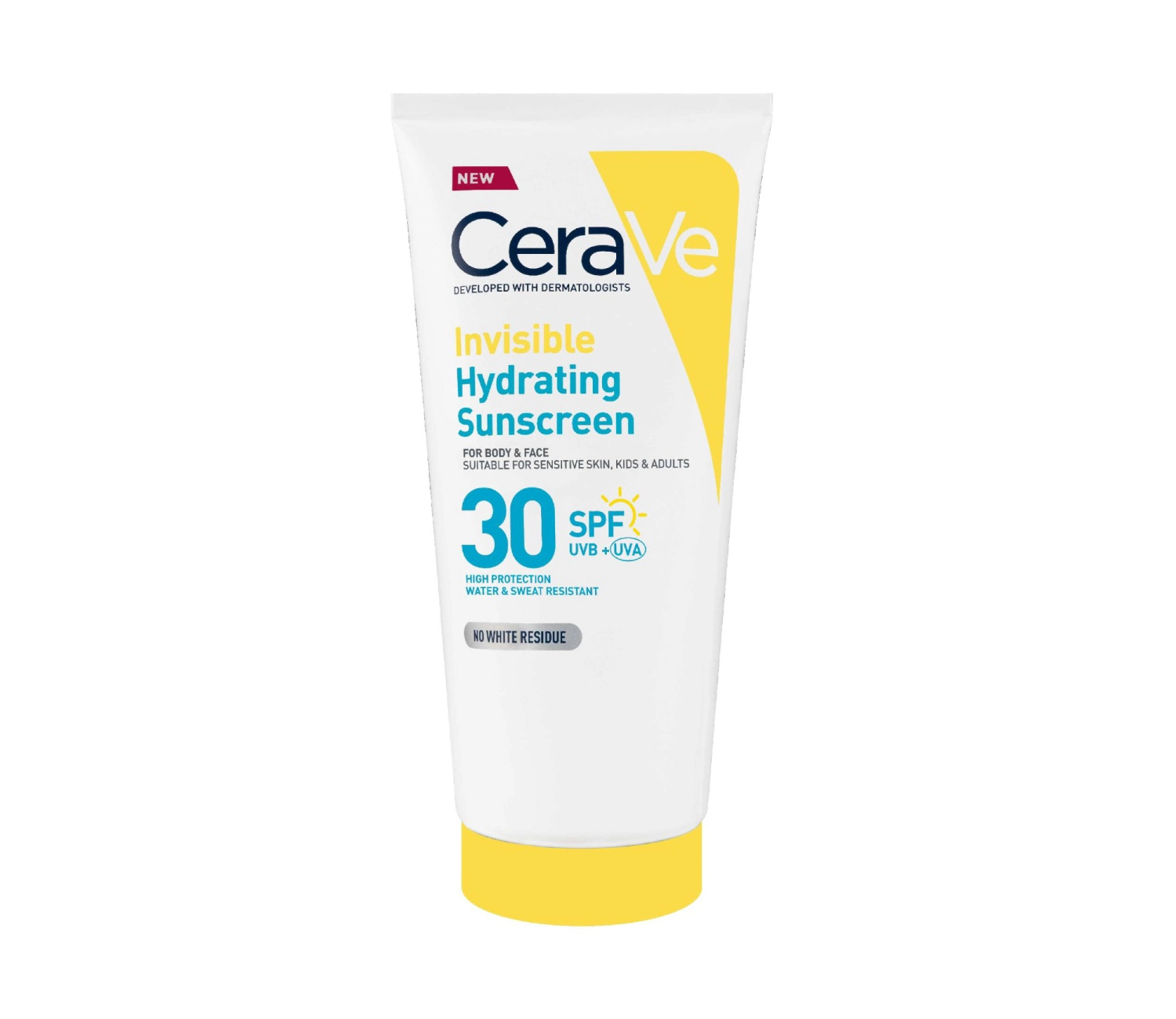
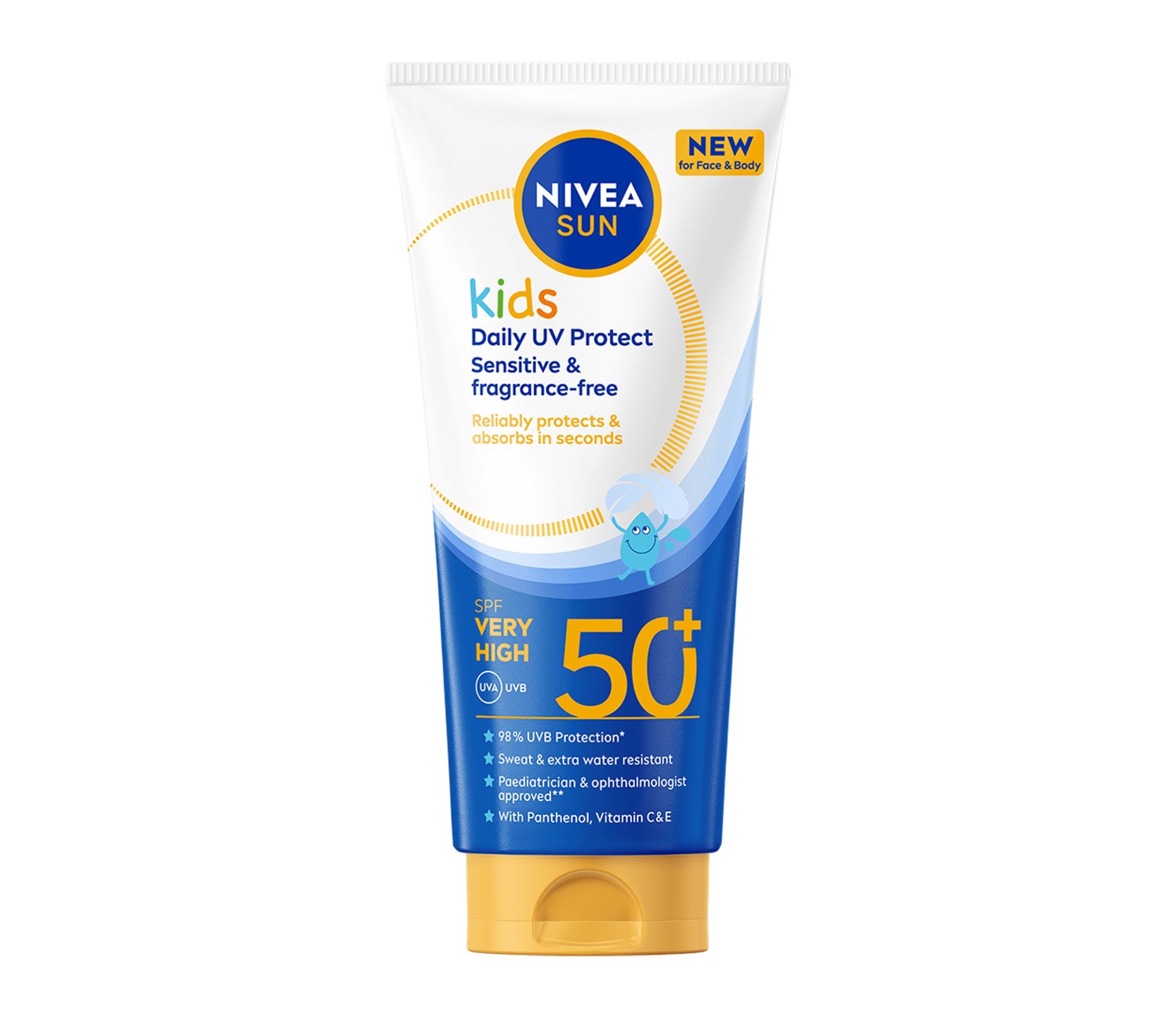
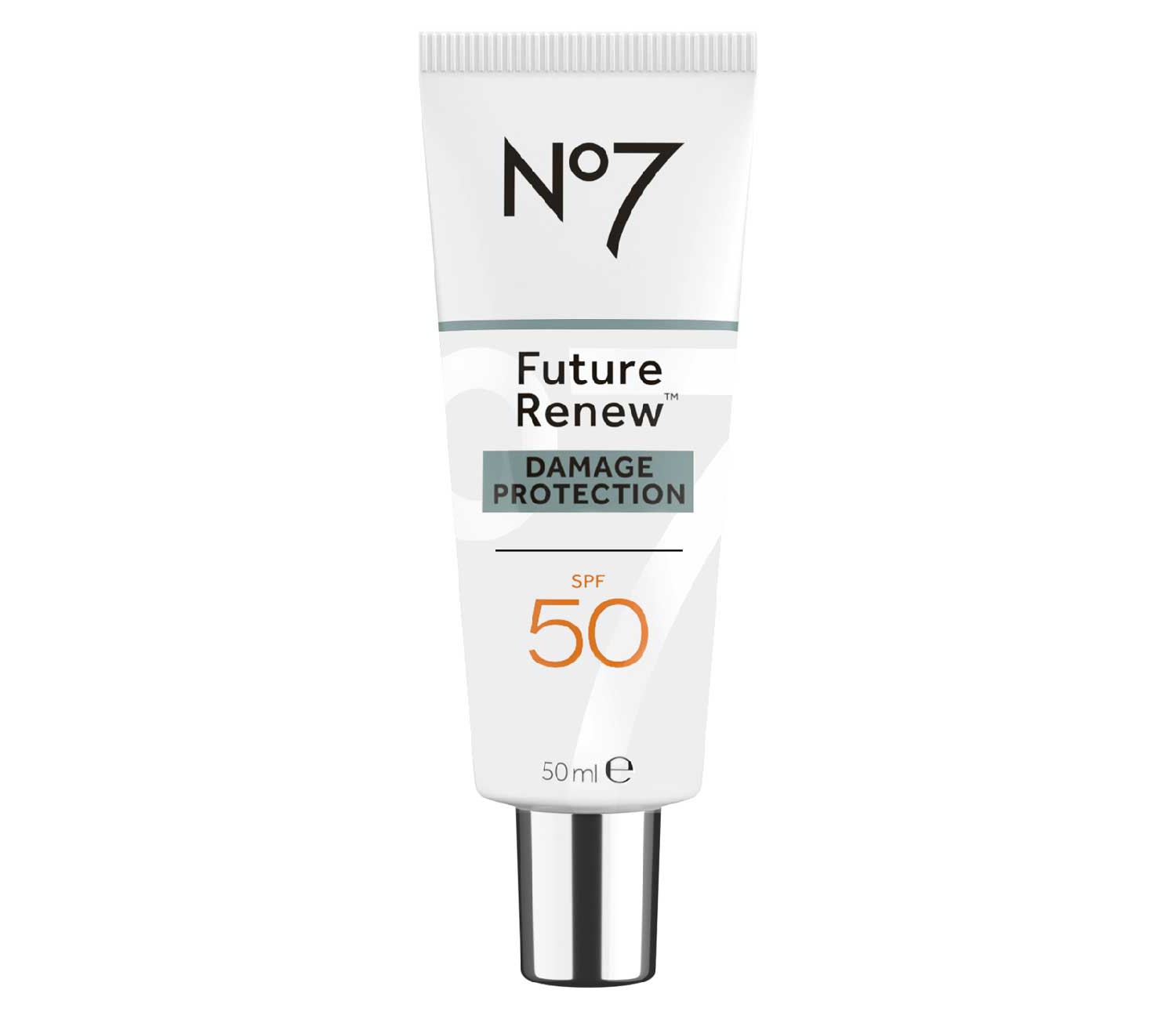
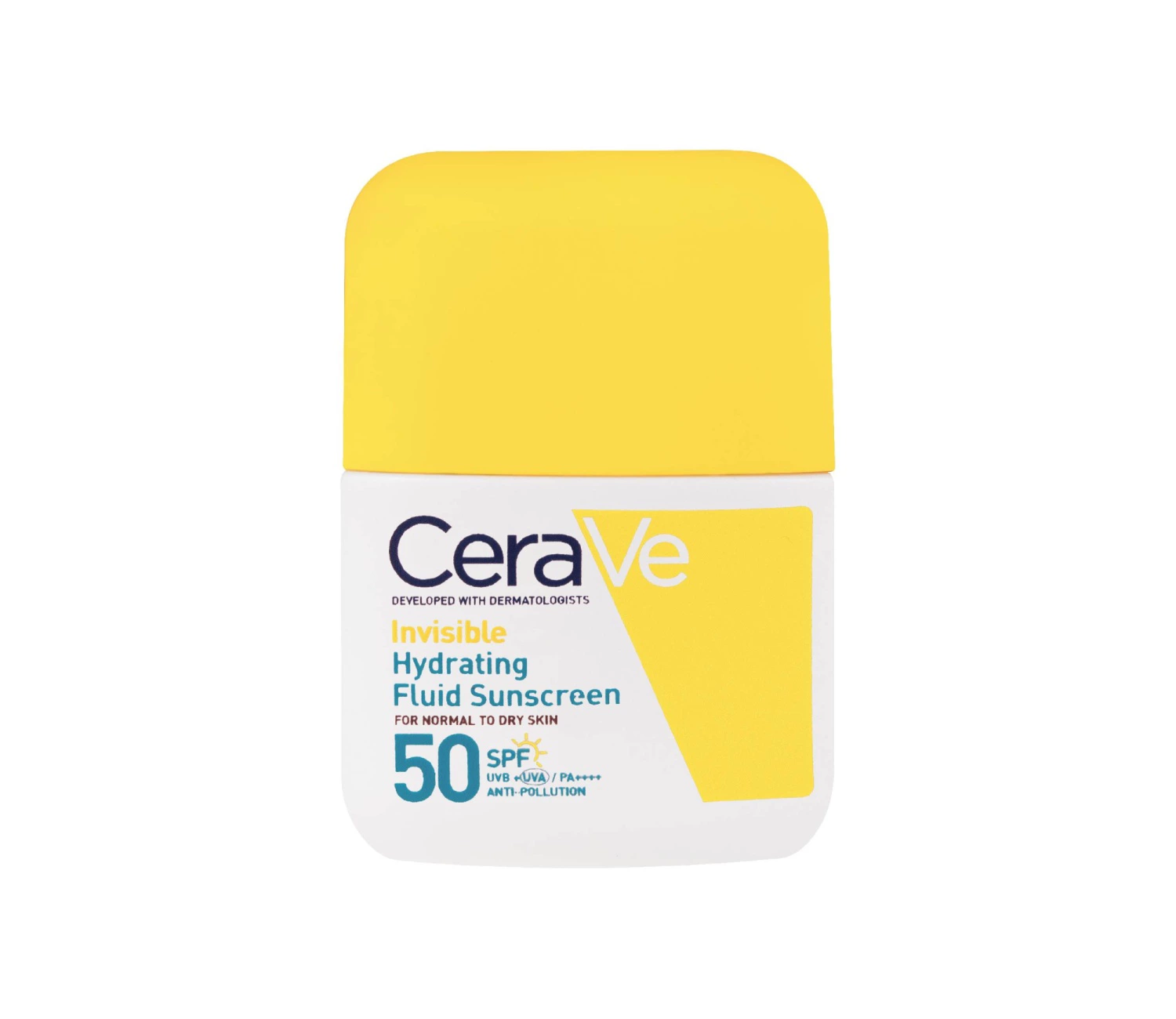
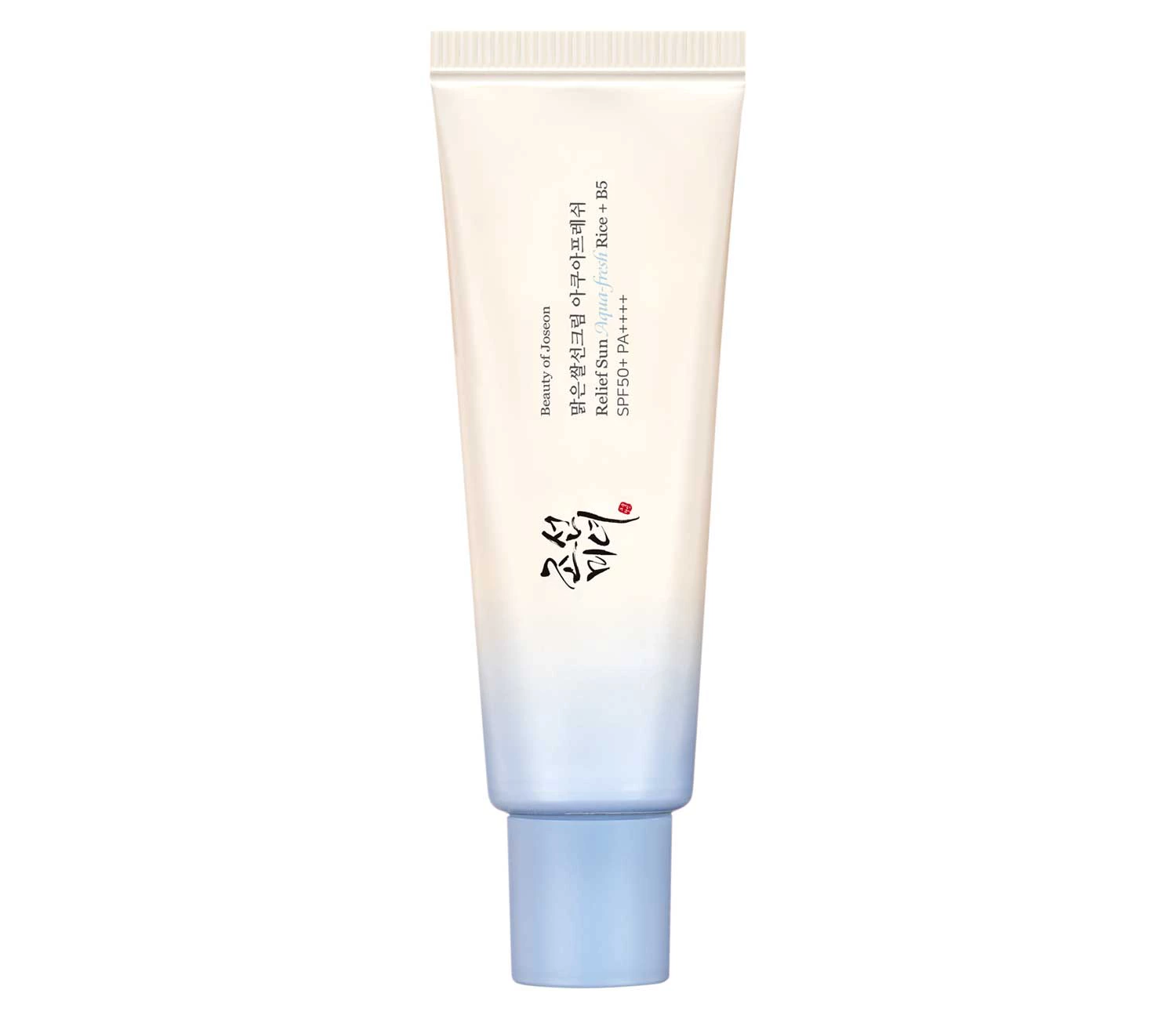
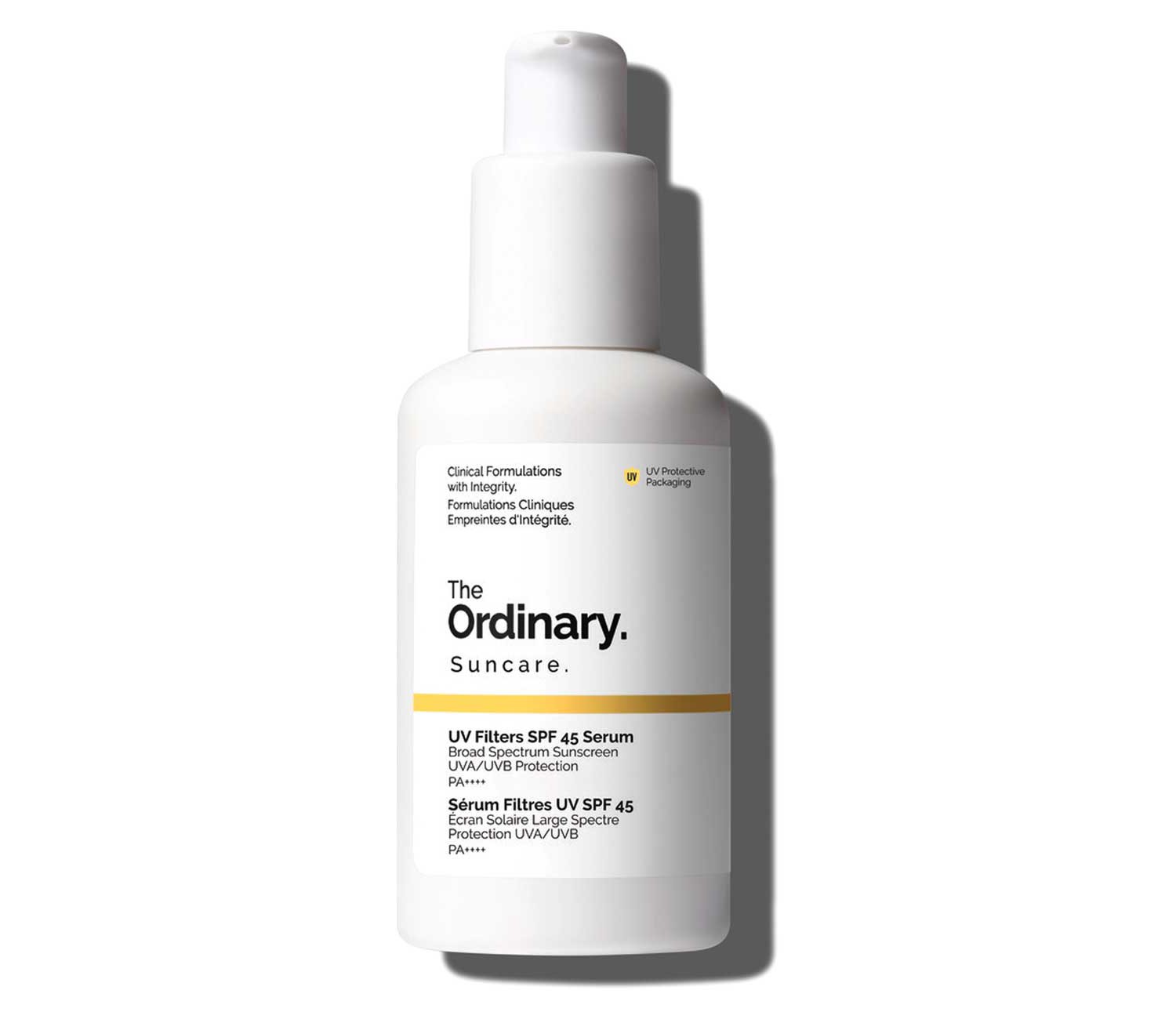
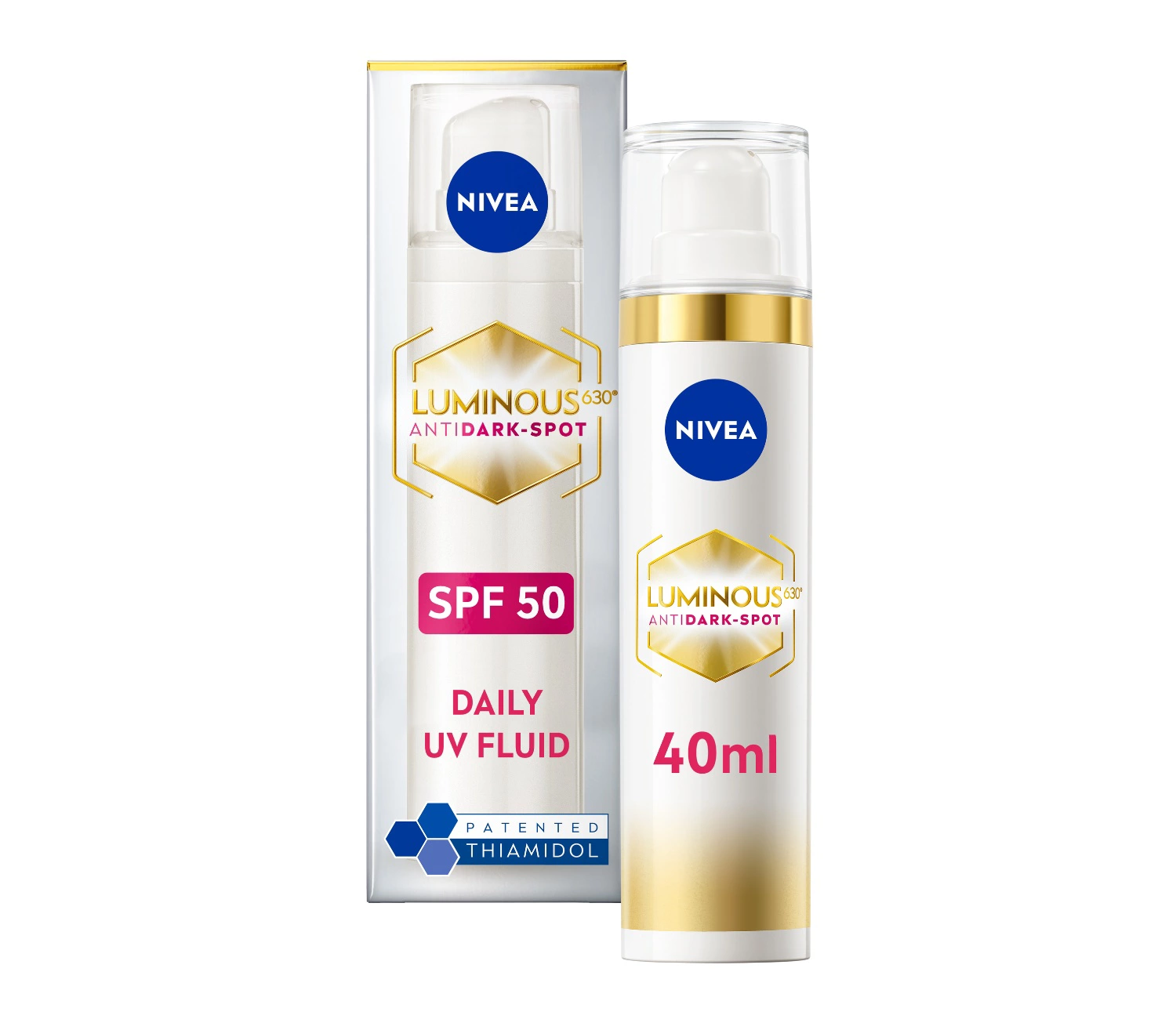
Products whose main job is sun protection, mostly fluids and light creams.


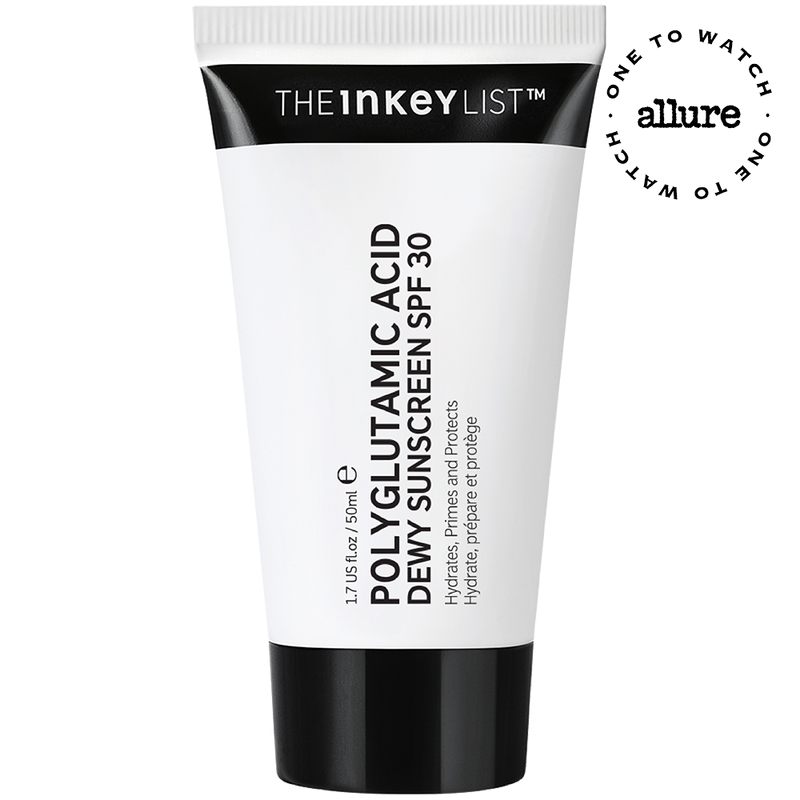

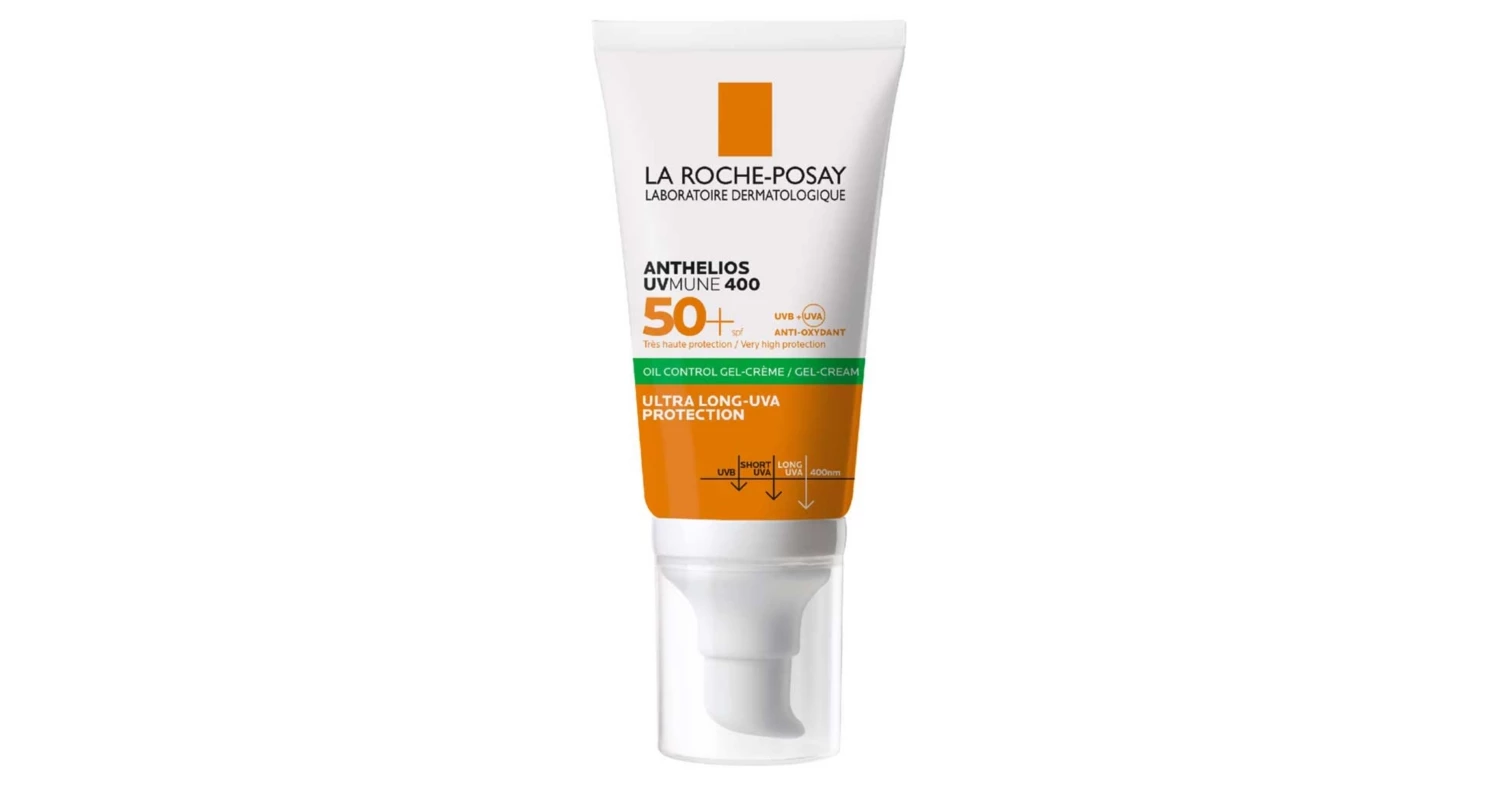
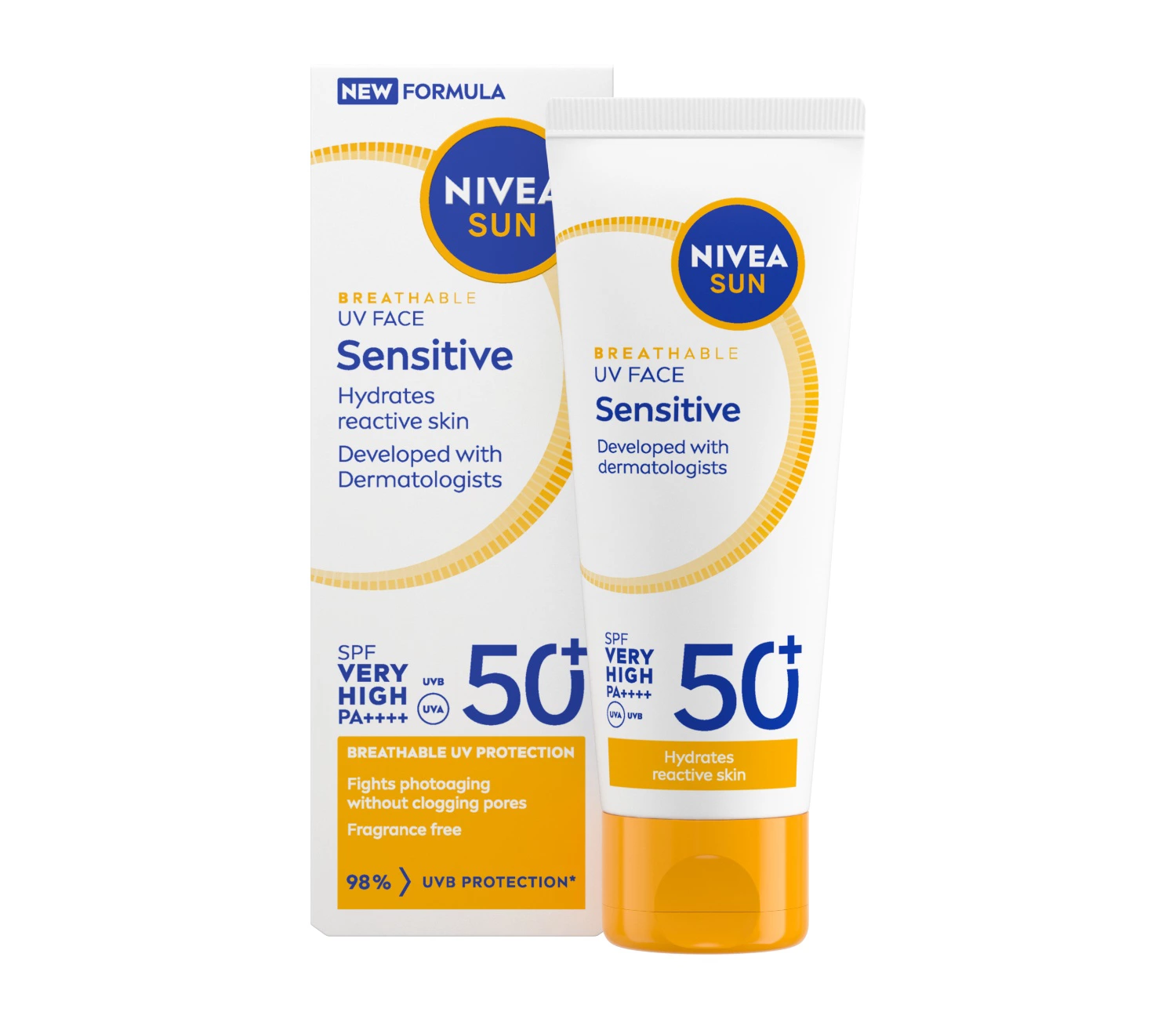
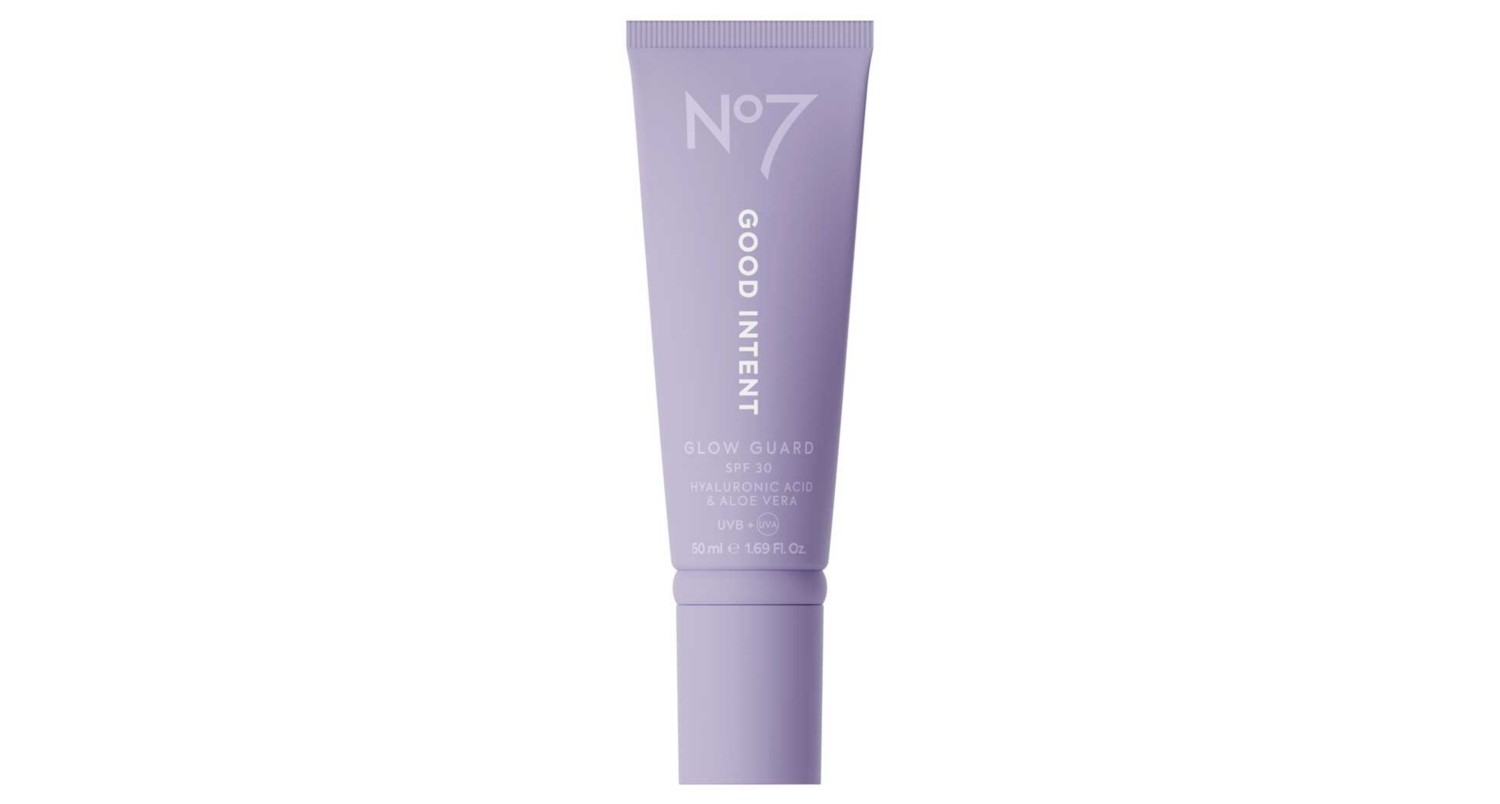
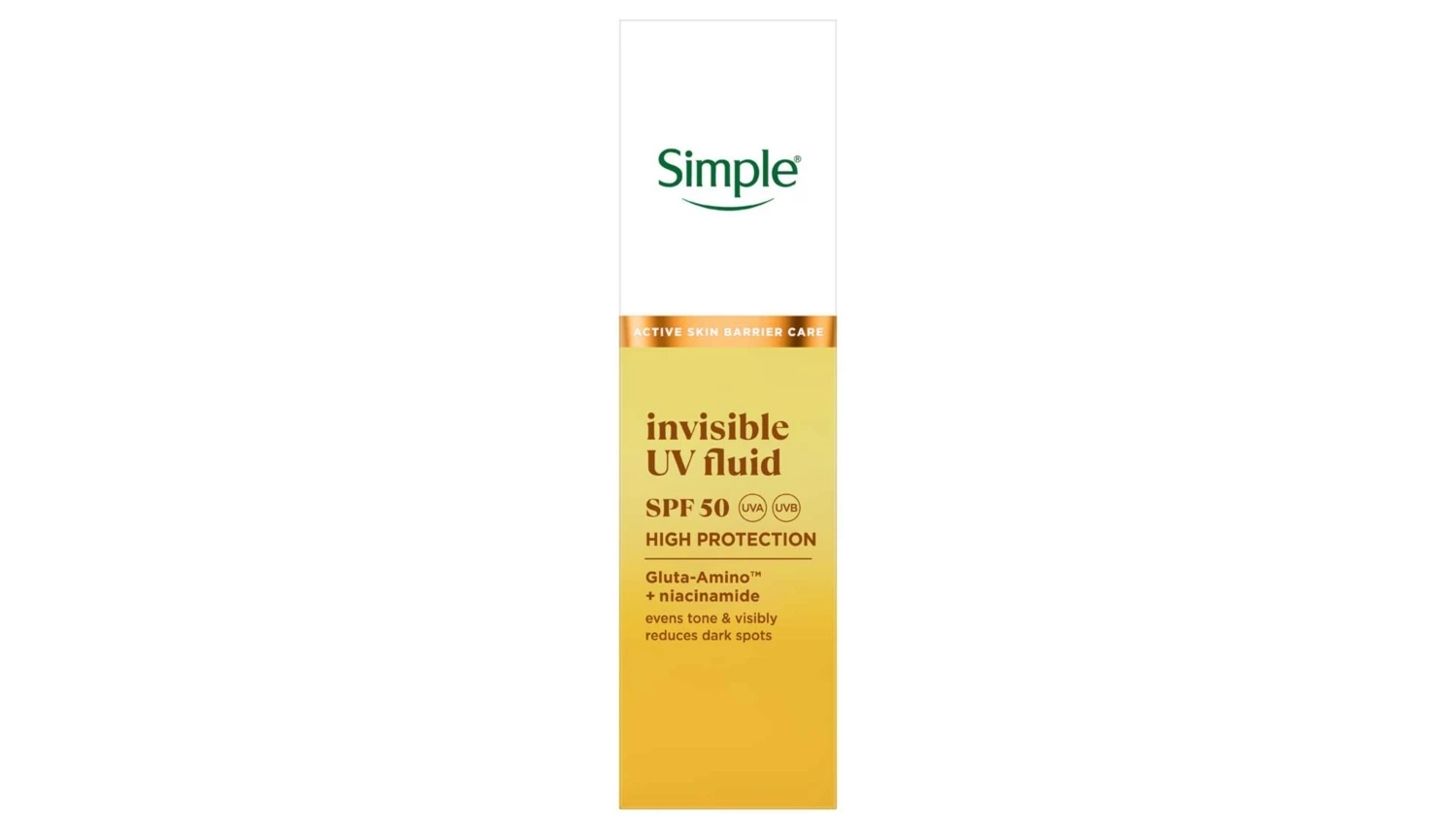
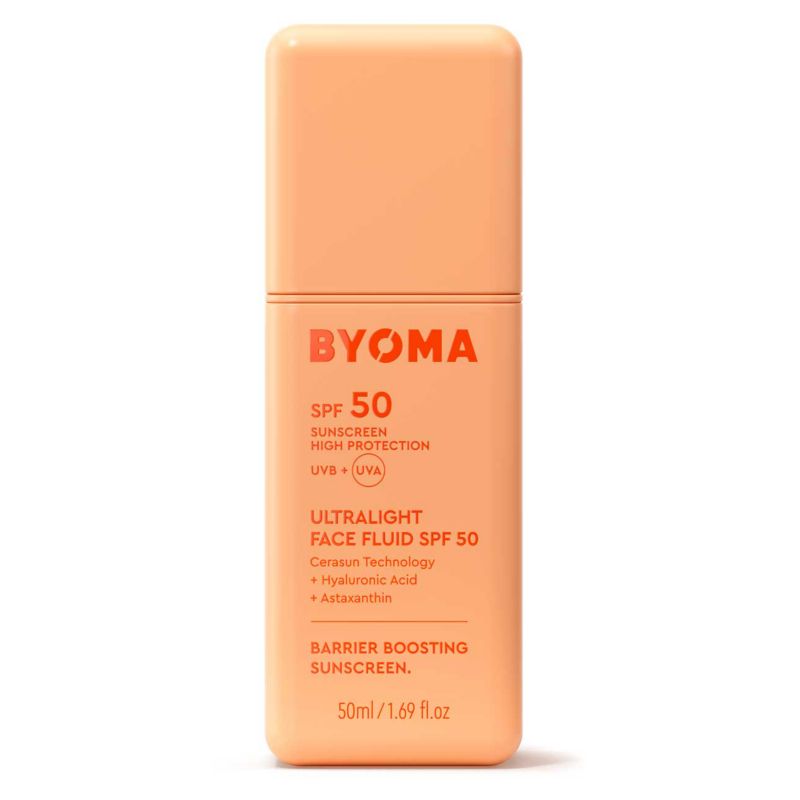
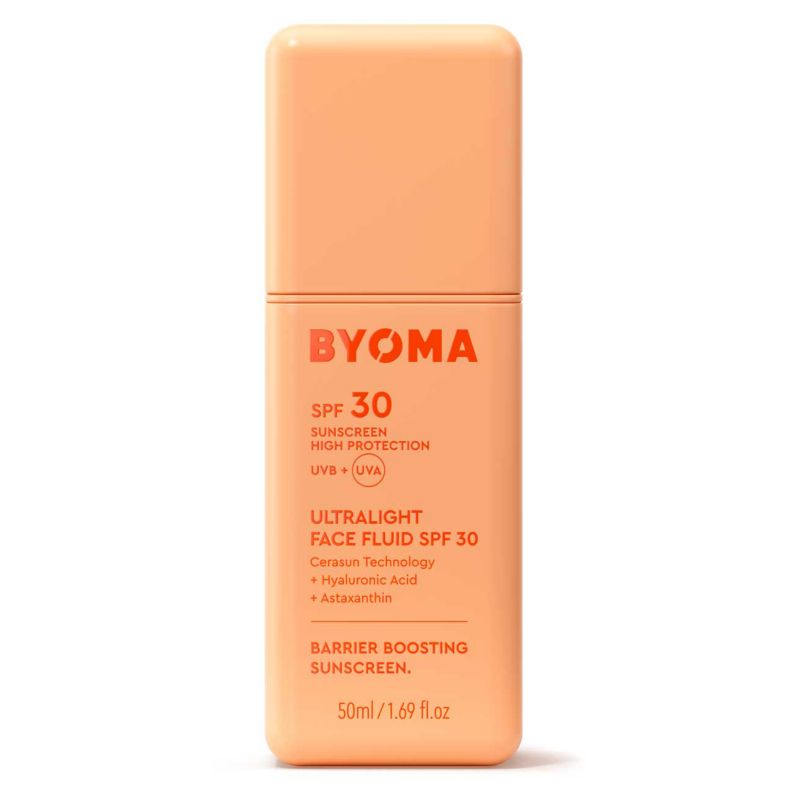

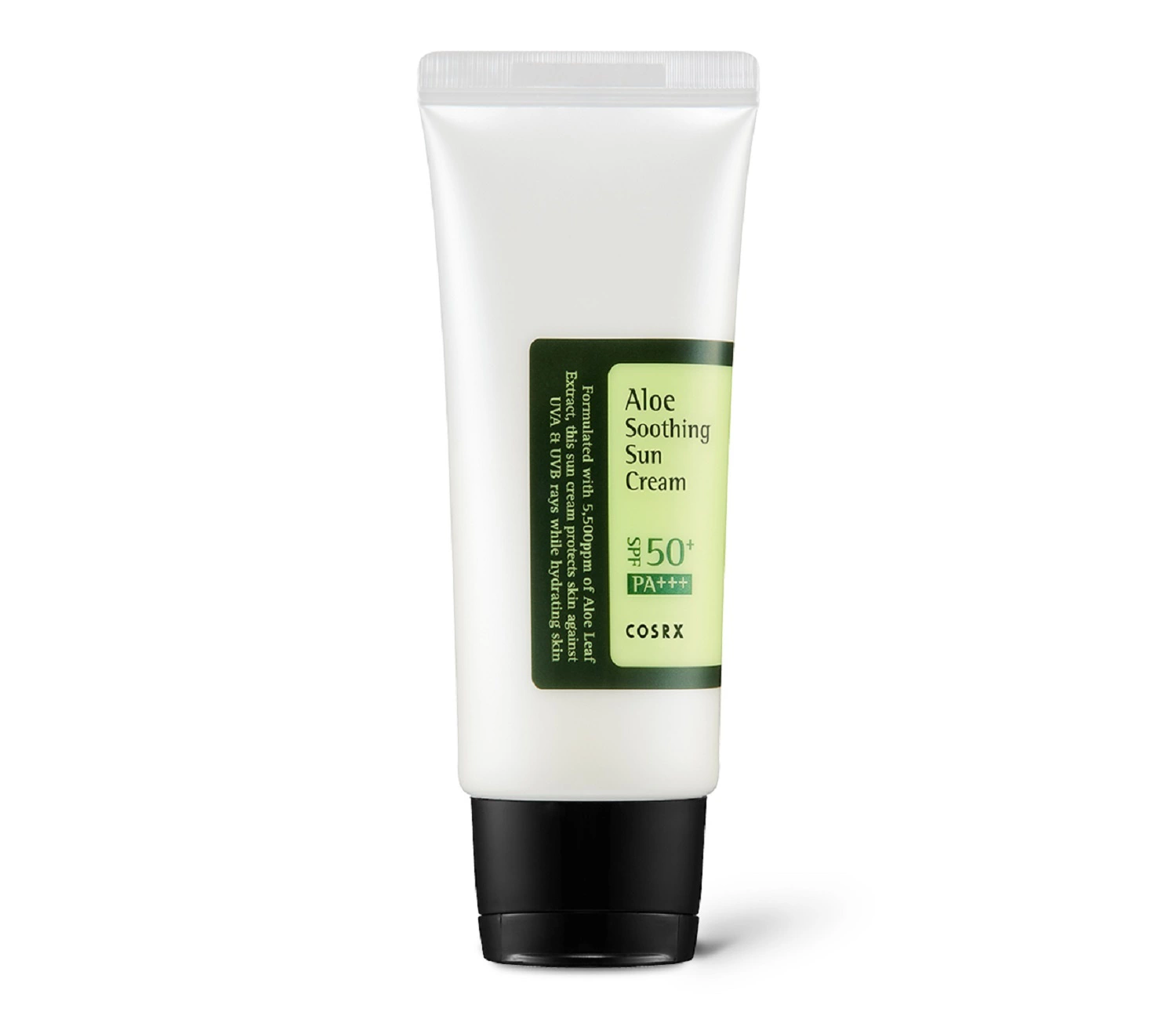
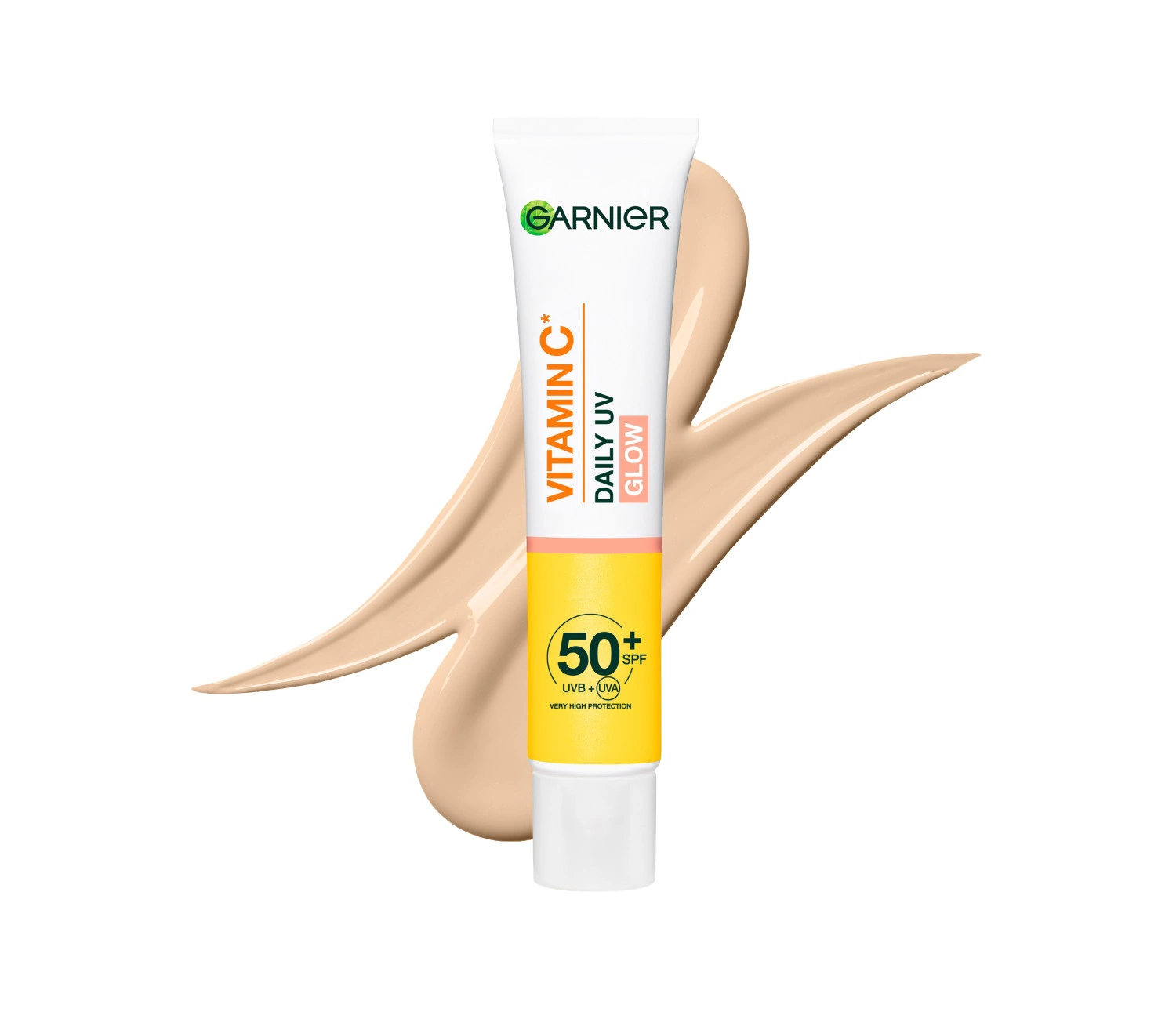
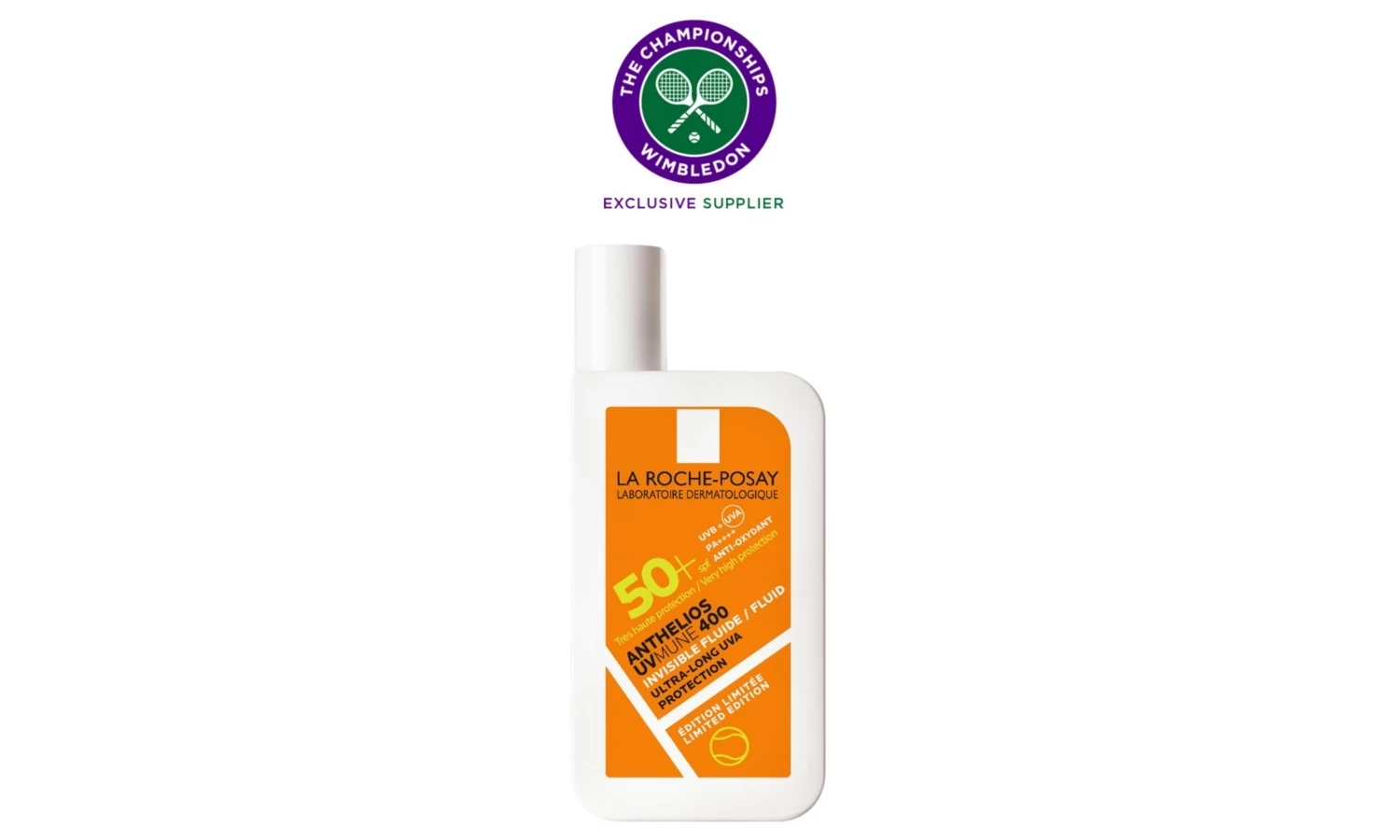

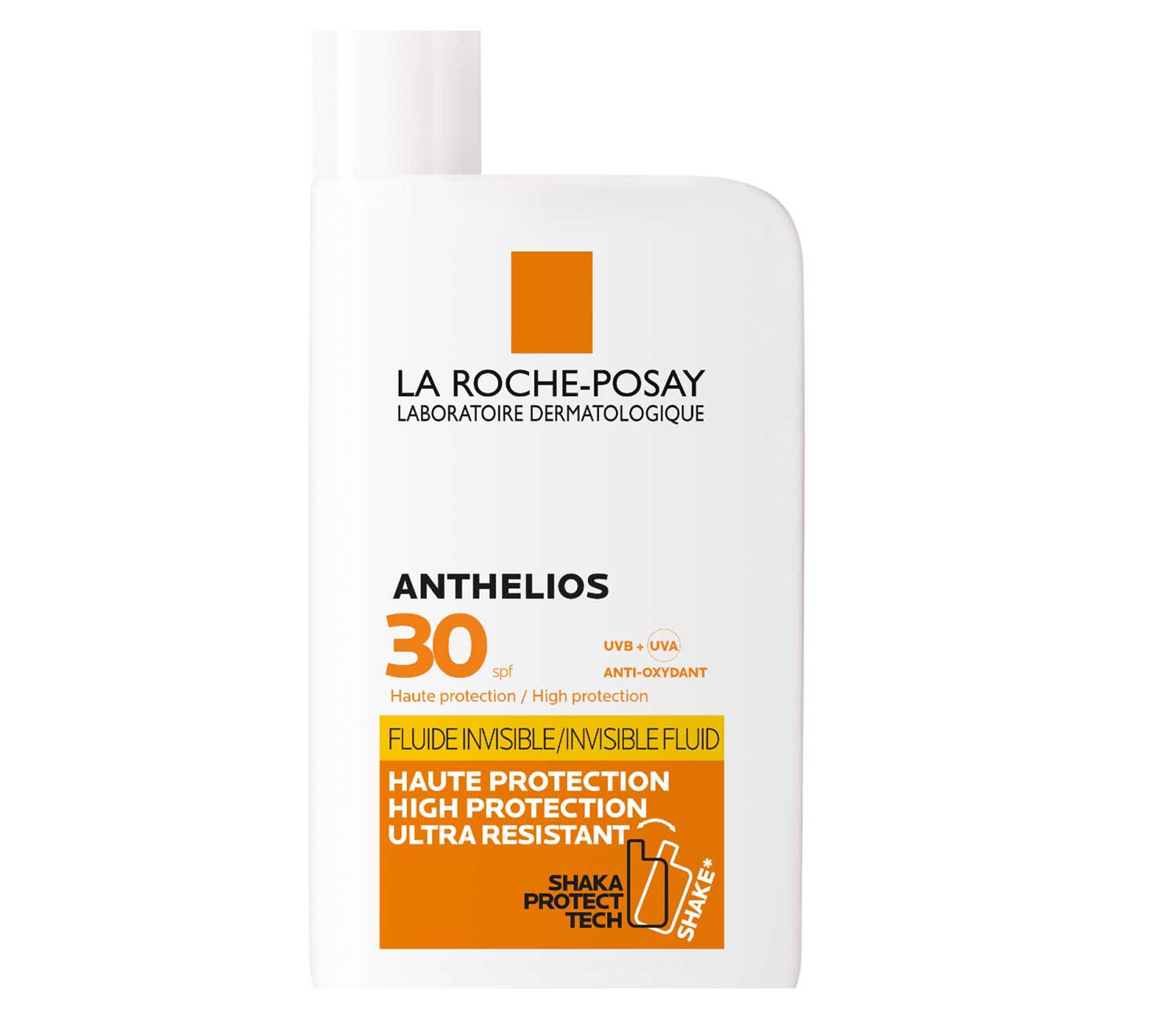
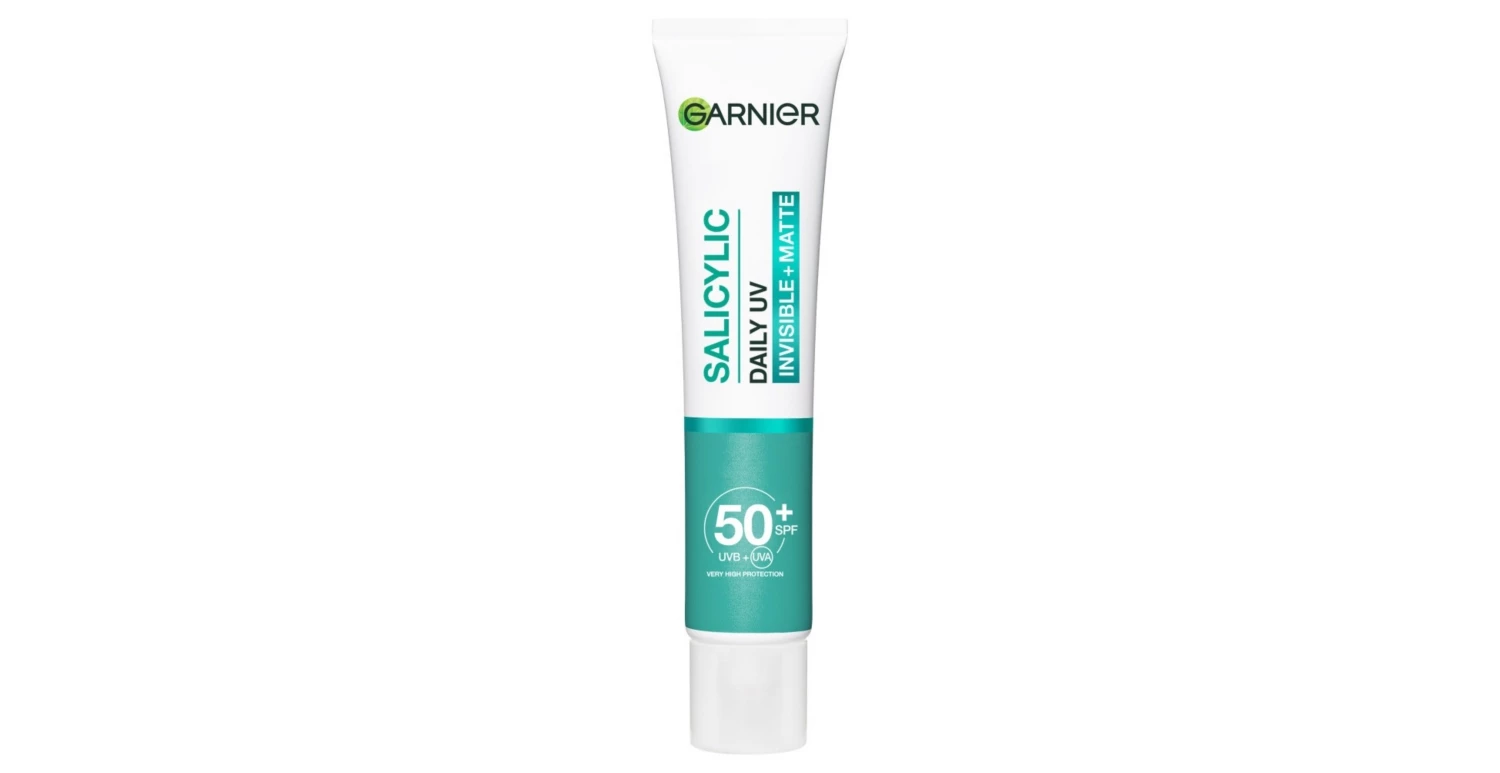
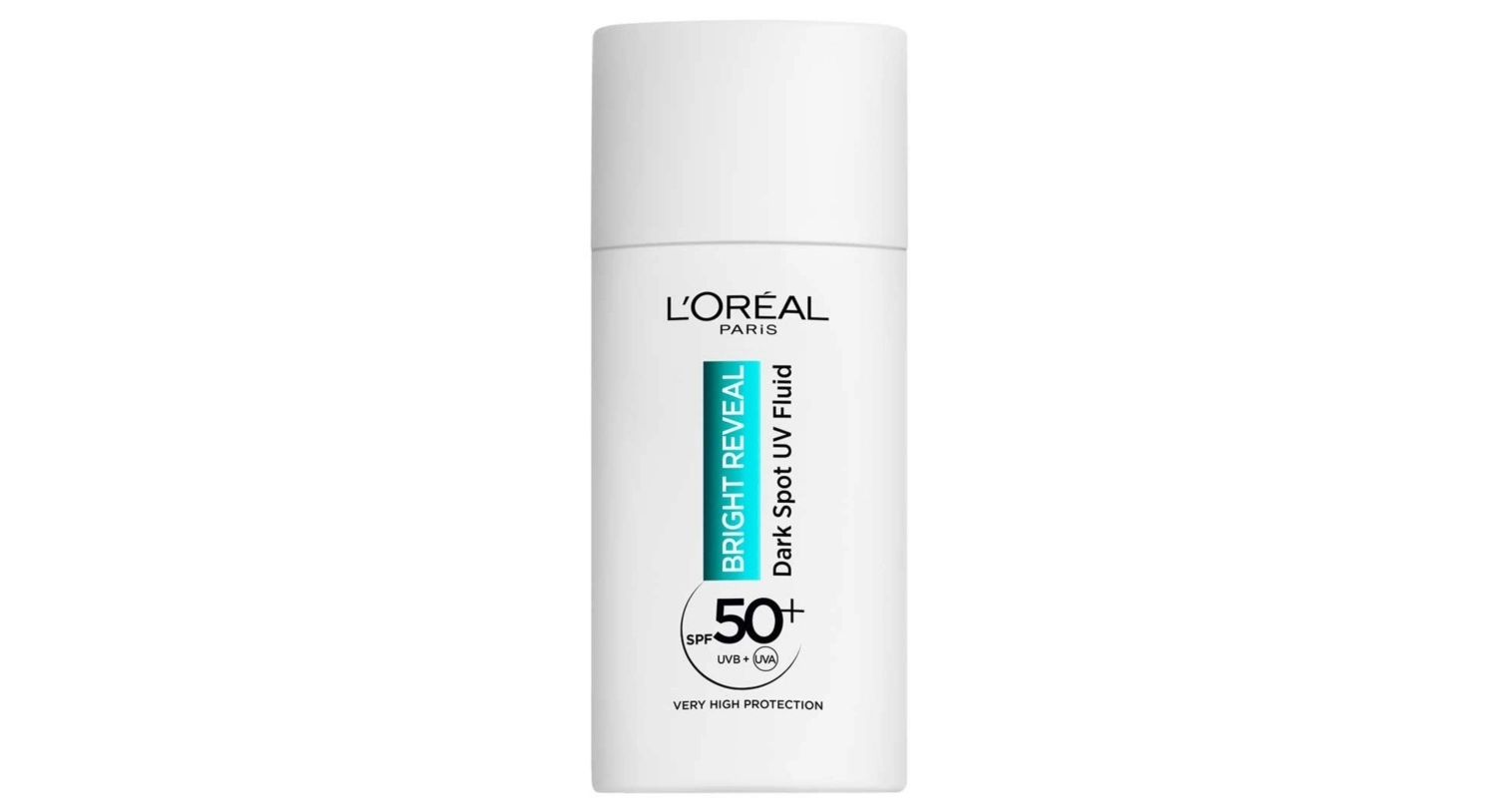
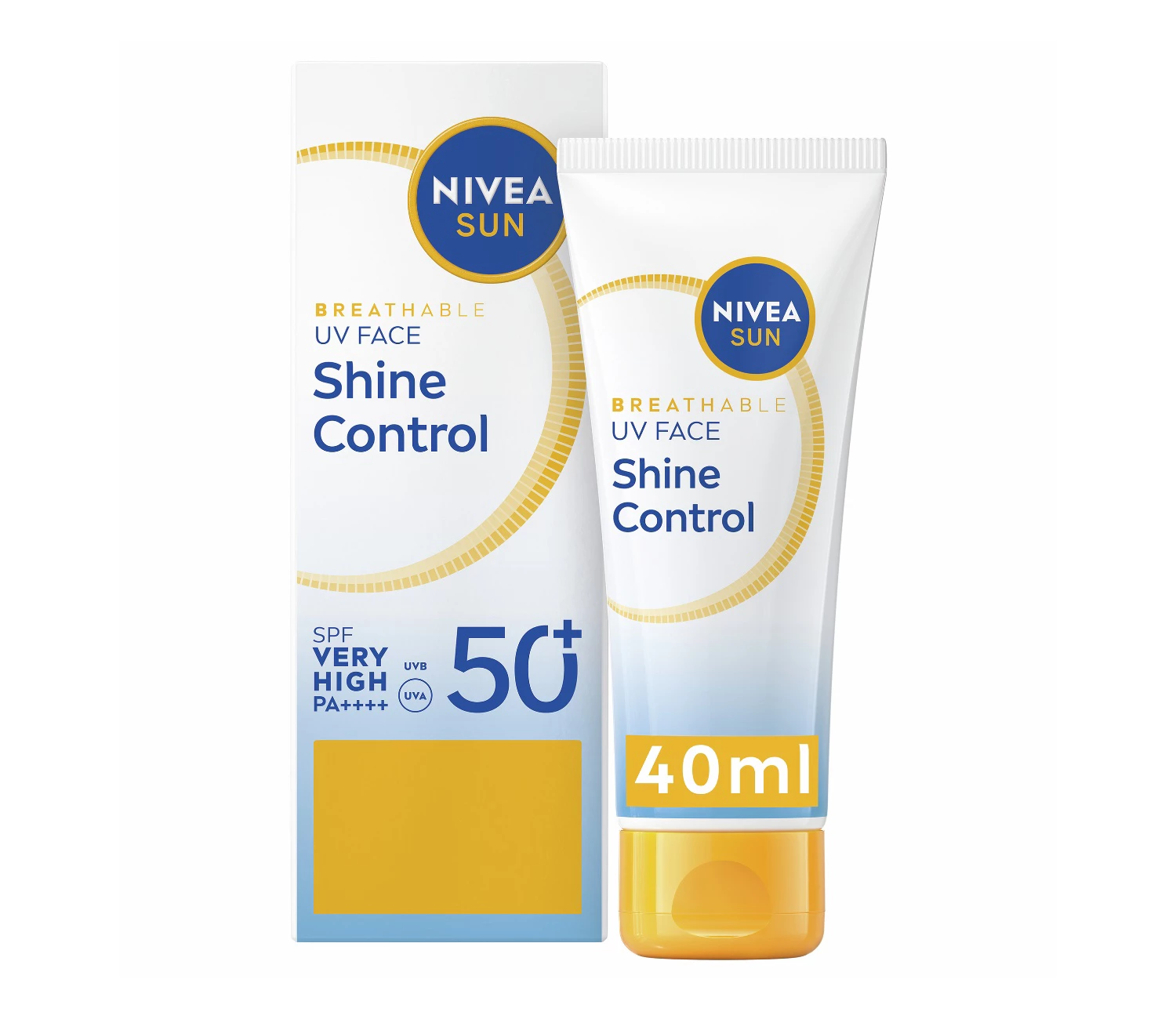
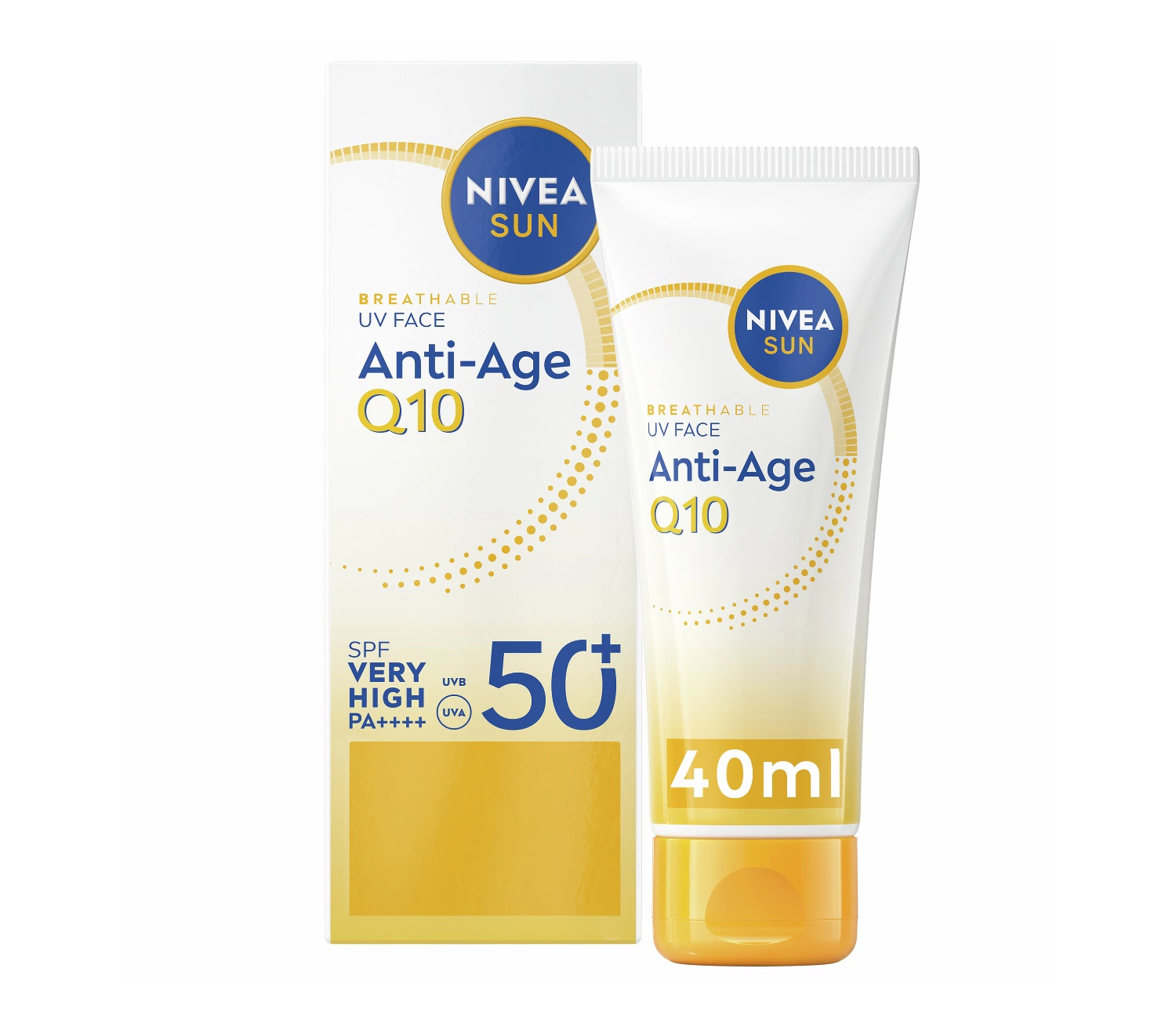
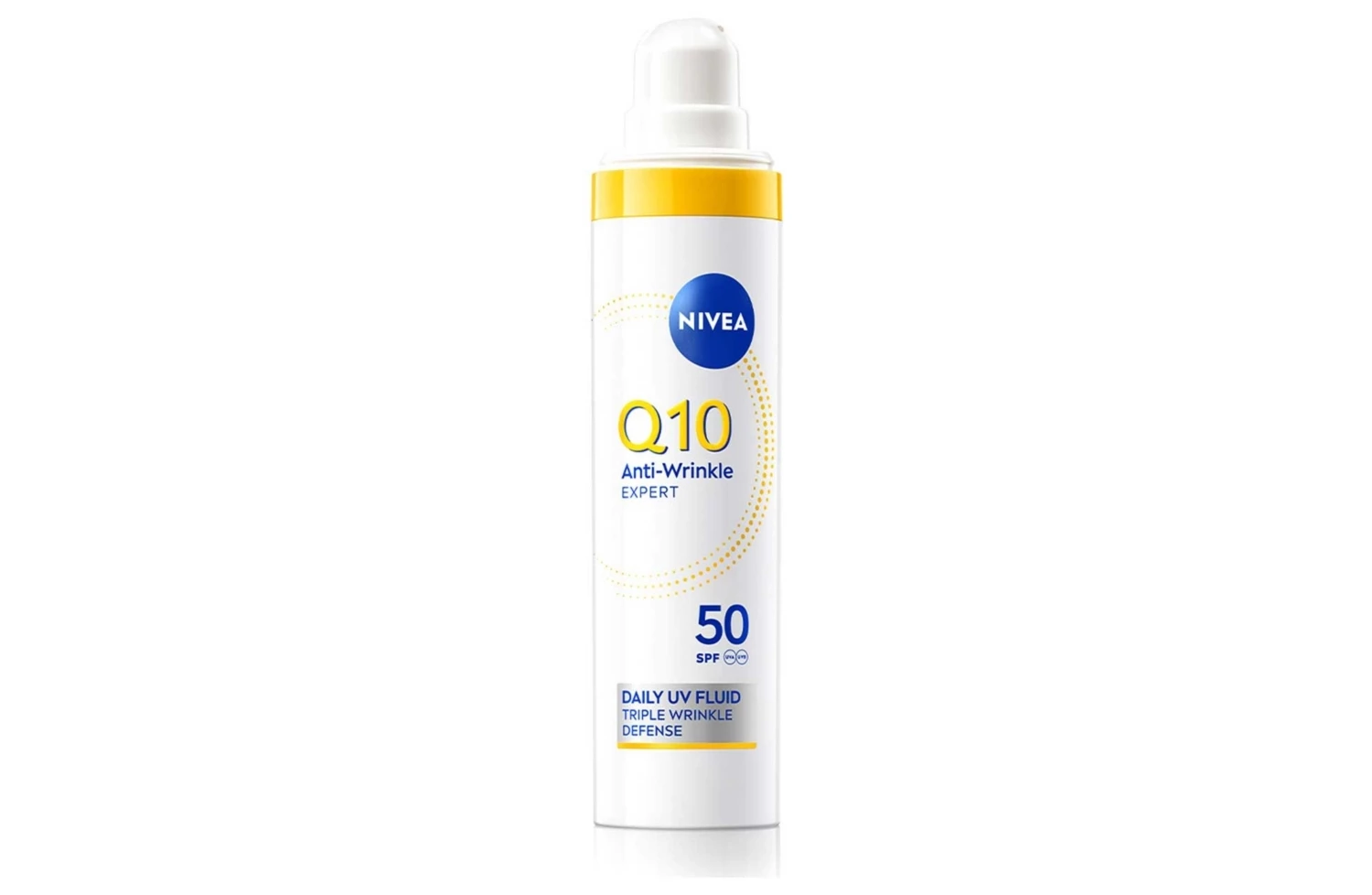
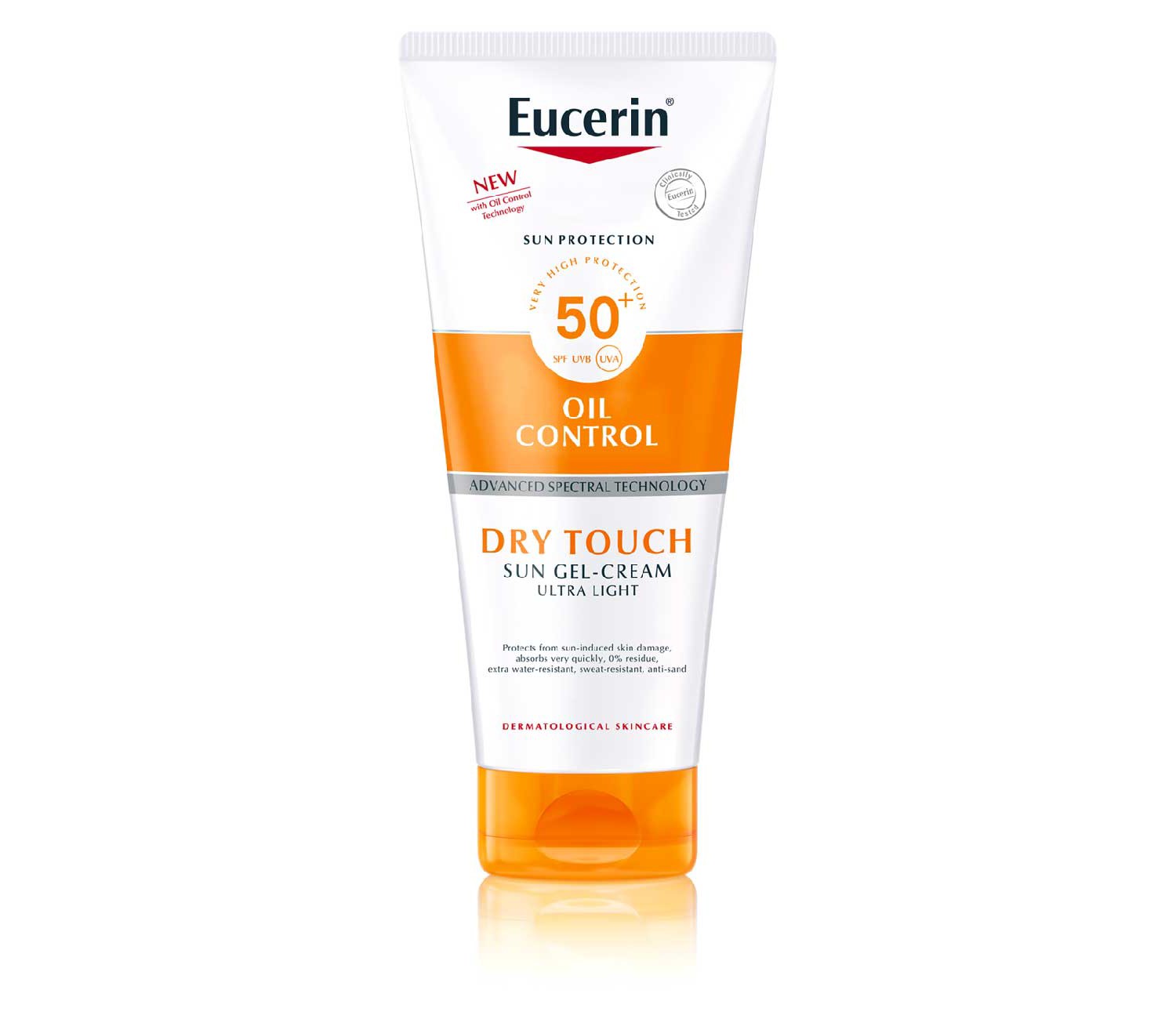
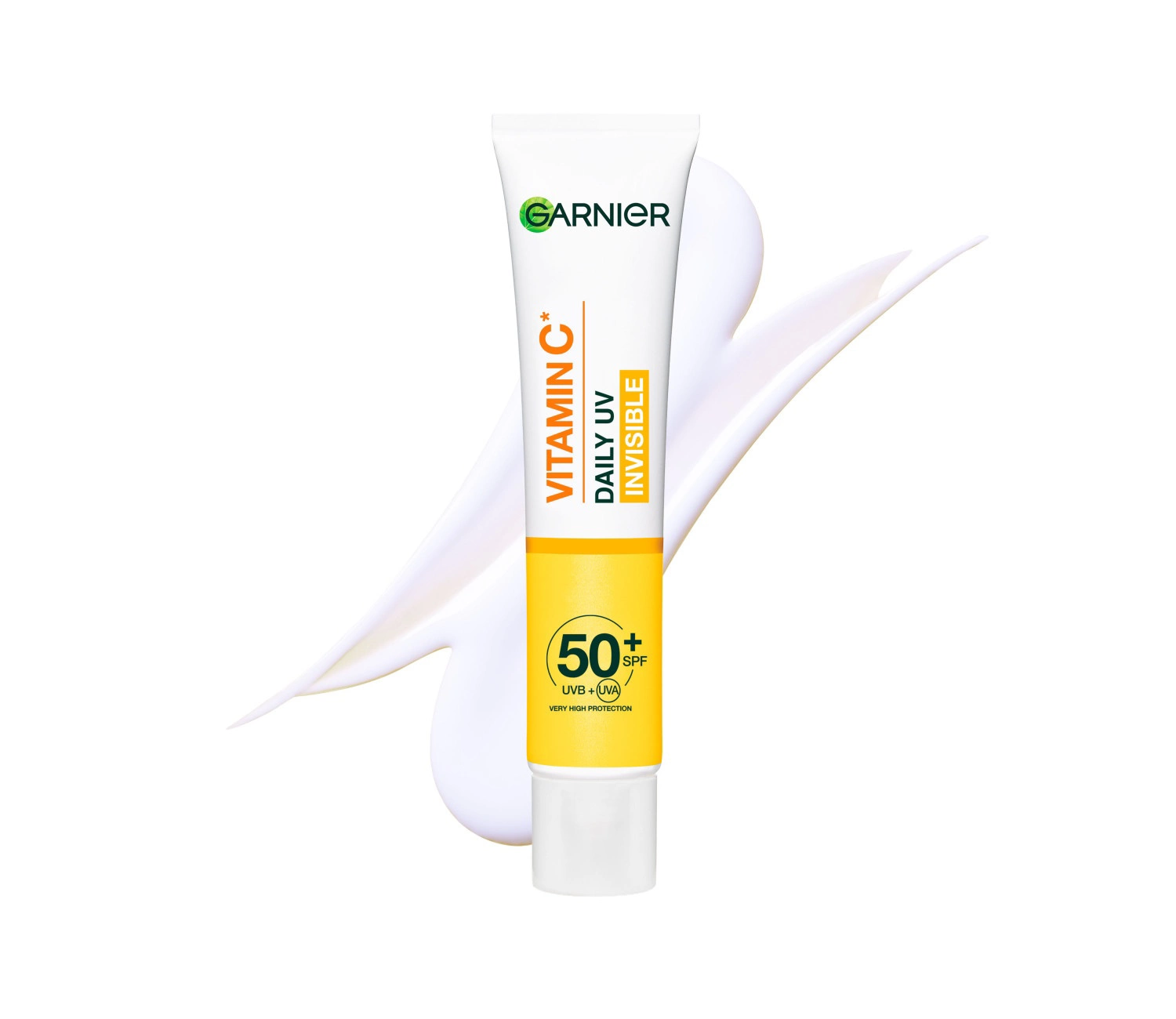
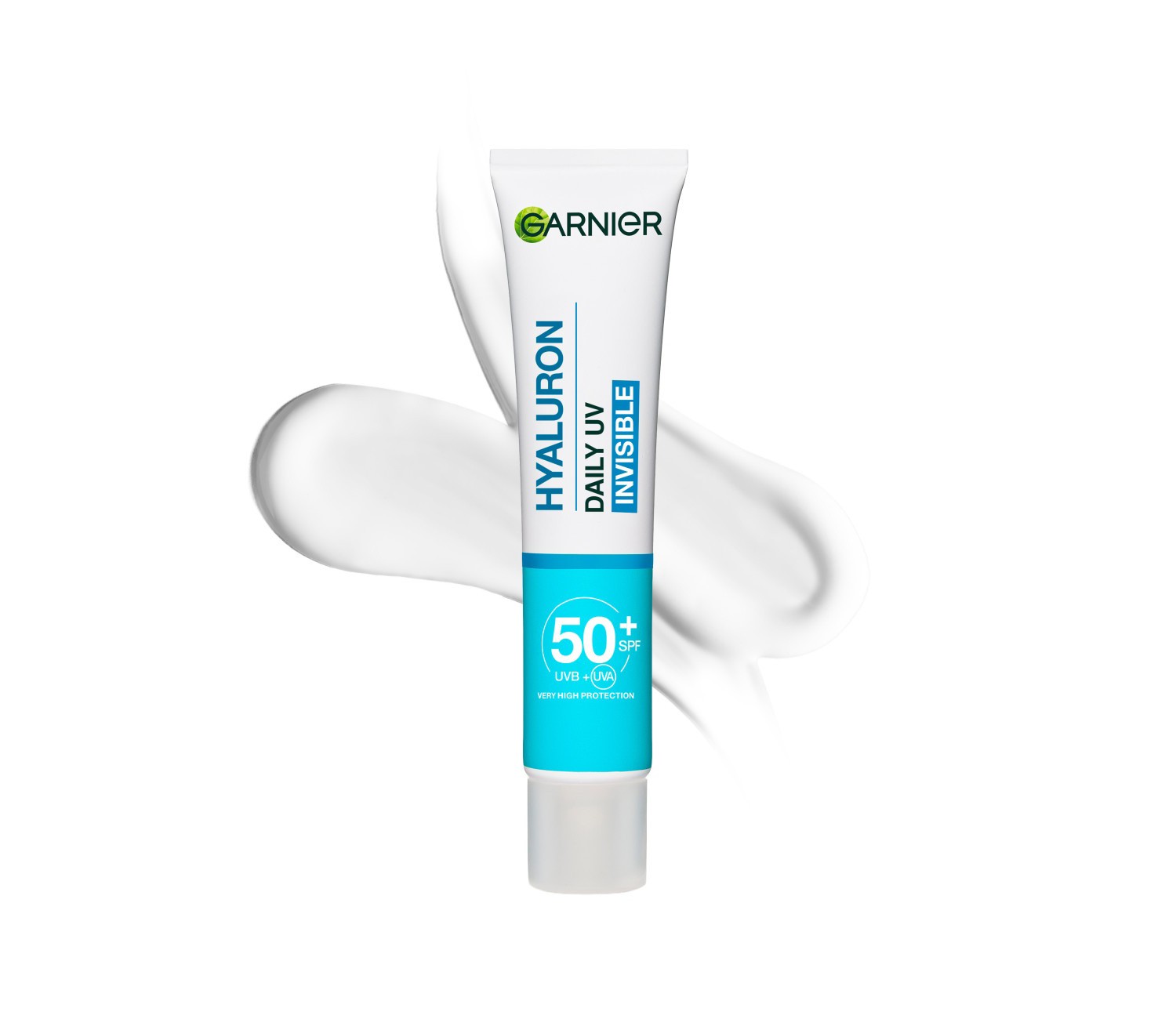
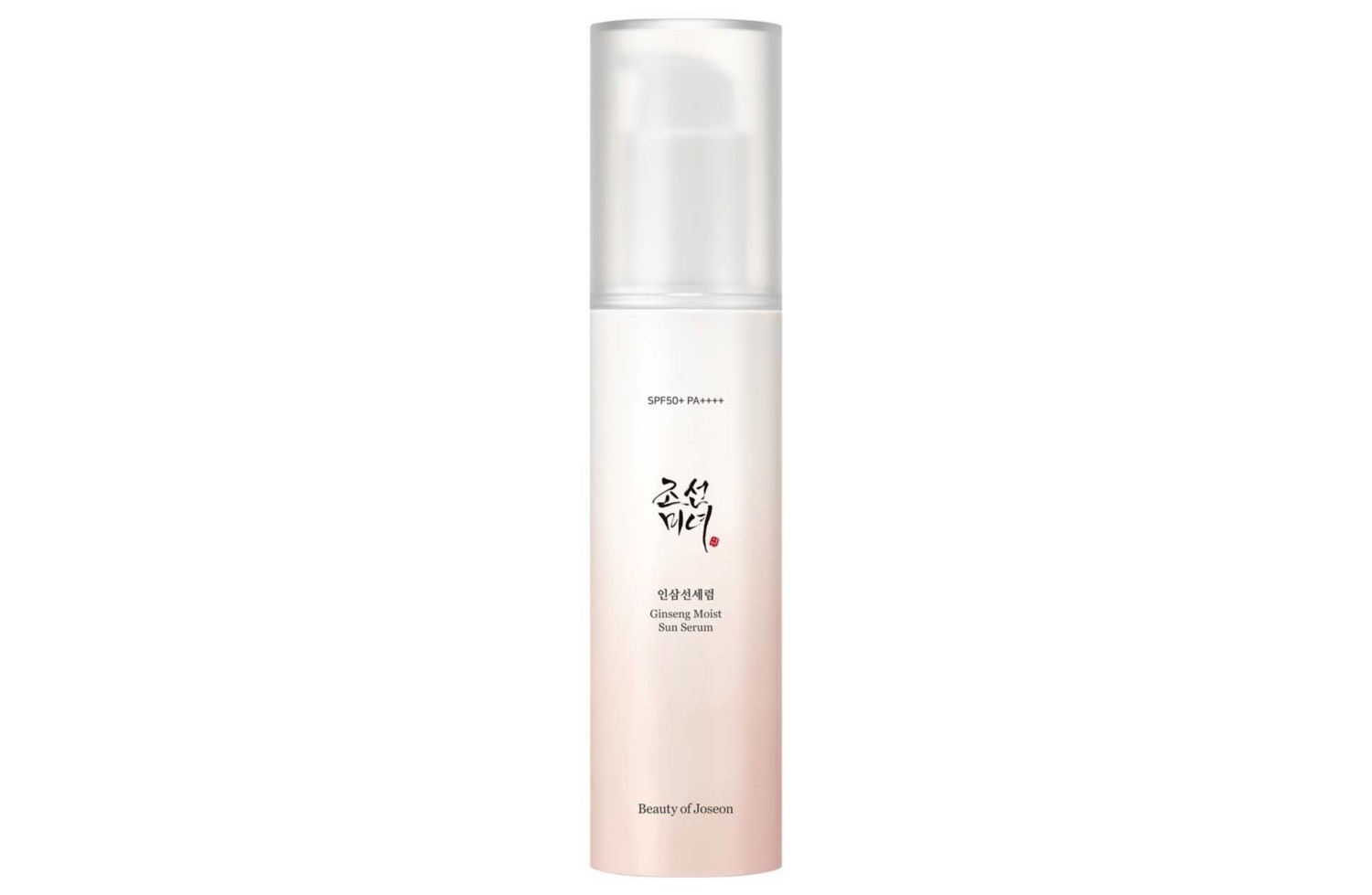
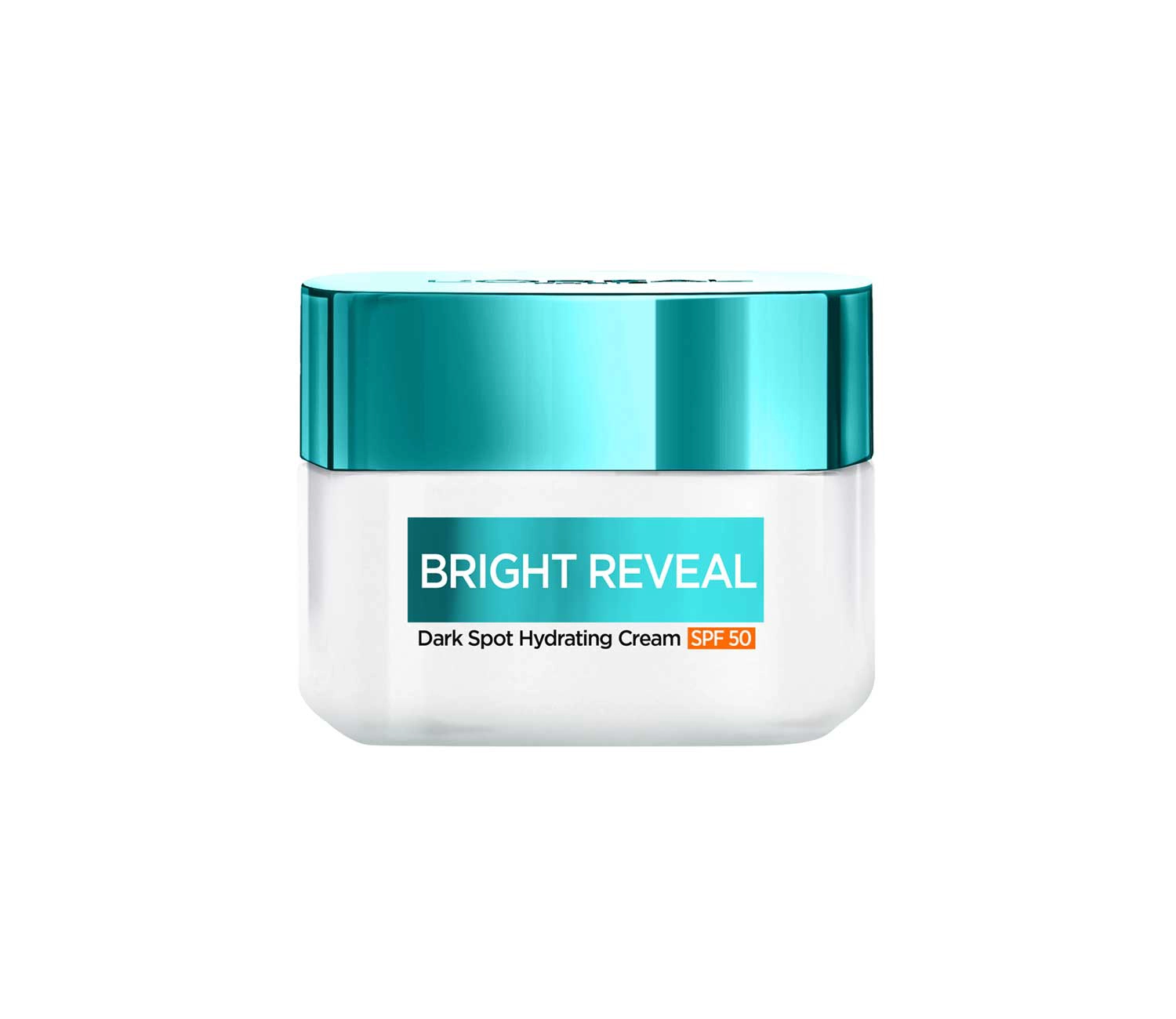
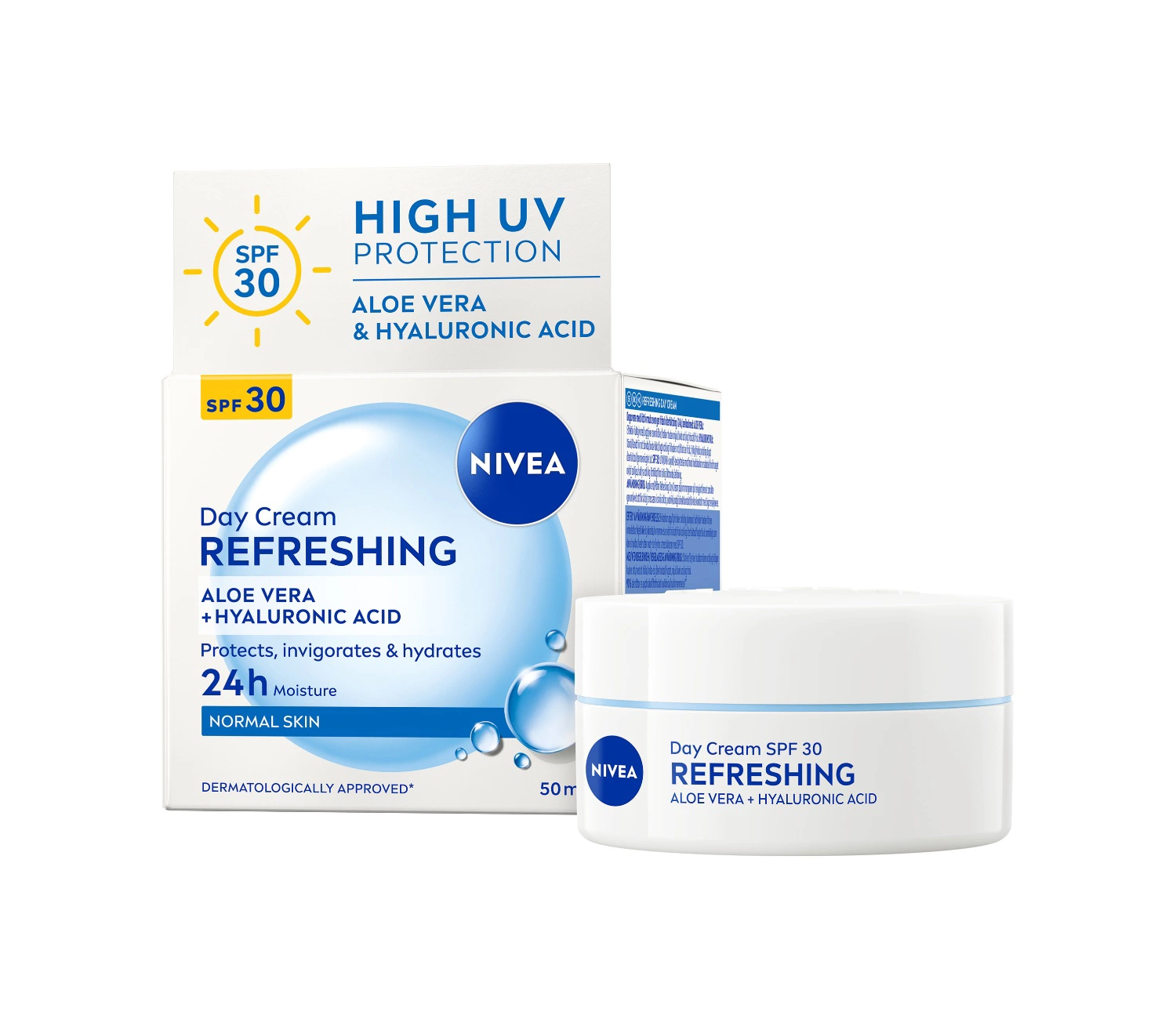
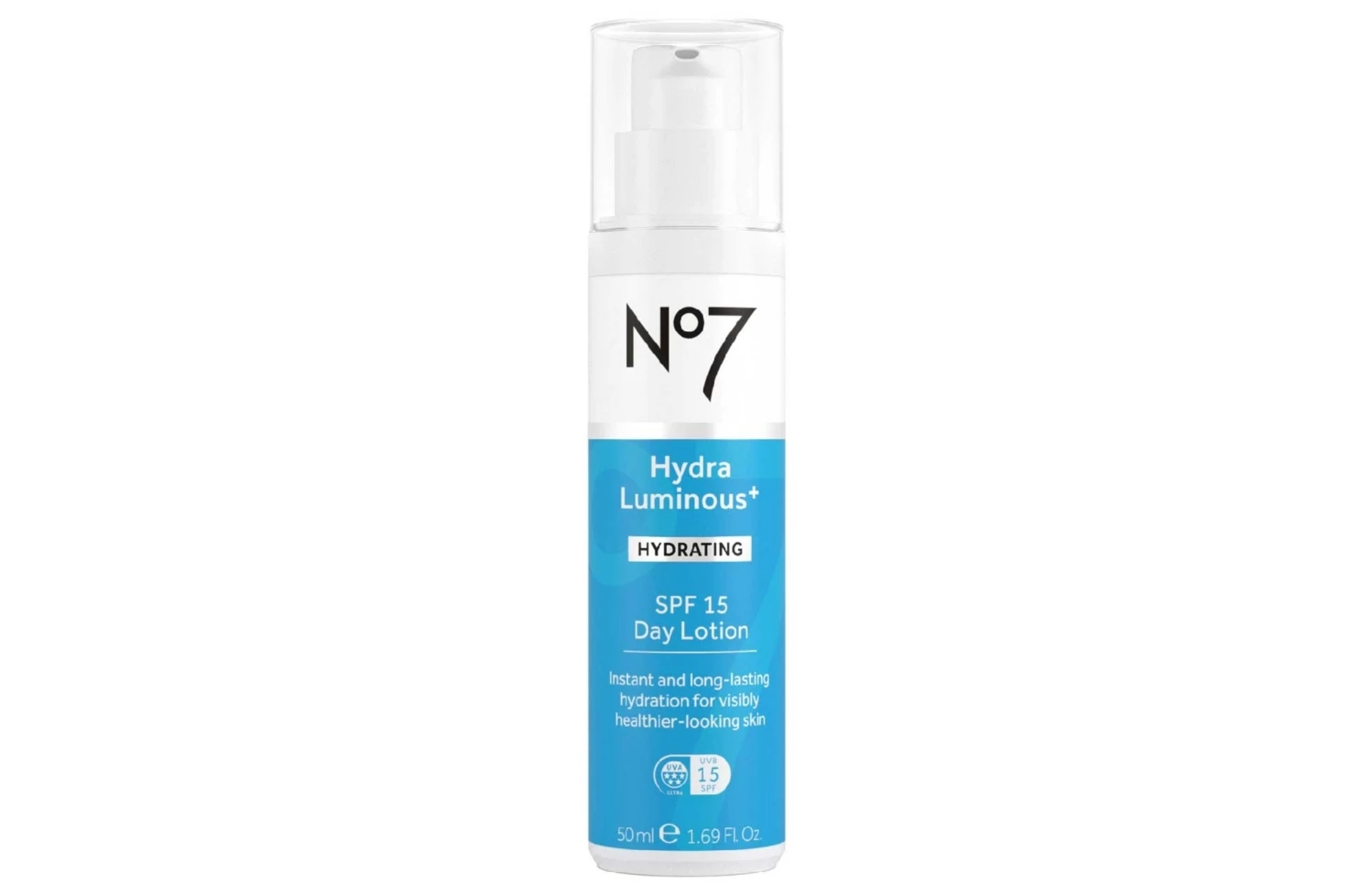
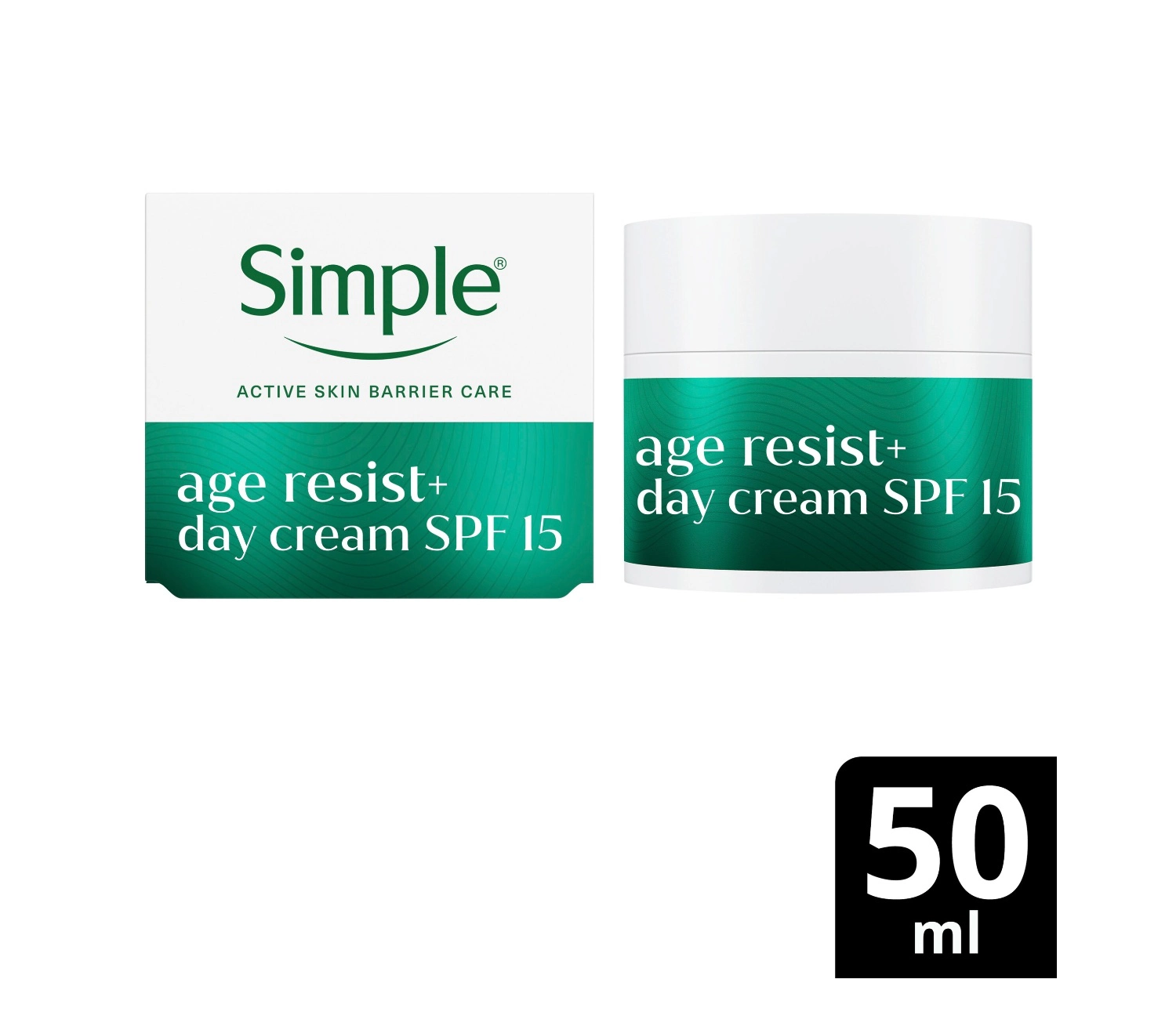
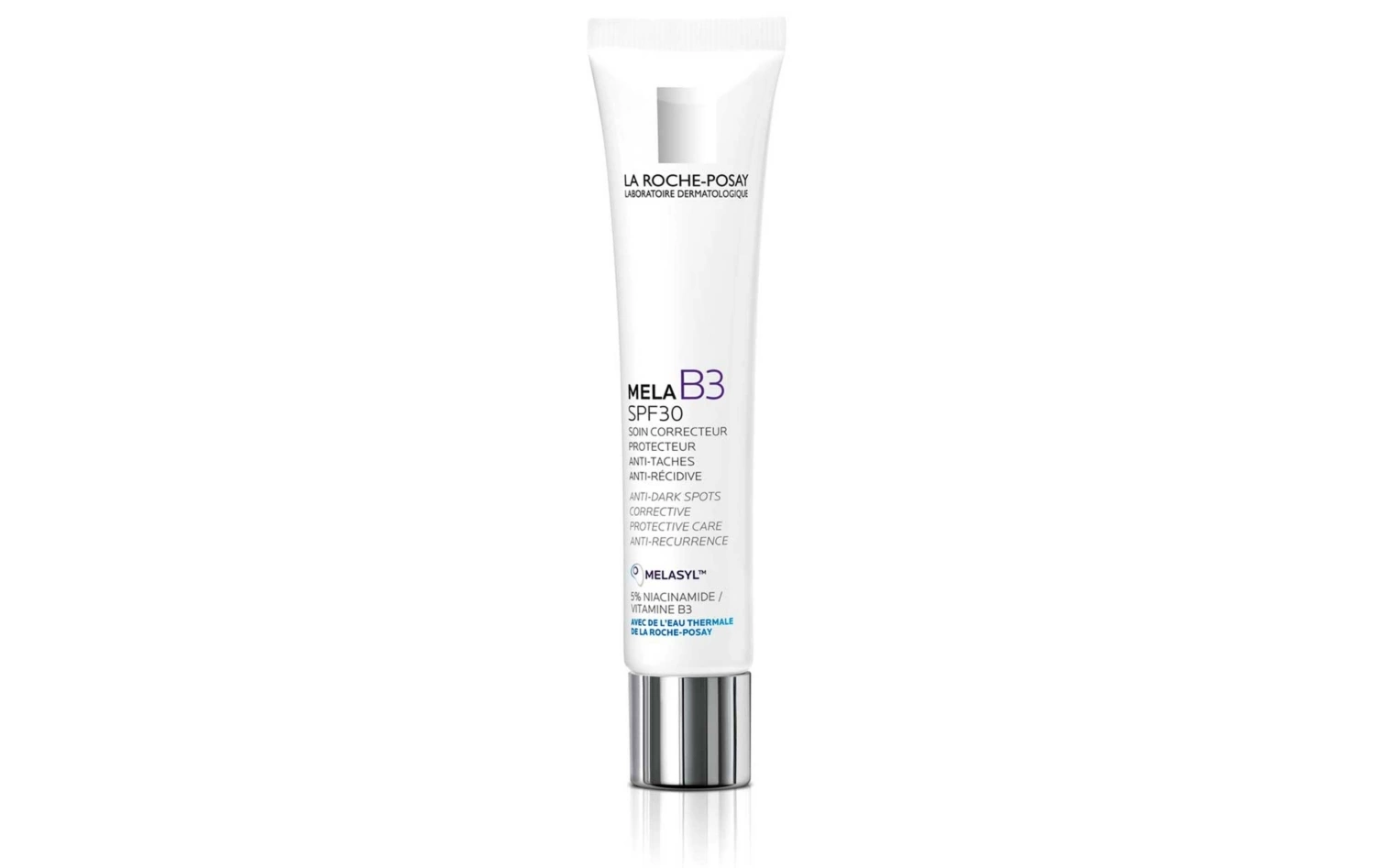
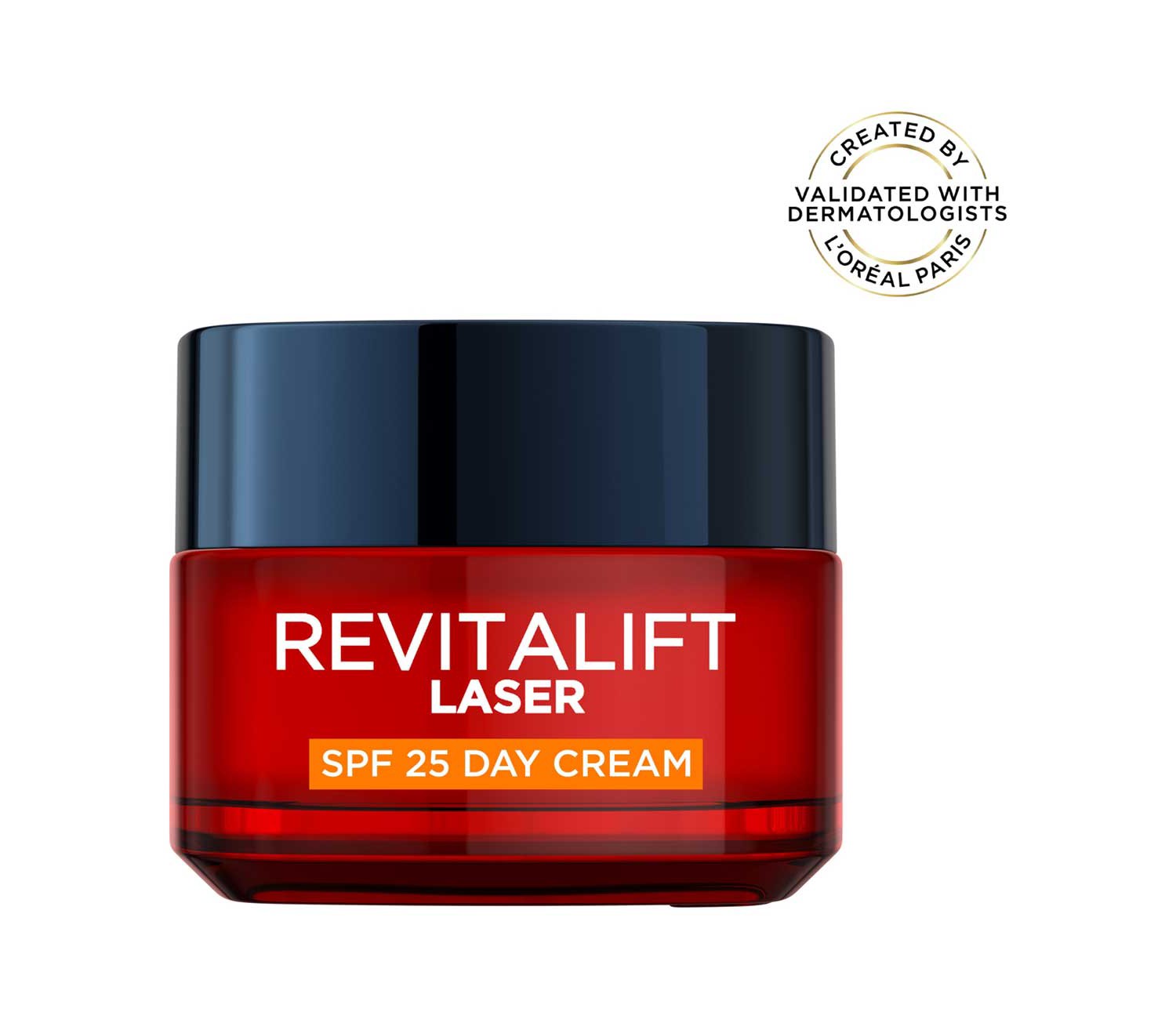
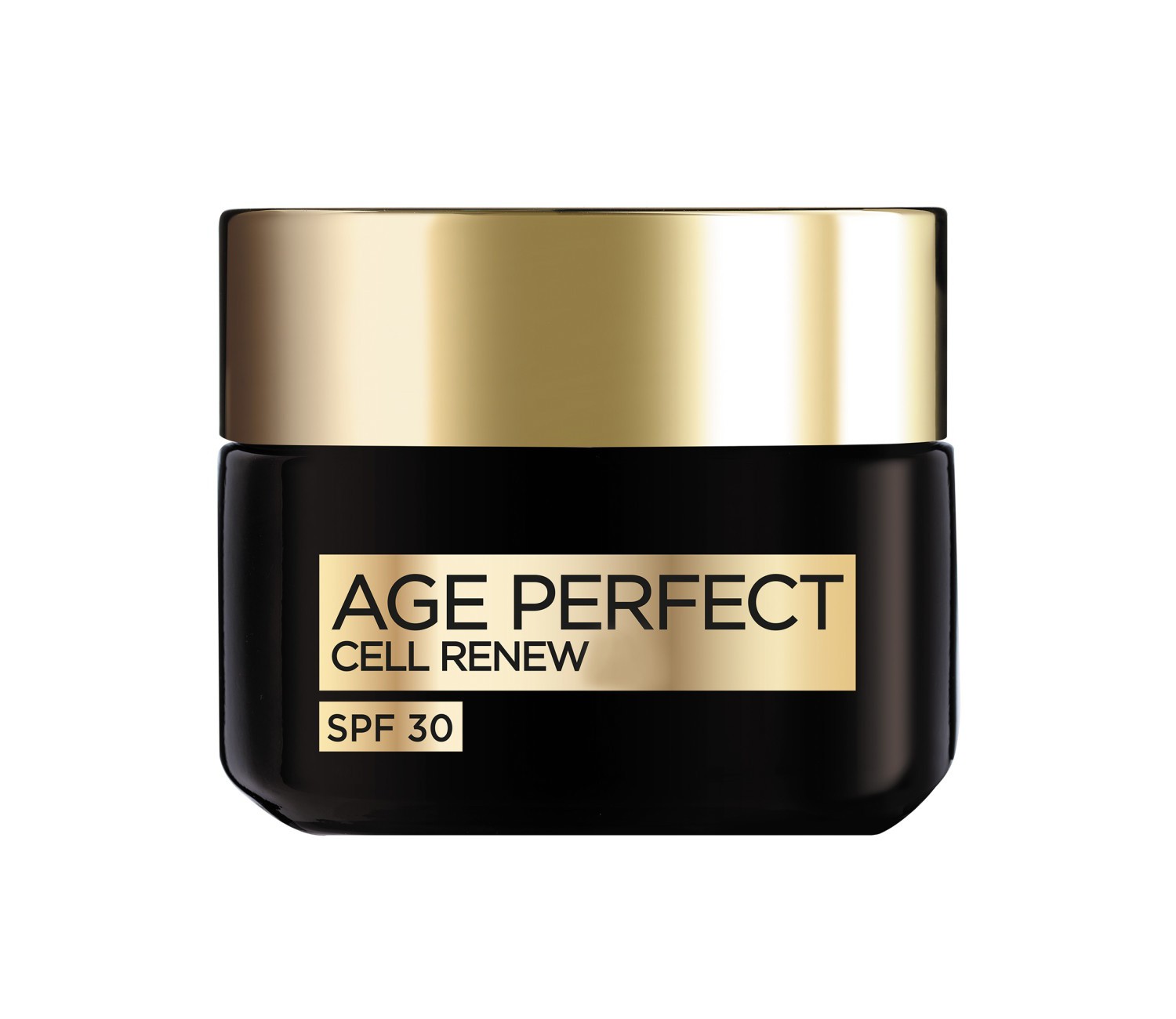
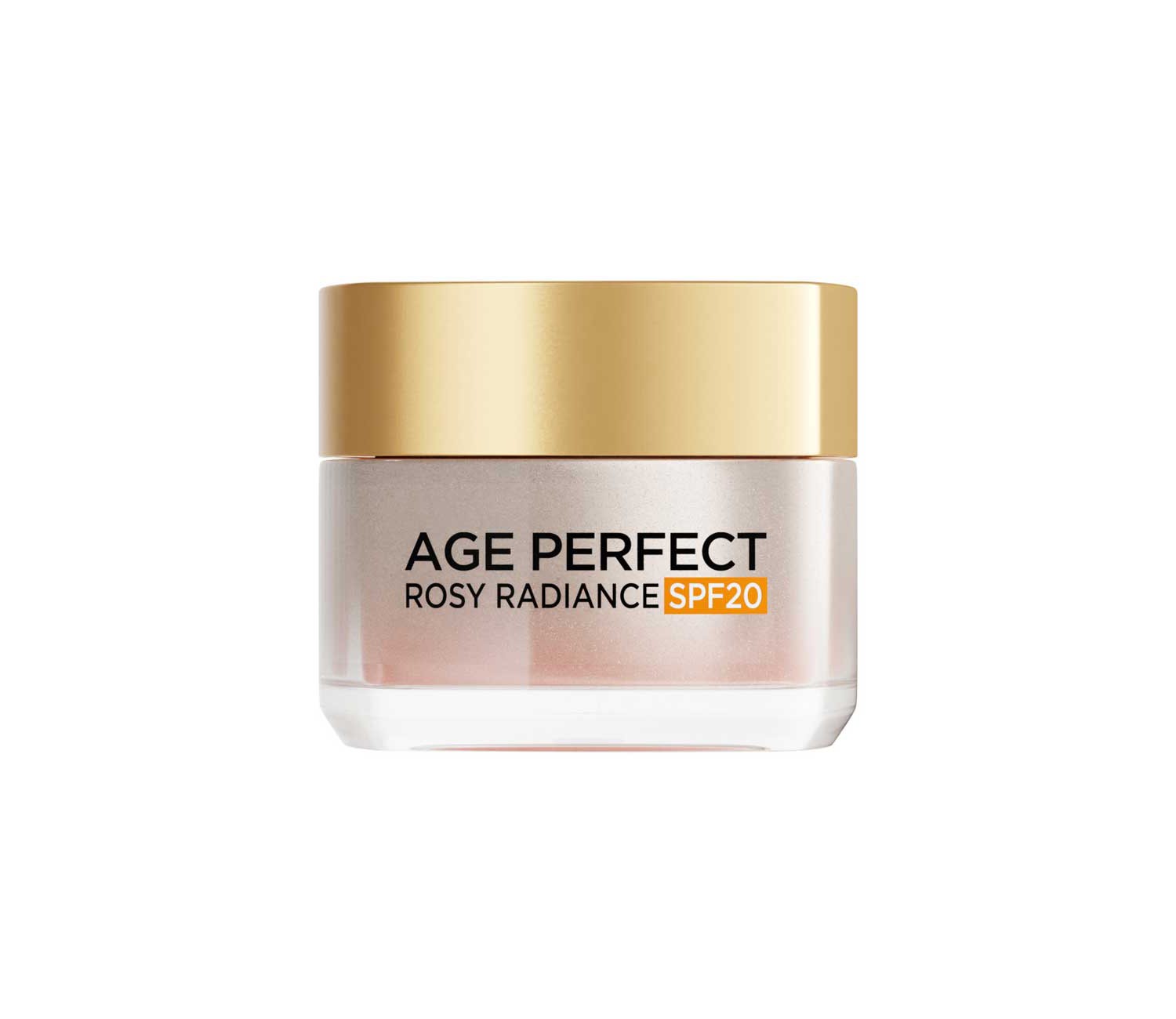
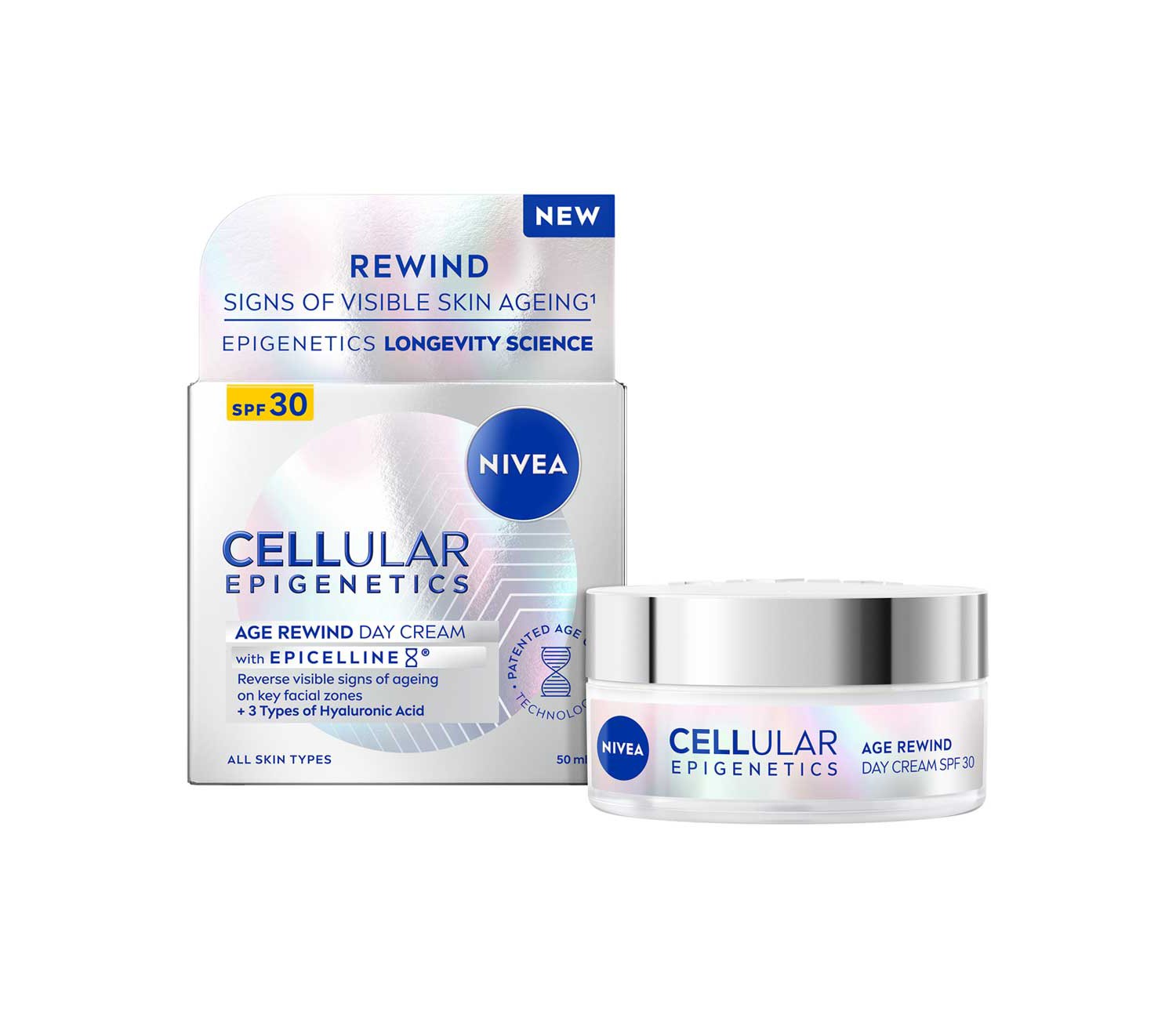
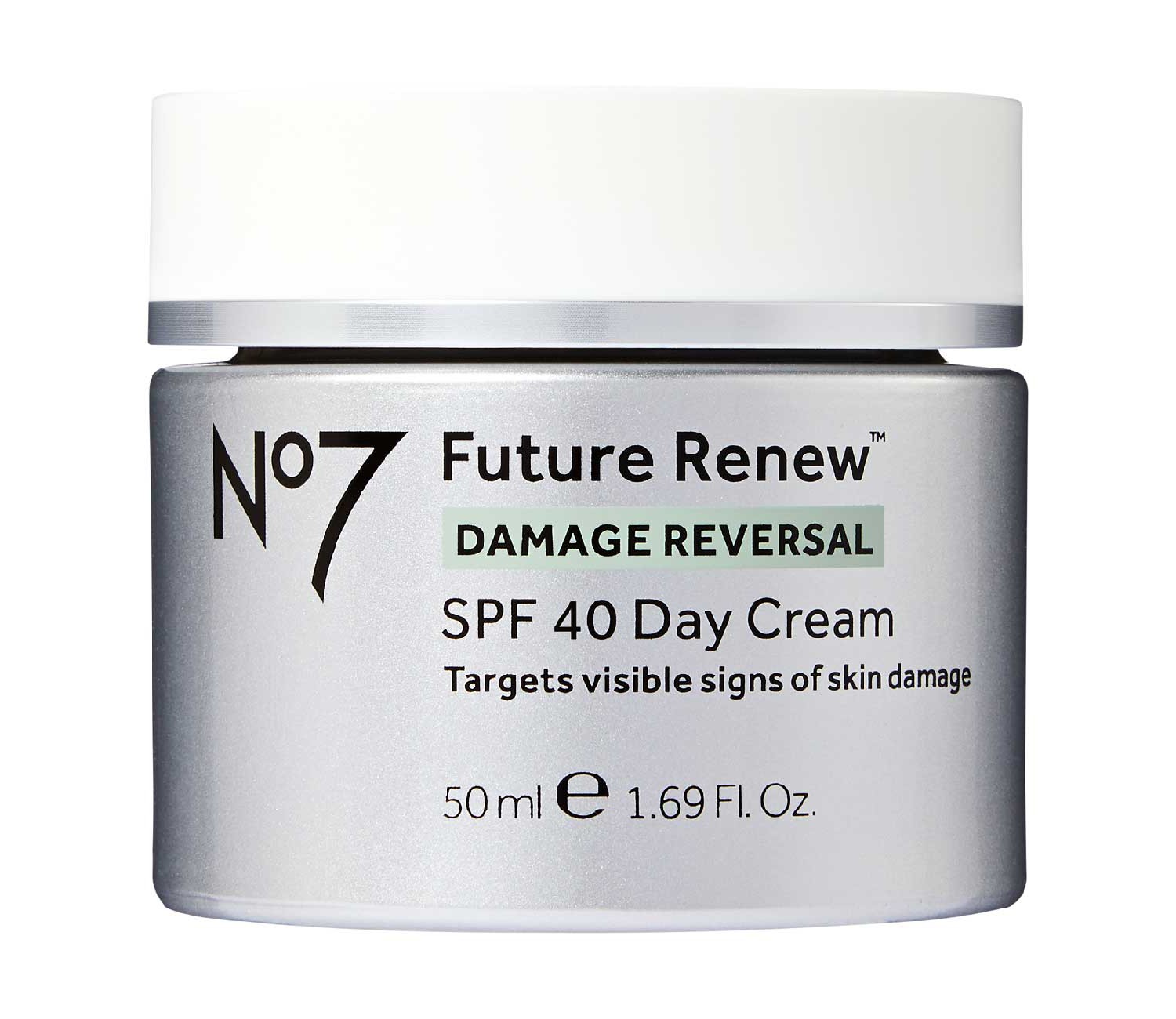
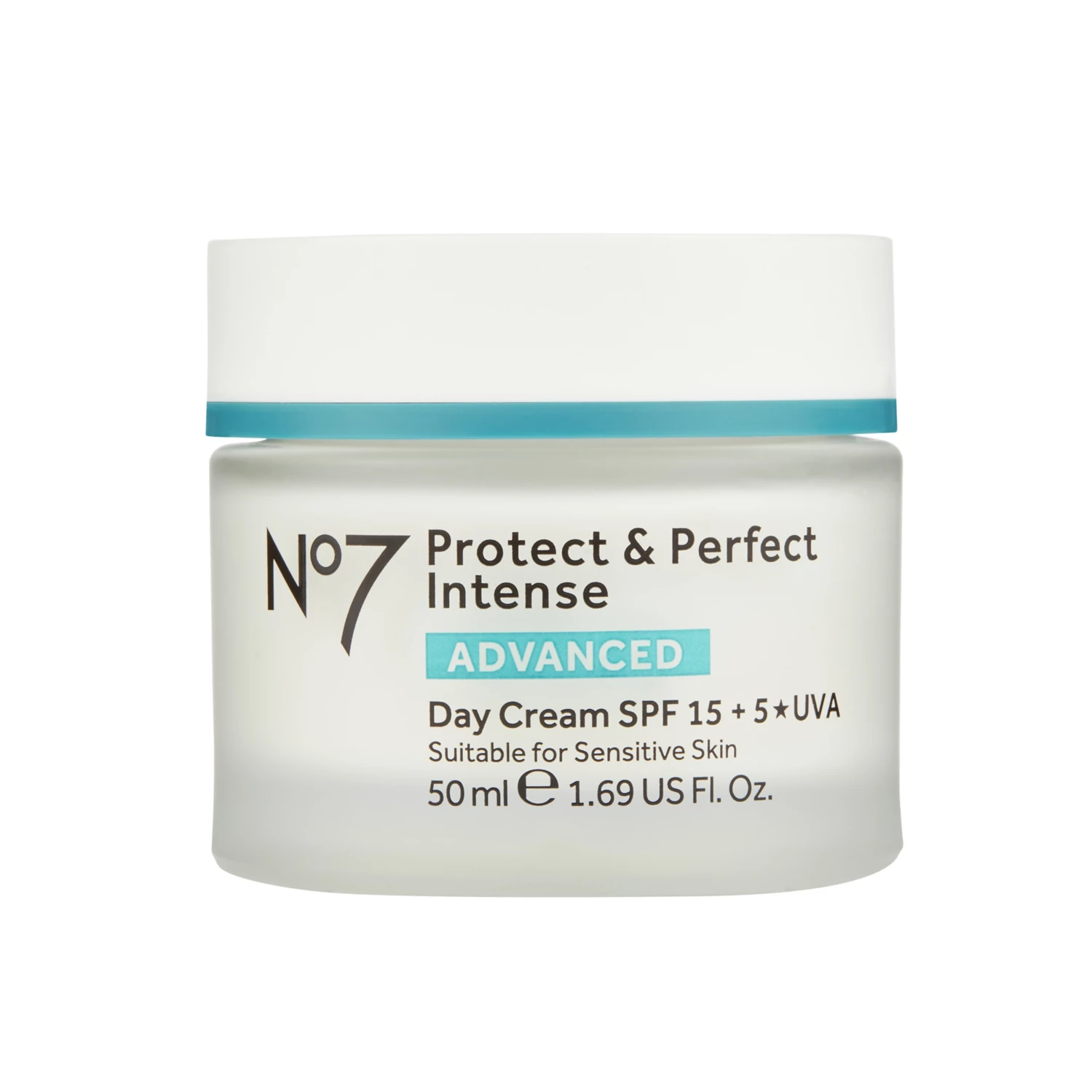
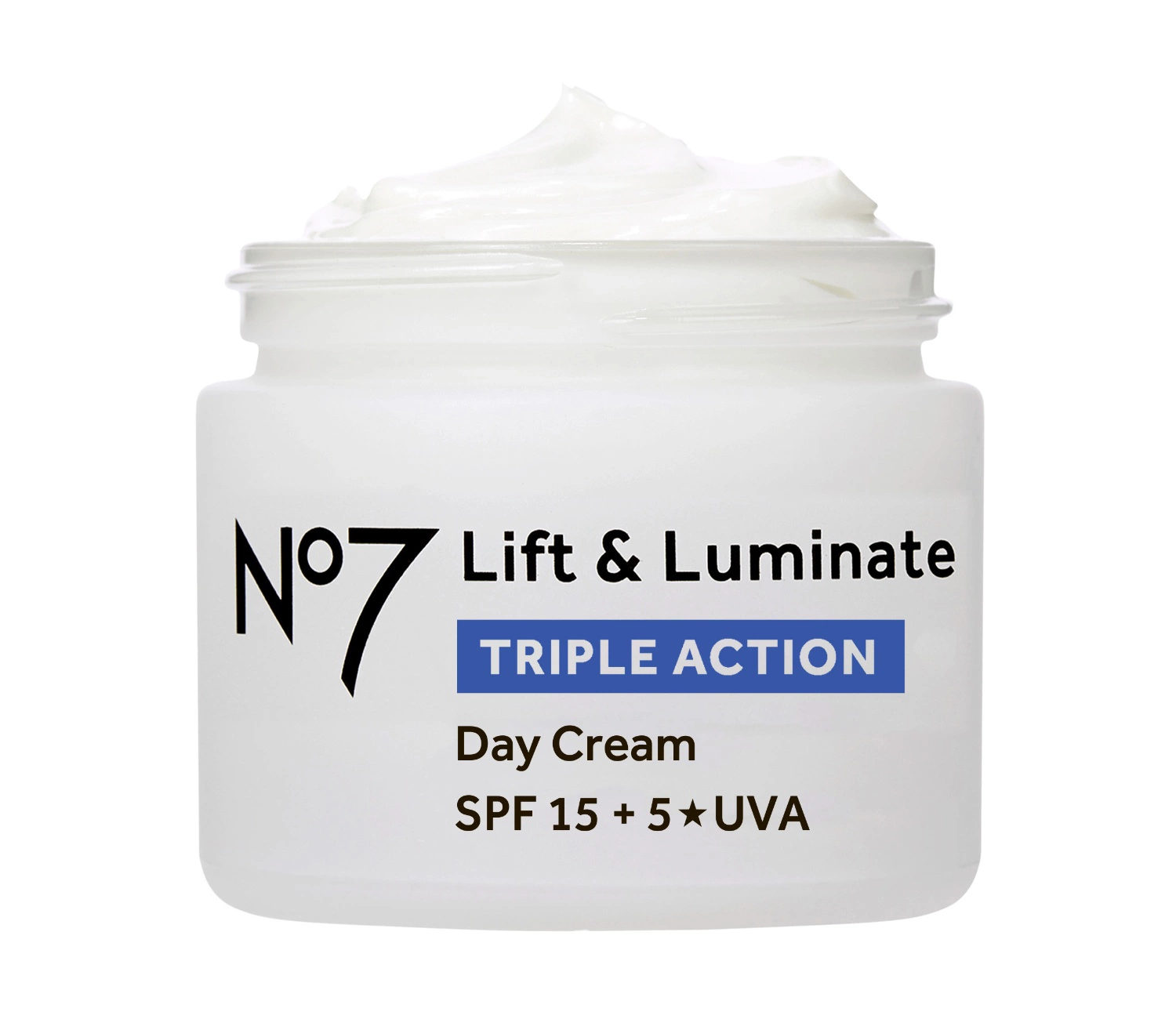
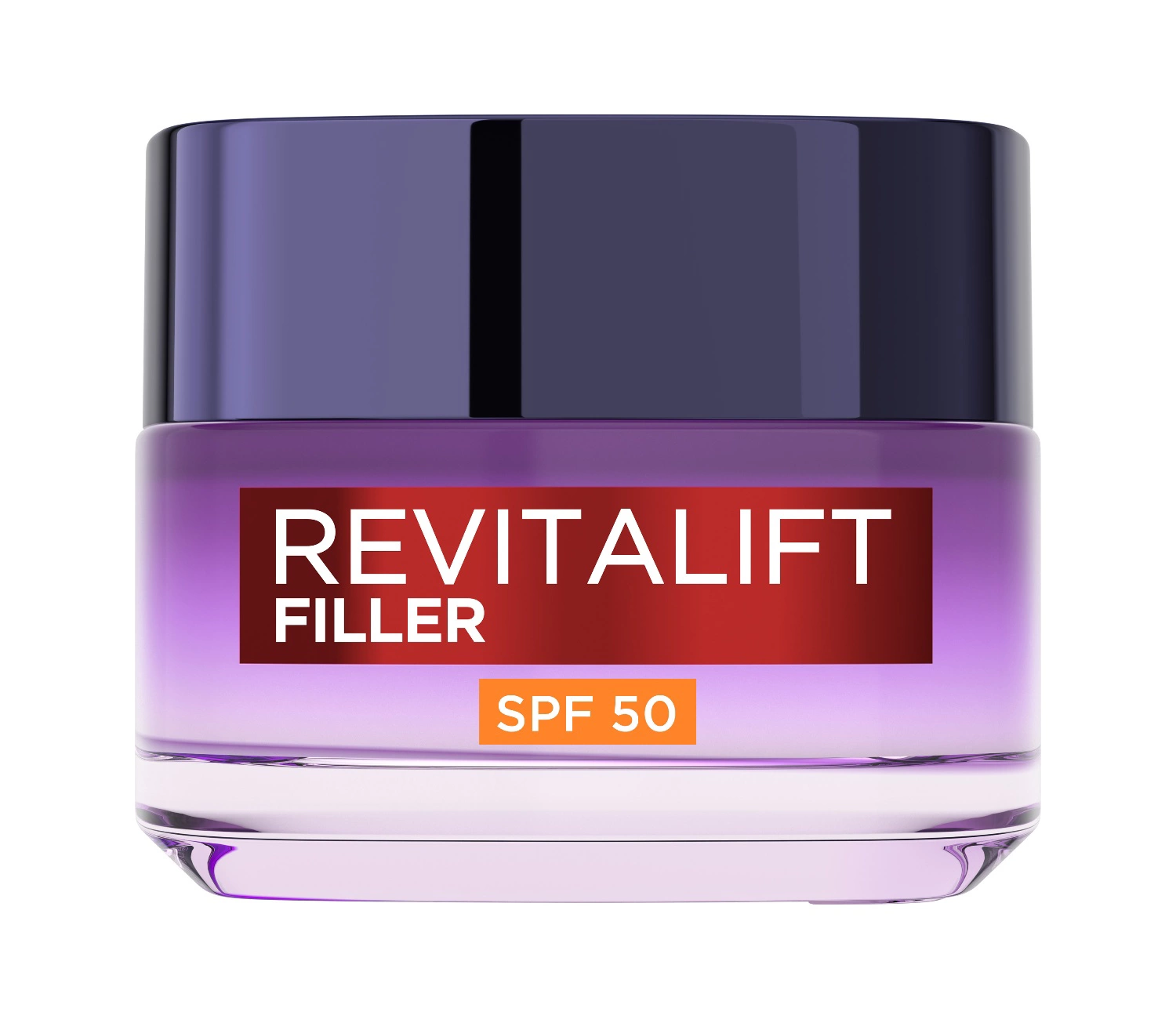
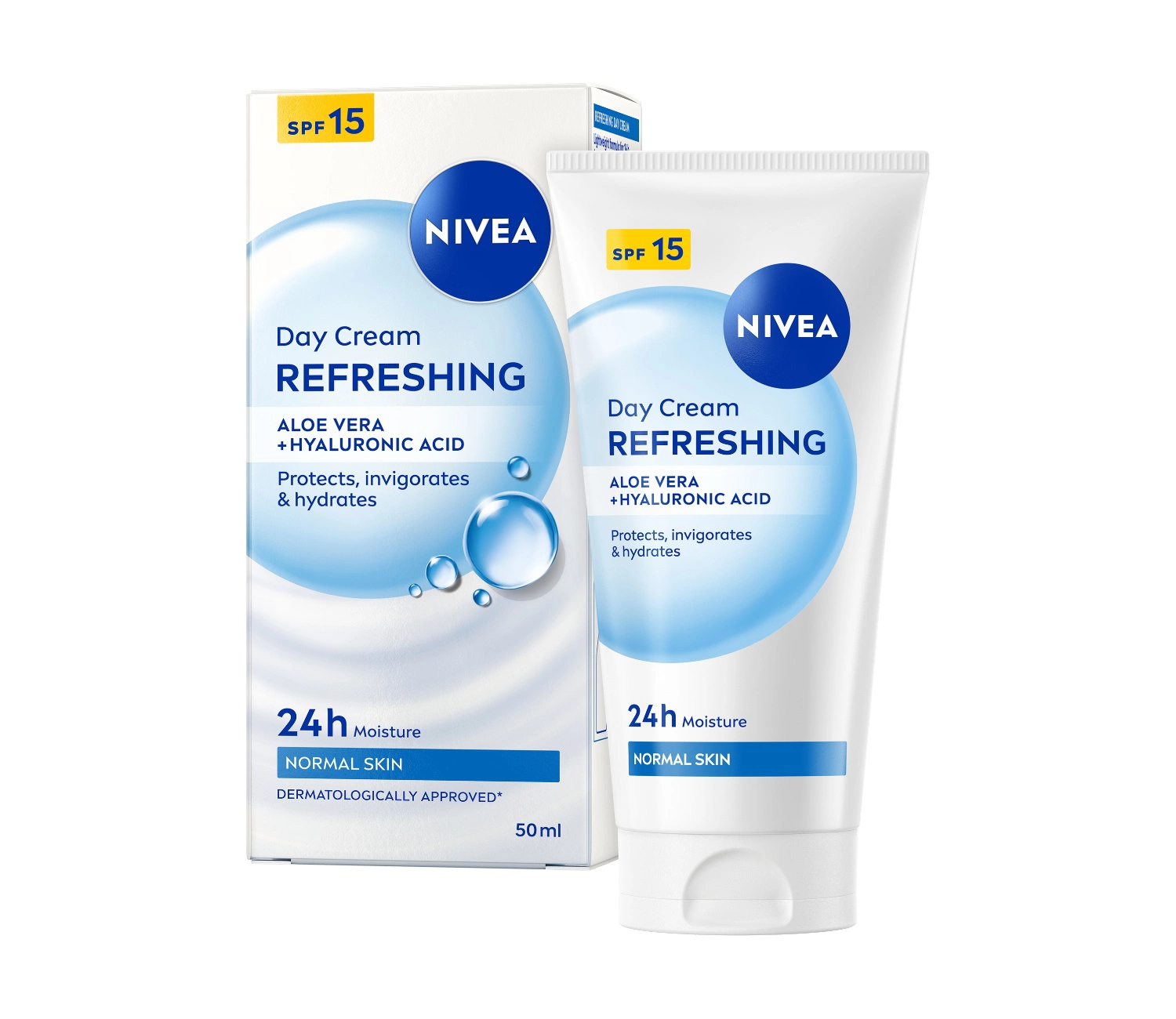
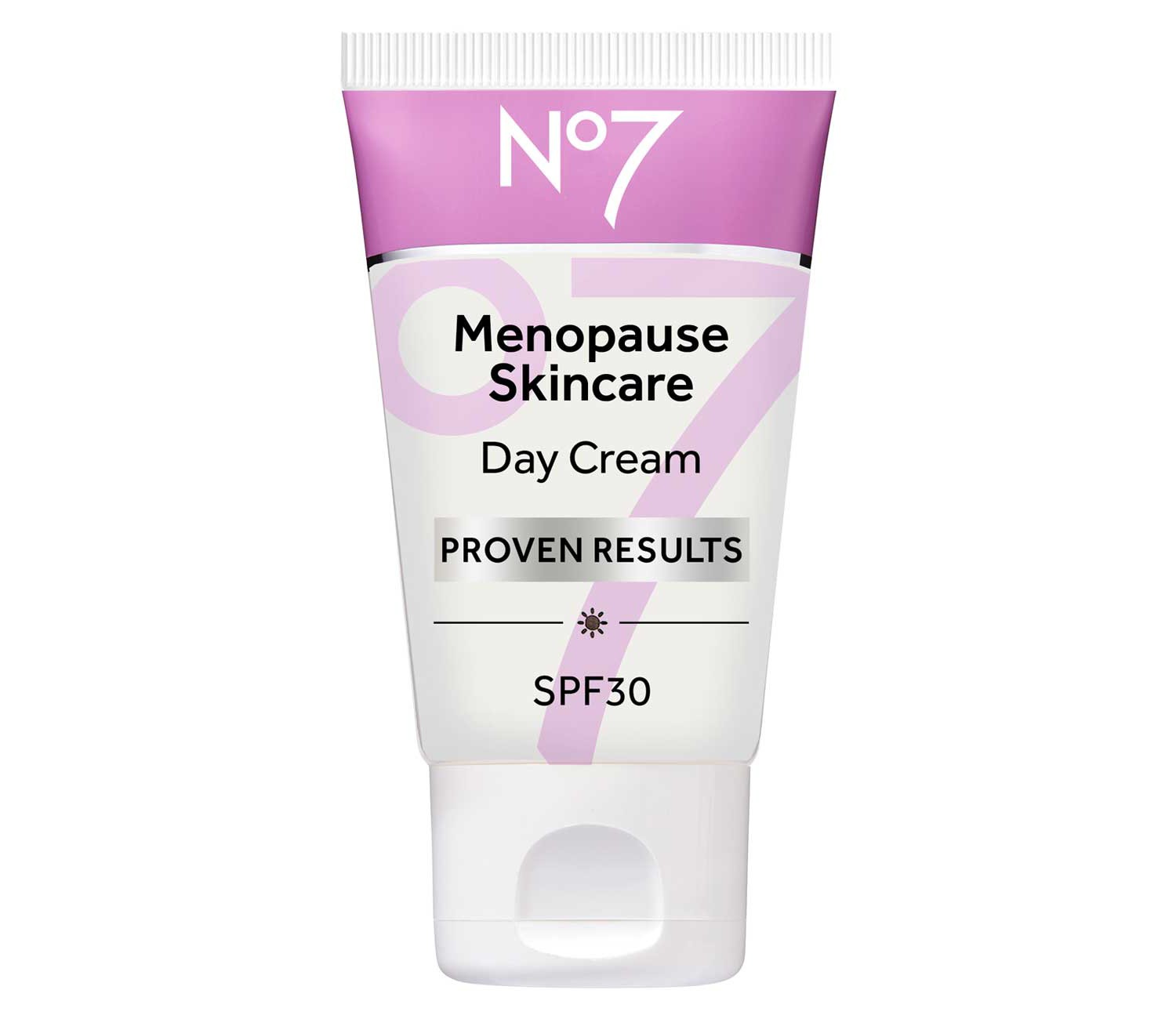
Day creams that add SPF. Handy, but only if you apply a full teaspoon; many are SPF 15 to 30.
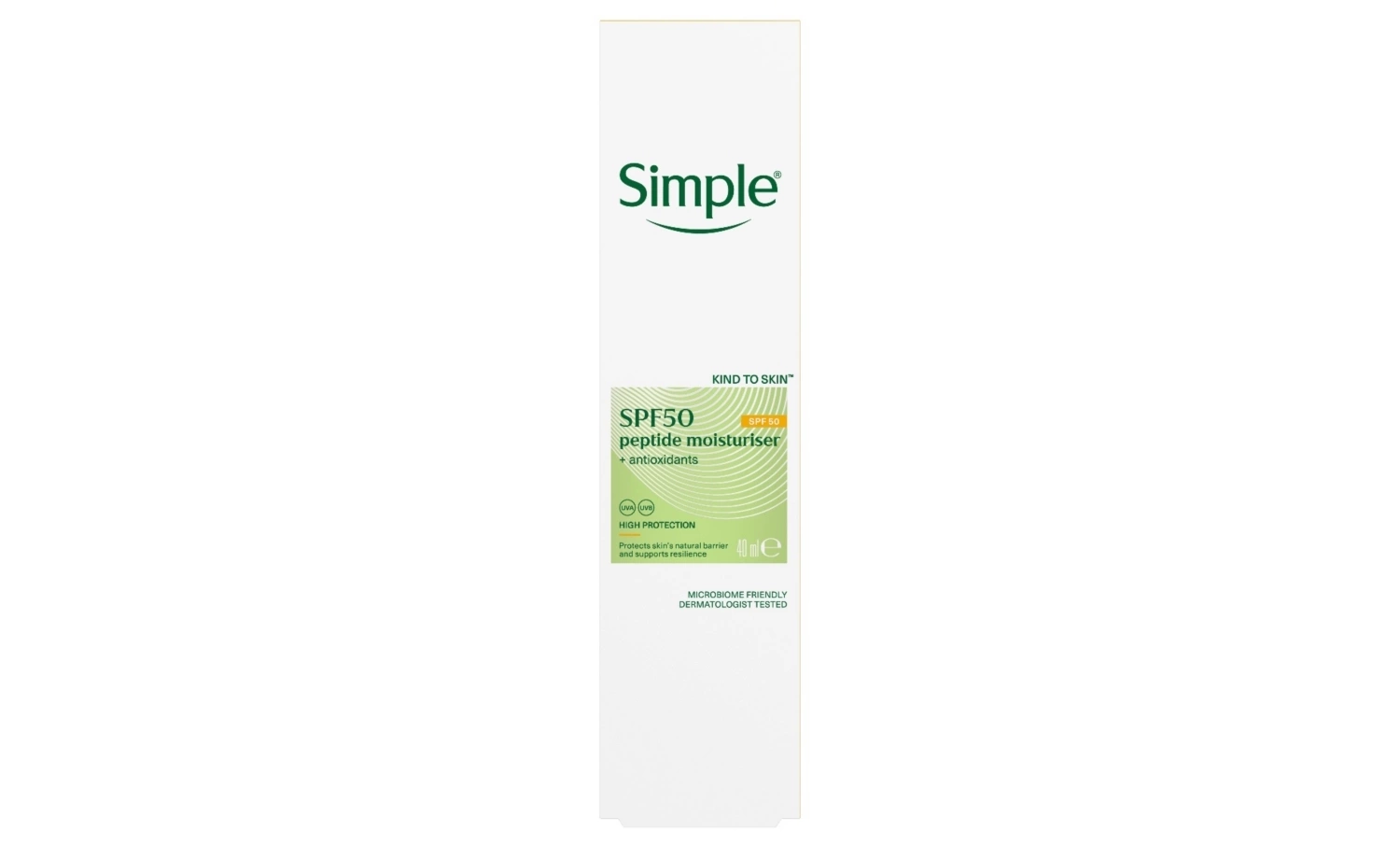

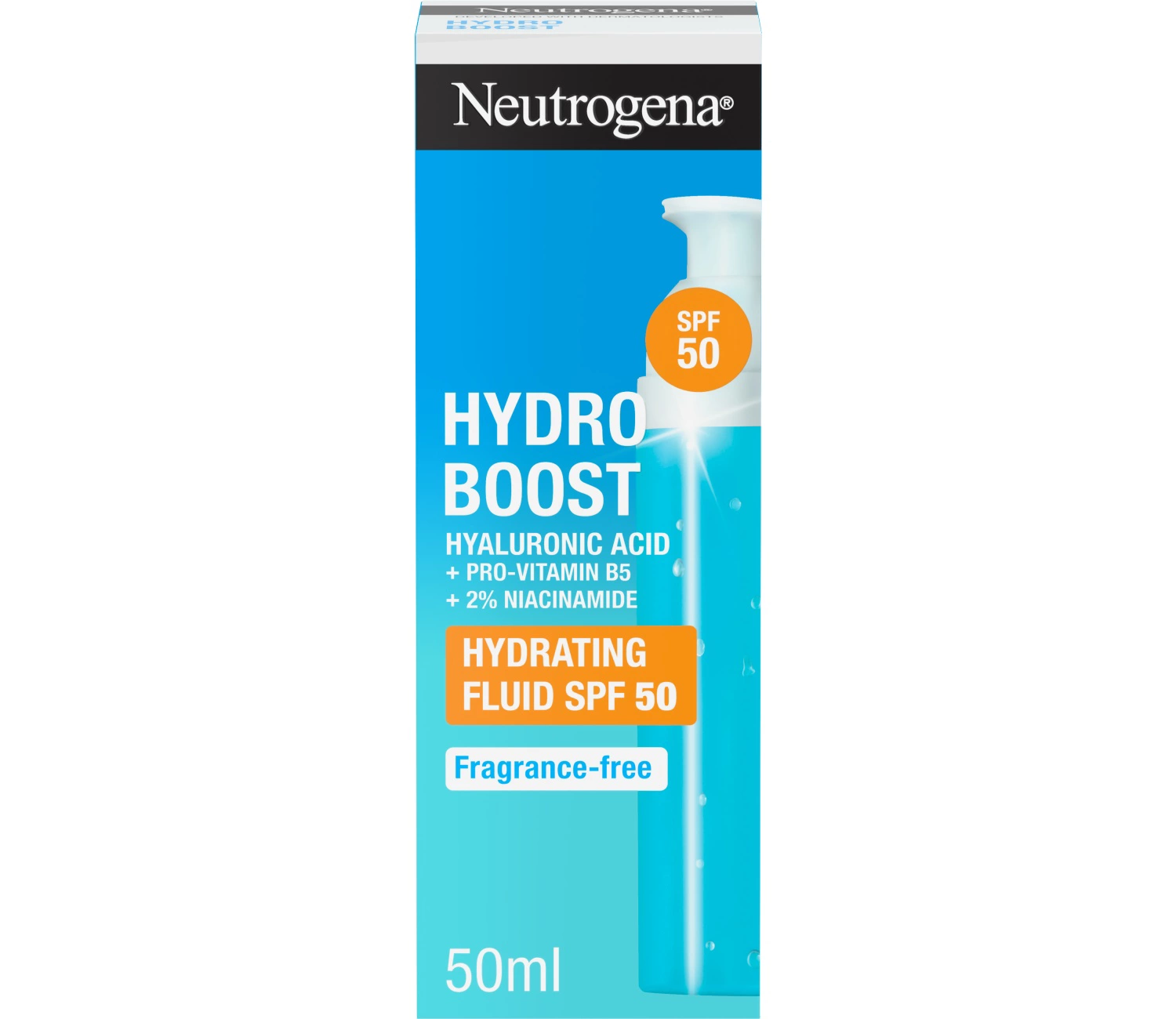
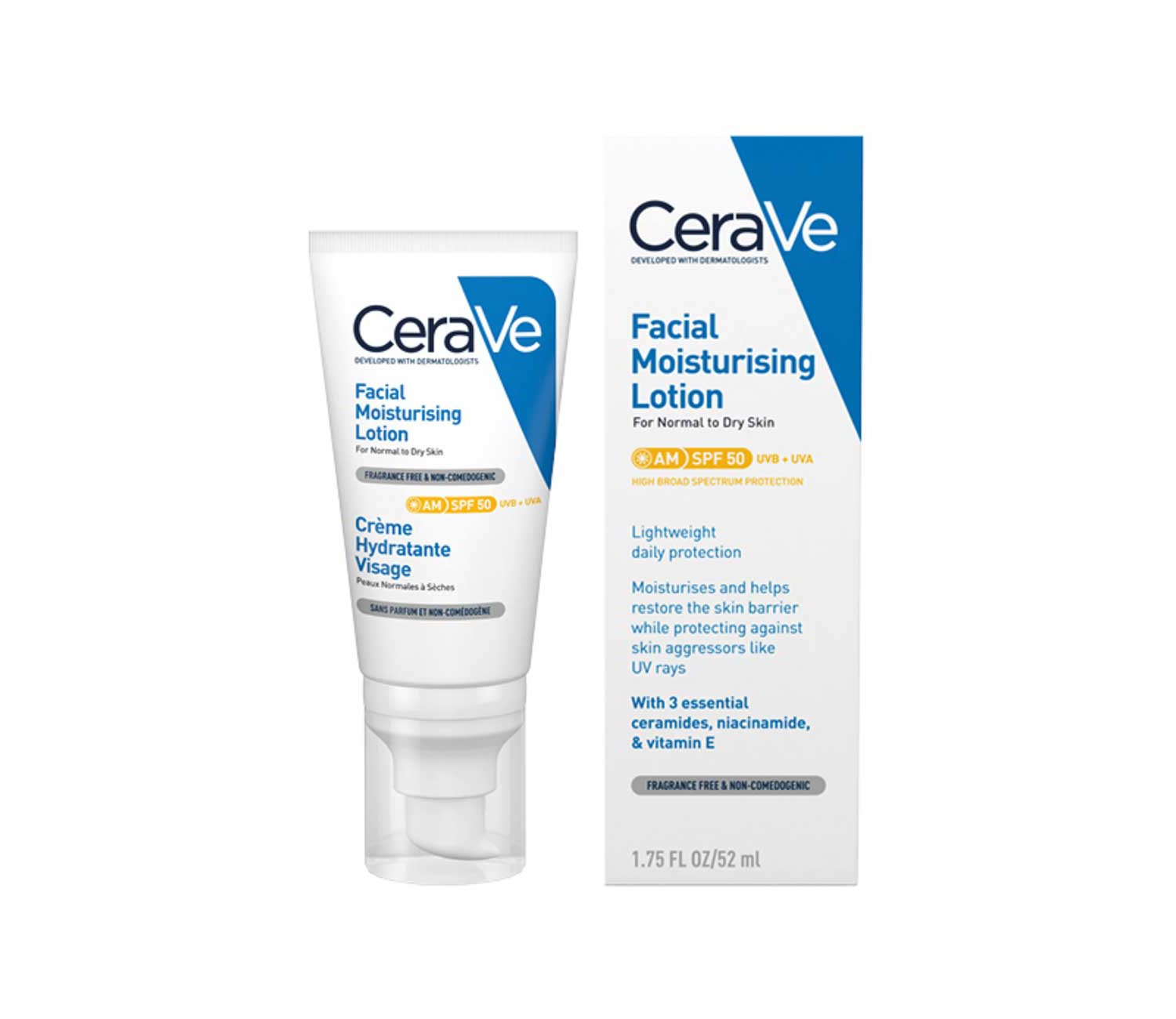


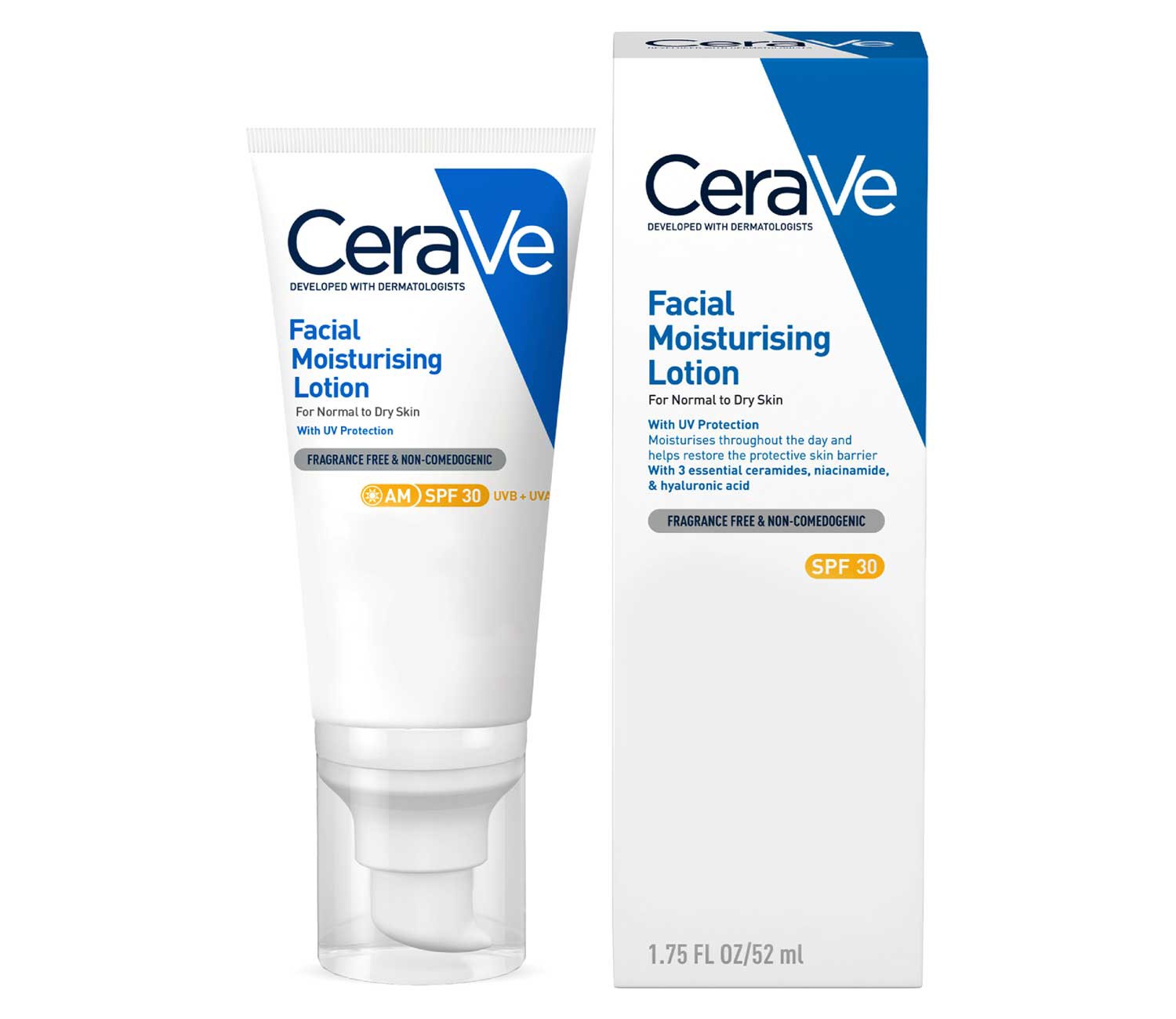




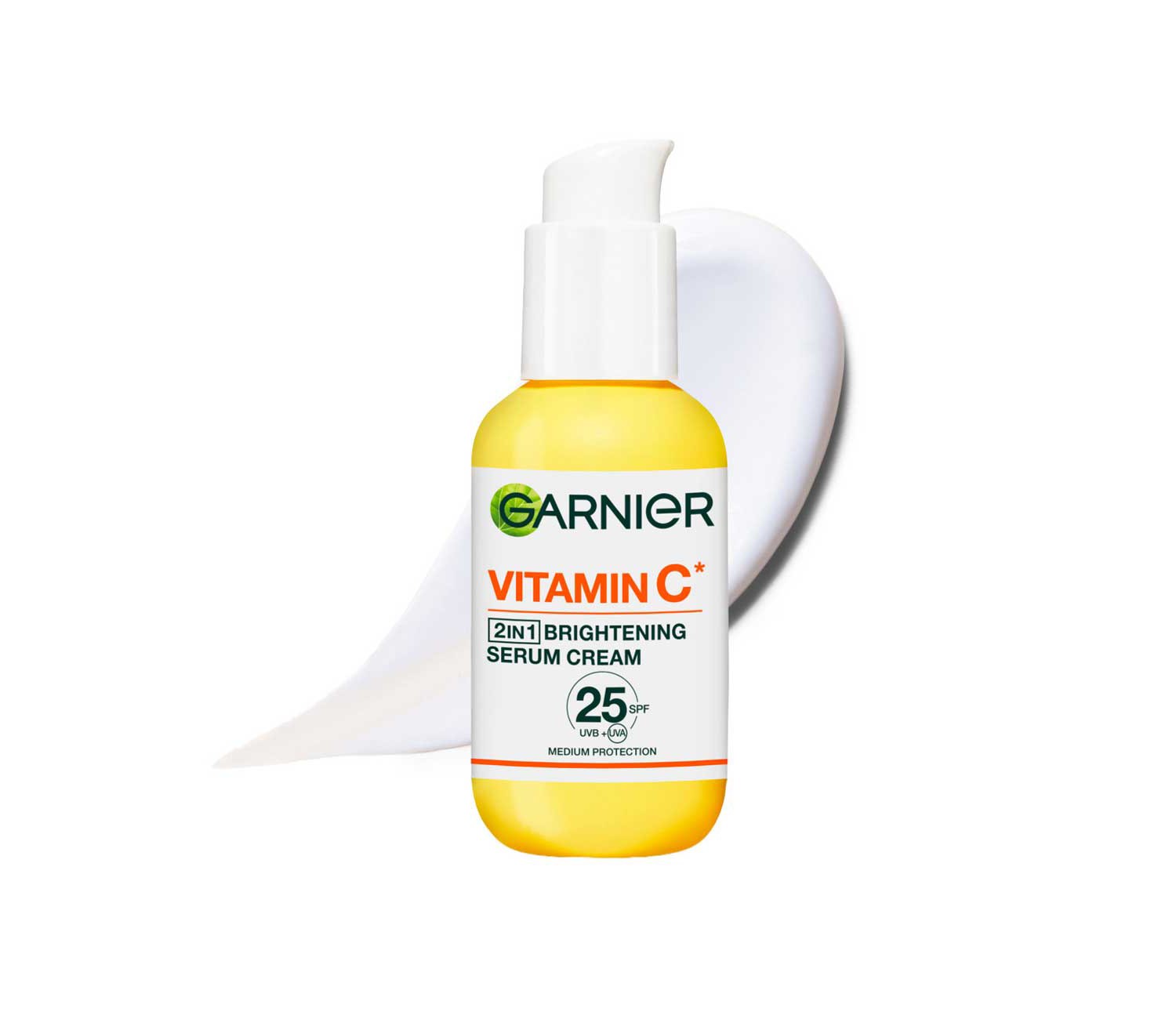
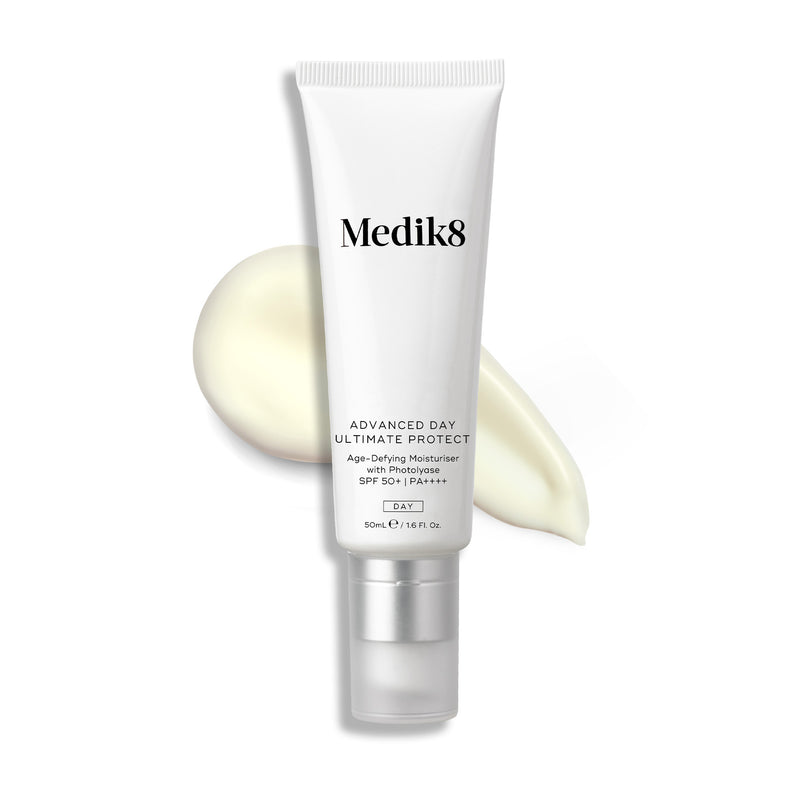
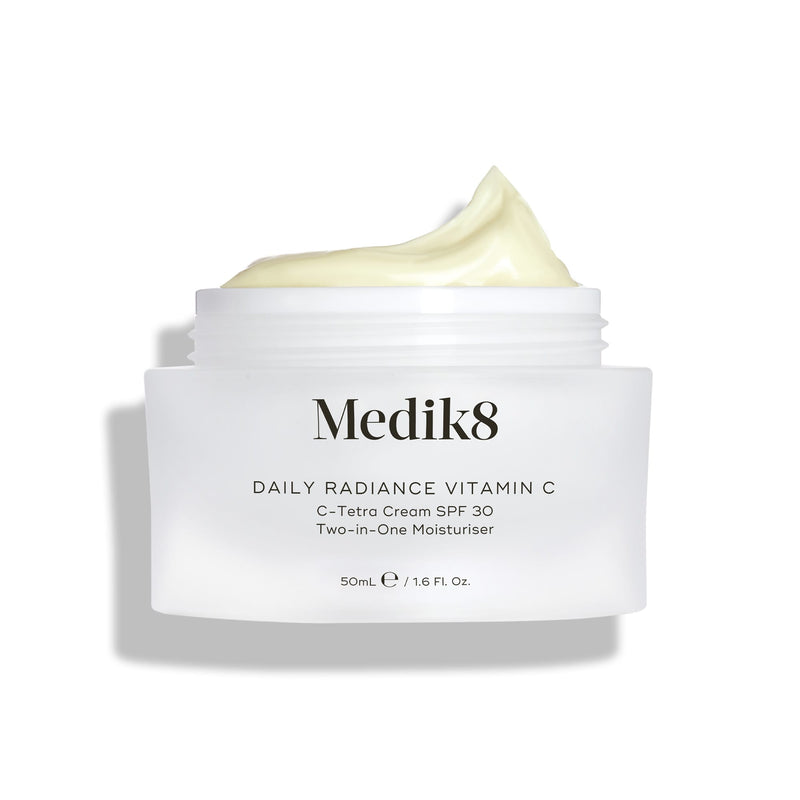
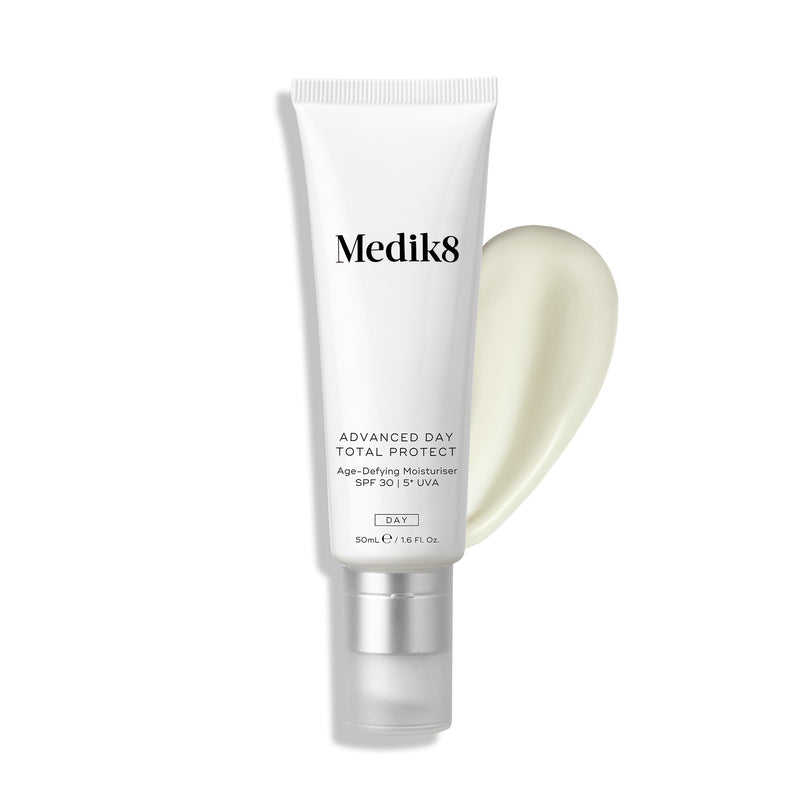

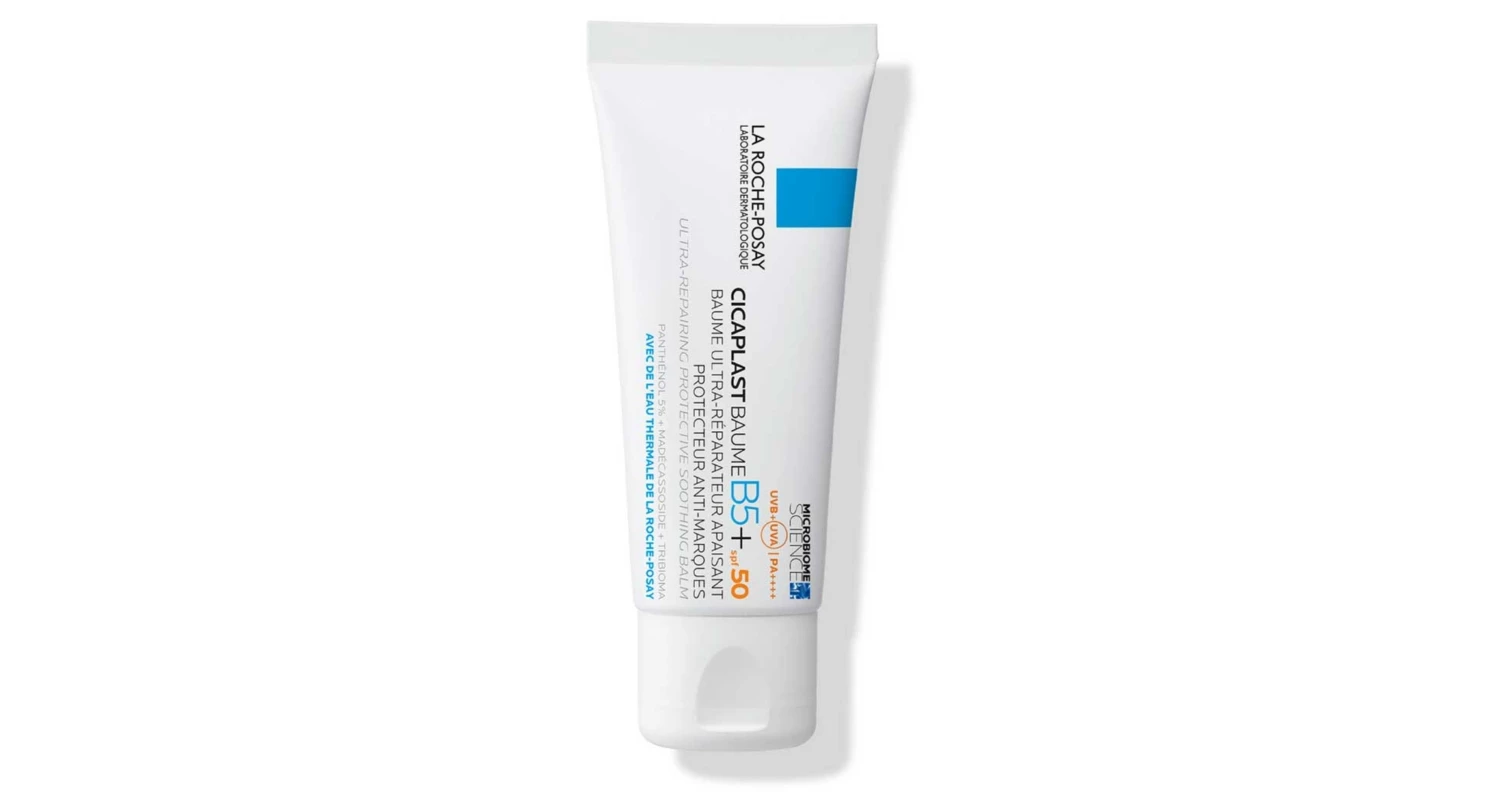
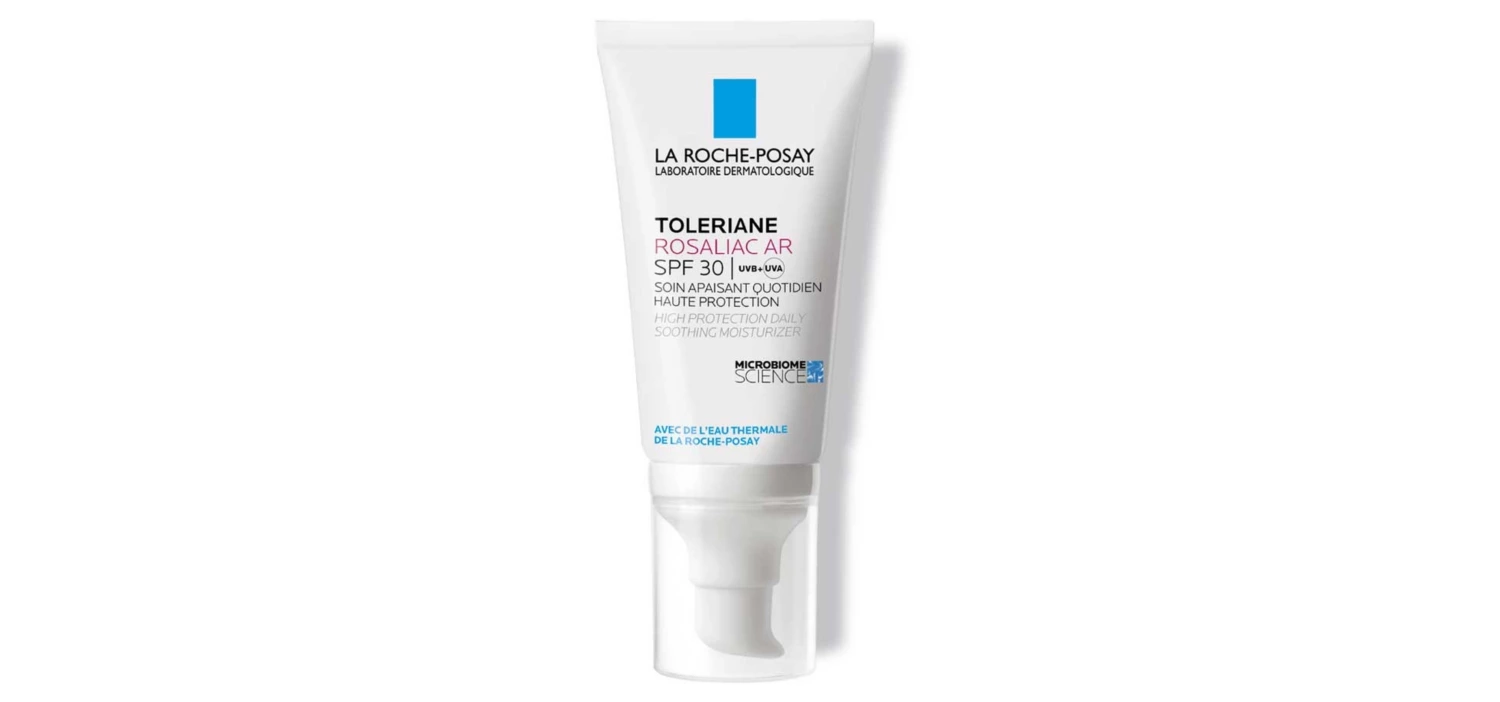

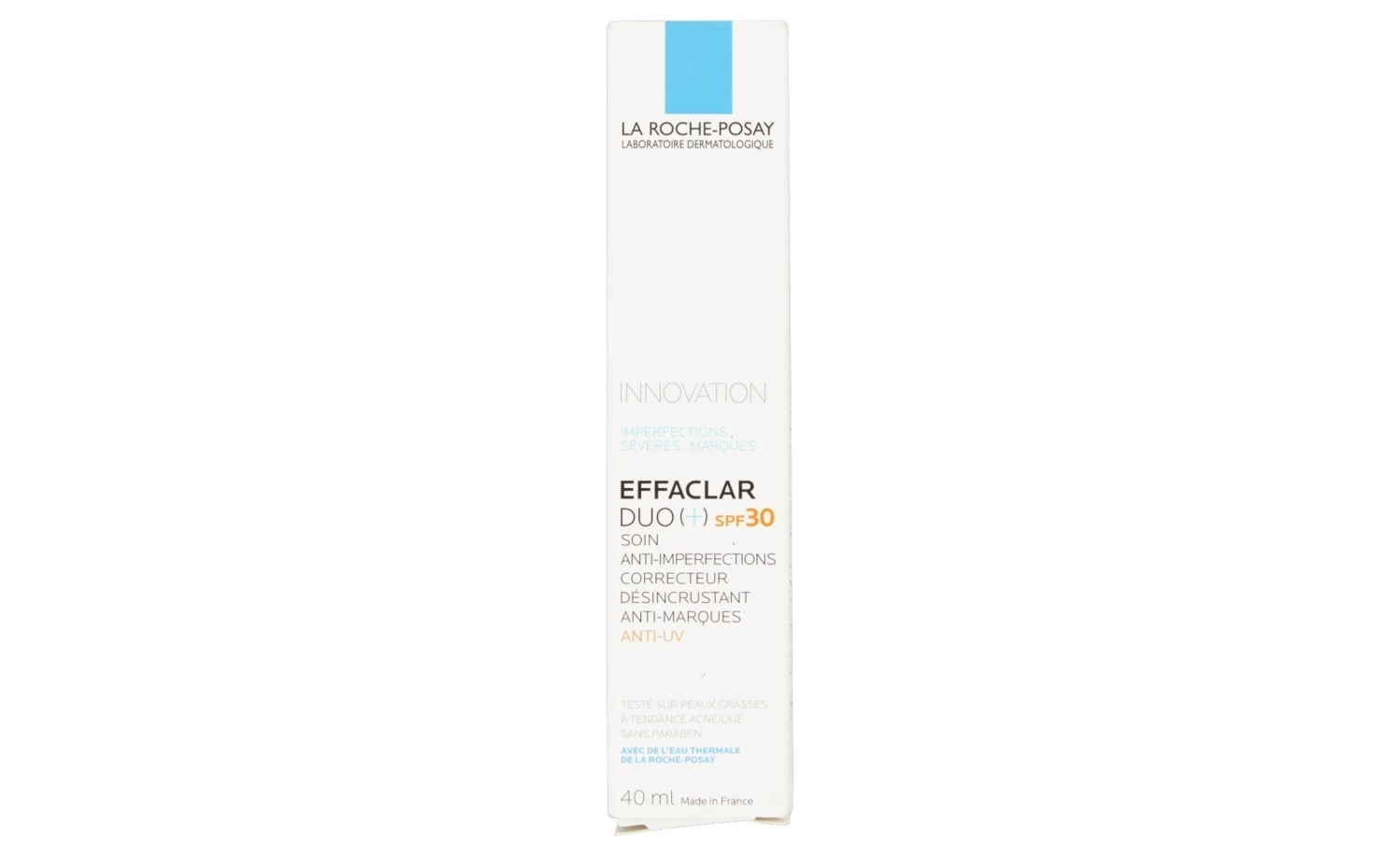
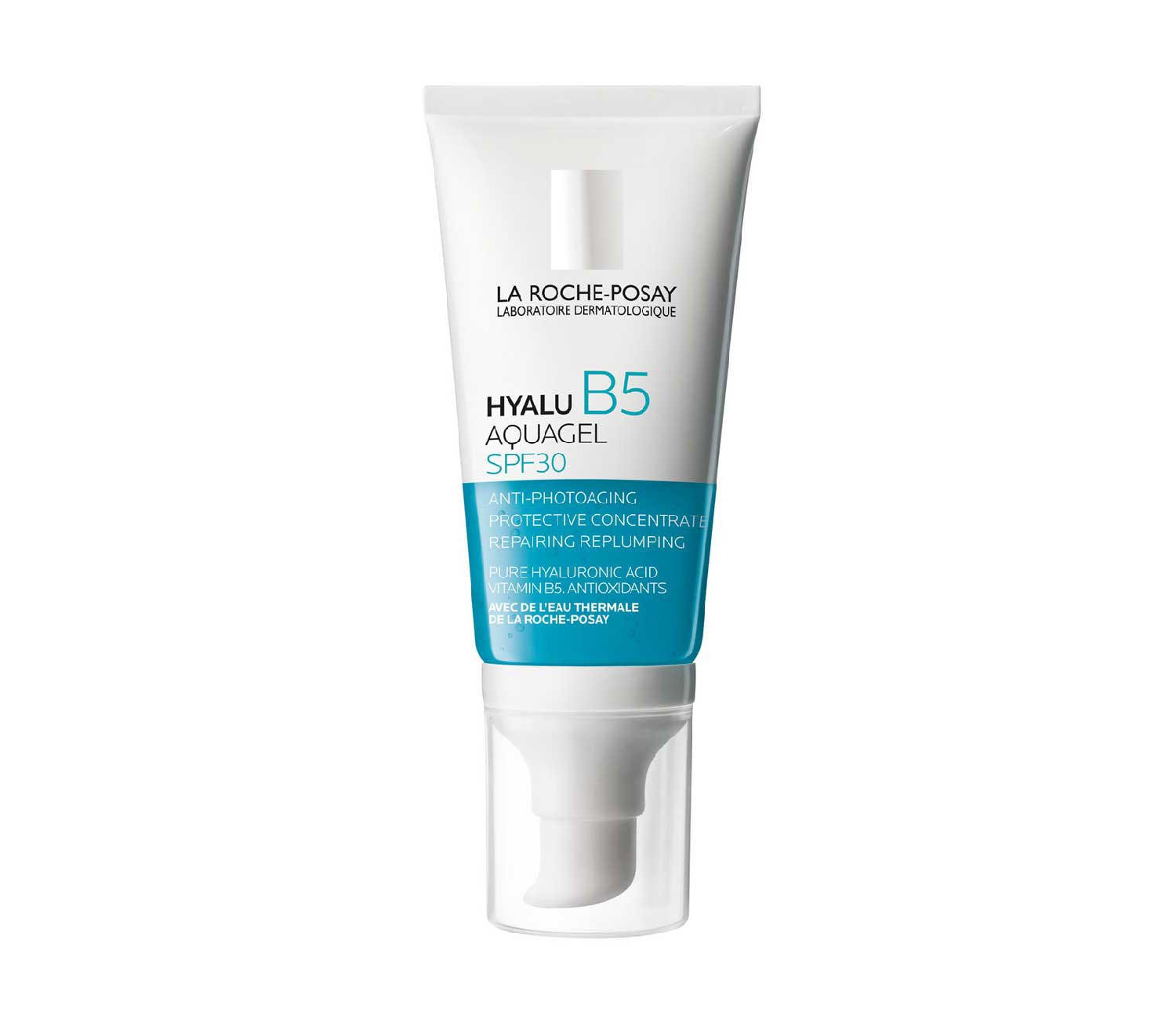


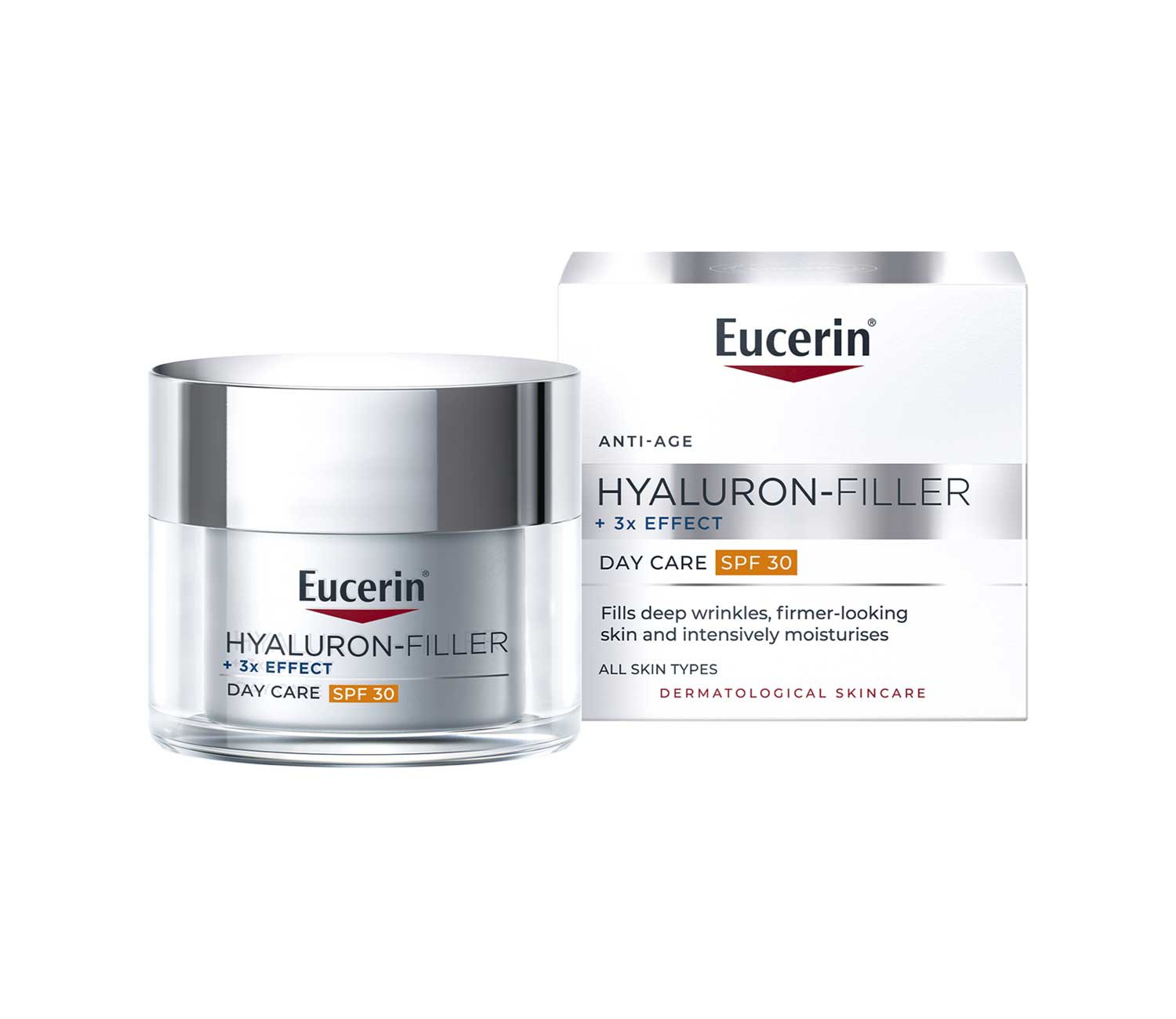
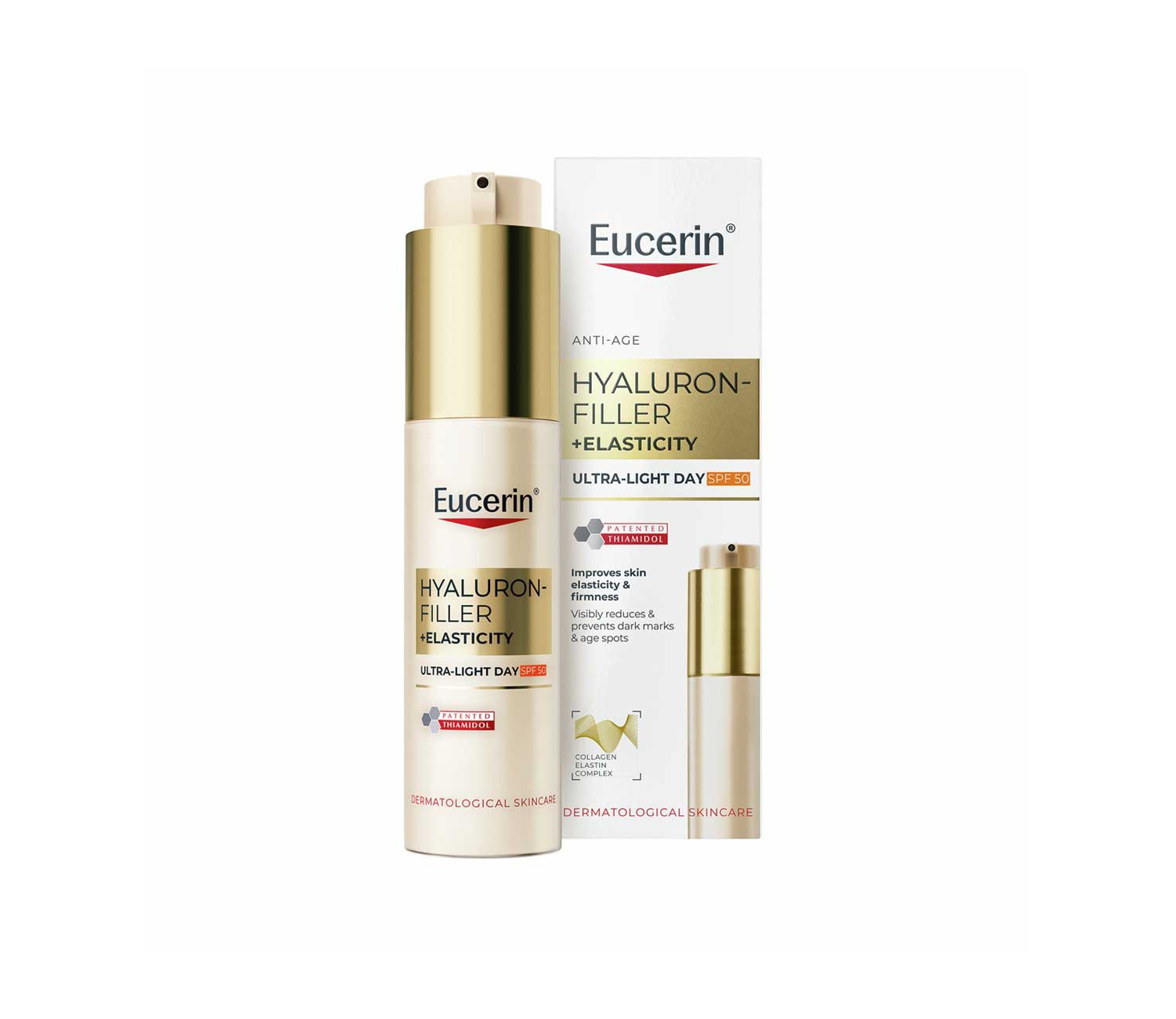
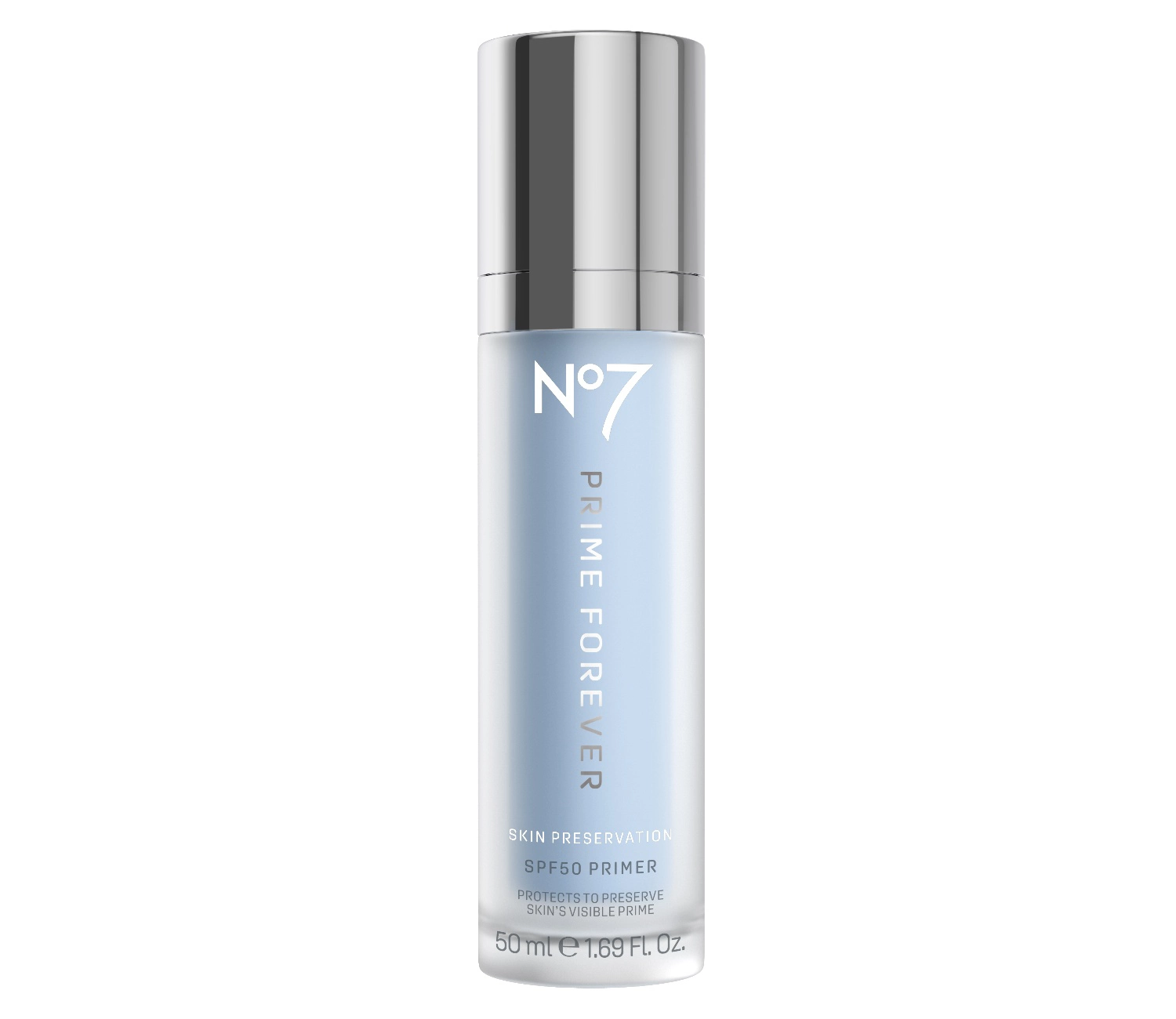
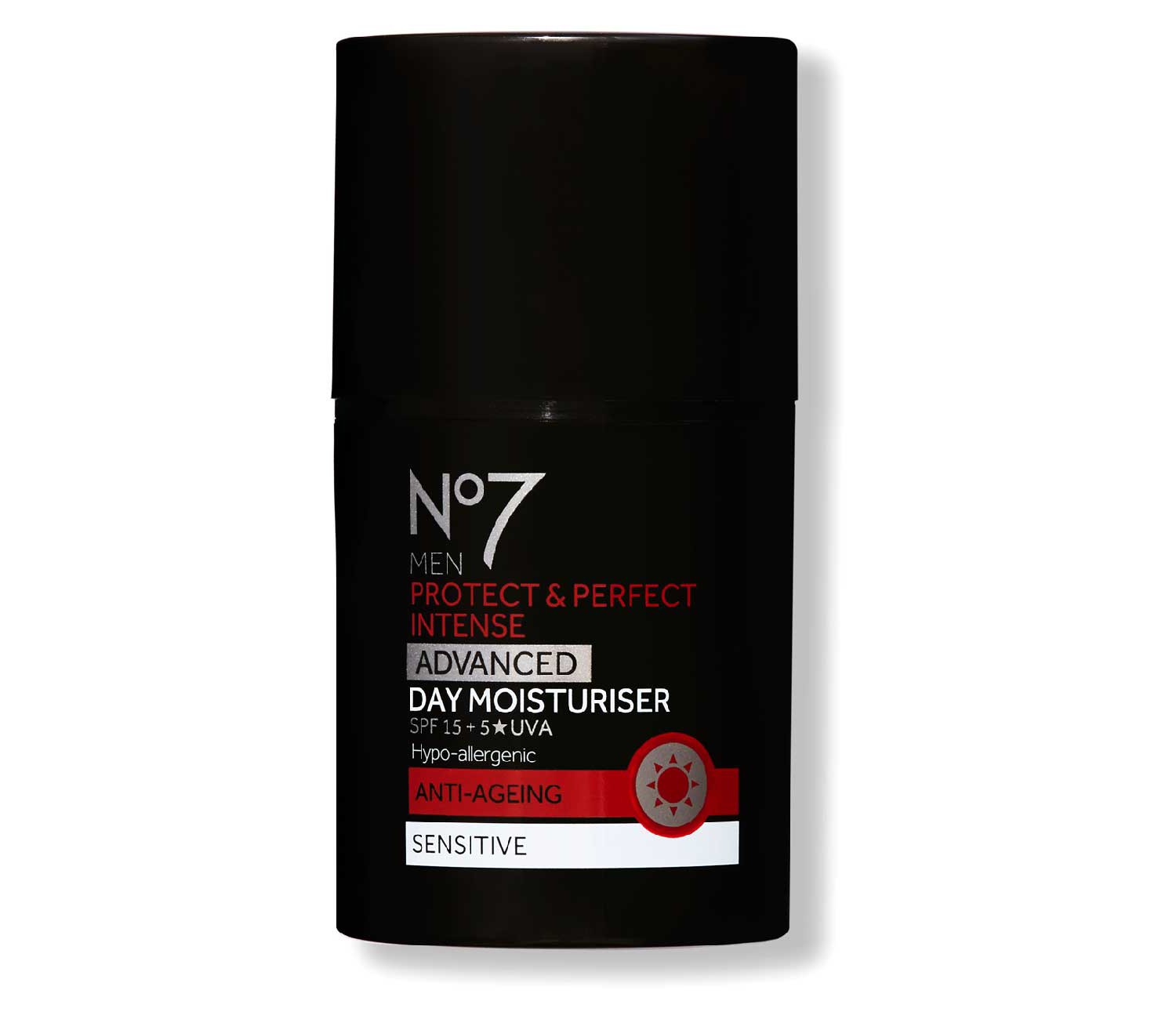
Best-of lists: Best Face Sunscreens SPF 50 UK · Best Moisturisers with SPF UK · Best Face Sunscreens for Pregnancy UK · Best Fragrance-Free Face Sunscreens UK · Best Alcohol-Free Face Sunscreens UK
Guides: Skincare for Dark Spots & Uneven Tone · Anti-Ageing Skincare for Fine Lines & Wrinkles · Fragrance-free skincare · Alcohol-free skincare
For most days, SPF 30 applied generously is enough. SPF 50 gives more margin, which helps because most people apply less than the tested amount. Reapply every two hours when outdoors.
Mineral sunscreens use zinc oxide or titanium dioxide and often suit sensitive skin, but can leave a white cast. Chemical filters absorb UV, feel lighter and are usually invisible. Both protect well when used properly.
About a teaspoon (around 1.25 ml) for face and neck, or two finger-lengths for the face alone. Using less lowers the protection you actually get.
Of the 115 sunscreens on this page with a full ingredient list, 43 (37%) contain no fragrance (parfum), essential oils or declared fragrance allergens. Each product card says whether it is fragrance-free.
Browse by brand: Beauty of Joseon · BYOMA · CeraVe · Clinique · COSRX · Dr.Jart+ · Estée Lauder · Eucerin · Garnier · L'Oréal Paris · La Roche-Posay · Medik8 · Neutrogena · NIVEA · No7 · Simple · The INKEY List · The Ordinary
Product details come from each product's published ingredient list, not from testing. Groupings are based on product names and headline ingredients.