Colloidal Oatmeal (Oat)
Soothing skin protectant
Colloidal oatmeal is oat ground into a very fine powder that stays suspended in water. It has been used to soothe itchy skin for centuries and is one of the few ingredients recognised as a skin protectant by US regulators. It suits dry, itchy, sensitive and eczema-prone skin.
- Found in
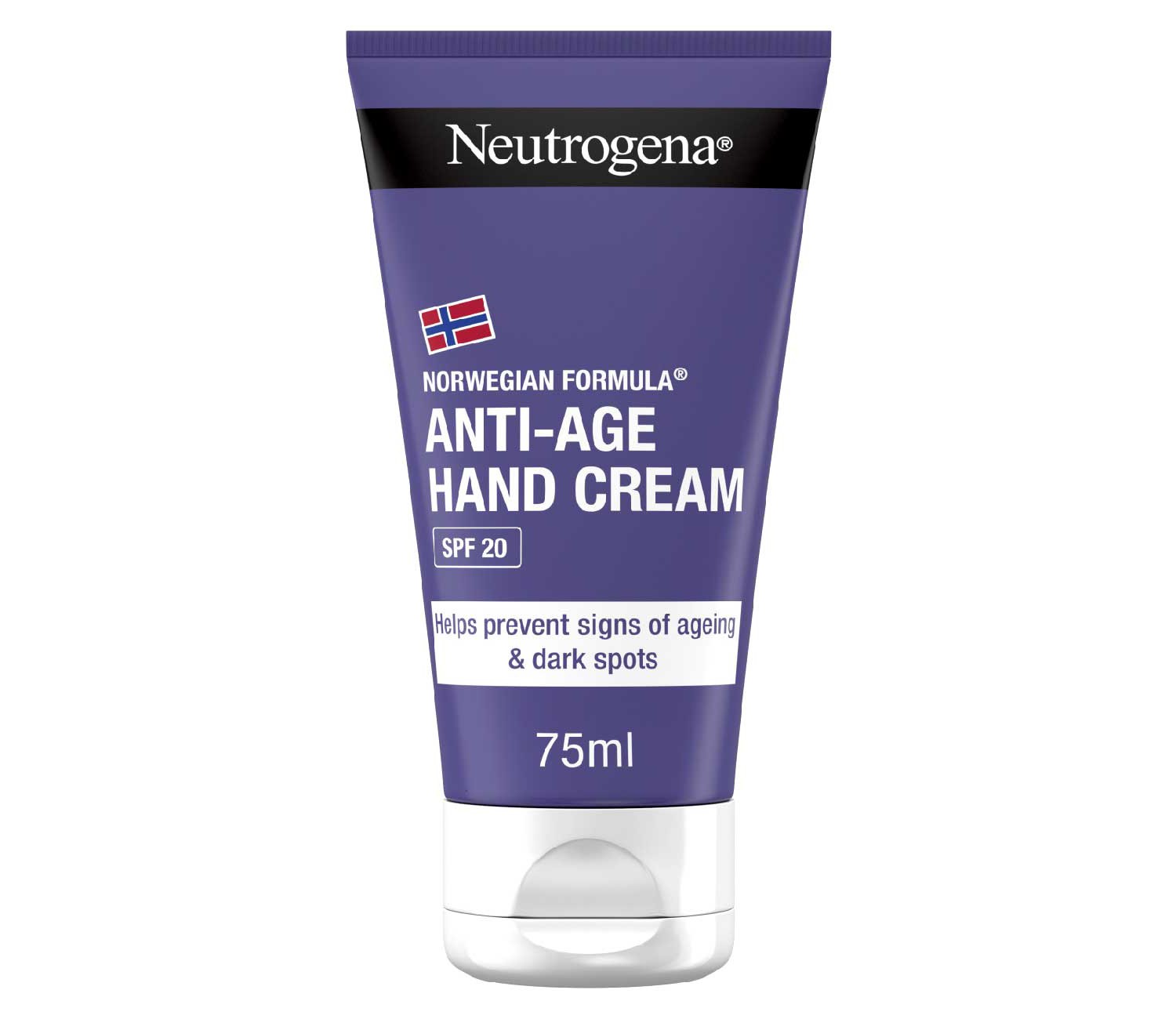
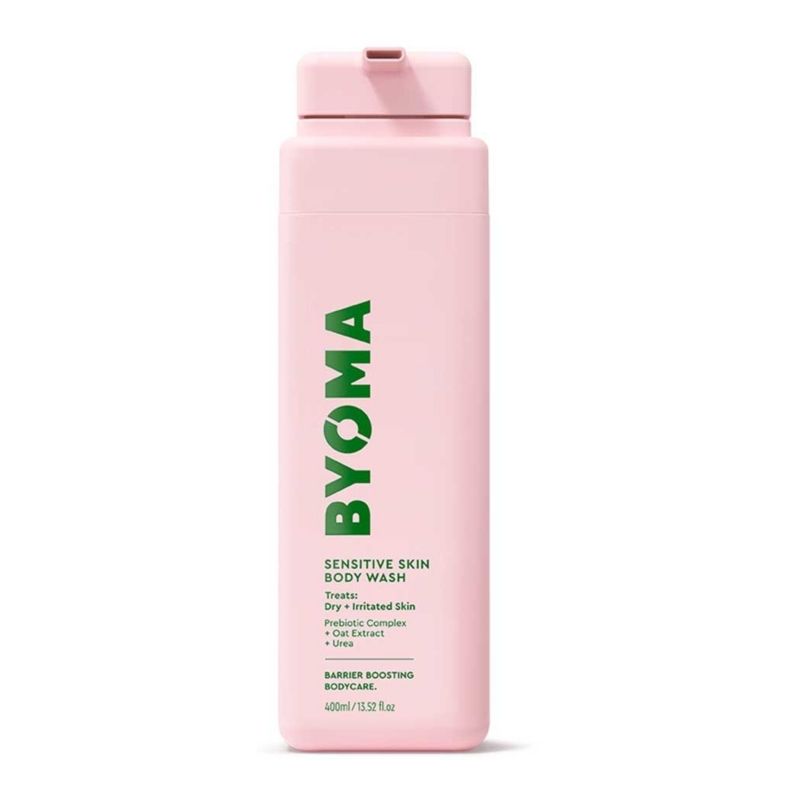
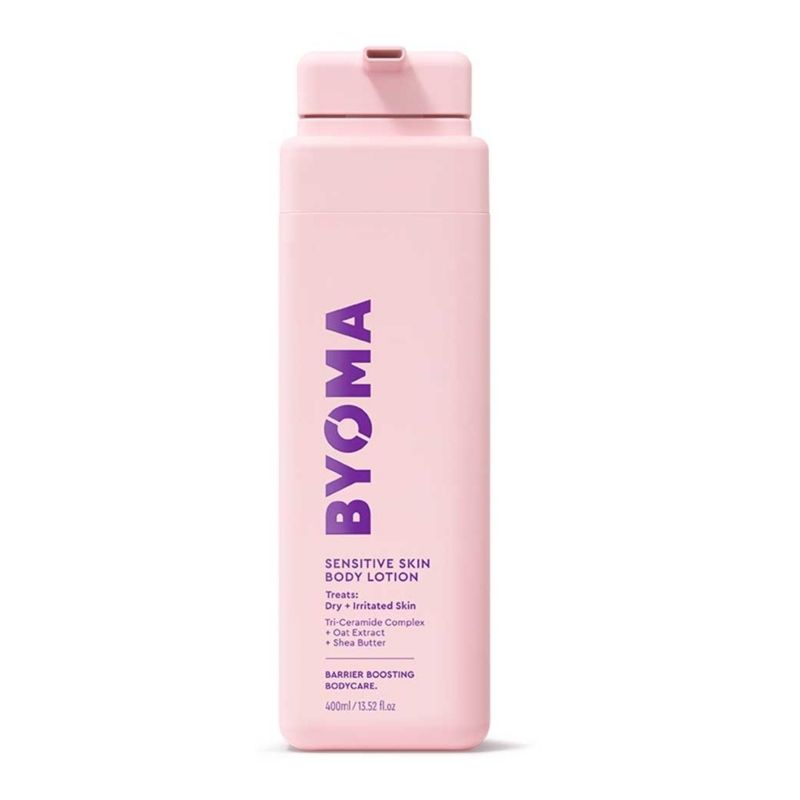
- 14 of the 1033 UK products we’ve checked (1%), mostly body and serums
- Usual place on the label
- Around 15th ingredient (mid-list)
- Often alongside
- Lecithin, Plant Butters & Seed Oils, Panthenol (Pro-Vitamin B5)
- Fungal acne
- Not flagged by our fungal acne checker
What is Colloidal Oatmeal (Oat)?
Finely ground oat (INCI: Avena Sativa Kernel Flour), and oat extracts, used to calm itchy, dry and irritated skin. Oats contain avenanthramides that reduce itching and redness, plus beta-glucans and lipids that help the skin barrier hold water. Common in creams for eczema-prone and sensitive skin.
In skincare terms, Colloidal Oatmeal (Oat) is a soothing ingredient often used to calm the look of redness and sensitivity, and an emollient that softens skin and helps support a smooth, comfortable feel.
What colloidal oatmeal does
Oats contain avenanthramides, plant compounds that calm inflammation and itching, along with beta-glucans, starches and lipids that hold water and leave a protective film on the skin (Kurtz 2007). In lab and clinical studies, colloidal oatmeal improved skin barrier function and moisture (Ilnytska 2016).
Flour vs extract
On a label, Avena Sativa Kernel Flour is colloidal oatmeal itself. Avena Sativa Kernel Extract and Meal Extract are concentrated extracts that keep many of the soothing compounds. Oat oil is mostly an emollient and is grouped with plant oils.
Who it suits
- Dry, itchy or flaky skin
- Sensitive and redness-prone skin
- Eczema-prone skin, as part of an emollient routine
- Oat allergy is uncommon but possible, especially in children with eczema: patch test first.
Where you'll find it
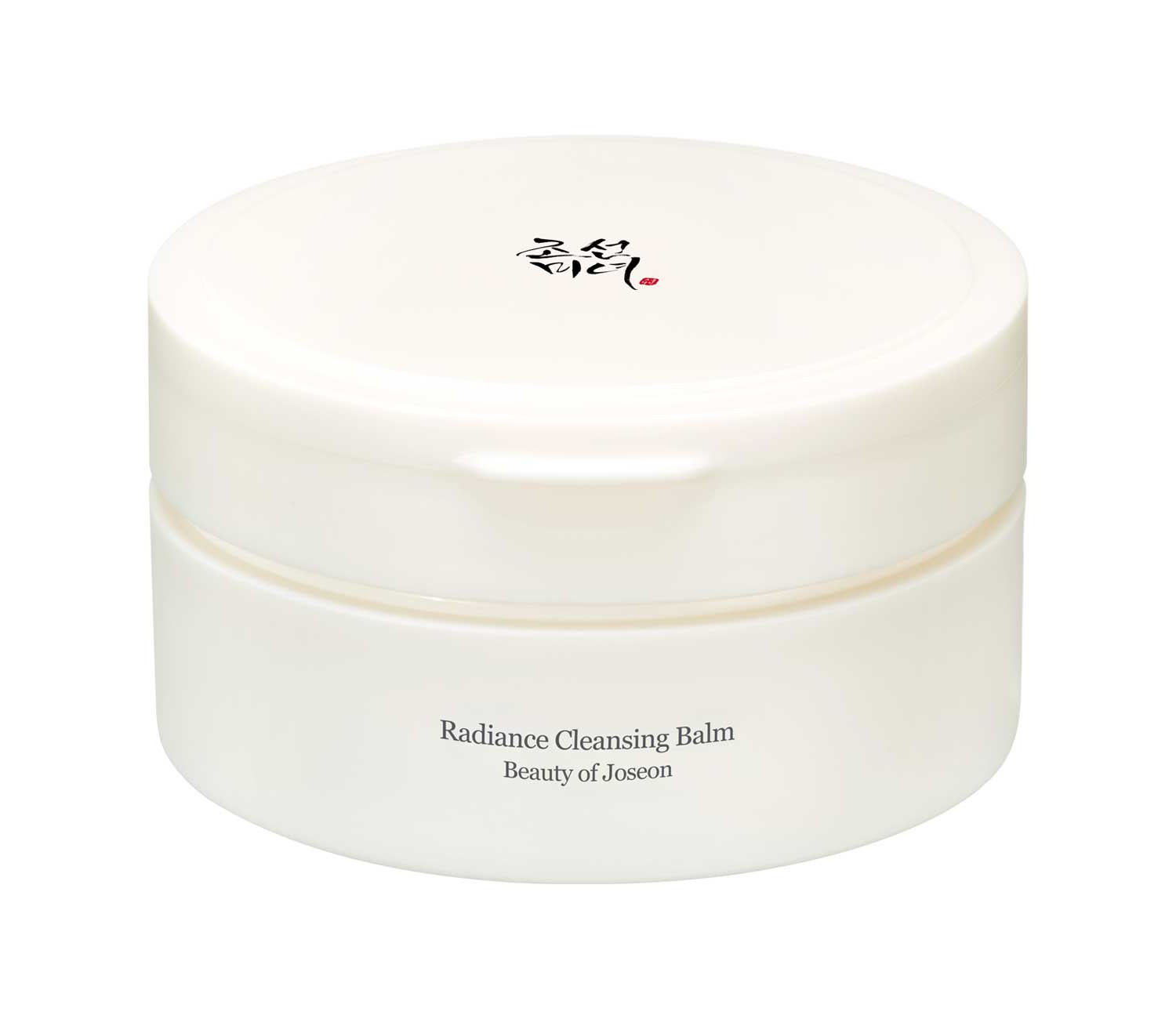
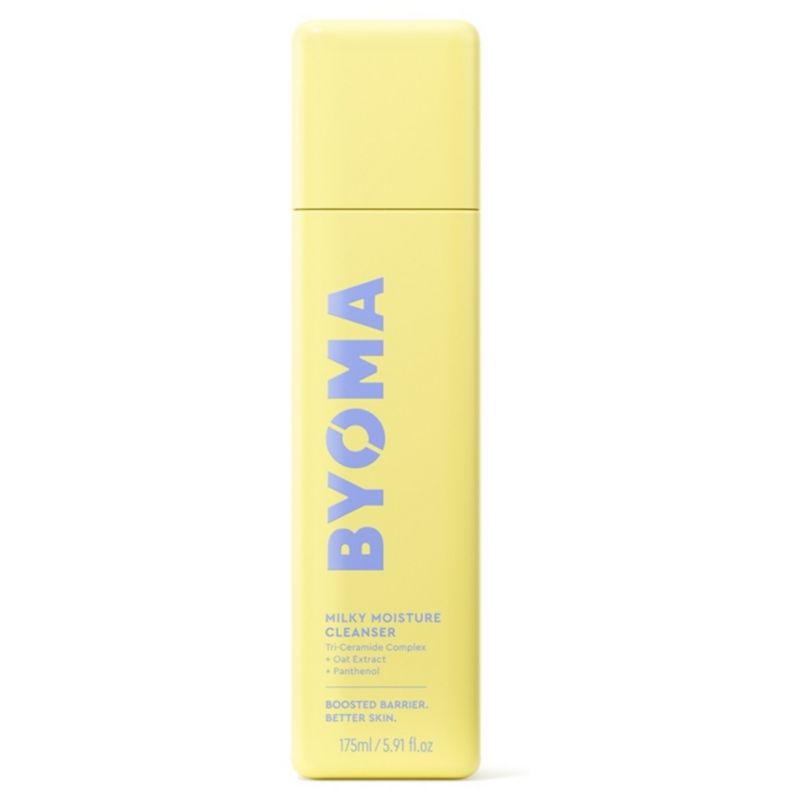
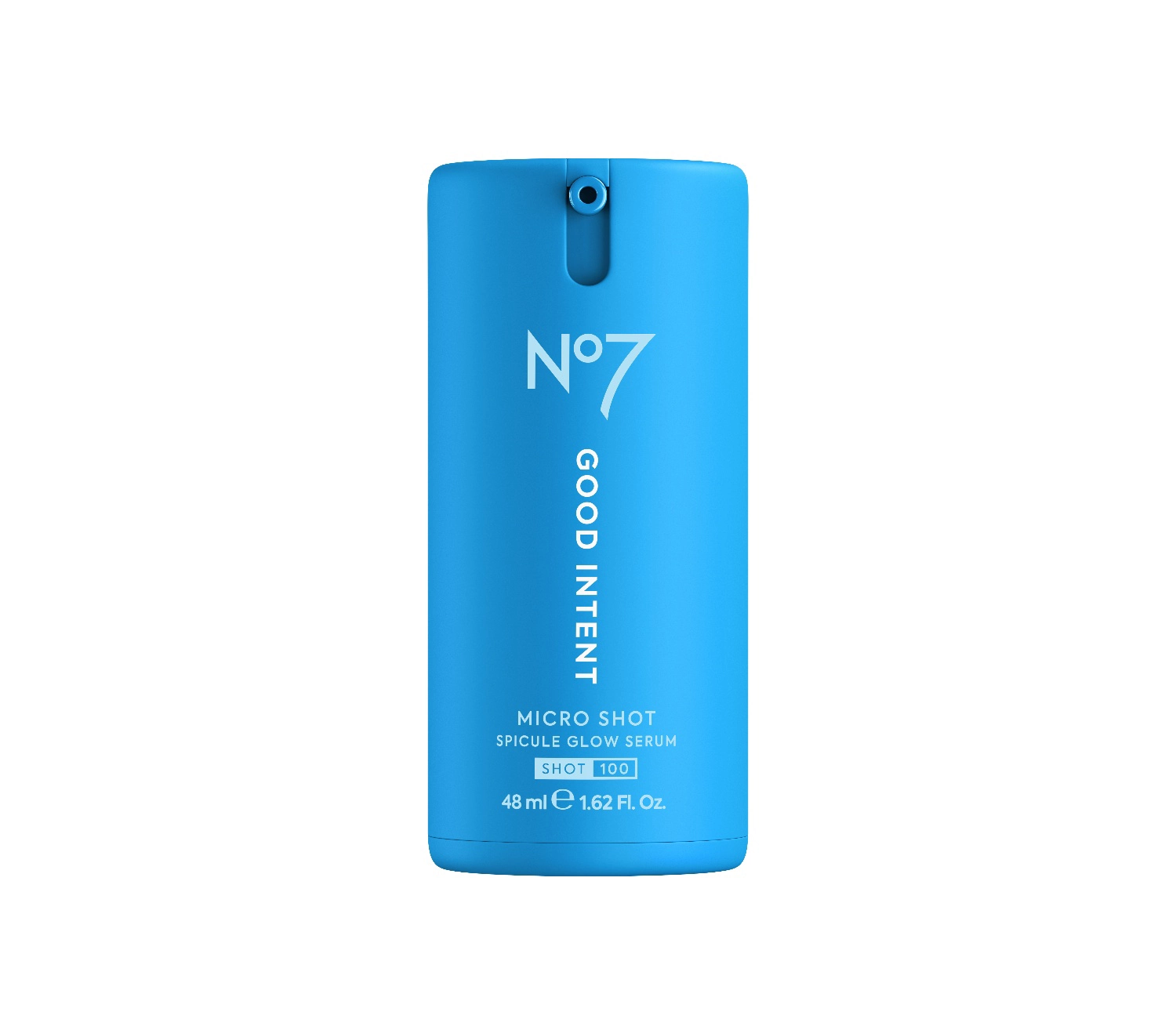
In our catalogue, Colloidal Oatmeal (Oat) appears in body, serums, cleansers, sunscreens and more.
Also listed as
On an ingredients label (INCI), Colloidal Oatmeal (Oat) may appear as: avena sativa kernel flour, colloidal oatmeal, avena sativa kernel extract, avena sativa meal extract, avena sativa extract.
Colloidal Oatmeal (Oat) is a key ingredient in our skincare guides to redness and sensitive skin.
Related ingredients
Common questions about colloidal oatmeal (oat)
Is colloidal oatmeal good for eczema?
Colloidal oatmeal creams are widely used in eczema-prone skin and studies show improvements in dryness, itch and barrier function. They support, rather than replace, treatments a GP prescribes.
Is colloidal oatmeal safe with coeliac disease?
Applied to the skin it is generally considered fine, since gluten is not absorbed through intact skin, but choose a certified gluten-free product if you are concerned or the product might be swallowed.
Is colloidal oatmeal safe for fungal acne?
Yes, by the usual rules. Colloidal Oatmeal is not a fatty acid with 11–24 carbons, a fatty-acid ester, a polysorbate, a plant oil or a ferment, so our fungal acne checker doesn’t flag it. Check a full ingredient list with the fungal acne checker.
What is colloidal oatmeal usually paired with?
In the 14 products we’ve checked that list colloidal oatmeal, it most often appears alongside Lecithin (8), Plant Butters & Seed Oils (7), Panthenol (Pro-Vitamin B5) (7) and Stearic Acid (6). Counts are products containing both.
Where is colloidal oatmeal listed on an ingredients label?
Usually around 15th (the median across 14 products), around the middle of the list. UK and EU labels list ingredients from most to least down to 1%; below that they can appear in any order.
Sources
- Kurtz ES, Wallo W. Colloidal oatmeal: history, chemistry and clinical properties. J Drugs Dermatol, 2007.
- Ilnytska O et al. Colloidal oatmeal (Avena sativa) improves skin barrier through multi-therapy activity. J Drugs Dermatol, 2016.
By Dimi Ant · Last reviewed 22 Oct 2026.