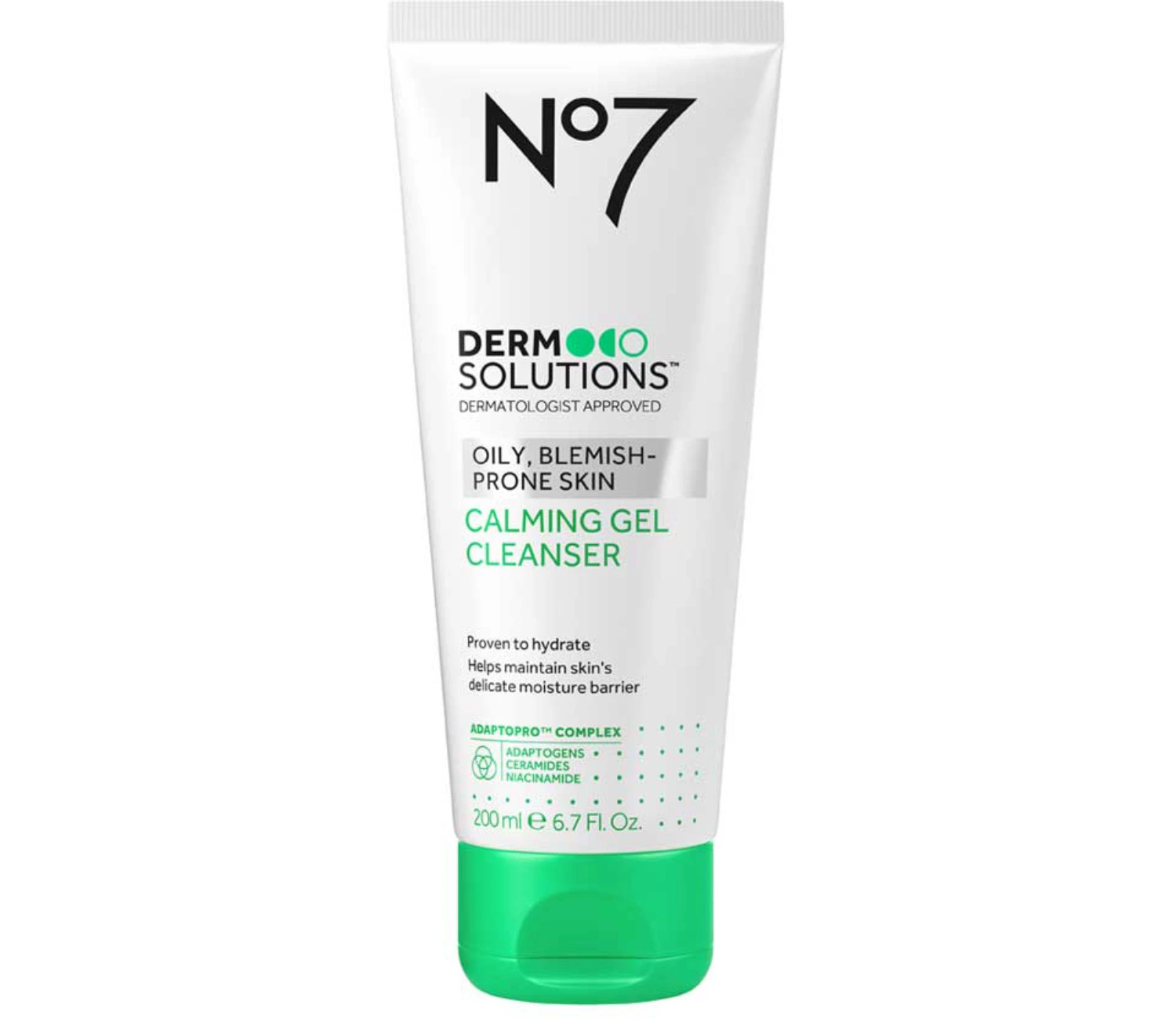
No7
Derm Solutions Calming Gel Cleanser Suitable for Normal to Sensitive Skin 200ml
Our pick · Key: Niacinamide, Panthenol (Pro-Vitamin B5)

A pregnancy-safe skincare routine leaves out retinoids, the main skincare ingredient UK guidance says to avoid. A gentle cleanser, a retinoid-free serum if you want one (niacinamide, vitamin C or azelaic acid), a moisturiser and SPF 30 or higher every morning cover most needs, including the melasma pregnancy often brings.
Morning: cleanser, serum, moisturiser and sunscreen. Evening: cleanser, serum and moisturiser.
No product below lists a retinoid, and we also leave out salicylic acid in leave-on steps, arbutin, bakuchiol and essential oils, which some guides suggest avoiding. Pregnancy is personal, so check anything you are unsure about with your midwife, GP or pharmacist.
Pregnancy can make skin more sensitive, so a fragrance-free, sulfate-free wash is a safe default.
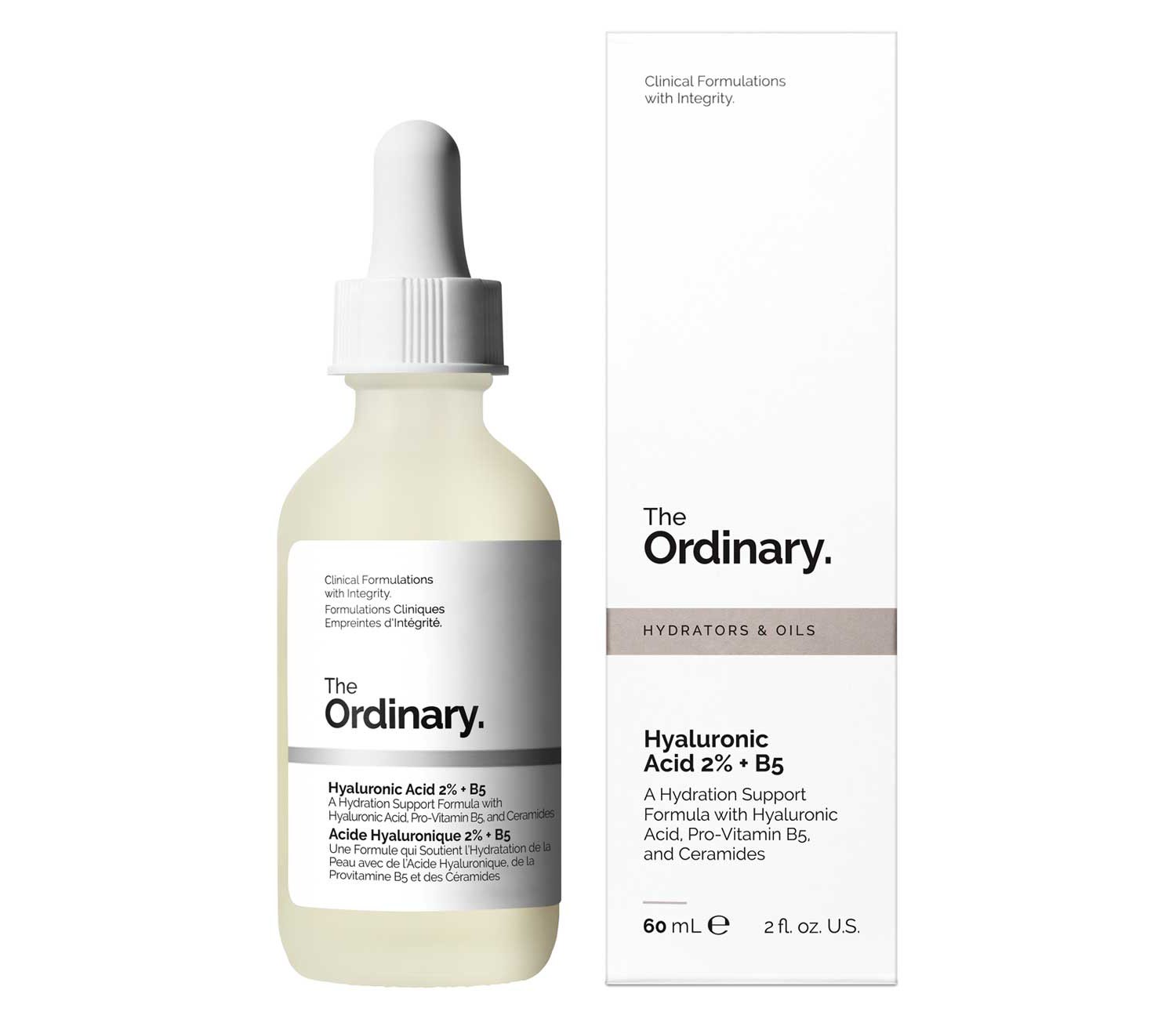
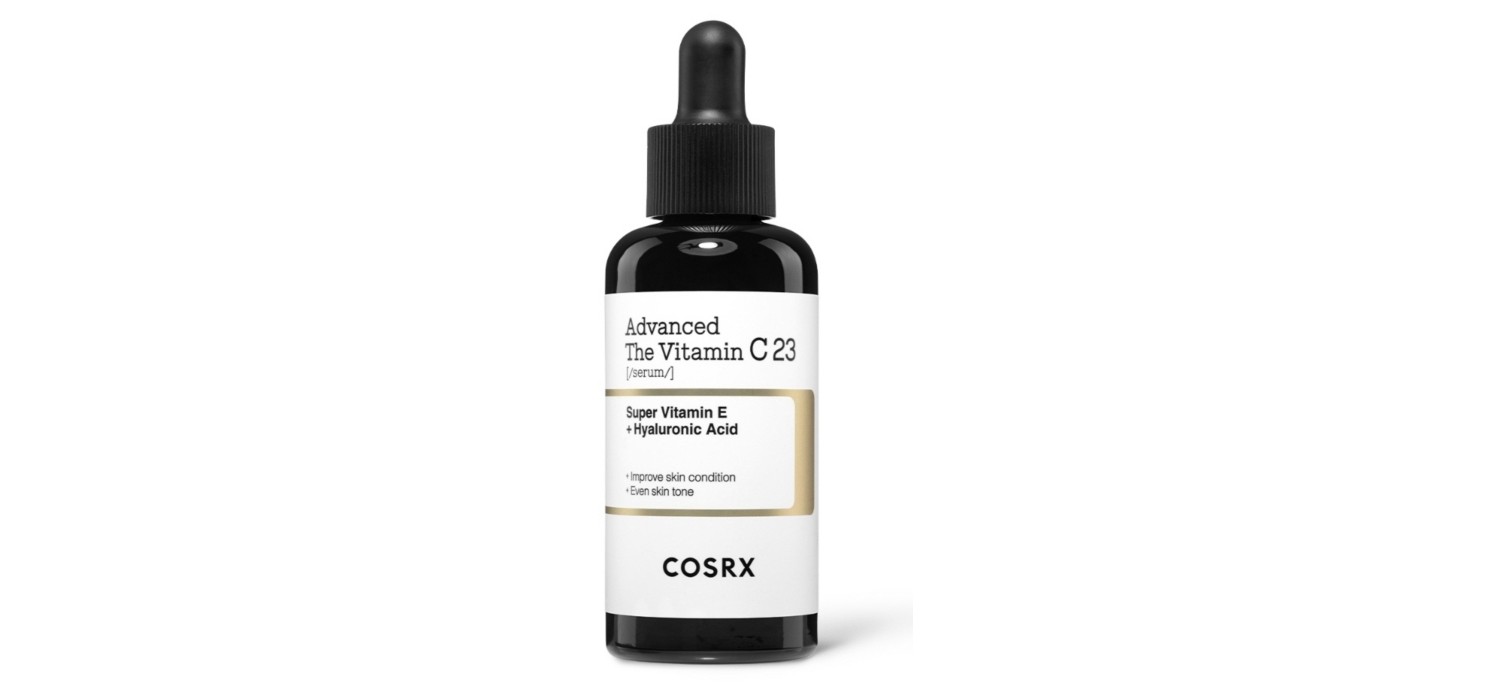
Optional. Niacinamide, vitamin C and azelaic acid are generally considered fine in pregnancy and cover tone, dark patches and breakouts.
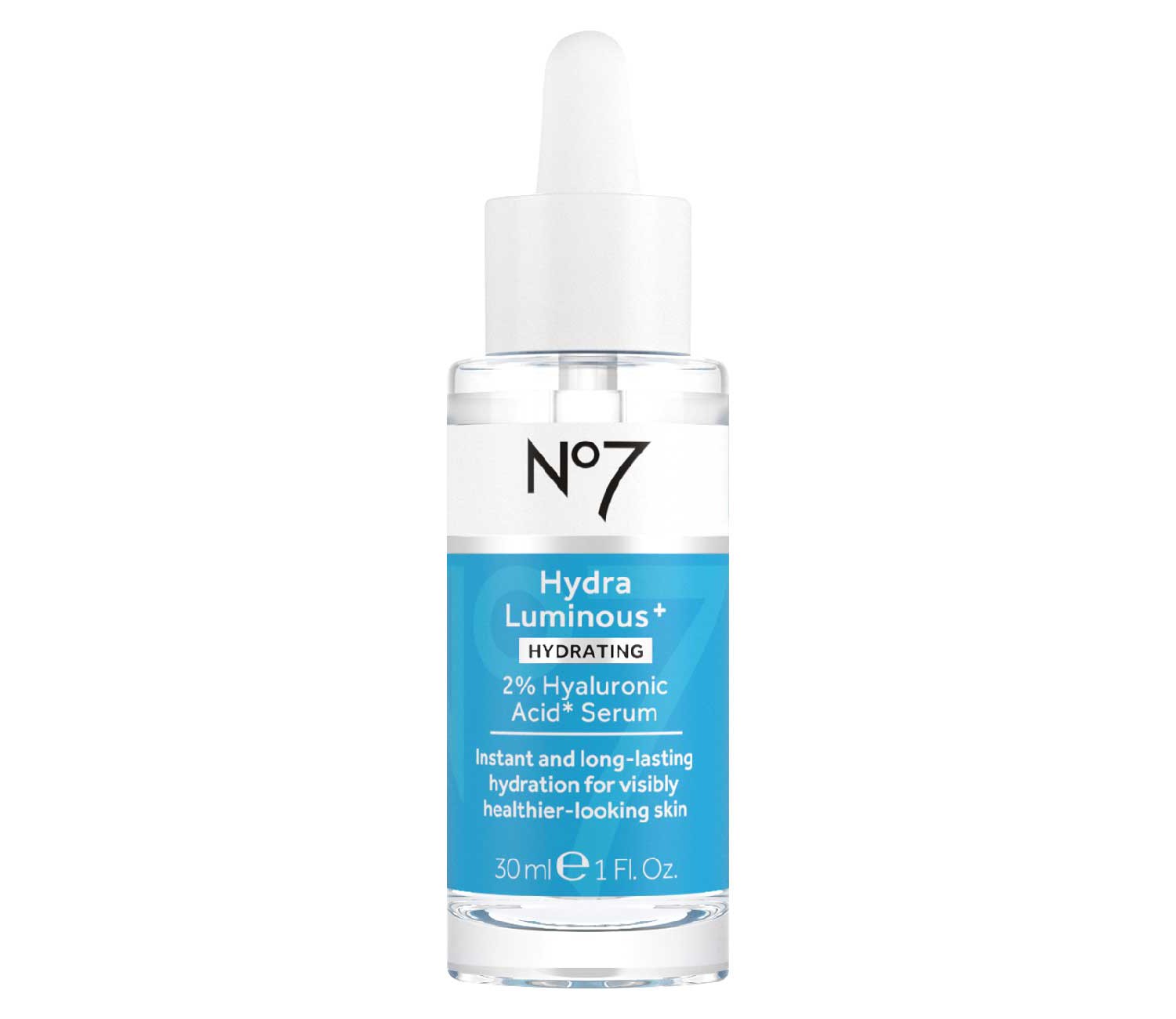
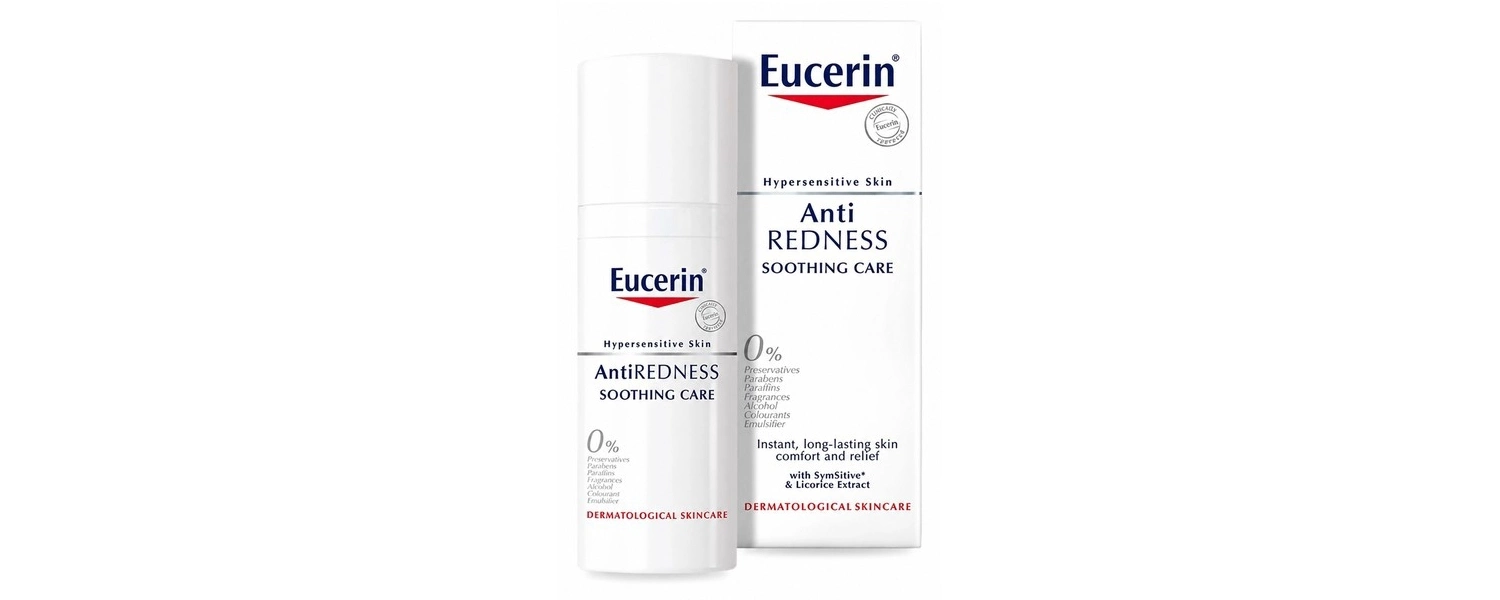
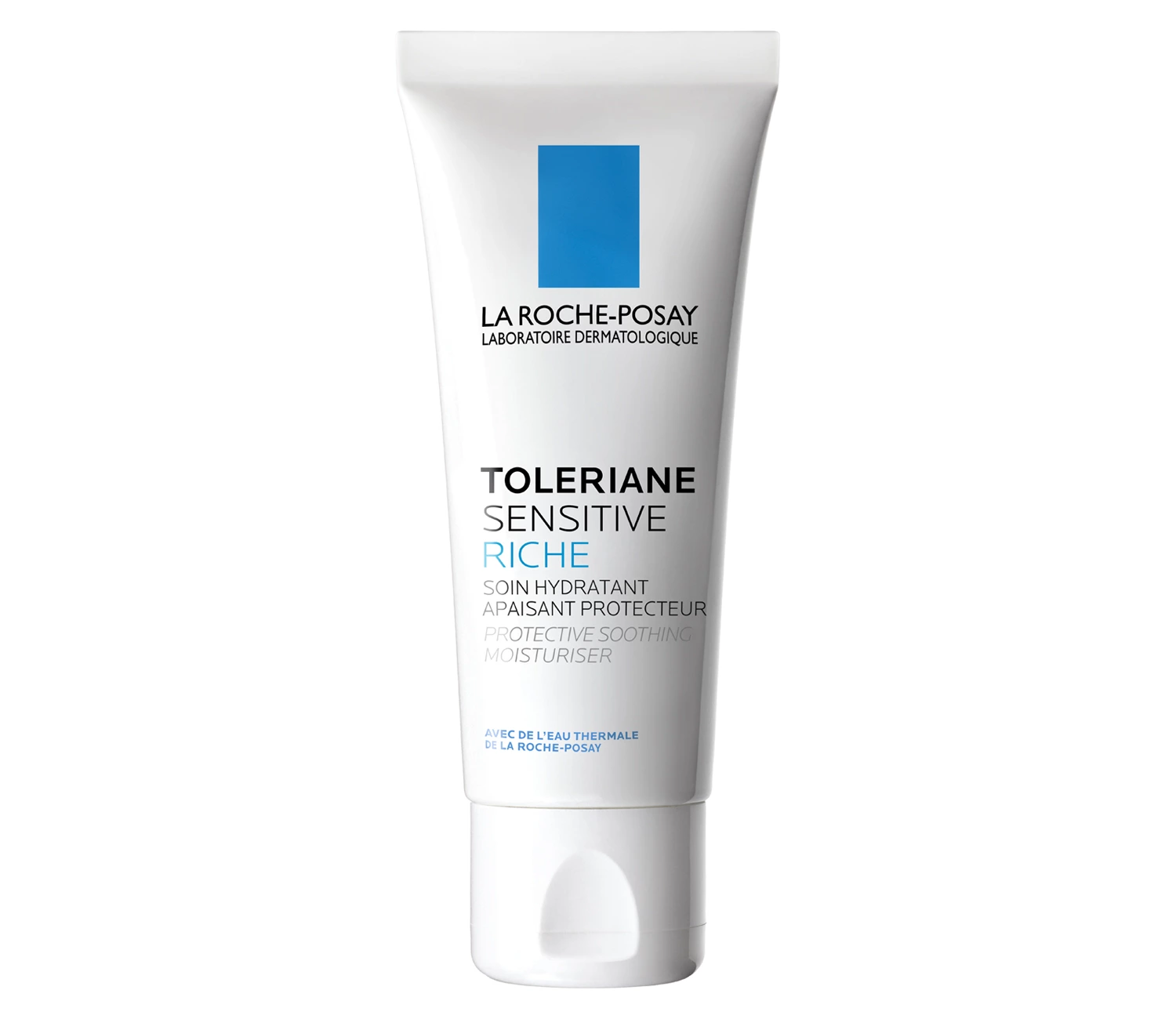
Retinoids turn up in moisturisers as well as serums, often as retinyl palmitate, so check this step too.
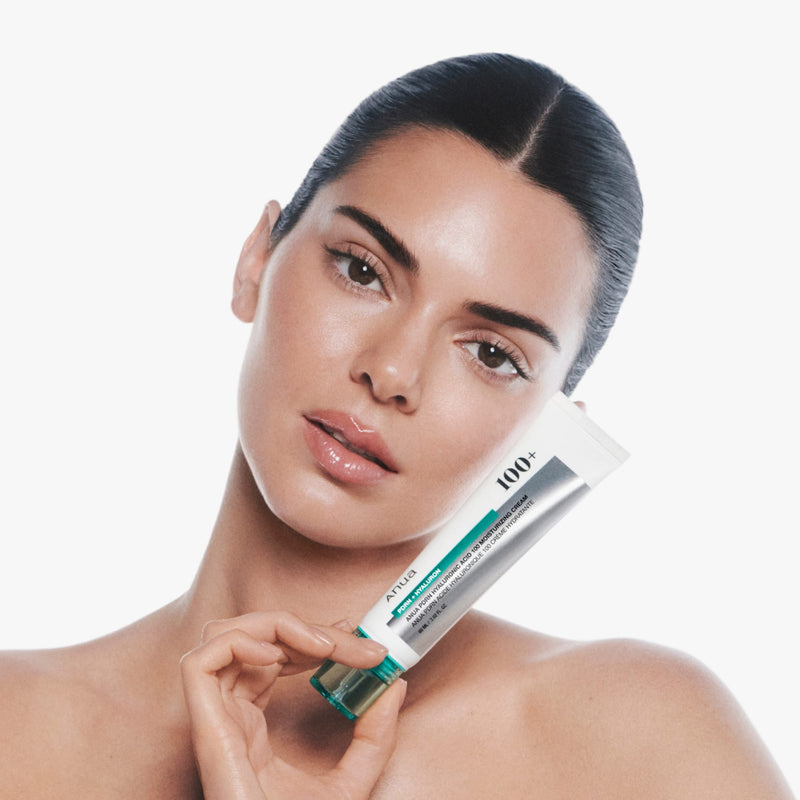
Pregnancy hormones make melasma common and sunlight darkens it, so SPF 30 or higher every morning is the step that matters most.

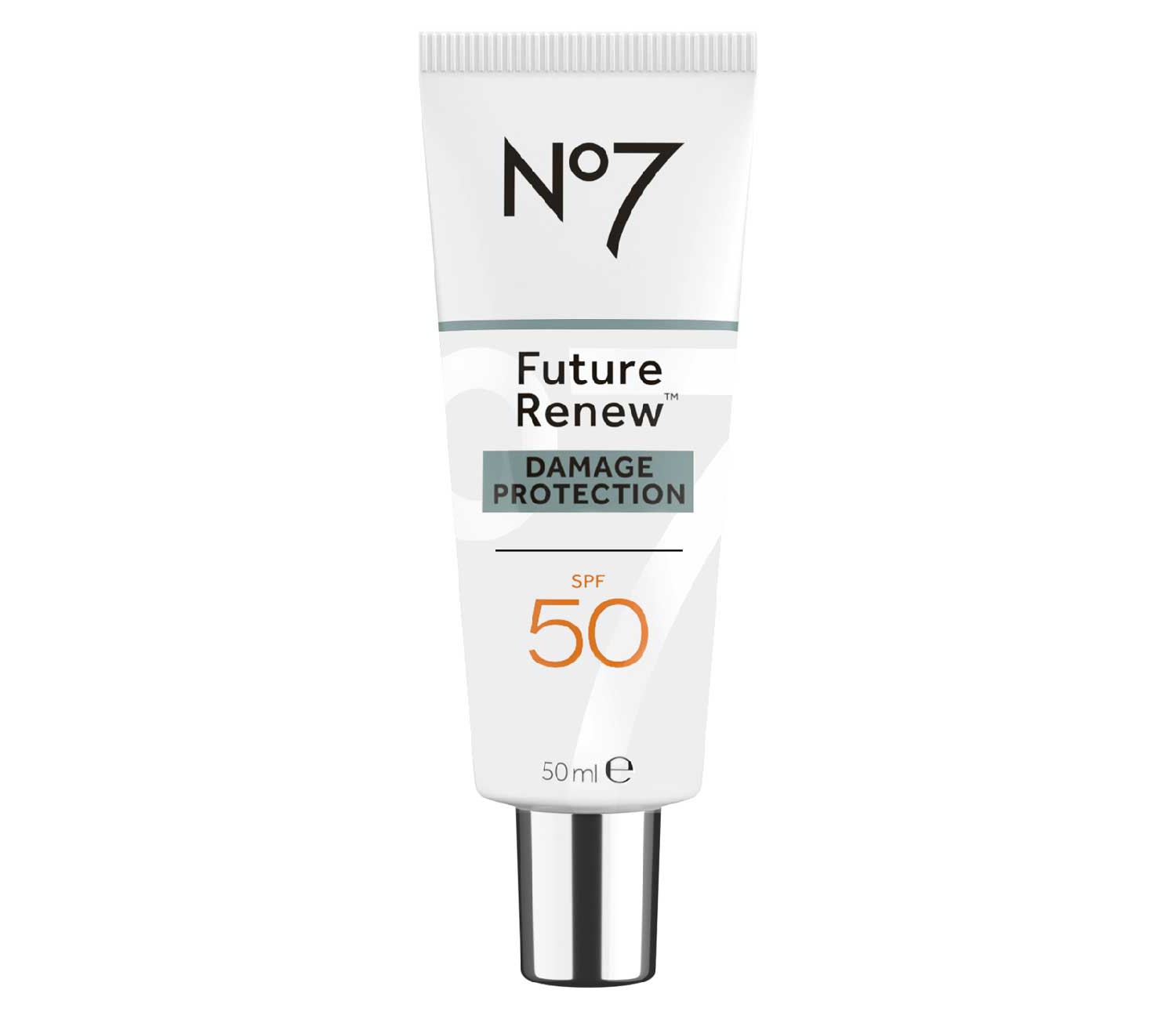
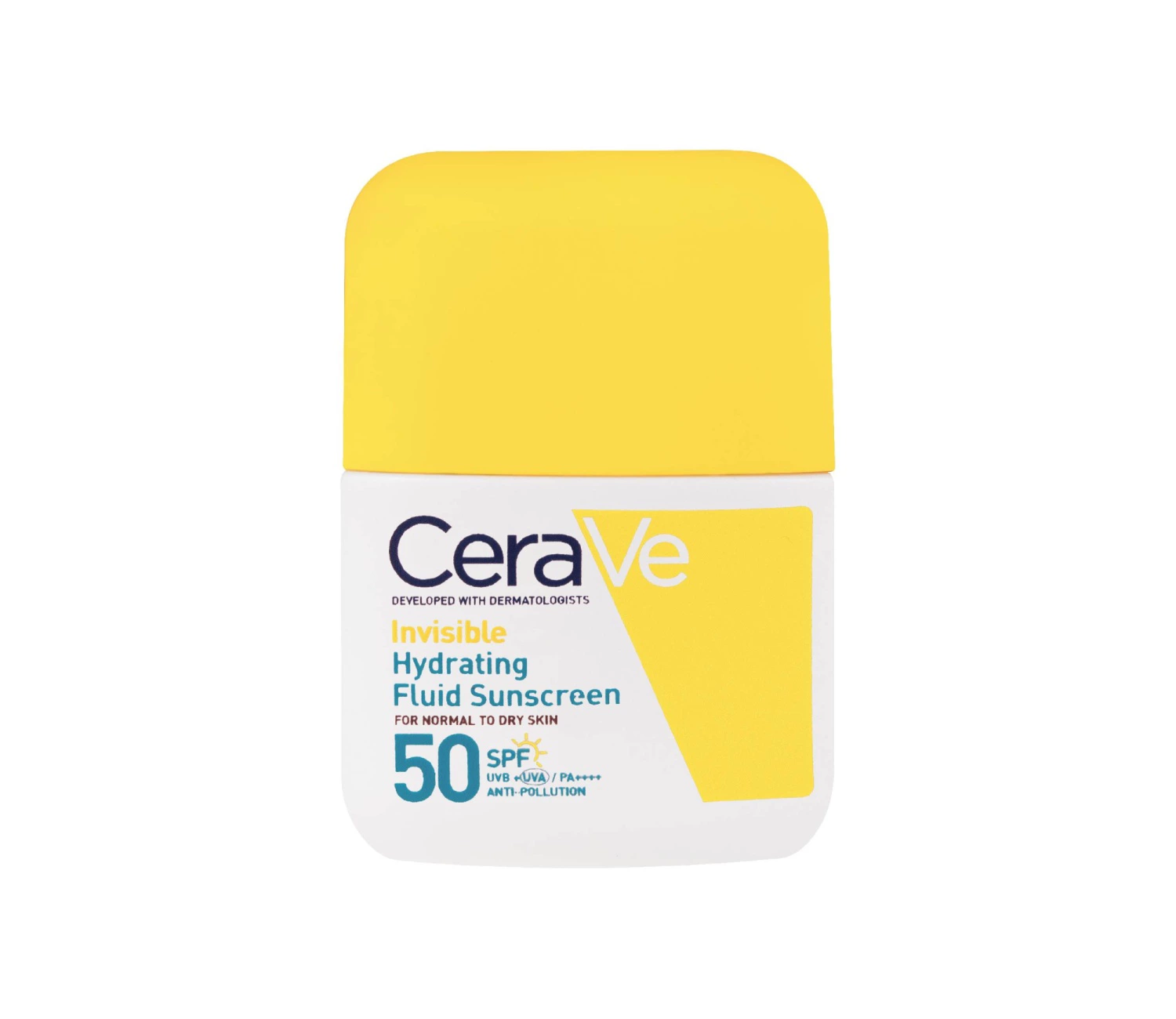
Retinoids: prescription tretinoin and adapalene, and doctors usually advise stopping cosmetic retinol, retinal and retinyl esters too. Many people also stop strong salicylic acid peels. Pregnancy is personal, so check anything you are unsure about with your midwife, GP or pharmacist.
Vitamin C serums are generally considered fine to keep using in pregnancy, and they pair well with daily SPF for the dark patches (melasma) many people get.
No. Any SPF 30 or higher that you will wear every day is the right choice. Some people prefer mineral filters (zinc oxide or titanium dioxide) to be cautious, but there is no good evidence that the filters allowed in UK sunscreens are harmful.
Each step takes the top-ranked products from one of our best-of lists, which compare products only on their ingredient lists: we haven't tested them on skin, and no brand pays to be included. Whether a product is on Amazon never affects its place. Introduce one new product at a time, a week or two apart, so you can tell what helps.
Retinoid-free serums for pregnancy →
Retinoid-free moisturisers for pregnancy →