Tranexamic Acid
Dark-spot & melasma reducer
Tranexamic acid is a dark-spot ingredient best known for melasma, the patchy brown pigmentation often triggered by hormones and sun. Applied to the skin, it helps calm the signals that switch on extra pigment, and it is gentle enough to combine with vitamin C, niacinamide or azelaic acid.
- Found in
- 5 of the 1033 UK products we’ve checked (under 1%), mostly serums and face toners
- Usual place on the label
- Around 5th ingredient (near the top)
- Often alongside
- Niacinamide, Ferment & Yeast Extracts, Centella Asiatica
- Fungal acne
- Not flagged by our fungal acne checker
What is Tranexamic Acid?
An ingredient that interferes with the signals that trigger extra pigment, used in serums for dark spots and melasma. Topical versions are usually 2–5% and well tolerated. Studies, mostly small trials in melasma, show it can lighten patches over two to three months, especially alongside daily sunscreen.
In skincare terms, Tranexamic Acid is an ingredient associated with the appearance of firmer, smoother, more even skin over time.
What tranexamic acid does
Tranexamic acid blocks a pathway (plasmin) that UV and inflammation use to tell pigment cells to make more melanin. Systematic reviews of melasma treatments find topical tranexamic acid improves pigmentation, with fewer side effects than hydroquinone, though most trials are small and short (Calacattawi 2024; Neagu 2022).
Topical vs tablets
Skincare uses topical tranexamic acid, usually at 2–5%. Tablets are a prescription medicine; some dermatologists use them for severe melasma, but they carry a risk of blood clots and need medical supervision. This page is about the topical form.
How to use it
- Apply once or twice a day to areas with dark spots or melasma.
- Pair it with daily broad-spectrum SPF 30–50; without sun protection, pigment returns.
- Expect gradual change over 8–12 weeks.
- It layers well with niacinamide, vitamin C and azelaic acid.
Also listed as
On an ingredients label (INCI), Tranexamic Acid may appear as: tranexamic acid.
Tranexamic Acid is a key ingredient in our skincare guides to dark spots.
Related ingredients
Common questions about tranexamic acid
Tranexamic acid or vitamin C for dark spots?
They work differently and are often used together: vitamin C slows pigment production and adds antioxidant protection, while tranexamic acid calms the signals that trigger extra pigment. Tranexamic acid is usually gentler on sensitive skin.
Does tranexamic acid work for acne marks?
It may help flat brown marks left by spots, but the evidence is mostly for melasma. Azelaic acid and niacinamide have more evidence for post-acne marks.
Is tranexamic acid safe for fungal acne?
Yes, by the usual rules. Tranexamic Acid is not a fatty acid with 11–24 carbons, a fatty-acid ester, a polysorbate, a plant oil or a ferment, so our fungal acne checker doesn’t flag it. Check a full ingredient list with the fungal acne checker.
What is tranexamic acid usually paired with?
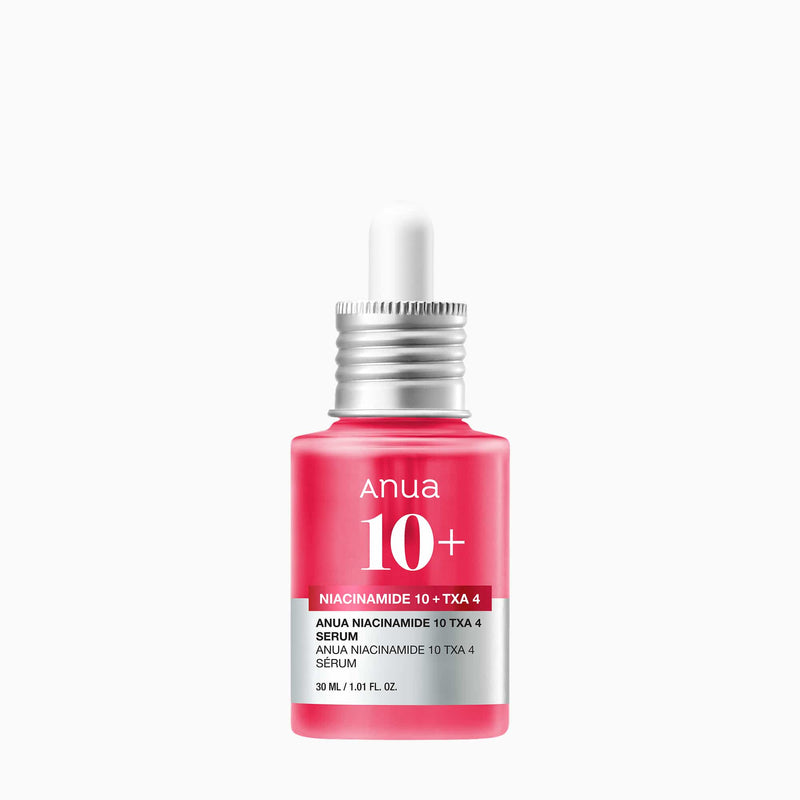
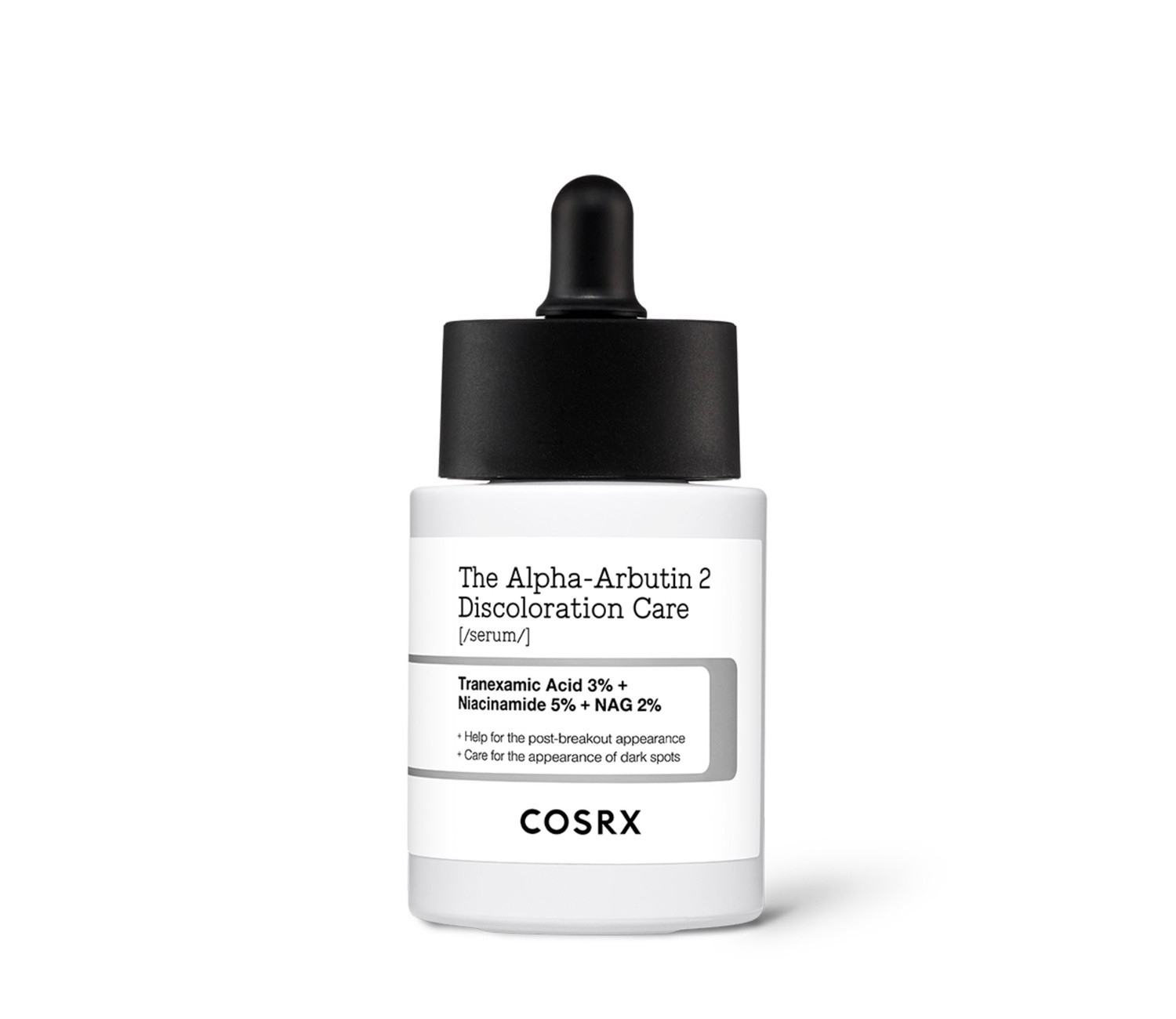
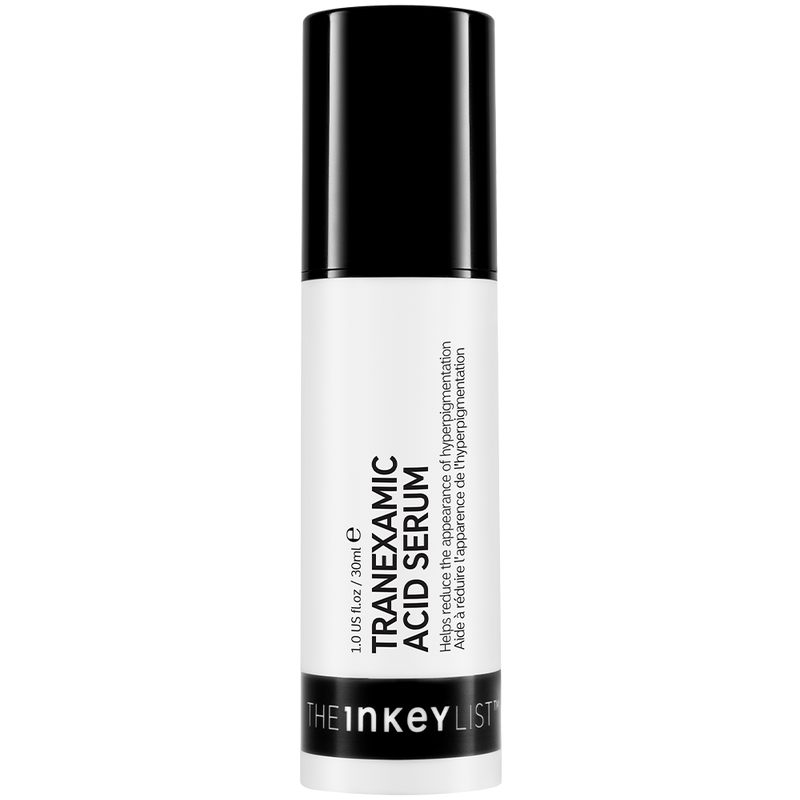
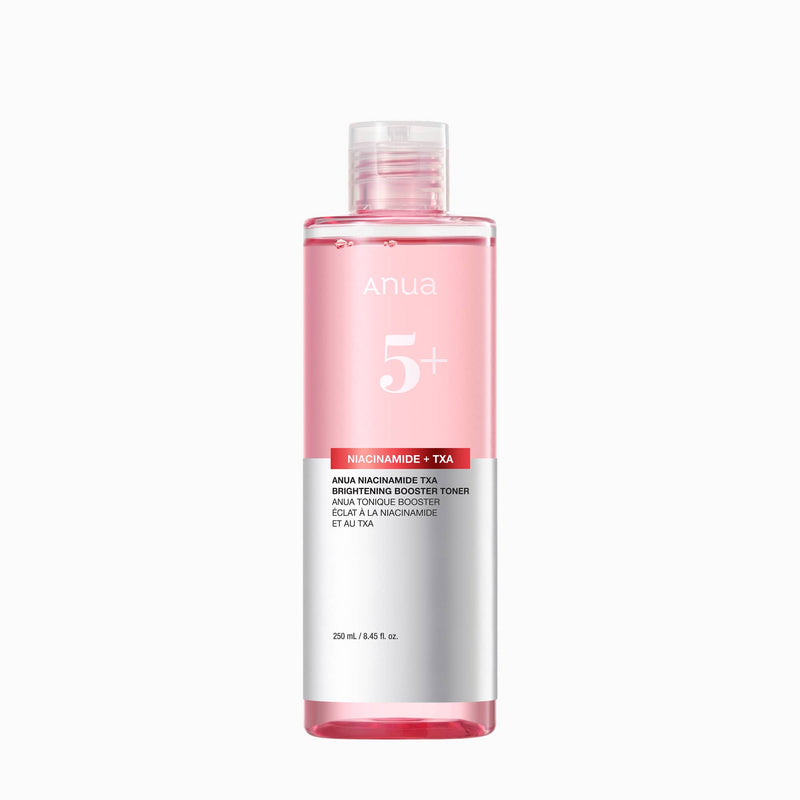
In the 5 products we’ve checked that list tranexamic acid, it most often appears alongside Niacinamide (3), Ferment & Yeast Extracts (3), Centella Asiatica (3) and Lecithin (3). Counts are products containing both.
Where is tranexamic acid listed on an ingredients label?
Usually around 5th (the median across 5 products), near the top, so it is usually a main part of the formula. UK and EU labels list ingredients from most to least down to 1%; below that they can appear in any order.
Sources
- Calacattawi R et al. Tranexamic acid as a therapeutic option for melasma management: meta-analysis and systematic review of randomized controlled trials. J Dermatolog Treat, 2024.
- Neagu N et al. Melasma treatment: a systematic review. J Dermatolog Treat, 2022.
By Dimi Ant · Last reviewed 22 Oct 2026.