
Anti-Ageing Skincare for Fine Lines & Wrinkles
UV causes most visible skin ageing, so daily SPF comes first; retinoids have the strongest evidence for softening lines.
What actually helps with fine lines and wrinkles?
Daily broad-spectrum sunscreen comes first, because UV causes most visible skin ageing. Retinoids such as retinol have the strongest evidence for softening fine lines; vitamin C, peptides and niacinamide add support, and hydrating ingredients plump lines temporarily. Start retinol slowly, at night, and expect visible change over three to six months.
Key ingredients for fine lines & wrinkles
- Daily sunscreen (SPF 30+) — prevents most new lines and sun damage
- Retinol — the best-studied over-the-counter ingredient for fine lines
- Bakuchiol — a gentler plant-based alternative to retinol
- Vitamin C (Ascorbic Acid) — an antioxidant that supports collagen and brightens
- Peptides — support the look of firmness; gentle and easy to layer
- Niacinamide — improves texture and tone and supports the barrier
- Hyaluronic Acid — plumps fine lines temporarily with water
Compare products: Best retinol serums · Best retinol creams · Best vitamin C serums · Best face sunscreens SPF 50 · Best eye creams
Anti-ageing products by the numbers
We checked the full ingredient lists of 64 products that say anti-ageing, wrinkles, firming or lifting in their name in our UK catalogue. Here is how many contain what this guide recommends, and what it suggests avoiding.
25%
contain a retinoid (retinol, retinal or a retinoid ester) (16 of 64)
41%
contain peptides (26 of 64)
30%
contain vitamin C (19 of 64)
69%
contain fragrance, essential oils or fragrance allergens (44 of 64)
Counted from ingredient lists only, across products with a complete list; body products and gift sets are excluded. The group is based on what brands say in the product name or stated skin type, not on testing. Ingredient lists last checked 19 Oct 2026. An ingredient being on the list doesn’t tell you how much is in it or show that the product works.
What to avoid
The products further down this page are filtered against this list.
- Glycolic Acid — don’t layer strong acids with retinol on the same night when starting out
- Fragrance / Parfum — adds irritation risk, especially alongside retinoids
A simple routine
Morning
- Gentle cleanser
- Vitamin C serum
- Moisturiser with peptides or niacinamide
- Broad-spectrum SPF 30–50 every day
Evening
- Cleanse
- Retinol two or three nights a week, building up slowly
- Moisturiser (apply first if retinol stings)
Introduce one new product at a time, a week or two apart, so you can tell what helps and what doesn’t.
Anti-ageing products

Clinique
Smart Night Clinical MD Multi-Dimensional Repair Treatment Retinol
Treatments
Contains Niacinamide, Retinol and Hyaluronic Acid
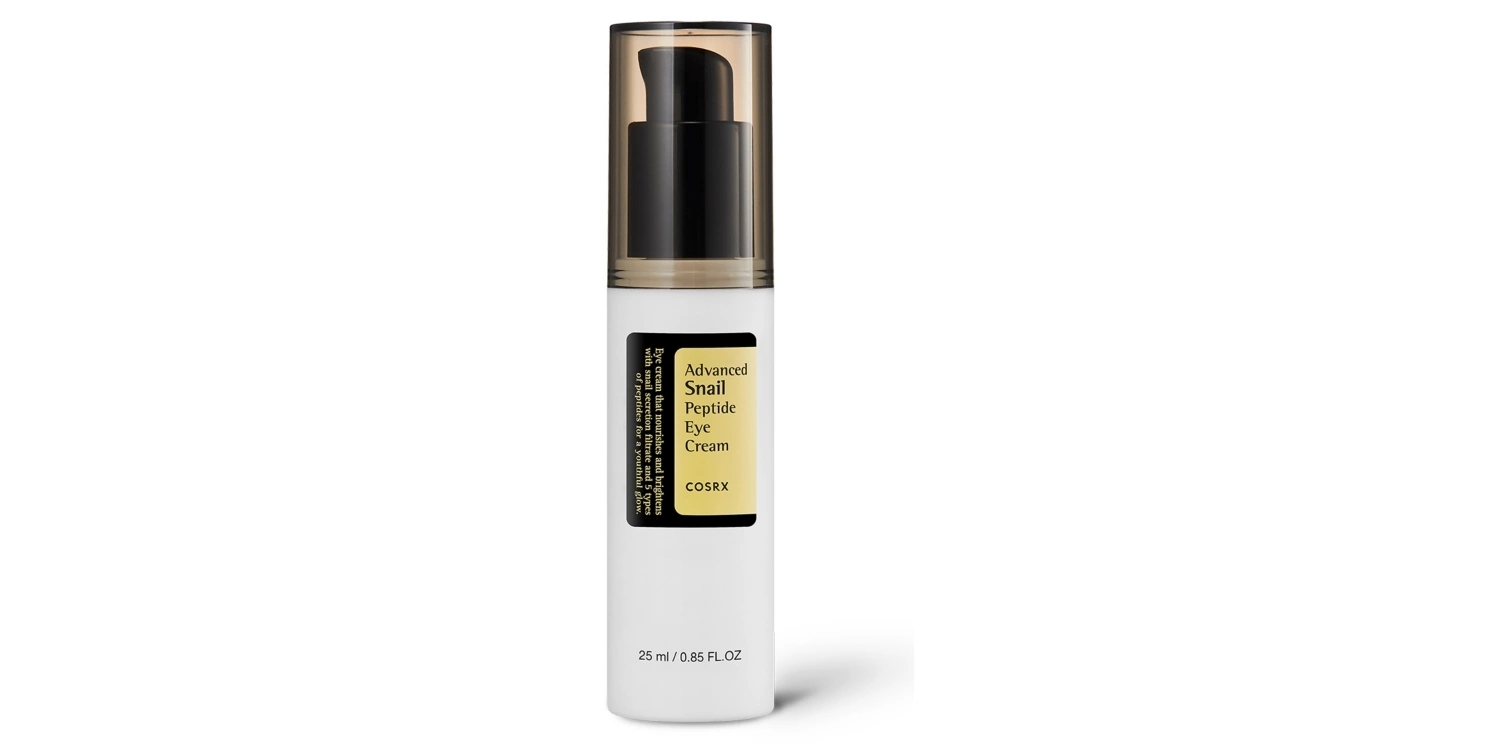
COSRX
Advanced Snail Peptide Eye Cream 25ml
Eye Care
Contains Niacinamide, Peptides and Hyaluronic Acid

Estée Lauder
Advanced Night Repair Eye Lift + Sculpt Eye Cream 15ml
Eye Care
Contains Peptides, Hyaluronic Acid and Vitamin C
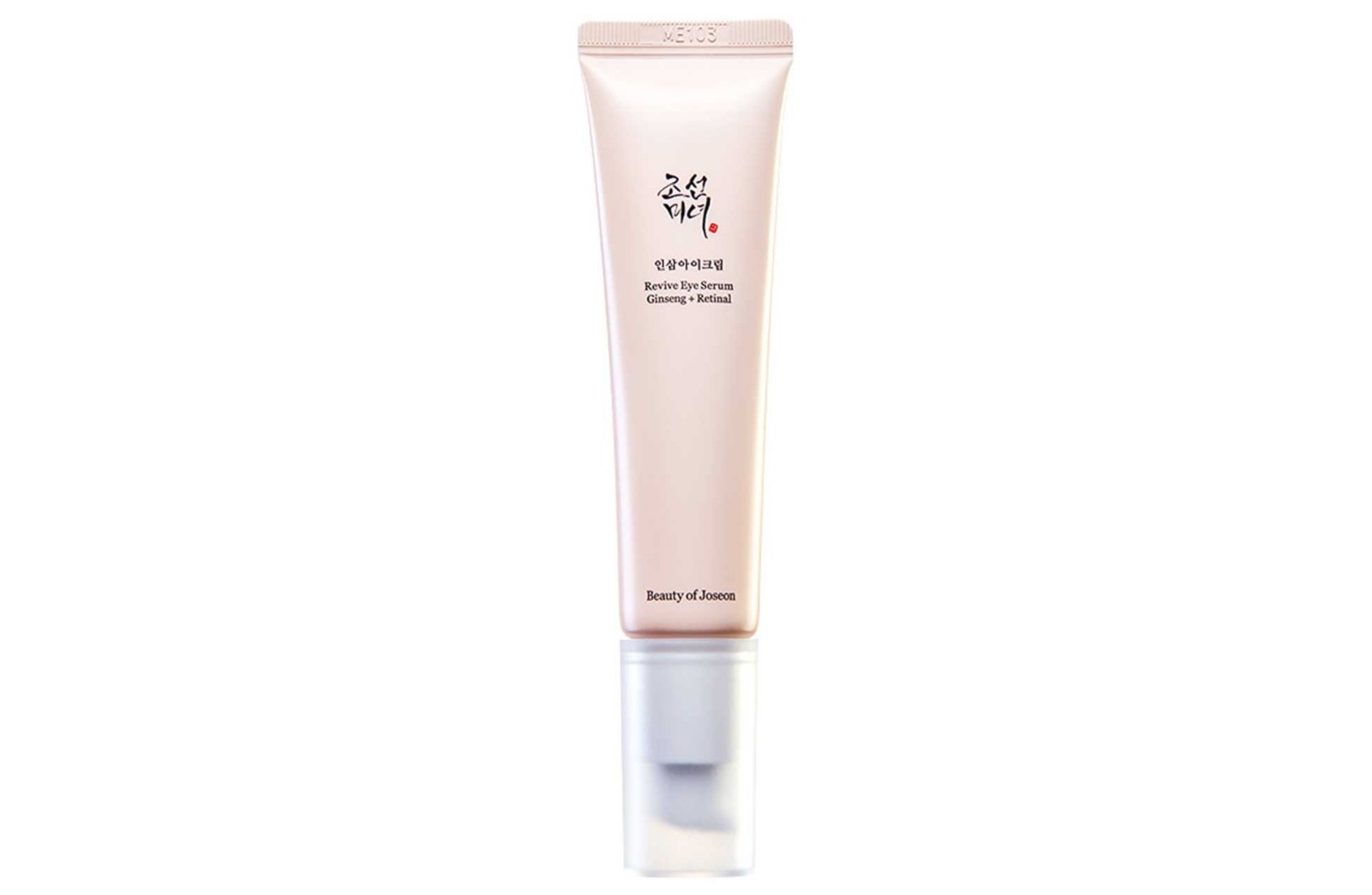
Beauty of Joseon
Revive Eye Serum : Ginseng + Retinal 30ml
Eye Care
Contains Niacinamide, Retinol and Hyaluronic Acid
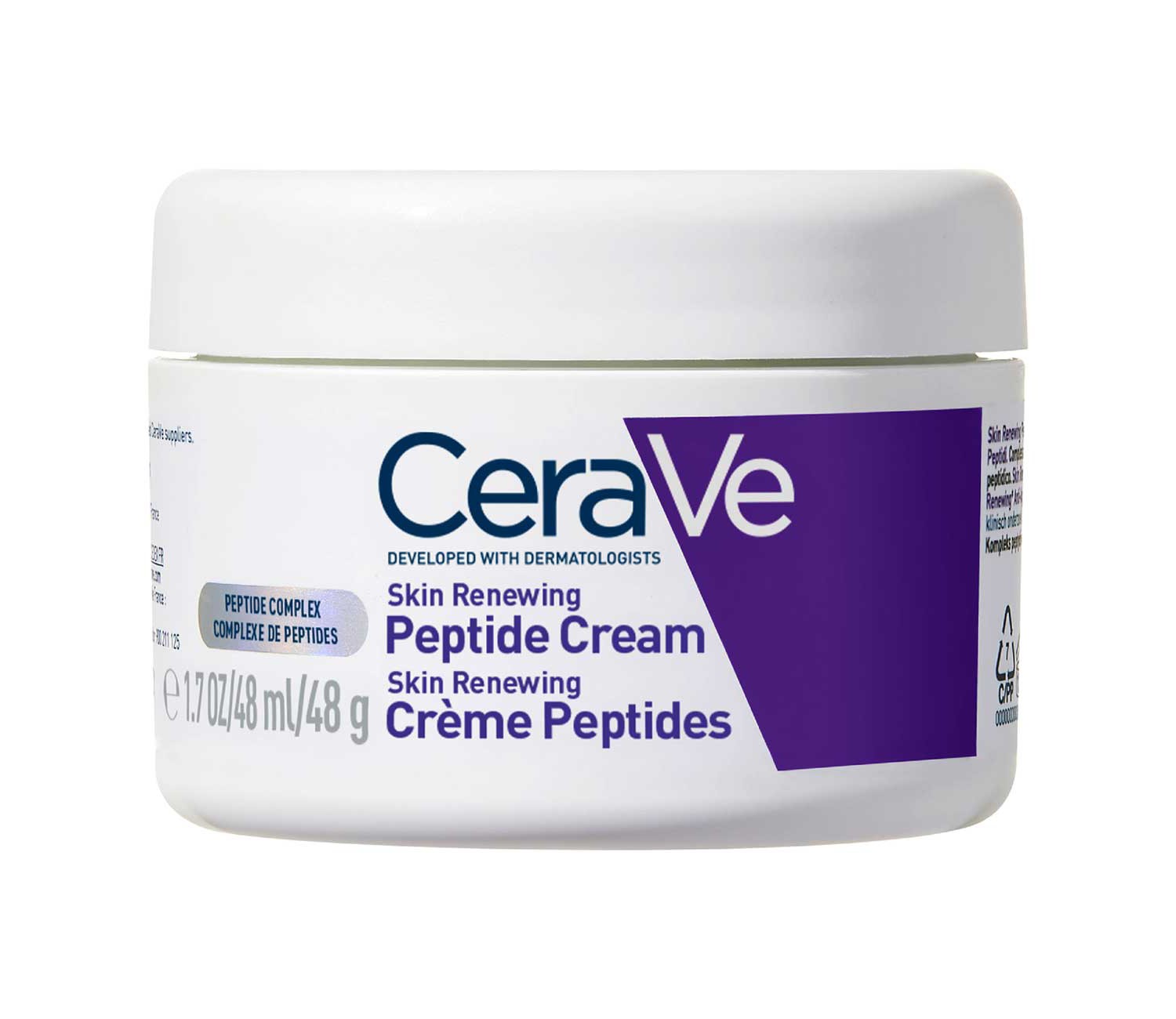
CeraVe
Skin Renewing Peptide Night Cream 48g
Moisturisers
Contains Niacinamide, Hyaluronic Acid and Peptides
Browse every product by type: serums · exfoliators and treatments · eye creams and eye care · face masks · moisturisers.
Common questions
Do anti-ageing creams contain retinol?
Most don't. Of 64 UK products that say anti-ageing, wrinkles, firming or lifting in their name, only 25% contain a retinoid, the ingredient with the strongest evidence for fine lines. 41% contain peptides, 30% vitamin C, and 69% contain fragrance.
At what age should I start retinol?
There is no set age. Many people start in their mid-20s to 30s for prevention, but retinol helps fine lines at any age. Start at a low strength (0.2–0.3%) two or three nights a week. Avoid retinoids if pregnant or breastfeeding.
Retinol or bakuchiol?
Retinol has far more evidence for fine lines. Bakuchiol is gentler, with smaller studies showing similar but more modest results; it is often marketed as pregnancy-friendly, though it has been studied far less. It’s a good option if retinol irritates your skin.
Do peptides work?
Some peptides, such as palmitoyl pentapeptide-4, have small studies showing modest improvement in fine lines. They are gentle and easy to add, but they are not a substitute for SPF or retinoids.
How long until I see results on fine lines?
Hydrating ingredients plump lines within days, but that is temporary. Retinol takes around three months for visible change, with continued improvement over six to twelve months.
More related ingredients
Not sure about a product? Paste its ingredient list into our ingredient checker to see which of these actives — and which common irritants — it contains.
Sources
- Kafi R et al. Improvement of naturally aged skin with vitamin A (retinol). Arch Dermatol, 2007.
- Mukherjee S et al. Retinoids in the treatment of skin aging: an overview of clinical efficacy and safety. Clin Interv Aging, 2006.
- Gorouhi F, Maibach HI. Role of topical peptides in preventing or treating aged skin. Int J Cosmet Sci, 2009.
- Pullar JM et al. The roles of vitamin C in skin health. Nutrients, 2017.
- NHS: Sunscreen and sun safety
By Dimi Ant · Last reviewed 22 Oct 2026. Product matches are based on product names, descriptions and ingredient lists, not on testing.
This page groups products and ingredients commonly associated with fine lines & wrinkles. It is educational, not medical advice — patch test and consult a professional for persistent concerns.